Half Day Inshore Morning Trip - Daytona Beach
There's something special about being on the water at first light, and Captain Mike's half-day inshore morning trip captures that magic perfectly. Departing at 7:00 AM from Ponce Inlet, this 4.5-hour charter puts you right in the heart of some of Florida's most productive inshore waters. Whether you're a seasoned angler or just getting your feet wet, this trip delivers consistent action targeting redfish, sea trout, sheepshead, and summer flounder. The best part? Captain Mike keeps it intimate with just 4 guests max, so you get the personal attention and local knowledge that makes all the difference between a good day and a great day on the water.
What to Expect on the Water
Your morning starts at 4931 S Peninsula Dr in Ponce Inlet, where Captain Mike will have everything ready to roll. The early departure isn't just about beating the crowds – it's when these inshore species are most active and feeding aggressively. You'll be fishing the Halifax River system and the productive waters around Daytona Beach, areas that Captain Mike knows like the back of his hand. This isn't about running 30 miles offshore and burning fuel; it's about smart, strategic fishing in calm, protected waters where the fish live year-round. The vibe is relaxed but focused – perfect for families wanting to introduce kids to fishing or experienced anglers looking to dial in their light tackle skills. Captain Mike keeps the instruction flowing without being overwhelming, and he's got that rare ability to read the water and adjust tactics on the fly.
Light Tackle Techniques
Captain Mike runs his charters using light tackle methods that make every fish feel like a trophy. We're talking spinning gear in the 2500-3000 size range spooled with 10-15 pound braid, paired with fluorocarbon leaders that won't spook these educated inshore fish. Depending on conditions and target species, you might be throwing soft plastics on jig heads, working topwater plugs during the early bite, or presenting live shrimp under popping corks. The Halifax River has plenty of structure – docks, oyster bars, grass flats, and channel edges – and each spot requires a different approach. Captain Mike provides all the gear and tackle, but he's also happy to let you throw your own rods if you prefer. The beauty of this style of fishing is that it's active and engaging; you're constantly moving, casting, and working different techniques rather than just sitting and waiting for something to happen.
Species You'll Want to Hook
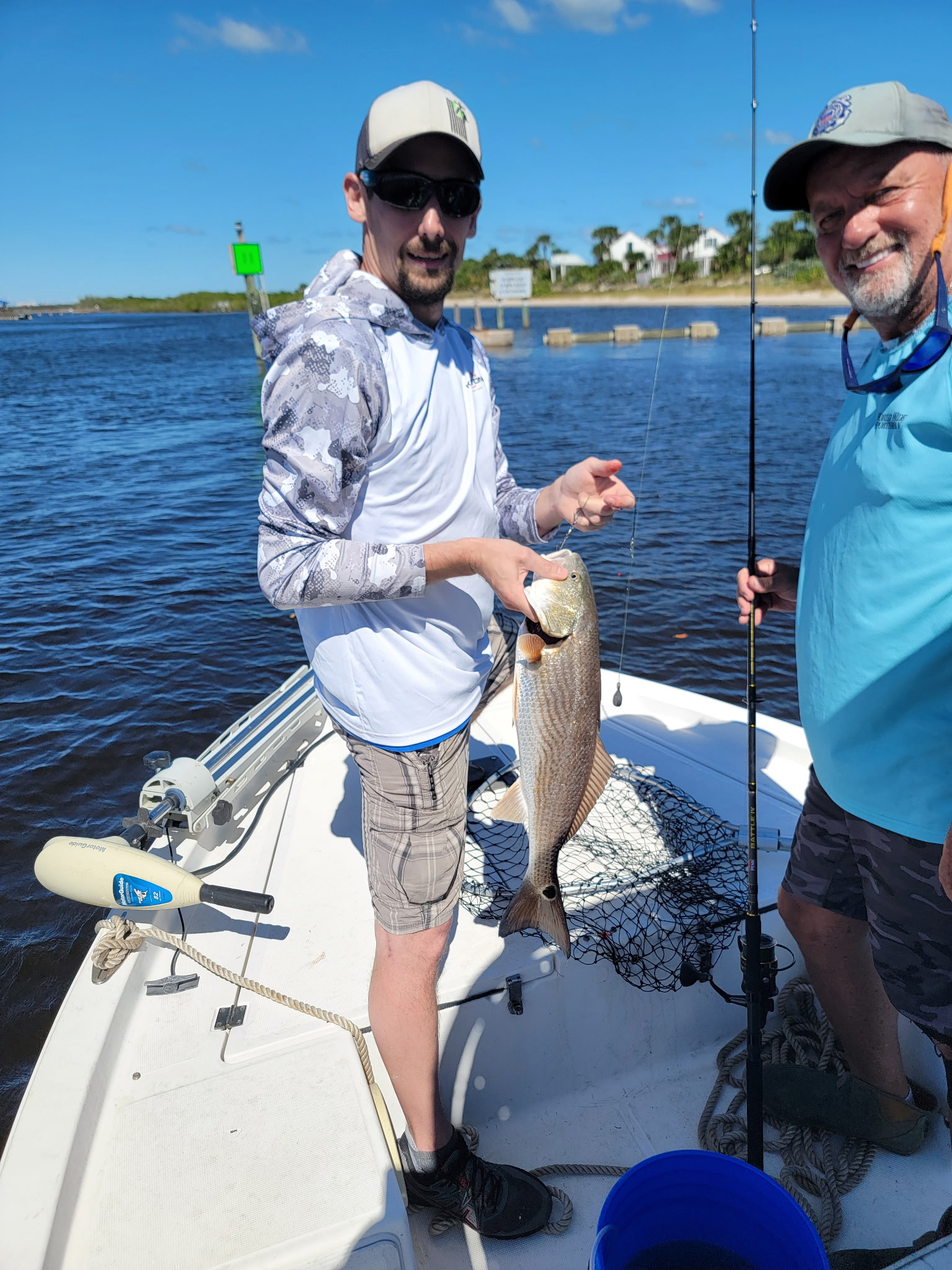
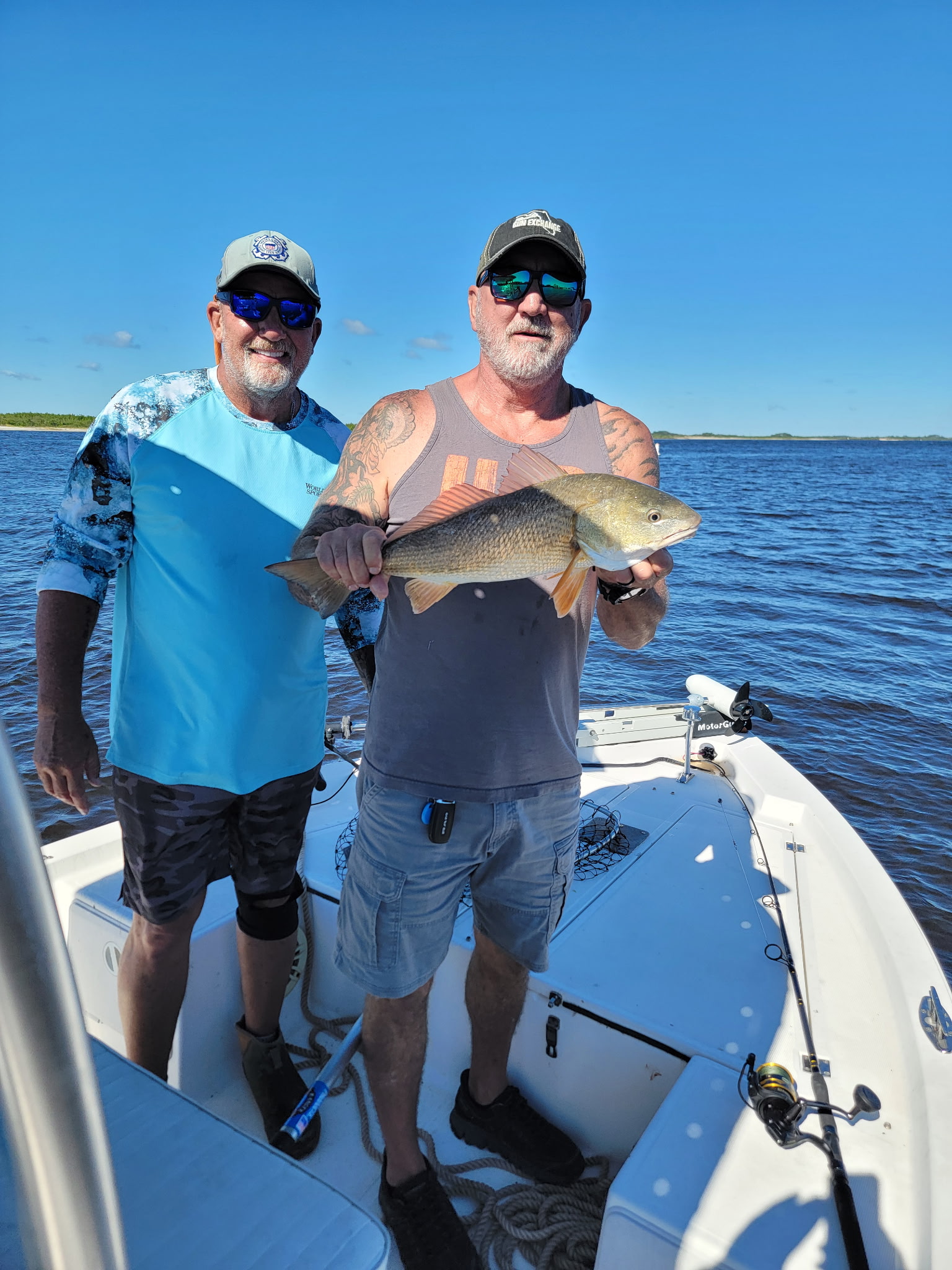
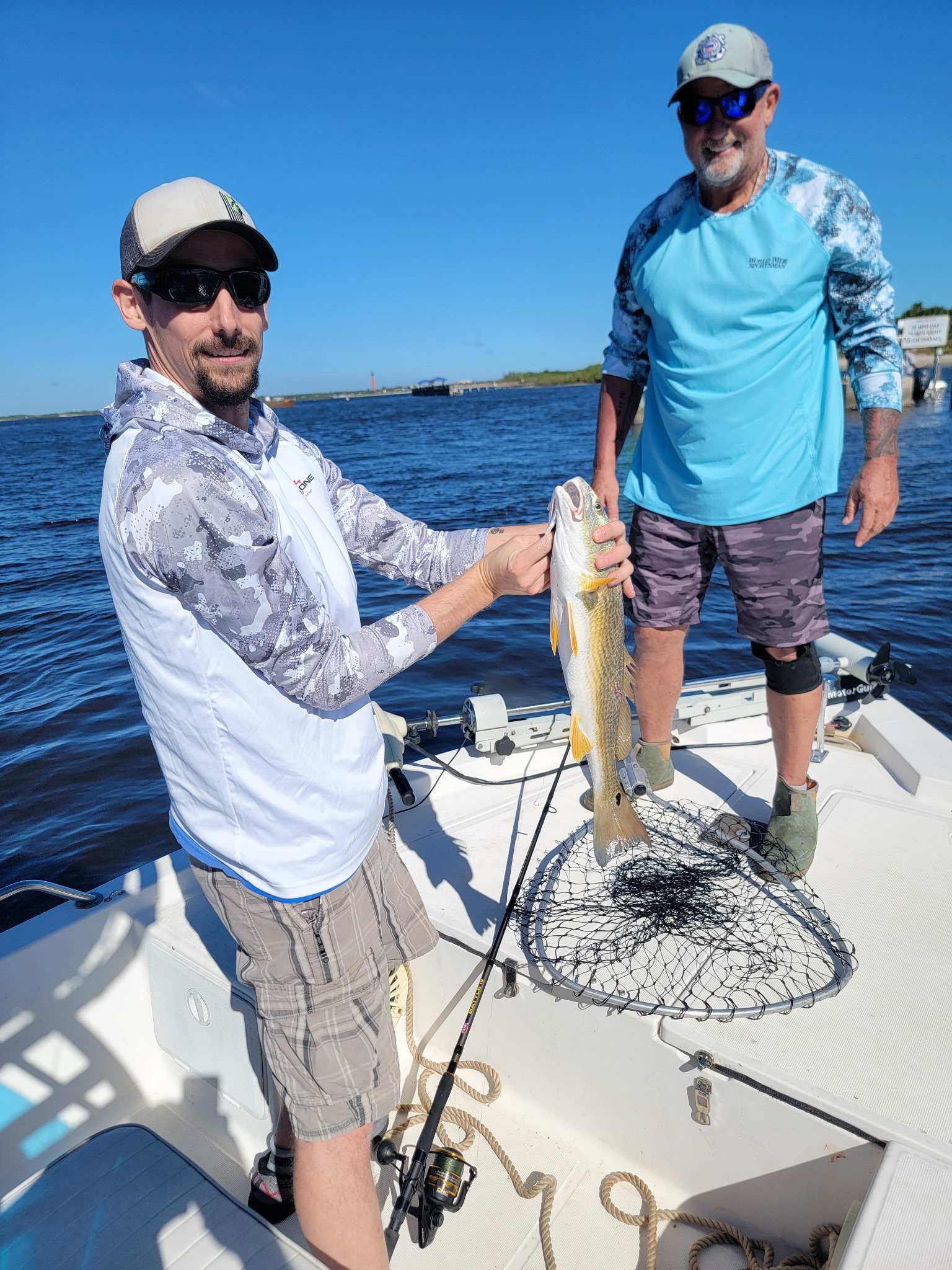
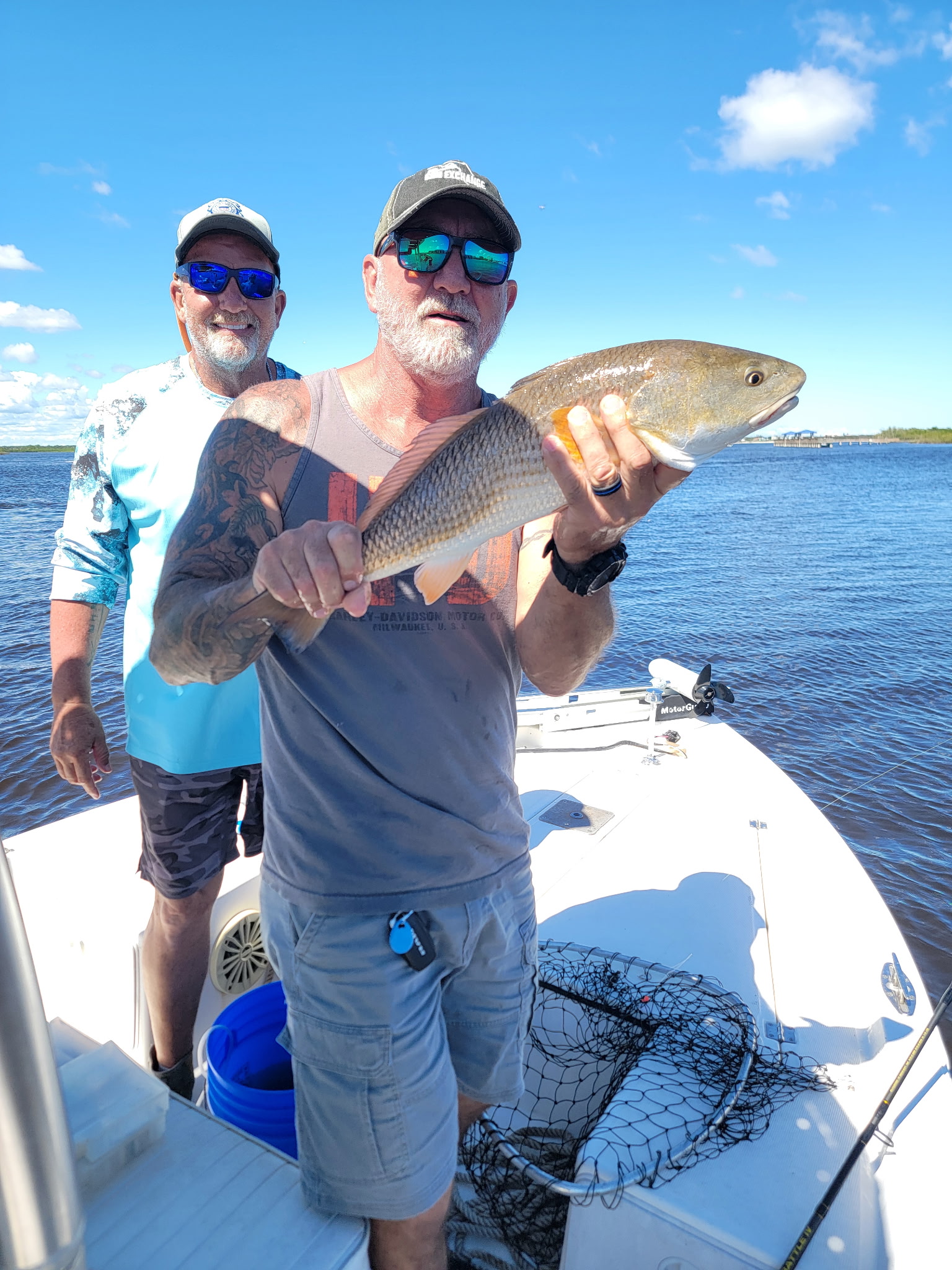
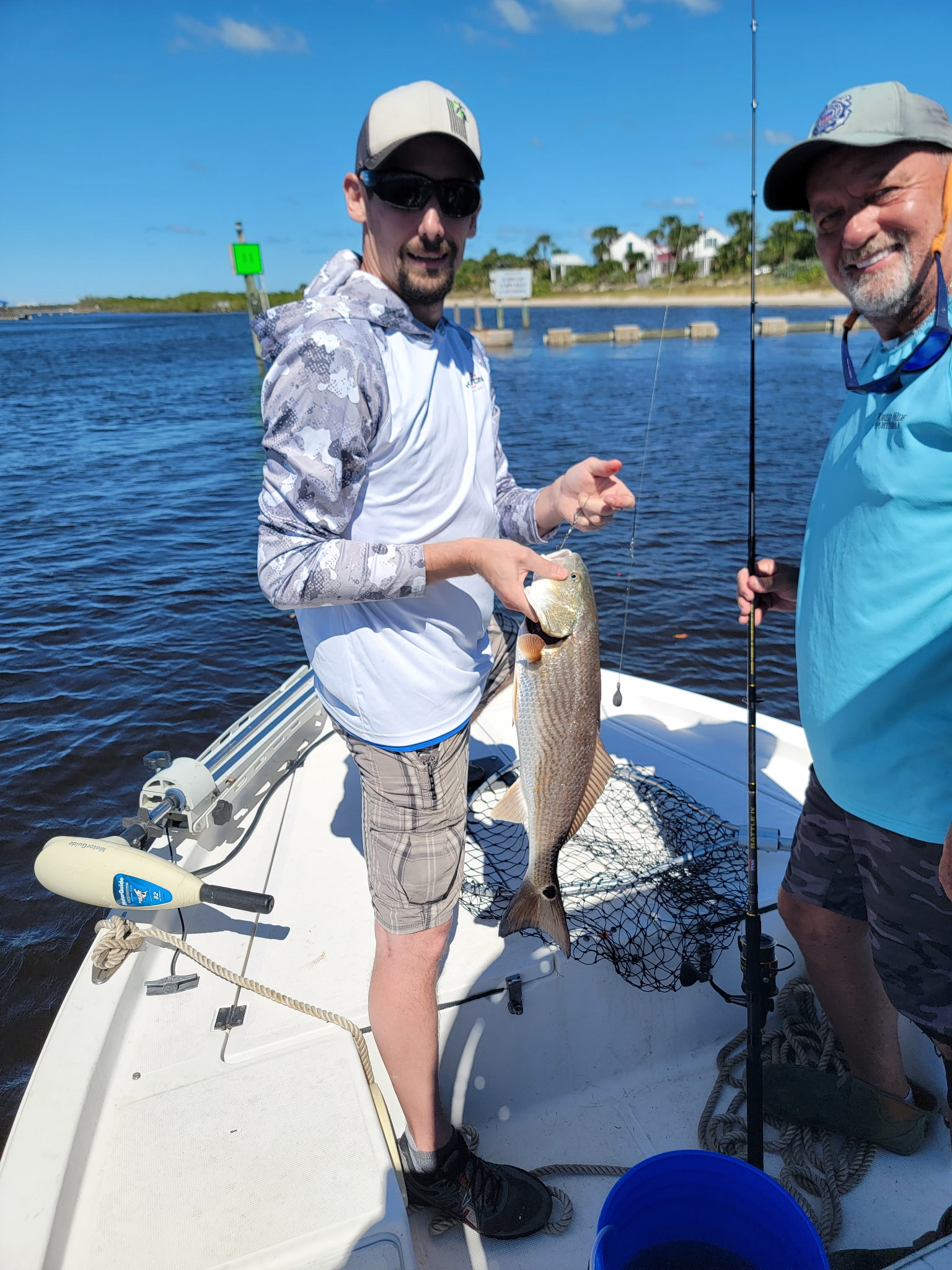
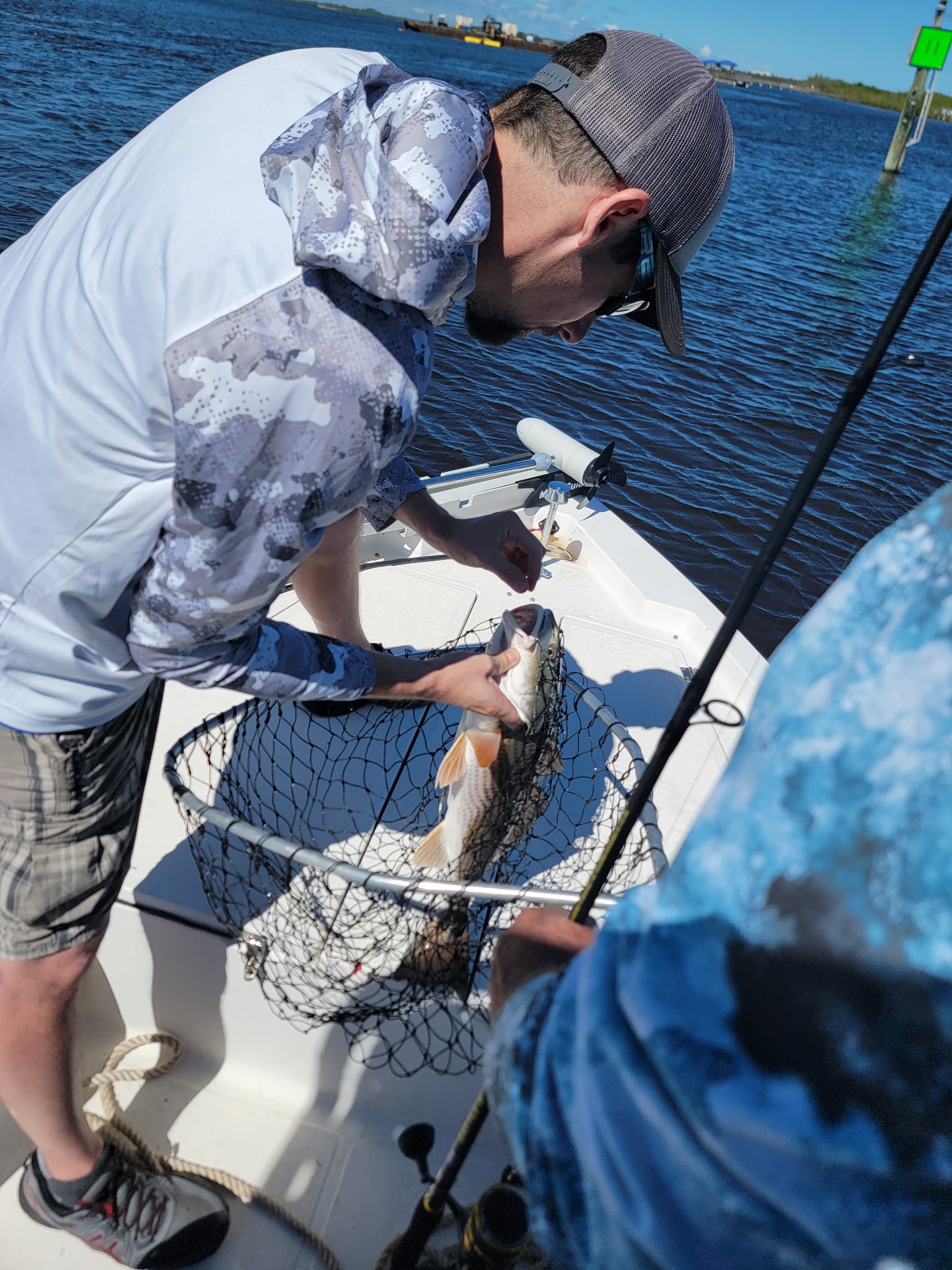
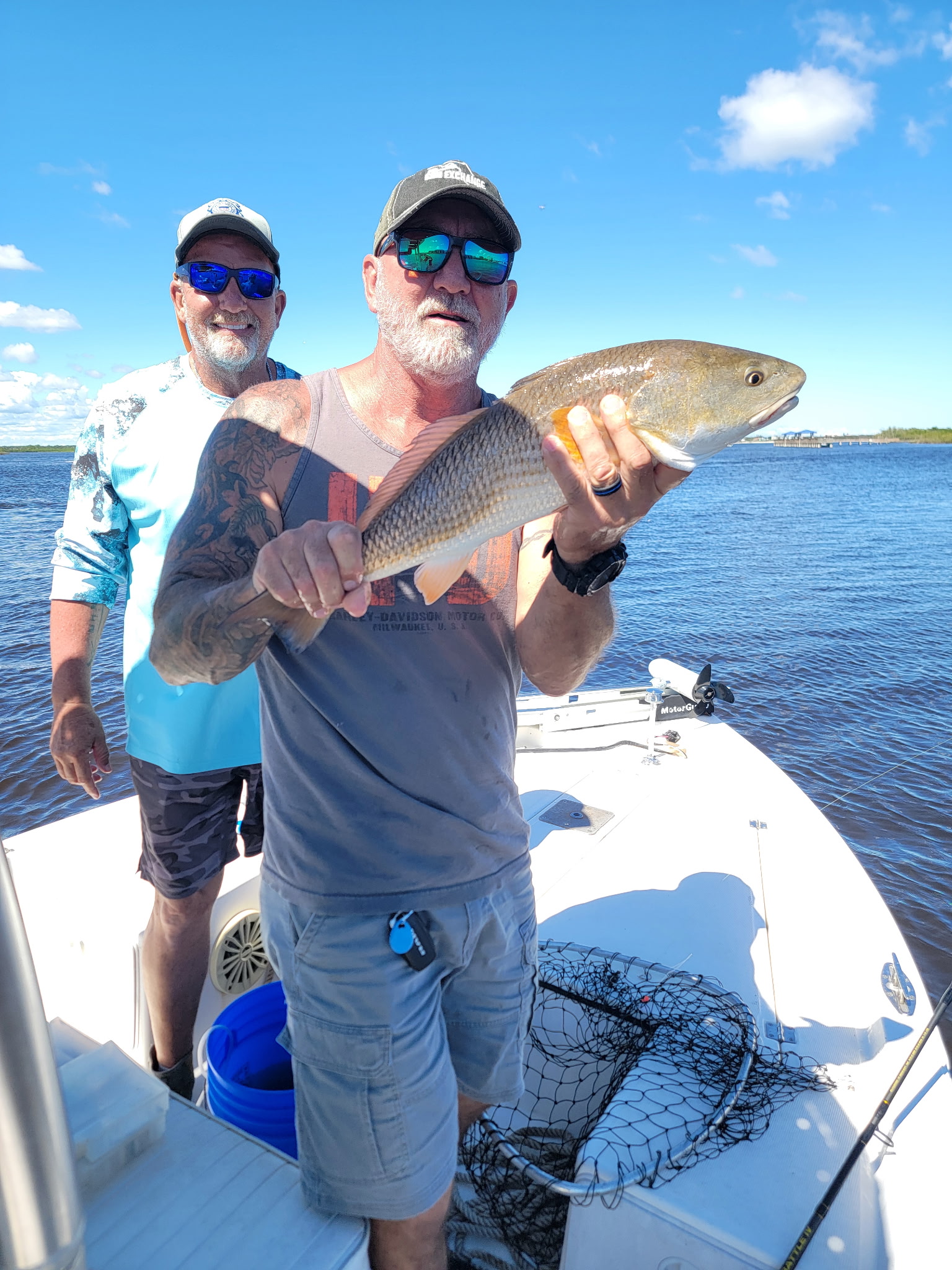
Redfish are the backbone of inshore fishing around Ponce Inlet, and these copper-colored bruisers are what dreams are made of. Ranging from schoolie-sized fish around 18-22 inches up to bull reds pushing 30-plus inches, they're ambush predators that love to hang around oyster bars, dock pilings, and shallow grass flats. Fall and early winter are prime time, but Captain Mike finds them year-round by adjusting his approach. What makes reds so special is their fight – they're like underwater bulldogs that will test your drag and make your arms burn. Plus, they're beautiful fish with that distinctive spot pattern and bronze coloration that photographs amazingly well.
Sea trout, or spotted seatrout as they're officially known, are the bread and butter of Florida inshore fishing. These guys are most active during the cooler months from October through March, and they school up in good numbers around grass flats and channel edges. A good trout will run 15-20 inches with the occasional gator trout hitting 24-plus inches and providing a serious fight on light tackle. They're notorious for their soft mouths, so Captain Mike will teach you the proper hookset and fighting technique. Trout are also excellent table fare, making them a customer favorite for anglers who like to take a meal home.
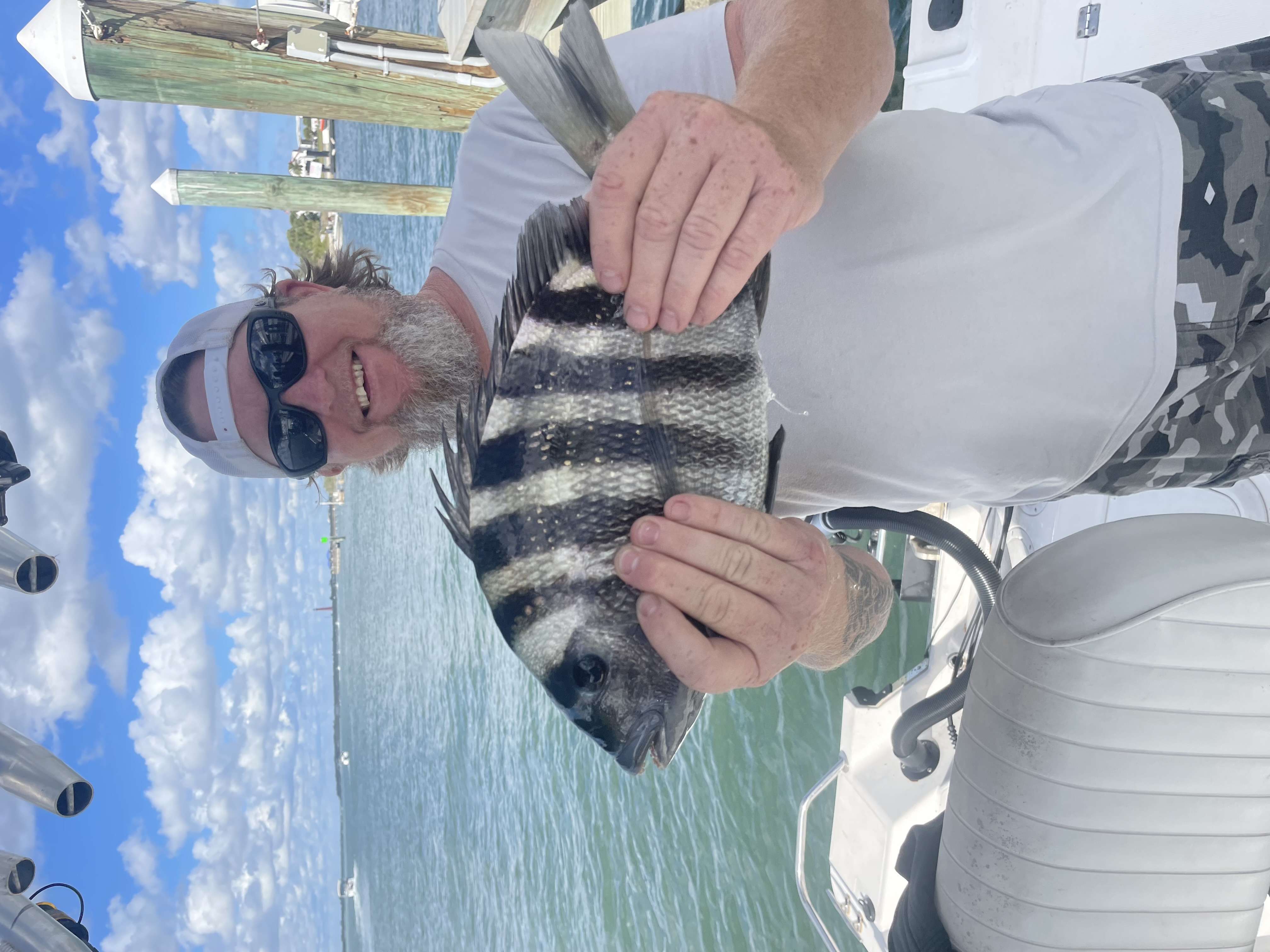
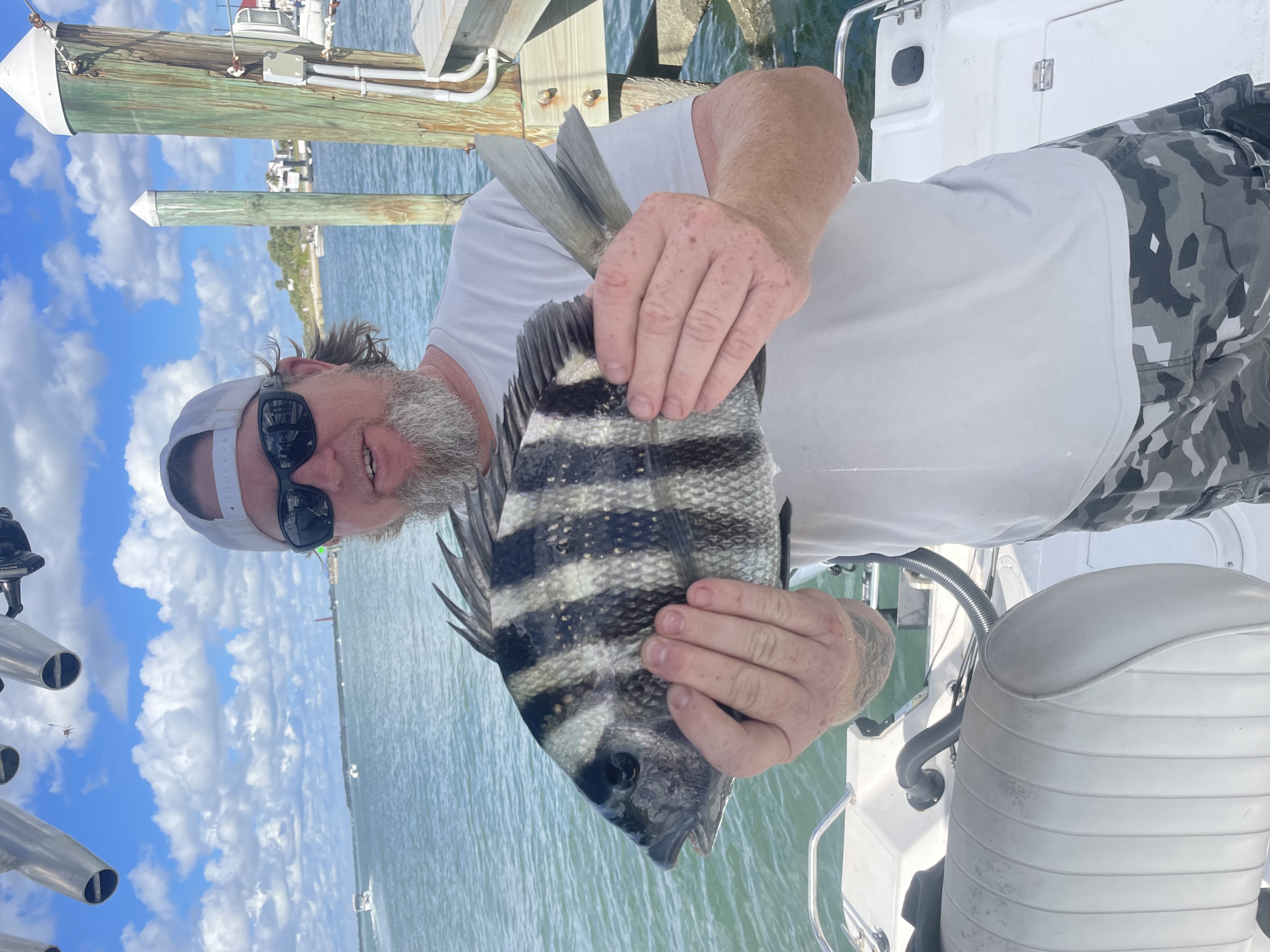
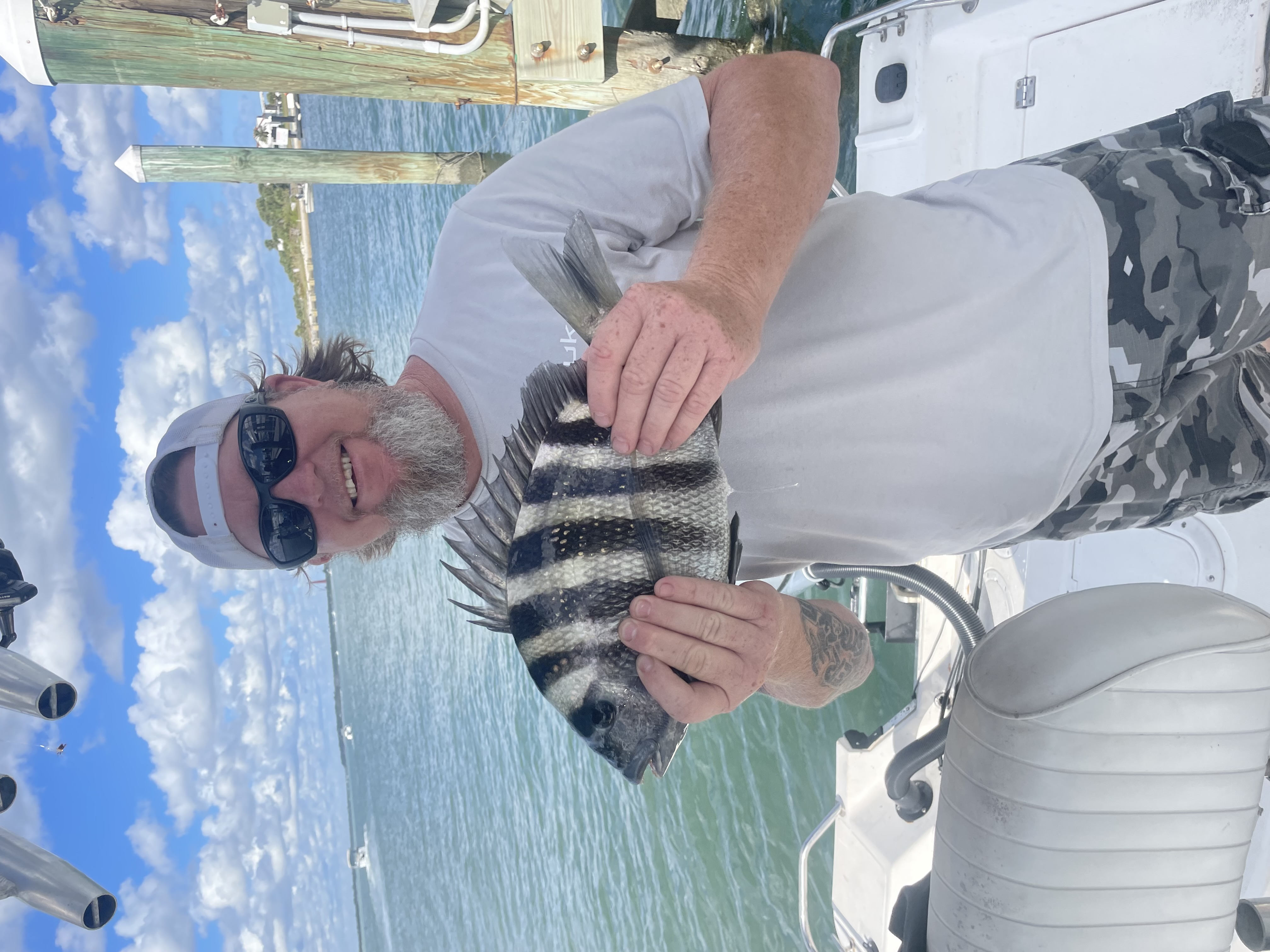
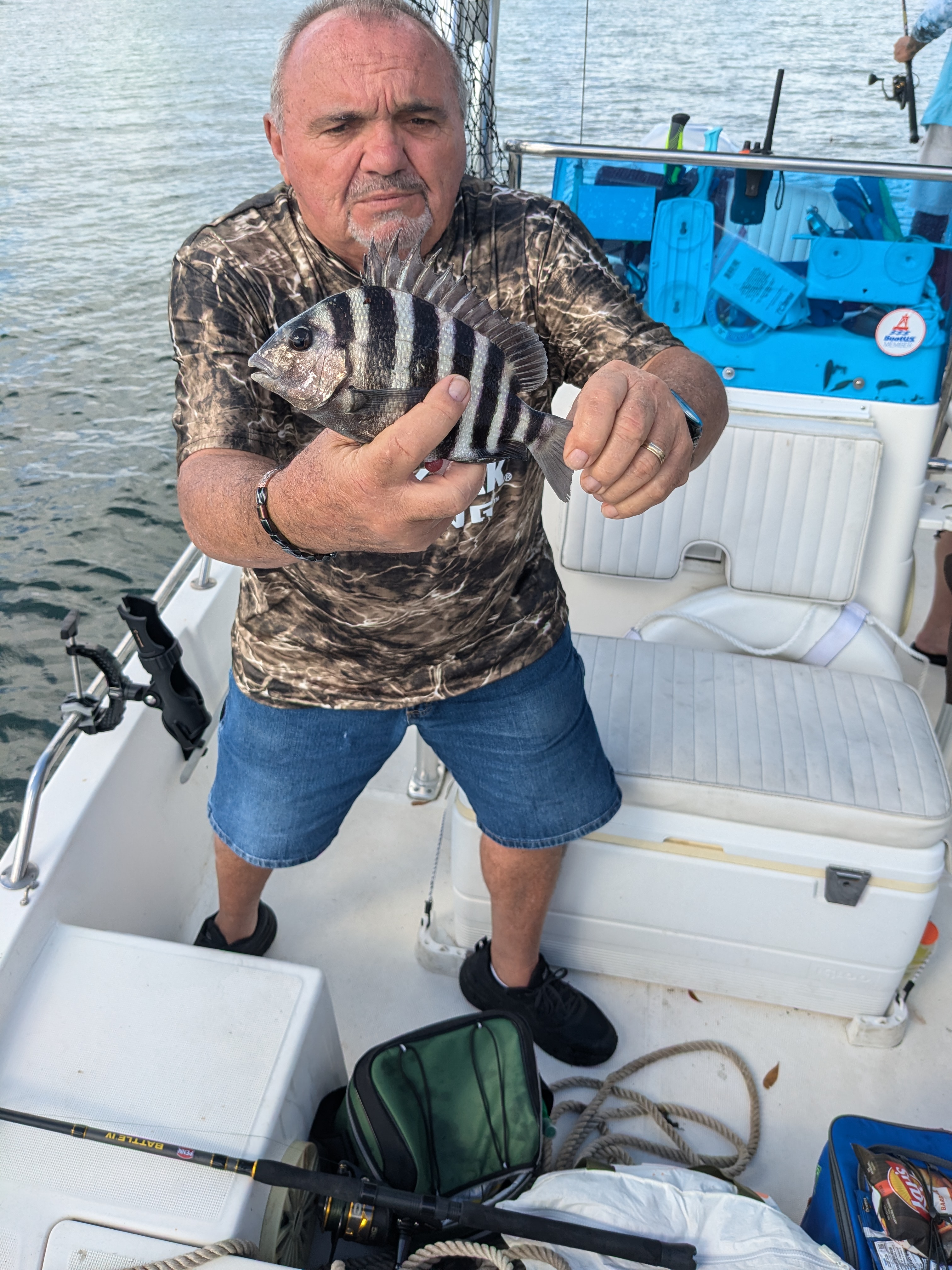
Sheepshead are the technical challenge of the group – these black-and-white striped convicts have human-like teeth and a reputation for being tackle thieves. They hang around structure like dock pilings, bridges, and rock piles, using their powerful jaws to crush barnacles, crabs, and oysters. Peak season runs from late fall through early spring when they're staging for their spawning migration. What makes sheepshead fishing so addictive is the skill required; you need perfect timing on the hookset and the right bait presentation. When you finally connect with a good one, that head-shaking fight and the satisfaction of outsmarting one of the smartest fish in the water makes it all worthwhile.
Summer flounder, also called fluke, are the chameleons of the inshore world. These flatfish bury themselves in sand and mud bottoms, changing color to match their surroundings while waiting to ambush unsuspecting baitfish. They're most active during the warmer months from late spring through early fall, and the Halifax River system has excellent flounder habitat. A keeper flounder runs 12 inches or better, with the larger fish often called "doormat" flounder for obvious reasons. They're sneaky biters that require a different feel to detect, and Captain Mike will teach you to recognize that subtle tap-tap-weight sensation that signals a flounder pickup. These fish are also phenomenal on the dinner table with firm, white, flaky meat that's hard to beat.
Time to Book Your Spot
Captain Mike's half-day morning trip hits that sweet spot between convenience and productivity. You get serious fishing action without burning a whole day, leaving your afternoon free for other activities or just relaxing. The 4-guest limit means you're not fighting for rod space or competing for Captain Mike's attention. All gear, tackle, and instruction are included, so whether you're a complete beginner or looking to fine-tune your inshore game, you'll walk away with new skills and hopefully a cooler full of fish. The early morning departure means you're fishing during prime feeding times when these species are most
 Private Trip
 Inshore Fishing
 Daytona Beach


 Four-hour morning charter targets redfish and sea trout inshore