Full Day Inshore Fishing – Private Charter
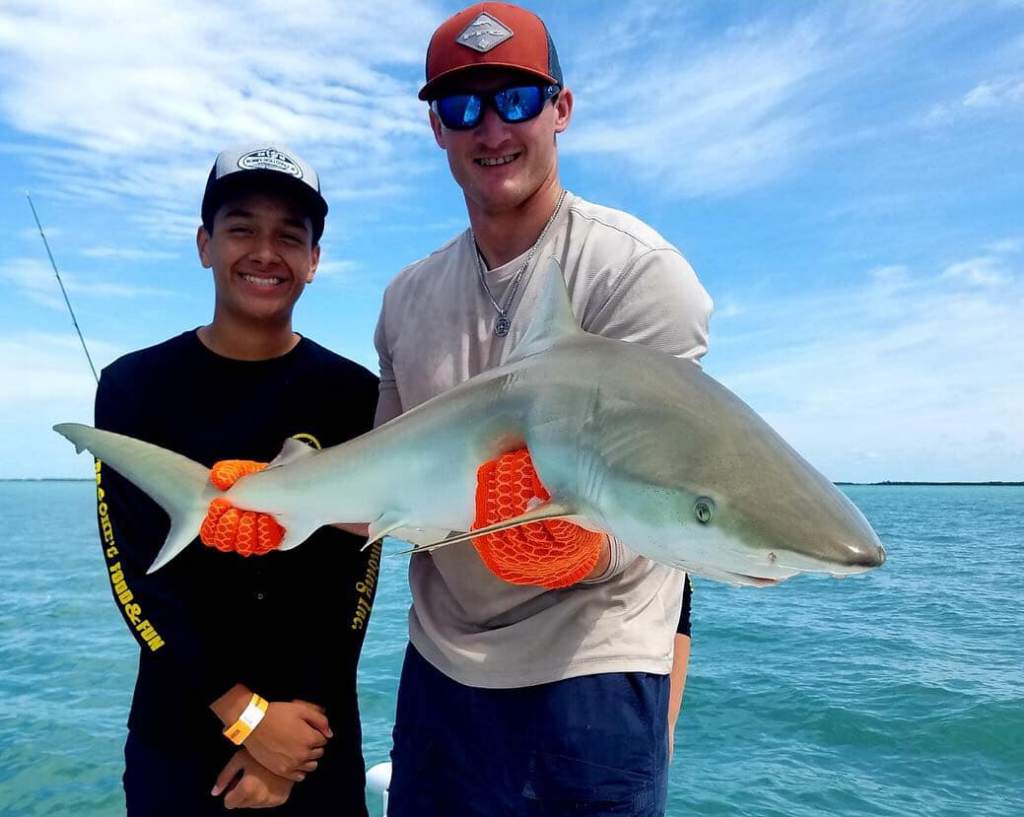
Captain Tanner's Charter Co. delivers a world-class inshore fishing experience that puts you right in the heart of some of the Southeast's most productive shallow waters. This private 8-hour charter accommodates up to 3 anglers, making it perfect for families, small groups, or serious fishermen who want personalized attention without the crowds. You'll be targeting premier inshore species like Redfish, Snook, Cobia, and Speckled Trout using light tackle techniques that maximize both the fight and the fun. Everything's included except your drinks and sunscreen, so you can focus on what matters most – putting fish in the boat.
What to Expect on the Water
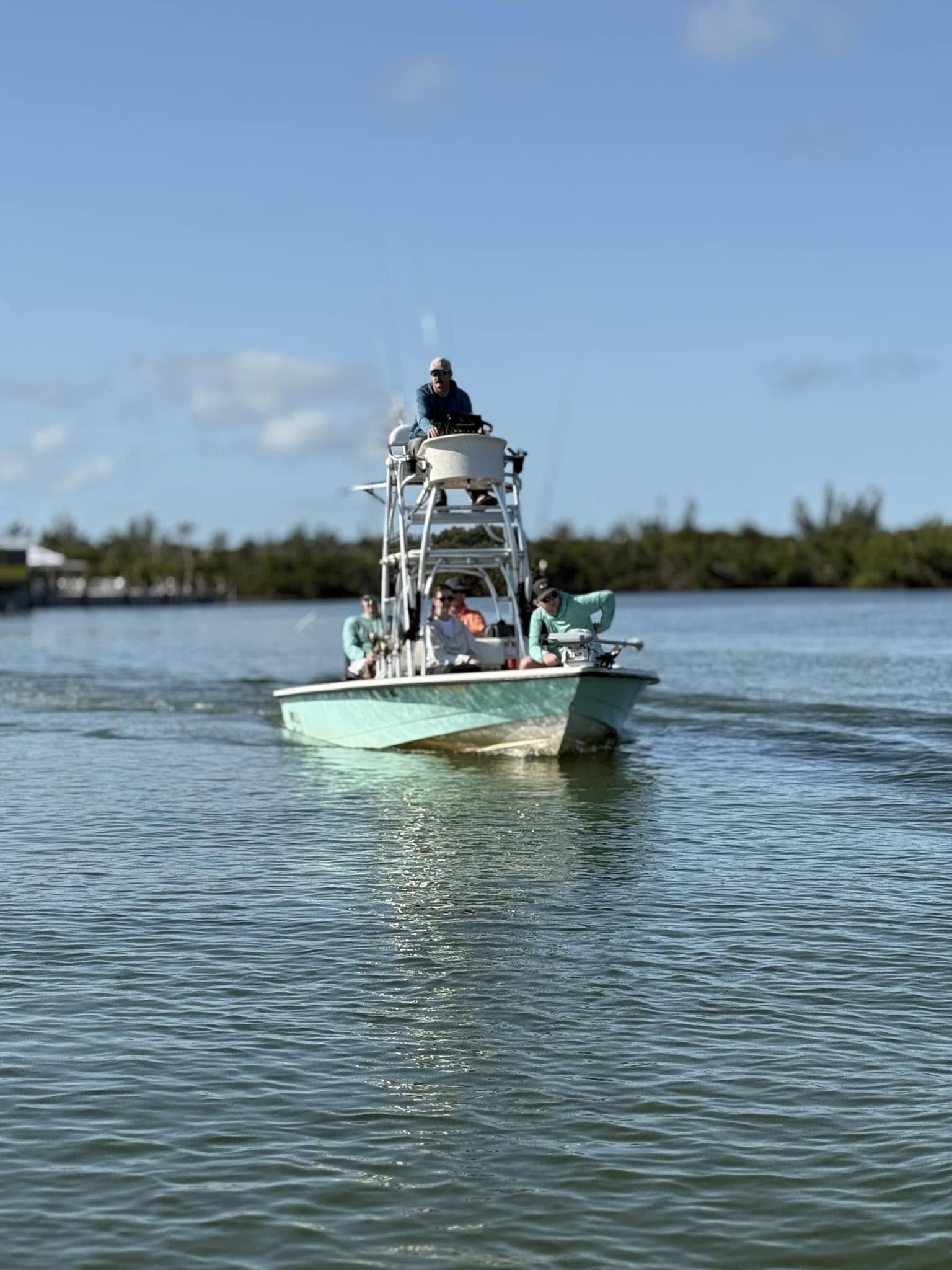
Your day starts aboard Captain Tanner's 22-foot Pathfinder, a top-rated inshore platform that's built for navigating skinny water and getting you to the fish. This boat's equipped with all the essentials: GPS for pinpoint navigation, a quality fishfinder to locate structure and baitfish, a live bait well to keep your offerings fresh, and a whisper-quiet trolling motor for stealthy approaches to spooky fish. The Pathfinder's shallow draft lets us work grass flats, oyster bars, and mangrove shorelines where the big fish like to hang out. You'll spend your 8 hours moving between productive spots, reading water conditions, and adapting techniques based on tides, weather, and fish behavior. Captain Tanner knows these waters like the back of his hand, so you're not just getting a boat ride – you're getting decades of local knowledge that turns good days into great ones.
Light Tackle Techniques
We fish exclusively with light spinning tackle, which means you'll feel every head shake and run these inshore species are famous for. The approach focuses on finesse fishing with live bait, soft plastics, and topwater lures depending on conditions and target species. You'll learn to work DOA shrimp under mangroves for Snook, drift live pinfish over grass flats for Redfish, and cast spoons to breaking Spanish Mackerel. The light tackle makes even smaller fish feel like monsters, but when you hook into a 30-inch Red or a slot-size Snook, you'll understand why this style of fishing has such a devoted following. All rods, reels, tackle, and bait are provided, along with your fishing licenses. The captain will teach you proper technique if you're new to inshore fishing, or help experienced anglers fine-tune their approach for local conditions.
Target Species
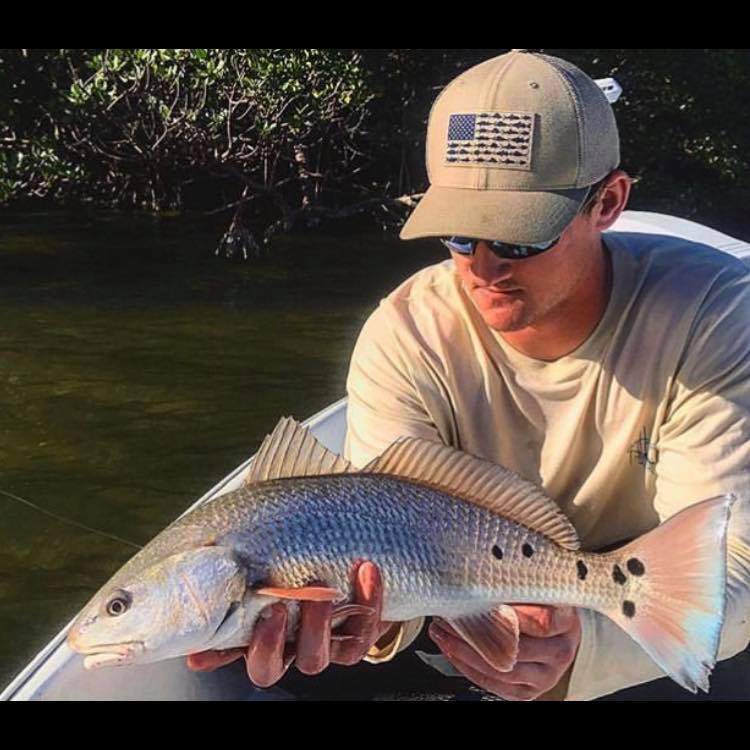
Redfish are the backbone of inshore fishing here, and for good reason. These copper-colored bruisers average 20-28 inches and fight like fish twice their size. They school up on grass flats during moving tides and cruise shallow water looking for crabs and shrimp. Fall and spring offer the best action, but Reds bite year-round if you know where to look. What makes them special is their willingness to eat and their drag-screaming runs – plus they're excellent table fare when kept within slot limits.
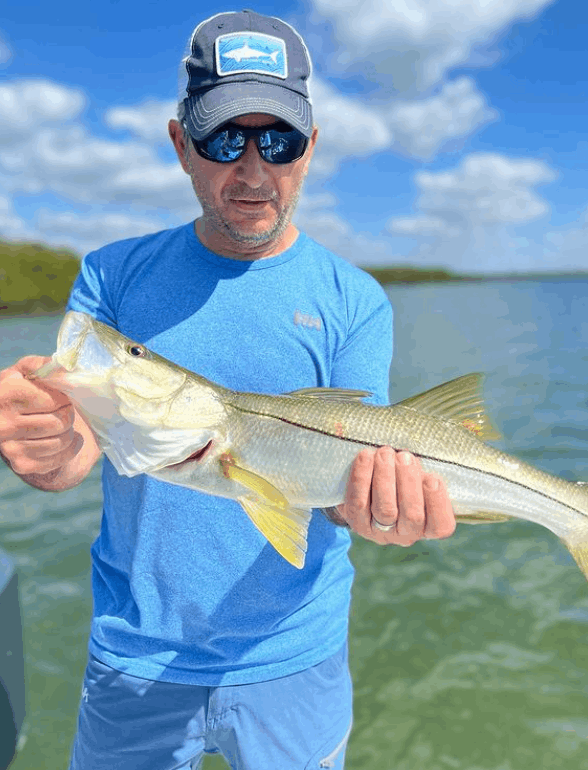
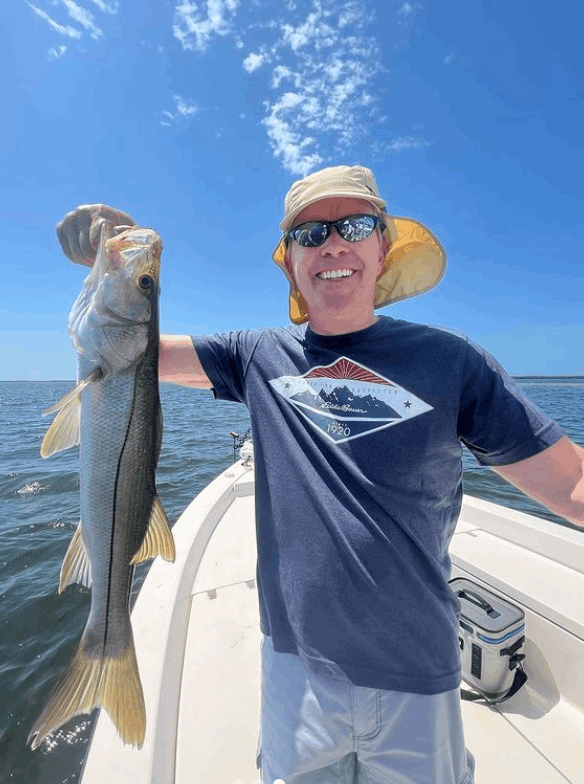
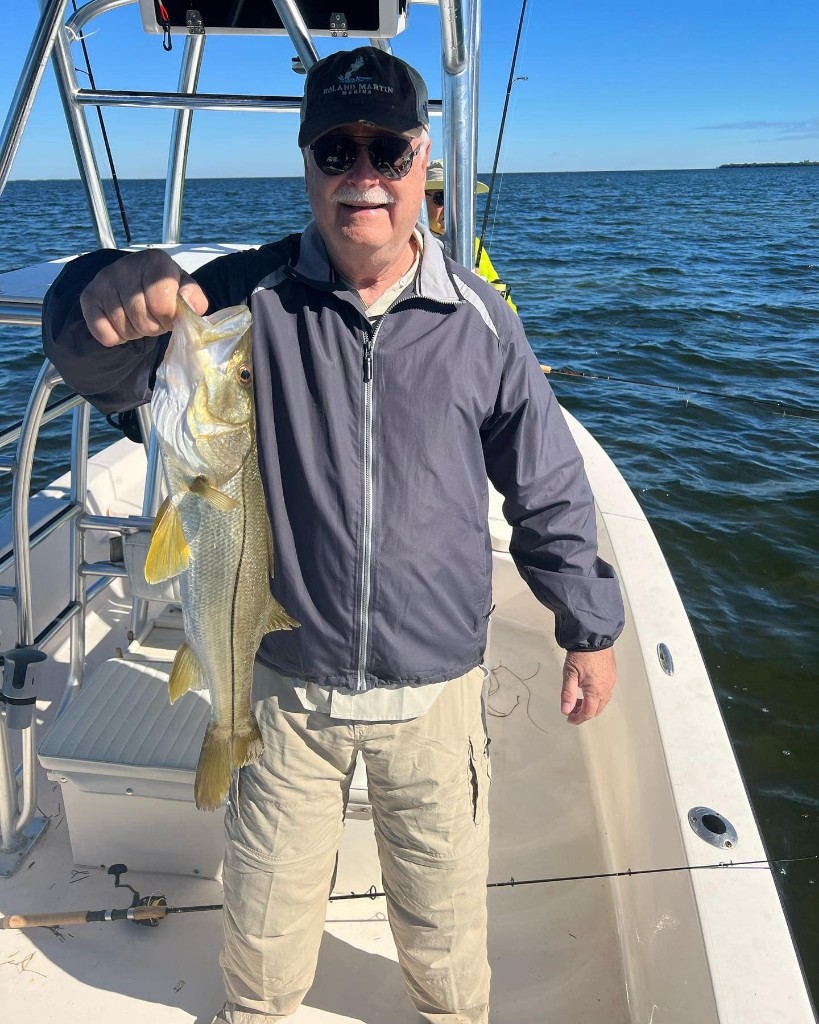
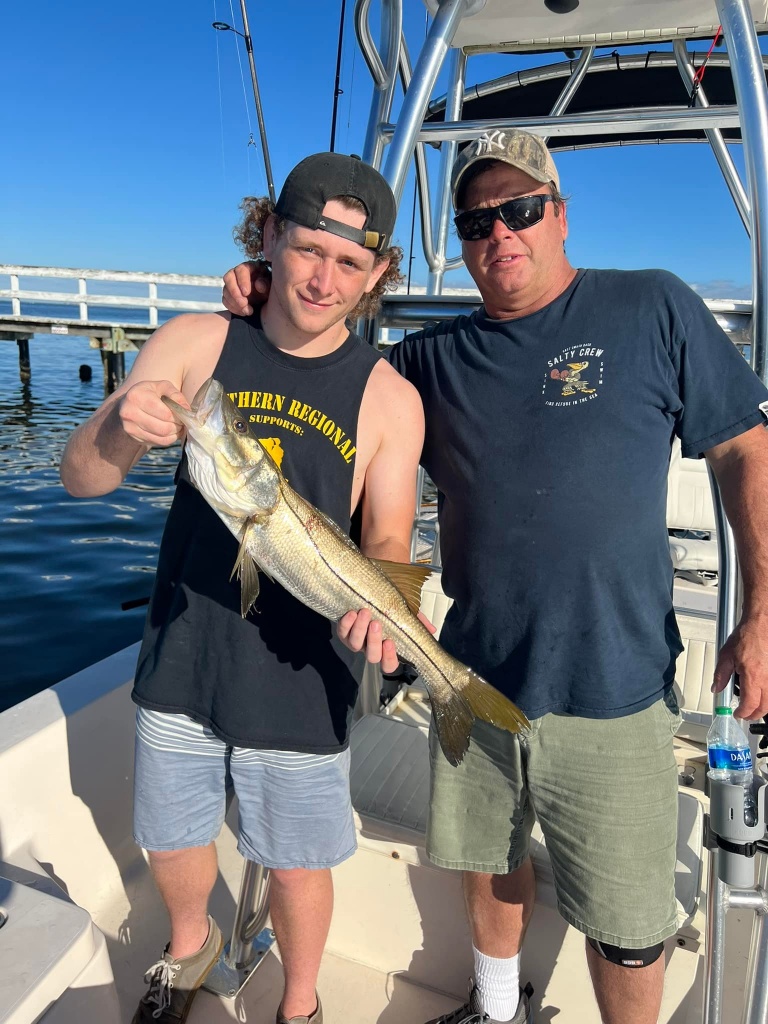
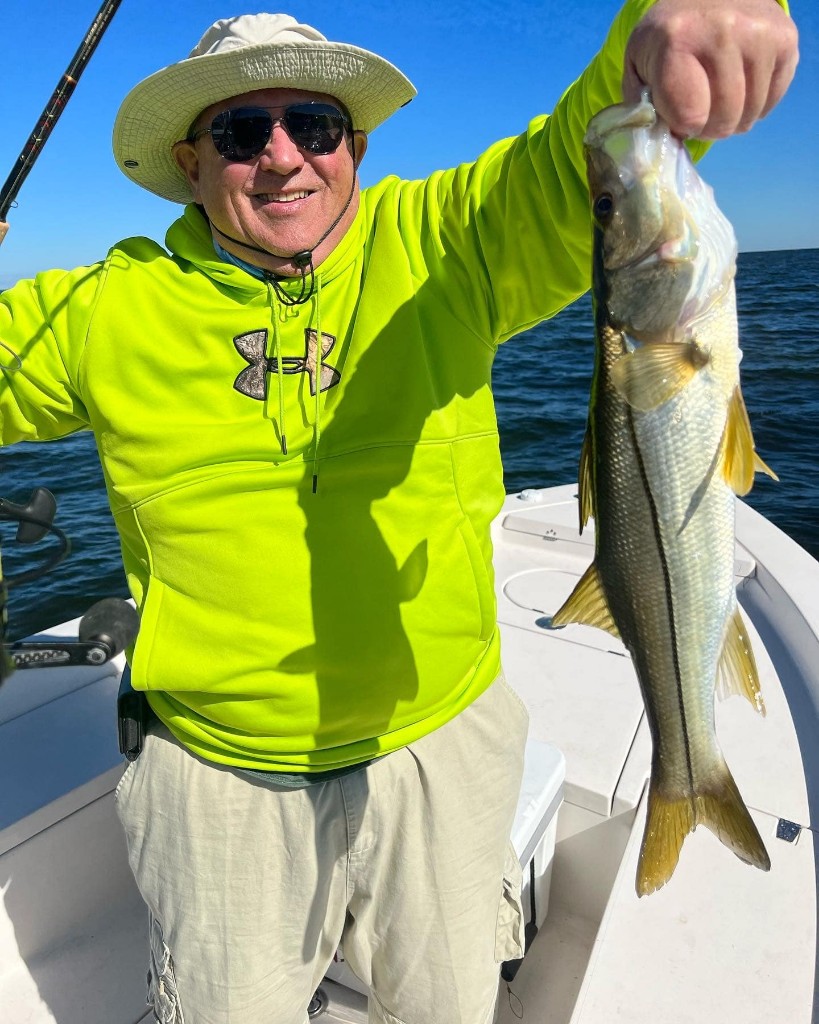
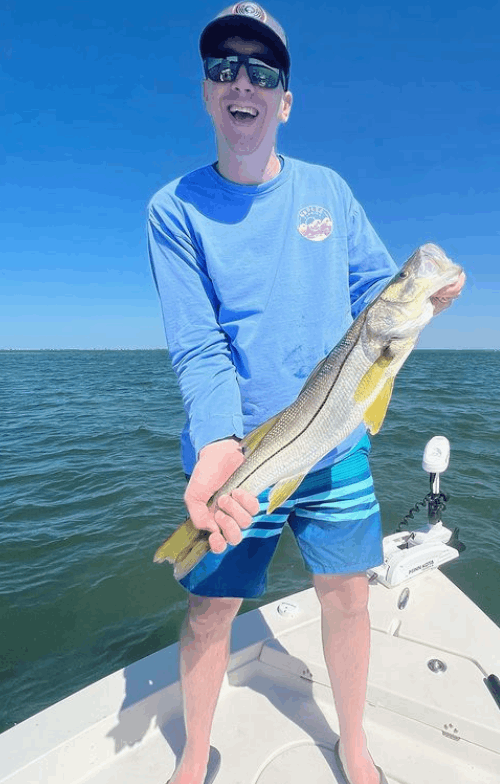
Snook are the crown jewel of inshore fishing, known for their aggressive strikes and acrobatic fights. These ambush predators lurk around mangrove shorelines, dock pilings, and bridge structures waiting to crush baitfish. They're highly seasonal, with peak action during warmer months when they move into shallow water to feed. A good Snook will jump repeatedly and make powerful runs toward structure, testing your drag and your nerves. They're strictly catch-and-release during closed seasons, which makes landing one even more rewarding.
Cobia are the unexpected bonus fish that can make your entire trip. These brown sharks of the inshore world cruise flats and hang around rays, growing to impressive sizes and fighting with surprising power. Spring migration brings the best Cobia fishing, when fish in the 20-40 pound range move through inshore waters. They're curious fish that will often follow lures to the boat, giving you multiple chances at a hookup. Cobia are excellent eating and provide some of the strongest fights you'll experience on light tackle.
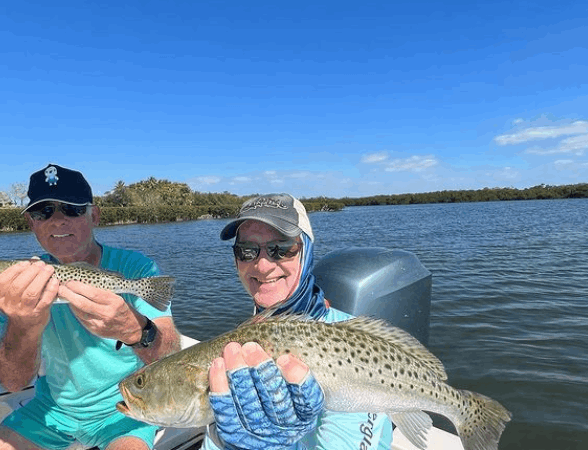
Speckled Trout are the most reliable biters in the inshore lineup, making them perfect for beginners and kids. These beautiful spotted fish school up over grass beds and respond well to soft plastics and live shrimp. They bite consistently throughout the year, with spring and fall offering peak action. Trout average 14-18 inches but can reach impressive sizes in deeper grass flats. They're also some of the best eating fish in the inshore world, with white, flaky meat that's perfect for the dinner table.
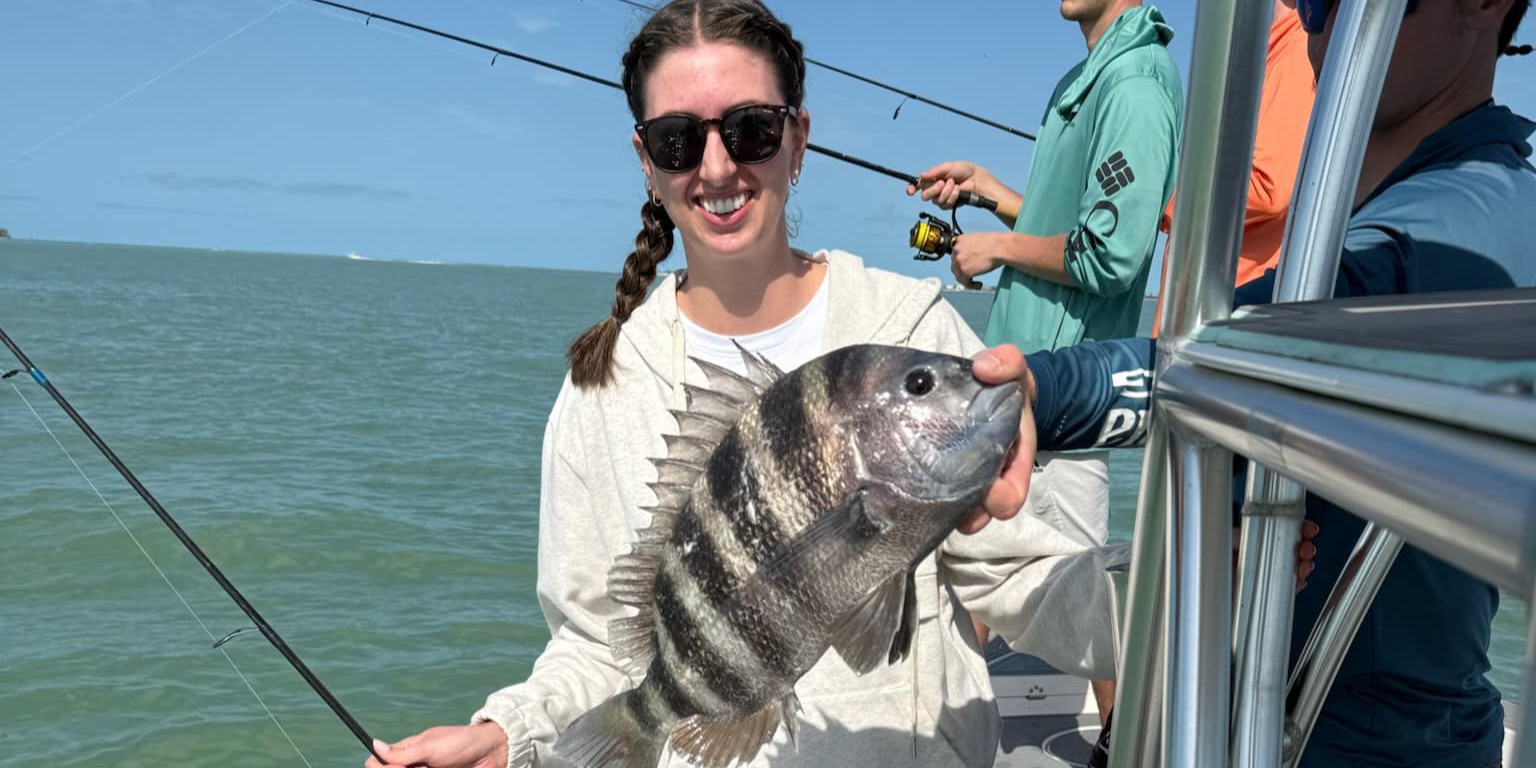
Sheepshead are the challenge fish that separate novice anglers from experienced ones. These black-and-white striped convicts have human-like teeth and an uncanny ability to steal bait without getting hooked. They hang around structure like dock pilings, bridges, and oyster bars, feeding on barnacles and crabs. Winter is prime time for Sheepshead, when they school up for spawning and provide consistent action. Landing a good Sheepshead requires skill and patience, but they're among the finest eating fish in the ocean.
Time to Book Your Spot
This customer favorite private charter offers the perfect blend of action, education, and personalized service that keeps anglers coming back season after season. With free cancellation up to 7 days out, you can book with confidence knowing your plans are protected. Captain Tanner's local expertise, quality equipment, and commitment to putting clients on fish makes this one of the best trips you'll find for inshore fishing. Whether you're a seasoned angler looking to explore new waters or a beginner wanting to learn proper inshore techniques, this 8-hour adventure delivers the kind of fishing memories that last a lifetime. The Southeast's inshore waters are calling – time to answer with a rod in your hand.
 Private Trip
 Inshore Fishing
 Fort Myers, FL, United States


 Private 8-hour inshore charter for up to 3 guests