Half Day Pro-Level Fishing Trip In Hatteras, NC
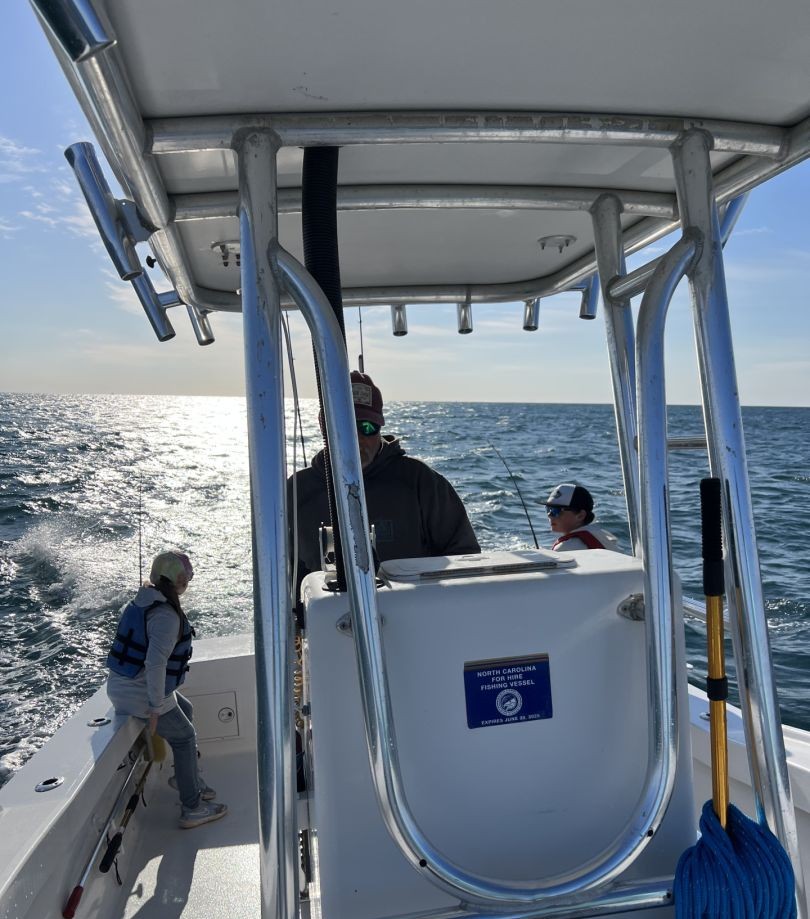
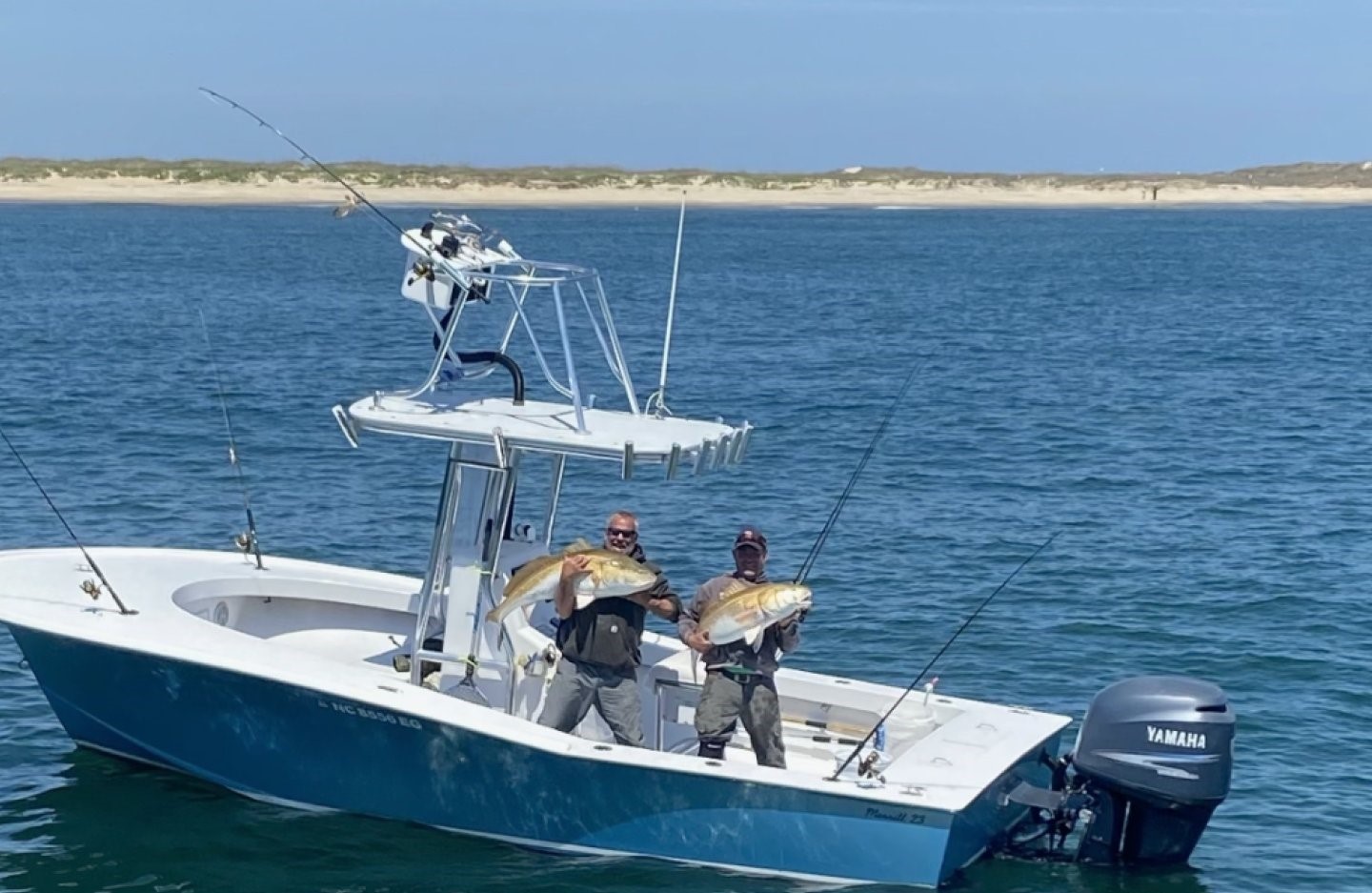
If you're looking for a serious fishing adventure that cuts straight to the chase, Captain Roland Mulder's 4-hour afternoon charter is exactly what you need. This isn't your typical tourist fishing trip – it's designed for anglers who know their way around a rod and want to push their skills to the next level. Departing at noon from Hatteras, you'll spend the prime afternoon bite targeting some of the Carolina coast's most sought-after inshore species. With only 4 spots available, you get personalized attention and plenty of elbow room on Captain Rolo's custom 24-foot Carolina boat.
What to Expect on the Water
Captain Roland runs a tight ship focused on results. You'll launch into some of Hatteras' most productive inshore waters where the Gulf Stream influence creates perfect conditions for Spanish Mackerel, Cobia, and Redfish. The afternoon departure timing isn't random – it coincides with the prime feeding windows when these species are most active. Your captain knows every ledge, drop-off, and structure in these waters, and he'll put you on fish while teaching advanced techniques that separate weekend warriors from serious anglers. The custom Carolina boat handles the Hatteras chop like a dream, giving you a stable platform to work from whether you're sight-casting to Cobia or working the bottom for Flounder.
Techniques & Tackle
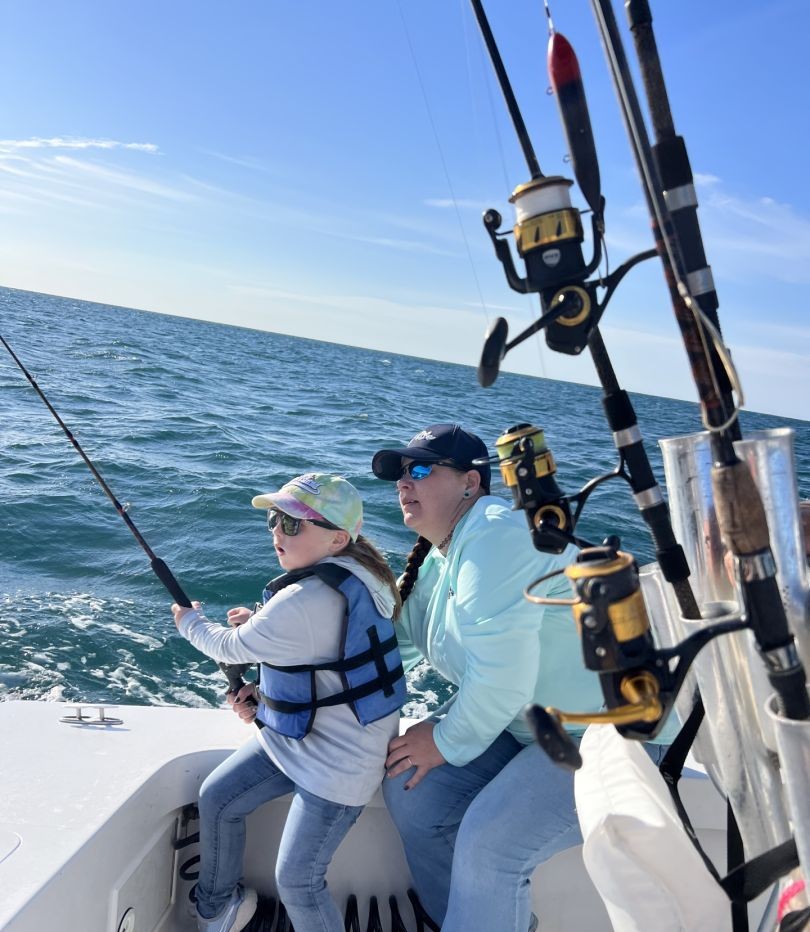
This charter focuses on targeted fishing methods that match the conditions and species. You'll work with live bait presentations for Cobia and Redfish, master the art of Spanish Mackerel trolling with small spoons and jigs, and learn bottom fishing techniques that consistently produce Flounder and Sheepshead around structure. Captain Roland provides all the gear, but he encourages experienced anglers to bring their own rods if they prefer. Expect to use spinning tackle in the 20-30 lb class for most situations, with lighter setups for Spanish Mackerel when they're running thick. The boat's equipped with quality fish finders and GPS, so you'll spend more time with lines in the water and less time searching for fish.
Top Catches This Season
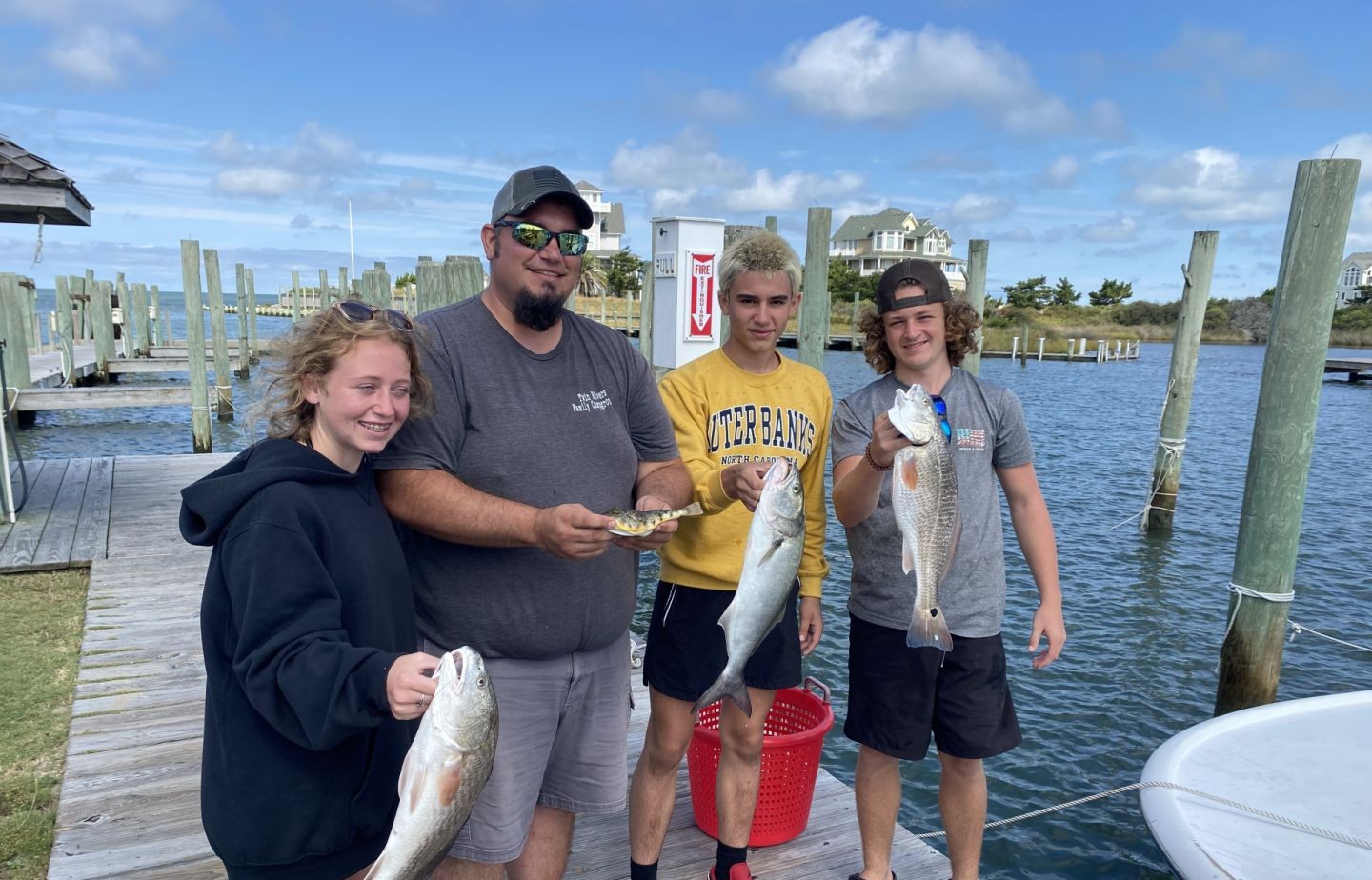
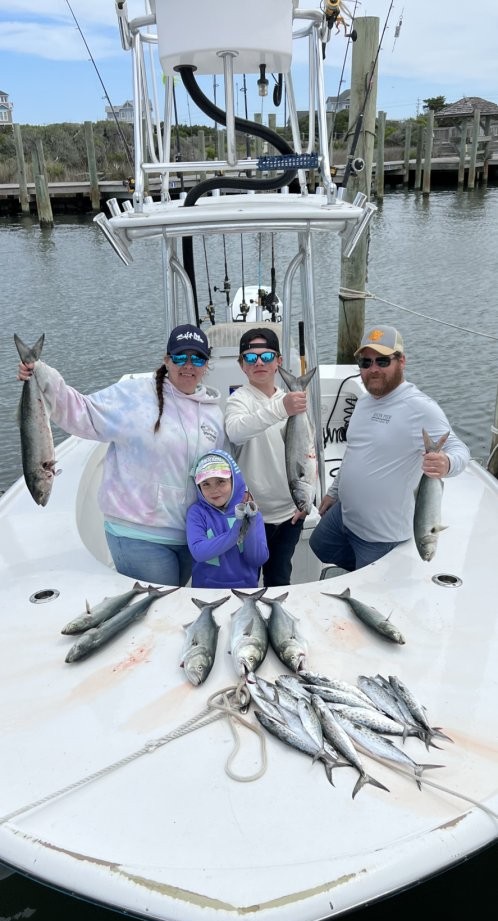
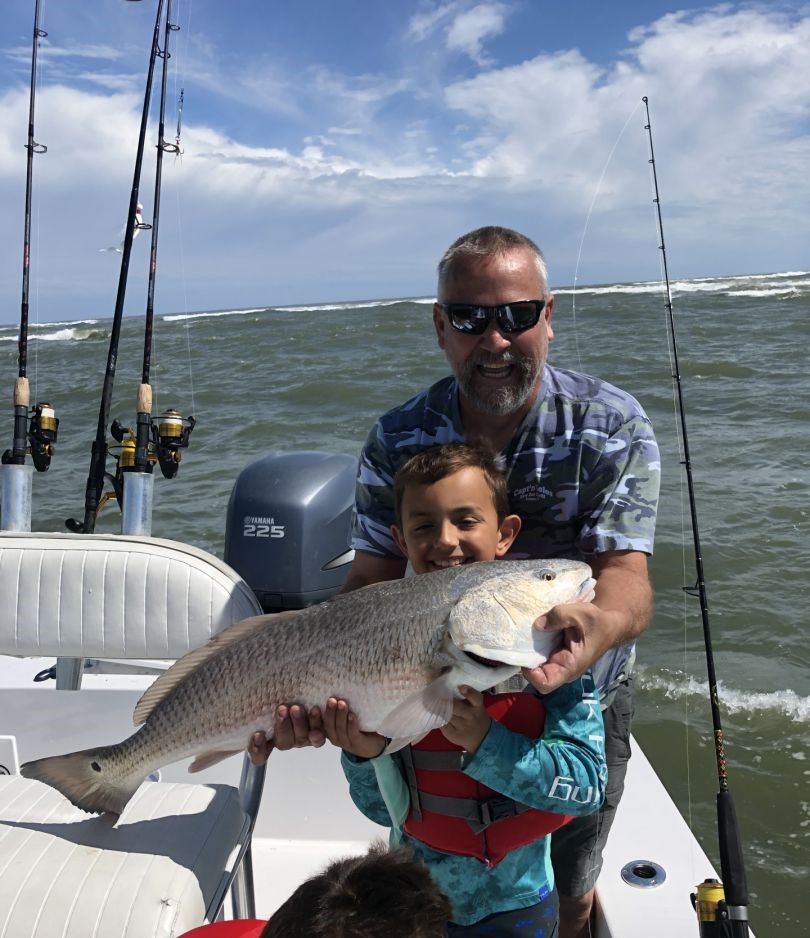
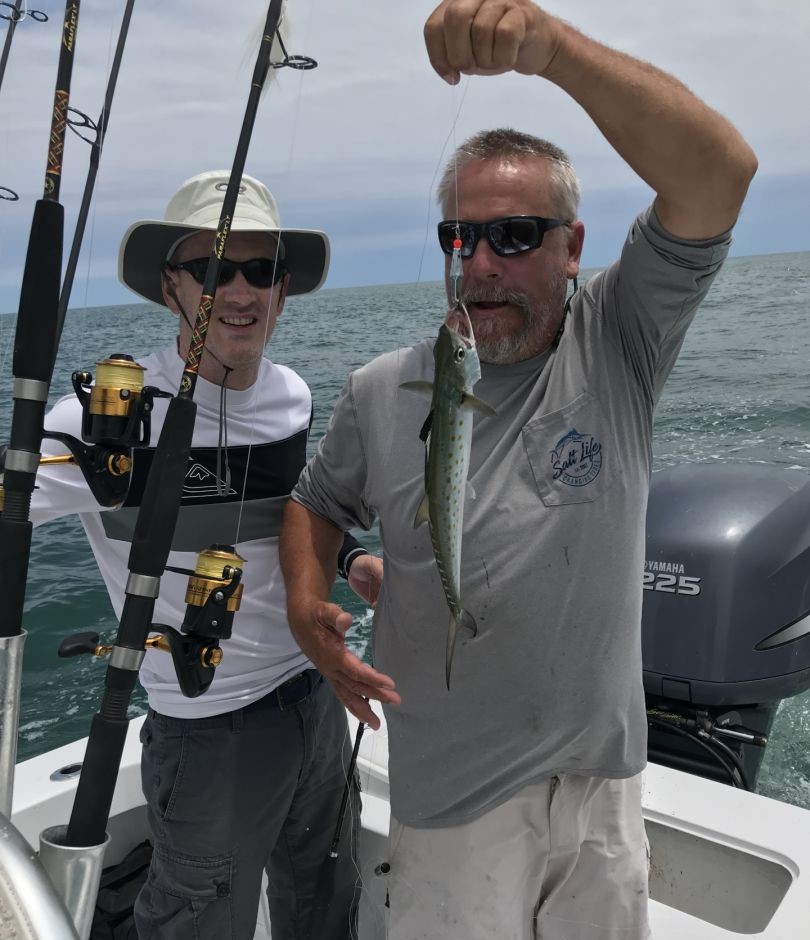
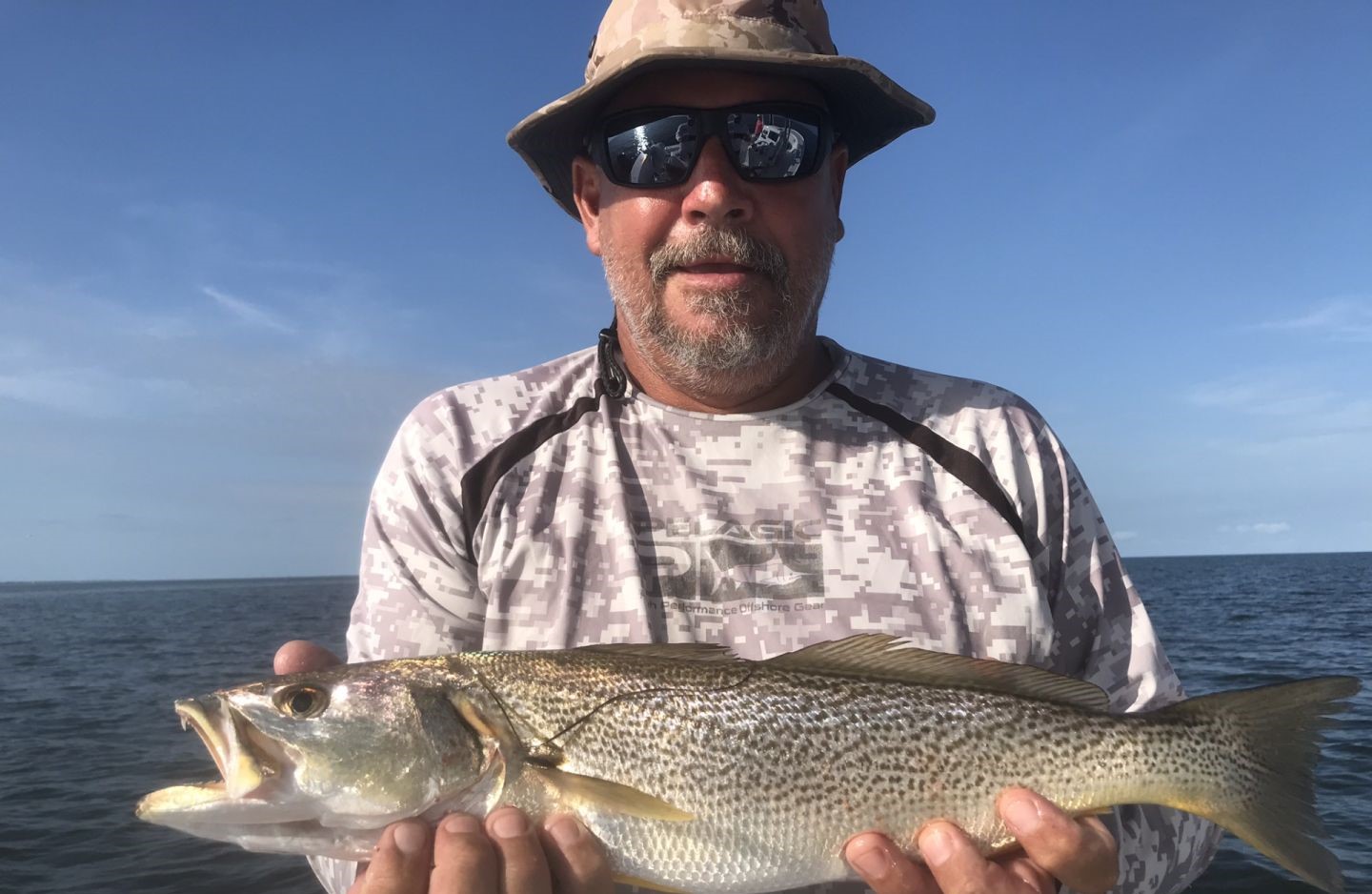
Spanish Mackerel are the bread and butter of Hatteras inshore fishing from late spring through fall. These silver rockets hit fast and fight hard, often traveling in schools that can keep your group busy for hours. They're perfect for honing your casting accuracy since they're visual feeders that respond to well-placed lures. Summer Flounder, or "Fluke" as locals call them, are the ultimate challenge fish – they're masters of camouflage lying in wait around structure and drop-offs. Landing a keeper-sized Flounder over 18 inches takes skill and patience, but the reward is some of the best eating fish in the ocean. Redfish are the power players, often found in the shallows around grass beds and oyster bars. These copper-colored fighters put serious bend in your rod and test your drag system. Sheepshead are the technical fish of the bunch – they've got human-like teeth for crushing barnacles and crabs, which makes them notorious bait stealers. Catching them consistently requires finesse and quick reflexes. Cobia are the wild cards, showing up around structure and sometimes following rays in the shallows. These brown sharks (they're actually not sharks) are aggressive predators that can reach 30+ pounds and provide some of the most exciting sight-fishing opportunities on the coast.
Time to Book Your Spot
Captain Roland's pro-level charters book up fast, especially during peak season when conditions are prime and fish are most active. This 4-hour afternoon trip gives you the perfect balance of serious fishing time without eating up your entire day. Whether you're looking to sharpen your skills, learn new techniques, or just get into some quality fish with an experienced captain, this charter delivers. The small group size means you get individual attention and coaching that you won't find on larger party boats. Ready to step up your inshore game? Secure your spot on what's quickly becoming one of Hatteras' most popular pro-level fishing experiences.
 Private Trip
 Inshore Fishing
 Hatteras, NC


 Four-hour pro-level inshore fishing trip with Captain Roland Mulder