Master Your Fish Finder on Lavon Lake
Your fish finder has more buttons and screens than you know what to do with, right? You're not alone. Most anglers use maybe 10% of their electronics' capabilities, missing out on serious fish-finding power. This 2-hour electronics training session on Lavon Lake changes that. For $250, you'll get one-on-one instruction that turns your high-tech sonar from a confusing gadget into your most valuable fishing tool. We'll cover Live Scope, Side Imaging, Down Imaging, and traditional 2D sonar through hands-on practice that sticks.
What to Expect on the Water
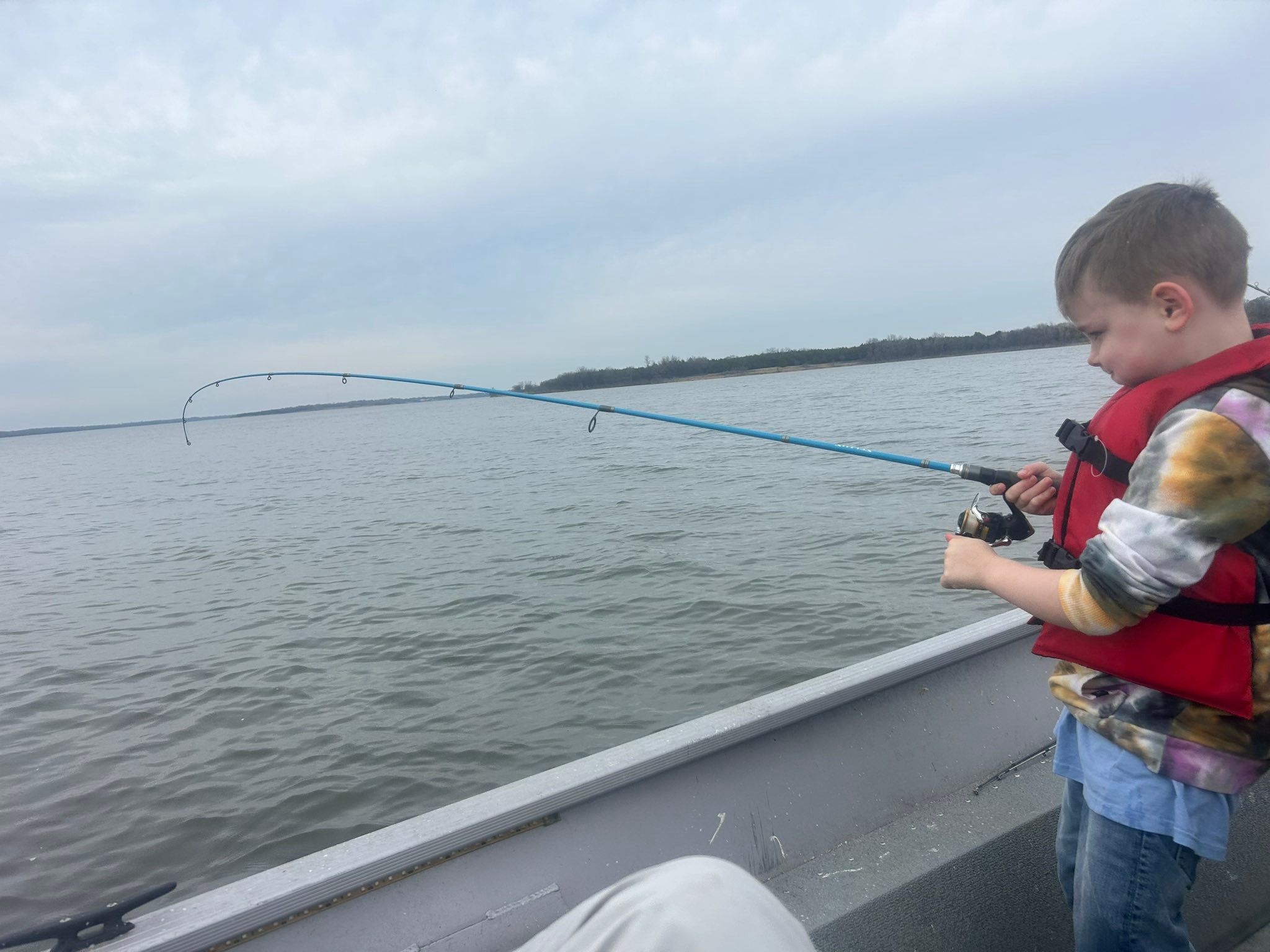
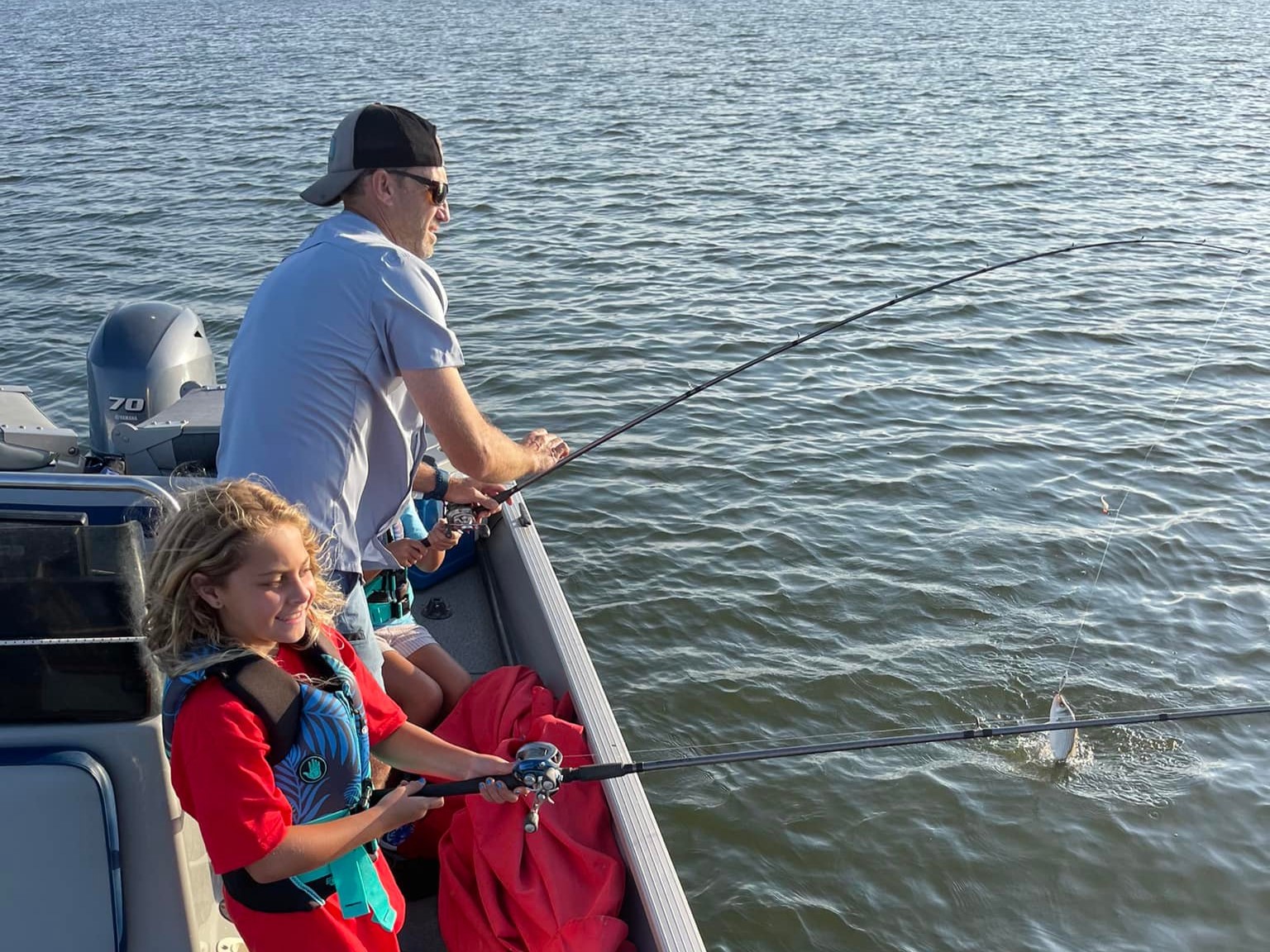
This isn't a classroom lecture – we're learning by doing, right on Lavon Lake where you'll actually use these skills. You'll bring your own electronics or work with professional-grade units on my boat, depending on what works best for your situation. We start with the basics: understanding what you're seeing on each screen and adjusting settings for optimal clarity. Then we move into real-world application, cruising structure-rich areas where you'll practice identifying fish, bait schools, and the kind of cover that holds your target species. The beauty of Lavon Lake is its variety – we've got submerged timber, creek channels, points, and flats that showcase different sonar scenarios. By the end of our session, you'll confidently interpret what your electronics are showing you and make better fishing decisions because of it. This training works for complete beginners who feel overwhelmed by their units, as well as experienced anglers looking to unlock advanced features they've never touched.
Sonar Tech That Actually Works
Live Scope gets all the attention these days, and for good reason – it's like having X-ray vision underwater. We'll cover how to position your transducer, adjust gain and range settings, and most importantly, how to watch fish react to your presentation in real time. But don't sleep on the imaging technologies. Side Imaging acts like an underwater searchlight, scanning wide areas to locate structure and fish-holding cover you'd never find otherwise. Down Imaging gives you photo-like detail of what's directly below your boat – perfect for understanding bottom composition and spotting individual fish. Traditional 2D sonar might seem old school, but it's still your best friend for marking fish in open water and understanding water column activity. We'll practice switching between these modes fluidly, using each one's strengths to build a complete picture of what's happening below. You'll learn practical tricks like using waypoints effectively, understanding how different fish species appear on sonar, and adjusting for varying water conditions throughout the day.
Target Species You'll Track
Crappie are Lavon Lake's bread and butter, and they show up beautifully on electronics when you know what to look for. These slab-sided panfish suspend around timber and brush piles, typically holding 8-15 feet deep during most of the year. Spring brings them shallow for spawning, usually in March and April when water temperatures hit the mid-60s. On sonar, crappie appear as distinct arches or thick lines, often in tight schools. They're fun to target because once you mark a school with your electronics, you can position precisely and catch multiple fish from the same spot. The key is using your Side Imaging to locate brush piles and timber, then switching to Live Scope to watch how the fish relate to that structure.
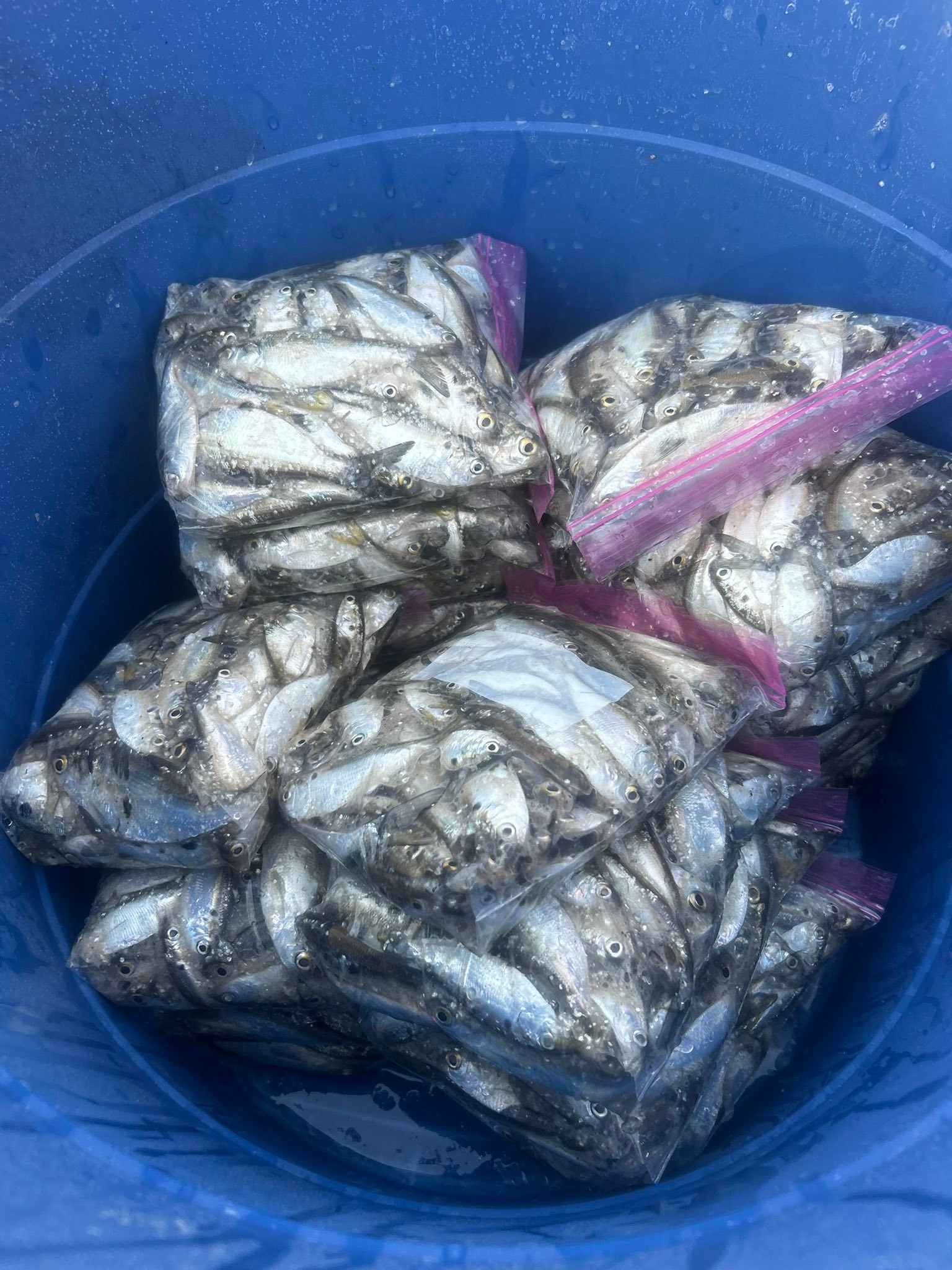
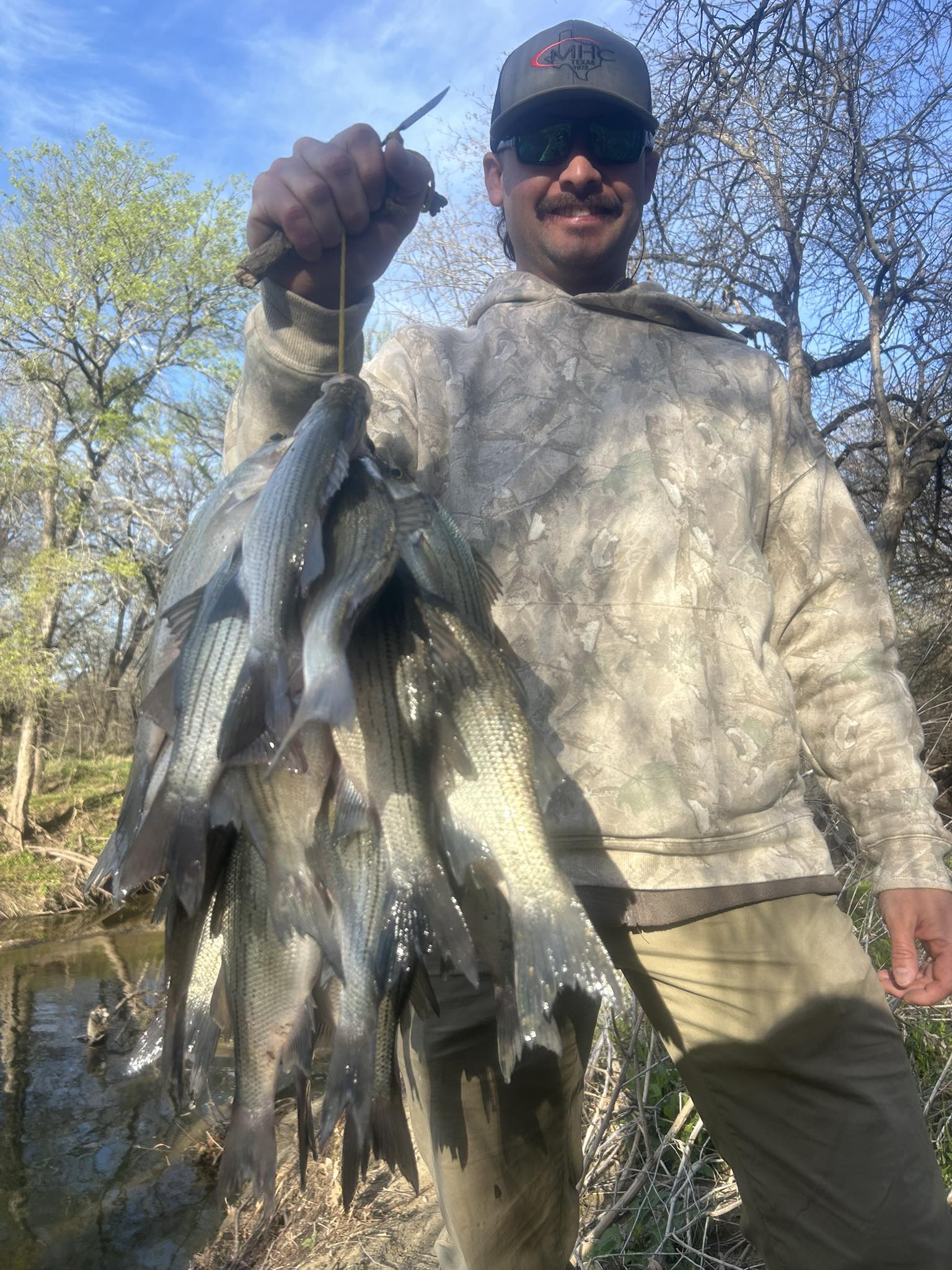
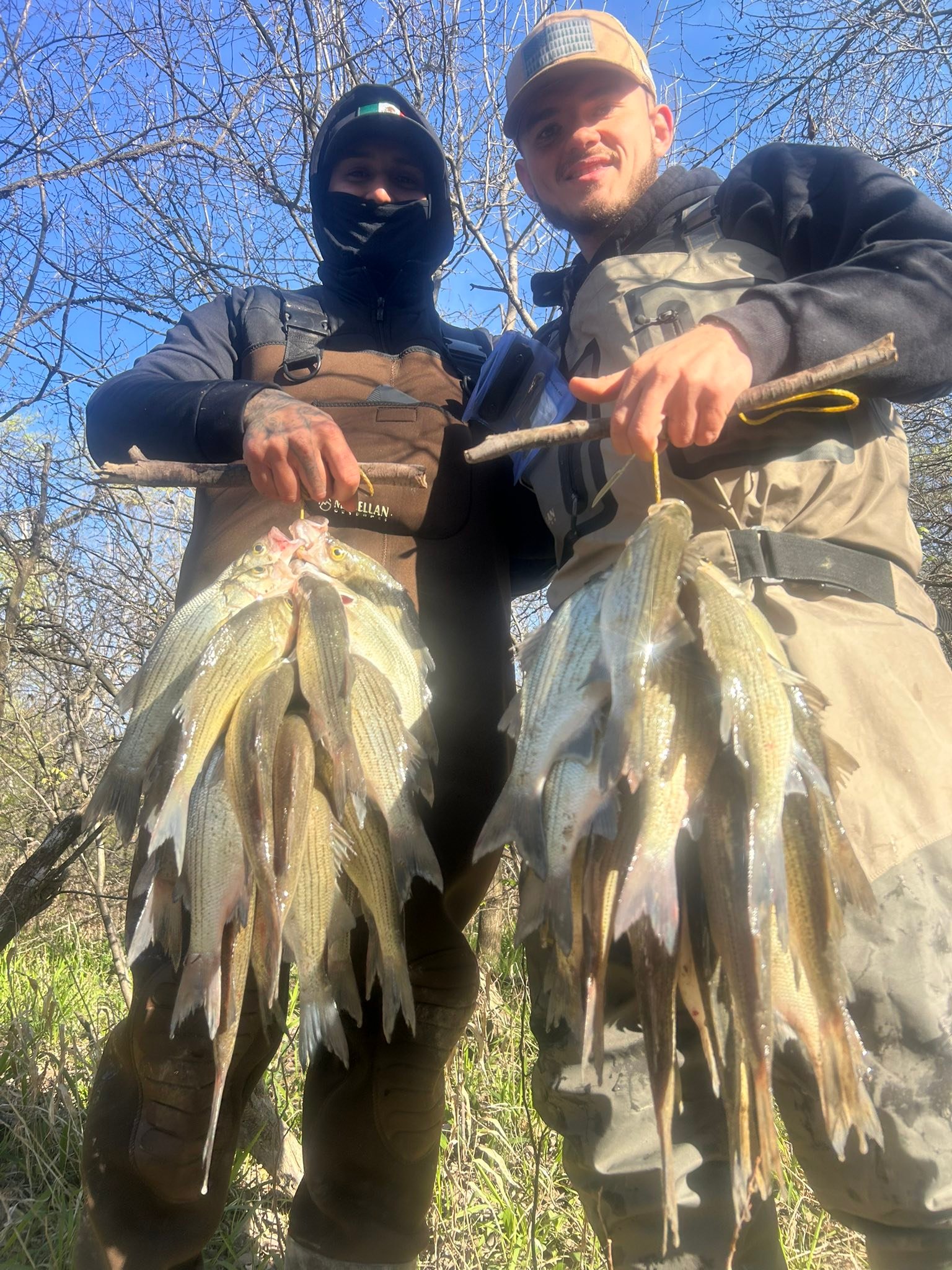
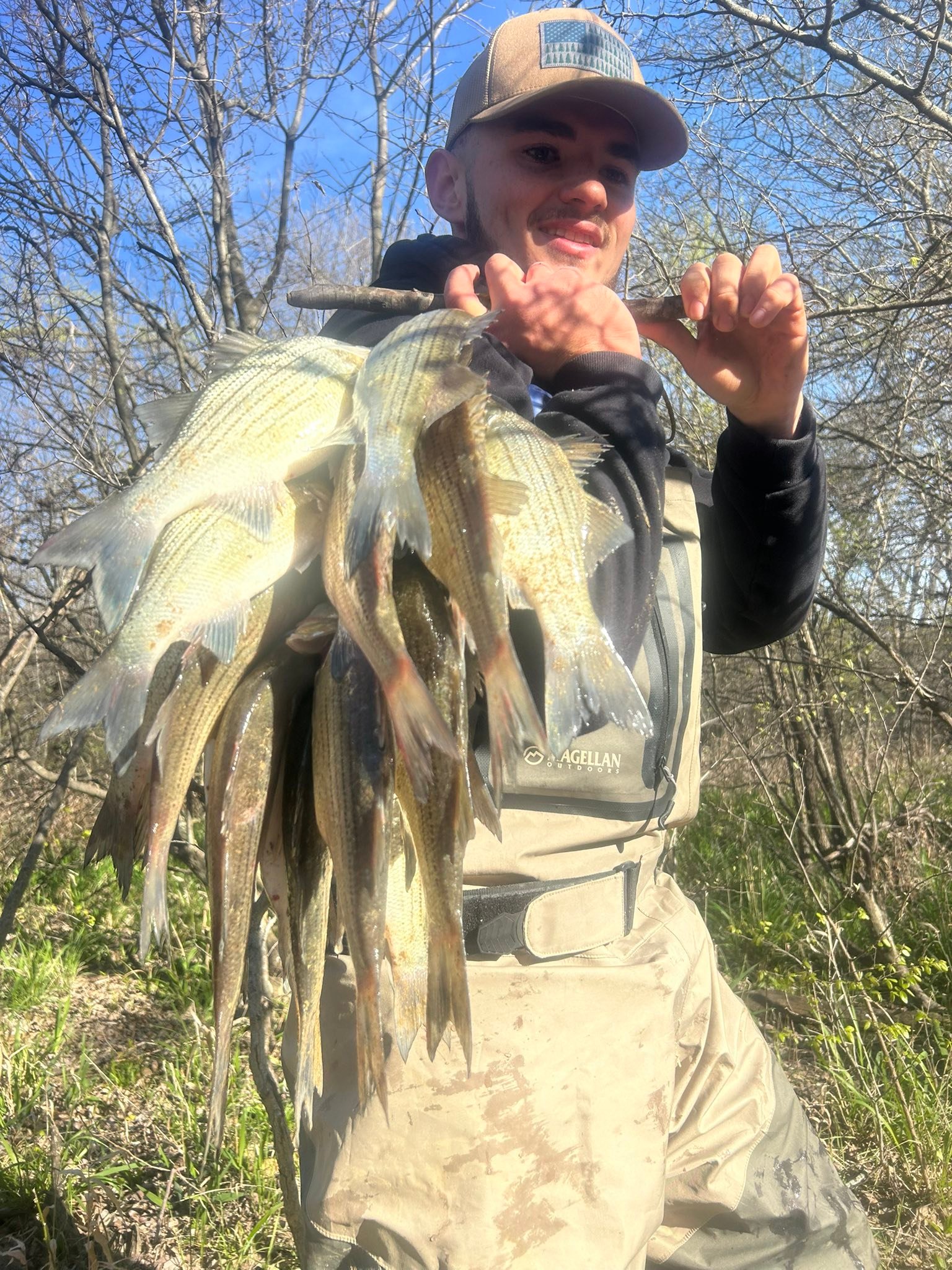
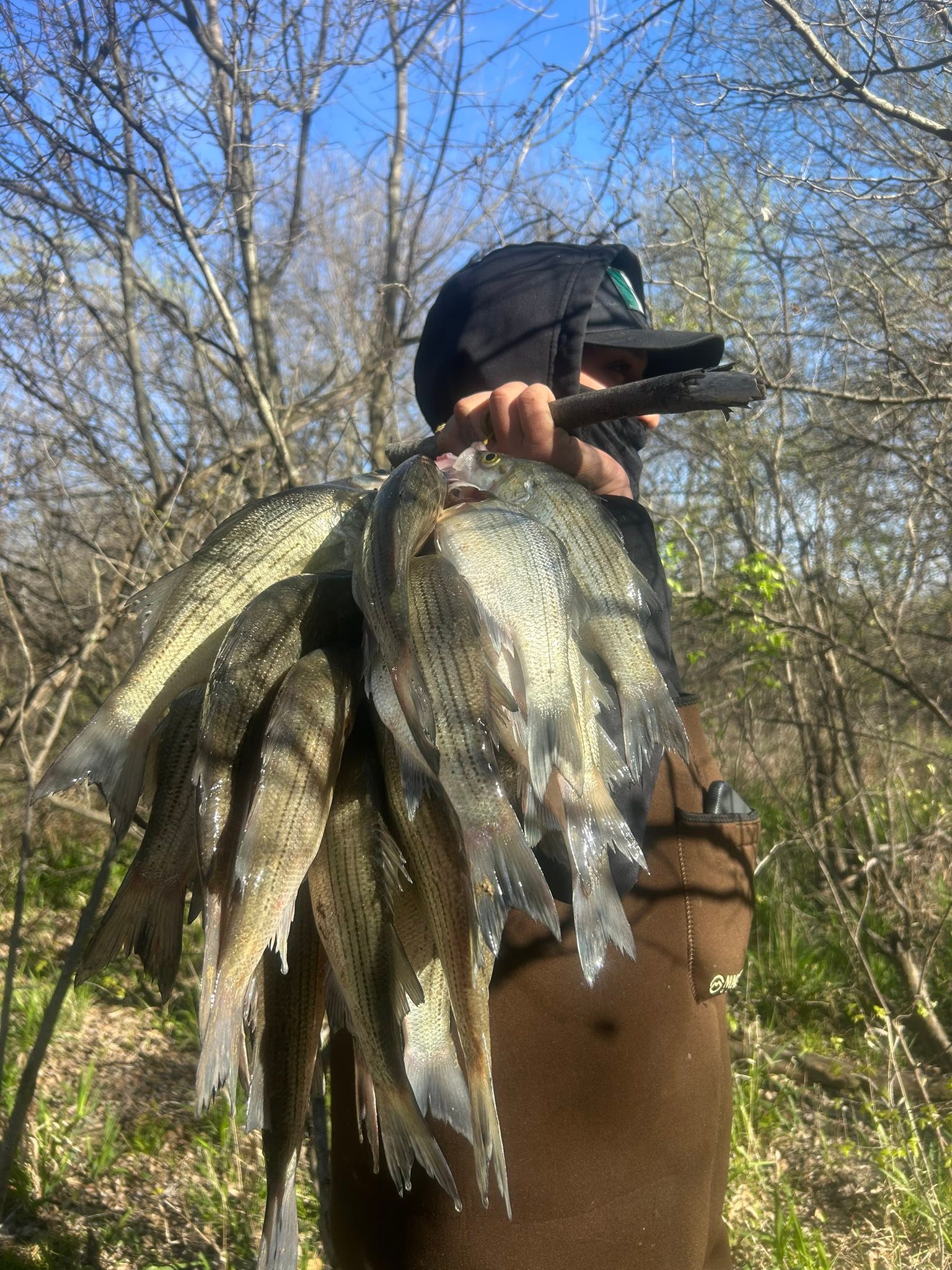
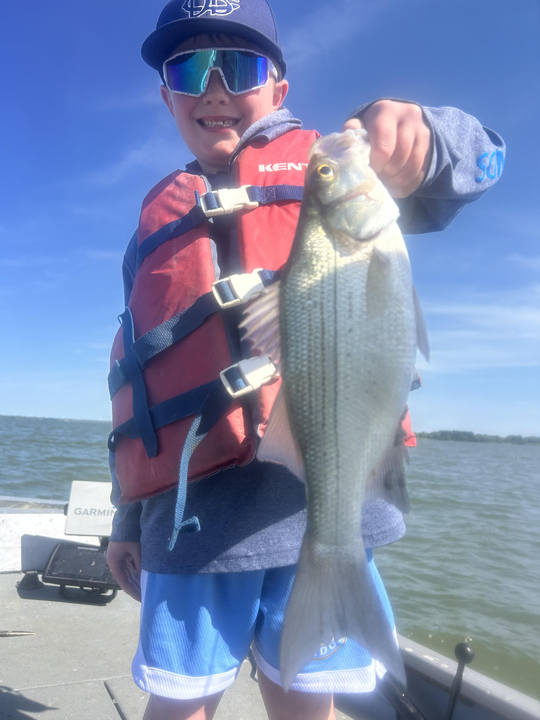
White Bass are nomadic predators that roam Lavon's open water, making them perfect for electronics-based fishing. These silvery fighters travel in large schools, chasing shad across main lake points and humps. Summer finds them in 20-30 feet of water during daylight hours, moving shallow at dawn and dusk. On your sonar, white bass schools look like dense clouds or thick red marks, often with bait fish scattered above them. They're customer favorites because they fight hard for their size and bite aggressively when you find active schools. Your 2D sonar excels at tracking these roaming schools across open water.
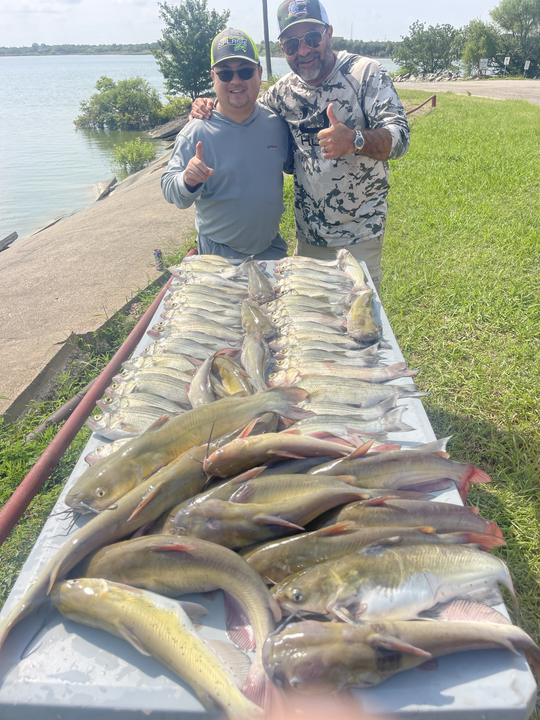
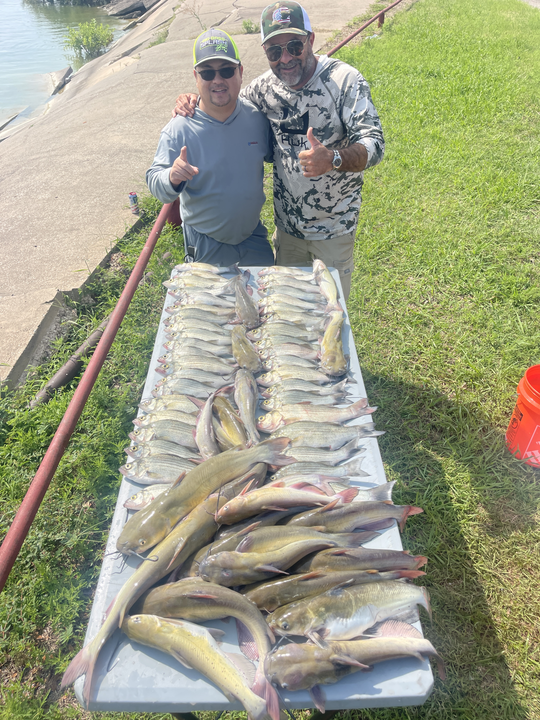
Channel Catfish and Blue Catfish both call Lavon home, with blues growing substantially larger – some topping 20 pounds. Catfish appear on electronics as single marks hugging bottom structure, especially around creek channels, humps, and drop-offs. Summer heat pushes them deeper, while spring and fall find them more active in 10-20 foot zones. Down Imaging helps distinguish catfish from other bottom-huggers by their size and the way they relate to structure. These whiskered fighters provide steady action year-round and show up clearly on sonar when you dial in your settings properly.
Bluegill might be small, but they're perfect for practicing your electronics skills since they're abundant and easy to locate. These colorful panfish relate strongly to shallow cover – fallen trees, boat docks, and spawning beds in spring. On sonar, they appear as small, quick-moving marks around structure. Bluegill fishing peaks during their spring spawn when males create visible beds in shallow water that show up clearly on Down Imaging. They're great confidence builders and help you understand how different fish species appear on your screens.
Time to Book Your Spot
Your expensive electronics are only as good as your ability to use them effectively. This focused training session eliminates the guesswork and gets you catching more fish through better technology use. Whether you're struggling with basic operation or want to master advanced features, two hours of hands-on instruction will transform how you approach fishing. Lavon Lake provides the perfect classroom with varied structure and multiple species to practice on. Sessions run year-round because electronics work in all conditions – often better in tough weather when fish behavior becomes more predictable. Don't let another fishing trip go by wondering what you're missing on those screens. Book your electronics training session and start using your fish finder like a pro.
 Private Trip
 Lakes/Reservoirs/Ponds Fishing
 Lake Lavon


 Two-hour hands-on electronics training focuses on Live Scope and sonar systems.