Inshore Fishing with Carolina Traditions
Looking for a fishing trip that'll put plenty of fish in the boat without eating up your whole day? Captain Joe's inshore charter with Carolina Traditions Guide Co. is exactly what you're after. This isn't some all-day marathon that leaves you wiped out – it's a perfectly timed morning or afternoon session that gives you the best of both worlds. You'll hit the prime fishing spots when the fish are most active, then still have time to enjoy the rest of your day however you want.
What to Expect on the Water
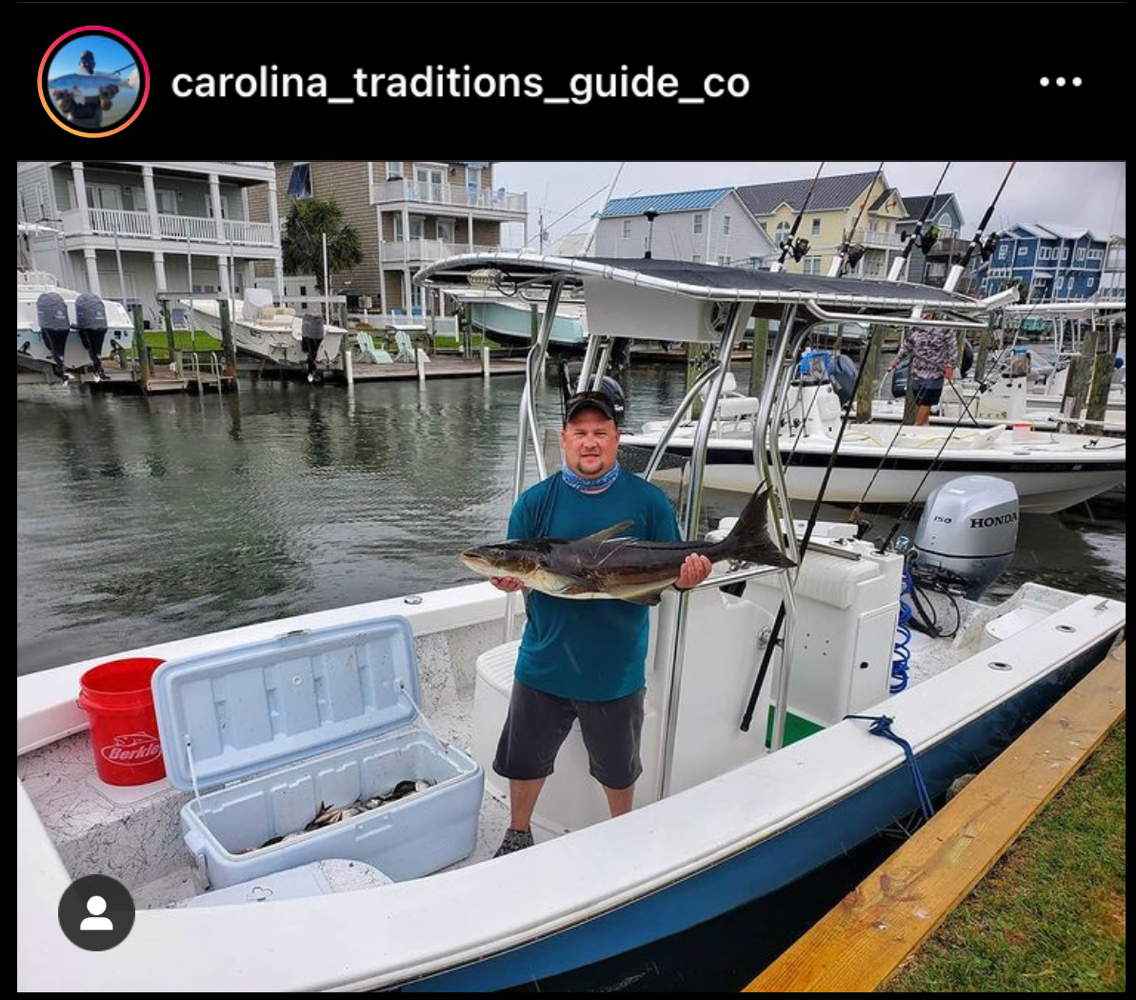
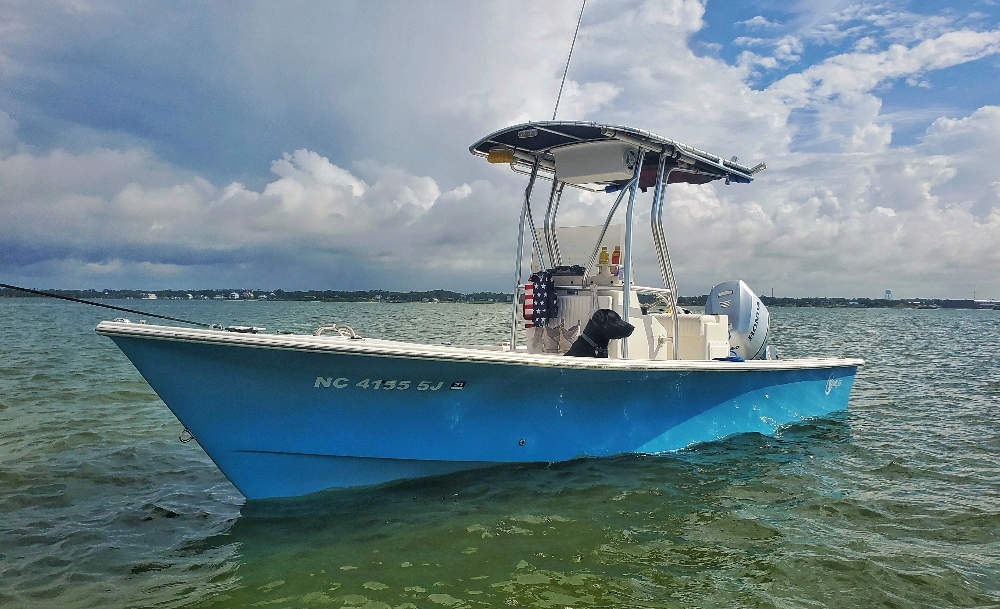
Captain Joe knows these inshore waters like the back of his hand, and that local knowledge makes all the difference when you're trying to put fish in the cooler. You'll be targeting some of the most sought-after species along the coast – Speckled Trout, Flounder, and Redfish are the main players here, but don't be surprised if you hook into some bonus species along the way. The boat accommodates up to three anglers, which means you're not fighting for space or dealing with a crowded deck. It's intimate fishing at its finest, where Captain Joe can give each angler the attention they deserve and put everyone on fish. The pace is relaxed but productive, perfect for anglers who want to catch fish without the pressure of a tournament-style atmosphere.
Techniques and Tackle
Inshore fishing is all about reading the water and adapting to what the fish want on any given day. Captain Joe runs a variety of techniques depending on conditions and what's biting best. You might find yourself working live bait around structure for Redfish, casting soft plastics over grass flats for Speckled Trout, or bouncing jigs along the bottom for Flounder. The beauty of inshore fishing is the versatility – one minute you're sight-casting to tailing Reds in skinny water, the next you're working a school of Trout that's blowing up shrimp on the surface. All tackle and bait are provided, so you don't need to worry about rigging up or figuring out what's working. Captain Joe handles the technical stuff while you focus on the fun part – fighting fish. The boat is equipped with quality gear that can handle everything from finicky Trout to bulldogging Redfish.
Top Catches This Season
Summer Flounder are the ultimate inshore prize for many anglers, and for good reason. These flatfish are masters of camouflage, lying buried in sand and mud waiting to ambush unsuspecting baitfish. When you hook a nice doormat Flounder, you'll feel that distinctive headshaking fight as they try to get back to the bottom. The best action typically happens during moving water, especially on the incoming tide when baitfish are pushed over the flats. What makes Flounder fishing so addictive is the technique – you're often bouncing jigs or dragging baits right along the bottom, feeling for that telltale thump that signals a fish has grabbed your offering.
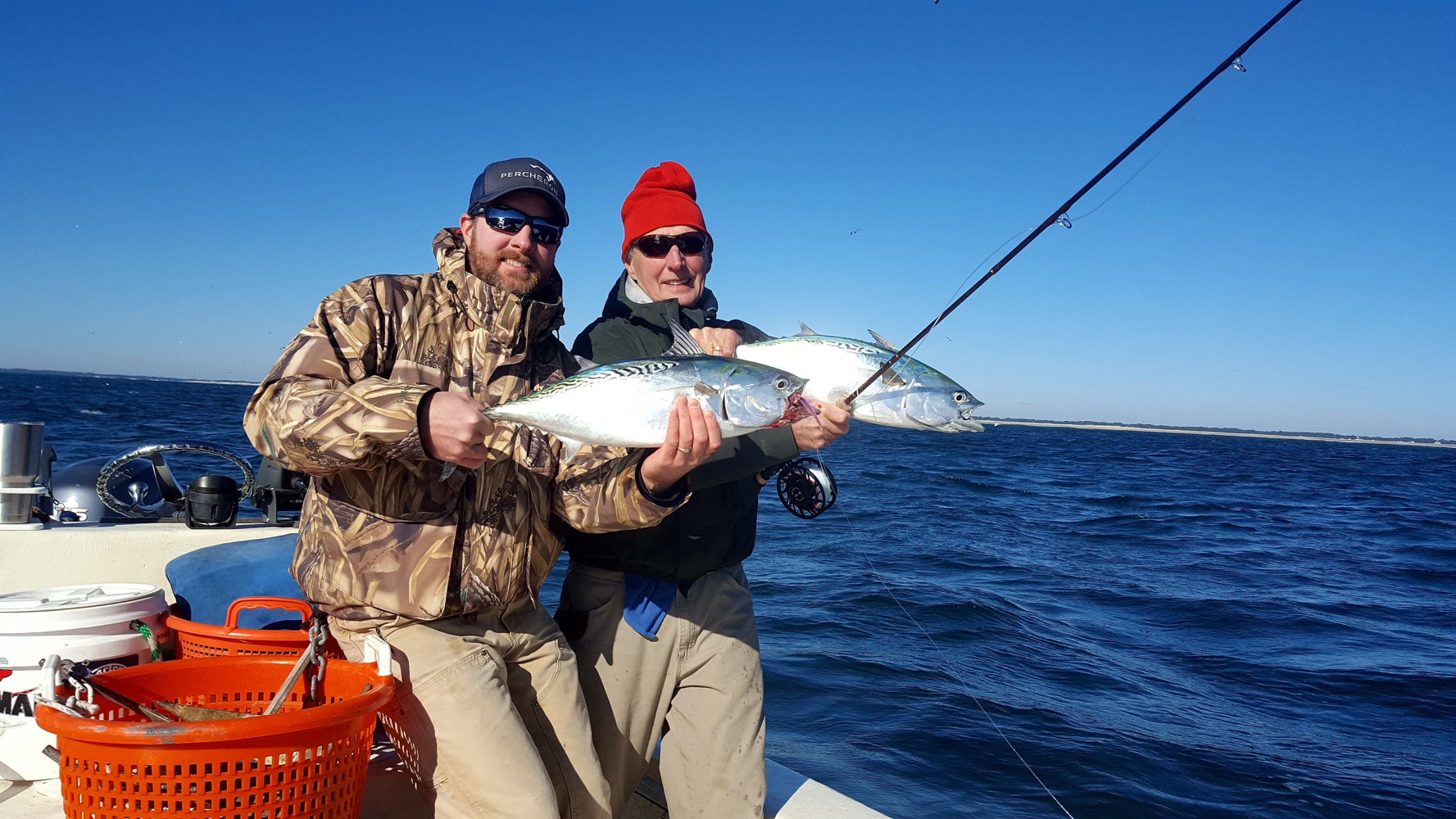
Atlantic Bonito bring a completely different kind of excitement to your inshore experience. These small but ferocious members of the tuna family show up seasonally and provide some of the fastest action you'll find in shallow water. When a school of Bonito moves through, it's game on – they'll hit just about any small lure or fly you throw at them, and their initial runs will test your drag system. They're perfect for light tackle fishing, turning even smaller fish into memorable battles.
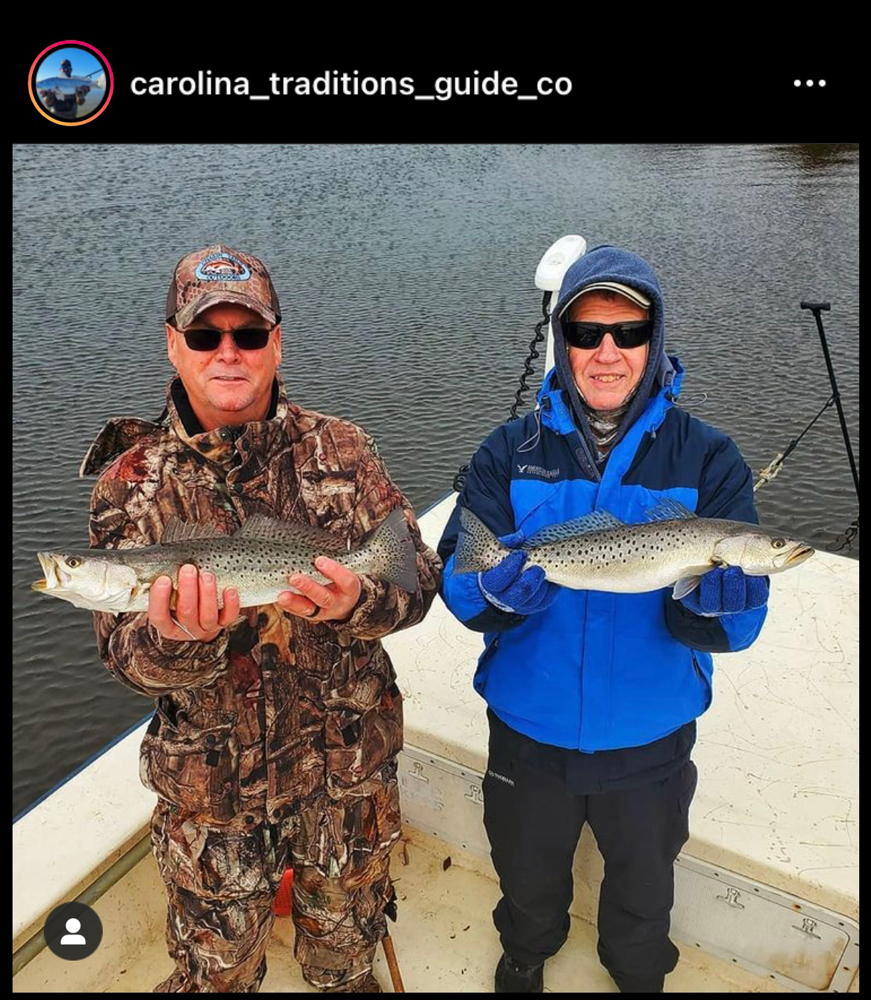
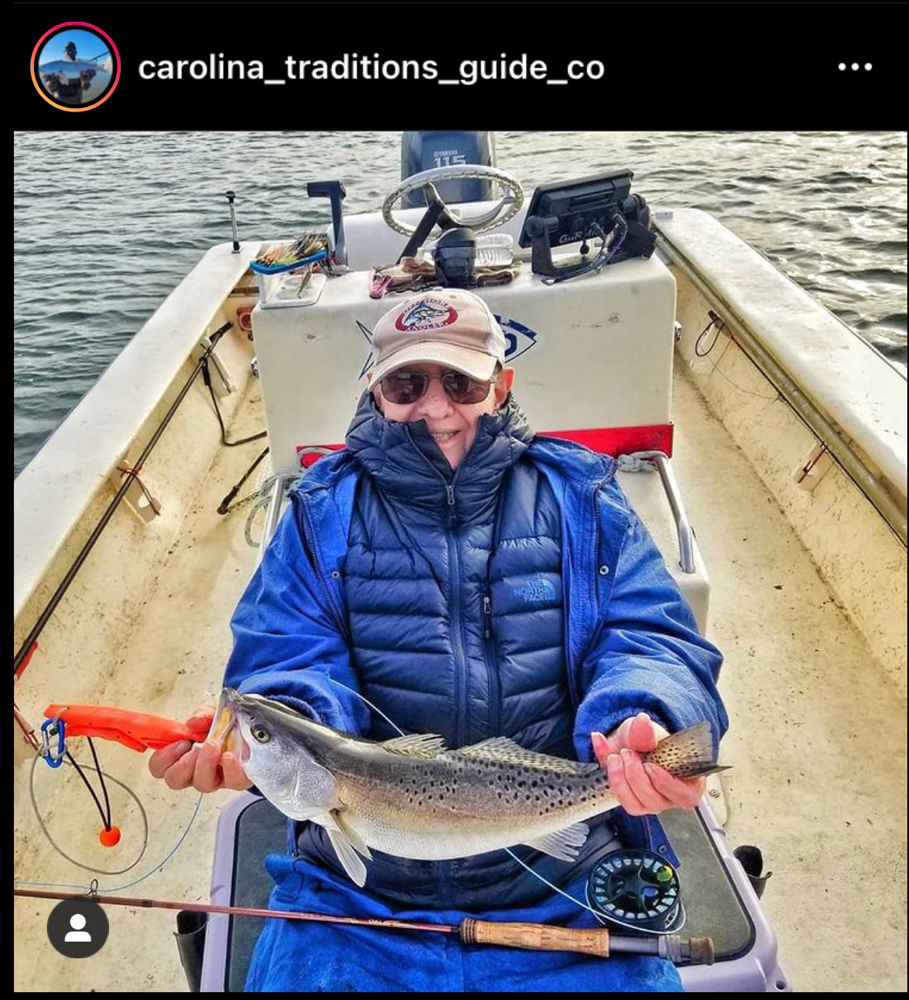
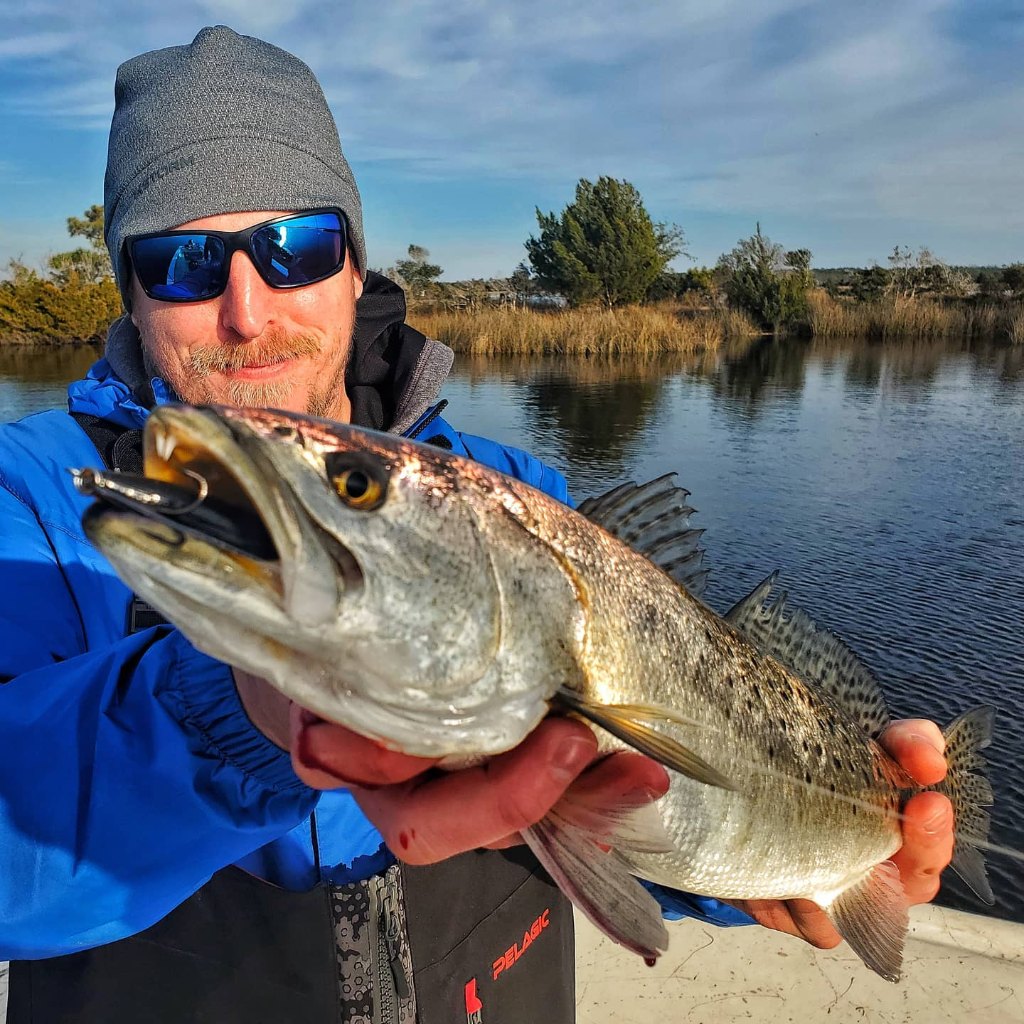
Sea Trout, or Speckled Trout as they're known locally, are the bread and butter of inshore fishing. These beautiful fish are aggressive feeders that will hit a variety of baits and lures, making them perfect for anglers of all skill levels. The best Trout fishing often happens around grass beds and drop-offs where they ambush shrimp and small baitfish. Spring and fall are prime time for Specks, when they're actively feeding and putting on weight. What anglers love about Trout fishing is the consistency – when you find them, you can usually catch several before they move on.
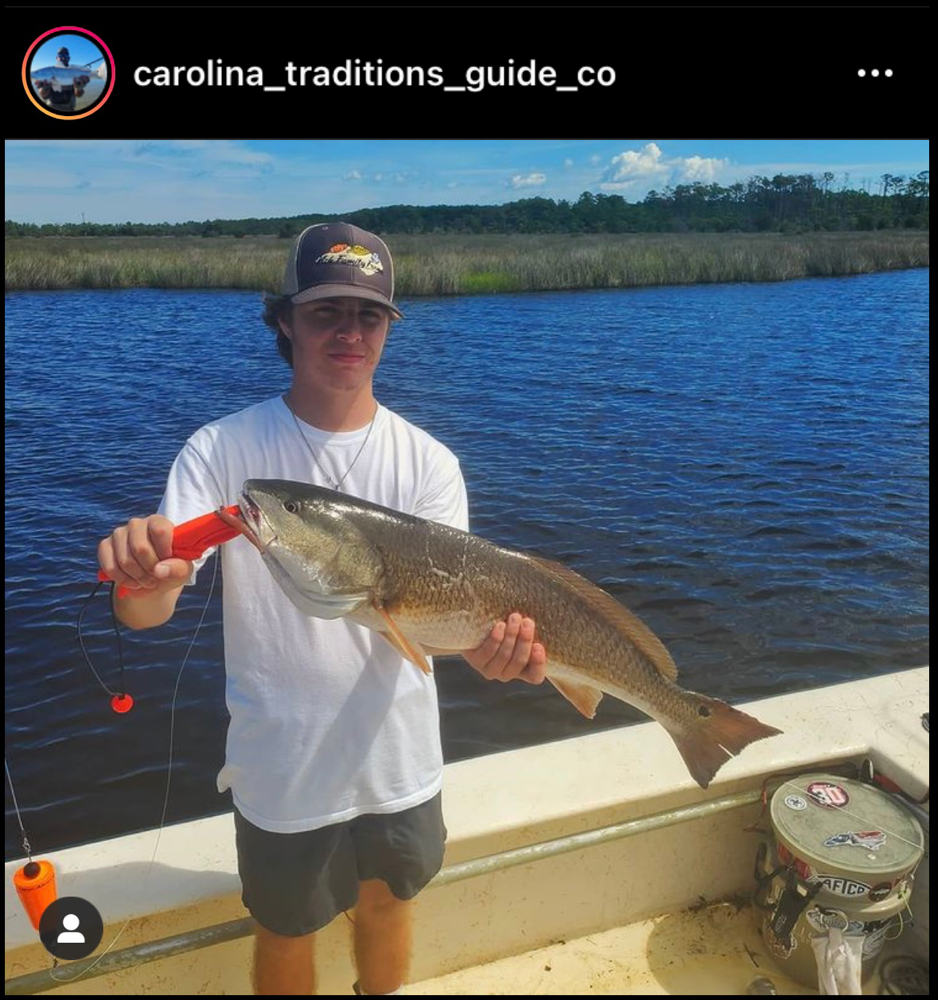
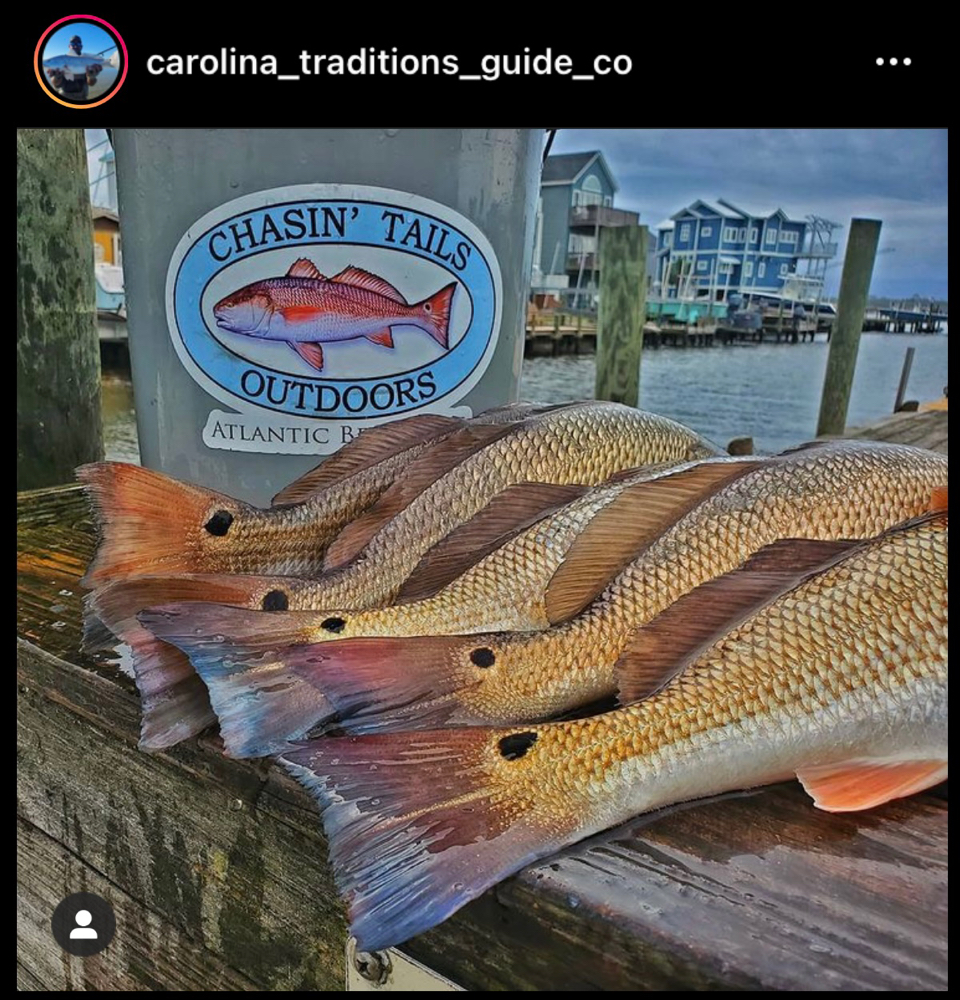
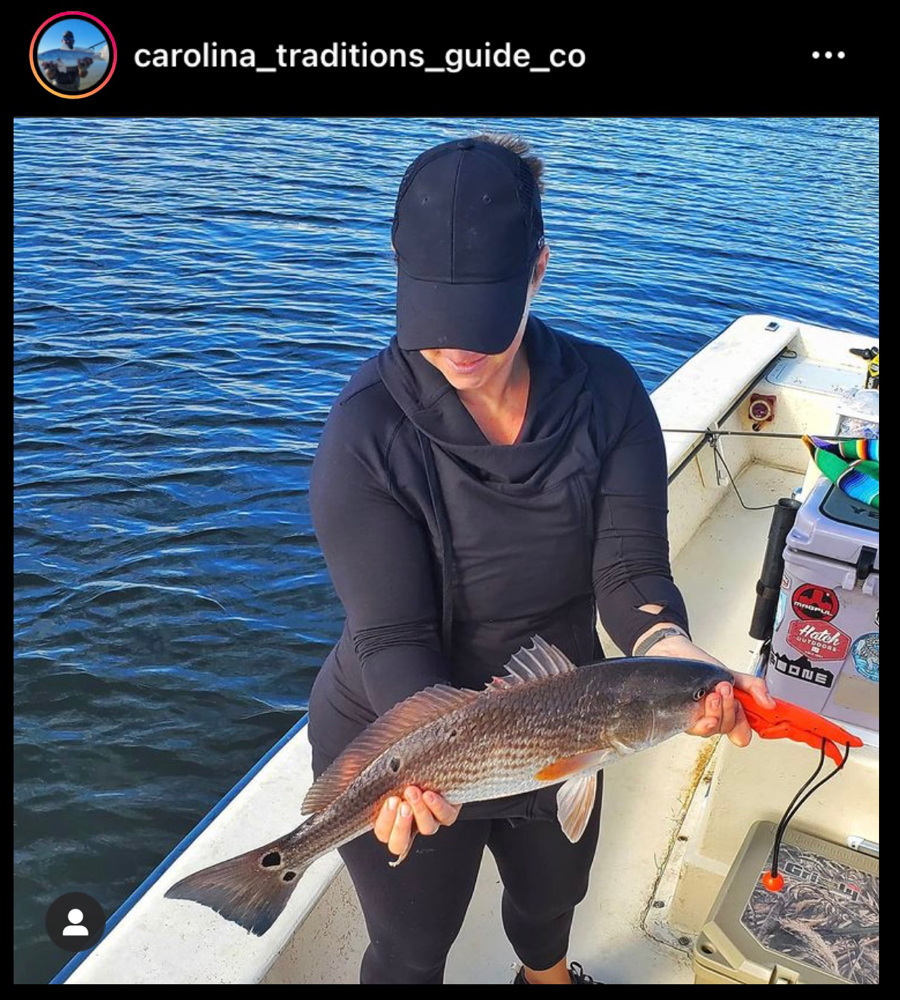
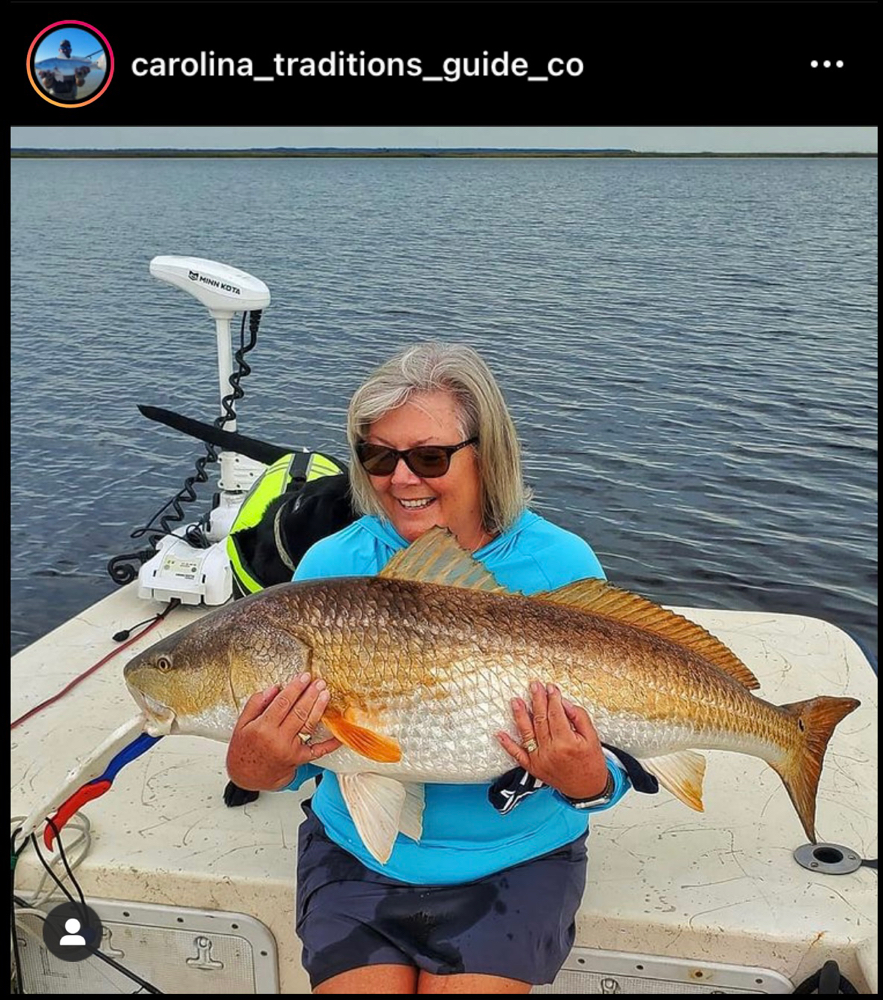
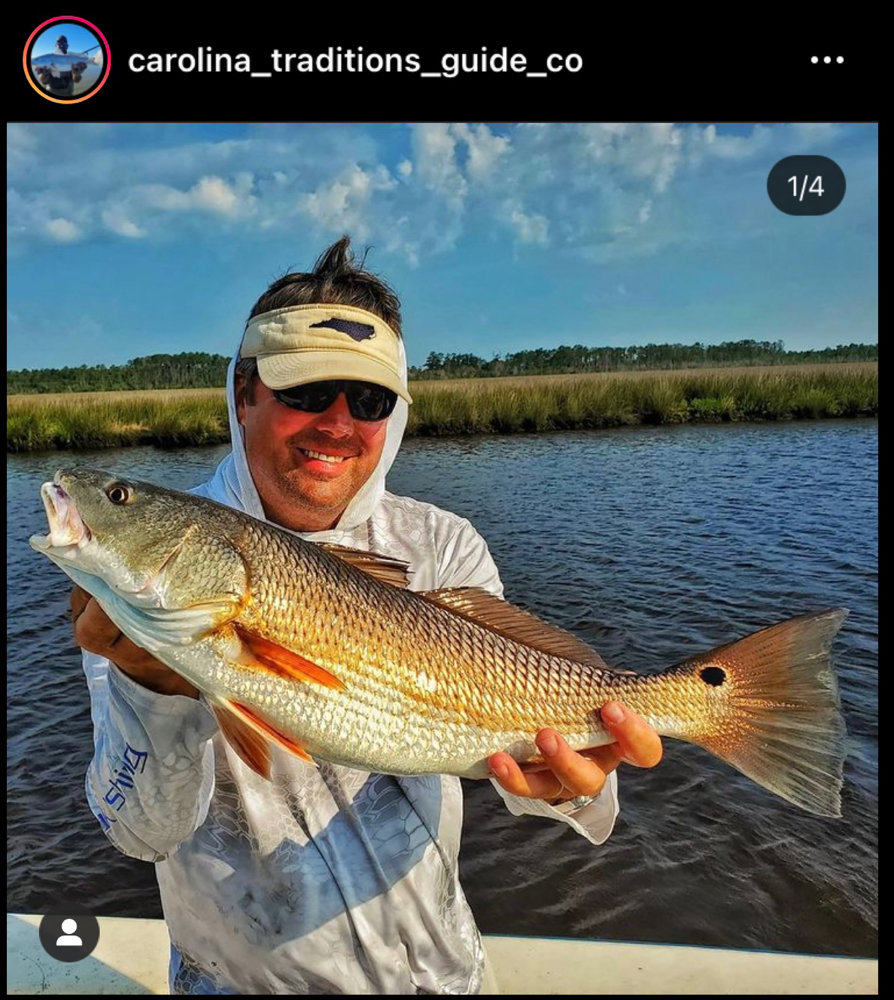
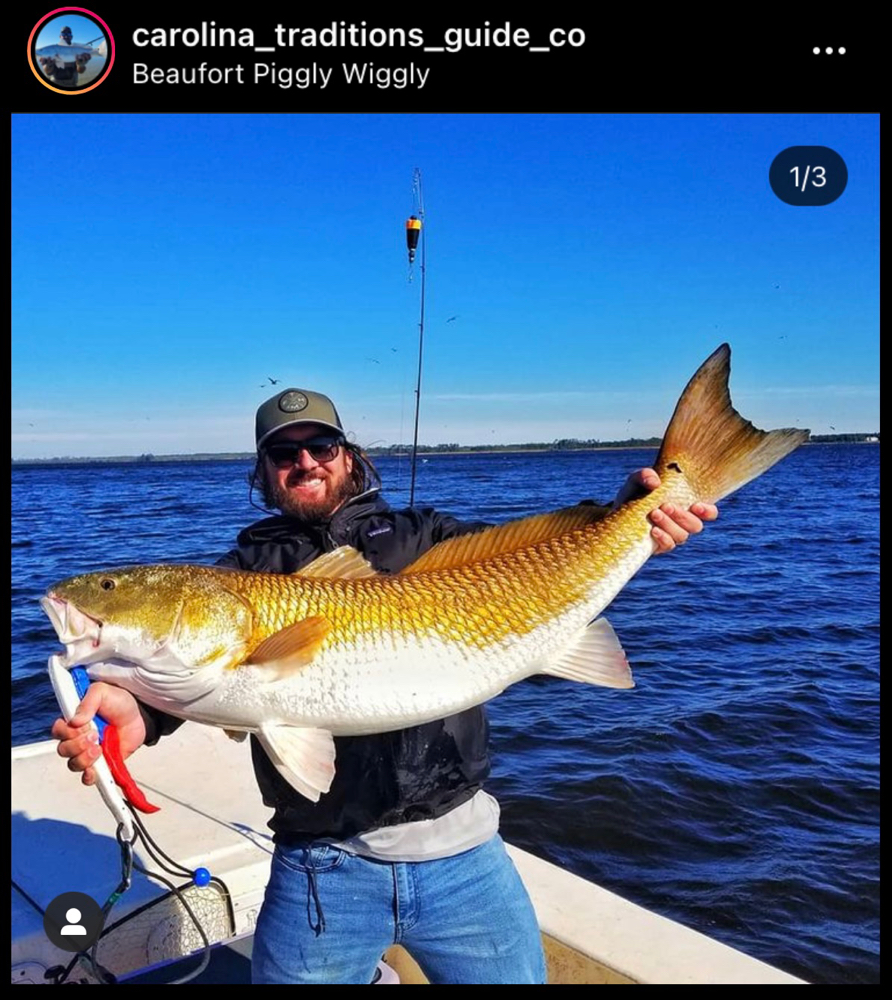
Redfish are the rock stars of the inshore world, and once you tangle with a bull Red, you'll understand why. These copper-colored bruisers are found around oyster bars, grass flats, and creek mouths, often in water so shallow you can see their backs. The sight-fishing opportunities for Reds are world-class, especially when they're tailing in skinny water during high tide. A hooked Redfish will make powerful runs and use every bit of structure it can find to try and break you off. They're most active during warmer months and can be caught year-round in the right conditions.
Yellowtail Amberjack round out the target species list with their brute strength and never-say-die attitude. While not as common as the other species, when you hook into an Amberjack, you'll know it immediately. These fish are pure muscle and will test your endurance as much as your tackle. They're typically found around structure and are most active during warmer months when baitfish are abundant.
Time to Book Your Spot
Captain Joe's inshore fishing trip with Carolina Traditions Guide Co. delivers exactly what it promises – plenty of fish and plenty of time left in your day. Whether you're looking to introduce someone new to saltwater fishing or you're a seasoned angler who wants to experience these productive inshore waters, this trip hits the sweet spot. The combination of Captain Joe's local expertise, quality equipment, and prime fishing grounds makes for a top-rated charter experience that keeps anglers coming back season after season. Don't let another fishing season slip by without experiencing what these inshore waters have to offer – book your trip today and get ready to bend some rods.
 Private Trip
 Inshore Fishing
 Beaufort, NC


 Half-day inshore fishing targeting multiple species