Inshore Fishing with Carolina Traditions
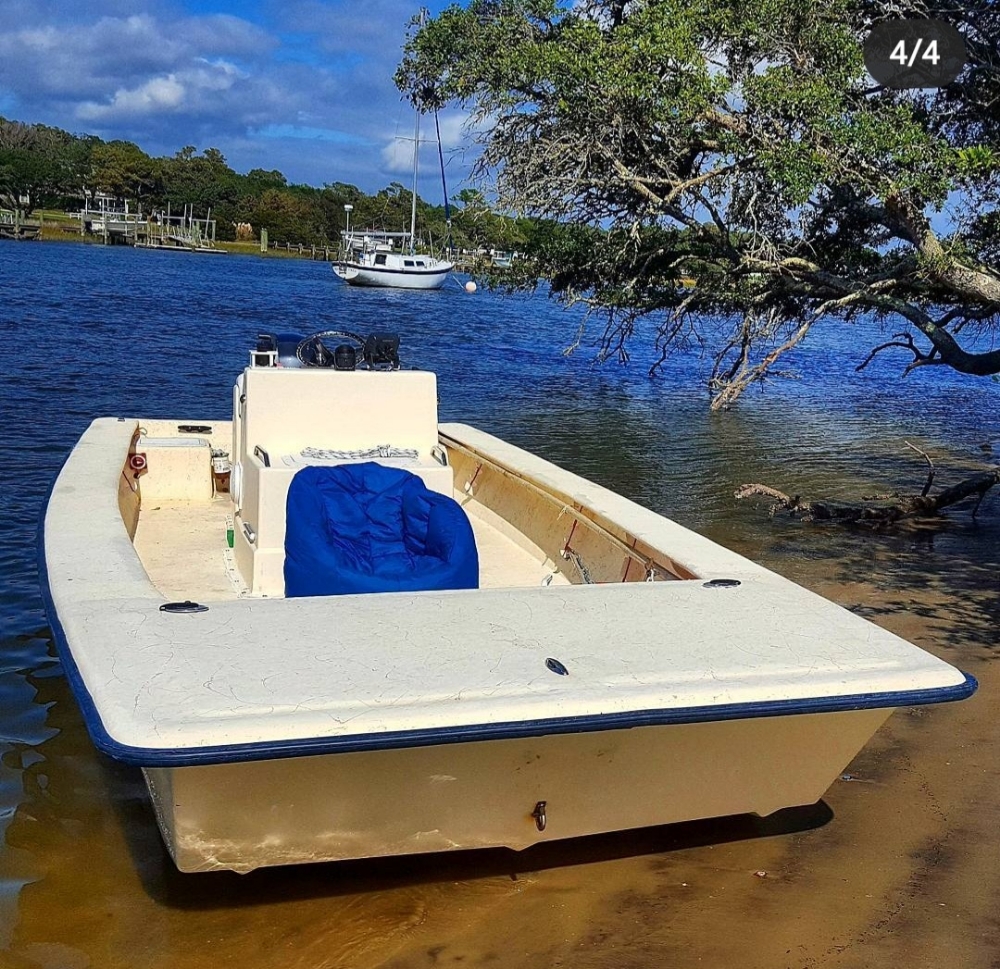
Looking for a solid half-day of fishing that leaves you plenty of time to enjoy the rest of your day? Captain Joe's inshore fishing trips with Carolina Traditions Guide Co. are exactly what you need. This isn't about spending all day on the water hoping for a bite – it's about getting straight to the action and putting fish in the boat. With space for up to three anglers, you'll get personalized attention and Captain Joe's years of local knowledge working in your favor. Whether you're a seasoned angler or just getting started, this top-rated inshore experience delivers consistent results in Carolina's productive coastal waters.
What to Expect on the Water
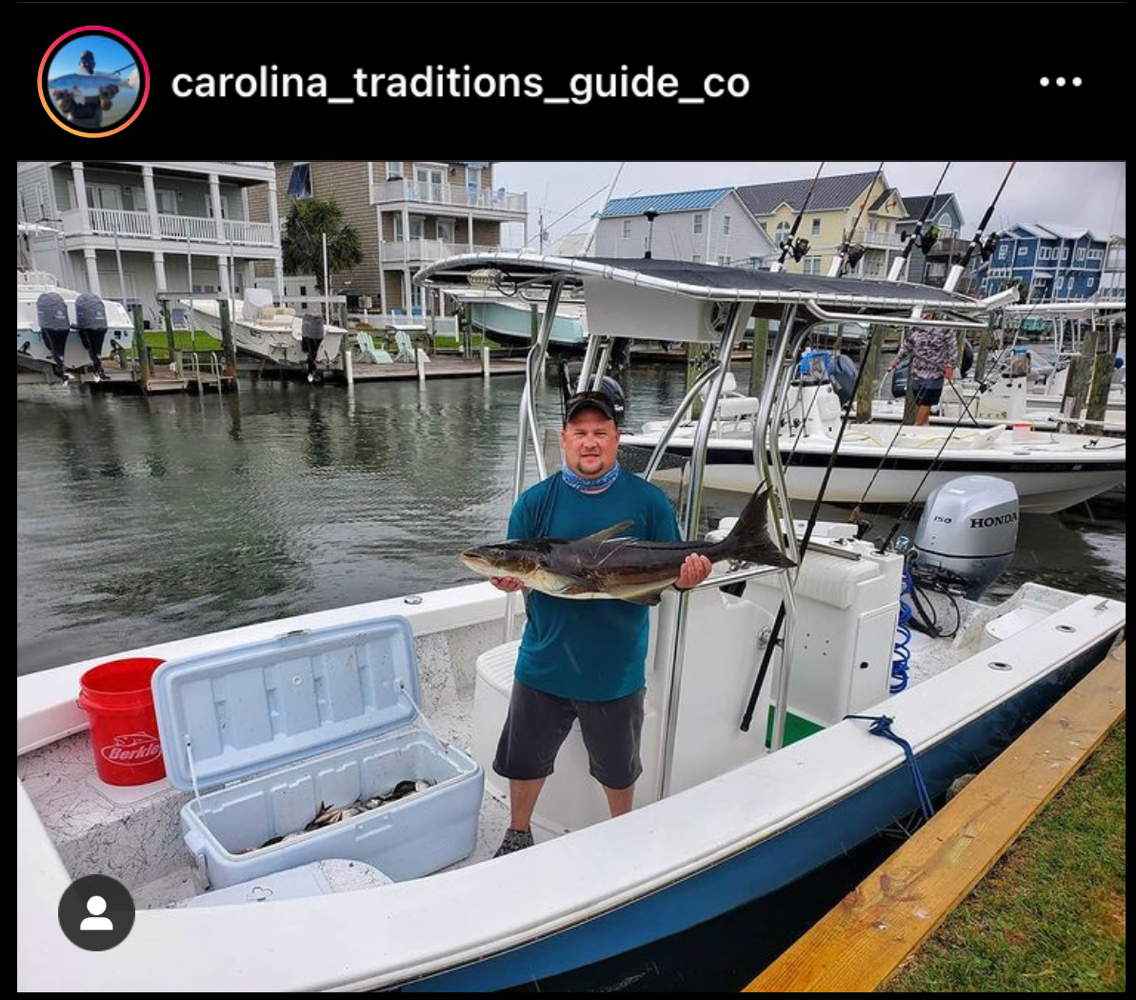
Captain Joe knows these inshore waters like the back of his hand, and that local expertise makes all the difference when you want to maximize your fishing time. You'll launch early and head straight to the productive spots where speckled trout, flounder, and redfish are feeding. The beauty of inshore fishing here is the variety – one minute you're working shallow grass flats for trout, the next you're targeting structure for flounder or cruising the edges for redfish. The boat stays in protected waters, so even if it's breezy offshore, you'll have comfortable fishing conditions. Captain Joe keeps things moving, reading the water and adjusting tactics based on what's working that day. This isn't a leisurely sightseeing trip – it's focused fishing designed to put you on fish quickly and efficiently.
Techniques and Tackle
Inshore fishing in these Carolina waters calls for versatility, and Captain Joe has the right approach for every situation. You'll primarily use light to medium tackle – perfect for feeling every bite and having fun with these scrappy inshore species. Depending on conditions and target species, you might be throwing soft plastics around structure, working topwater lures over grass beds, or bouncing live bait along the bottom. The captain provides all tackle and bait, so you don't need to worry about rigging up or bringing your own gear. Techniques range from sight fishing for tailing redfish in shallow water to drift fishing deeper channels for flounder. Captain Joe reads the tide, wind, and fish activity to determine the best approach for each spot. The key to success here is staying mobile and adapting to what the fish want – something that comes naturally when you've got a guide who lives and breathes these waters.
Top Catches This Season
Summer Flounder are the crown jewel of Carolina inshore fishing, and for good reason. These flatfish can reach impressive sizes – we're talking 3 to 8 pounds for keeper fish, with occasional doormat flounder pushing even bigger numbers. Peak season runs from late spring through early fall, when they're actively feeding in preparation for their offshore migration. What makes flounder so exciting to catch is their aggressive strike and the challenge of reading bottom structure. They ambush prey from sandy bottoms near oyster bars, channel edges, and drop-offs. Once hooked, they put up a surprisingly strong fight for a flatfish, and they're absolutely delicious on the table.
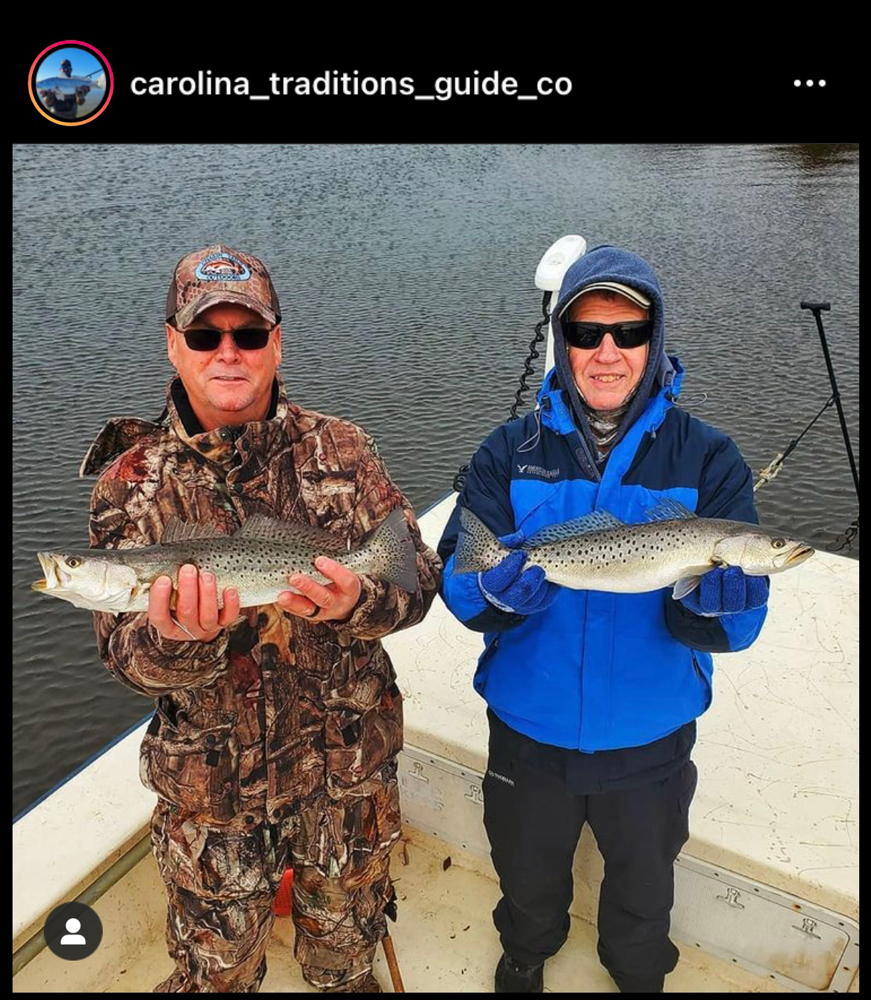
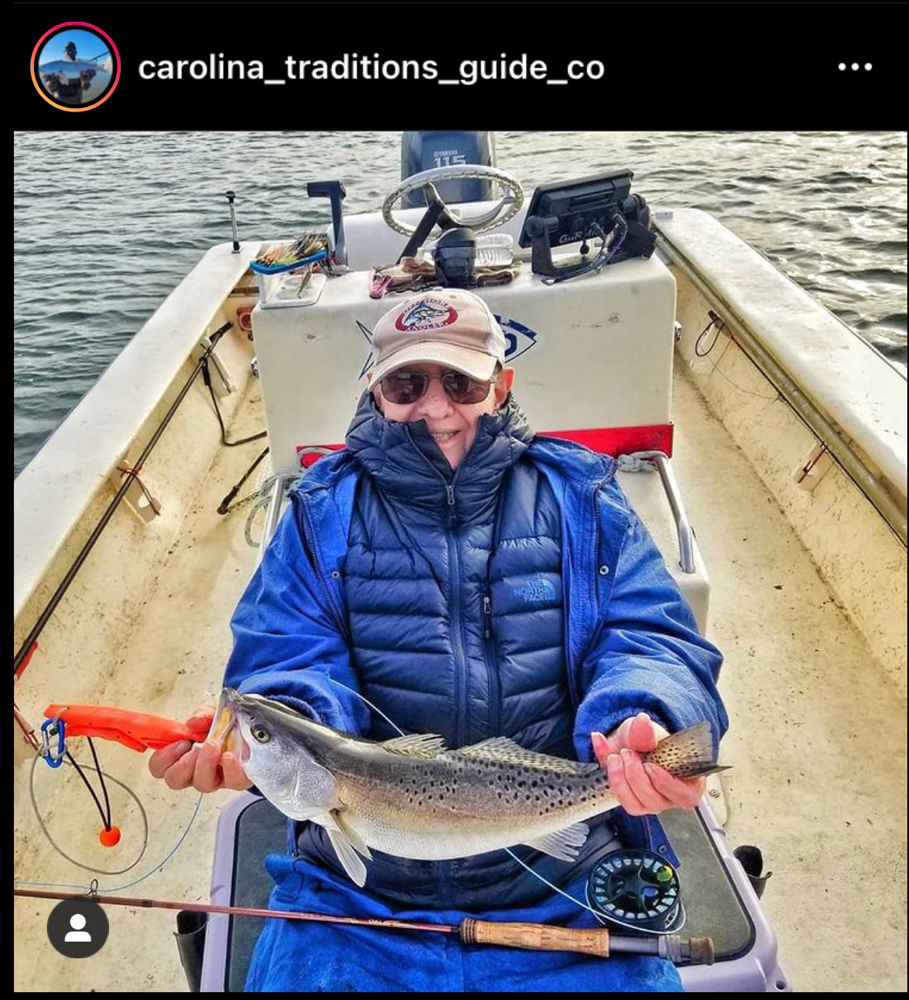
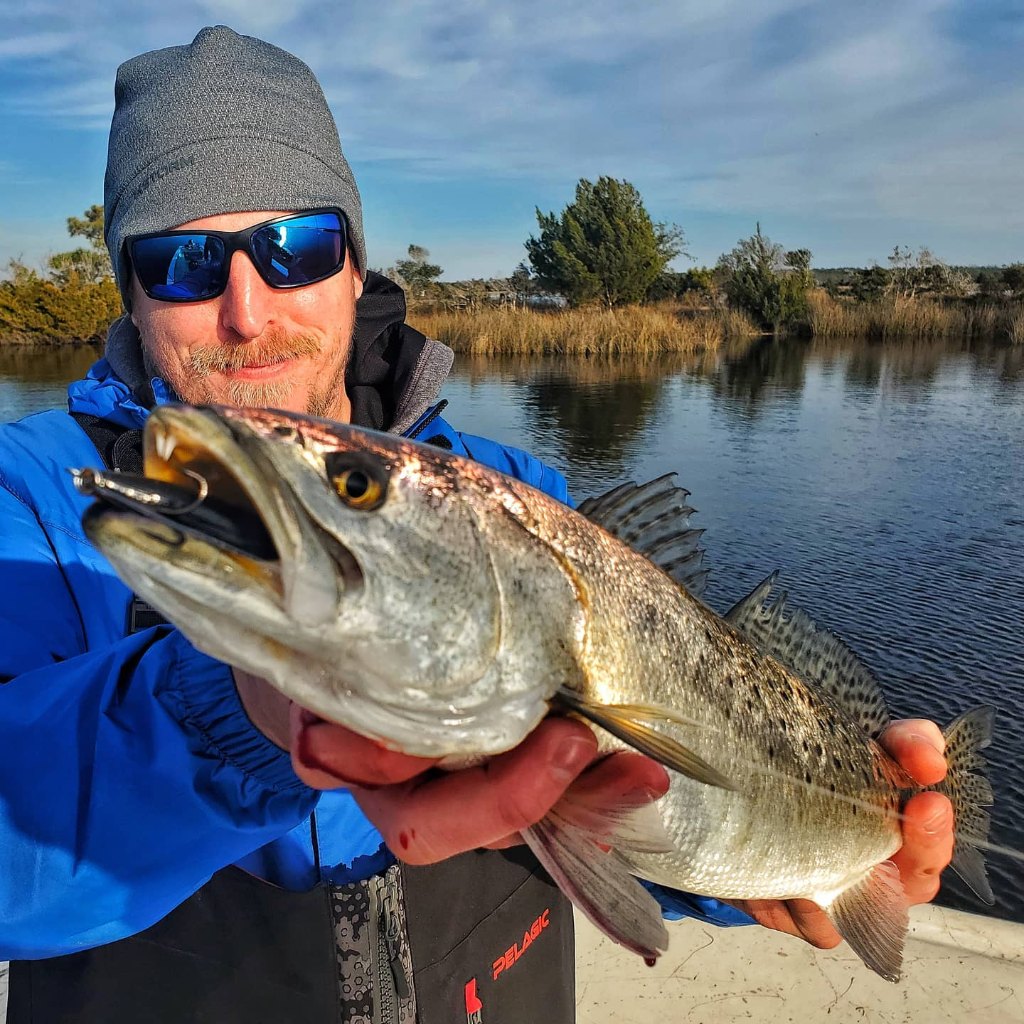
Sea Trout, specifically speckled trout, are the bread and butter of Carolina inshore fishing. These beautiful fish with their distinctive spotted sides are incredibly fun to catch on light tackle. They average 1 to 3 pounds, though larger "gator trout" over 5 pounds show up regularly during cooler months. Speckled trout are most active during moving tides and low-light periods, making them perfect targets for early morning trips. They school up over grass beds and sandy bottoms, often creating explosive topwater action when they're feeding aggressively. Their soft mouths require a gentle touch, but their willingness to bite makes them ideal for anglers of all skill levels.
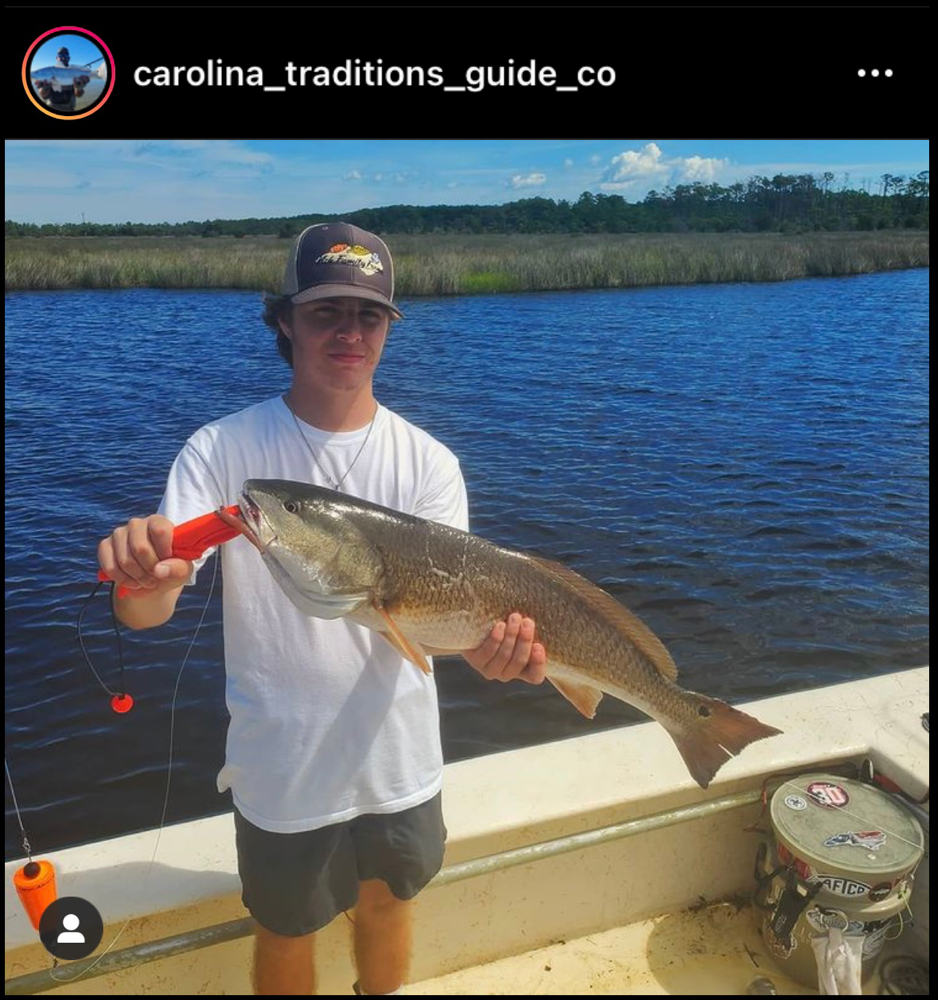
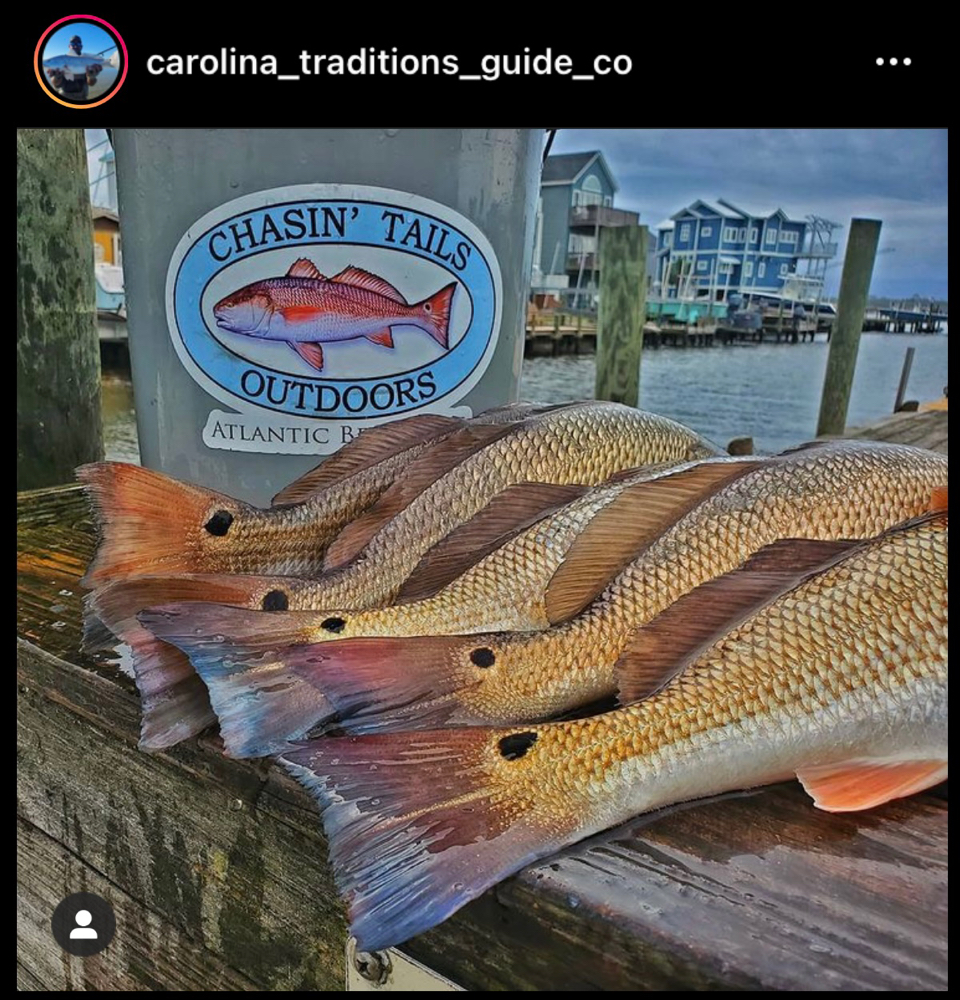
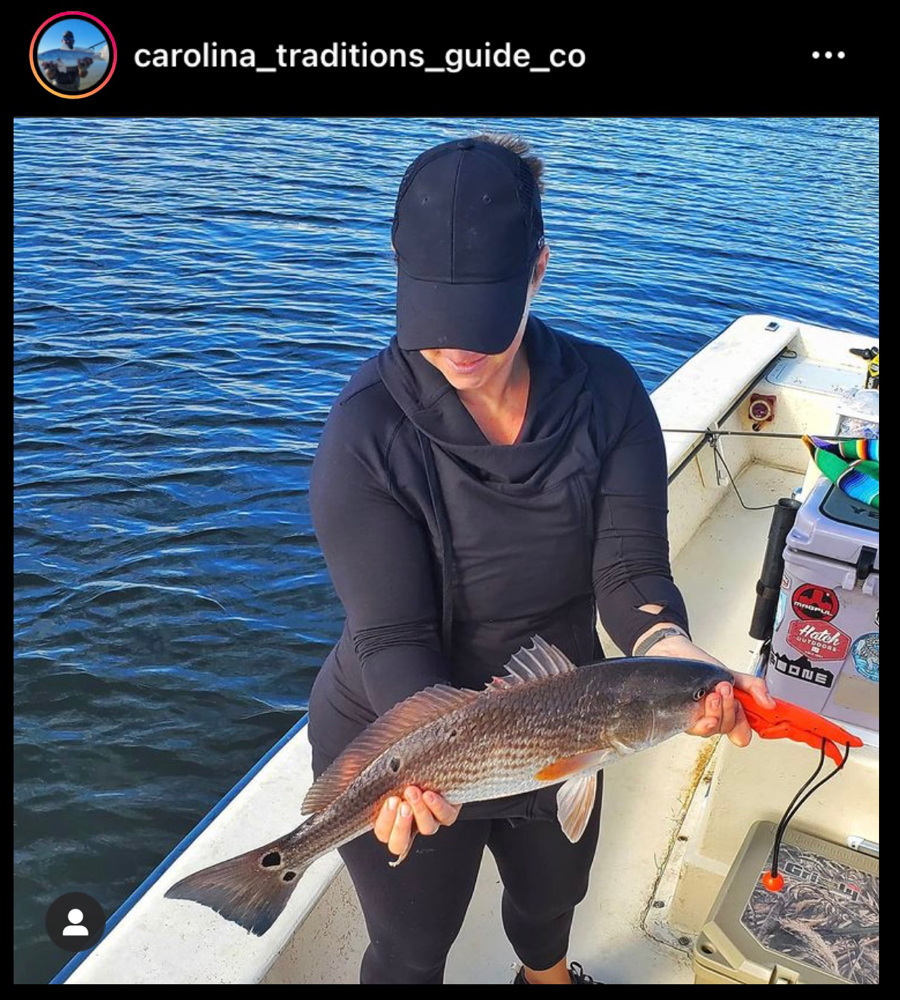
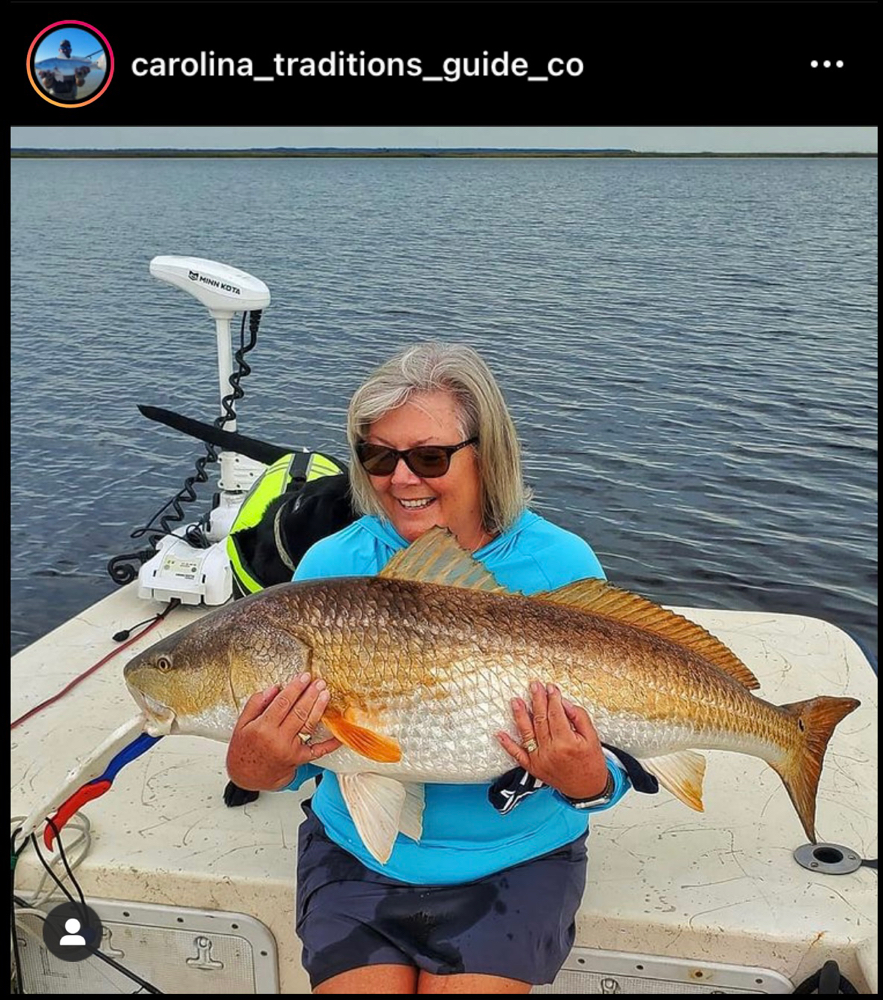
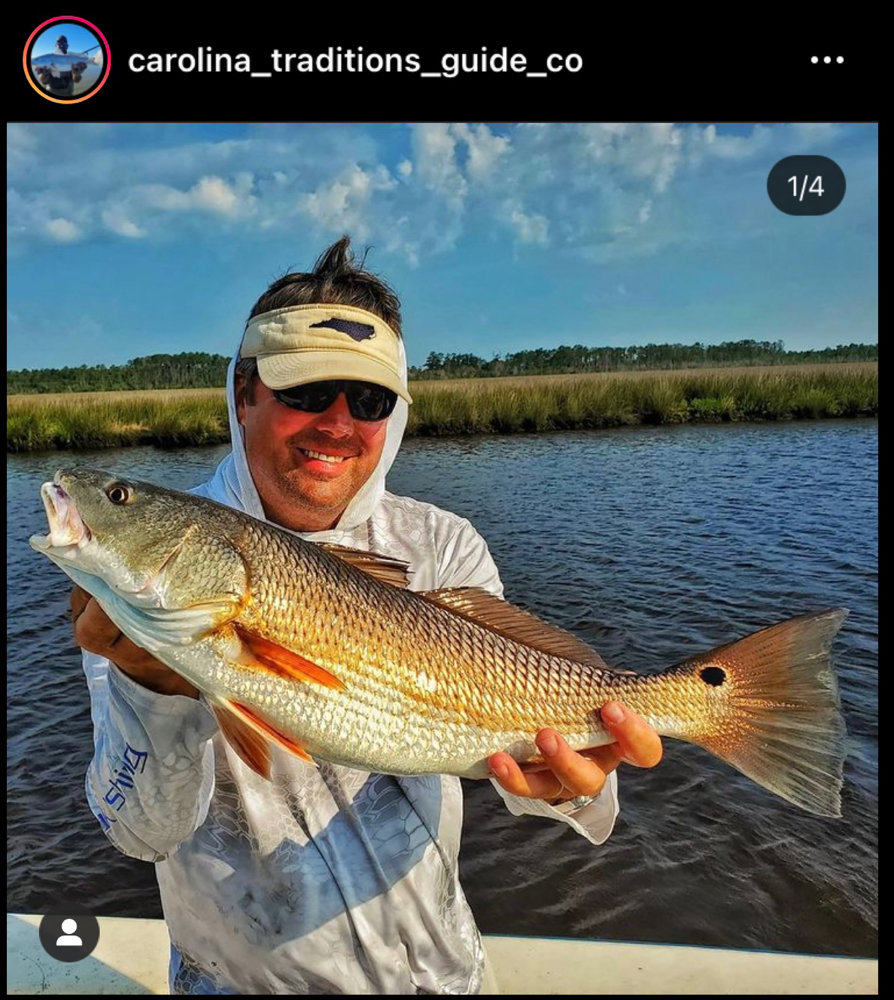
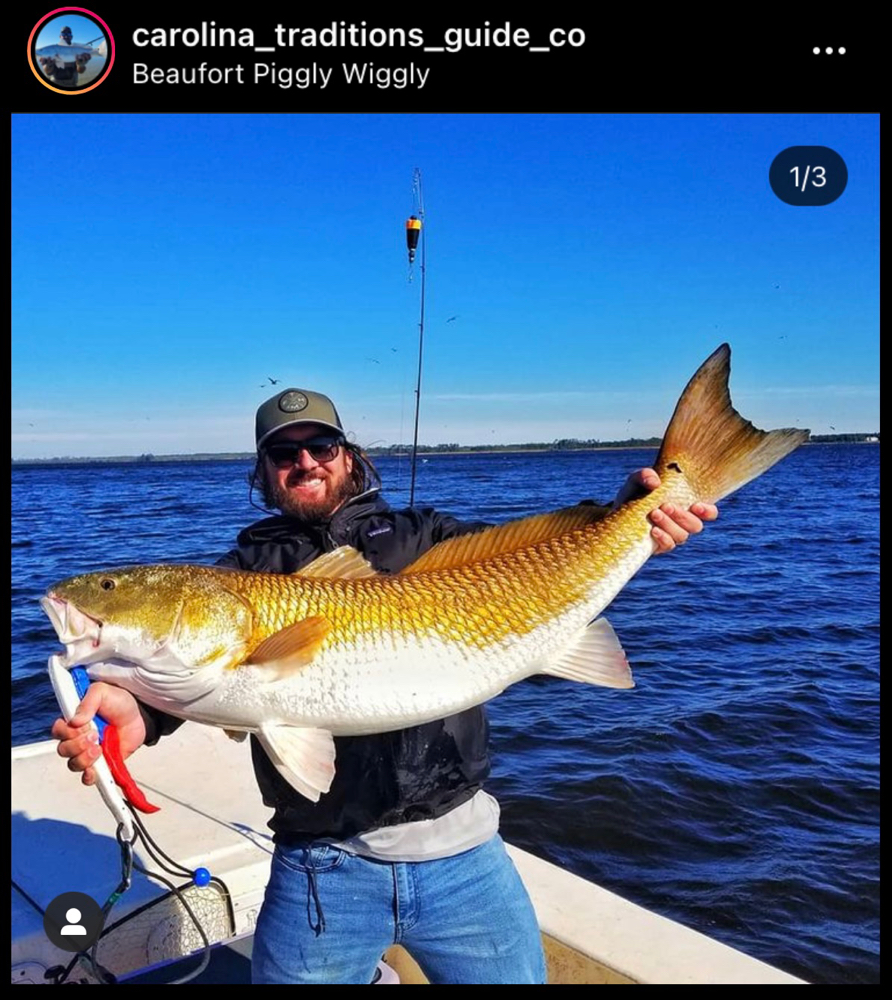
Redfish are the fighters of the bunch – pound for pound, few fish pull harder than a red drum in shallow water. Carolina's inshore waters hold both juvenile "slot" reds in the 18 to 27-inch range and larger "bull" reds that can exceed 40 inches. Redfish feed year-round in these waters, though fall brings some of the best action as schools of big fish move through the sounds and inlets. What makes reds special is their versatility – you might sight-cast to tailing fish in 2 feet of water or work deeper channels for schooling fish. Their copper-bronze coloration and distinctive black spot make them one of the most recognizable inshore species.
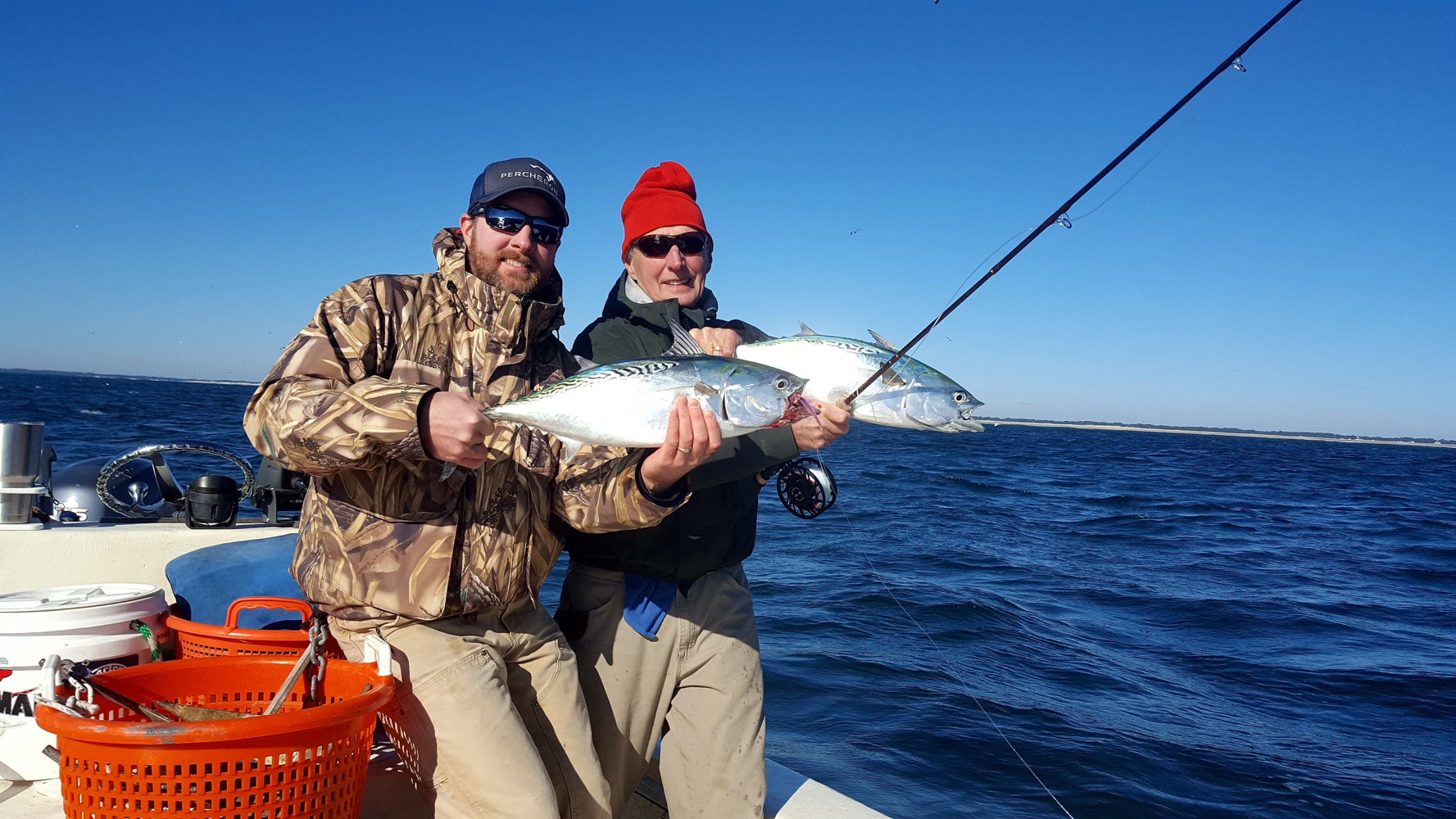
Atlantic Bonito show up during their seasonal migrations, typically in spring and fall when water temperatures are right. These mini-tunas are built for speed and put up a fight that's way out of proportion to their size. Most bonito caught inshore range from 2 to 8 pounds, but they're pure muscle and make blistering runs that will test your drag system. They're schooling fish, so when you find them, the action can be fast and furious. Bonito are also excellent table fare when handled properly, with firm, flavorful meat that's perfect for grilling or searing.
Yellowtail Amberjack are the wildcards of Carolina inshore fishing. When they show up around structure or during their seasonal movements, they provide some of the strongest fights you'll experience on light tackle. These fish can range from small "chicken" jacks to bruisers over 20 pounds, and they all fight like they're twice their size. Amberjack are structure-oriented fish, so you'll find them around wrecks, reefs, and hard bottom areas. They're aggressive feeders and will hit both live and artificial baits with authority. The key with amberjack is having enough backbone in your tackle to turn them away from structure once they're hooked.
Time to Book Your Spot
Carolina Traditions Guide Co. has built a reputation for putting anglers on fish, and Captain Joe's intimate knowledge of local waters is your ticket to a successful fishing adventure. This world-class inshore fishery produces year-round, but the best trips book up quickly
 5.0(1 Reviews)
 Private Trip
 Inshore Fishing
 Beaufort, NC


 Half-day inshore fishing targeting multiple species