FL Fishing Charters with Cash Money Charters
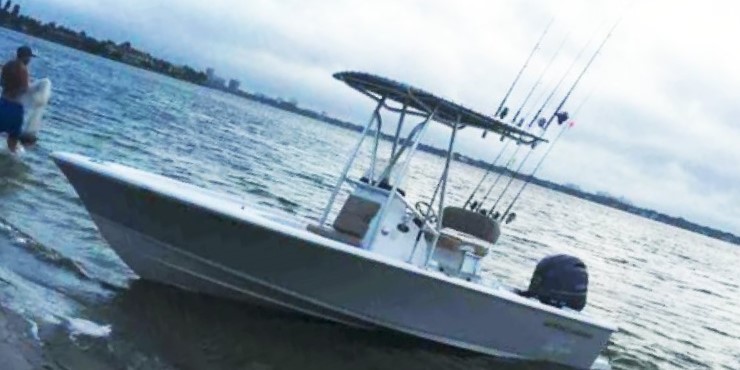
Looking for a fishing charter that delivers on its promises? Cash Money Charters brings you Florida's most diverse inshore fishing experience, where every cast could be the one that makes your day. Our expert guides know these waters like the back of their hand, and they're ready to put you on fish from the shallow flats all the way to the docks. This isn't your typical half-day trip – we're talking about a full adventure that takes you through multiple fishing environments, each with its own personality and target species. With room for up to three anglers, you'll get the personalized attention that makes the difference between a good day and an epic one.
What to Expect on the Water
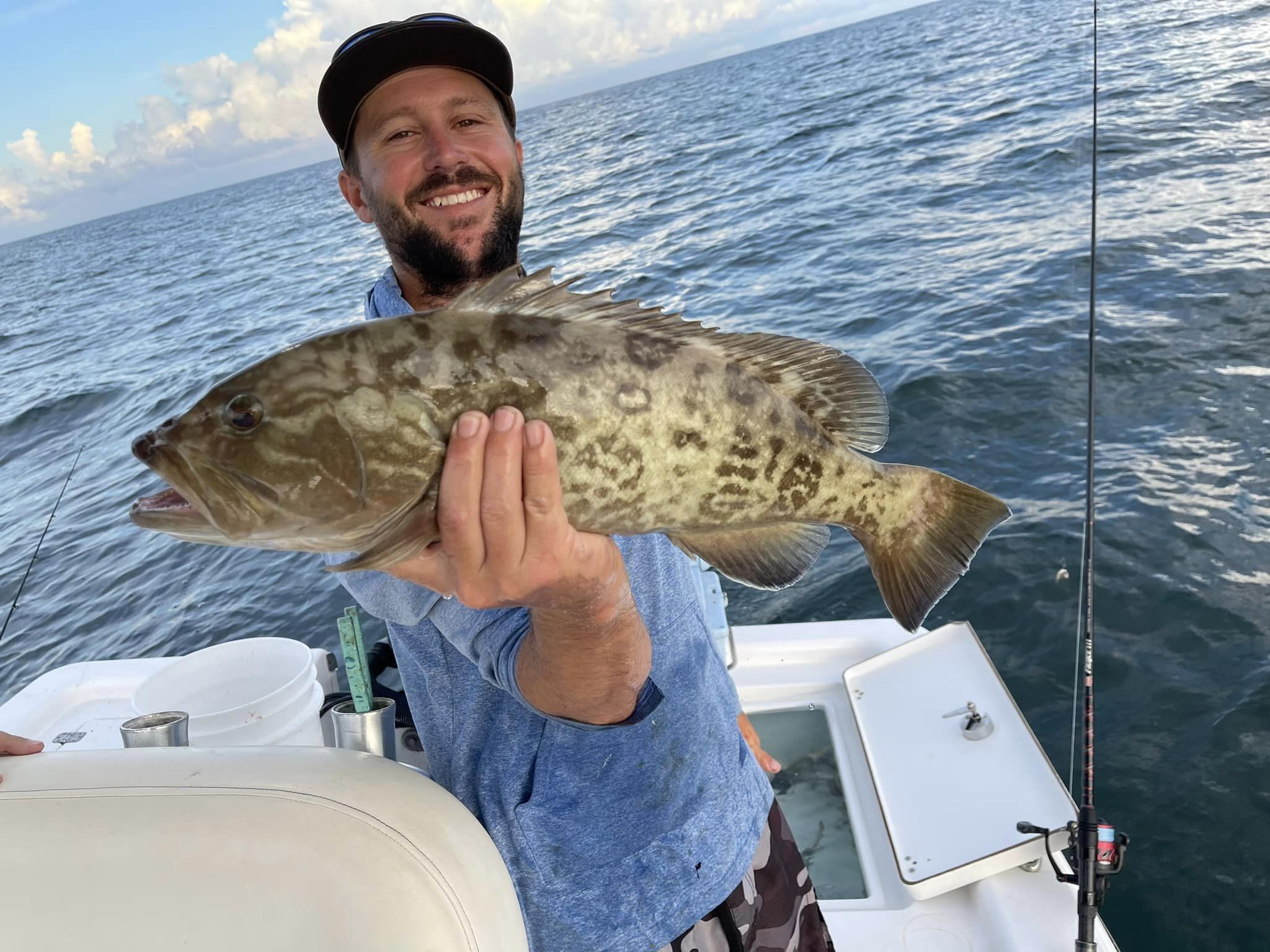
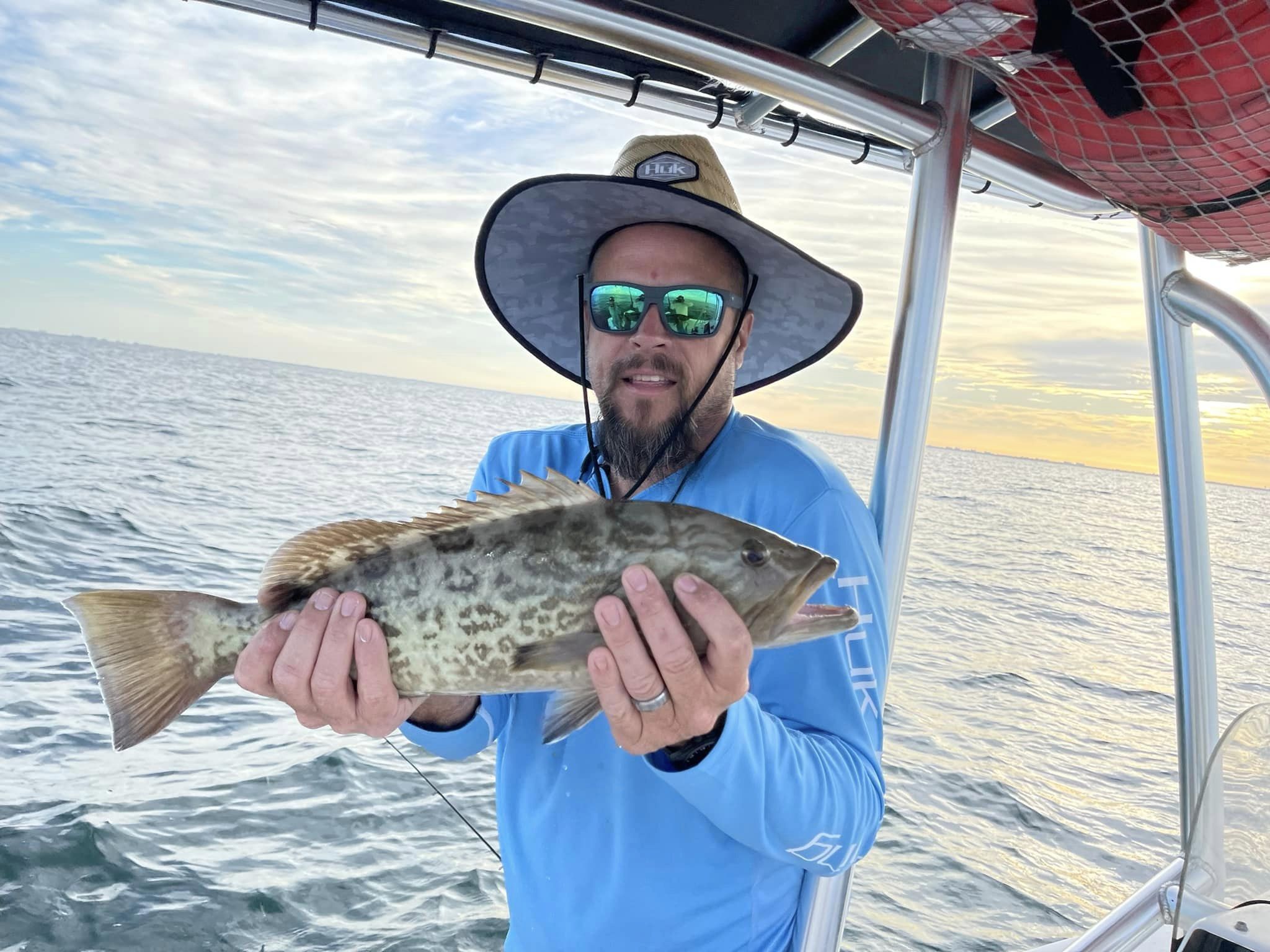
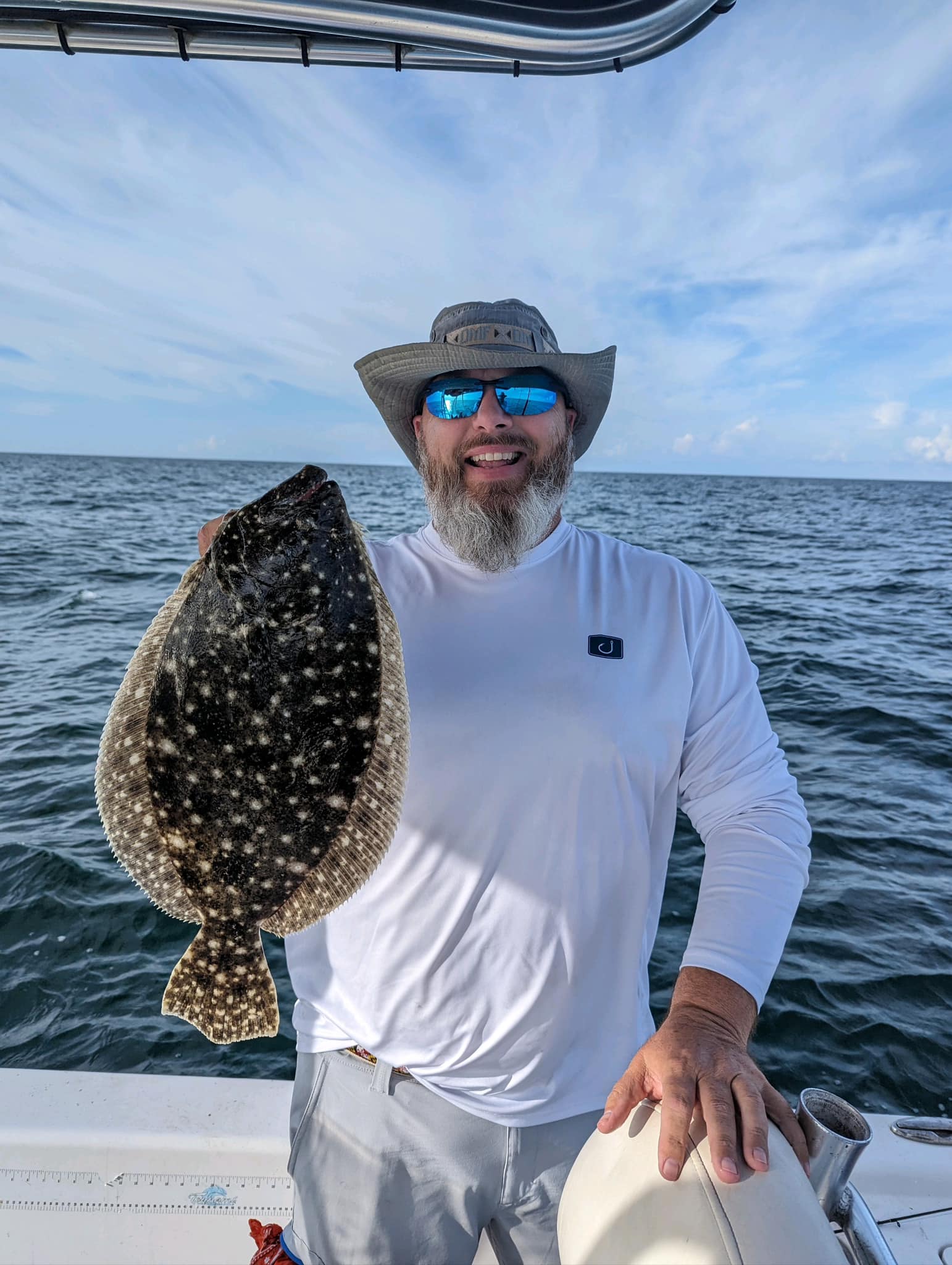
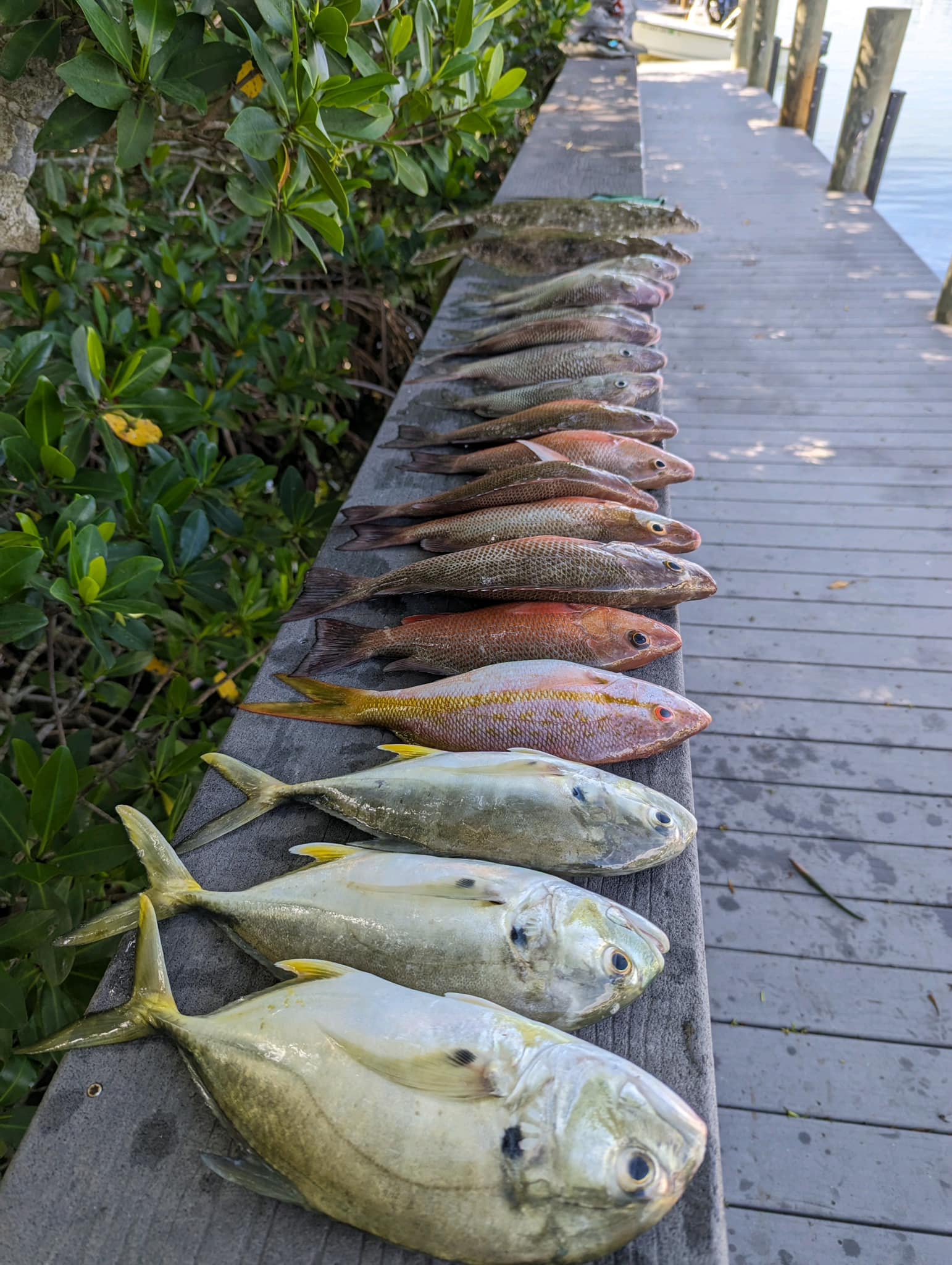
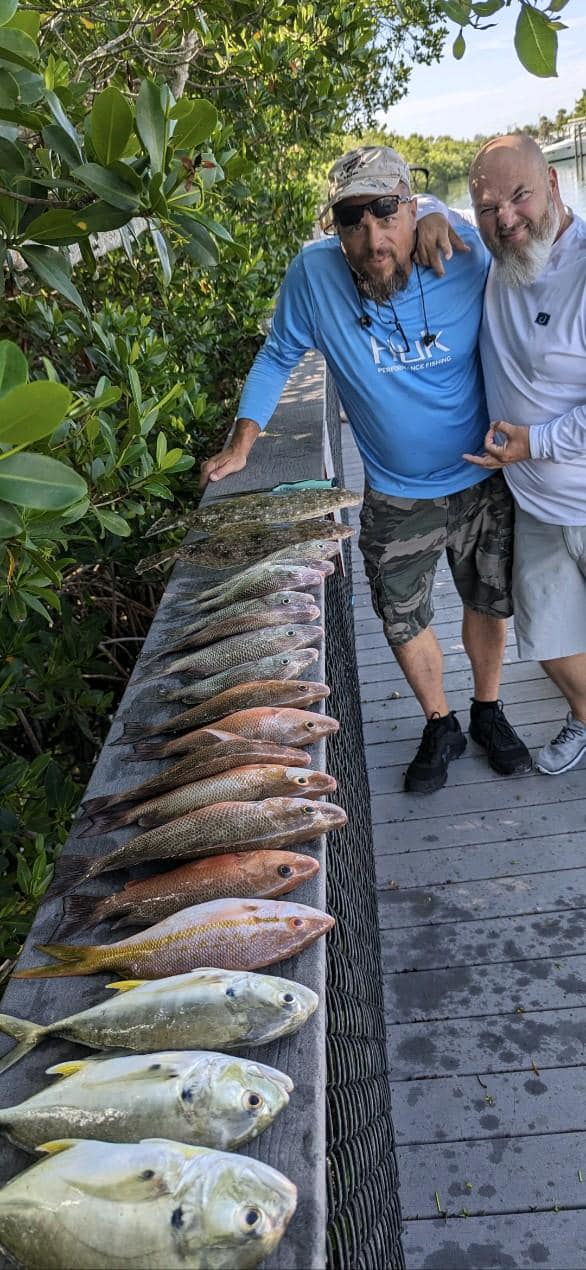
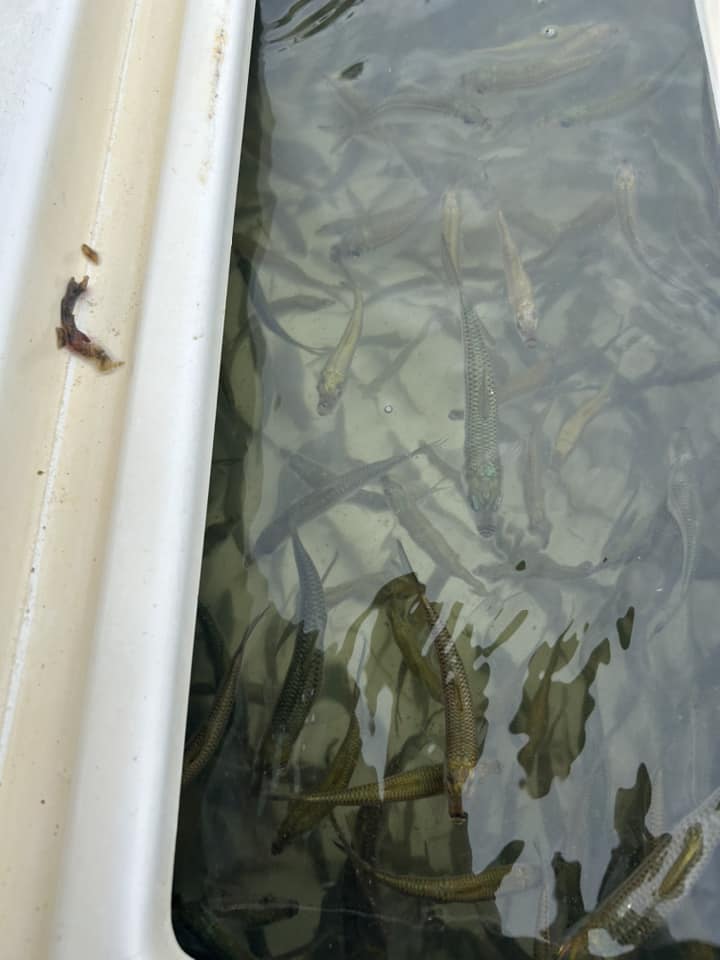
Your day starts in the flats, where crystal-clear water meets grass beds and oyster bars. This is where patience meets opportunity – Trout, Snook, and Redfish cruise these shallows looking for an easy meal, and we'll put you right in their path. The morning bite can be absolutely lights-out if conditions align. As the sun climbs higher, we'll make our move to the rock piles and structure where the bigger players hang out. Grouper and Snapper stack up around these spots, and when you hook into a good one, you'll know it immediately. The transition from sight fishing to bottom fishing keeps things fresh, and the variety means there's always something biting. We finish strong at the docks where Snook patrol the shadows and Sheepshead pick around the pilings. Each spot requires different tactics, but that's what keeps your adrenaline pumping all day long.
Tackle and Techniques
We run a mix of light tackle and medium-heavy setups depending on what we're targeting. In the flats, we'll have you throwing live shrimp under popping corks or working soft plastics around structure. The key here is stealth – these fish can be spooky in shallow water, so we'll position the boat to give you the best shots without spooking the school. When we hit the rock piles, we switch gears to bottom rigs with circle hooks and fresh cut bait. Grouper fishing requires getting your bait down fast and keeping it in the strike zone, while Snapper fishing is all about feel and timing the hookset. For the trolling portion, we'll pull diving plugs and spoons at varying depths until we find where the Kingfish and Grouper are holding. At the docks, it's back to finesse – light leaders and smaller baits work best around all that structure. All gear and tackle are included, but feel free to bring your lucky rod if you've got one.
Top Catches This Season
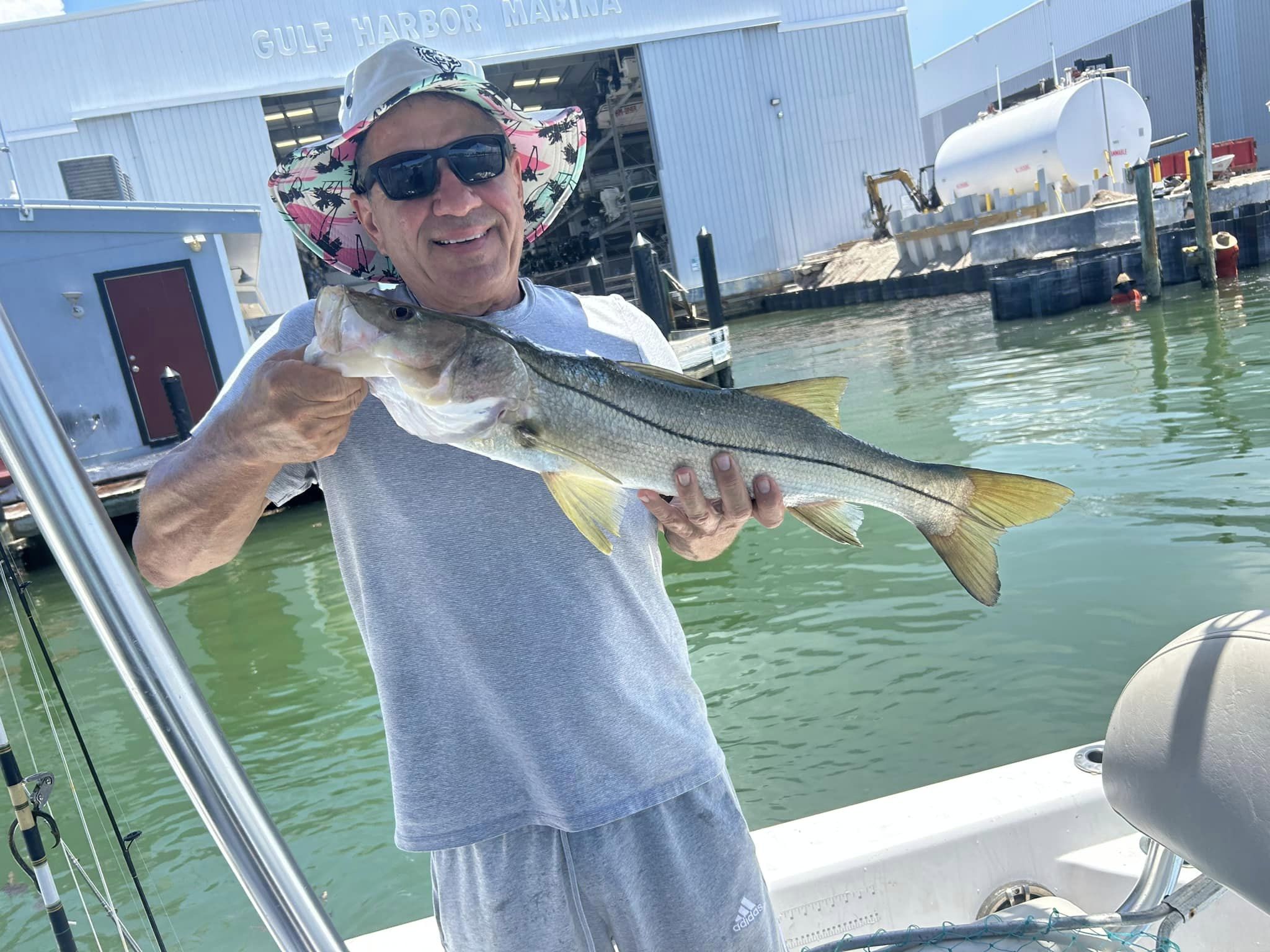
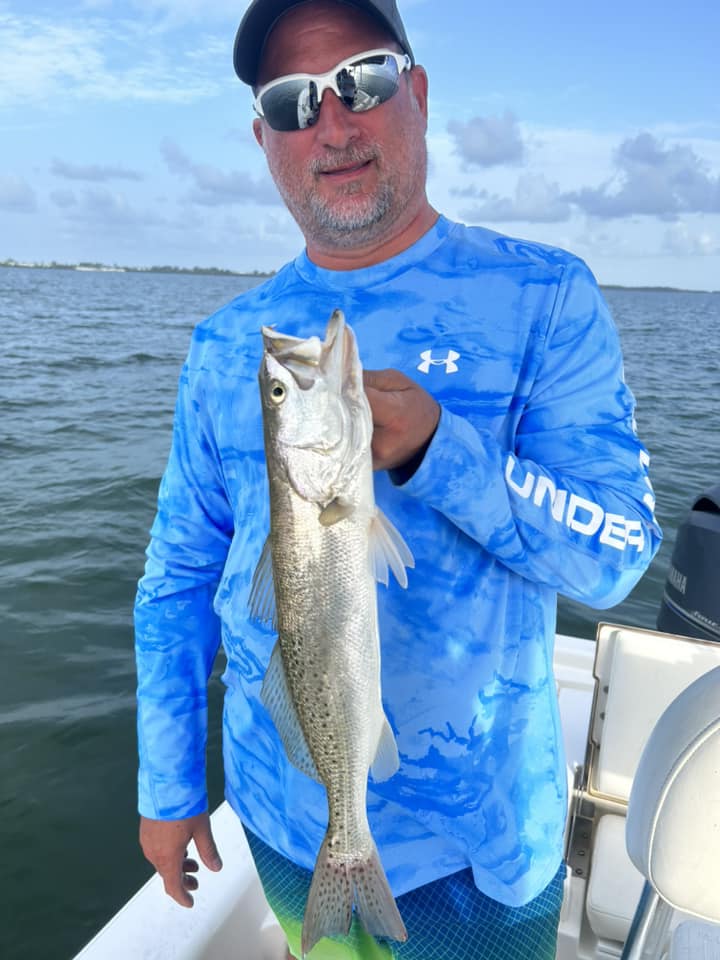
Snook are the crown jewel of Florida inshore fishing, and these ambush predators know how to put on a show. They'll slam your bait and immediately head for the nearest piling or mangrove, testing your drag and your nerves. Best action comes during the warmer months, especially around dawn and dusk when they're actively feeding. What makes Snook special is their attitude – they fight dirty, using every piece of structure to try and break you off. Landing a slot-size Snook is like earning a badge of honor in Florida fishing circles.
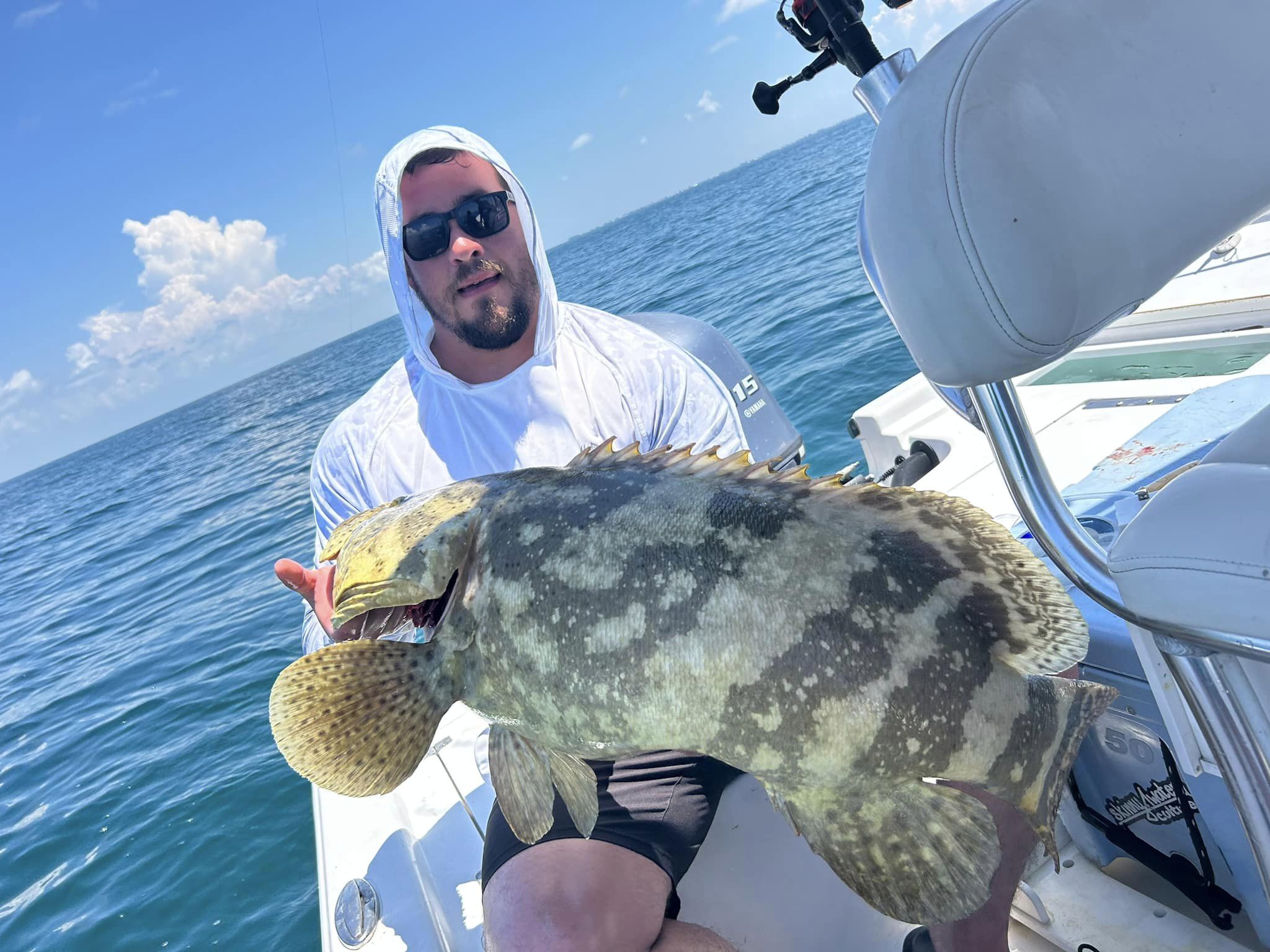
Goliath Grouper are the gentle giants that'll give you a story to tell for years. These prehistoric-looking fish can weigh several hundred pounds and have the power to humble even experienced anglers. Summer months bring the best opportunities when they're most active in shallower water. The fight isn't about speed – it's about pure, unstoppable power. When a Goliath decides it wants to go down, you better hold on tight. They're catch-and-release only, but getting one boatside for photos is a bucket-list experience.
Tarpon fishing in Florida is legendary for good reason. These silver kings can reach over 100 pounds and launch themselves completely out of the water when hooked. Peak season runs from late spring through early fall, with the best action often happening right in the backcountry. The first jump will stop your heart every time – there's nothing quite like watching 80 pounds of angry fish cartwheeling through the air. They're notorious for throwing hooks, so every landed Tarpon feels like a small miracle.
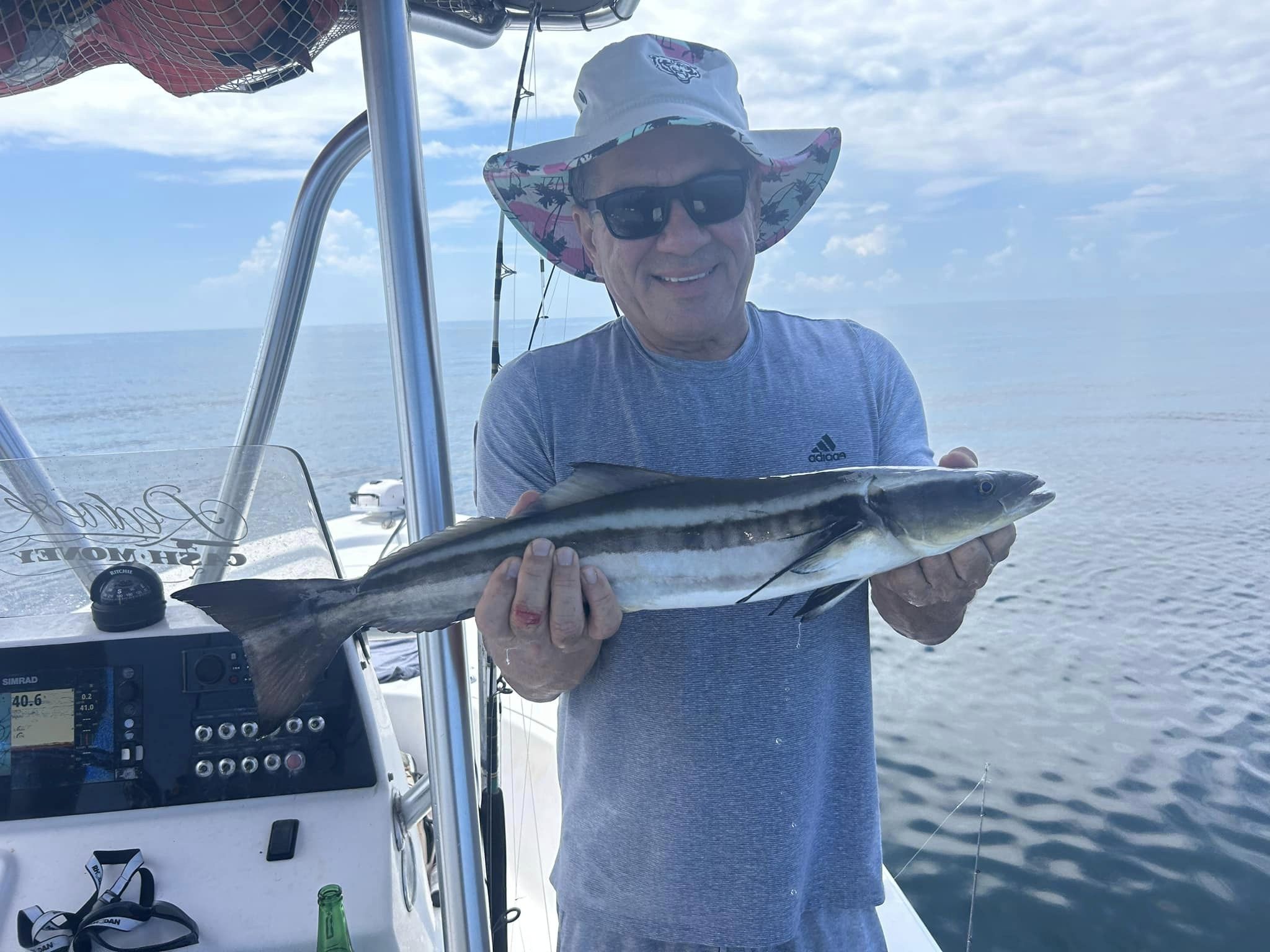
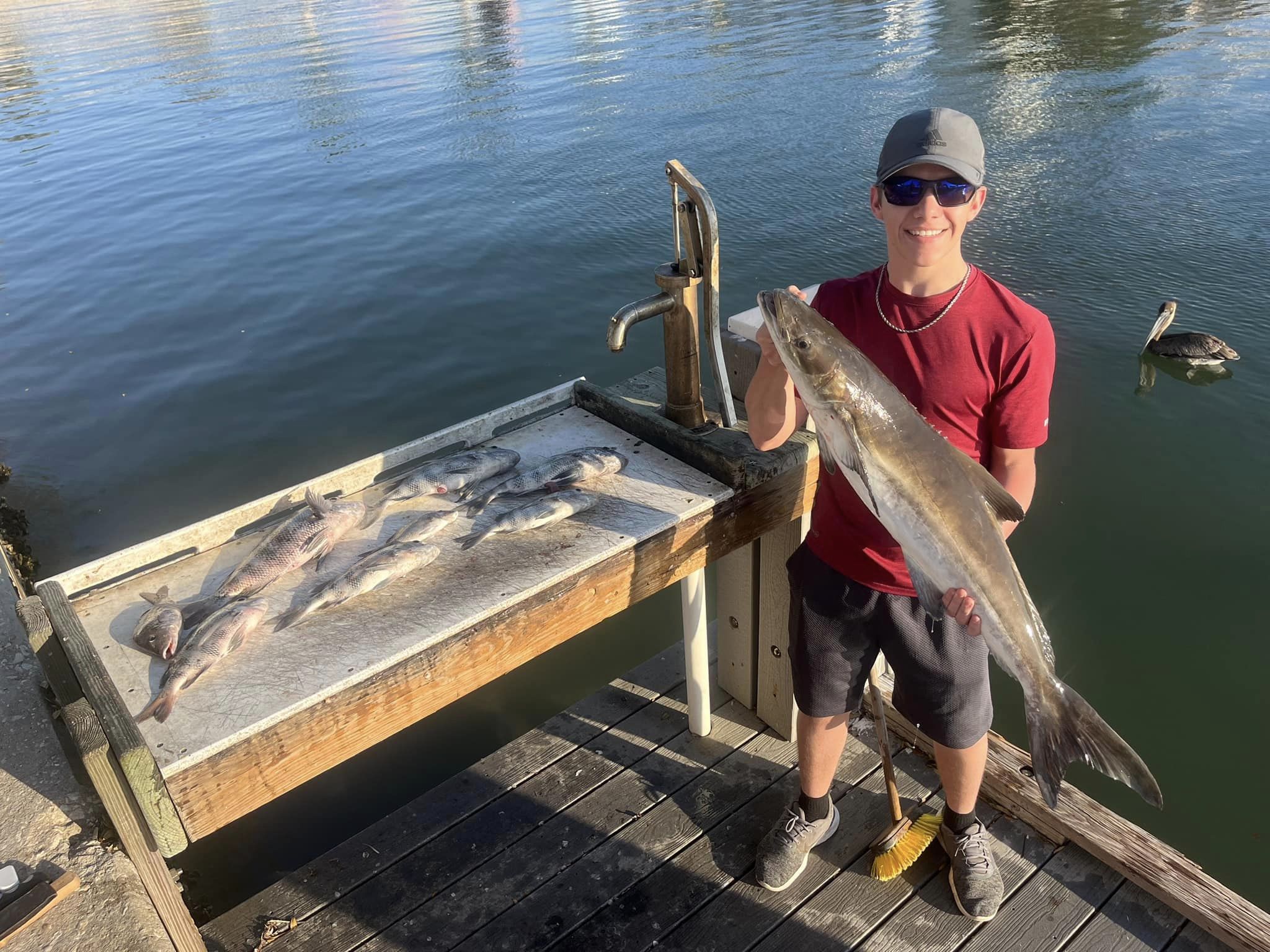
Cobia are the brown sharks that aren't actually sharks, and they're one of the most underrated fighters in Florida waters. These curious fish will often swim right up to the boat, giving you sight-fishing opportunities that get your heart racing. Spring and fall migrations offer the best chances, and they're known for their bulldogging runs and stubborn attitude. Plus, they're excellent eating if you decide to keep one for the table.
Tripletail look like floating debris until they explode on your bait. These odd-shaped fish hang around structure and floating objects, making them a fun target when we're working the offshore areas. They're year-round residents but seem to show up in better numbers during the warmer months. Don't let their lazy appearance fool you – they can put up a surprisingly good fight and make excellent table fare.
Time to Book Your Spot
Cash Money Charters delivers exactly what the name suggests – top-rated fishing action that'll have you coming back for more. Our small group size means you won't be fighting for rod time or the best fishing spots. Every angler gets hands-on instruction and plenty of opportunities to hook up. The variety of techniques and locations we cover in a single trip gives you a complete Florida fishing education, whether you're a weekend warrior or a seasoned pro. These productive waters produce year-round, but the best dates fill up fast. Don't wait until the last minute – book your FL fishing charter today and get ready to see why Cash Money Charters has become the go-to choice for serious anglers who want results, not excuses.
 Private Trip
 Inshore Fishing
 Sarasota


 Target Trout, Snook, and Redfish in shallow flats waters