Quepos Deep Sea Fishing Charter
Picture yourself 50 miles out in the Pacific's deep blue water, lines screaming as a massive marlin tears through the surface. That's exactly what you'll get on this world-class full-day charter out of Quepos. We're talking about 8 solid hours on the water, departing at 7 AM sharp with your private group of up to 8 anglers. This isn't your typical nearshore trip – we push way out to where the big pelagics hunt, covering serious ground to find the fish that make your heart pound and your reel sing.
What to Expect on the Water
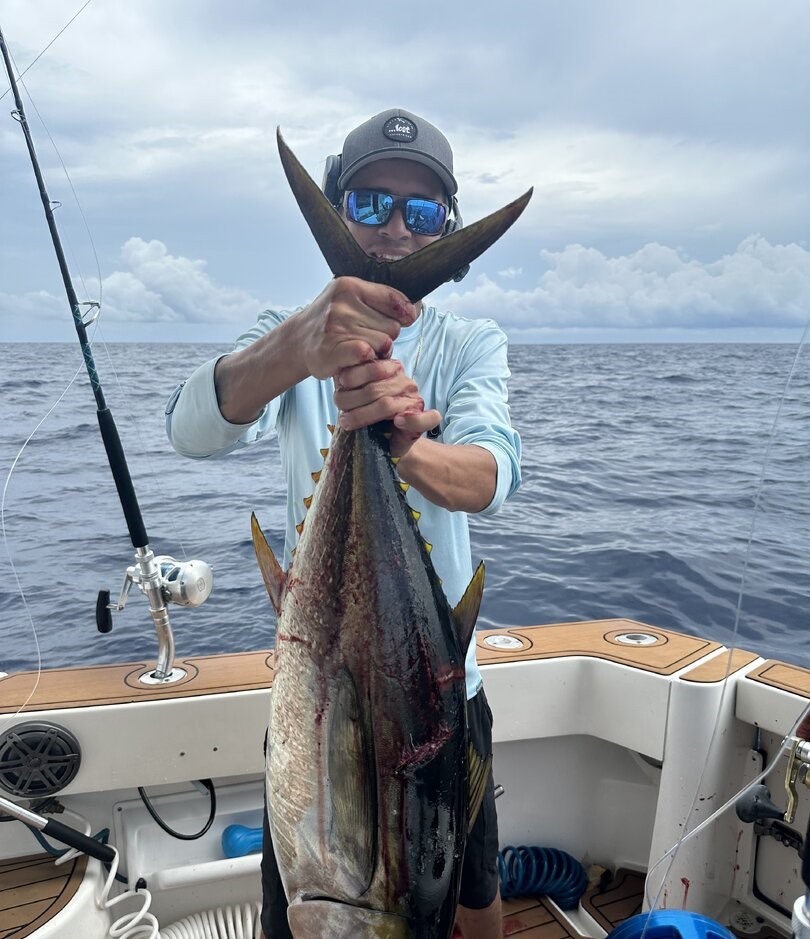
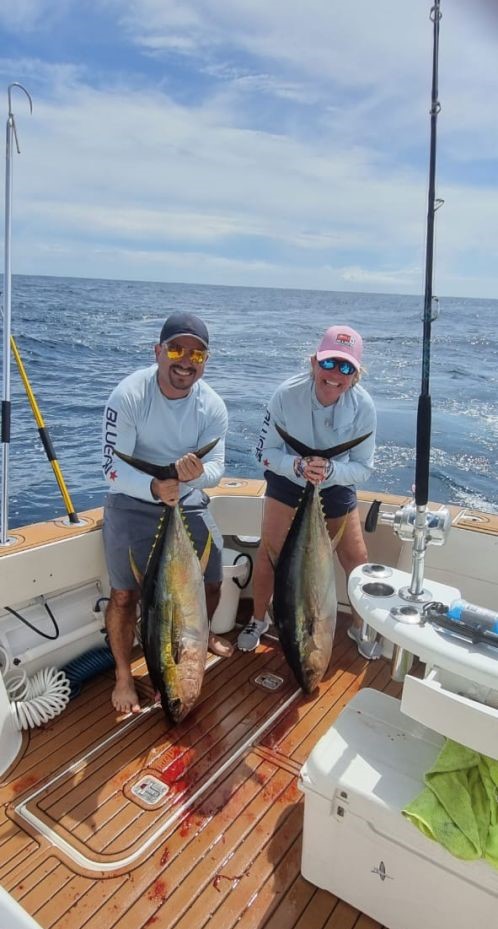
This charter is built for serious anglers who want maximum time chasing trophy fish in Costa Rica's most productive offshore waters. Your captain will run hard to reach the blue water where sailfish, marlin, and mahi schools feed along temperature breaks and current edges. The boat's equipped with top-rated electronics to locate bait balls and mark fish, plus all the heavy tackle you'll need to battle these monsters. You'll spend the day covering water, reading conditions, and adjusting tactics based on what the fish are doing. The early 7 AM departure gives us the jump on prime morning bite times, and with 8 hours out there, we can afford to chase schools and work multiple spots without watching the clock. Pack your own lunch and plenty of water – when the fish are biting, nobody wants to head back early.
Trolling the Deep Blue
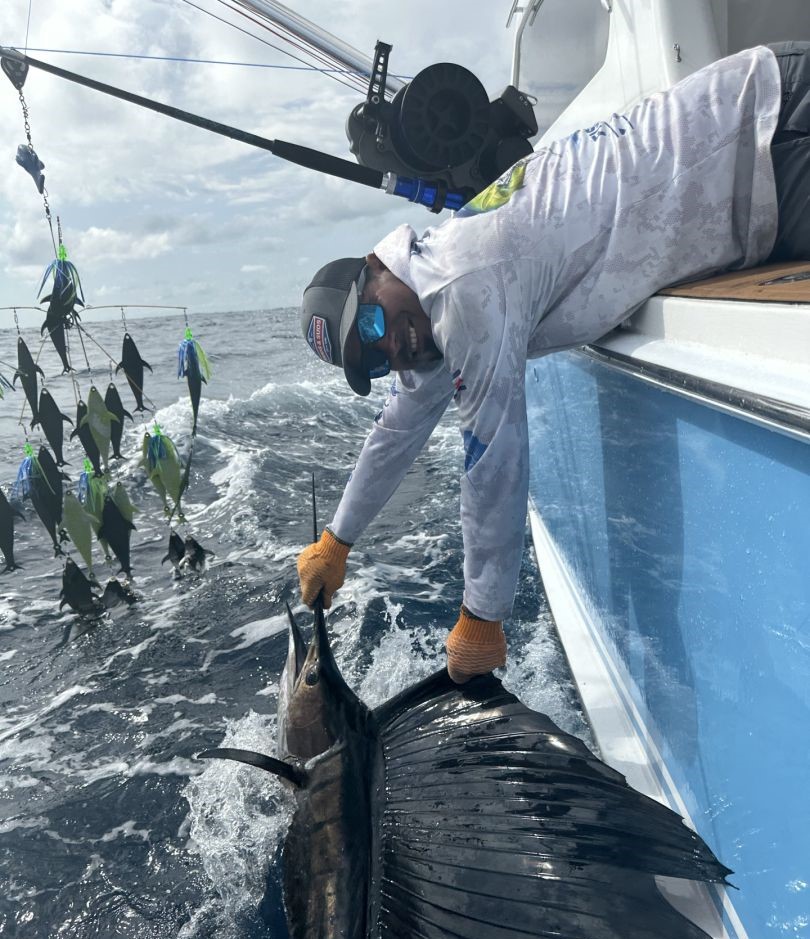
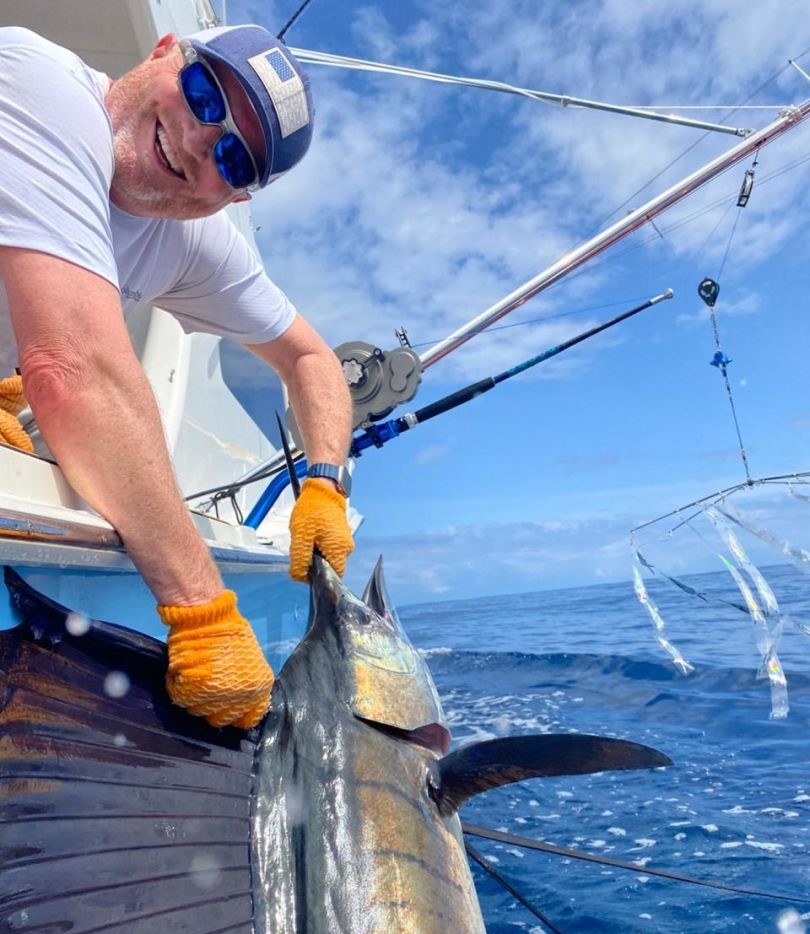
We're running a spread of trolling lures designed to trigger strikes from fast-moving pelagics. The captain will set up a pattern of ballyhoo, cedar plugs, and diving lures at different distances behind the boat, creating an irresistible buffet line that mimics a school of fleeing baitfish. The key out here is covering water efficiently while staying ready for that explosive strike. When a fish hits, it's all hands on deck – literally. Your guide will coach you through the fight while managing the other lines to prevent tangles. The tackle is matched to the target species, with 30-50 pound outfits for sailfish and mahi, and heavier gear standing by for marlin. Circle hooks are standard for conservation, and most fish go back to fight another day. The technique requires patience between strikes, but when it happens, you'll understand why anglers travel from around the world to fish these waters.
Species You'll Want to Hook
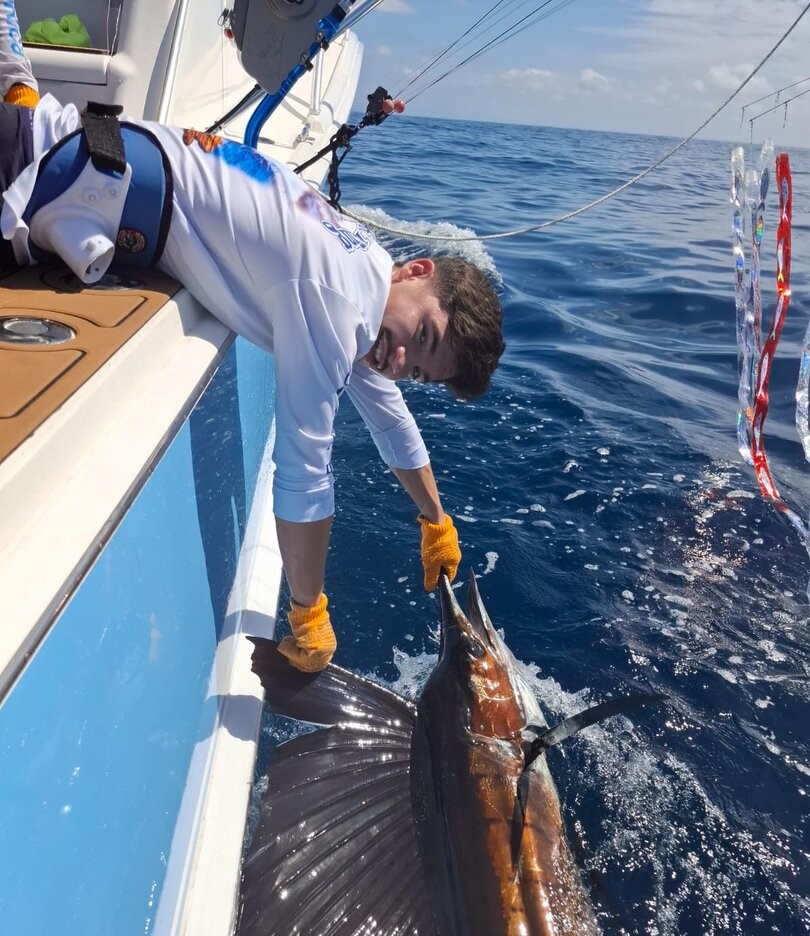
Atlantic Sailfish are the stars of these offshore waters, and for good reason. These acrobatic fighters average 60-80 pounds and put on an aerial show that'll leave you breathless. Peak season runs from December through April, when massive schools migrate through Costa Rican waters. What makes sailfish so special is their speed – they're clocked at over 60 mph – and their habit of tail-walking across the surface when hooked. Multiple hookups are common, and there's nothing like having two or three sailfish in the air at once while your group scrambles to manage the chaos.
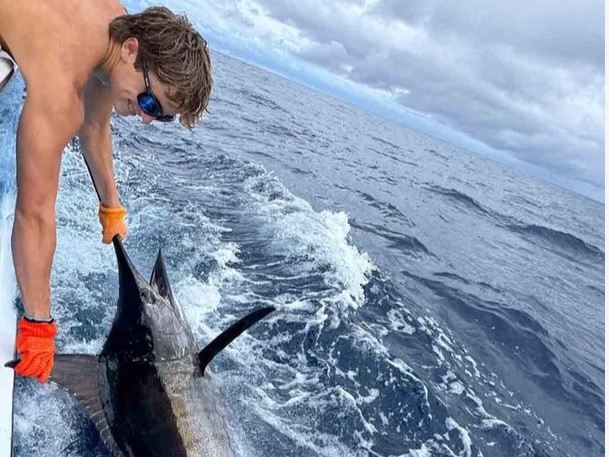
Blue Marlin represent the holy grail for serious offshore anglers, and Costa Rica's Pacific waters hold some genuine giants. These apex predators can exceed 400 pounds, with fish over 600 pounds caught annually in these waters. They're most active during the warmer months from May through September, often found around floating debris or following dolphin pods. What sets marlin apart is their raw power and endurance – a big blue can fight for hours, testing both angler and tackle to the limit. The strike is explosive, often accompanied by a massive splash as they crash the bait, and the subsequent fight combines long runs with spectacular jumps.
Roosterfish might be the most unique catch in Costa Rican waters, with their distinctive sail-like dorsal fin that gives them their name. These bruisers average 20-40 pounds but can reach 80+ pounds, and they're found year-round in these waters. What makes roosters special is their fighting style – they're bulldogs that use their broad sides to pull hard and fight dirty near the bottom. They're also excellent table fare, with firm white meat that's perfect for ceviche or grilled fillets.
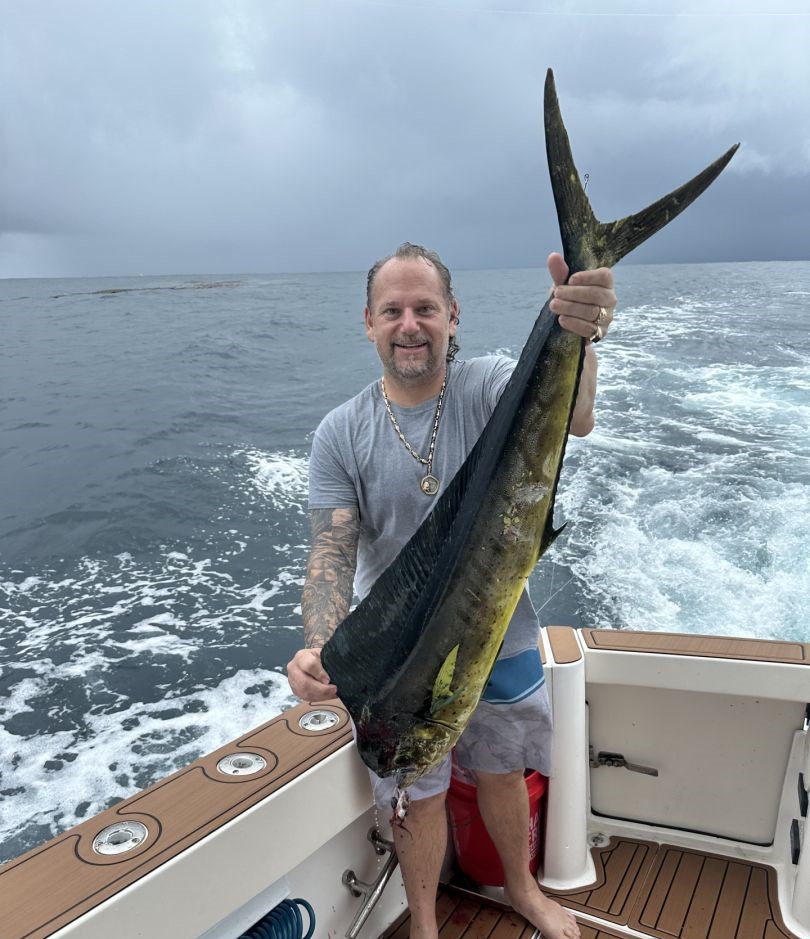
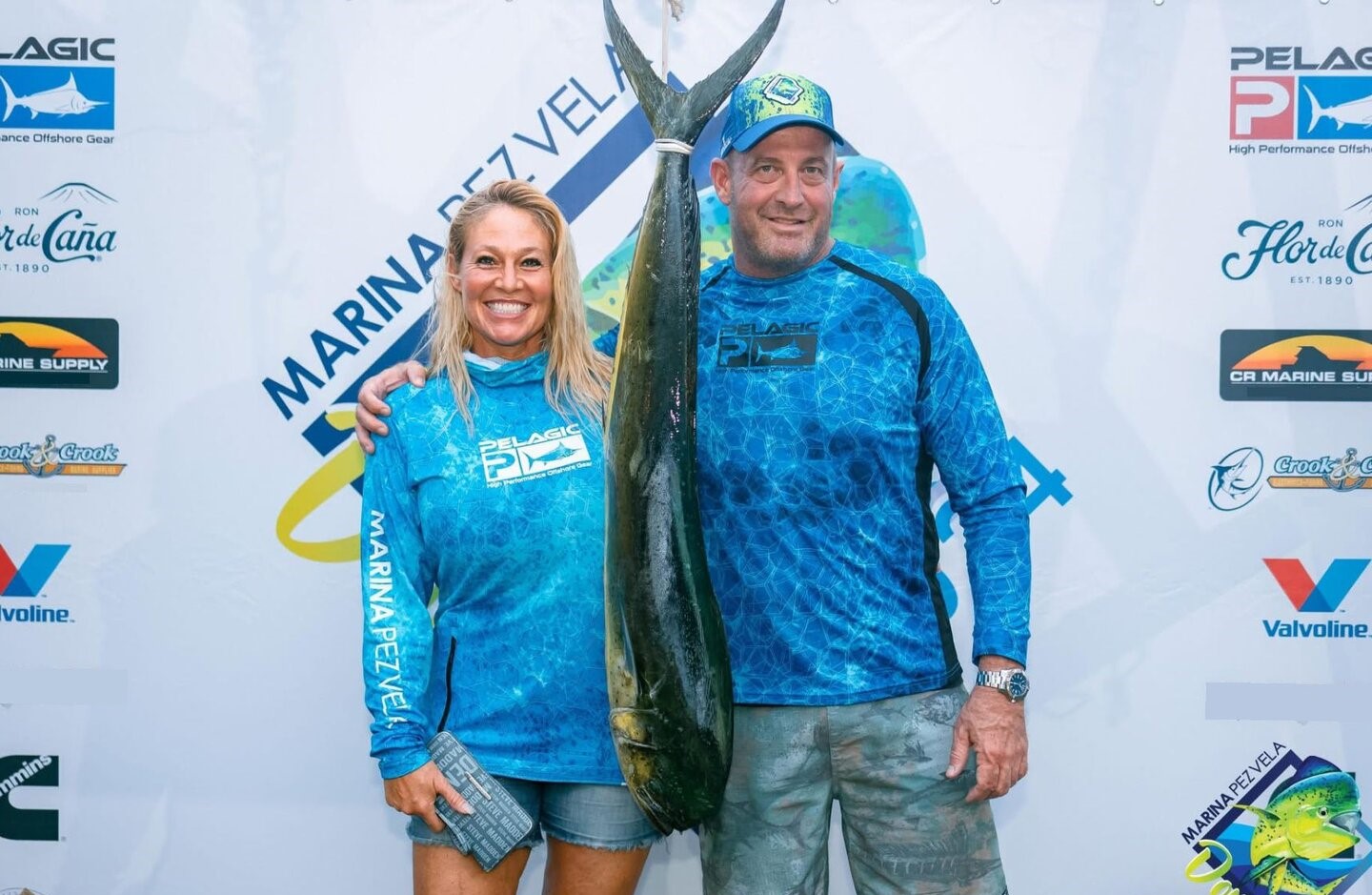
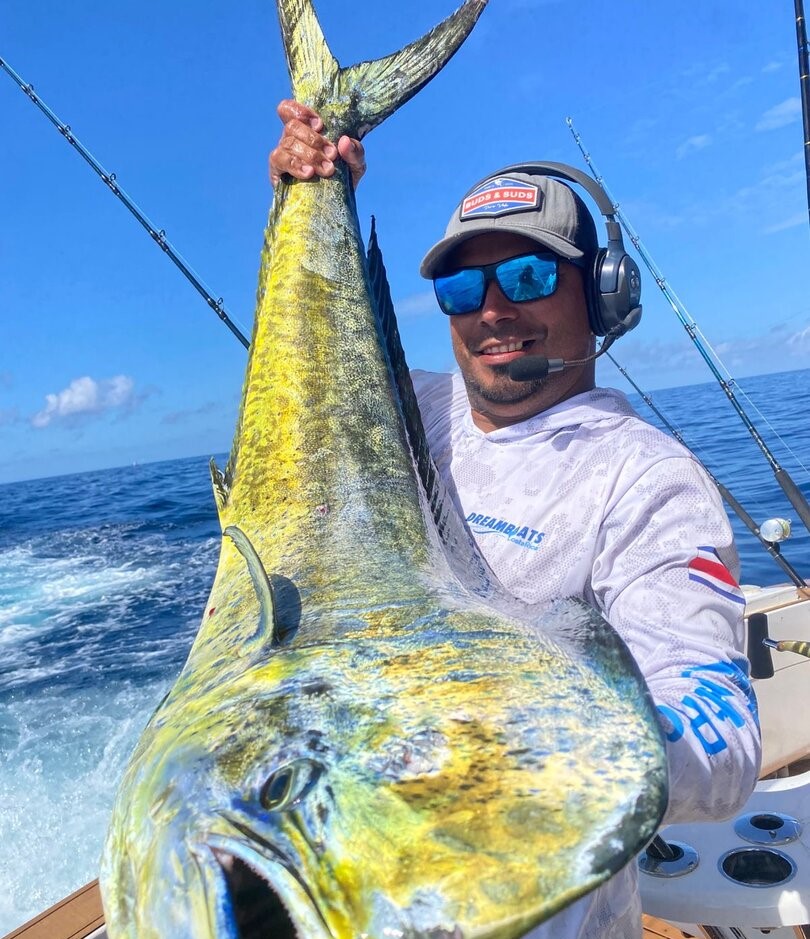
Mahi Mahi bring both beauty and action to any offshore trip, with their electric colors and acrobatic fights. These fast-growing fish average 15-30 pounds but can reach 50+ pounds in these productive waters. They're most abundant from May through October, often found under floating debris or following current lines. Mahi are schooling fish, so where you find one, you'll usually find more. They're also customer favorites for the dinner table, with sweet, flaky meat that's perfect for any preparation.
Wahoo are the speed demons of the deep, capable of stripping line faster than almost any other fish in the ocean. These torpedo-shaped predators average 25-40 pounds but can exceed 80 pounds in these waters. They're most active during the cooler months from November through March, often hitting lures at high speed near drop-offs and seamounts. What makes wahoo special is their initial run – it's absolutely blistering – and their razor-sharp teeth that can slice through wire leaders. They're also renowned table fare, with firm, white meat that's excellent grilled or blackened.
Time to Book Your Spot
This deep sea charter represents the best of what Costa Rica's offshore fishing has to offer. Eight hours gives you the time to reach the productive grounds where trophy fish hunt, and the private boat means you're fishing at your own pace with your own group. The 50-mile range opens up vast areas of prime habitat, from seamounts to temperature breaks where big pelagics concentrate. Remember that deposits are non-refundable, so plan accordingly, but also know you're booking with one of the top-rated operations in Quepos. Whether you're chasing your first sailfish or hunting for a grander marlin, this charter puts you in the right place with the right gear and experience to make it happen. The fish are out there – now
 Private Trip
 Offshore Fishing
 undefined, undefined


 Full-day charter travels up to 50 miles offshore targeting pelagic species