4-Hour Instructional Fishing Trip in Myrtle Beach
Looking to get your hands wet with some serious inshore action? Greg's got you covered with this top-rated 4-hour instructional fishing trip that's perfect whether you're just picking up a rod for the first time or you've been chasing fish for years. We're talking about prime Myrtle Beach waters where the fishing stays hot year-round, and you'll be learning from someone who knows every creek, drop-off, and structure like the back of his hand. With room for up to 8 anglers, this trip strikes the perfect balance between hands-on instruction and giving everyone plenty of chances to get their lines wet. You'll be targeting some of the area's most sought-after species while picking up techniques that'll make you a better angler long after you head home.
What to Expect on the Water
This isn't your typical charter where you just cast and hope for the best. Greg's approach is all about teaching you to read the water, understand what the fish are doing, and put you on them consistently. You'll spend four solid hours working the inshore waters around Myrtle Beach, hitting productive flats, structure, and current breaks that hold fish throughout the year. The boat's equipped with quality tackle and all the gear you need, but if you've got your own setup and want to bring it along, that's always welcome. Expect to move around quite a bit – we're not park-and-pray fishermen here. When one spot slows down, we're already heading to the next honey hole. The instruction is hands-on but never overwhelming, so you'll actually retain what you learn instead of just going through the motions.
Techniques and Tackle
We'll be running light to medium tackle appropriate for the species we're after, using everything from live bait to artificials depending on what's working best. You'll get schooled on proper bottom fishing techniques for flounder and drum, learn to work soft plastics around structure, and pick up some tricks for sight fishing when conditions are right. Greg's big on teaching you to feel what's happening down there – the difference between a fish pickup and hanging bottom, how to detect those light trout bites, and when to set the hook on species that like to mouth the bait first. We'll cover bait presentation, reading your electronics, and understanding how tide and current affect where fish position themselves. The goal is sending you home with knowledge you can use whether you're fishing from shore, your own boat, or on future charters anywhere along the coast.
Species You'll Want to Hook
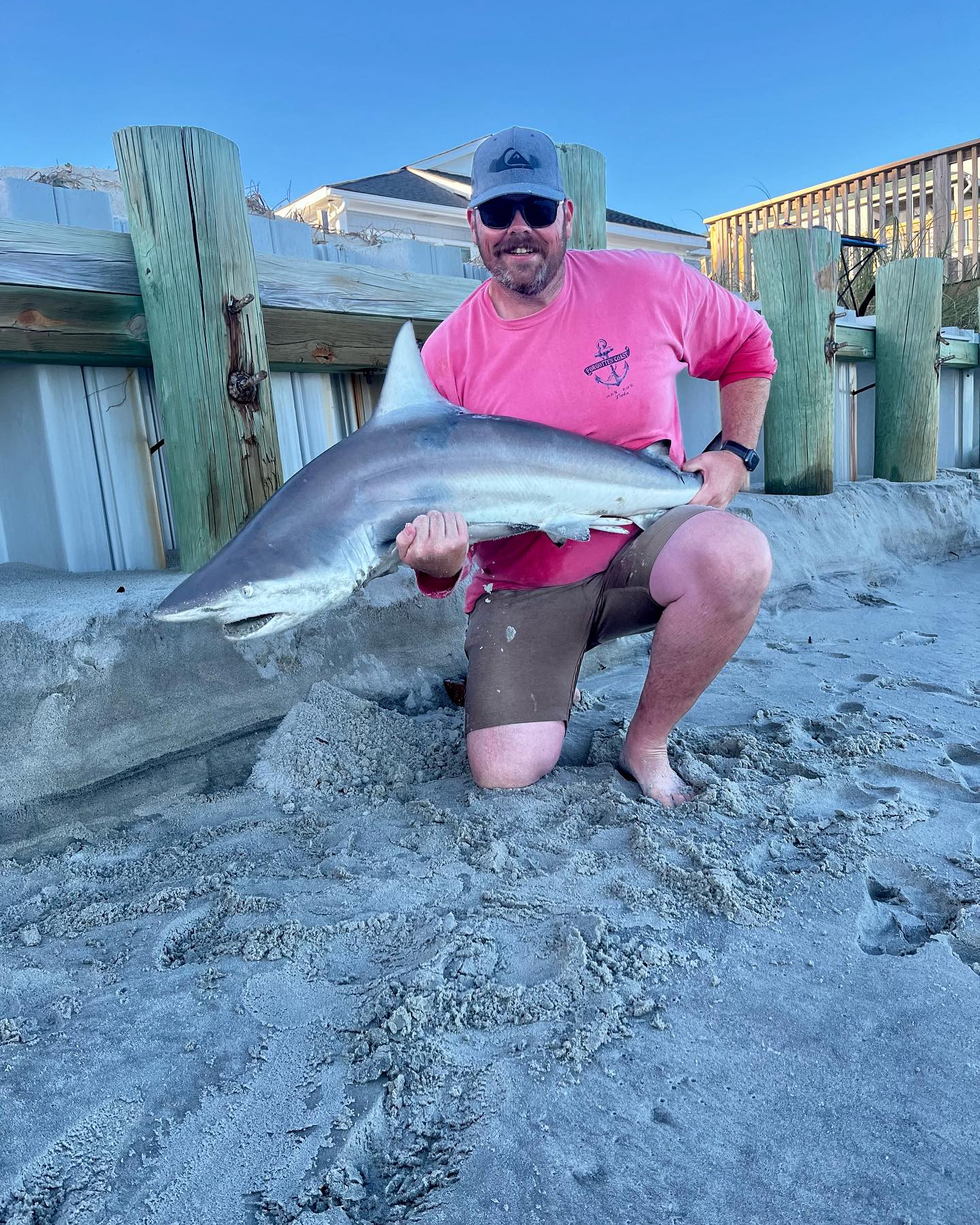
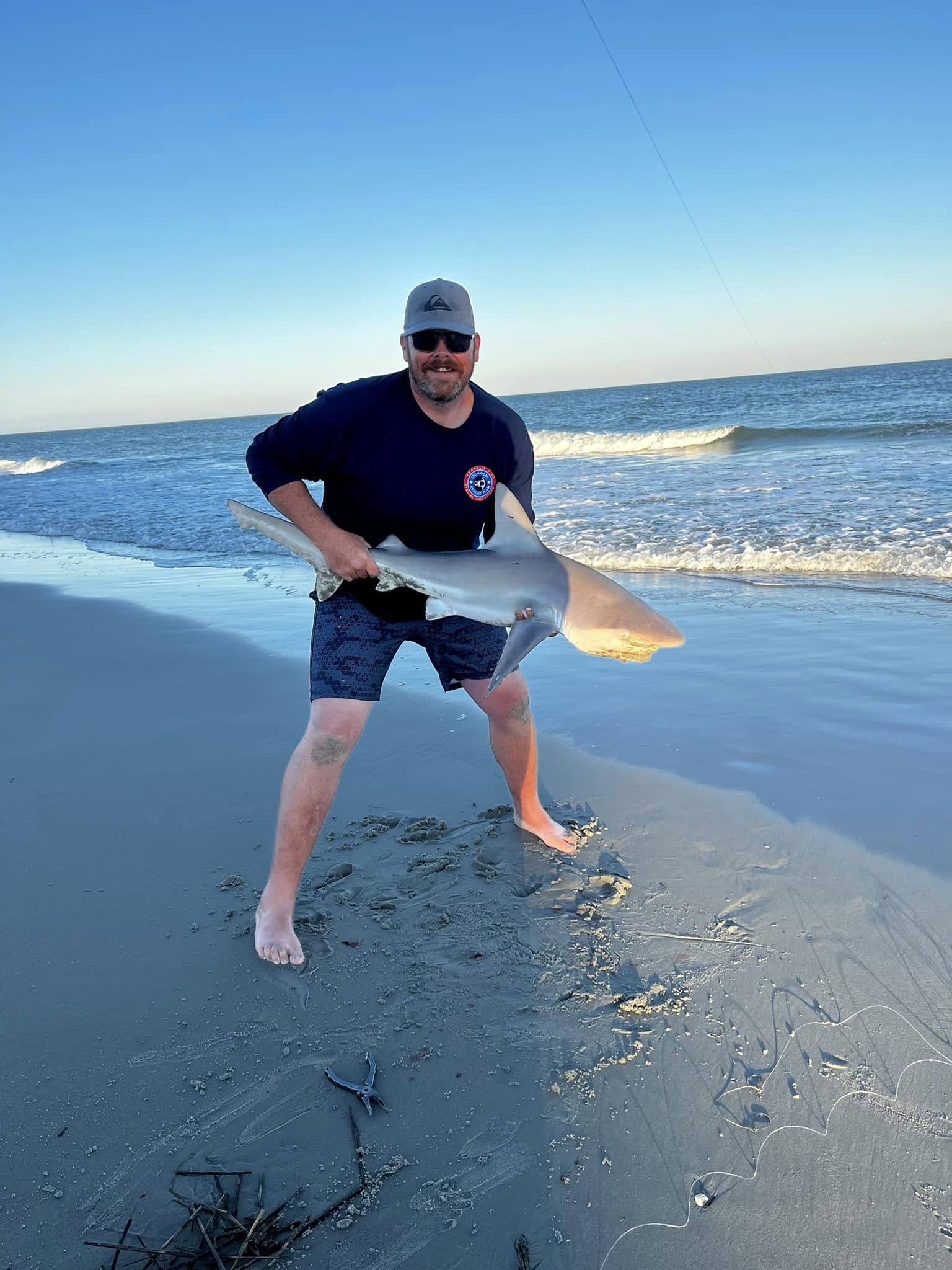
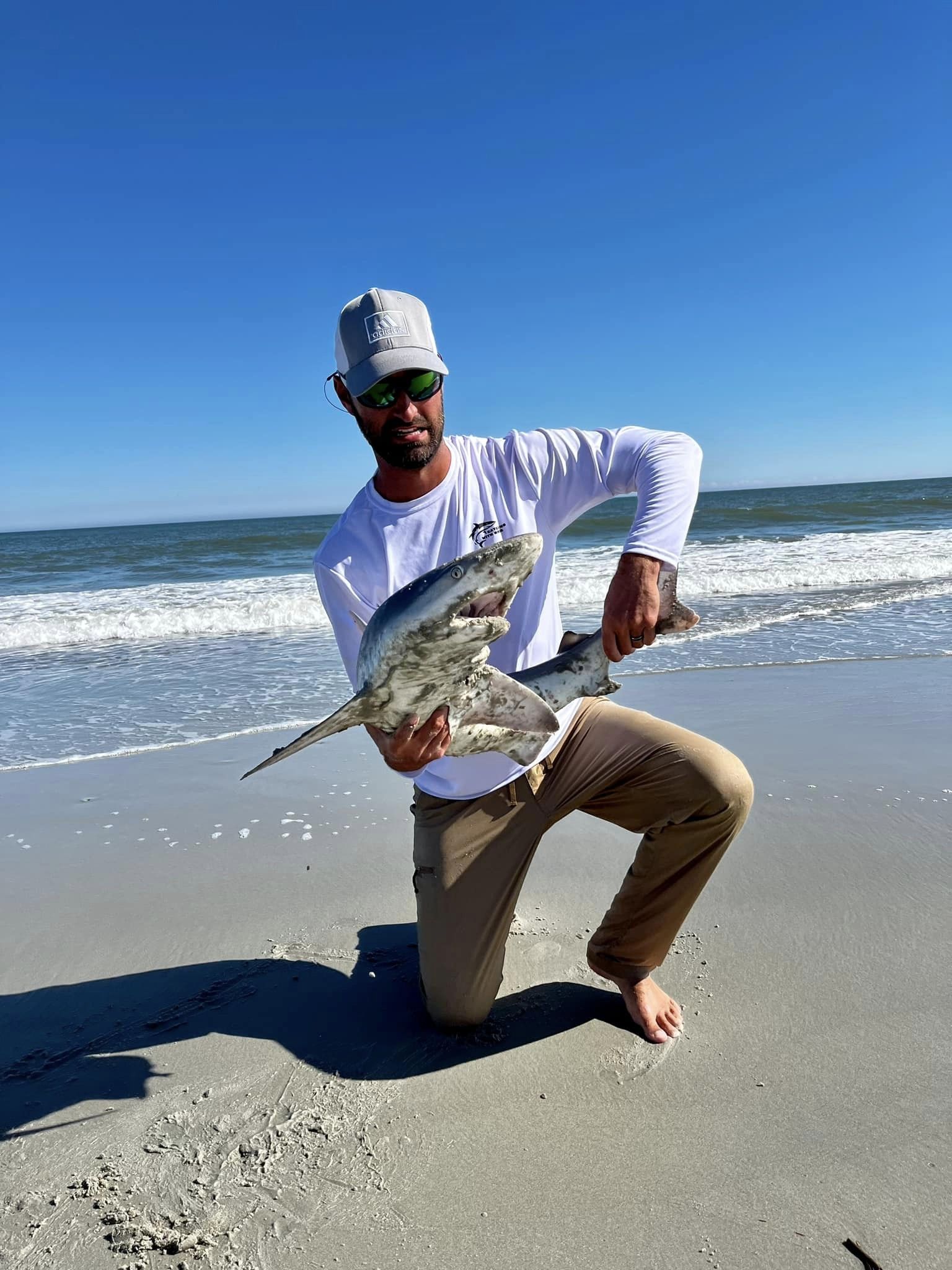
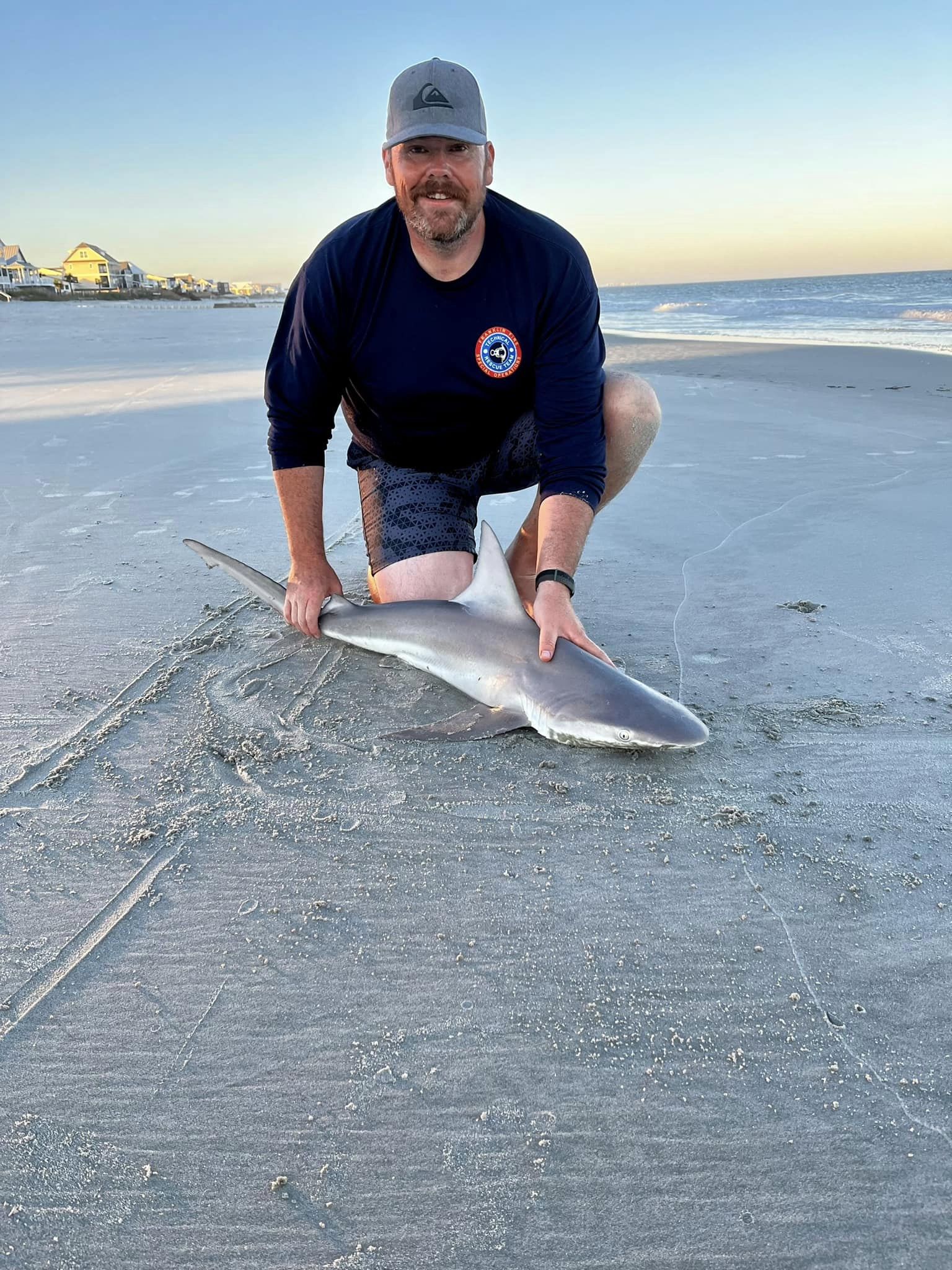
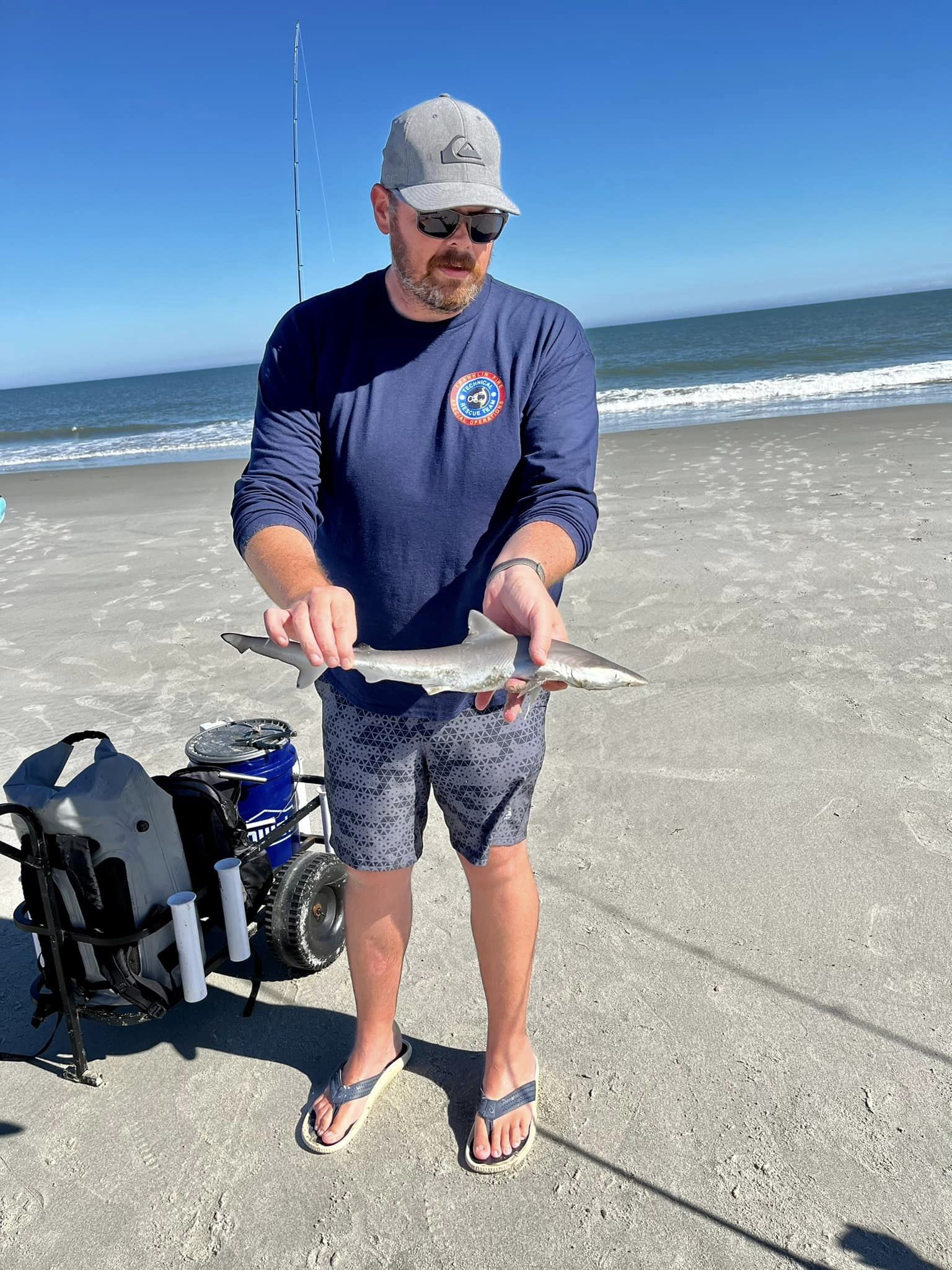
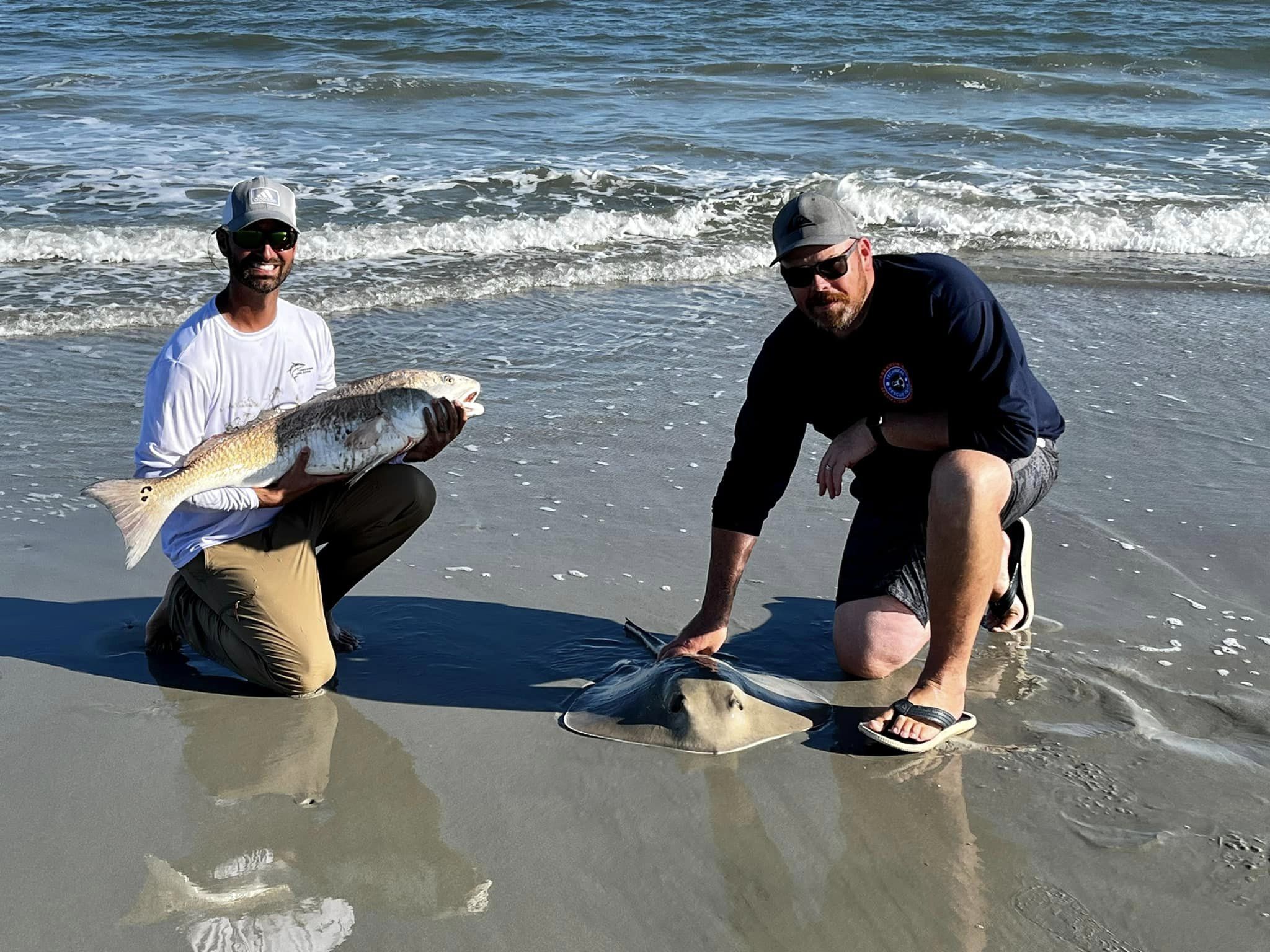
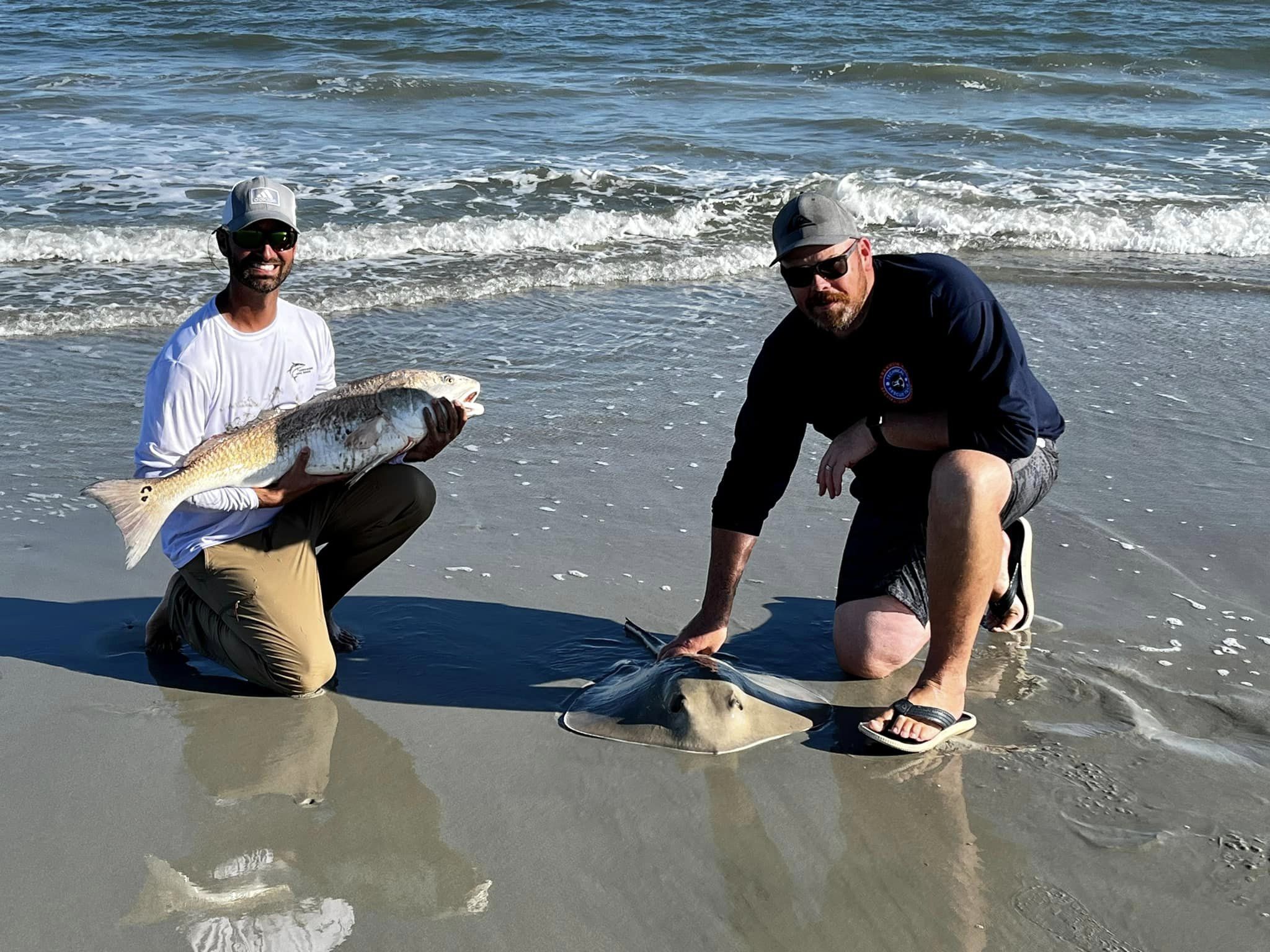
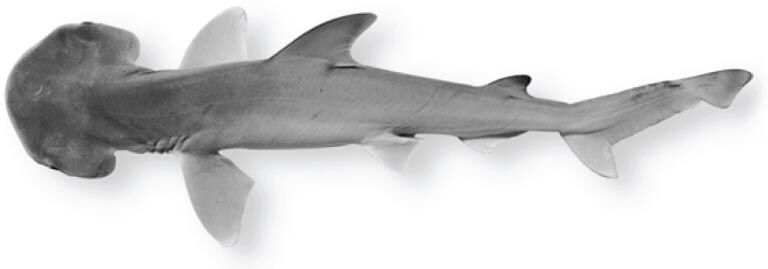
Bonnethead sharks are some of the most fun fish you'll tangle with in these waters, especially for newer anglers who want to feel what a real fighter is like without worrying about getting their arms ripped off. These smaller members of the hammerhead family typically run 2-4 feet and are absolute bulldogs once hooked. They're most active during warmer months and love sandy flats where they cruise around looking for crabs and small fish. What makes them special is their personality – they'll make multiple runs, change direction on you, and generally act like fish twice their size. Plus, they're perfectly safe to handle and make for great photos before release.
African pompano are the speed demons of the inshore world, and when you hook one, you'll know it immediately. These silver rockets can reach 15-20 pounds in our waters and will test your drag system from the moment they feel steel. They're structure-oriented fish that love wrecks, artificial reefs, and bridge pilings, usually found in 20-40 feet of water. Spring through fall gives you the best shot at them, and they're suckers for live bait presentations near cover. The fight is what legends are made of – long, screaming runs followed by dogged battles near the boat. They're also excellent table fare if you decide to keep one within regulations.
Spanish mackerel bring non-stop action when they're around, schooling up in impressive numbers and competing for whatever you throw at them. These 1-3 pound speedsters are perfect for light tackle fishing and will hit everything from small spoons to live shrimp. Summer months are prime time, especially when baitfish are thick along the beaches and inlets. They're known for their blistering initial runs and acrobatic jumps, making them crowd-pleasers for anglers of all skill levels. The key with Spanish mackerel is being ready – when you find a school, the action can be absolutely electric with multiple hookups and fish flying everywhere.
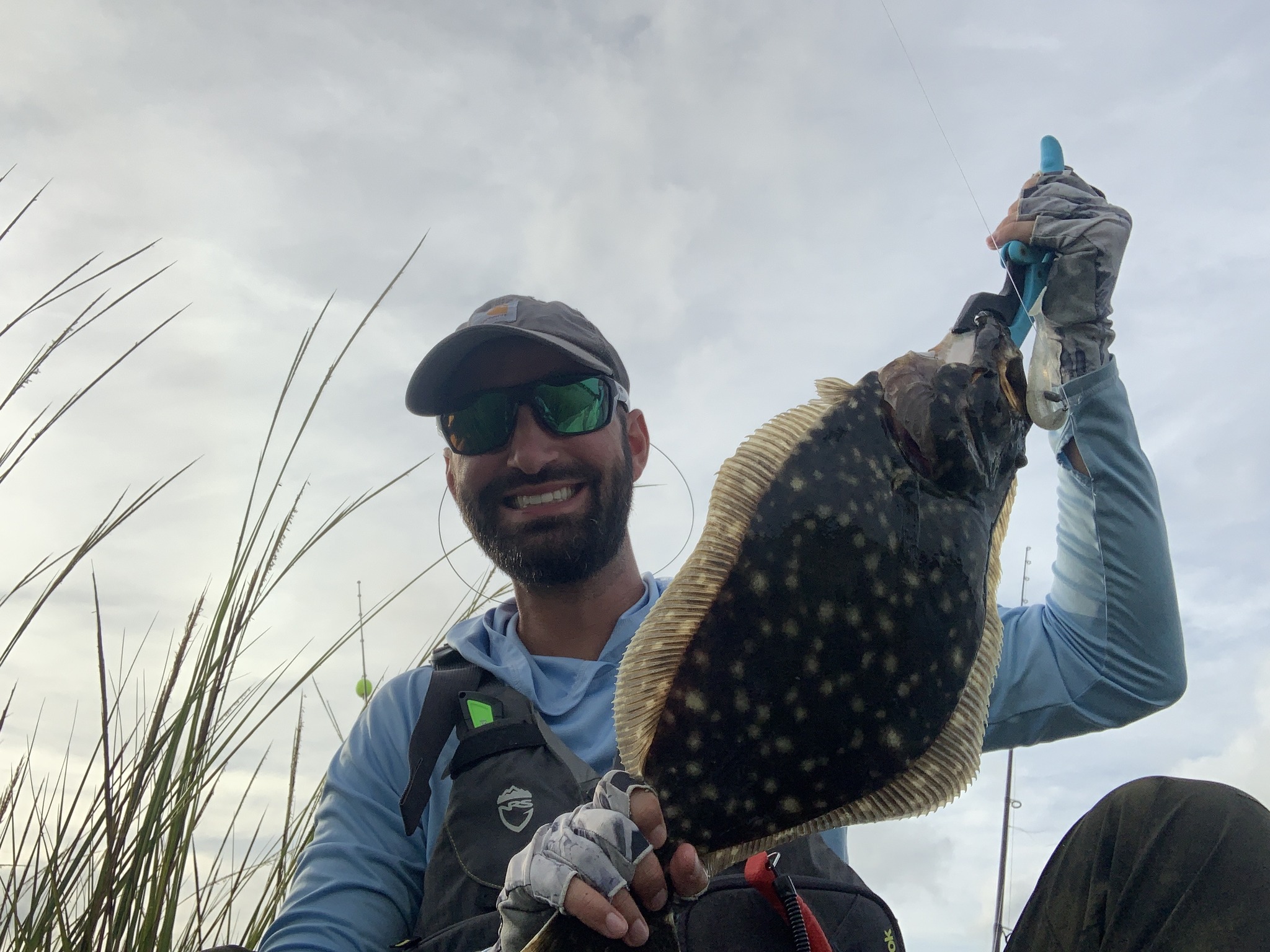
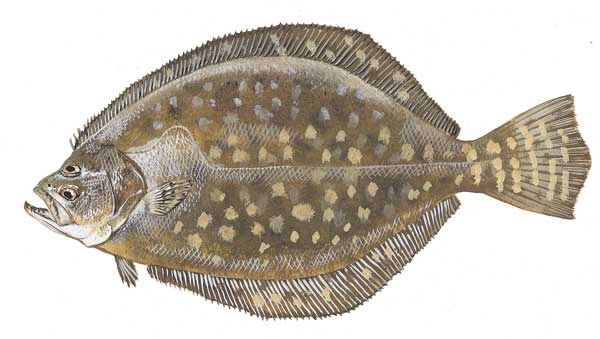
Southern flounder are the masters of disguise and one of the most prized catches for local anglers. These flatfish can grow impressive sizes in our waters, with anything over 20 inches being a real trophy. They're ambush predators that bury themselves in sand and mud, waiting for unsuspecting prey to swim by. Fall months are absolutely prime for big flounder as they stage for their offshore spawning runs, getting fat and aggressive in the process. What makes them so rewarding to catch is the challenge – you need to present baits right in their strike zone and detect those subtle pickups that feel more like snagging grass than a fish bite.
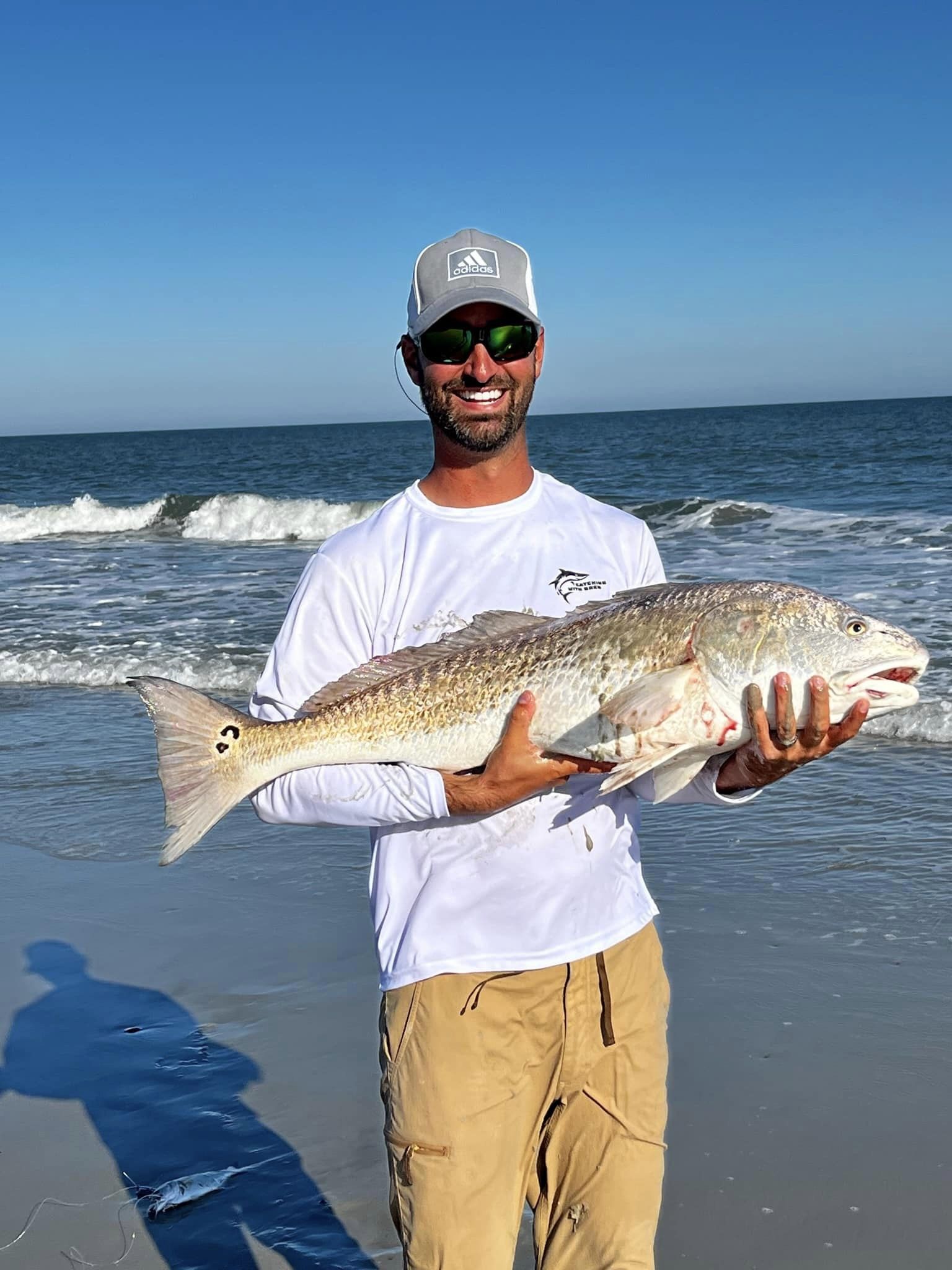
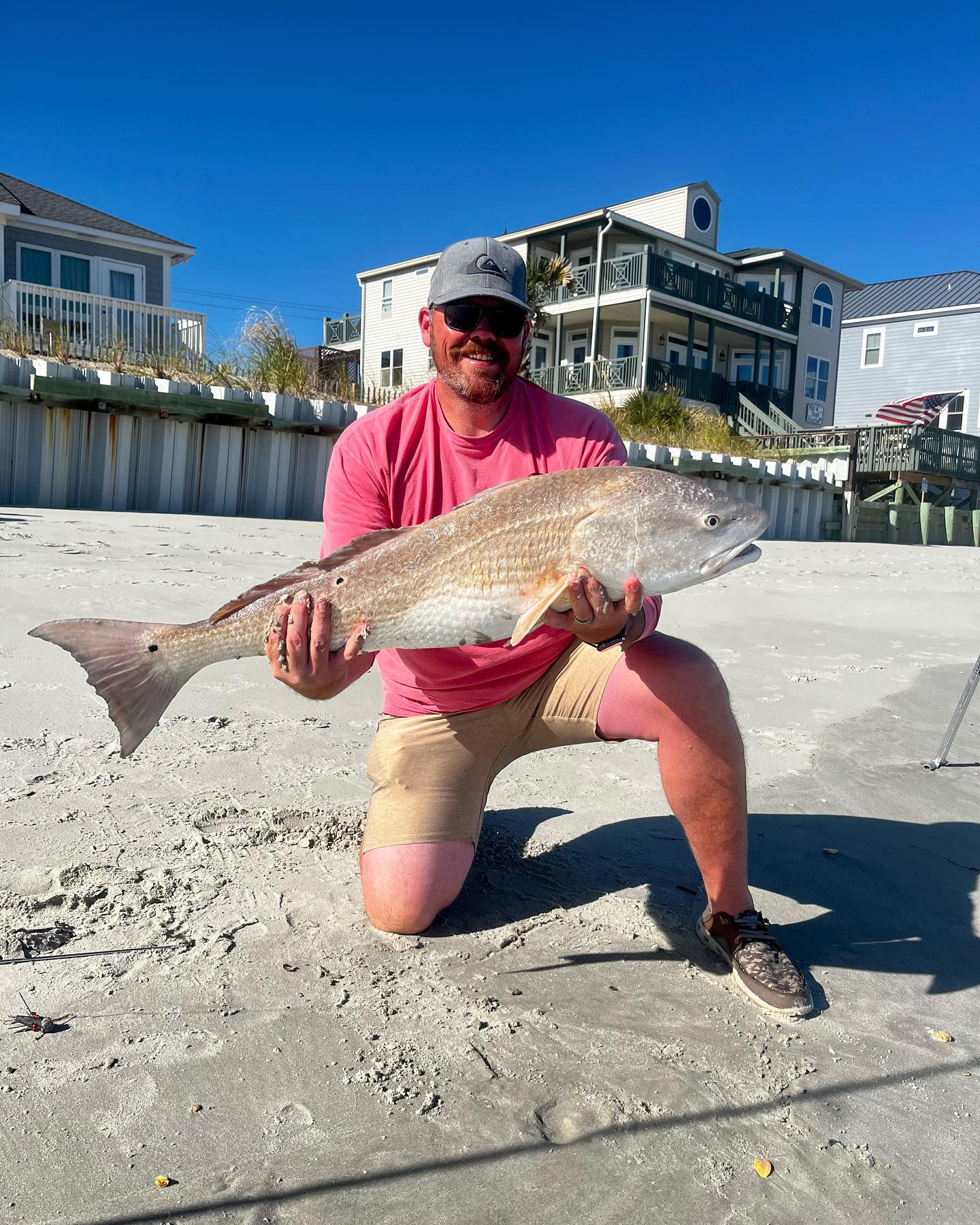
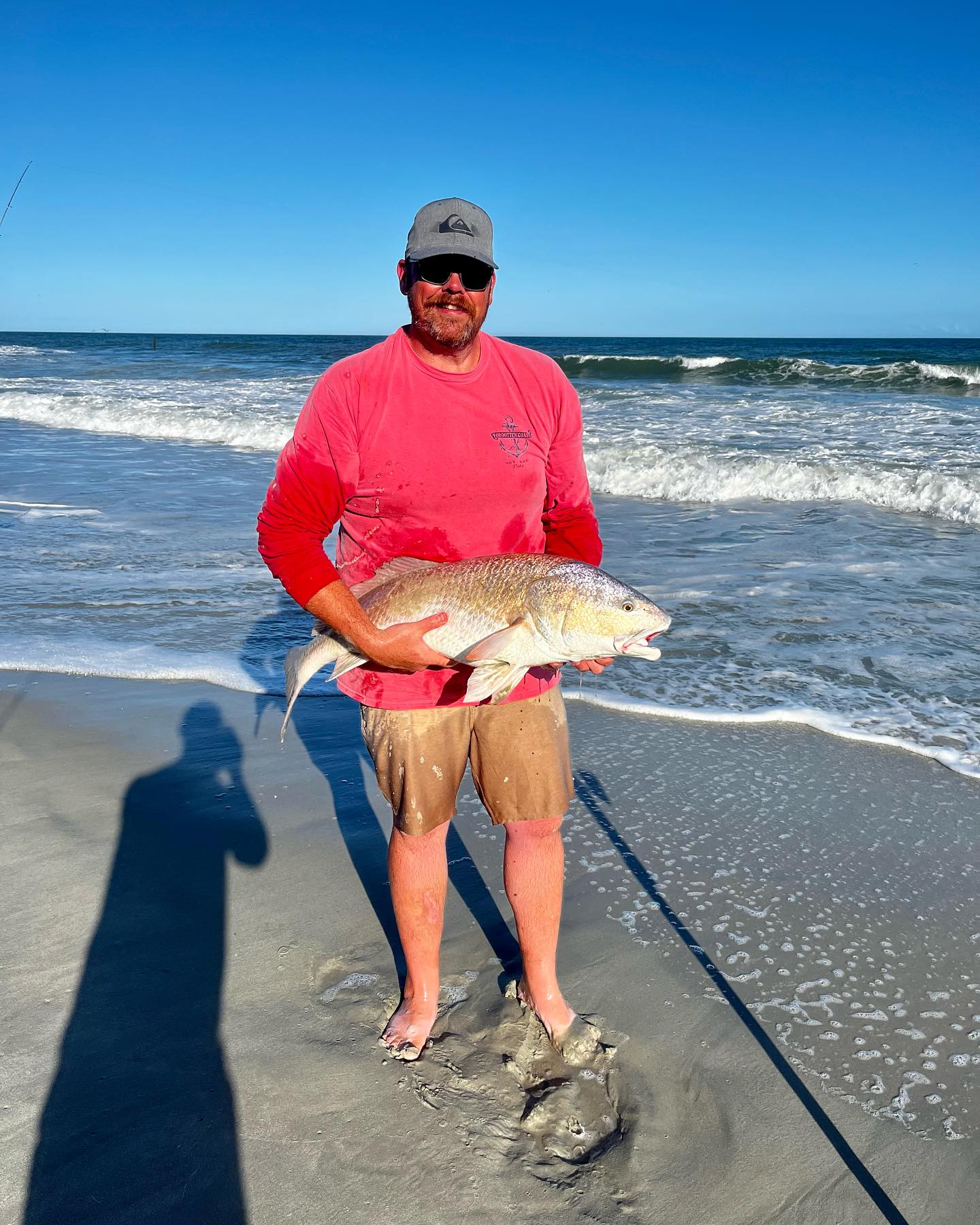
Black drum are the bruisers of the inshore world, with big fish capable of testing even heavy tackle. These copper-colored fighters love oyster beds, bridge pilings, and other hard structure where they root around for crabs and shellfish. You'll find them year-round in our waters, but spring brings the big spawning fish into shallow water where they're more accessible to anglers. A big drum fight is all about power – no flashy jumps or speed runs, just raw strength and determination. They'll use every bit of structure they can find to try breaking you off, making for heart-stopping battles that can last 15-20 minutes with fish over 30 pounds.
Time to Book Your Spot
This world-class instructional trip delivers exactly what serious anglers are looking for – quality fishing combined with education that'll make you better on the water
 Private Trip
 Inshore Fishing
 Myrtle Beach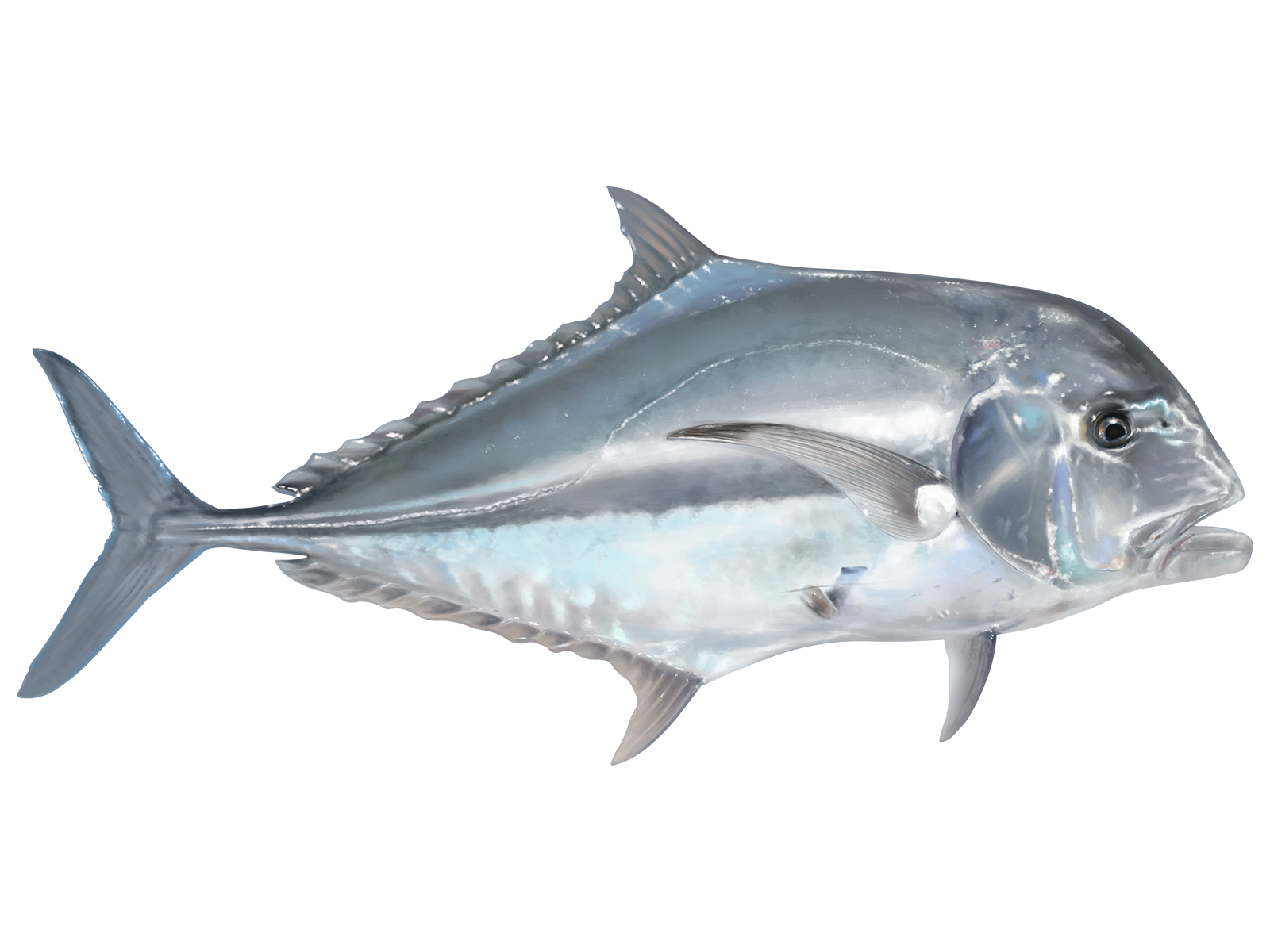


 Four-hour instructional fishing trip targeting flounder, trout, and redfish