Mosquito Lagoon Full Day Sight Fishing Trip
If you're serious about sight fishing, this 8-hour adventure on Mosquito Lagoon and Indian River Lagoon is exactly what you've been looking for. We're talking about crystal-clear, shallow flats where you can actually see the fish you're targeting – redfish, black drum, speckled trout, and when the timing's right, tarpon and snook that'll test your drag system. Most of our fishing happens inside the pristine Merritt Island National Wildlife Refuge, where the water stays clean and the fish population thrives. This isn't a trip for beginners or kids – it's designed for experienced anglers who understand that sight fishing requires patience, precision, and the ability to make accurate casts when it counts.
What to Expect on the Water
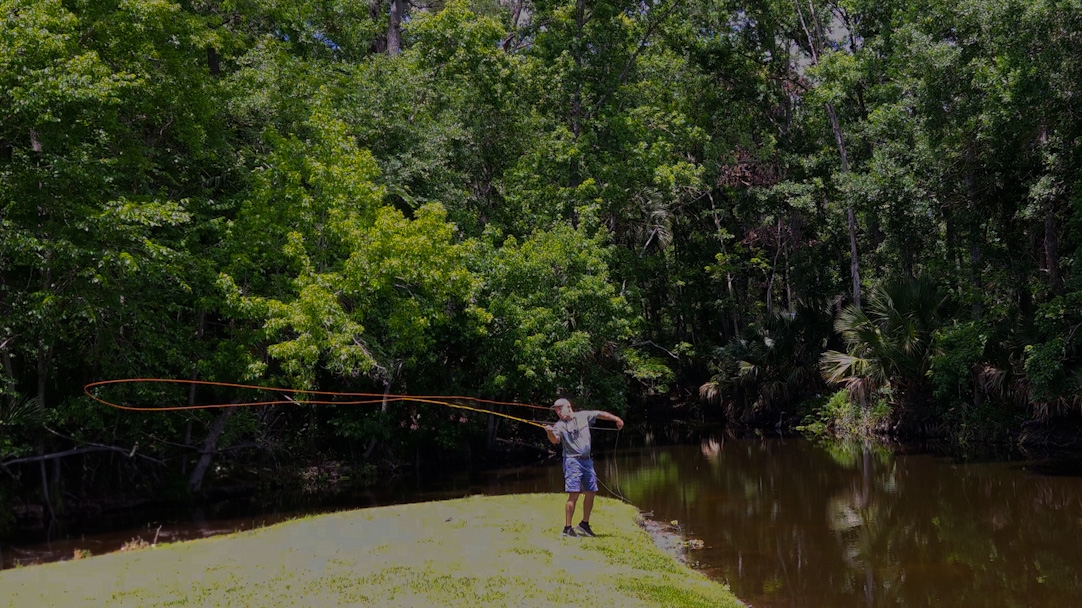
You'll spend the entire day working the shallow flats where these lagoons are famous worldwide. The beauty of an 8-hour trip is we can move with the tides, hitting different flats as conditions change throughout the day. When the tide's dropping, we'll focus on the deeper edges where fish stage up. As it comes back in, we'll move shallow and hunt the grass beds and oyster bars where redfish love to feed. The scenery inside Merritt Island National Wildlife Refuge is spectacular – you'll see manatees, dolphins, and countless bird species while we're running between spots. We keep it simple with spinning tackle and artificials, though if you're a fly angler, just let me know ahead of time and we'll set you up for some world-class sight fishing with the long rod. The key here is staying quiet and making long, accurate casts to fish you can actually see.
Techniques & Tackle Setup
We're running light spinning gear – typically 7-foot medium-light rods with 3000-series reels spooled with 15-pound braid and a 20-pound fluorocarbon leader. The artificials we throw depend on conditions, but you can expect to work soft plastics like DOA shrimp, paddle tails, and jerk baits most of the day. When the fish are really spooky, we'll drop down to lighter tackle and smaller baits. The flats we fish range from 6 inches to about 4 feet deep, with grass beds, sand holes, and oyster bars creating the perfect ambush points for our target species. Polarized sunglasses are absolutely critical – you can't sight fish effectively without them. I'll teach you how to read the water, spot fish movement, and present your bait naturally. The casting requirements are real – you need to be able to put a lure exactly where I tell you from 50-70 feet away, often with wind in your face.
Top Catches This Season
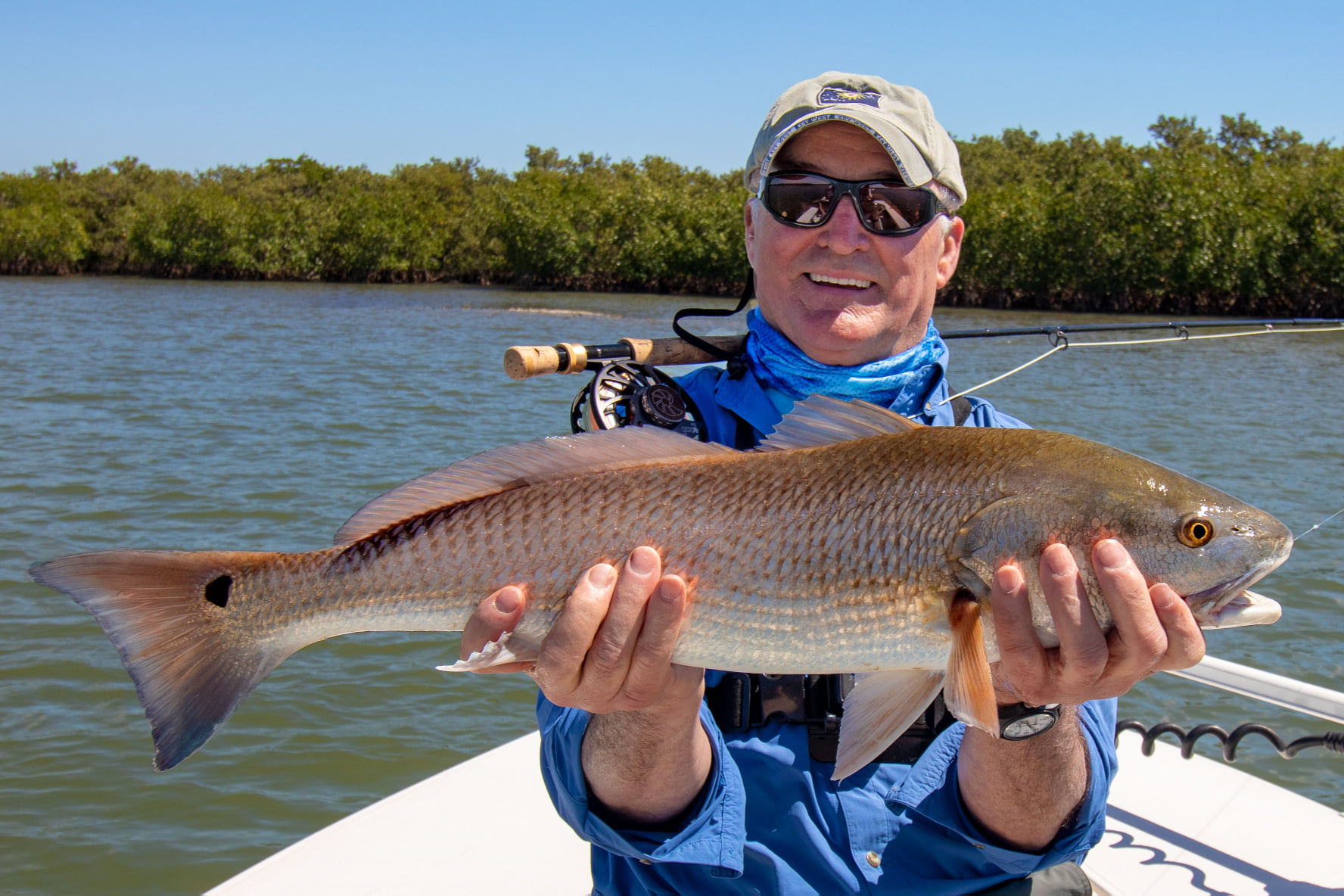
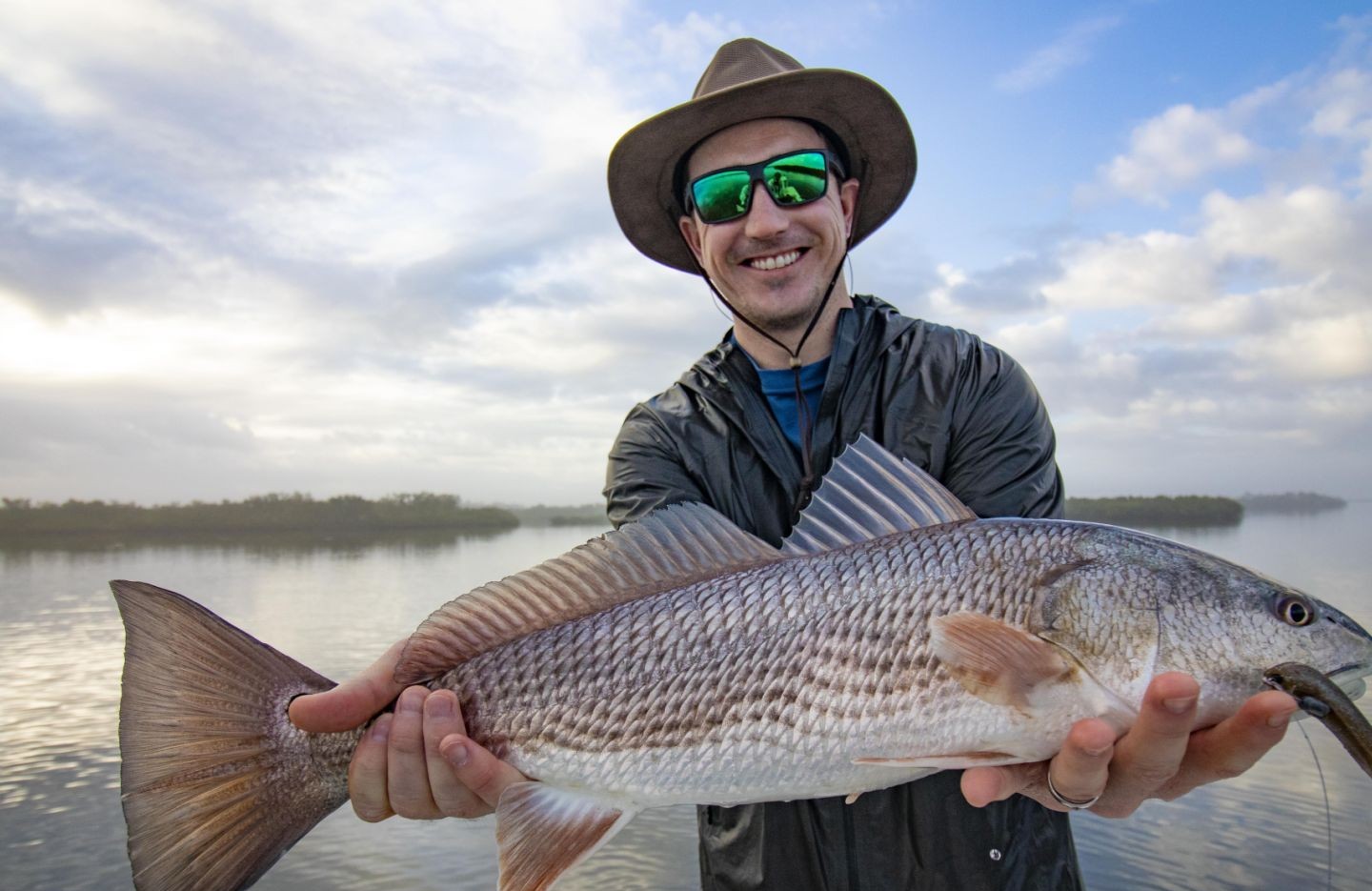
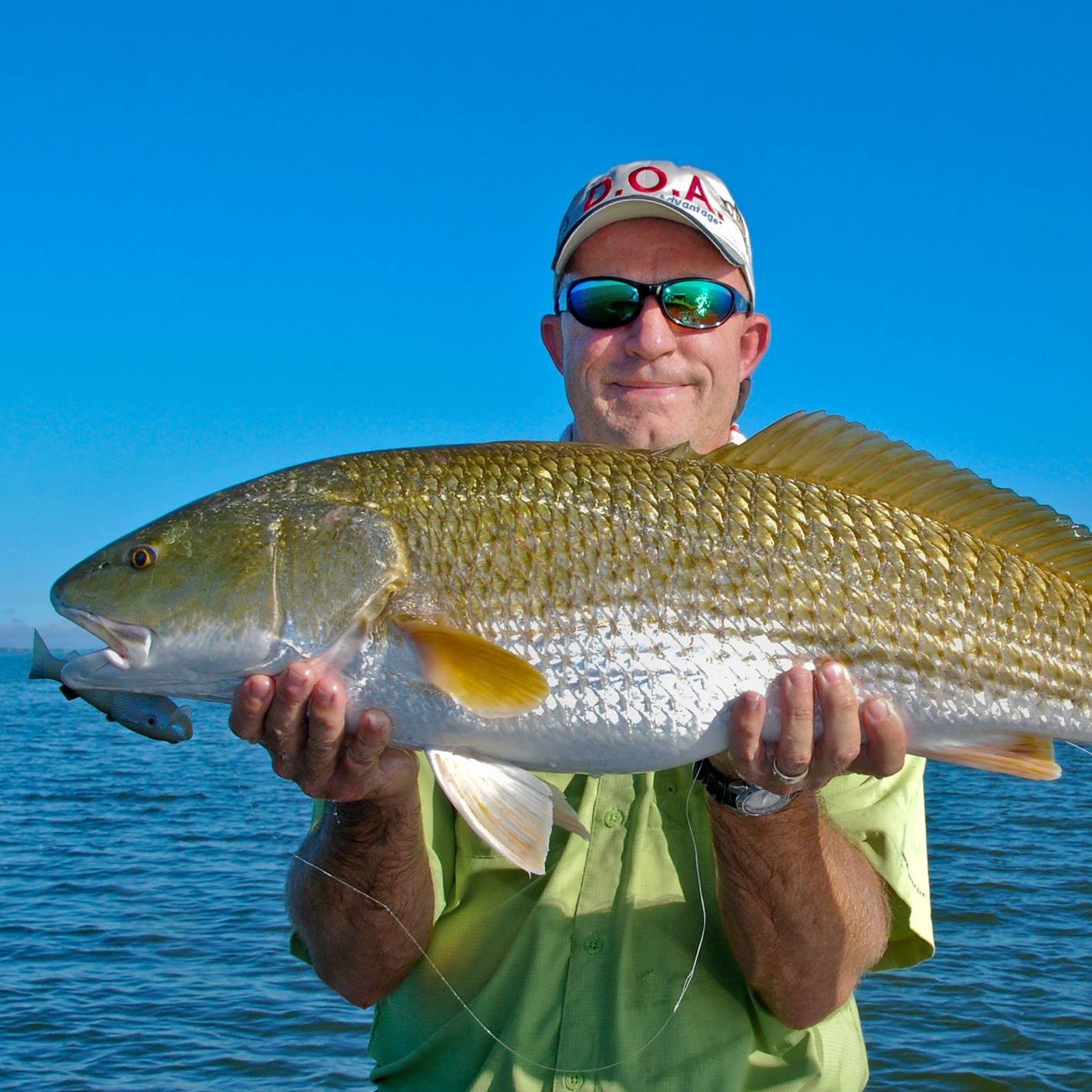
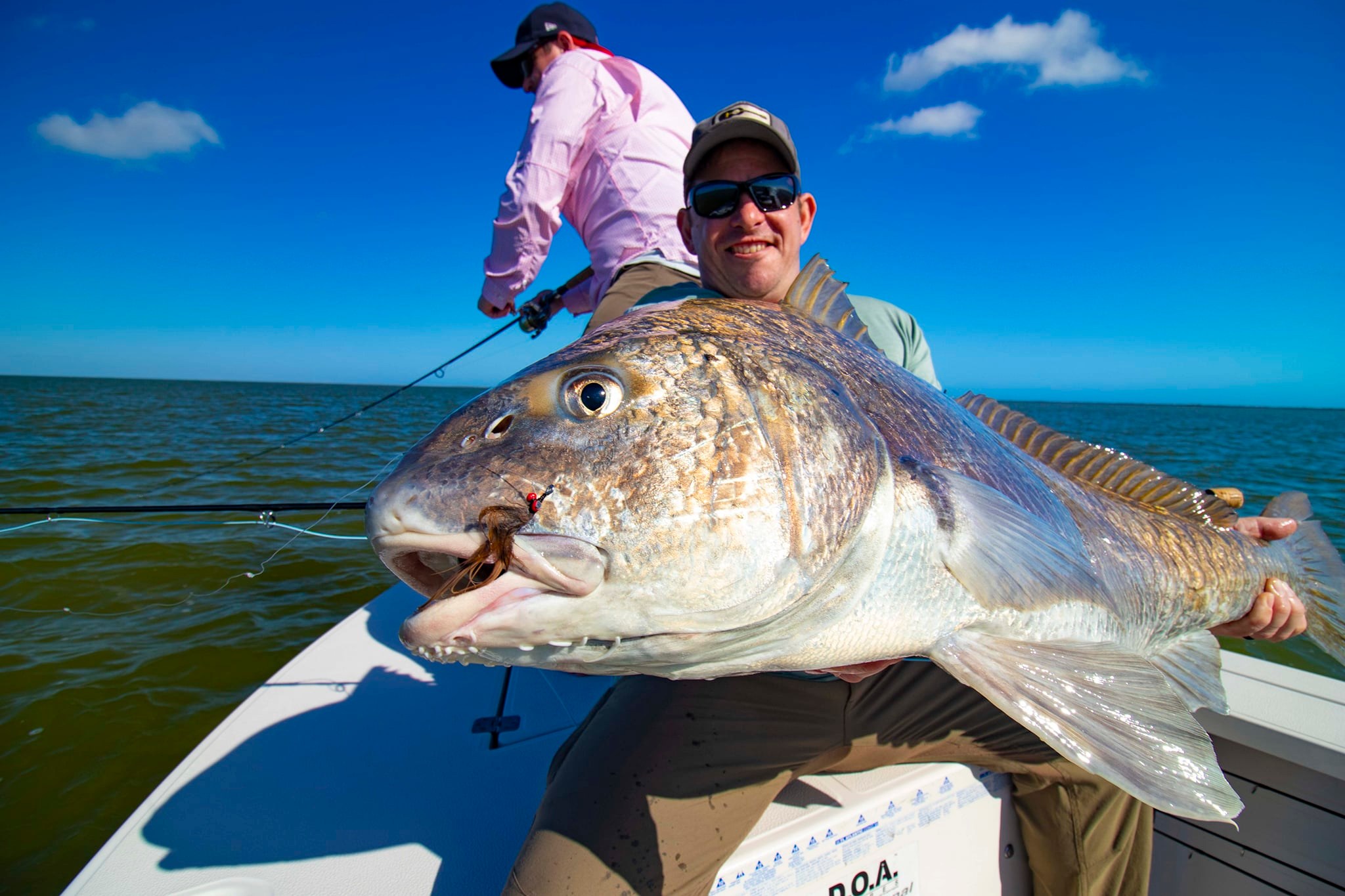
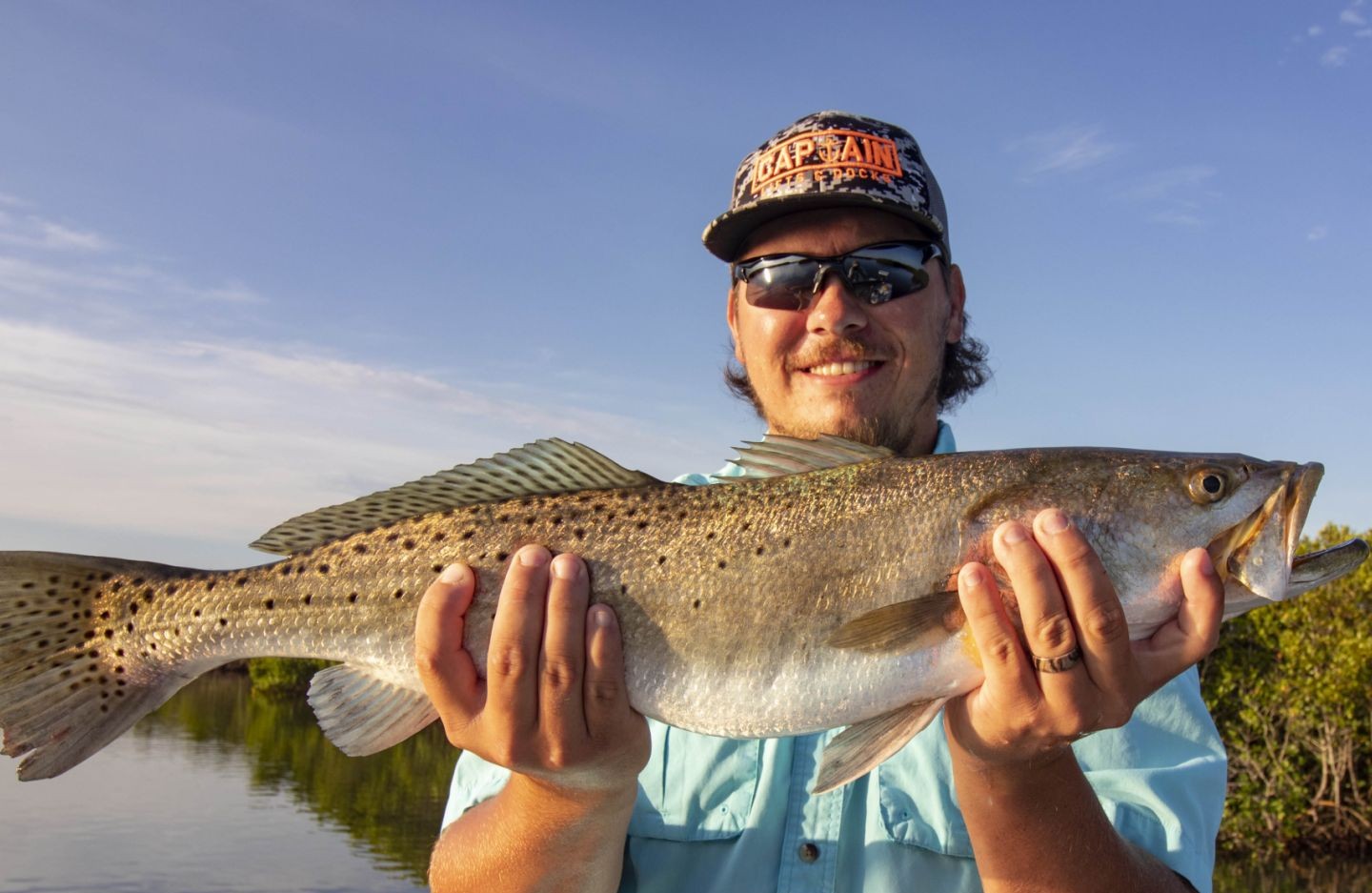
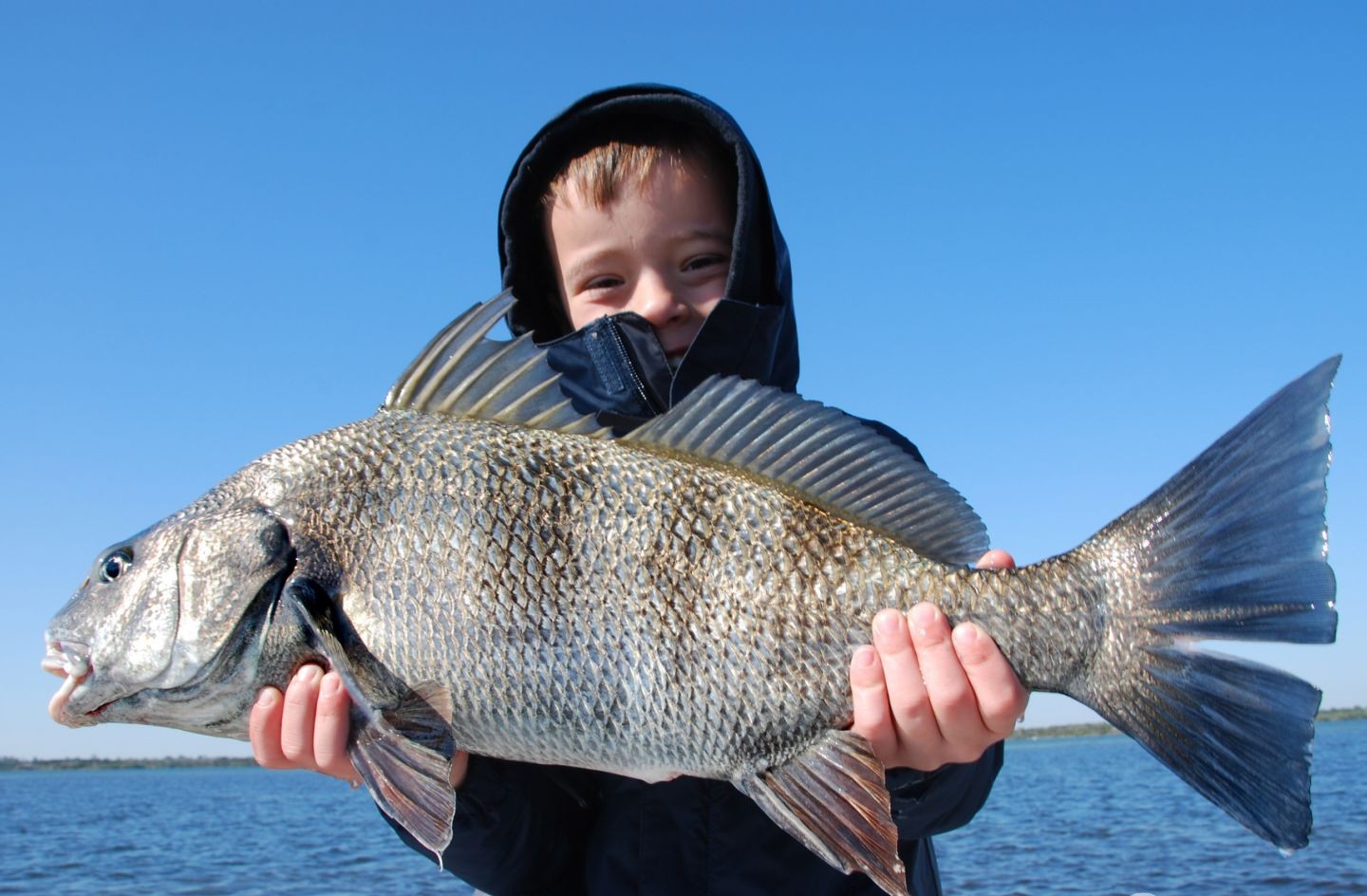
Redfish are the bread and butter of this fishery year-round. These copper-colored bruisers cruise the flats in schools or as singles, and when you spot one tailing in 18 inches of water, your heart rate jumps. Most of our reds run 20-28 inches, with plenty of slot-sized fish and the occasional overslot bull that'll peel drag like you wouldn't believe. They're aggressive feeders and will absolutely demolish a well-presented soft plastic or spoon. Black drum show up consistently, especially during their spawning runs in late winter and early spring. These fish are often overlooked, but a 15-pound drum will give you a serious fight in shallow water. Speckled trout are scattered throughout both lagoons, typically holding near grass edges and drop-offs. The spring and fall months produce some beautiful gator trout over 5 pounds.
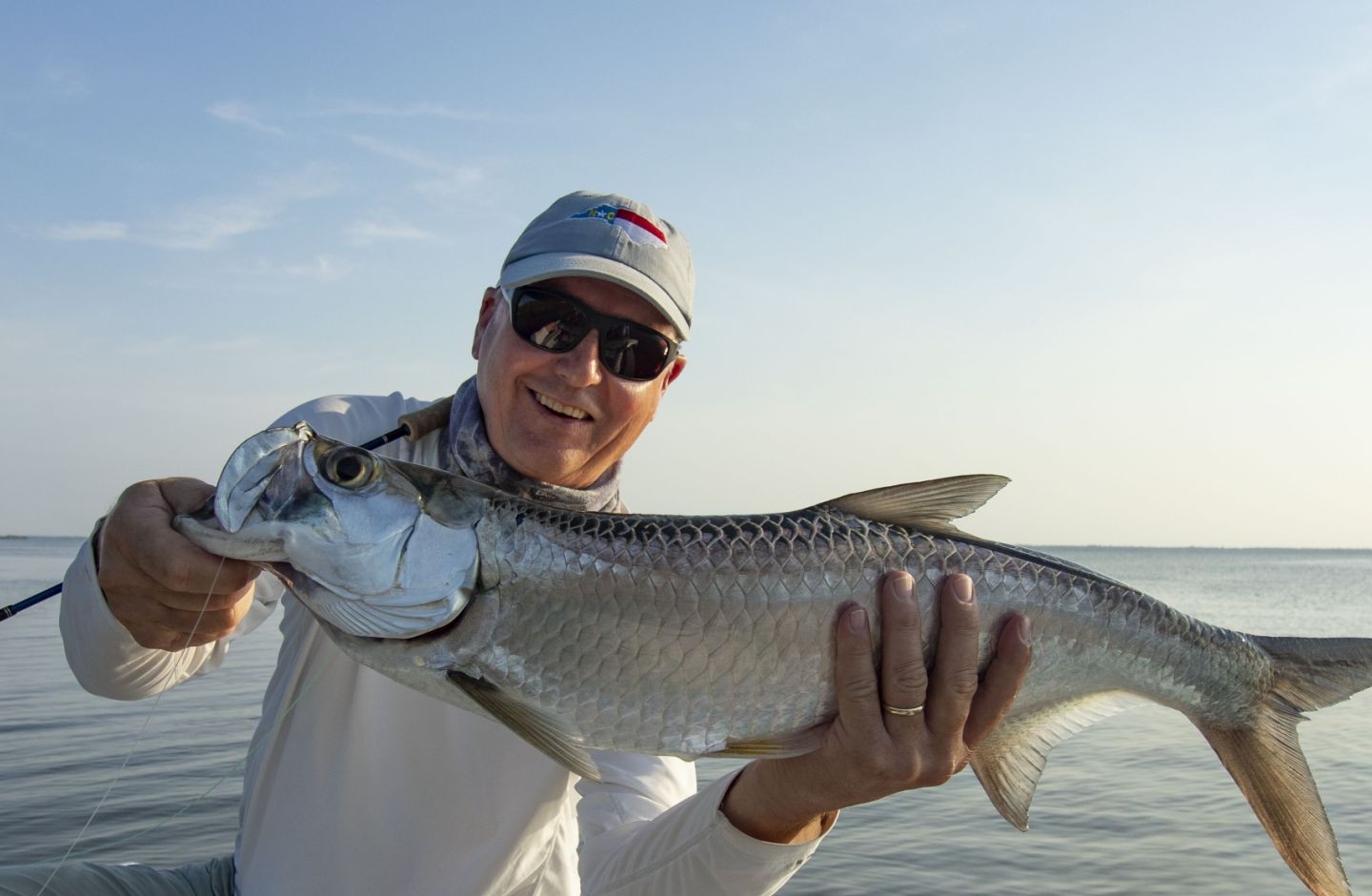
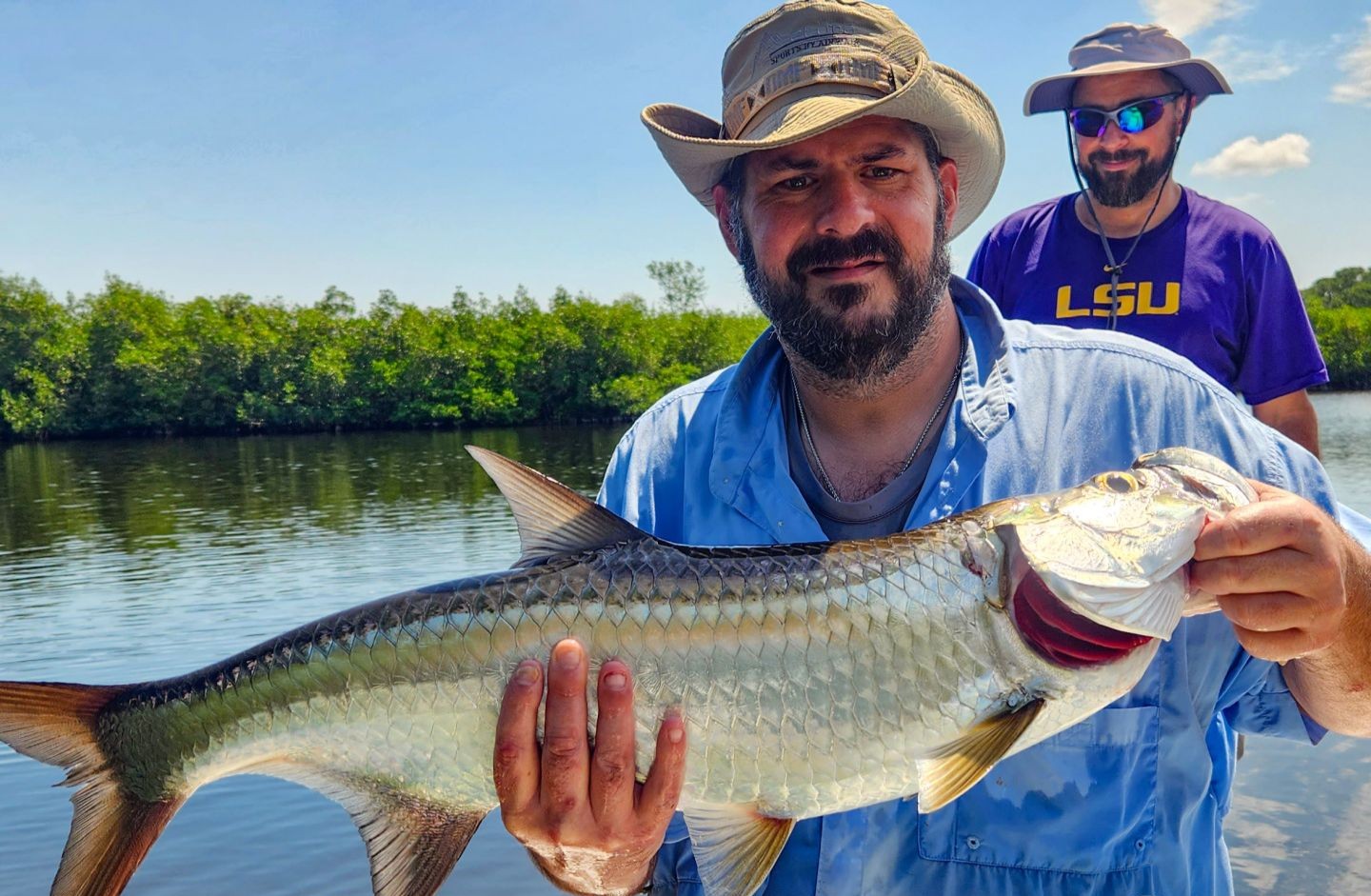
Snook become a real possibility during the warmer months when they move into the lagoons to feed. These fish are incredibly spooky and require perfect presentations, but landing one on light tackle in skinny water is about as good as it gets. Tarpon show up seasonally, usually from late spring through summer, and while we're targeting smaller fish in the 10-40 pound range, they'll still put on an aerial show you won't forget. The juvenile tarpon that hang around the deeper holes and channel edges are perfect for this type of fishing – they're aggressive, they jump, and they're manageable on spinning gear.
Species You'll Want to Hook
Redfish define this fishery and for good reason. These fish are perfectly adapted to shallow water hunting, using their downward-facing mouths to root around oyster bars and grass beds for crabs and shrimp. During late summer and fall, you'll see them "tailing" – their copper-colored tails sticking out of the water as they feed head-down in super shallow water. A 25-inch red in 2 feet of water will test your tackle and your nerves. They're available year-round, but the cooler months often produce the biggest fish as they stage up for their offshore spawning runs.
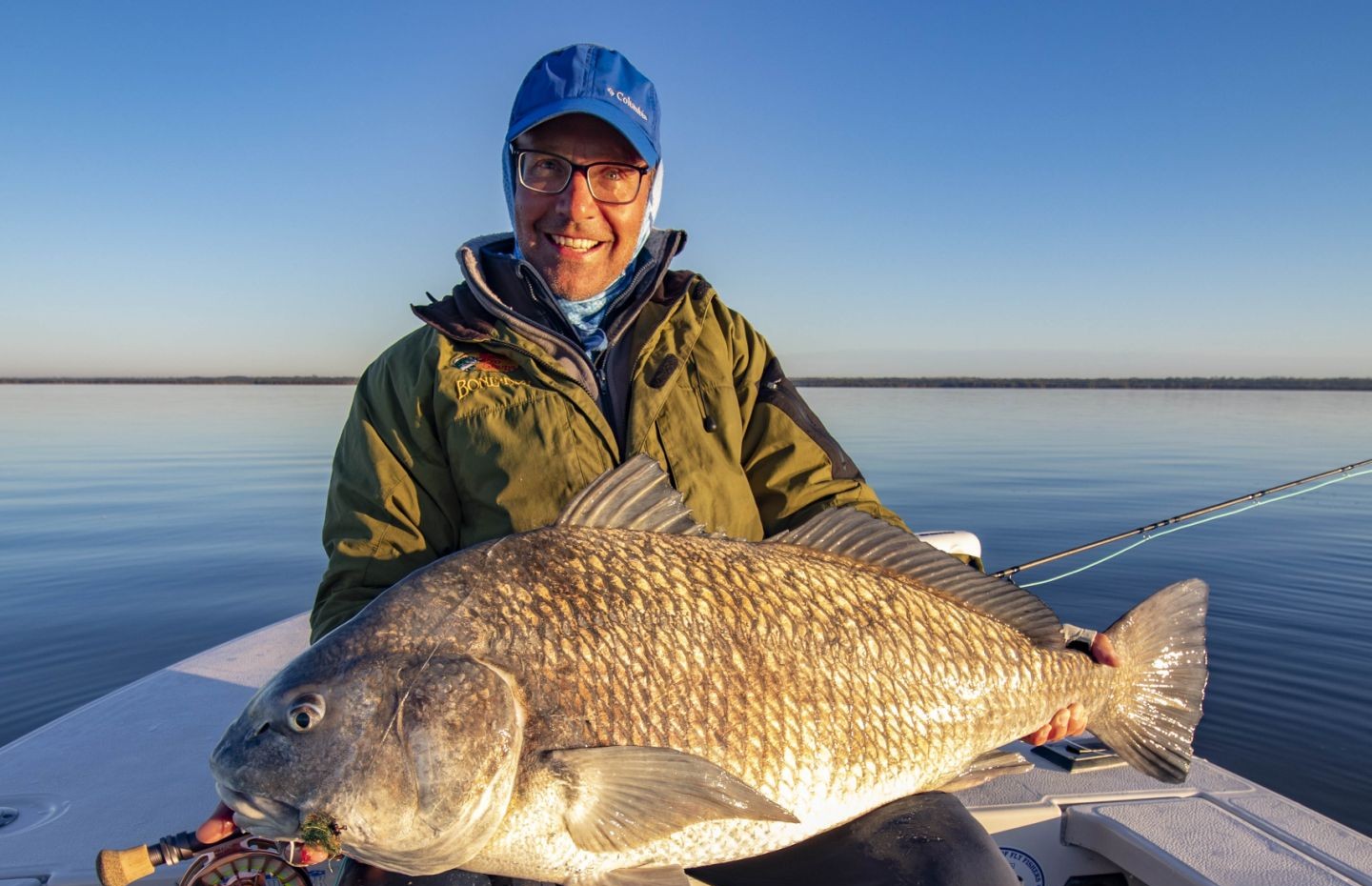
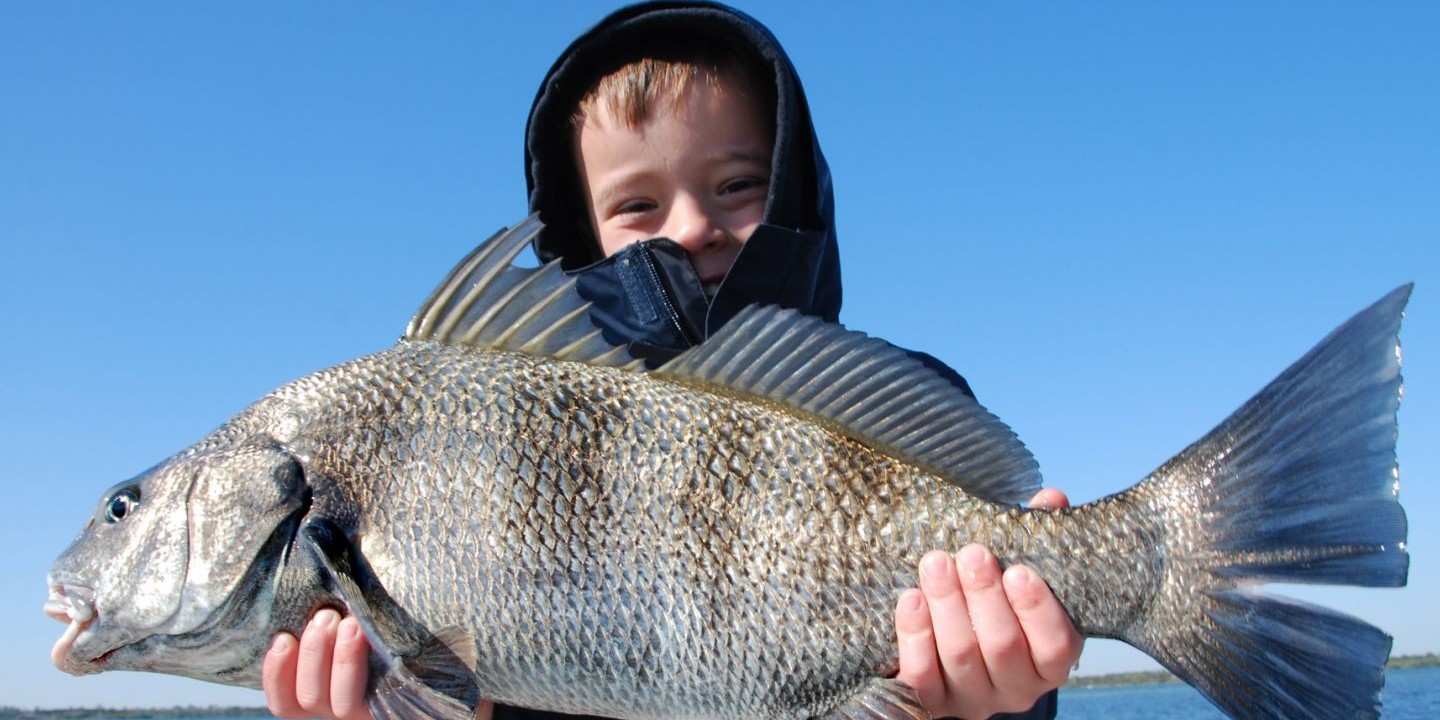
Black drum are the bulldogs of the flats. These fish can live over 50 years and grow to massive sizes, though most of what we catch runs 5-20 pounds. They travel in schools and make a distinctive drumming sound that you can actually hear underwater. Late winter through early spring is prime time when they spawn in the lagoons. They're not as flashy as redfish, but they'll give you a stubborn, determined fight that'll remind you why heavy drag settings exist.
Speckled trout are year-round residents, but they're temperature sensitive. During cold fronts, they'll move to deeper holes and become sluggish. In warmer months, they scatter across the flats and are aggressive feeders. The big female "gator" trout are what every angler dreams about – fish over 5 pounds with mouths full of teeth. They're most active during low-light periods, so early morning and late afternoon often produce the best trout action.
Snook represent the pinnacle of inshore fishing in Florida. These
 Private Trip
 Inshore Fishing
 Titusville, FL


 Eight-hour sight fishing adventure in pristine shallow flats