Mississippi Gulf Coast Inshore Fishing
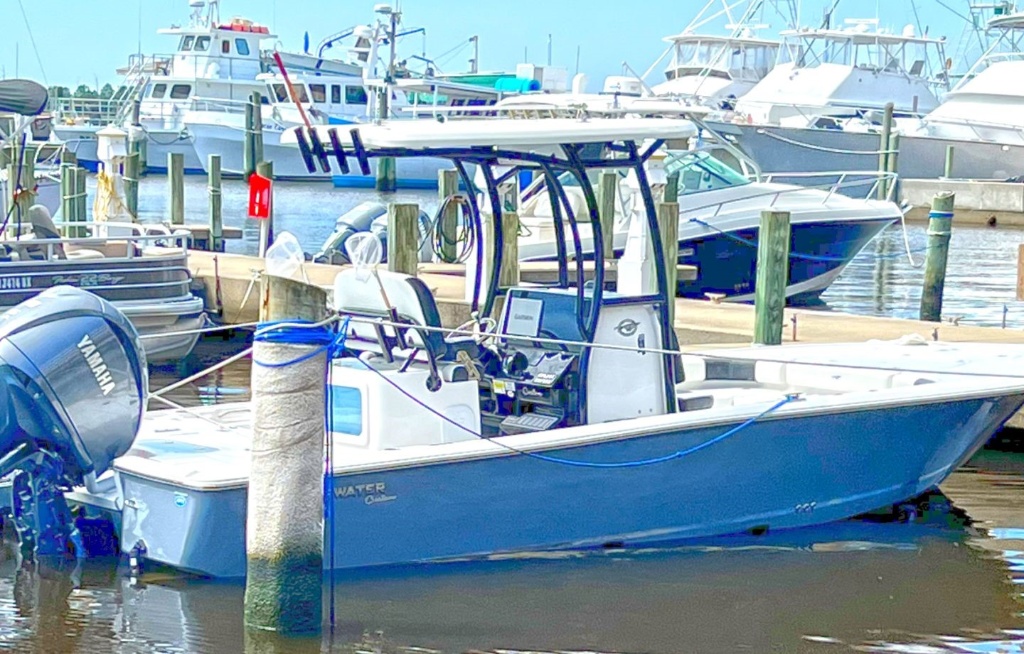
Picture this: you're cruising the shallow waters of the Mississippi Gulf Coast in a brand-new 2022 Tidewater Carolina Bay, casting lines into some of the most productive inshore waters on the Gulf. This isn't your typical fishing trip—it's a chance to target legendary redfish and speckled trout while exploring the maze of back bays and estuaries that make this coast a top-rated fishing destination. Captain JJ and the Charter Boat Family Tradition team know these waters like the back of their hand, and they're ready to put you on fish while sharing stories about this historic coastline.
What to Expect on the Water
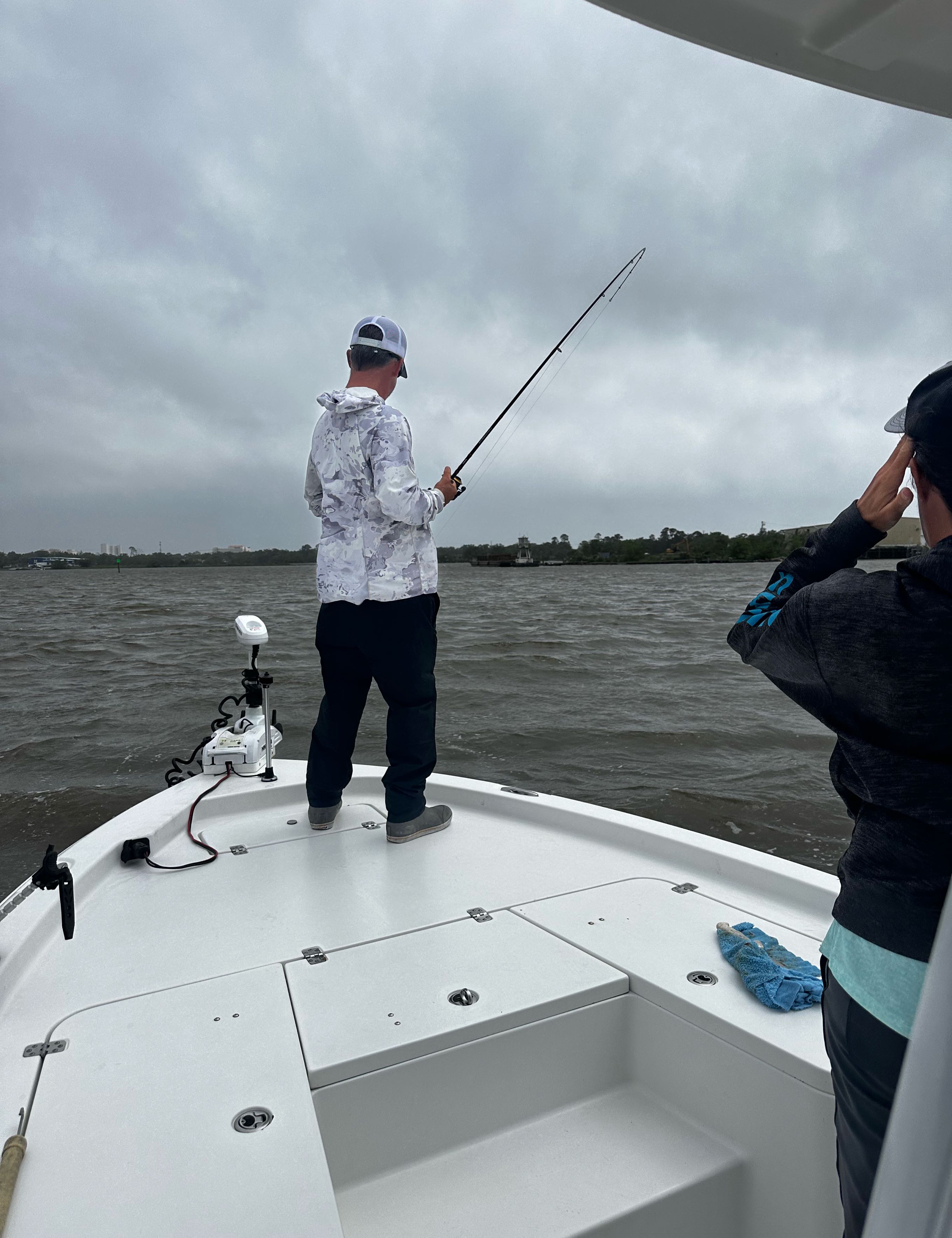
Your day starts aboard a spacious 2022 Tidewater Carolina Bay that's built for comfort and fishing performance. With room for up to four anglers, you'll have plenty of space to work without bumping elbows. The boat's shallow draft design is perfect for sneaking into those skinny water spots where big reds like to cruise. Captain JJ provides all the top-shelf tackle you'll need—from spinning reels loaded with braid for those hard-fighting drum to lighter setups perfect for finicky trout. Your fishing license is covered, so all you need to bring are drinks, snacks, and that eager attitude. The Mississippi coast's back bays offer a mix of grass flats, oyster bars, and deep cuts that hold different species throughout the day. You might start the morning working a shallow flat for tailing redfish, then move to deeper water around structure for black drum and sheepshead as the sun gets higher.
Techniques and Tackle
Inshore fishing along the Mississippi Gulf Coast is all about reading the water and adapting your approach. Captain JJ runs a variety of techniques depending on conditions and what the fish are doing. Live bait fishing with shrimp or small crabs is deadly on redfish and black drum around oyster bars and structure. When the trout are active, you might switch to artificial lures—soft plastics on jig heads or topwater plugs that create explosive strikes in the early morning. The boat carries everything from circle hooks for bottom fishing to popping corks for suspended fish. Sight fishing is a real possibility here, especially for redfish cruising the flats. There's nothing quite like watching a red's back fin cutting through shallow water, then making that perfect cast ahead of the fish. The captain knows when to be quiet and let you work a fish, and when to coach you through fighting something bigger than you expected. The Carolina Bay's trolling motor keeps you positioned perfectly, whether you're drifting a cut or holding on a piece of structure.
Customer Stories
"Made a quick trip to Biloxi and chose fishing over the casinos—definitely the right call. Had a great time on the water and caught plenty of fish. Glad I booked it!" - Jamie
"We went not during a great time of year, so catching fish was hit or miss, but we still caught some. Great guide on the history of the area and most importantly really appreciate how he treated my 11 year old son. Captain JJ is a top notch individual." - Justin
Species You'll Want to Hook
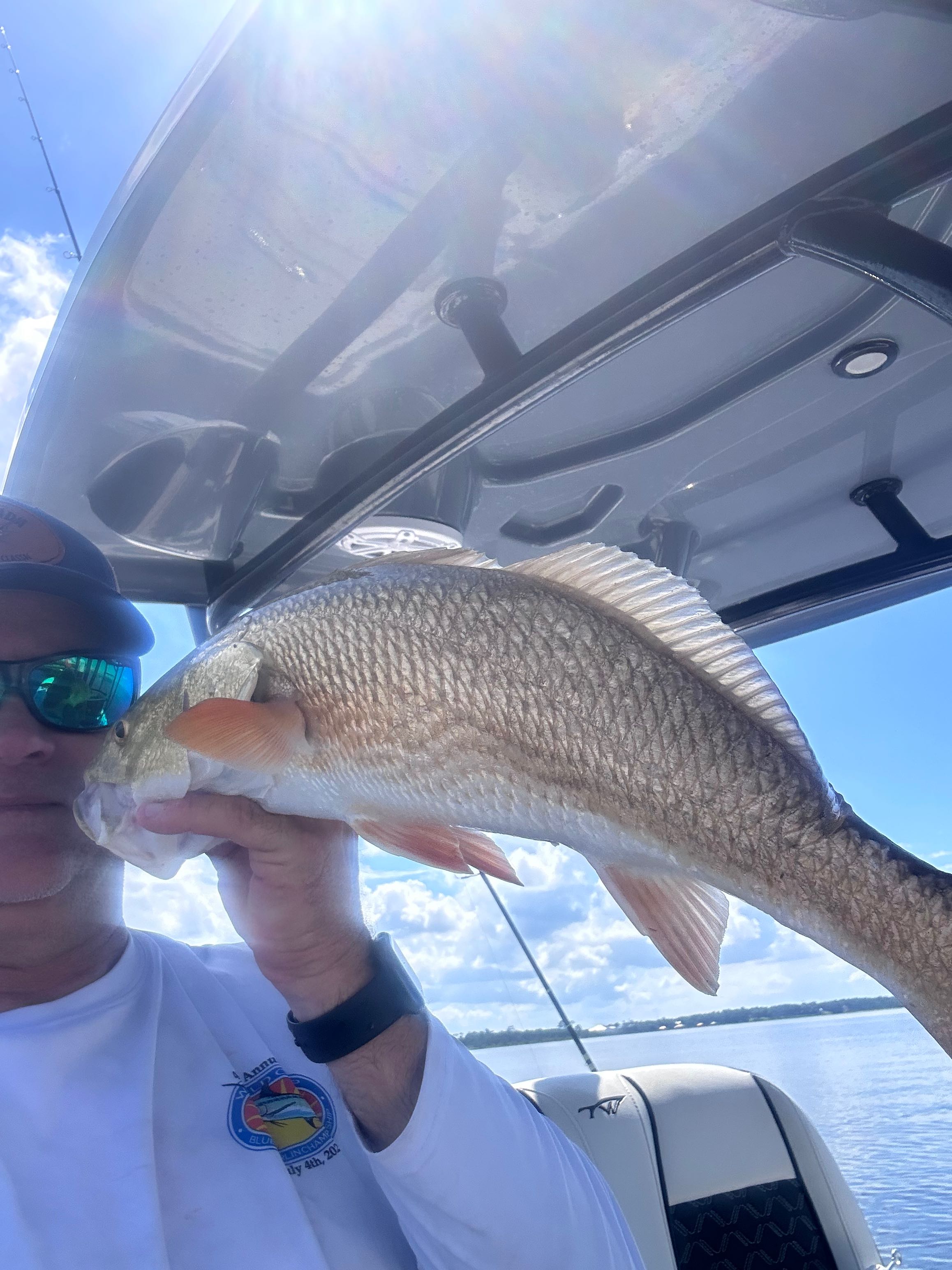
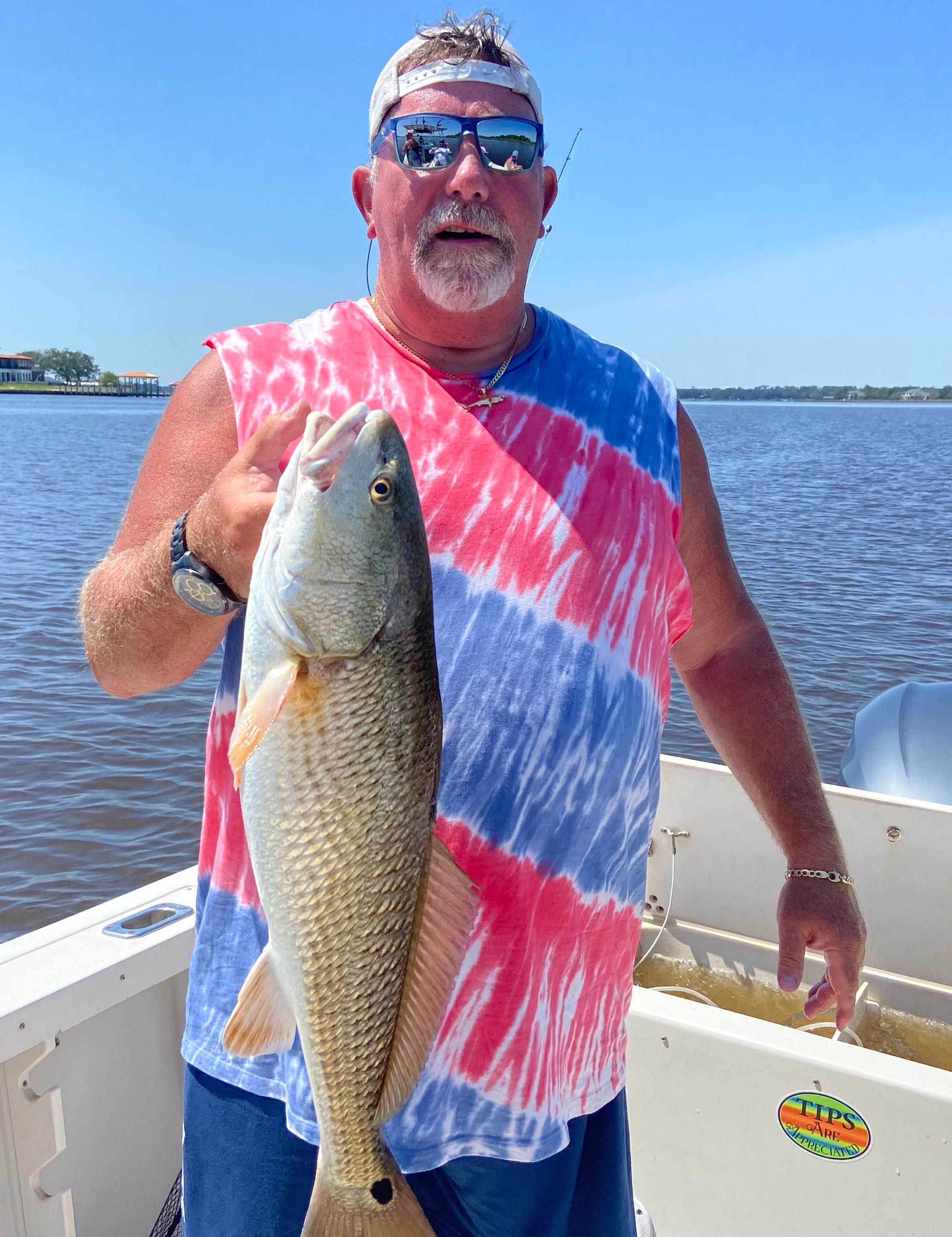
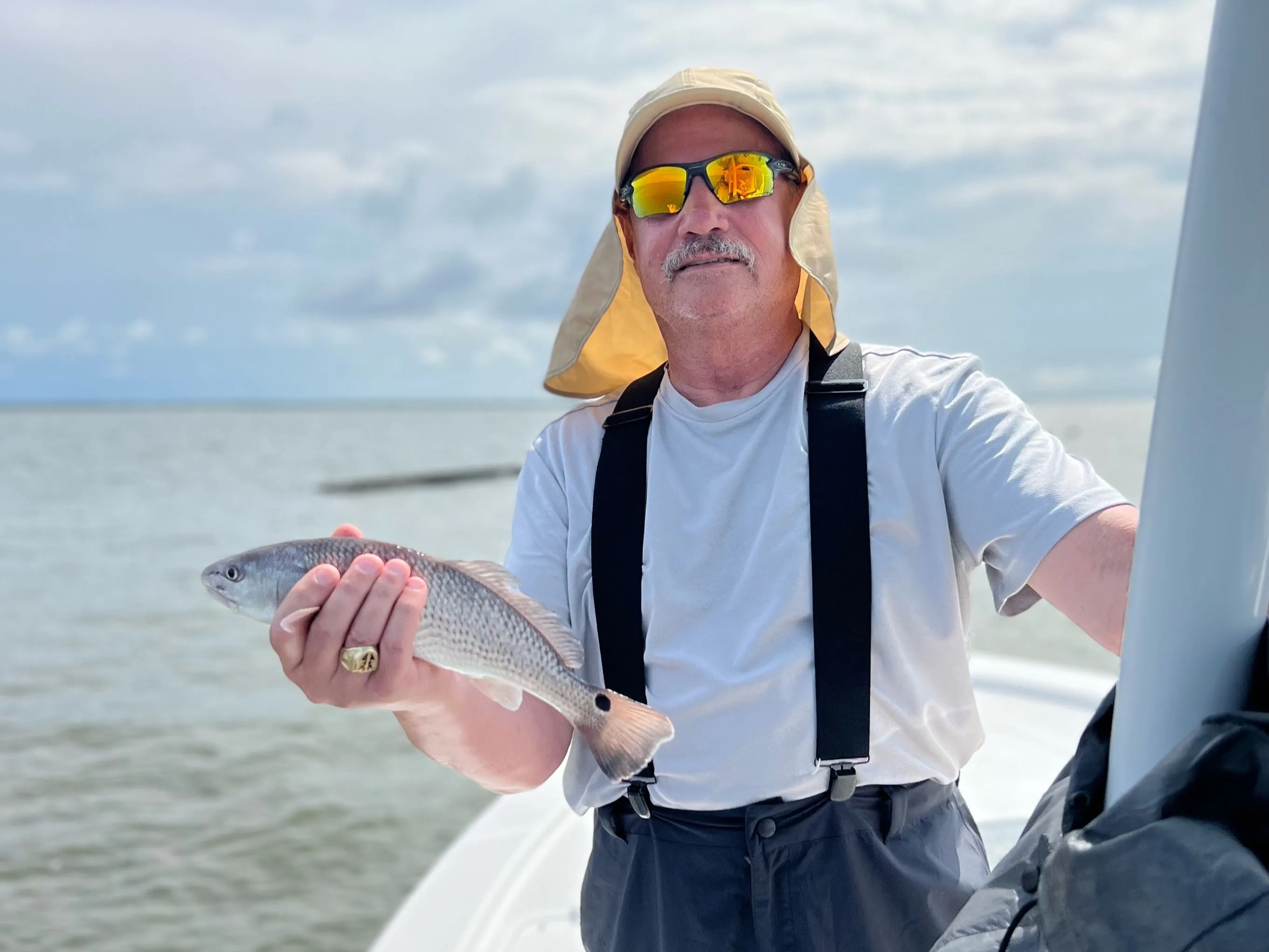
Redfish are the crown jewel of Mississippi inshore fishing, and for good reason. These copper-colored bruisers can push 30+ inches and will test your drag system with powerful runs. Spring through fall offers the best action, with fish schooling up in the back bays and cruising the flats during moving tides. Reds are notorious for their fighting ability—they'll make long, steady runs and use their broad sides to fight you all the way to the boat. What makes them special here is how they use the structure. Mississippi's oyster bars and grass beds create perfect ambush points where these fish love to feed.
Sea Trout, or "specks" as locals call them, are the bread and butter of Gulf Coast fishing. These spotted beauties are abundant from spring through fall, with the best action often coming during low-light periods. They typically run 14-20 inches, with bigger "gator trout" possible during cooler months. Specks are fun to catch because they're aggressive feeders and often travel in schools. Find one, and you'll usually find more. They love working the edges of grass beds and drop-offs, making them perfect targets for both live bait and artificial lures.
Spanish Mackerel bring speed and excitement to your fishing day. These streamlined fighters show up in warmer months and are known for their blistering runs and acrobatic jumps. They typically range 1-3 pounds but make up for size with pure energy. Mackerel are sight feeders that respond well to small spoons and jigs, and they'll often hit lures on the drop. When a school moves through, you can catch them on almost every cast until they disappear as quickly as they arrived.
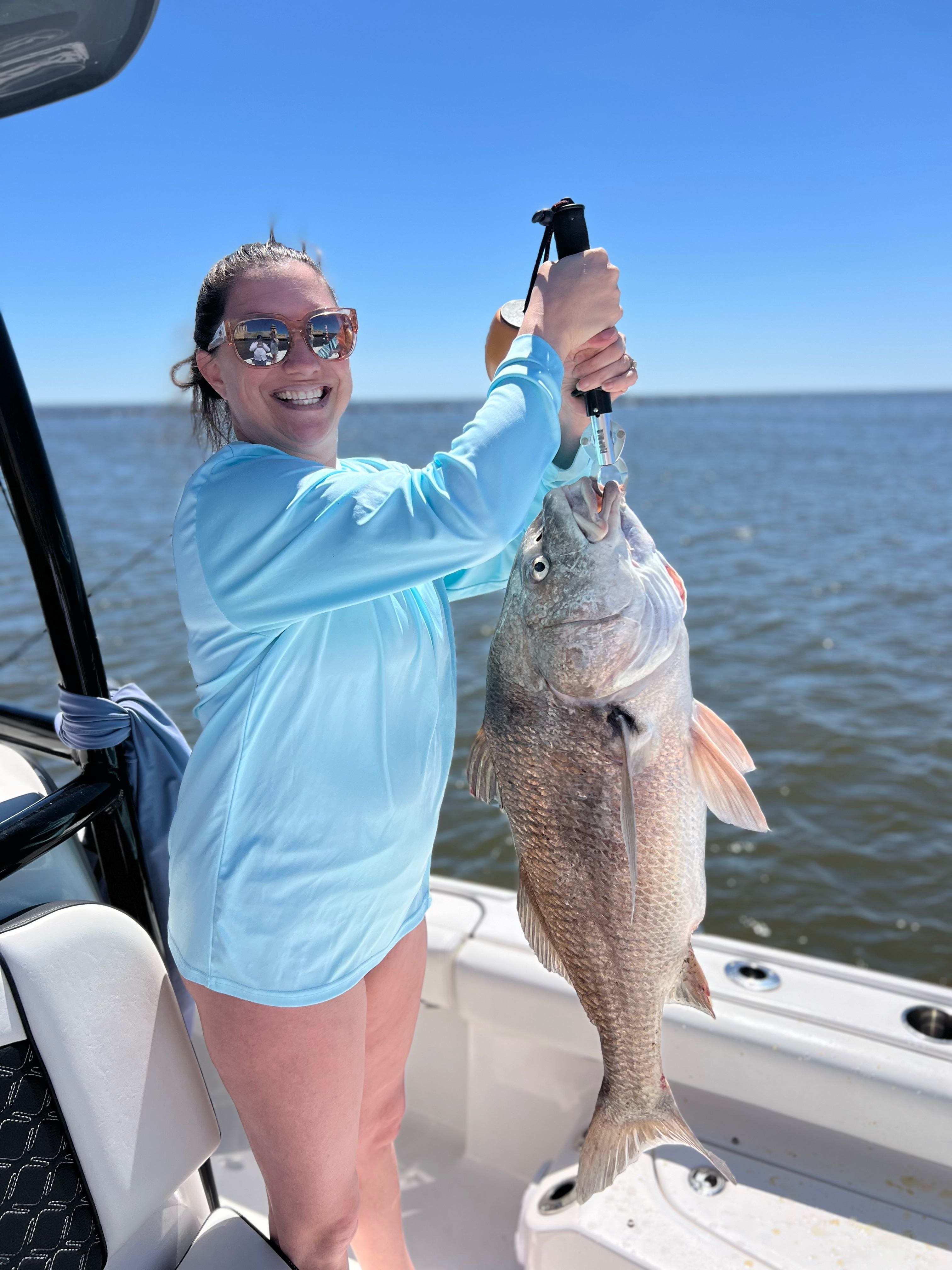
Black Drum are the heavyweights of the inshore scene, with fish over 40 pounds possible in Mississippi waters. These bottom-dwellers are most active during cooler months and are famous for their bulldogging fights. They don't jump, but they'll use their weight and strength to test your tackle and your patience. Drum love structure—piers, pilings, and oyster bars are prime spots. The key is getting your bait down to them and being ready for that slow, steady pull that signals a big fish.
Sheepshead are the technical challenge of the group, known for their incredible ability to steal bait and their human-like teeth. These black and white striped fish are most active in cooler water and are typically found around structure where they feed on barnacles and small crabs. Landing a sheepshead requires quick reflexes and sharp hooks—they're notorious for their light bites and quick escapes. But when you do hook one, they're excellent table fare and a worthy opponent that will test your skills.
Time to Book Your Spot
 5.0(2 Reviews)
 Private Trip
 Inshore Fishing
 Biloxi


 Target redfish and trout in Mississippi's productive back bays