Mississippi Inshore Fishing for Beginners
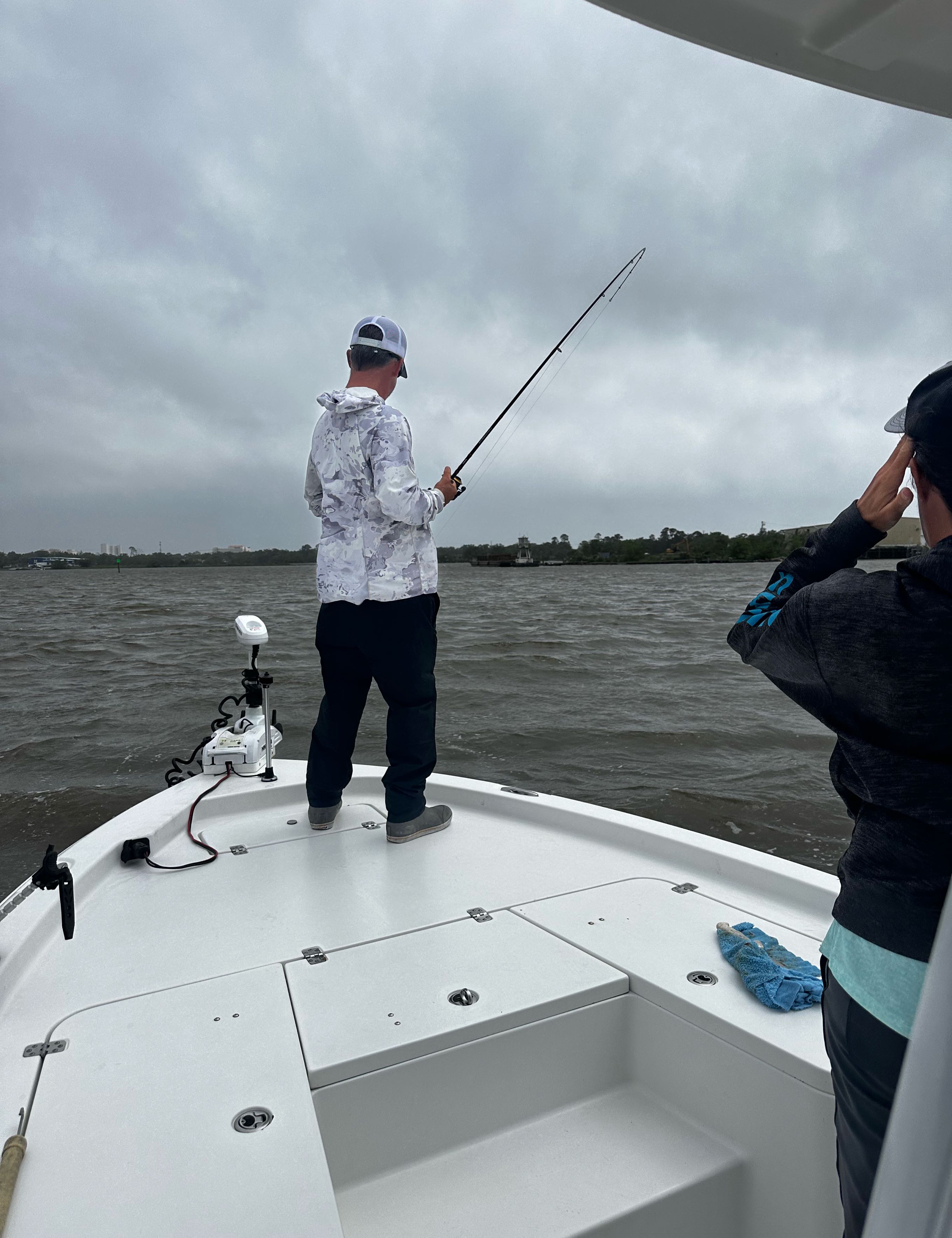
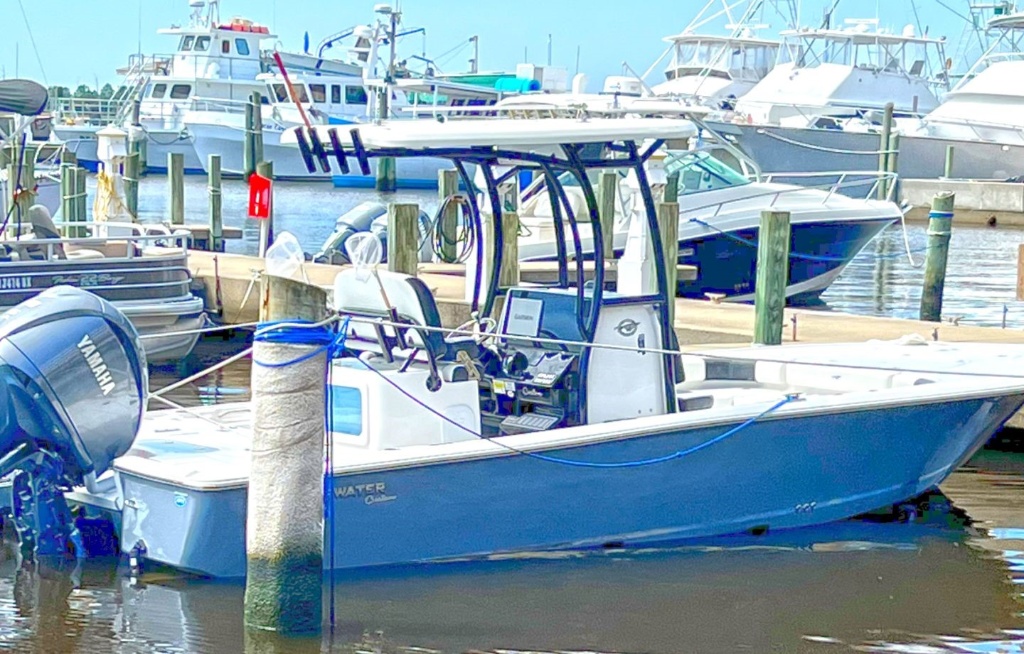
Looking to get your feet wet in the Mississippi Gulf Coast fishing scene? This beginner-friendly inshore trip puts you right where the action happens – in the protected back bays and estuaries where fish love to hang out. You'll be fishing from a brand-new 2022 Tidewater Carolina Bay that's built for comfort and stability, perfect when you're still getting your sea legs. We keep groups small at just 4 anglers max, so you get plenty of one-on-one time to learn the ropes without feeling rushed or crowded.
What to Expect on the Water
The Mississippi Gulf Coast's inshore waters are like a giant fish nursery – shallow, protected, and loaded with structure that attracts everything from schooling trout to bull redfish. You'll be fishing in water that's typically 2-8 feet deep, which means you can actually see the bottom and watch fish react to your bait. The Tidewater Carolina Bay sits low to the water, making it easy to land fish and move around the boat safely. Since we're staying inshore, you won't deal with big waves or rough seas – just calm, fishable water that lets you focus on learning technique instead of fighting seasickness. Your captain provides all the gear, from light spinning rods perfect for beginners to a full tackle box of proven baits and lures. Plus, your fishing license is covered, so you literally just show up with drinks and snacks.
Techniques You'll Master
Inshore fishing is all about reading the water and presenting baits where fish naturally feed. You'll learn to cast live shrimp under popping corks near oyster bars where redfish cruise looking for an easy meal. For trout, we'll show you how to work soft plastics along grass lines and drop-offs where they ambush baitfish. The beauty of fishing these back bays is that you can see structure – fallen trees, shell beds, and grass flats – so you understand why fish are in certain spots. We use light tackle that lets you feel every bite and fight, typically 2500-size spinning reels spooled with 15-20 lb braided line. When Spanish mackerel are running, we'll switch to small spoons and jigs that mimic the glass minnows they're chasing. The boat's shallow draft lets us get into skinny water where bigger boats can't go, putting you on fish that don't see much pressure.
Top Catches This Season
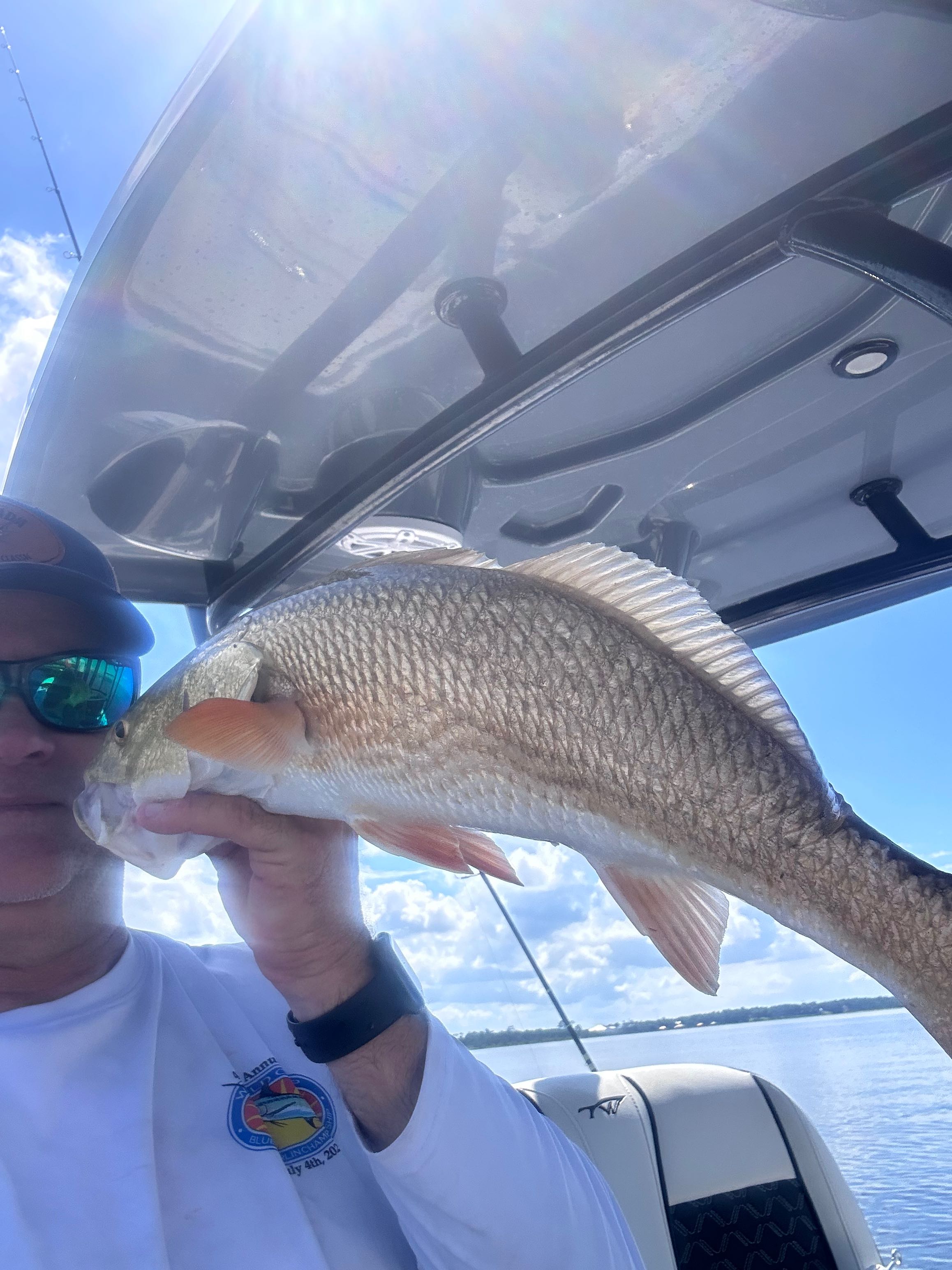
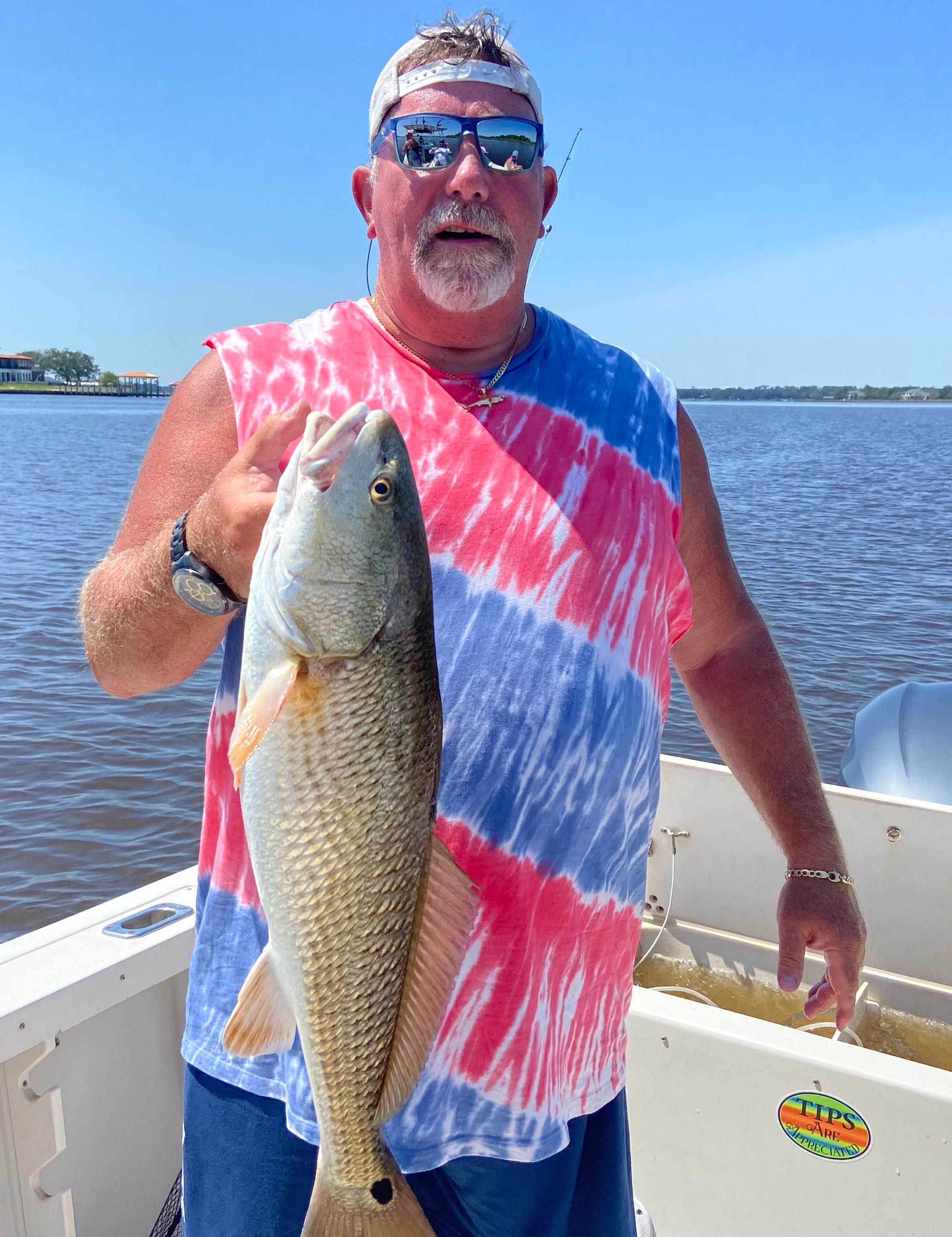
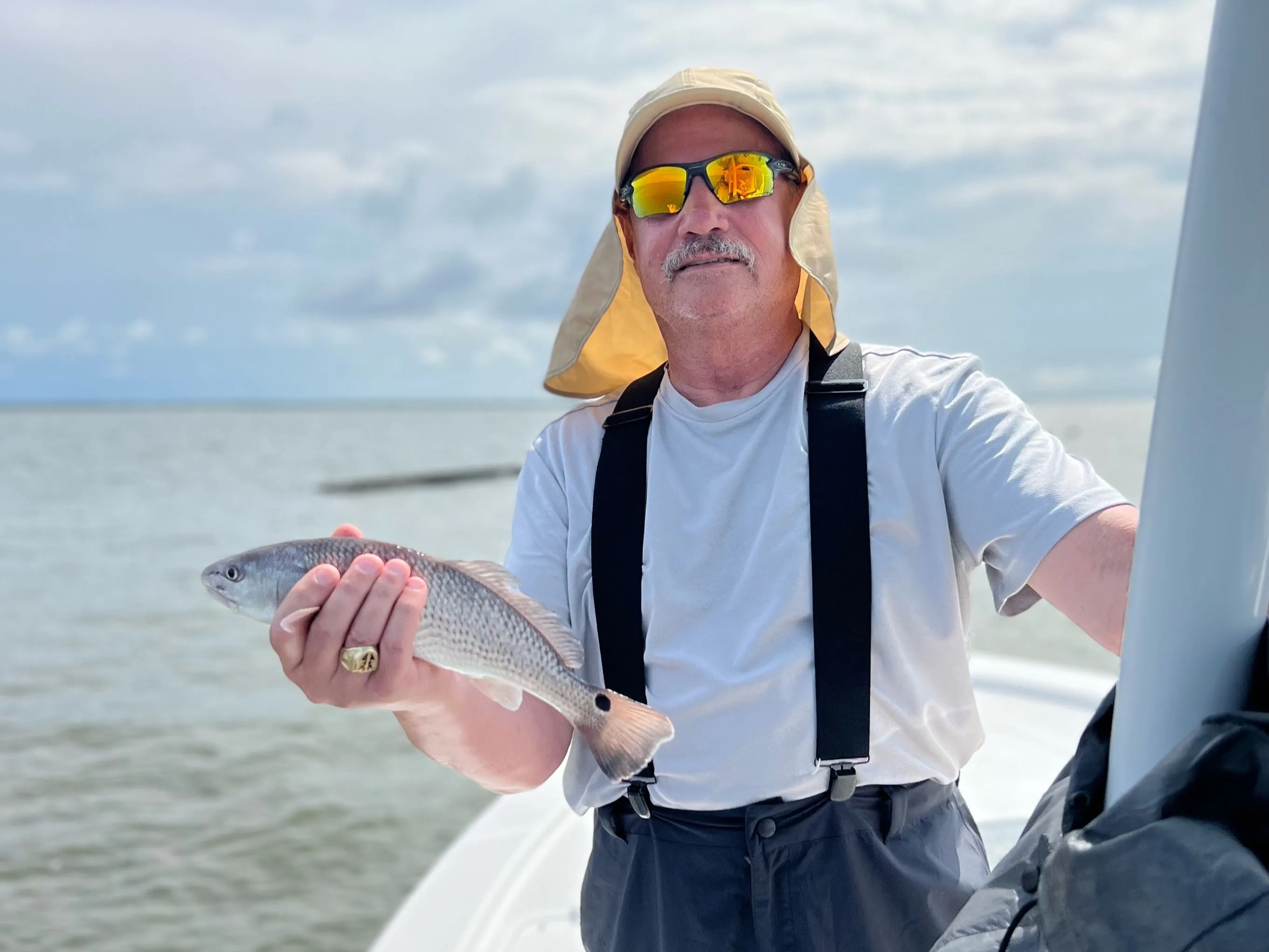
Redfish are the bread and butter of Mississippi inshore fishing, and for good reason – they're aggressive, fight hard, and hang around year-round. These copper-colored bruisers love shallow water and aren't too picky about what they eat. You'll find them tailing in 2-3 feet of water during warm months, pushing wakes as they cruise oyster bars and grass flats. Slot-size reds (16-27 inches) are perfect for the dinner table, while the big bulls (30+ inches) provide arm-burning fights before you release them. Spring and fall are prime time when they school up and feed heavily.
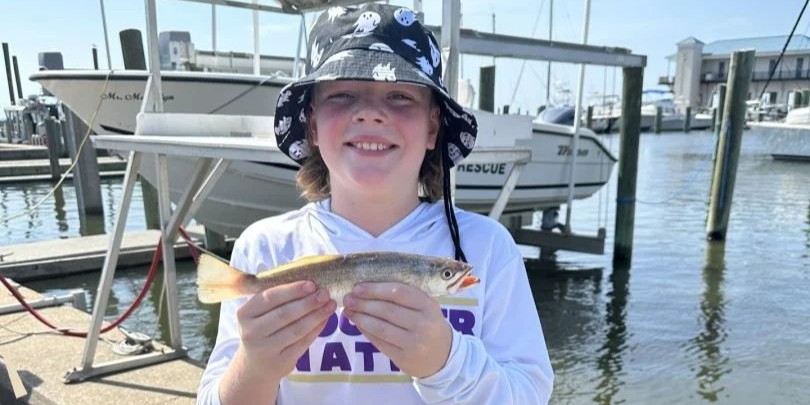
Speckled trout are the other main target, and they're probably the most fun fish to catch on light tackle. These spotted beauties hit hard and jump when hooked, making every fight exciting. Mississippi's grass flats hold good numbers of trout from spring through fall, with the best action happening during moving tides when baitfish get pushed around. They're structure-oriented fish, so we'll work shell beds, points, and channel edges where they set up to ambush prey. Keeper trout here run 14-20 inches typically, with some true gator trout pushing 25+ inches during peak season.
Spanish mackerel show up when the water warms, usually from late spring through early fall. These speed demons hit lures so hard they'll nearly pull the rod out of your hands. They school up and feed aggressively on glass minnows and small baitfish, often creating surface action that's visible from a distance. At 2-4 pounds, they're perfect for light tackle and make excellent table fare. The key is finding the bait schools – where there are glass minnows, Spanish mackerel won't be far behind.
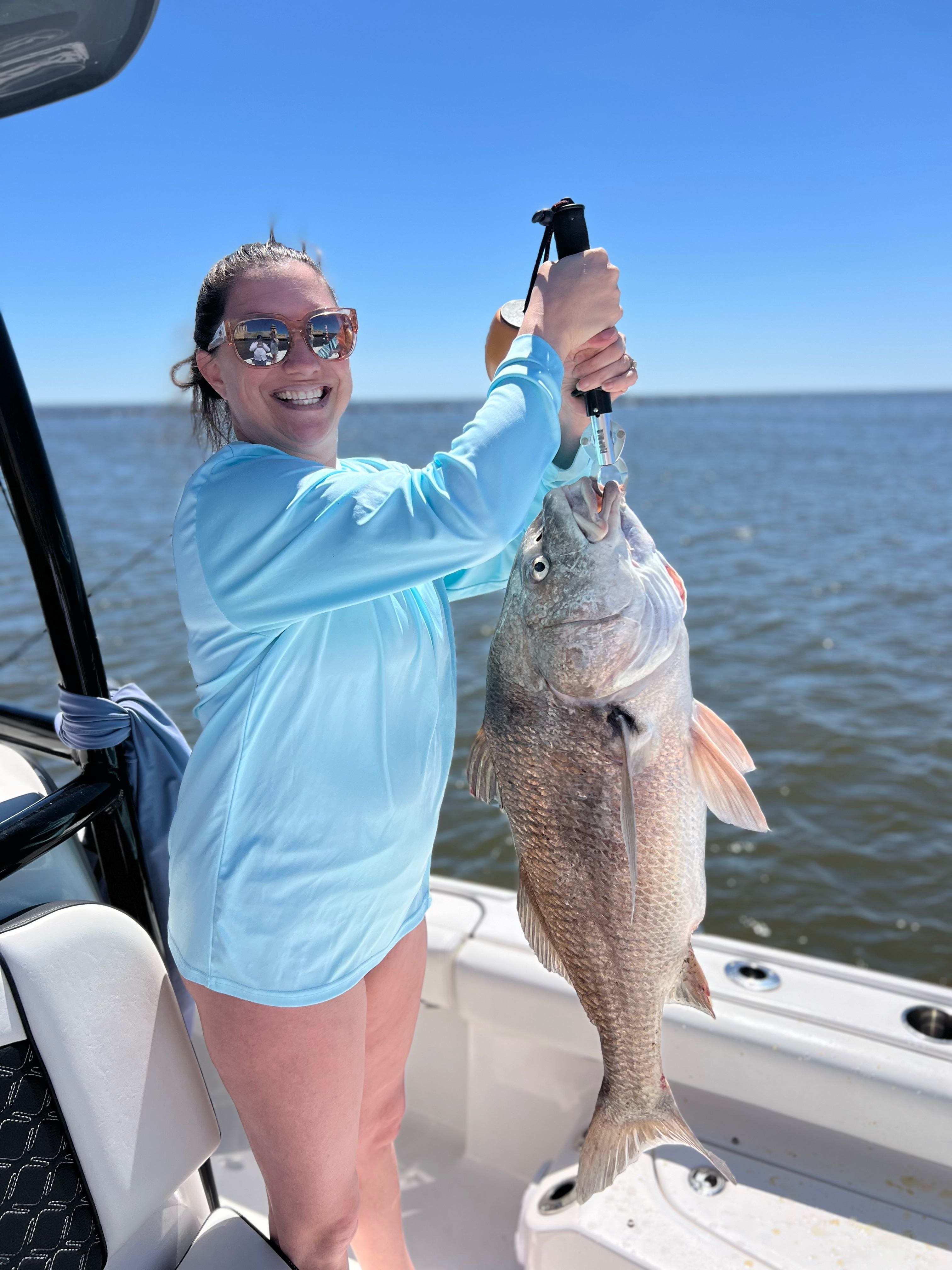
Black drum are the heavyweights of the inshore scene, with big ones pushing 40+ pounds. They're bottom feeders that love crabs and shrimp around structure like bridge pilings, reefs, and oyster bars. While not the fastest fighters, their sheer size and power make them tough opponents on medium tackle. Younger drum (under 16 inches) make good eating, while the big breeders get released to keep the population strong. They bite year-round but are most active during cooler months when they move into shallow water to feed.
Sheepshead are the trickiest fish you'll target – they're notorious bait stealers with human-like teeth that can crush crabs and barnacles. Finding them isn't hard since they stick close to structure like docks, pilings, and reefs. The challenge is detecting their subtle bite and setting the hook before they steal your bait. But land one and you'll have some of the best-eating fish in the Gulf. They're most active during cooler months when they move inshore to spawn, with March and April being prime time for big spawning fish.
Time to Book Your Spot
Mississippi's inshore waters offer some of the most beginner-friendly fishing on the Gulf Coast, and Charter Boat Family Tradition knows these waters like the back of their hand. You get quality gear, expert instruction, and access to fish that bigger boats can't reach – all at a pace that lets you actually learn instead of just going through the motions. The small group size means everyone gets hands-on attention, whether you're learning to tie knots or fighting your first redfish. With your license included and gear provided, this is the easiest way to see what Gulf Coast fishing is all about
 Private Trip
 Inshore Fishing
 Biloxi


 Beginner-friendly inshore fishing targeting redfish and trout