Half Day Bay Fishing Private Trip
Looking for a solid morning on the water without committing to a full day? This half-day bay fishing charter from Fort Myers to Pine Island hits the sweet spot for anglers wanting quality fishing time in some of Southwest Florida's most productive inshore waters. We'll launch at 9 AM sharp and spend the next four hours working the mangrove shorelines, grass flats, and oyster bars where the fish love to hang out. Whether you're bringing the family or a group of fishing buddies, this private charter keeps things relaxed while putting you on the fish.
What to Expect on the Water
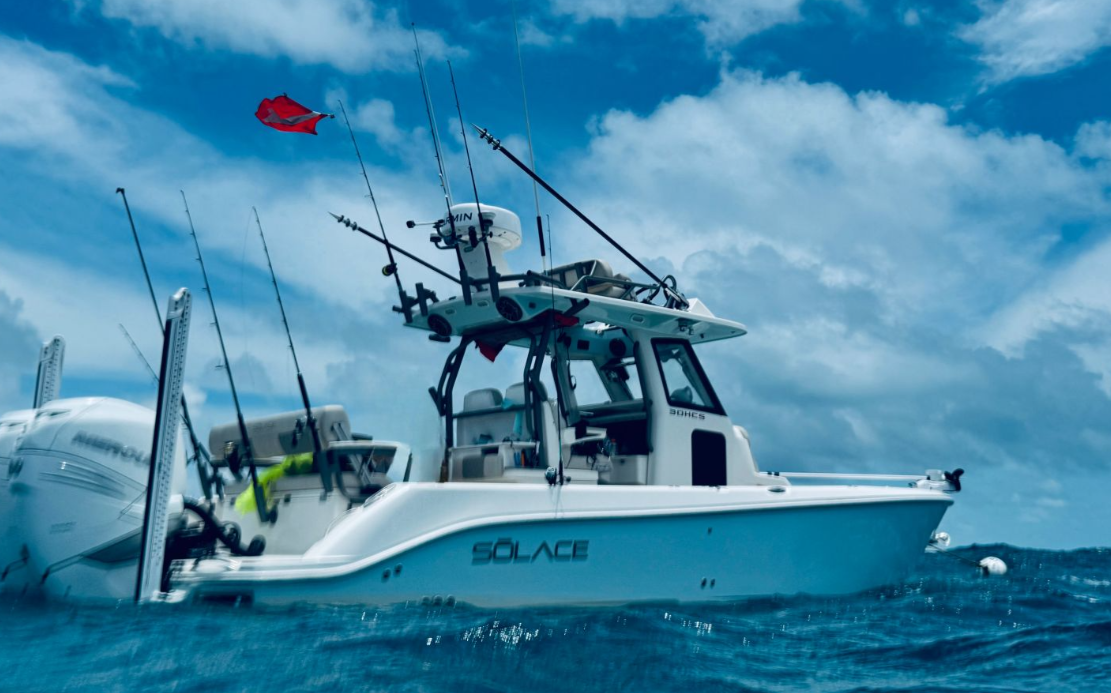
The back bay waters between Fort Myers and Pine Island offer some of the most consistent fishing you'll find anywhere along Florida's Gulf Coast. We'll be running a shallow-draft boat that lets us get into those skinny water spots where the big fish feed. The morning bite is usually our best bet, and by starting at 9 AM, we're hitting prime time when the water temperature is perfect and the baitfish are active. You'll be fishing around mangrove islands that provide natural structure and shade, plus expansive grass flats where predatory fish cruise looking for an easy meal. The scenery alone is worth the trip – crystal clear water, abundant wildlife, and that classic Florida backcountry feel. Don't be surprised if dolphins show up to check out what we're doing, and manatees are regular visitors in these protected waters. The boat accommodates up to four anglers comfortably, so there's plenty of room to spread out and everyone gets their shot at the action.
Techniques & Tackle
We'll be using light tackle spinning gear perfectly suited for inshore fishing – nothing too heavy that takes the fight out of the fish, but strong enough to handle whatever we hook into. Live bait is usually our go-to choice, with live shrimp being the universal favorite that everything seems to eat. We'll also have pinfish, pilchards, and sometimes live crabs depending on what's available and what the fish are keying in on that day. Artificial lures definitely have their place too – soft plastics like paddle tails and jerk baits work great when bounced along the grass flats, and topwater plugs can provide some explosive action when conditions are right. We'll be doing a mix of drift fishing over the flats and anchoring up on structure like oyster bars and mangrove points. The water depth varies from just a couple feet on the flats to maybe eight or ten feet in the deeper channels, so we can adjust our presentation based on where the fish are holding. I'll handle all the rigging and re-baiting, so you can focus on feeling those bites and setting the hook.
Target Species
Sea Trout are probably the most reliable fish we'll encounter on this trip, and they're a blast to catch on light tackle. These spotted beauties love the grass flats and typically run anywhere from keeper size at 15 inches up to nice "gator" trout pushing 20 inches or better. They hit live shrimp aggressively and put up a decent fight with some nice head shakes. Spring through fall offers the best action, though we catch them year-round. What makes trout fishing so enjoyable is their willingness to bite and the fact that once you find one, there are usually more in the area.
Bonnethead Shark might sound intimidating, but these smaller members of the hammerhead family are actually a ton of fun to catch and completely harmless. They average two to three feet long and are incredibly common in our shallow bay waters, especially during the warmer months. They're bottom feeders that love live shrimp and small crabs, and once hooked, they'll make several strong runs that'll get your heart pumping. Kids especially love catching these because of their unique hammer-shaped head and the fact that they're actually catching a real shark.
Crevalle Jack are the ultimate light tackle gamefish – pound for pound, nothing pulls harder than a jack. These silver bullets typically show up in schools and range from smaller "bar jacks" to bigger specimens that can hit 10 pounds or more. They're most active during the warmer months and absolutely demolish live bait or fast-moving artificials. When you hook a good jack, get ready for a serious fight that'll test your tackle and your arms. They're not great table fare, but the experience of fighting one is something you won't forget.
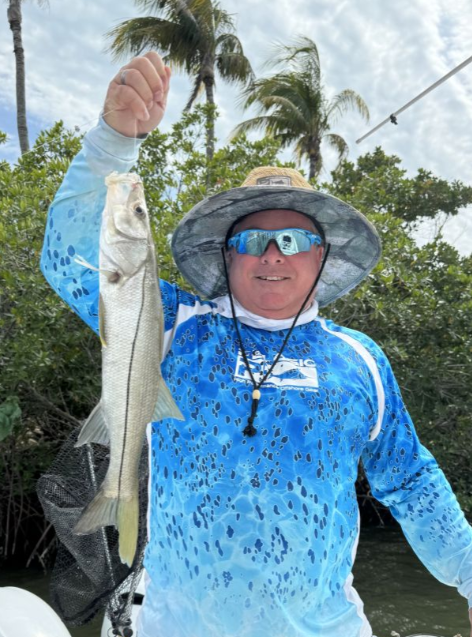
Mutton Snapper are considered one of the premier eating fish in these waters, with their firm white meat and mild flavor. They're typically found around structure like oyster bars and mangrove roots, and they can be finicky biters that require some finesse. Most run in the 12 to 18-inch range, though bigger ones are definitely possible. They're most active during the warmer months and tend to bite better on live bait presented near the bottom. Landing a nice mutton snapper often requires patience, but the reward is worth it both for the fight and the dinner table.
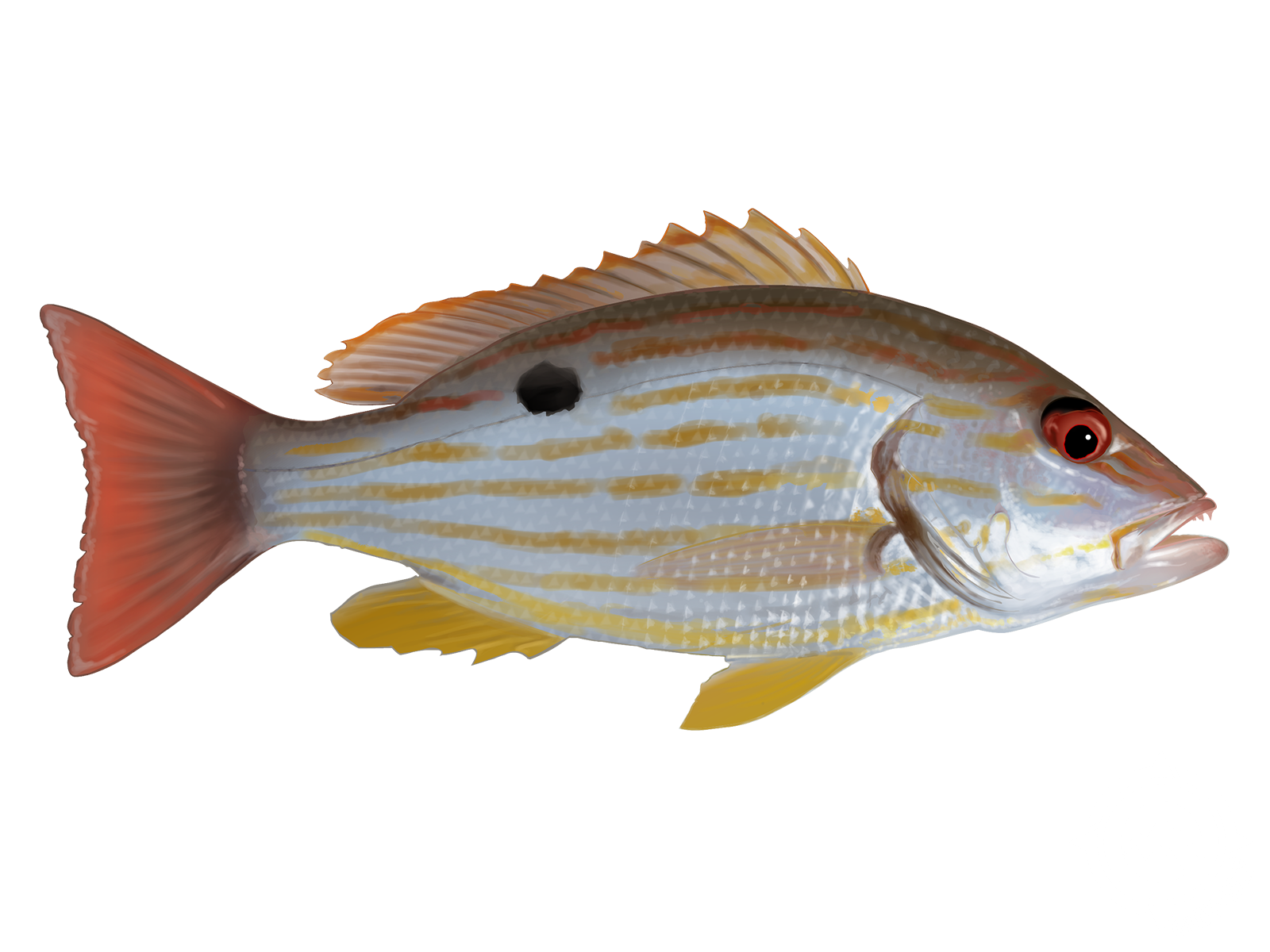
Lane Snapper are smaller cousins to the mutton snapper but just as tasty and often more cooperative. These colorful fish with their distinctive pink and yellow stripes rarely get bigger than 12 inches, but they make up for size with numbers and eating quality. They're perfect for kids and novice anglers because they bite readily and are easy to catch once you locate a school. Lane snappers prefer similar habitat to mutton snapper but are generally found in slightly deeper water along channel edges and around hard bottom areas.
Time to Book Your Spot
This half-day bay fishing trip offers everything you want in a Florida fishing experience – consistent action, beautiful scenery, and the chance to catch a variety of quality fish without the commitment of a full day charter. The 9 AM start time gets you on the water when the fishing is prime, and you'll still have your afternoon free for other activities. At just four hours, it's perfect for families with younger kids, first-time charter guests, or experienced anglers who want to sample the local fishing
 Private Trip
 Backcountry Fishing
 Fort Myers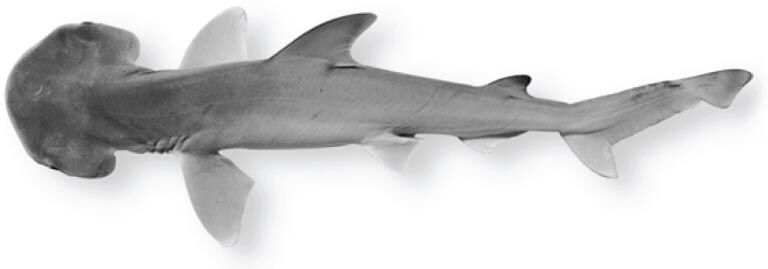



 Half-day backcountry fishing trip targeting snook, redfish, and tarpon