Fort Pierce Full Day Inshore Fishing Charter
When you're looking for world-class inshore fishing in Florida, Fort Pierce's Indian River Lagoon delivers some of the most productive waters on the east coast. This full day charter with Chosen One Fishing Charters puts you right in the heart of the action for eight solid hours of fishing paradise. You'll be targeting premium inshore species in waters that consistently produce trophy catches, all while soaking up the Florida sunshine with an experienced captain who knows these flats like the back of his hand.
What to Expect on the Water
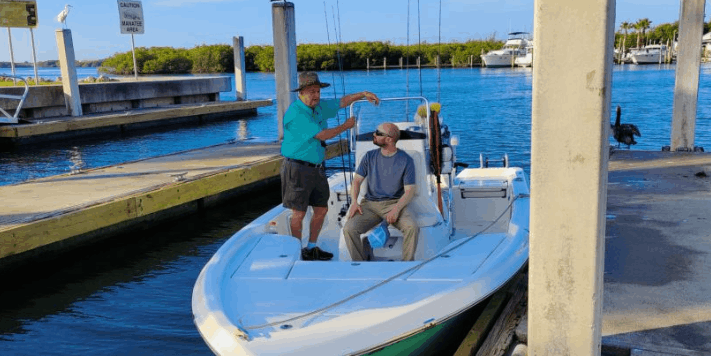
Your eight-hour adventure starts early when you meet your captain at the Fort Pierce marina. The Indian River Lagoon system here is absolutely massive - we're talking about over 150 miles of interconnected waterways, grass flats, mangrove shorelines, and deep channels that hold fish year-round. This isn't your typical tourist fishing trip where you're rushed from spot to spot. With a full day charter, your guide has the luxury of time to really work the productive areas and adapt to what the fish are doing that particular day. The boat holds up to four anglers, so you'll have plenty of elbow room and personalized attention from your captain. Weather plays a big role in where you'll fish - on calm days, you might work the outside flats near the inlet, while windier conditions often mean tucking into protected mangrove creeks where the fish stack up. Your guide provides all the tackle, bait, and local knowledge you need, plus lunch is included so you can stay focused on fishing without worrying about heading back to shore.
Techniques and Tackle
Inshore fishing in Fort Pierce requires a mix of techniques depending on what species you're targeting and the conditions. Your captain will have you rigged up with everything from live shrimp under popping corks for snook around the docks to cut bait on the bottom for sheepshead around structure. Artificial lures play a huge role here too - soft plastics on jig heads are deadly for trout over grass flats, while topwater plugs can trigger explosive strikes from snook and tarpon during early morning and late afternoon periods. The shallow water means you'll often be sight fishing, which is incredibly exciting when you can actually see the fish you're casting to. Your guide will position the boat using a trolling motor to stay quiet and give you the best angles for presentations. Circle hooks are standard practice for catch and release, and your captain will handle all the unhooking and photographing so you can focus on the fun part. The tackle is typically medium-light spinning gear that gives you great sensitivity for detecting bites while still having enough backbone to handle bigger fish like tarpon that can show up unexpectedly.
Top Catches This Season
Snook: These ambush predators are the crown jewel of Fort Pierce inshore fishing. Snook love structure - you'll find them hanging around docks, mangrove overhangs, and bridge pilings waiting to slam anything that looks like an easy meal. They're extremely temperature sensitive, so the best action typically happens when water temps are between 70-85 degrees. Spring and fall are peak seasons, but summer can be fantastic if you fish the early morning and evening hours. What makes snook so special is their aggressive strike and bulldogging fight - they'll run straight for cover the second they feel the hook. Most snook here run between 20-35 inches, with slot-sized keepers mixed in with oversized fish that have to go back. The gill-rattling jump they throw when hooked never gets old.
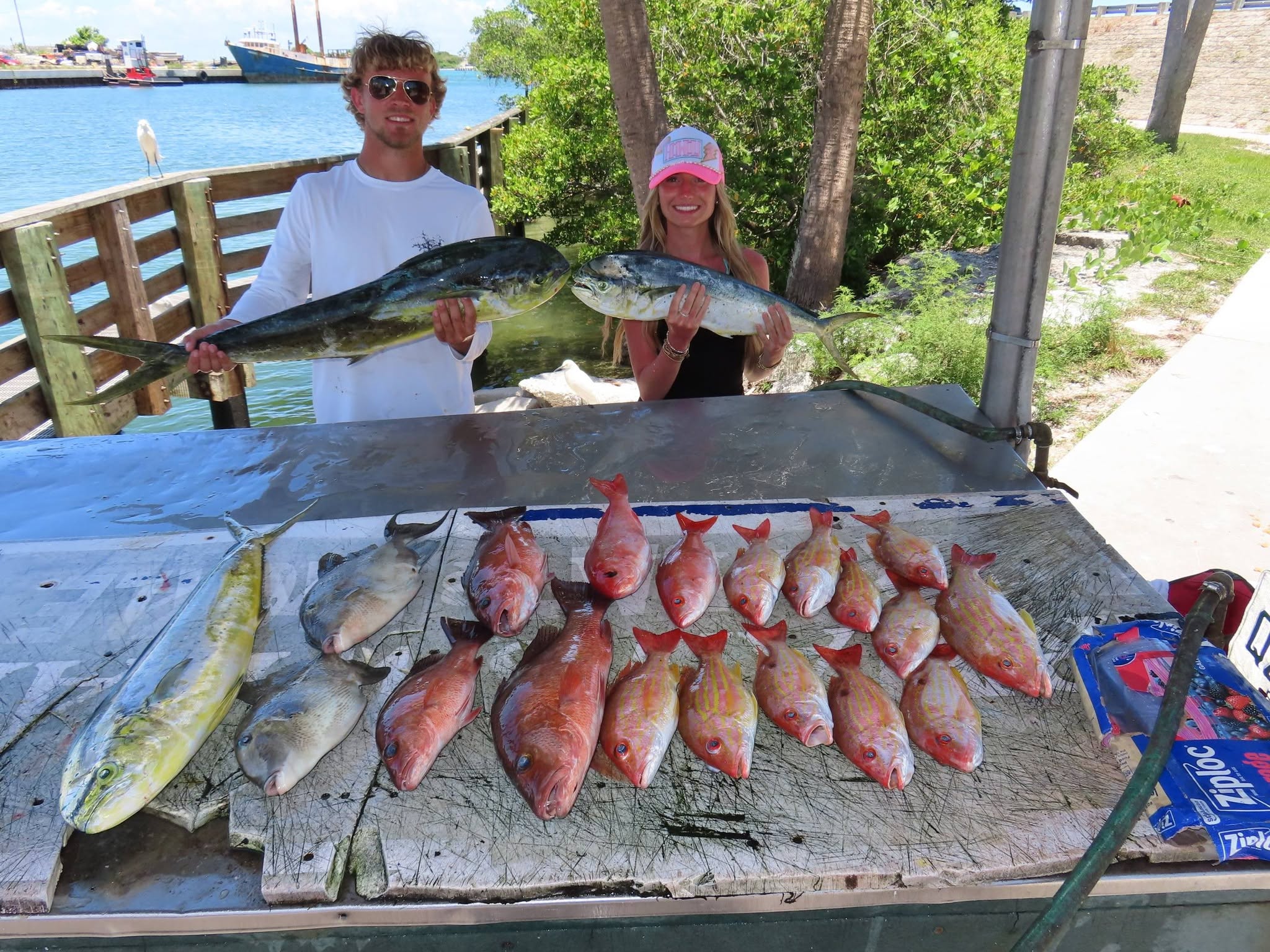
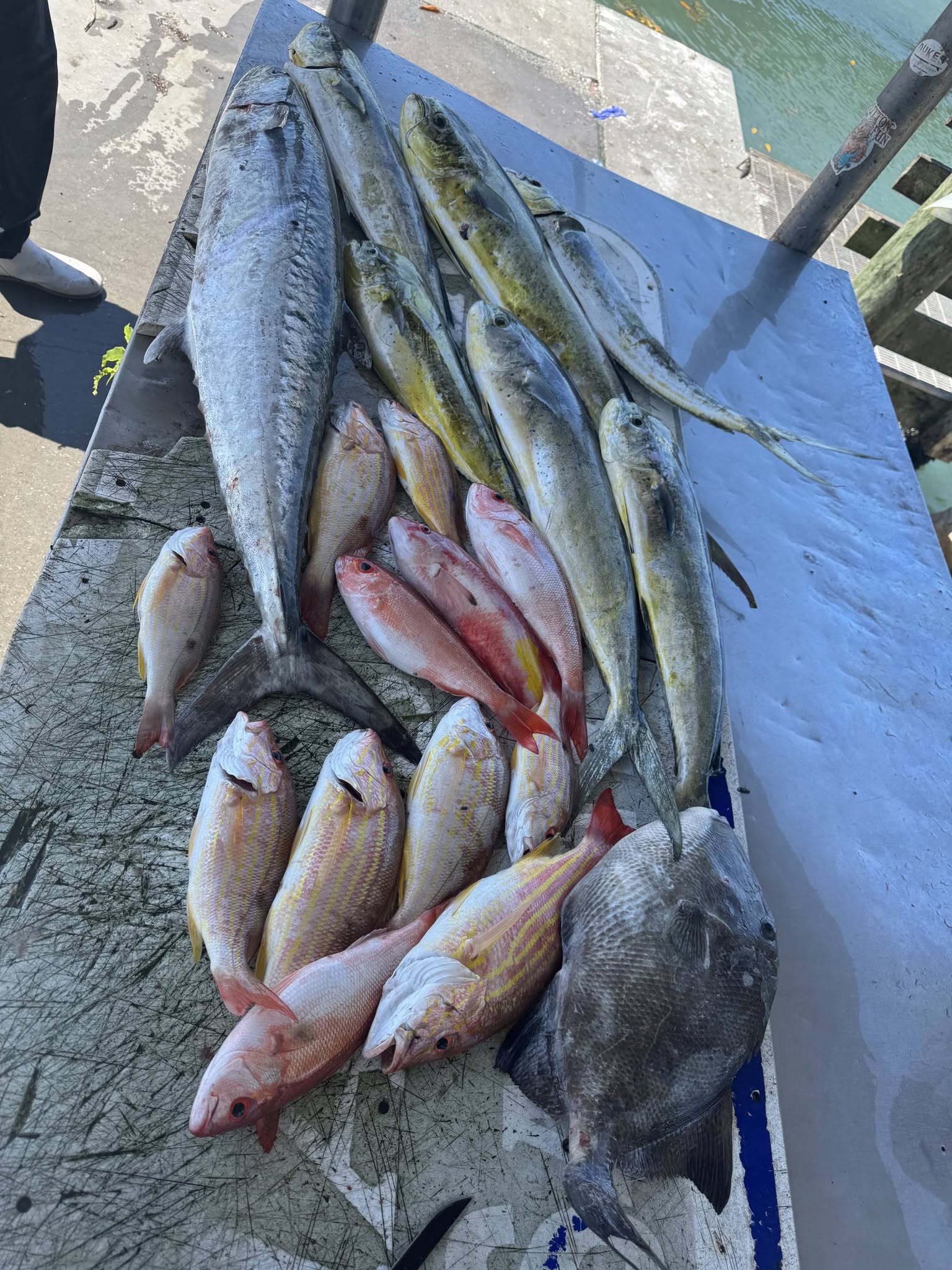
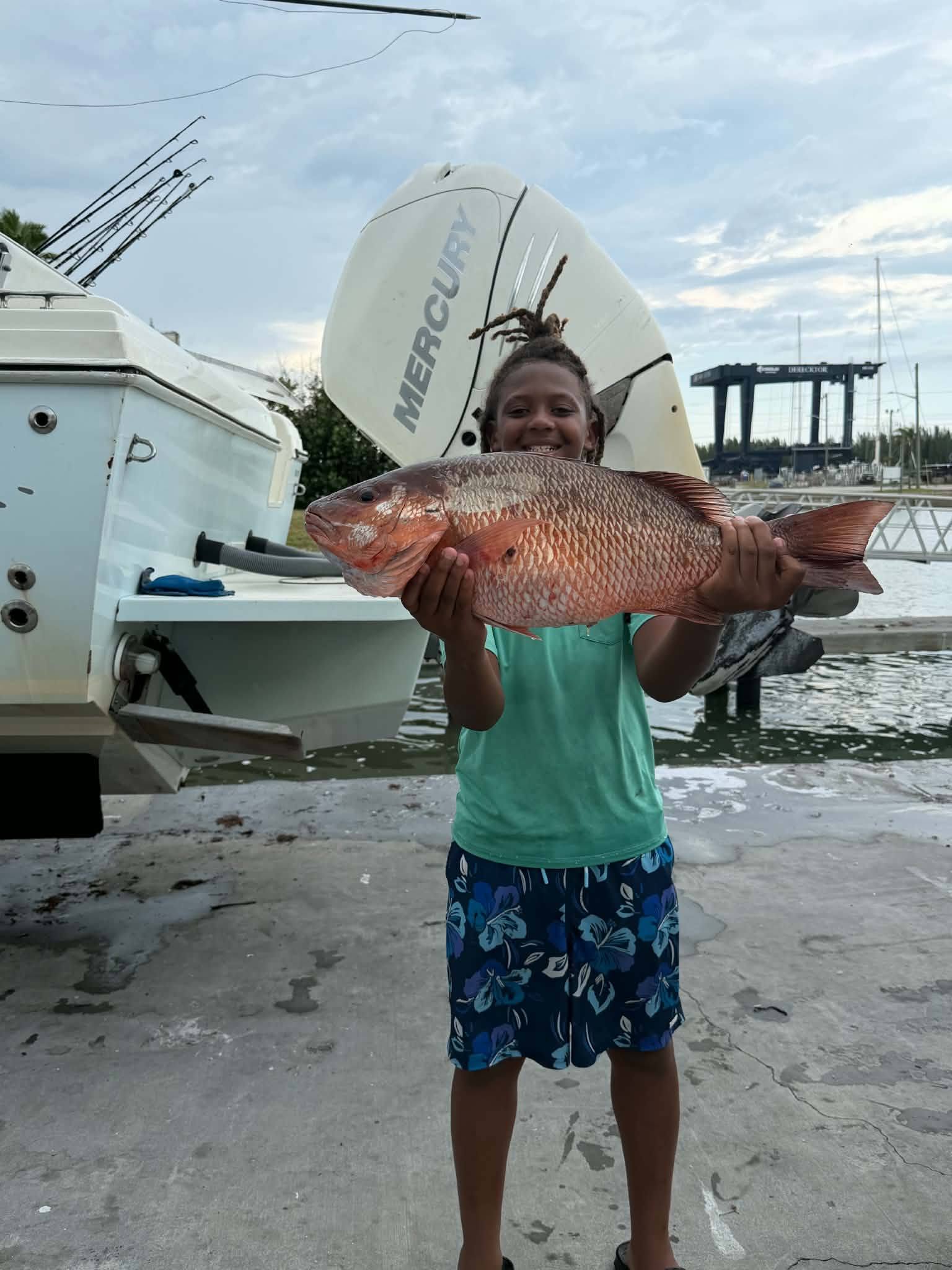
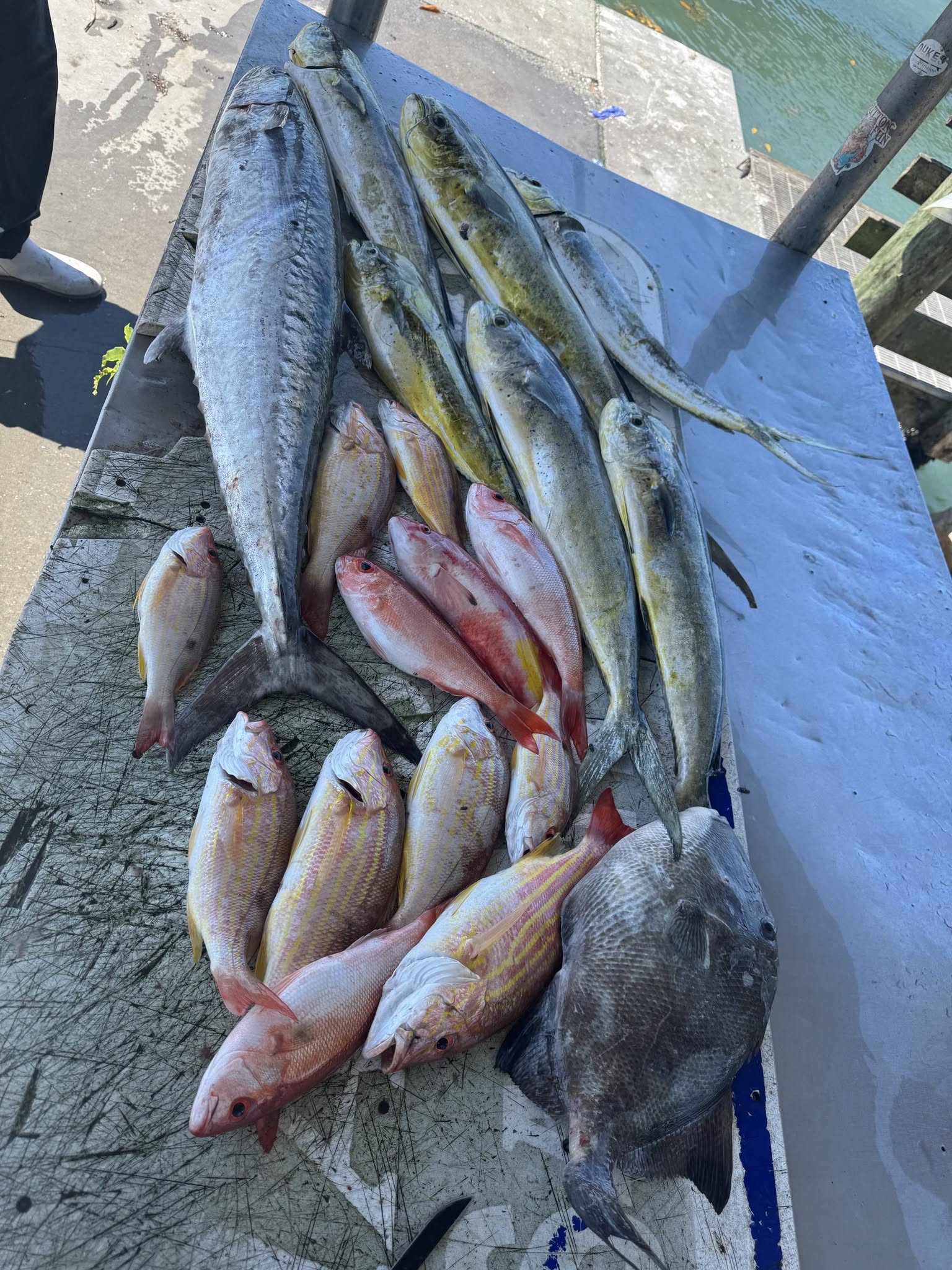
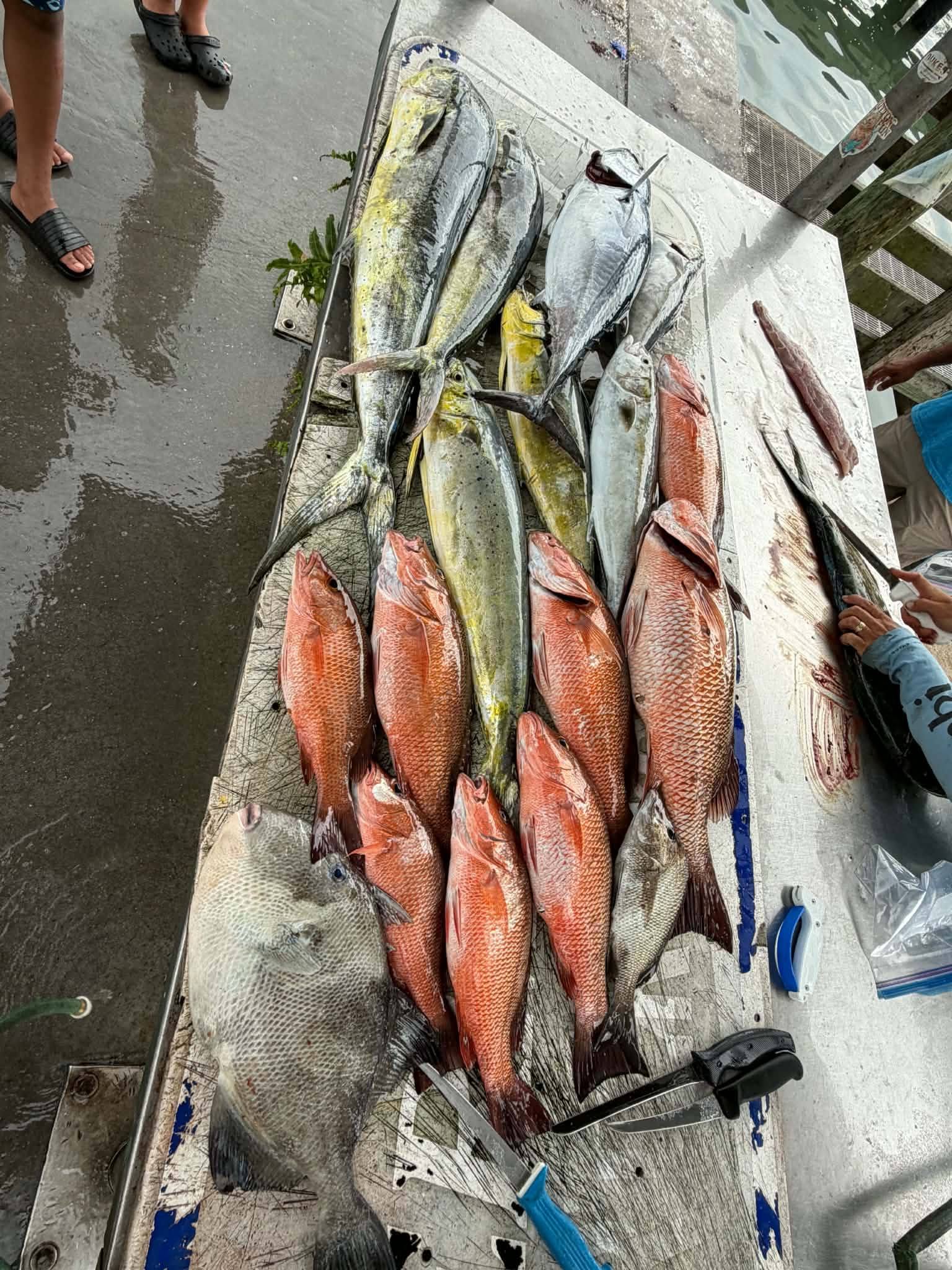
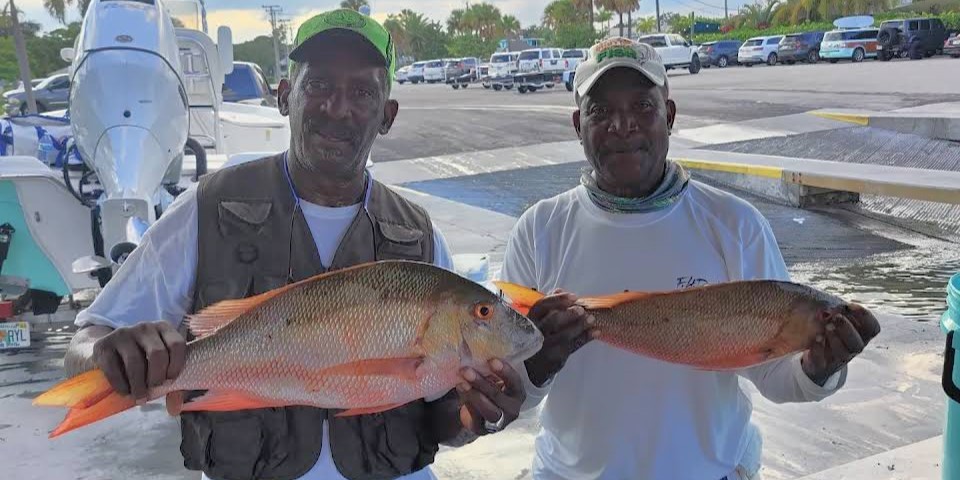
Grey Snapper: Also called mangrove snapper, these scrappy fighters are abundant around Fort Pierce's numerous docks and structures. They're notorious bait stealers with excellent eyesight and a knack for detecting even the slightest irregularity in your presentation. Most greys here run 12-16 inches, but the lagoon holds some真正 quality fish pushing 18+ inches. They're year-round residents that feed more aggressively during moving tides. Live or fresh-dead shrimp is hard to beat, but they'll also hit small jigs and flies. The fight is impressive for their size - they use that deep body to create maximum resistance and will try every trick to wrap you around structure.
Tarpon: Fort Pierce is famous for its resident tarpon population, especially the juvenile "poons" that call the lagoon home year-round. These silver kings range from 10-pound babies up to 80+ pound adults that migrate through during spring and summer. Juvenile tarpon are incredibly acrobatic - they'll jump repeatedly and put on an aerial show that's absolutely spectacular. The larger migratory fish are pure power, capable of spooling reels and testing every knot in your system. Peak tarpon season runs from April through October, with the biggest fish typically showing up during the summer months. They're completely catch-and-release, but landing one is a badge of honor that every angler should experience.
Sheepshead: These black-and-white striped convicts are the ultimate structure fish, hanging tight to pilings, docks, and rocks where they feed on barnacles, crabs, and shrimp. Sheepshead have human-like front teeth that they use to crush shellfish, making them notorious bait stealers. The key is using small hooks with fresh shrimp or fiddler crabs and detecting the subtle tap-tap bite before they drop the bait. Winter is prime time for sheepshead when they school up in large numbers around inlets and bridges. They're excellent table fare and provide steady action when other species are finicky.
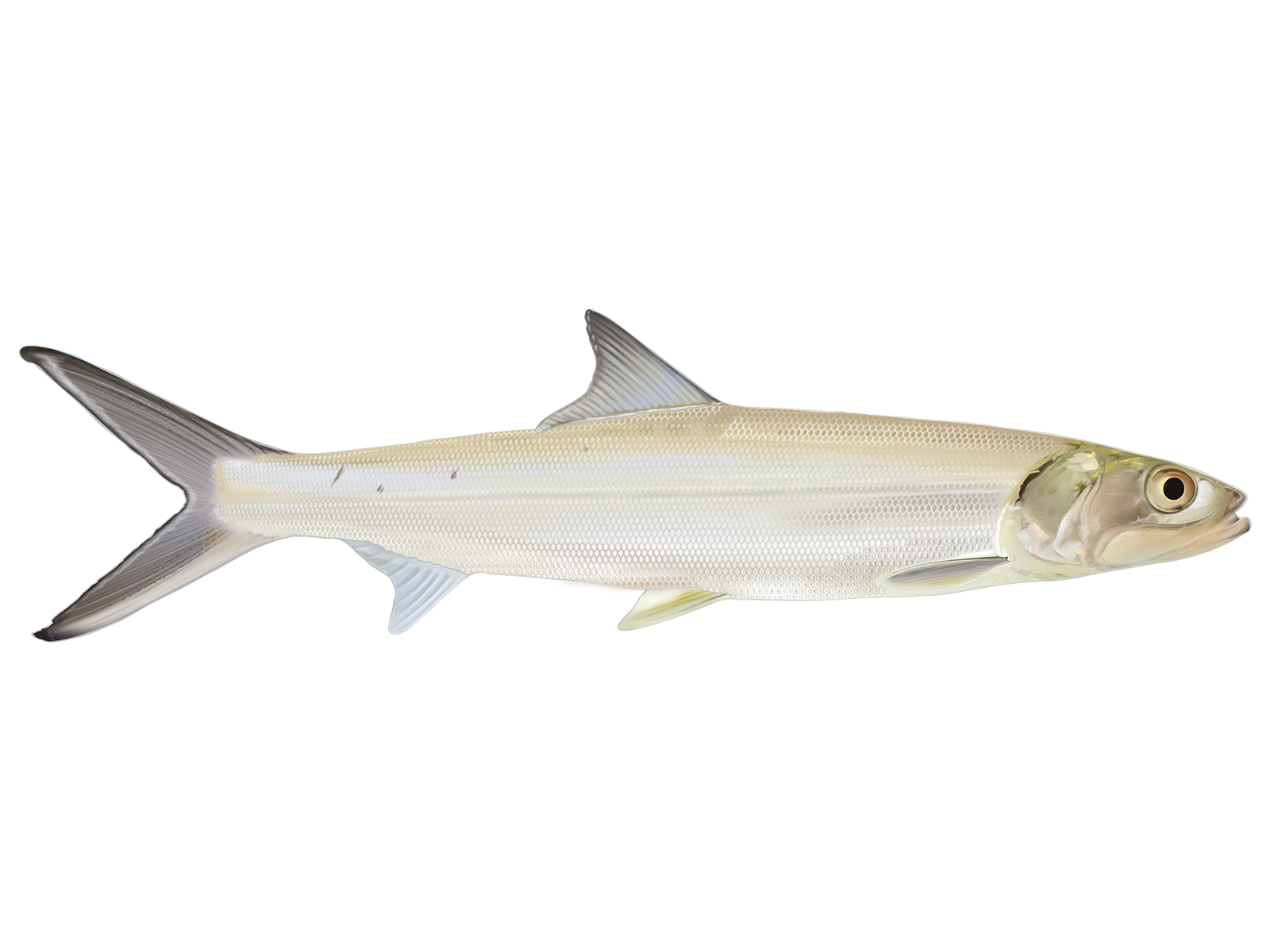
Ladyfish: Don't let anyone tell you ladyfish aren't fun - these silver torpedoes are incredibly acrobatic and hit lures with reckless abandon. They're perfect for light tackle action and are often the first species beginners connect with. Ladyfish school up in large numbers and when you find them, you can catch fish on every
 Private Trip
 Inshore Fishing
 Fort Pierce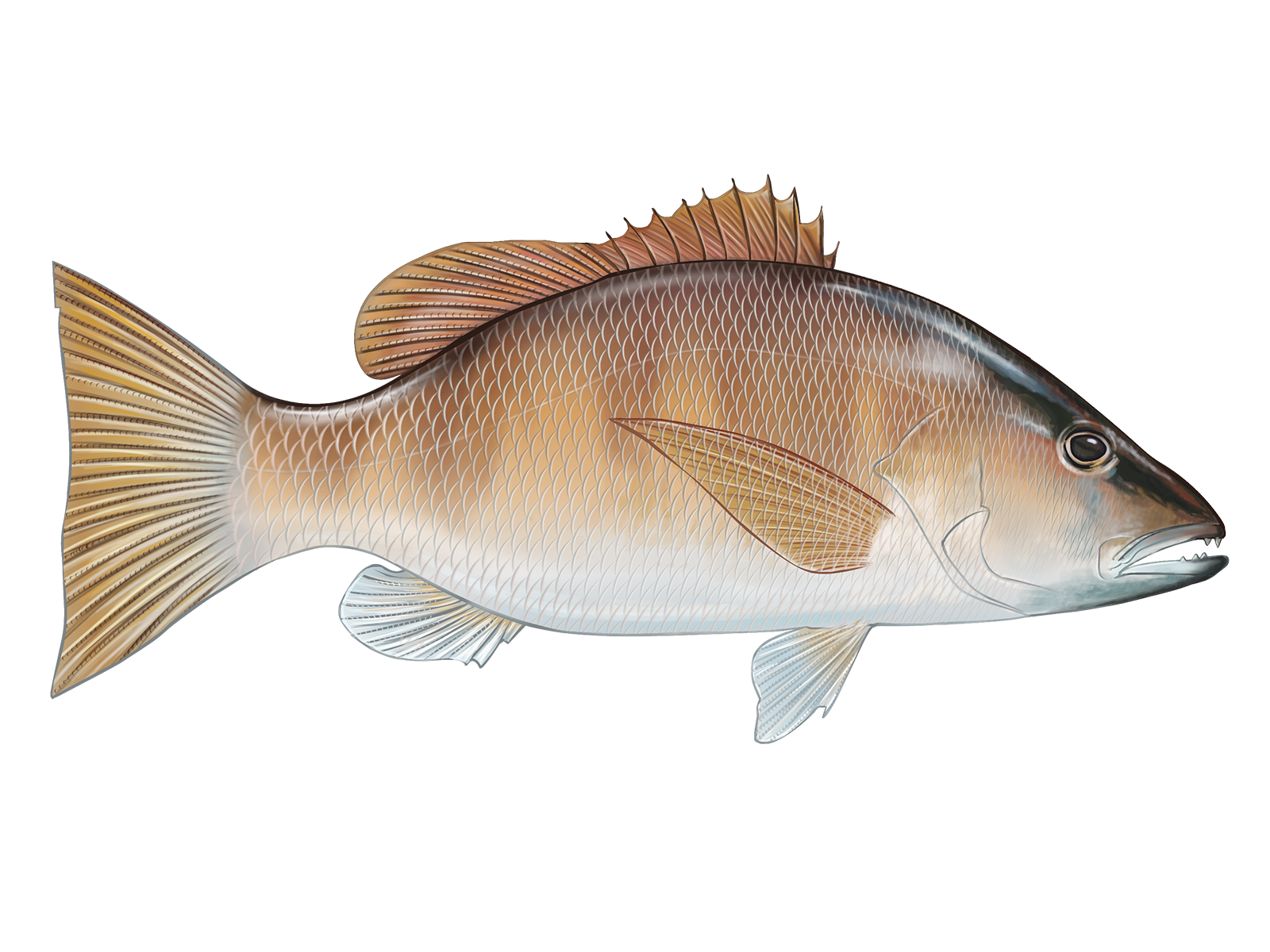


 Eight-hour inshore fishing adventure in Fort Pierce waters