Mobile Bay Inshore Fishing Charter for Skilled Anglers
If you've been working the inshore waters for a while and want to push your skills to the next level, this Mobile Bay charter is built for serious anglers who know their way around a rod. This isn't your typical tourist trip – it's an 8-hour private charter that kicks off at 6:00 AM, giving you the full day to work the tides, chase active fish, and really dig into the technical side of inshore fishing. You'll have up to three spots on the boat, so bring your most dedicated fishing buddies who won't mind grinding it out when the bite gets tough. Our captain knows these waters like the back of his hand and will put you on fish while sharing the kind of local knowledge that only comes from years of reading Mobile Bay's moods and patterns.
What to Expect on the Water
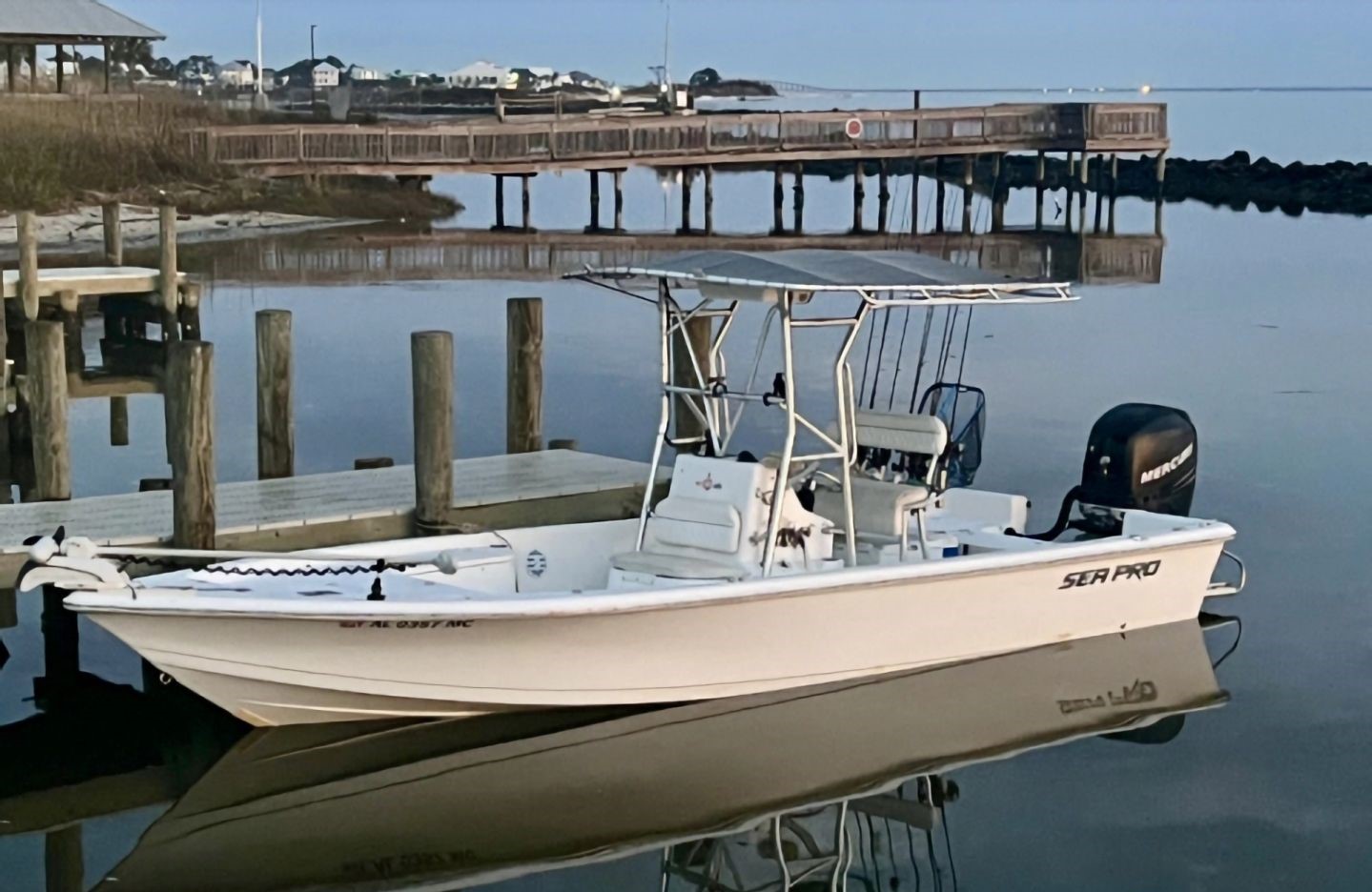
Mobile Bay offers some of Alabama's most productive inshore fishing, and this charter takes full advantage of that reputation. Starting before sunrise means you'll be in position as the water comes alive, and with 8 hours ahead of you, there's time to adapt your approach based on conditions. The bay's mix of grass flats, oyster bars, and deeper channels creates the perfect environment for multiple species, and your captain will move between spots based on tide, wind, and fish activity. This is hands-on fishing where you'll be switching techniques throughout the day – from working soft plastics around structure to sight-casting in shallow water. The boat comes fully rigged with quality rods, reels, and a tackle selection that covers everything from finesse presentations to power fishing. You'll spend time learning to read the water, understanding how bait movements affect fish behavior, and picking up advanced techniques that will make you a better angler long after the trip ends.
Techniques & Tackle Breakdown
Mobile Bay demands versatility, and this charter gives you the chance to master multiple approaches in a single day. You'll work everything from shallow grass beds where stealth and precision matter, to deeper structure where reading your electronics becomes crucial. The boat carries a full spread of tackle including soft plastics in various weights, topwater plugs for early morning action, and live bait setups when the situation calls for it. Expect to spend time perfecting your drift fishing technique over oyster bars, learning to work jigs through current breaks, and understanding how to position yourself for sight-casting opportunities. The captain will teach you to recognize subtle signs that separate good spots from great ones – things like bait activity, water color changes, and structural elements that hold fish. This isn't about following a set routine; it's about developing the skills to adapt your approach based on real-time conditions and fish behavior.
Target Species Breakdown
Summer Flounder are one of Mobile Bay's top draws for skilled anglers, and these flatfish will test every aspect of your technique. They typically range from 14 to 20 inches in the bay, with larger specimens pushing into the low twenties during peak season from late spring through early fall. Flounder are ambush predators that bury themselves in sandy bottoms near structure, waiting for baitfish to pass overhead. What makes them exciting is their willingness to hit a well-presented lure, but they require precise placement and the right retrieve speed. You'll learn to work soft plastics just off the bottom, maintaining contact while avoiding snags. The fight might not be the strongest, but the technique required to consistently catch them and their excellent table fare make flounder a favorite among serious inshore anglers.
Sheepshead fishing in Mobile Bay is technical fishing at its finest, and these black-and-white striped fish have earned their reputation as tackle thieves for good reason. Running anywhere from 2 to 8 pounds in these waters, sheepshead have human-like teeth designed for crushing barnacles and crustaceans around structure. They're most active during cooler months, typically from November through March, when they school up around pilings, docks, and oyster bars. The challenge isn't finding them – it's getting them to commit to your bait before they steal it. You'll need to develop a feel for their subtle bite and learn to set the hook at exactly the right moment. Their fighting ability is impressive for their size, using their broad body to bulldoze toward structure. Successfully targeting sheepshead requires patience, sharp hooks, and the kind of technique that separates casual anglers from serious ones.
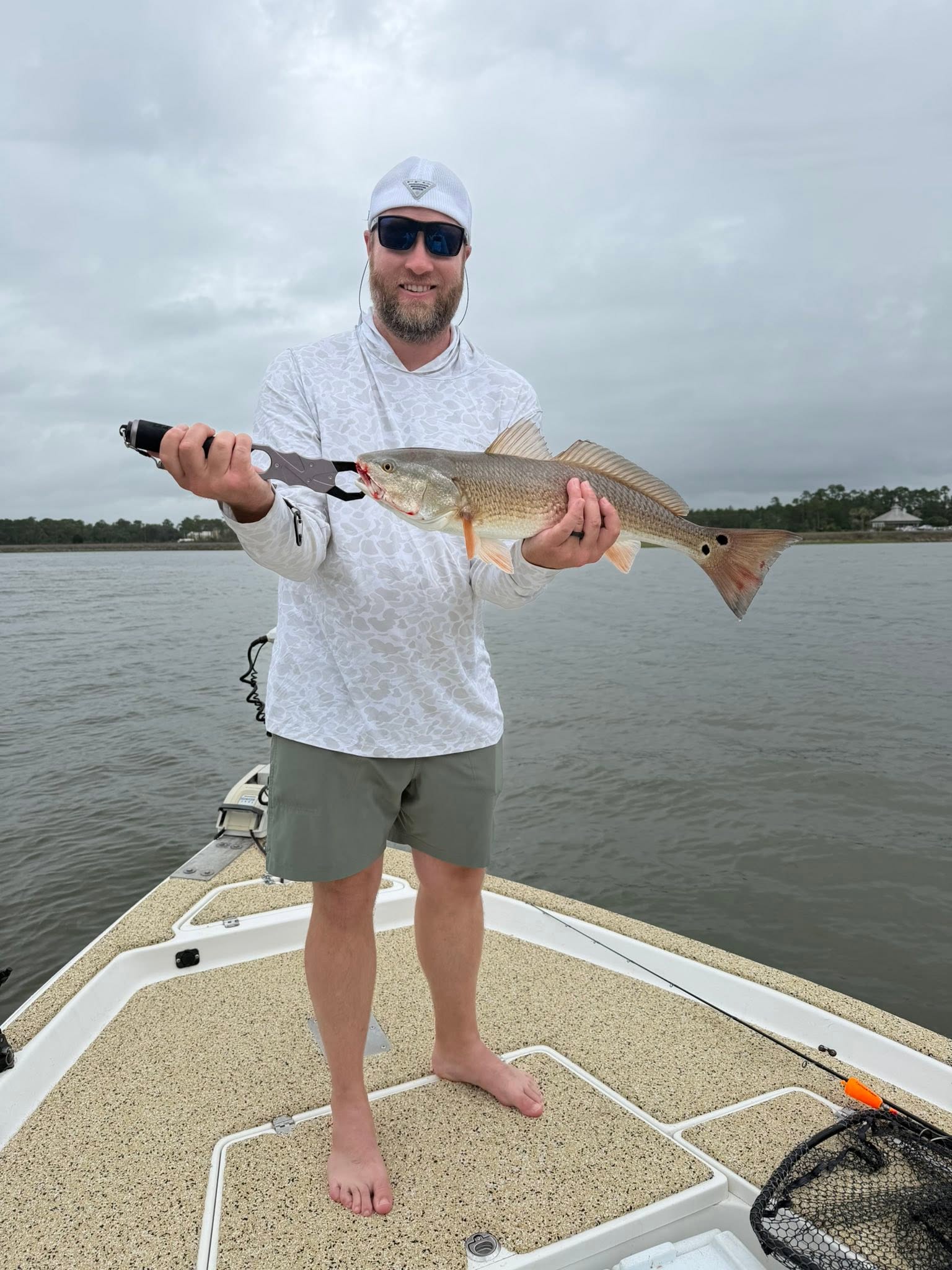
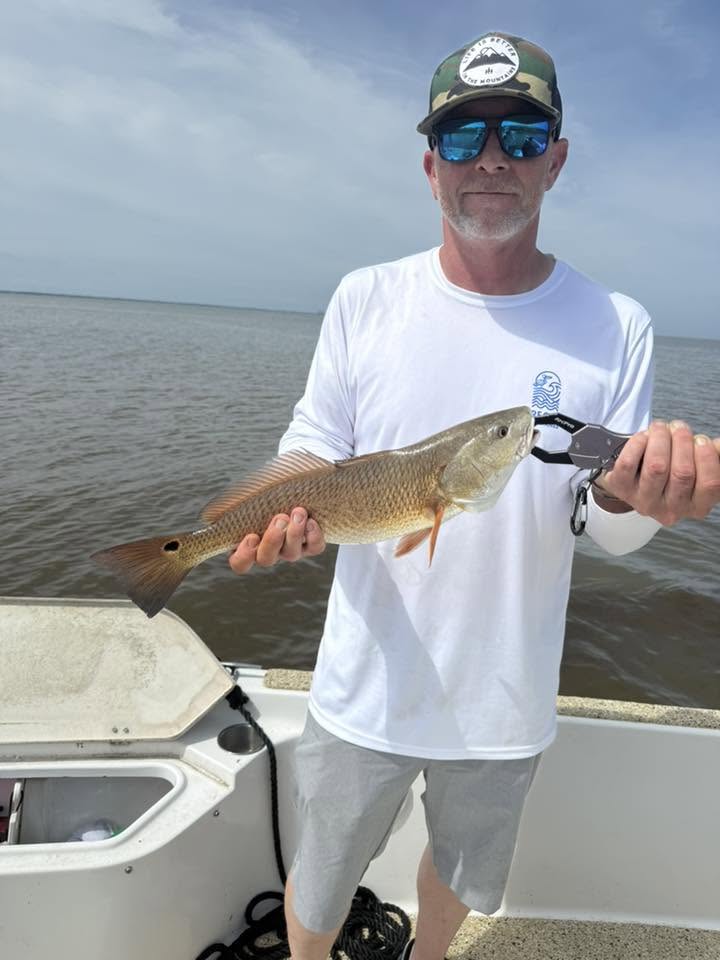
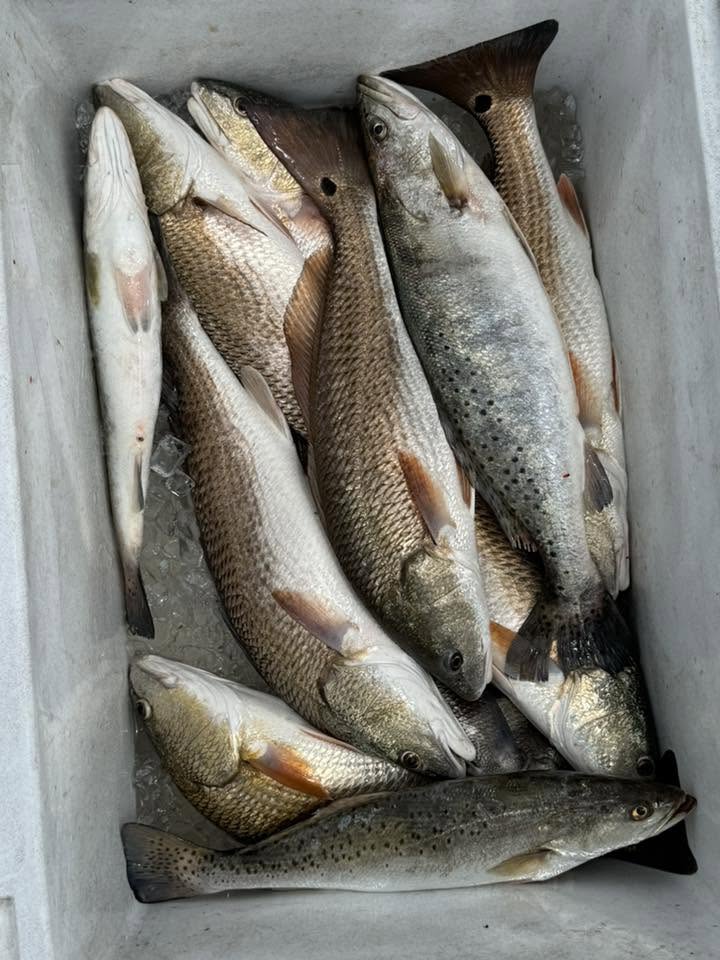
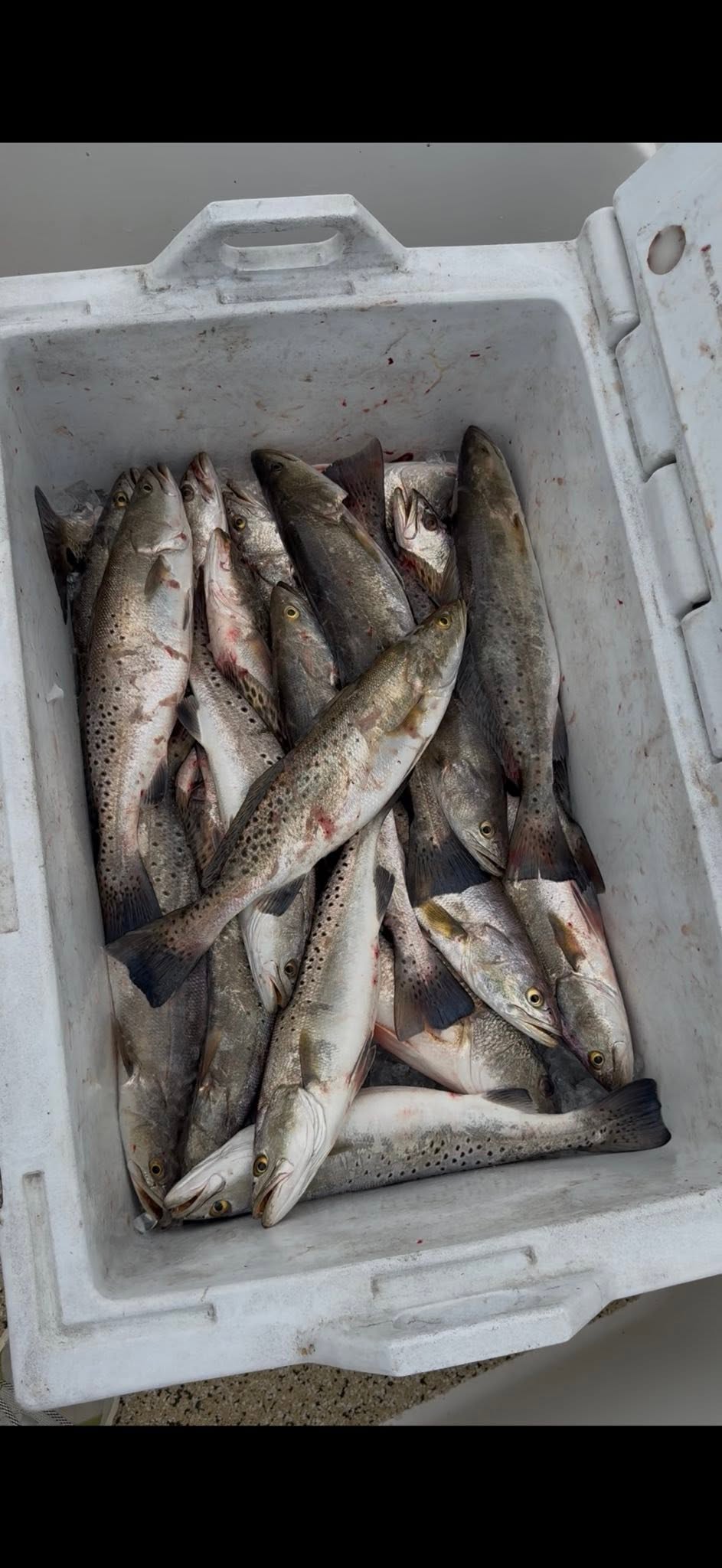
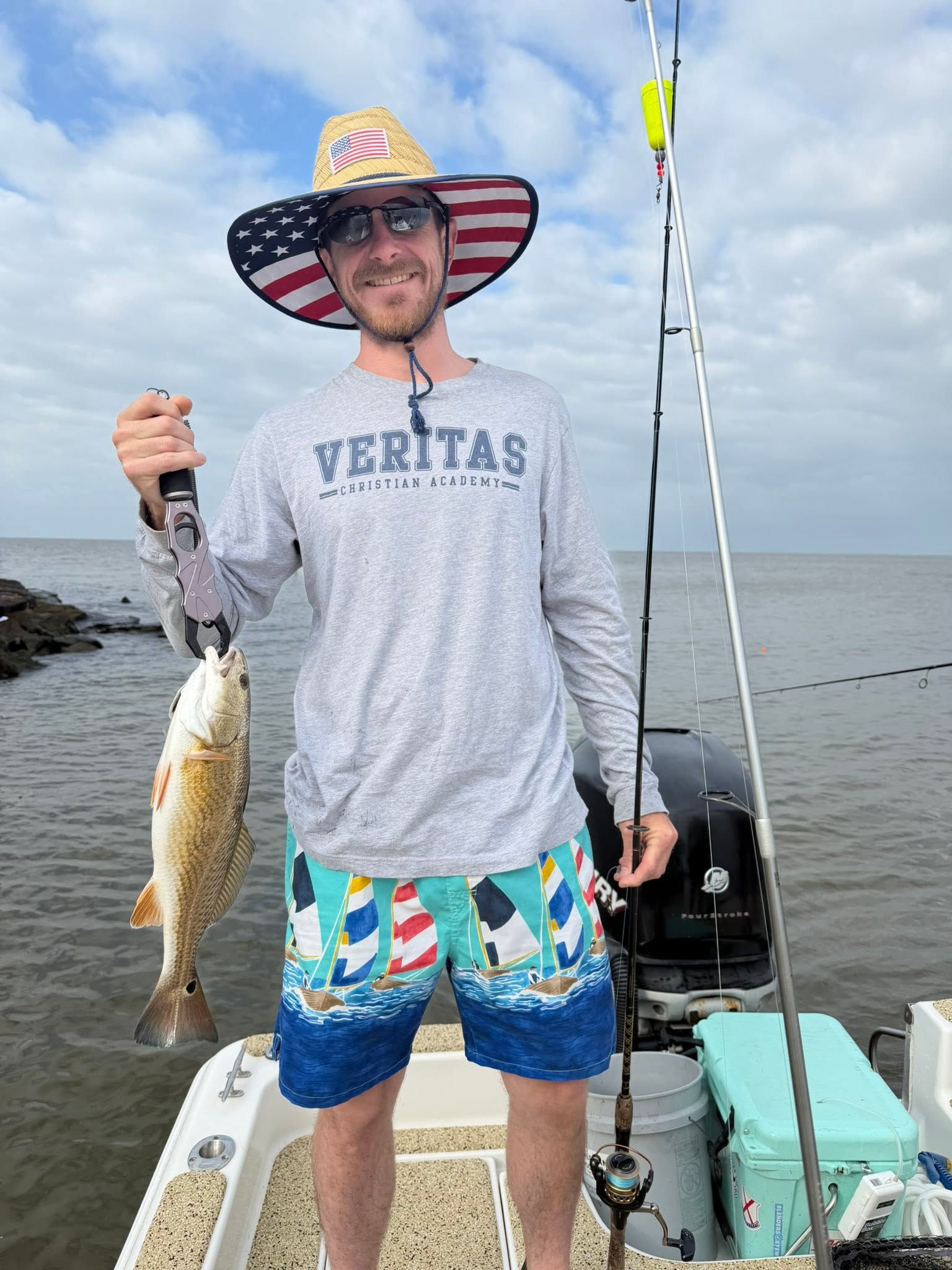
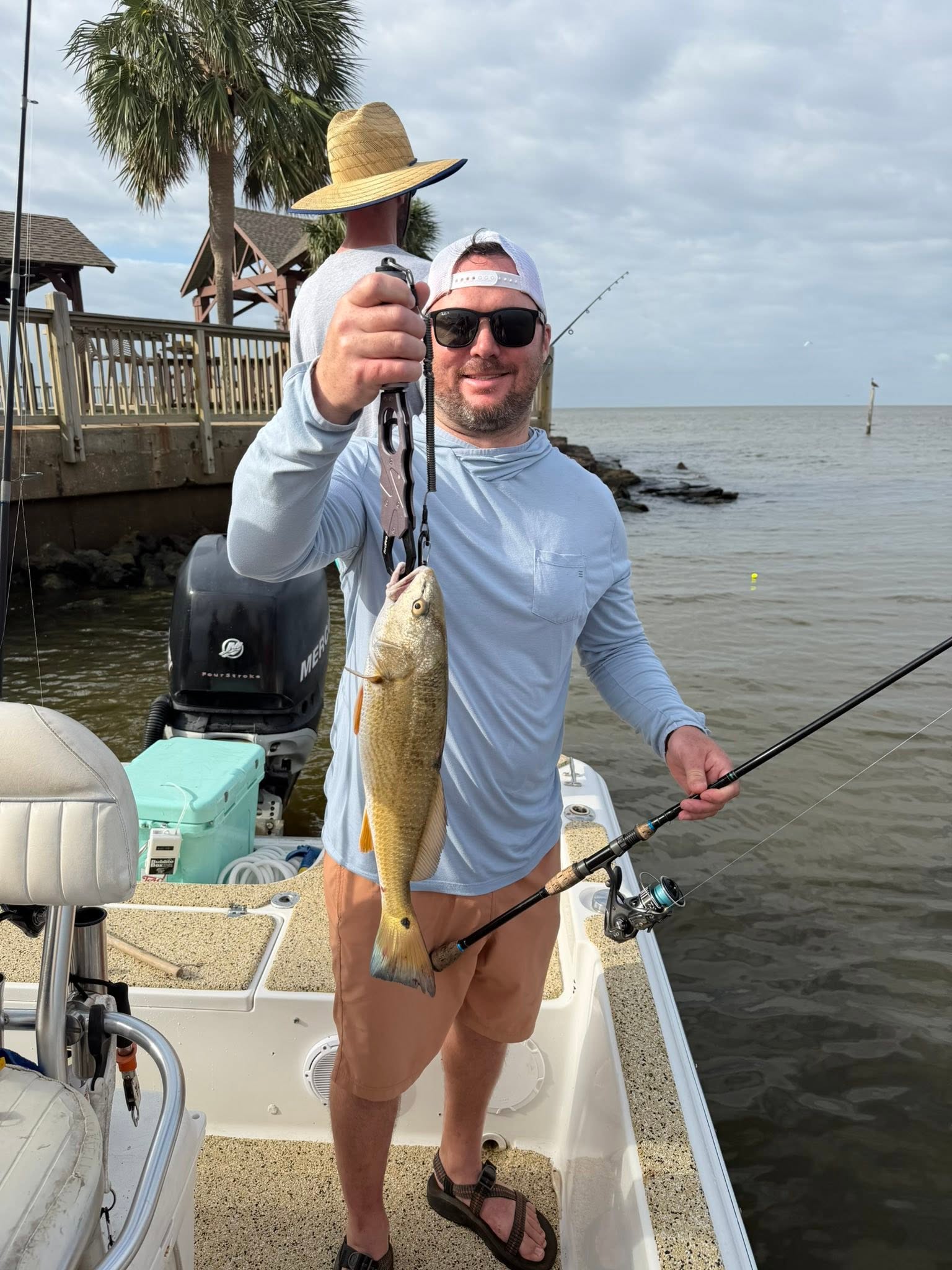
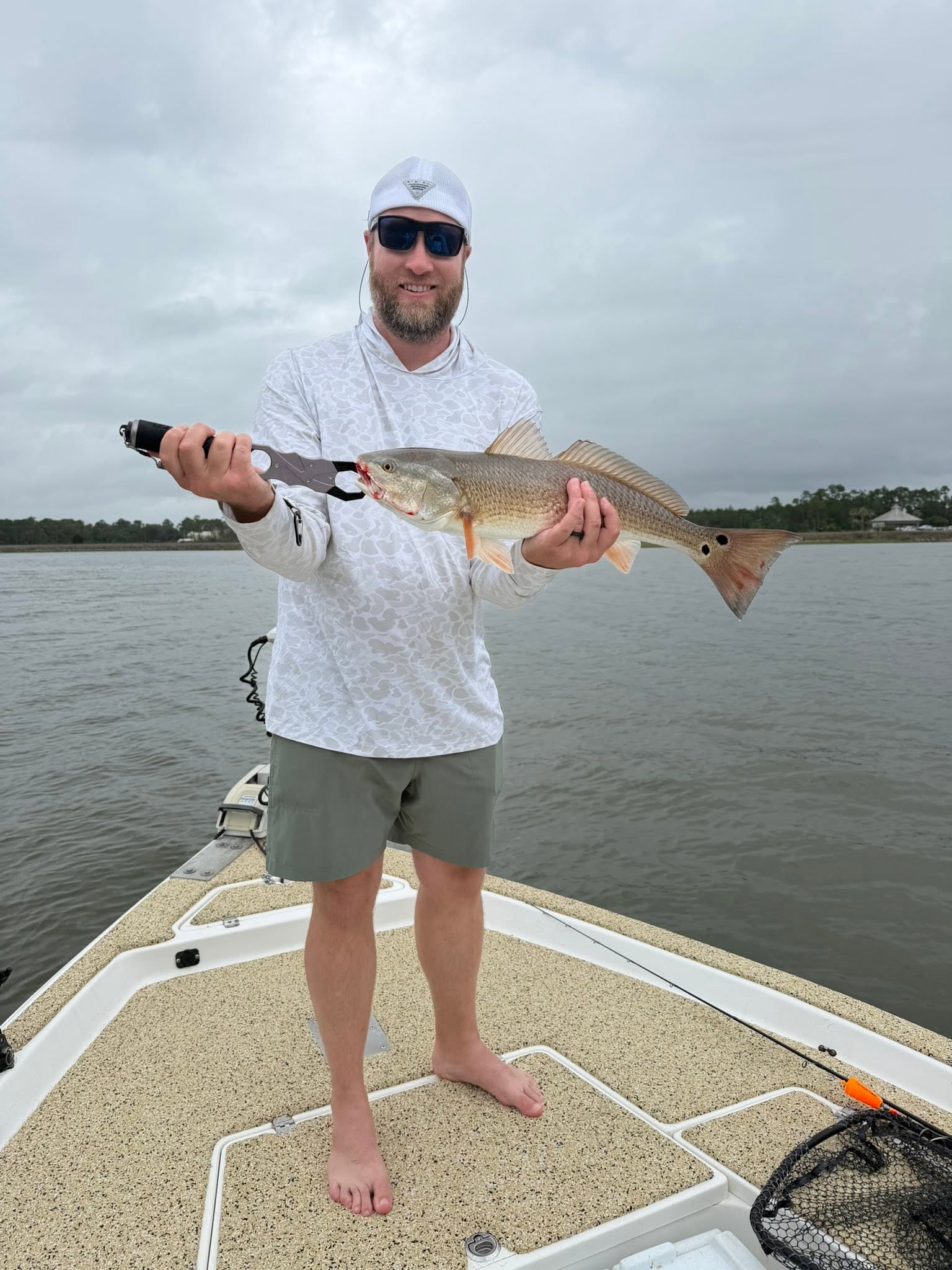
Redfish are Mobile Bay's signature species and the fish that keeps experienced anglers coming back year after year. These copper-colored fighters typically run from 18 to 27 inches in the bay, with the occasional oversized bull mixing in during certain seasons. They're available virtually year-round, but fall and spring offer the most consistent action when they school up in shallow water. What makes reds special is their willingness to eat both artificial lures and live bait, plus their habit of feeding in water so shallow you can see their backs. The sight-fishing opportunities are world-class, especially during low light periods when they cruise the flats looking for crabs and shrimp. When hooked, redfish make powerful runs and use their broad tail to generate surprising strength. They're also excellent eating within the slot limit, making them the complete package for inshore anglers who want sport and table fare.
Crevalle Jack might not win beauty contests, but they'll give you a fight that'll test your drag system and your endurance. These silver bullets typically show up in schools ranging from 3 to 15 pounds in Mobile Bay, and when you find them, the action can be fast and furious. They're most active during warmer months, often found chasing bait in open water or around structure where current creates feeding opportunities. Jacks are aggressive feeders that will hit topwater plugs, spoons, and soft plastics with authority. The fight is what sets them apart – they're pound-for-pound one of the strongest fish in the bay, making long runs and using their broad shoulders to stay deep. While they're not typically kept for the table, they provide the kind of arm-burning action that reminds you why you love fishing. Finding a
 Private Trip
 Inshore Fishing
 Mobile Bay And Surrounding Areas


 Full-day private charter designed for experienced anglers