Reel 'Em In and Grin: Midway, GA Fishing
Picture this: you're out on the pristine waters off Midway, GA, rod in hand, with nothing but the Georgia coastline stretching out behind you and some of the most productive inshore fishing grounds right beneath your boat. This isn't your average fishing trip – it's a two-person adventure with Coastal Ga Fishing that puts you right in the heart of some seriously good action. The waters around Midway are loaded with everything from lightning-fast Spanish Mackerel to chunky Redfish, and trust me, these fish don't mess around when they hit your bait.
What to Expect on the Water
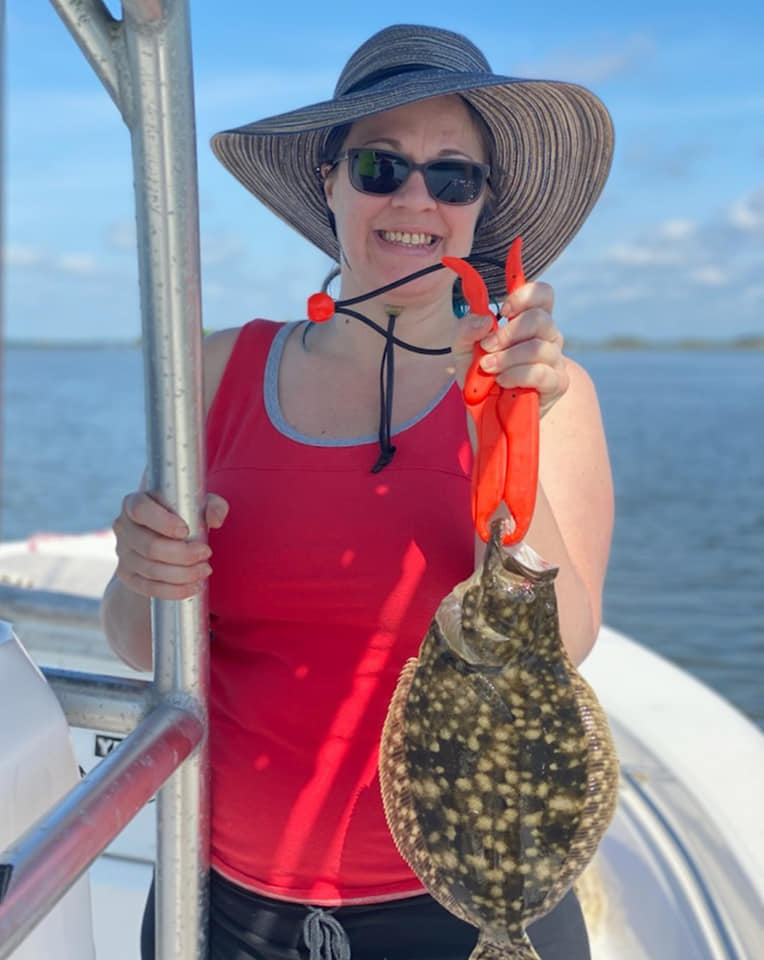
When you step aboard with Coastal Ga Fishing, you're getting the real deal – a genuine inshore fishing experience that showcases why Georgia's coast has become such a hot spot for serious anglers. The intimate two-person capacity means you're not fighting for rod space or waiting your turn to land that fish of a lifetime. Your captain knows these waters like the back of their hand, from the oyster bars where Sheepshead love to hide to the grass flats where Sea Trout patrol looking for their next meal. The beauty of fishing Midway's inshore waters is the diversity – one cast you might be working the structure for Triggerfish, and the next you could be sight-casting to a school of Redfish tailing in the shallows. Pack your own snacks and drinks because you'll be out there making the most of every minute on the water.
Techniques and Tackle Setup
Inshore fishing around Midway is all about adapting to what the fish are doing, and that means having a game plan for different scenarios. Your guide will have you rigged up with everything from live bait setups for those picky Sheepshead to artificial lures that drive Spanish Mackerel absolutely wild. Bottom fishing around structure is huge here – think Carolina rigs with fresh shrimp or cut bait to tempt those Grey Triggerfish hiding in the rocks and reefs. For the Redfish and Sea Trout, you'll be working with topwater plugs early in the morning, switching to soft plastics and spoons as the day heats up. The key is staying versatile because these Georgia waters can change on a dime, and what worked yesterday might not be the ticket today. Your captain will read the conditions – tide, wind, water clarity – and adjust the approach accordingly, whether that means drifting the flats or anchoring up on a productive piece of bottom.
Species You'll Want to Hook
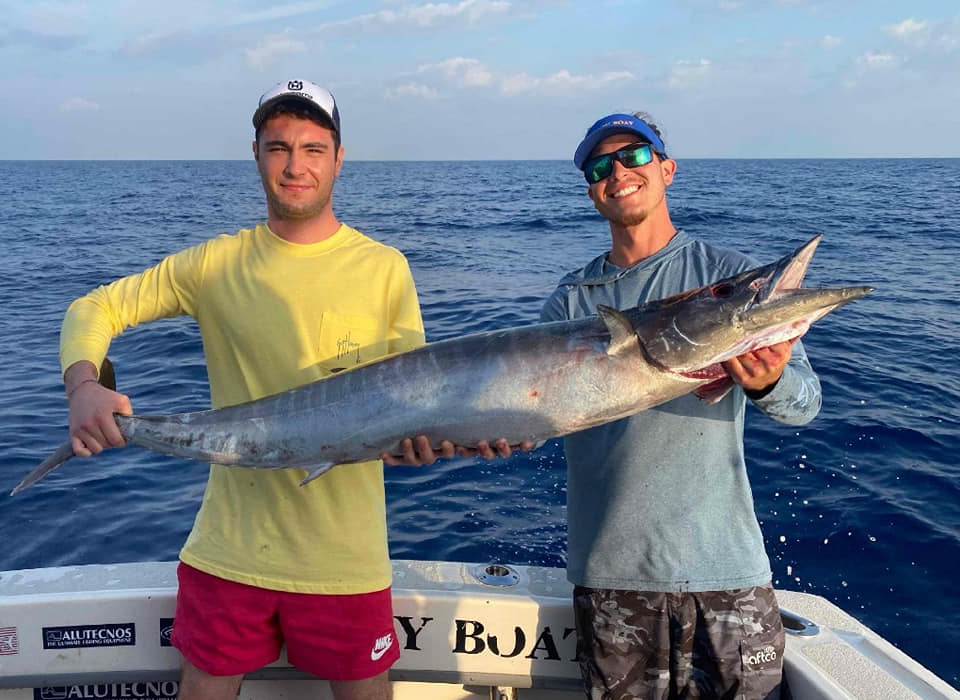
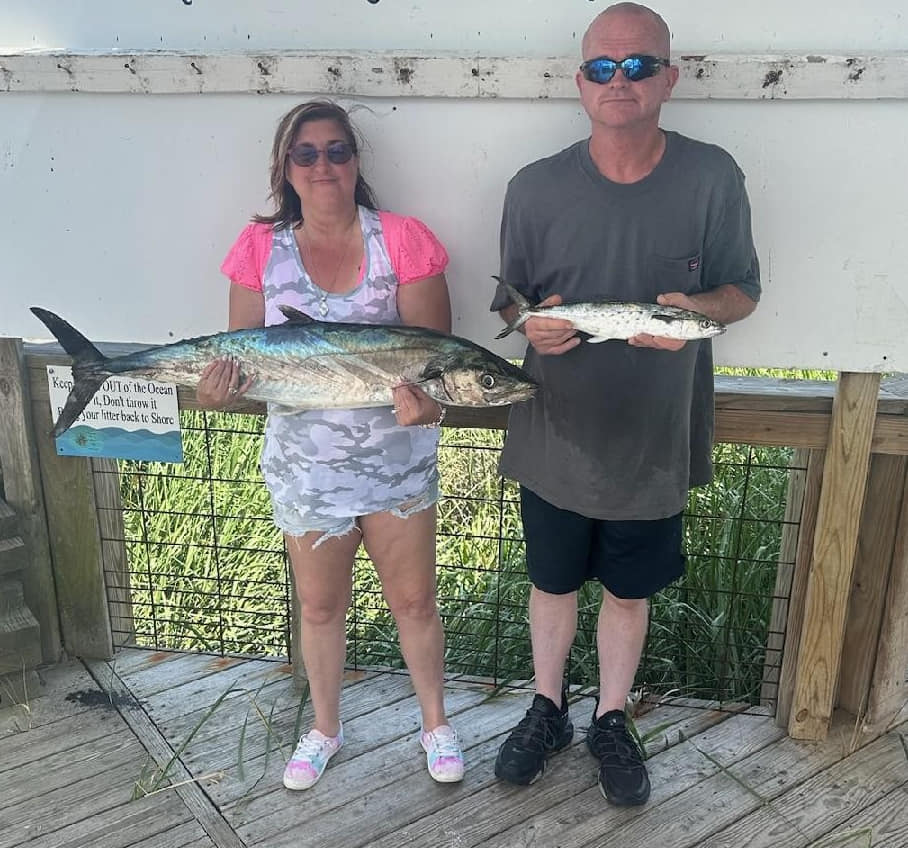
Spanish Mackerel are absolute speed demons that'll test your reflexes and keep your adrenaline pumping. These silver bullets typically show up in good numbers during the warmer months, and when they're feeding, the action is non-stop. They love fast-moving lures – think small spoons and jigs retrieved at high speed – and they'll slam your bait so hard you'll think you snagged a much bigger fish. What makes them special is their aggressive nature and the way they school up, meaning when you find one, you've usually found a bunch.
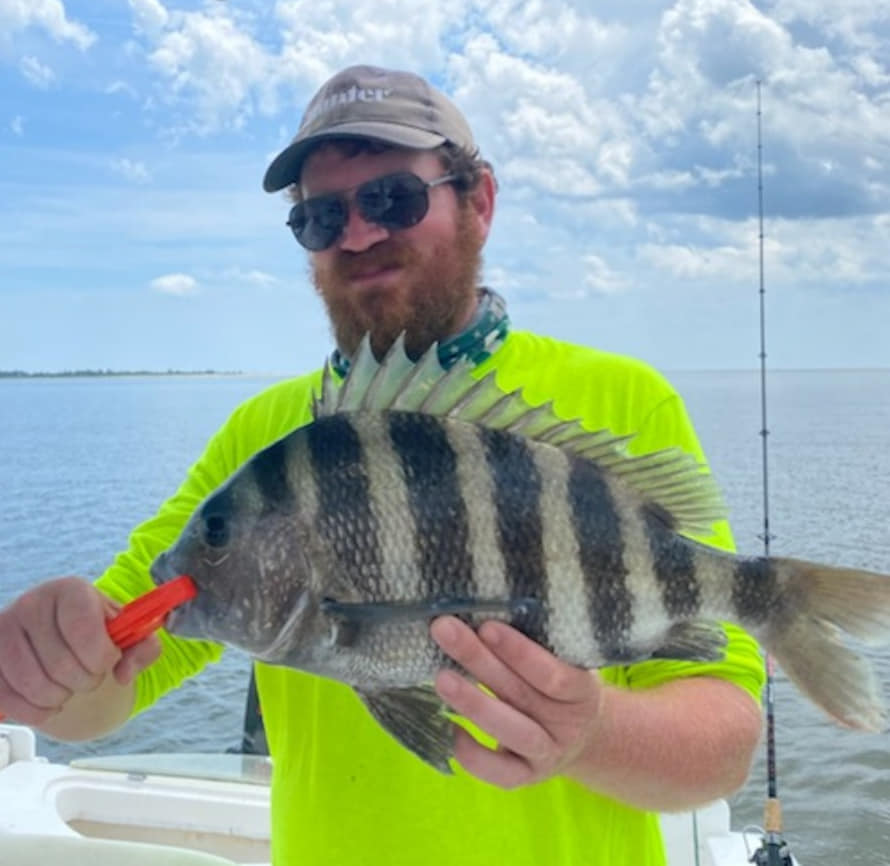
Sheepshead are the ultimate test of patience and skill, earning their reputation as the "convict fish" with those distinctive black stripes and human-like teeth. These crafty characters hang around structure – docks, pilings, oyster beds – and they're notorious bait thieves. The trick is feeling that subtle tap and setting the hook before they strip your bait clean. They're most active during cooler months, and landing a nice Sheepshead feels like solving a puzzle because they're just so darn smart about how they eat.
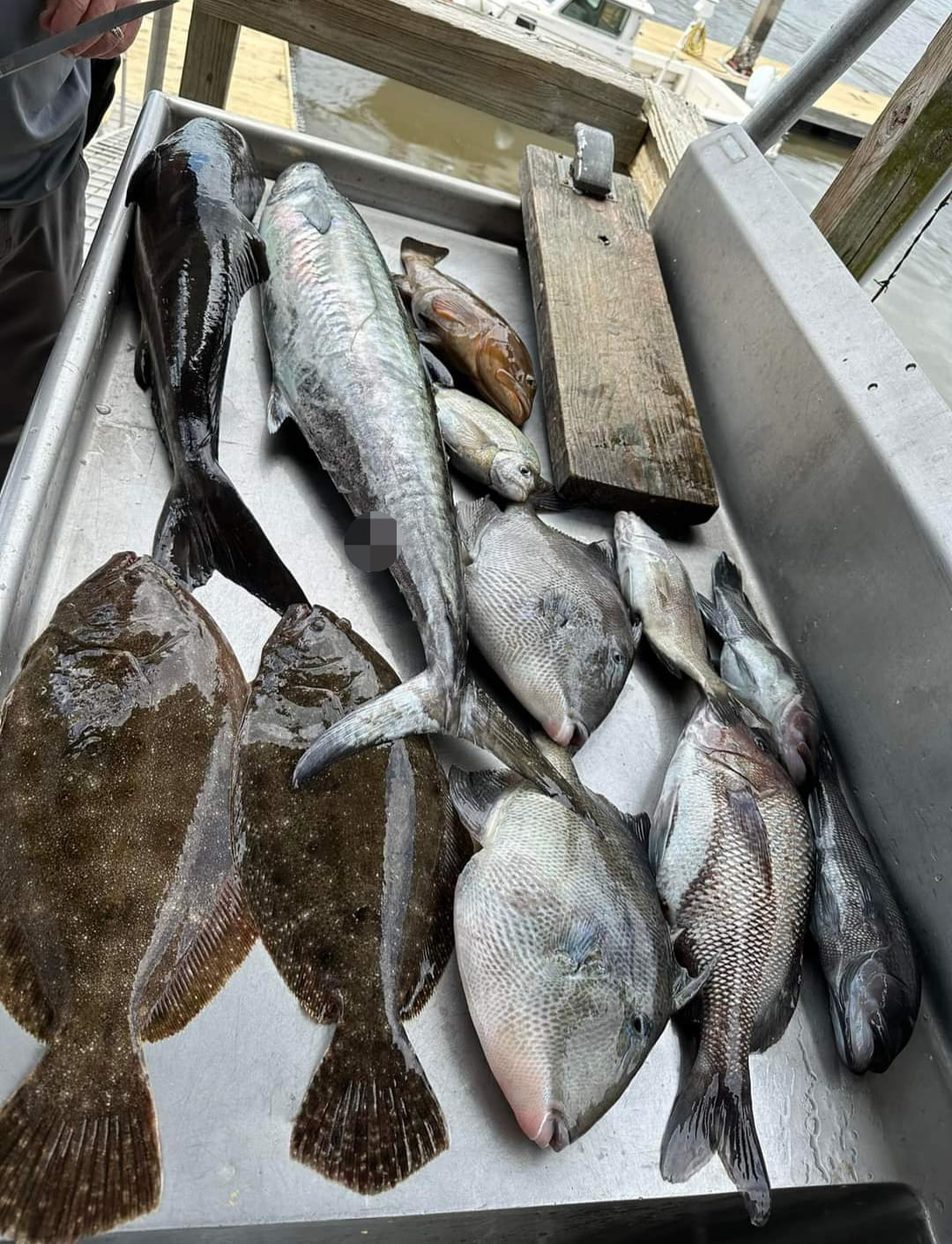
Grey Triggerfish bring a unique challenge to the table with their tough mouths and stubborn fighting style. These bottom dwellers love hard structure and will test your tackle with their bulldogging runs back toward the rocks. They're typically more active in the warmer months and can be finicky eaters, but when you hook into a good one, you'll appreciate their never-give-up attitude. Their unique shape and coloring make them one of the more interesting catches you'll bring to the boat.
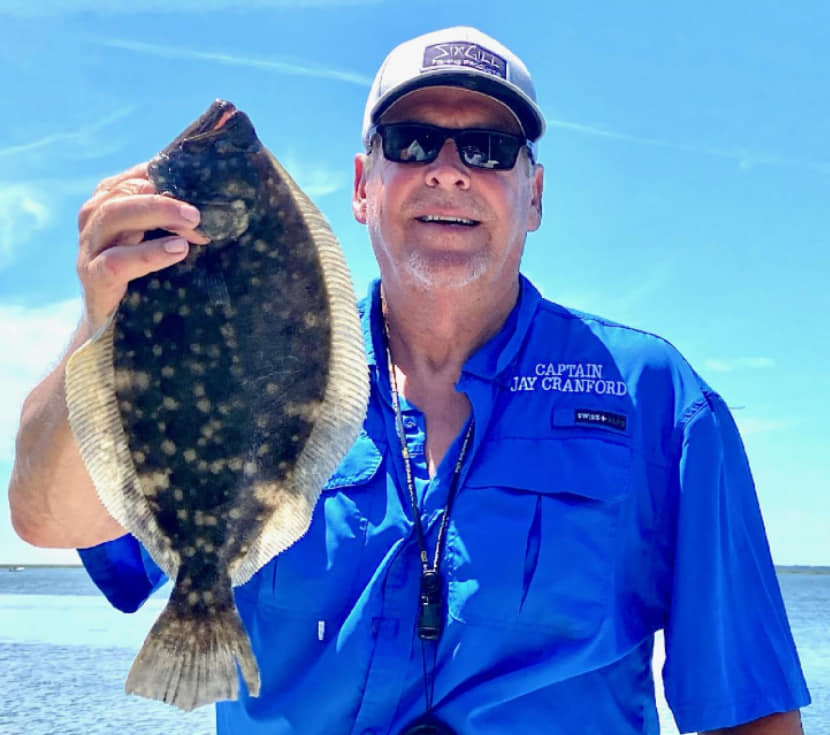
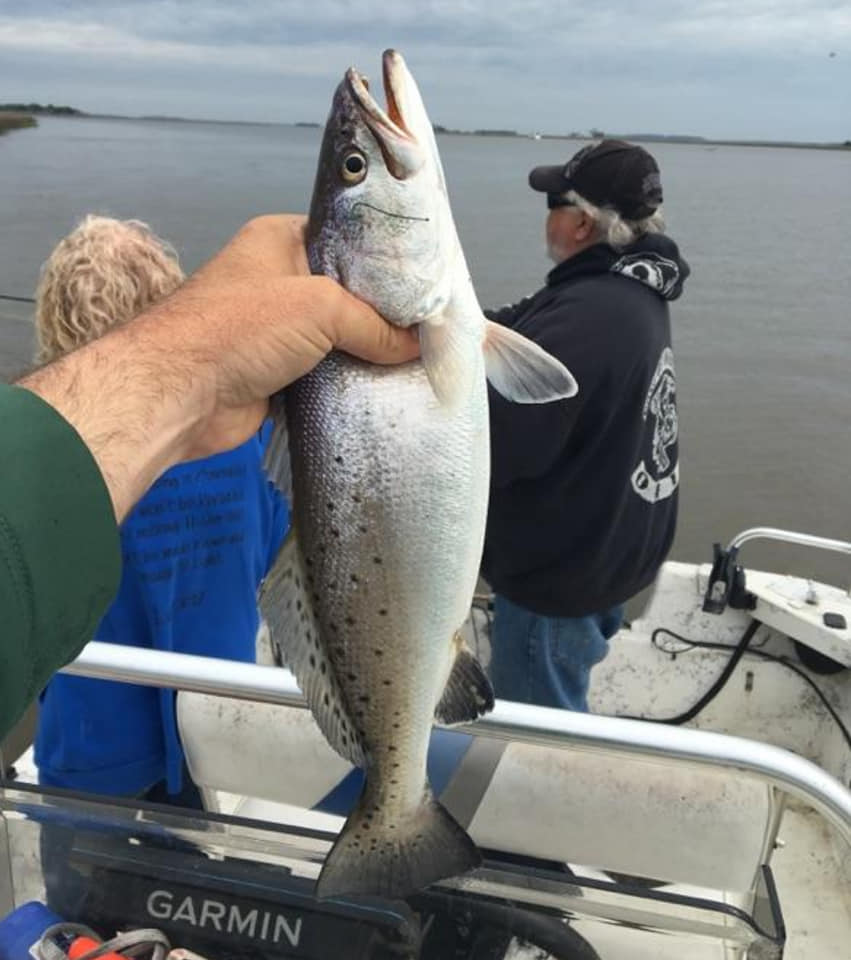
Sea Trout, or Speckled Trout as the locals call them, are the bread and butter of inshore fishing around Midway. These beautiful fish with their distinctive spots love grass flats and drop-offs, especially during moving tides. They're active year-round but really turn on during spring and fall. What makes them special is their willingness to hit both live bait and artificials, plus they put up a respectable fight with some nice head-shaking runs. A good trout bite can make your entire day on the water.
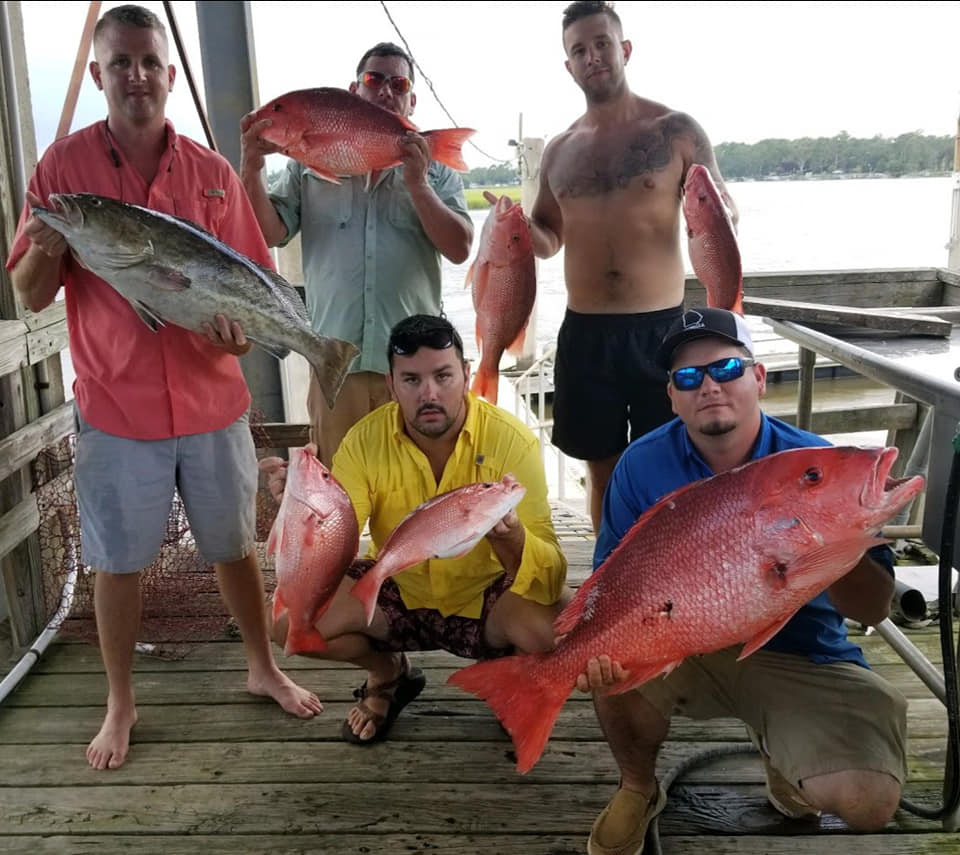
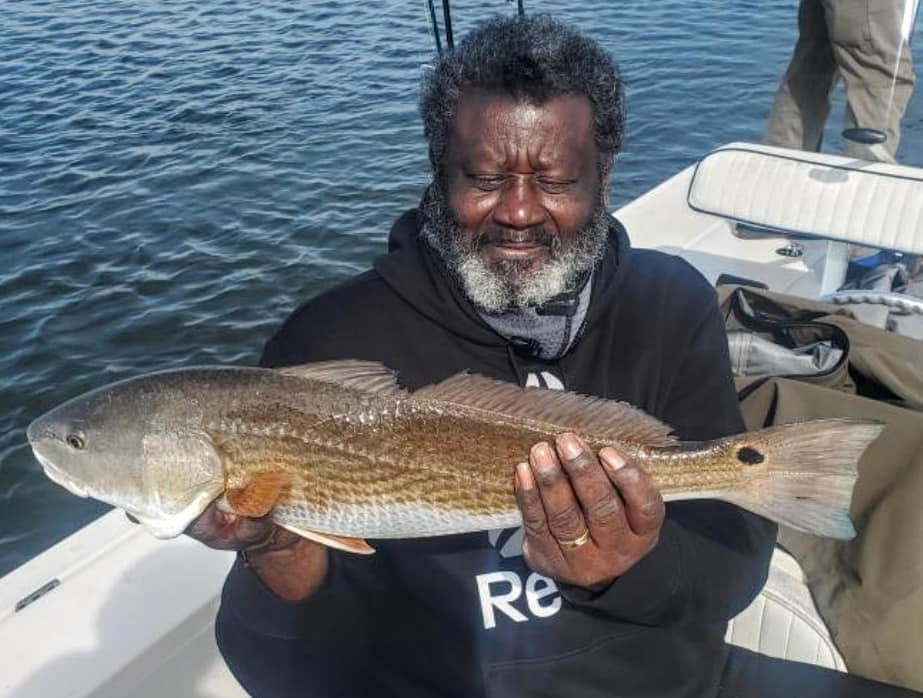
Redfish are the poster child of inshore fishing, and Georgia's coast produces some absolute beauties. These copper-colored bruisers are built for power, and when a big Red takes off on its first run, you'll understand why they're so popular with anglers. They're comfortable in everything from skinny water flats to deeper channels, and they'll eat just about anything you throw at them when they're in the mood. Fall is prime time for big schools of Reds, but you can find them year-round if you know where to look.
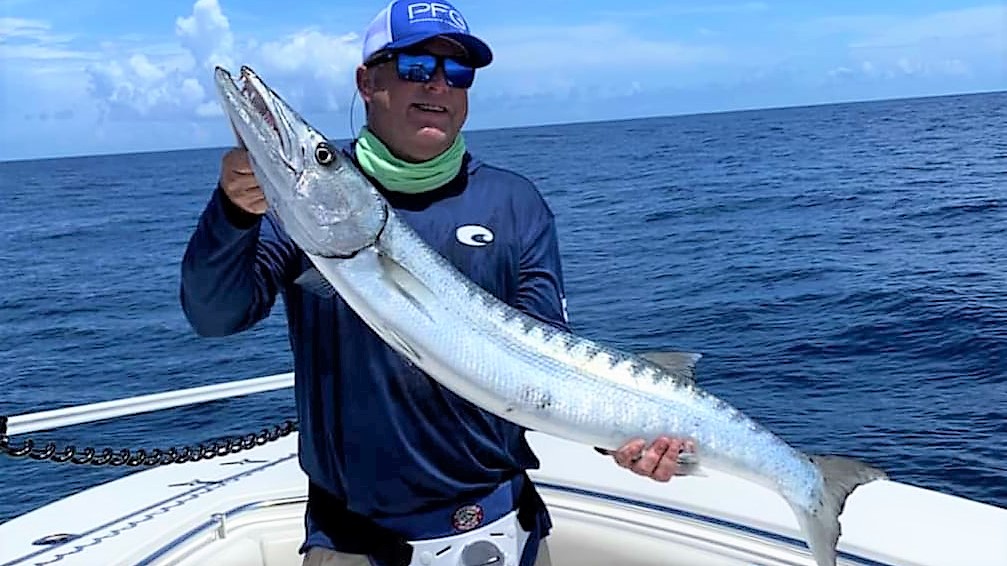
Great Barracuda add an element of surprise to any fishing trip with their lightning-fast strikes and impressive jumps. These toothy predators patrol the flats and drop-offs, and when they decide to eat, it happens in a flash. They're sight predators that love shiny lures, and the fight they put up is spectacular – think multiple jumps and searing runs that'll have your drag screaming. They're more common in warmer months and always provide that "you never know what's going to happen next" element to your day.
Time to Book Your Spot
This top-rated inshore fishing adventure with Coastal Ga Fishing delivers exactly what serious anglers are looking for – quality time on
 Private Trip
 Inshore Fishing
 Midway, GA


 Inshore fishing targeting Grey Triggerfish, Redfish, and Sea Trout