Sunshine and Smiles: Joyful Fishing in Richmond Hill
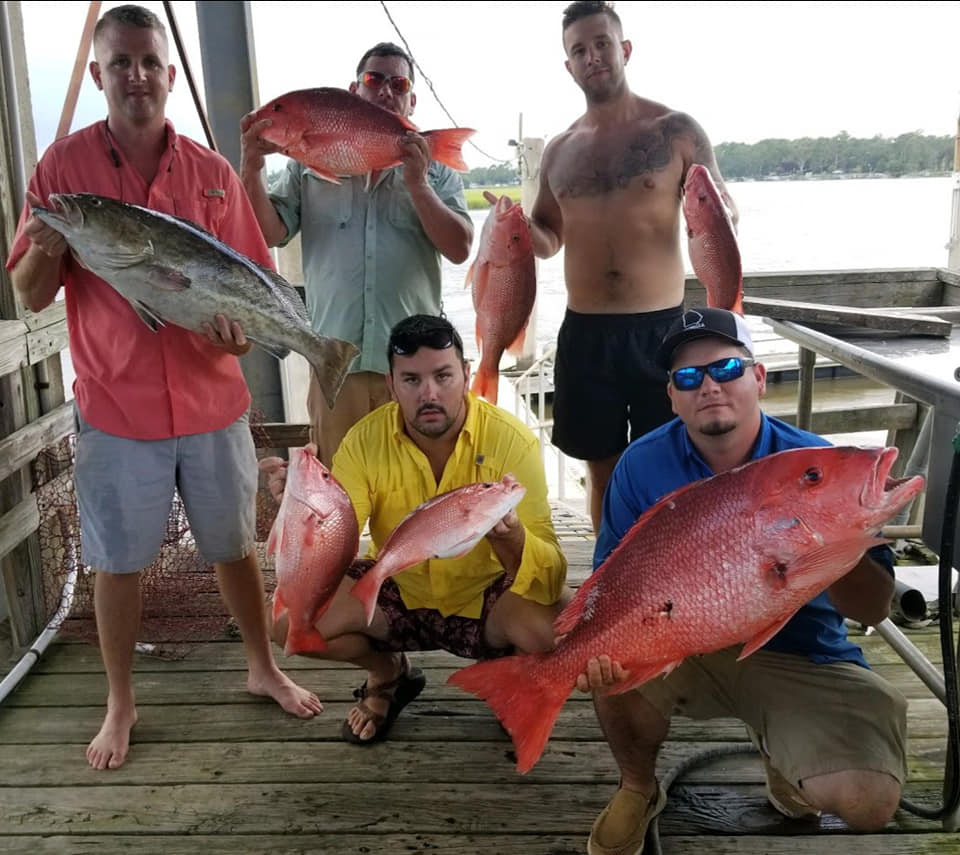
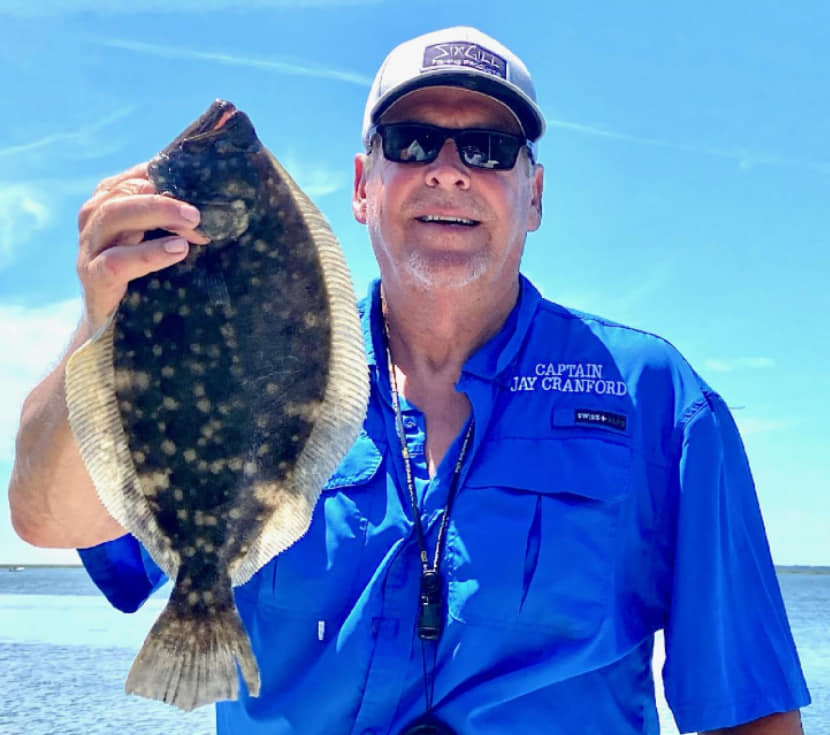
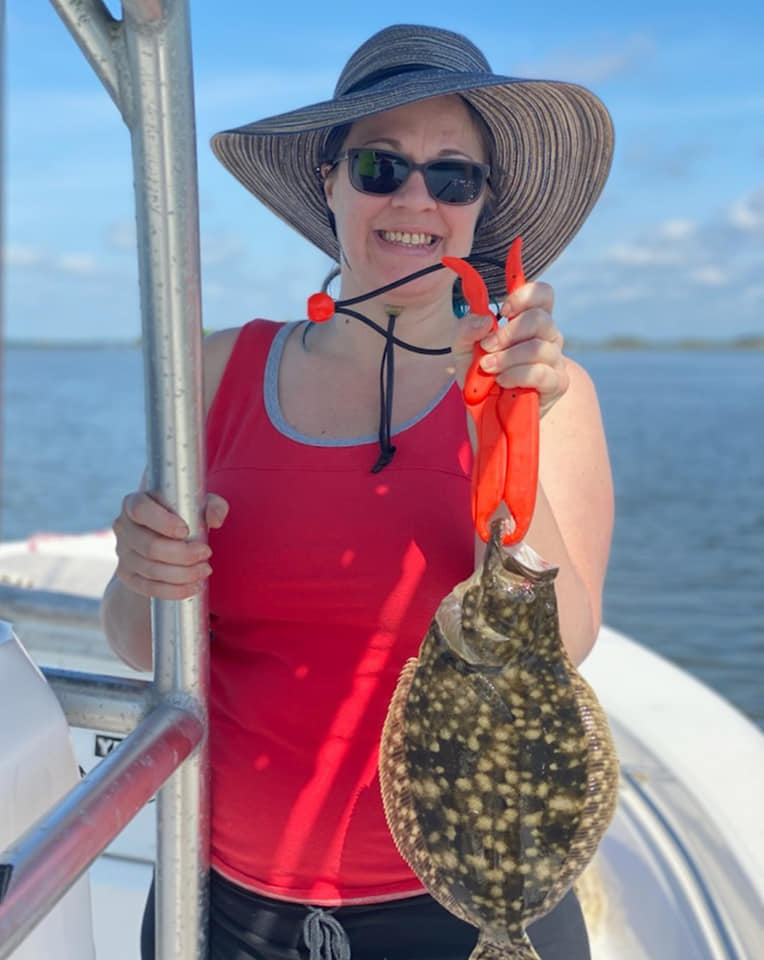
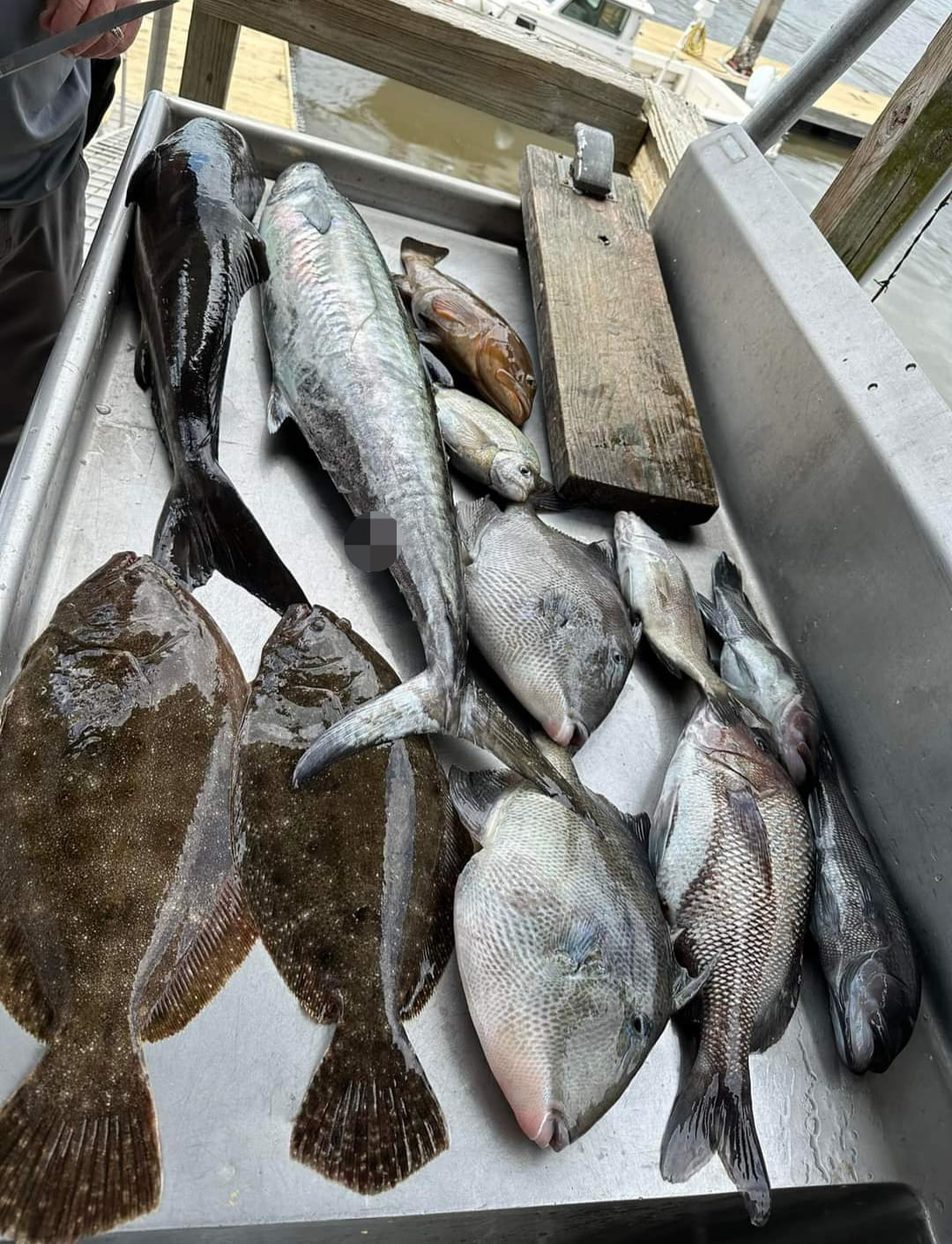
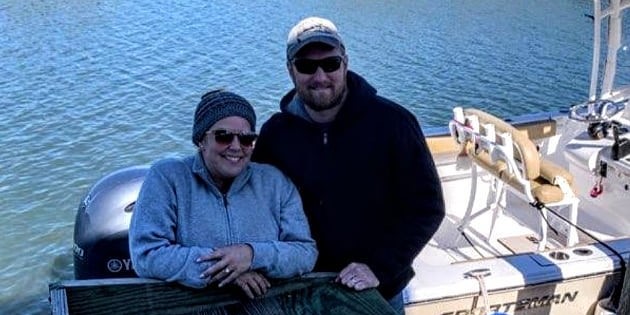
Picture this: you're walking through Fort McAllister State Park as the morning mist rolls off the water, and you can already smell that salty marsh air that gets every angler's blood pumping. That's exactly how your day starts when you fish with Coastal Ga Fishing out of Richmond Hill. This isn't some crowded charter boat operation – we're talking intimate trips for just two people, which means you get the guide's full attention and way more fish time. The waters around Richmond Hill are absolutely loaded with redfish, sea trout, sheepshead, Spanish mackerel, and grey triggerfish, and our local guides know exactly where they're hanging out on any given day.
What to Expect on the Water
Your day kicks off at Fort McAllister State Park, which honestly couldn't be a more perfect launch spot. The park sits right on the Ogeechee River, giving you immediate access to some of the most productive inshore waters on Georgia's coast. Your guide will have all the tackle rigged and ready, so you can focus on what matters – putting fish in the boat. Since it's just you and one other person, there's no fighting for the best spots or waiting your turn to fish prime structure. The guide can tailor everything to your skill level, whether you're still figuring out how to tie a Palomar knot or you've been chasing redfish for decades. The boat stays close to shore, working the grass flats, oyster bars, and creek mouths where these fish love to feed. You'll be amazed at how much life is packed into these marshes – between the jumping mullet, diving pelicans, and tailing redfish, there's never a dull moment.
Techniques That Get Results
Inshore fishing around Richmond Hill is all about reading the water and adapting your approach. Your guide will likely start with live or cut shrimp under popping corks, which is absolutely deadly on sea trout and redfish when they're feeding in the grass. When the tide's moving good through the creek mouths, switching to jigs or soft plastics can trigger some explosive strikes. For sheepshead around the oyster bars and dock pilings, you'll be using fiddler crabs or barnacles on small hooks – these guys have incredible eyesight and won't touch anything that looks suspicious. Spanish mackerel show up in schools and love small spoons or gotcha plugs retrieved fast near the surface. The beauty of fishing with an experienced local guide is they'll adjust tactics on the fly based on what the fish are telling them. Tide, wind, water temperature, bait movement – it all factors into where you'll fish and how you'll fish it.
Species You'll Want to Hook
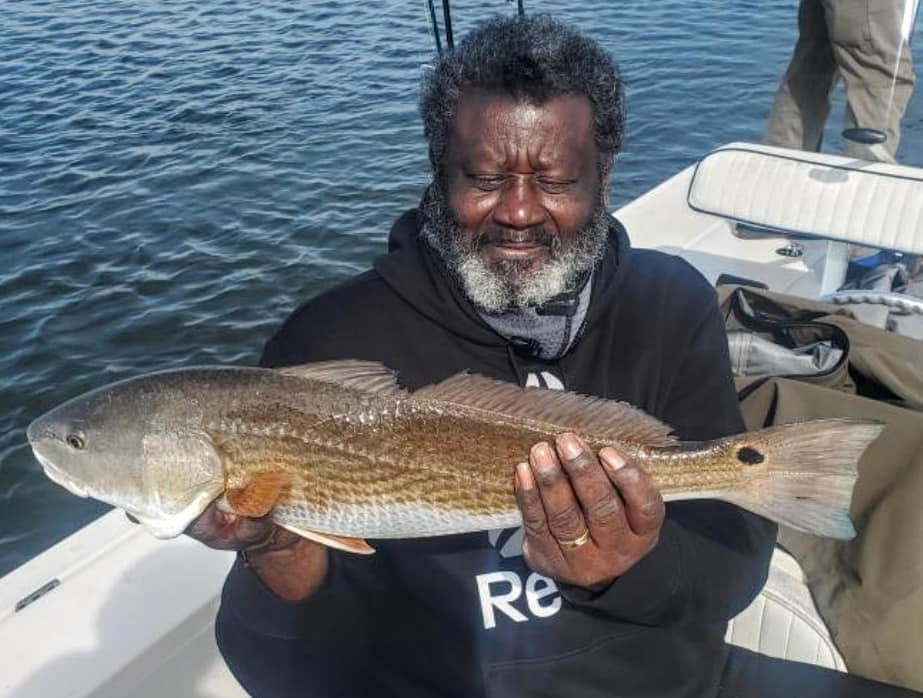
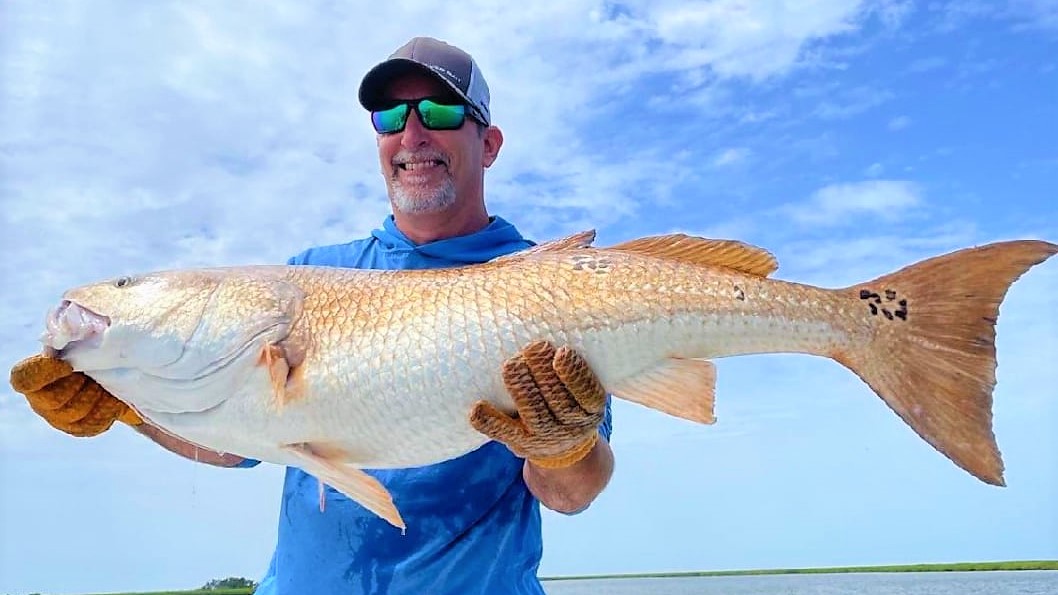
Redfish are the crown jewel of Georgia inshore fishing, and Richmond Hill's waters are absolutely crawling with them. These copper-colored bruisers typically run 18 to 28 inches in the slot, though you'll occasionally hook into a bull red that'll test every inch of your drag system. They're most active during moving tides, especially around oyster bars and grass edges where they hunt for crabs and shrimp. What makes reds so special is their fight – they'll make long, powerful runs and use that broad tail to bulldoze toward structure. Fall and spring offer the best action, but honestly, you can catch quality redfish here almost year-round.
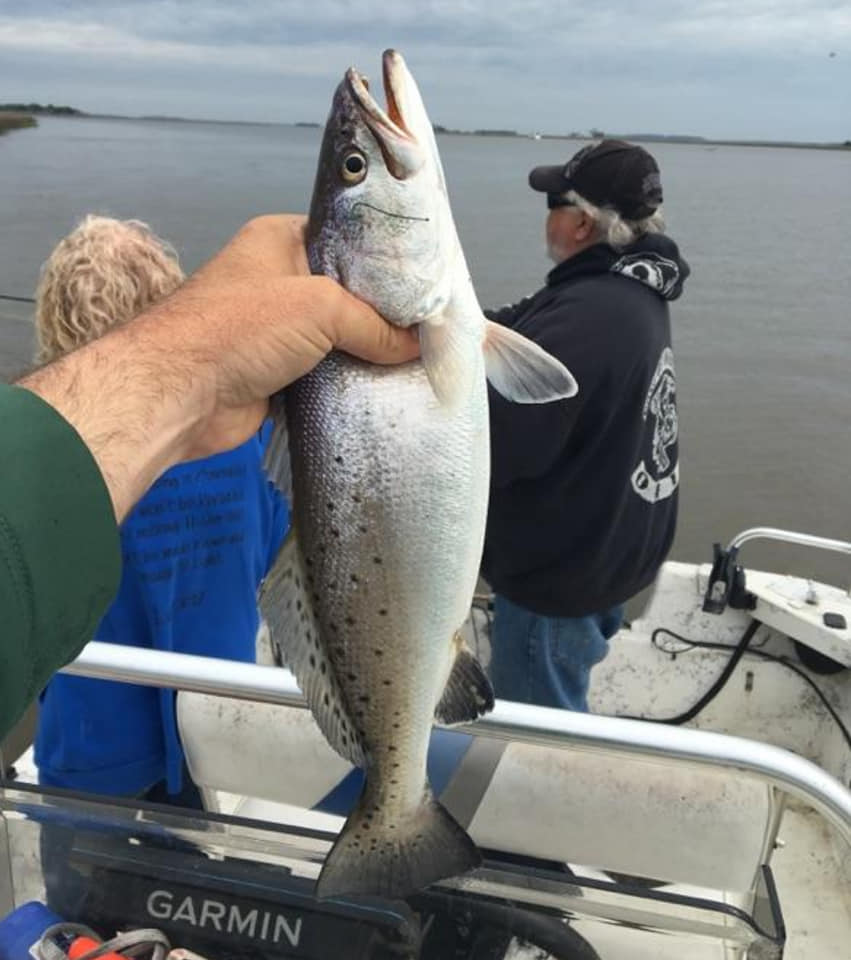
Sea trout, or speckled trout as the locals call them, are another favorite target that keeps anglers coming back. These beautiful fish with their distinctive spots love the grass flats and will absolutely slam a well-presented shrimp or soft plastic. They're most active during cooler months, and the Richmond Hill area produces some true gator trout that'll push 20+ inches. What's really exciting about specks is their aggressive nature – when you find a school, you can often catch multiple fish before they wise up and move on.
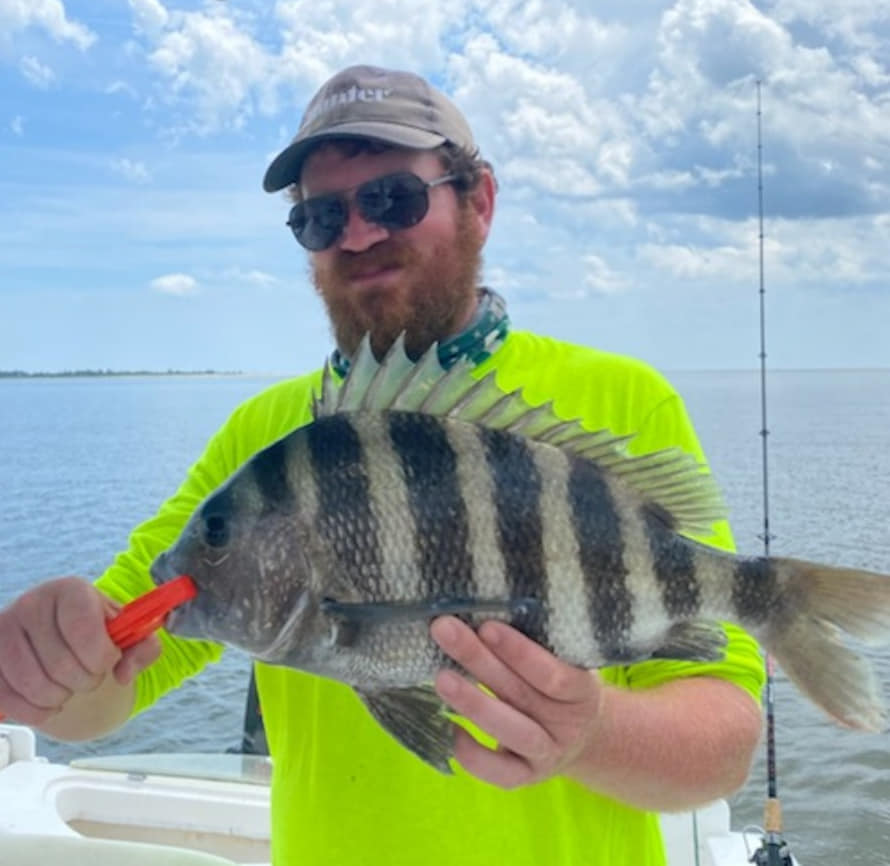
Sheepshead might look like they belong in a dentist's nightmare, but they're fantastic table fare and provide a completely different fishing challenge. These black-and-white striped fish hang tight to structure – think dock pilings, oyster bars, and bridge supports. They're notorious bait stealers with those human-like teeth, so you need perfect timing on the hookset. Peak season runs from late fall through early spring when they're staging for their spawning run. Landing a 4+ pound sheepshead requires skill, patience, and a little luck.
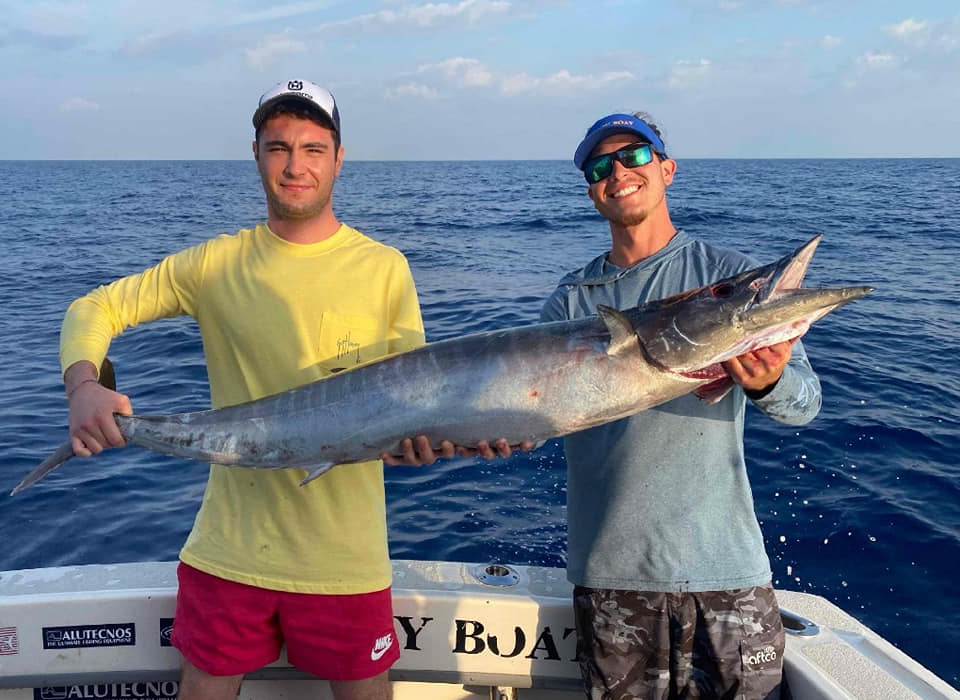
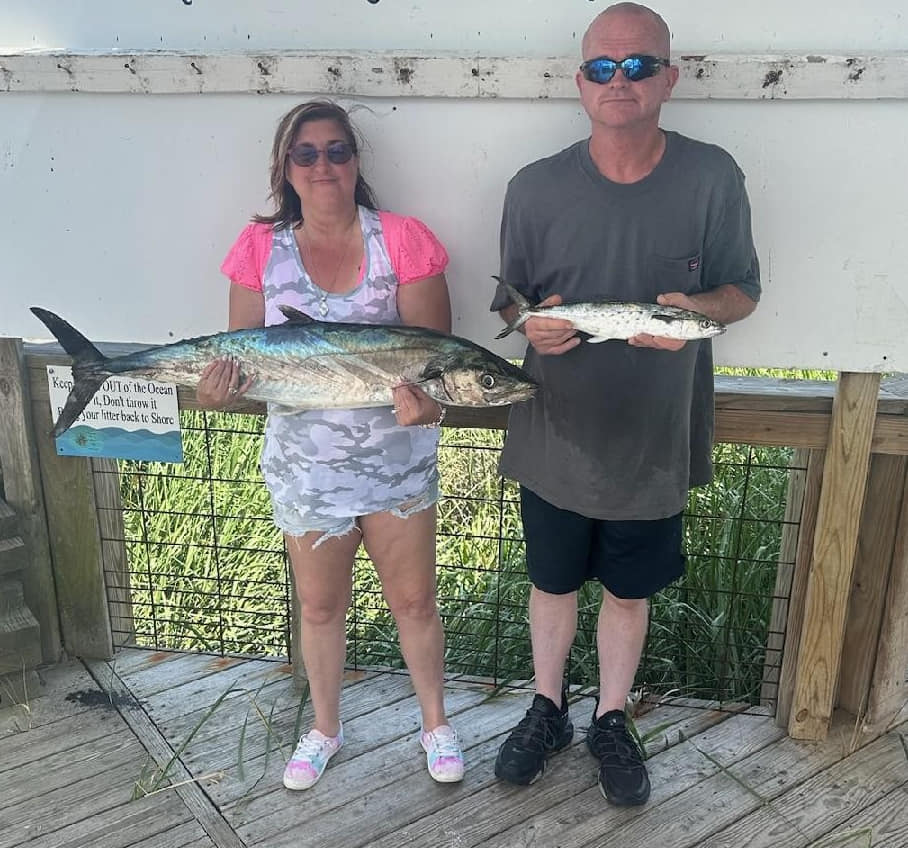
Spanish mackerel bring pure speed and excitement to your fishing day. These torpedo-shaped fish school up in massive numbers during their peak season from late spring through early fall. When you find them, it's game on – they'll hit anything that moves fast enough and fight with incredible energy for their size. The key is finding the bait schools they're feeding on, and your guide knows all the spots where Spanish macs concentrate.
Grey triggerfish round out the target species list and offer something totally unique. These oddball fish have a distinctive trigger-like dorsal fin and pack serious attitude in a compact package. They're structure-oriented fish that love hard bottom and artificial reefs. What makes triggers fun is their unpredictability – they might ignore your bait completely or attack it with surprising aggression. They're also excellent eating, with firm white meat that's perfect for the grill.
Time to Book Your Spot
Richmond Hill's inshore fishing scene is absolutely world-class, and trips with Coastal Ga Fishing sell out quickly during peak seasons. With only two spots available per trip, you're guaranteed personal attention and maximum fishing time. The combination of Fort McAllister's convenient launch location, the area's diverse fish populations, and expert local guidance creates the perfect recipe for a memorable day on the water. Whether you're looking to cross redfish off your bucket list, put together a mixed bag of inshore species, or just enjoy a few hours away from the daily grind, this top-rated fishing experience delivers exactly what serious anglers are looking
 Private Trip
 Inshore Fishing
 Midway, GA


 Target redfish, sea trout, and sheepshead in coastal waters