Freshwater Fishing - Ormond Beach, Florida
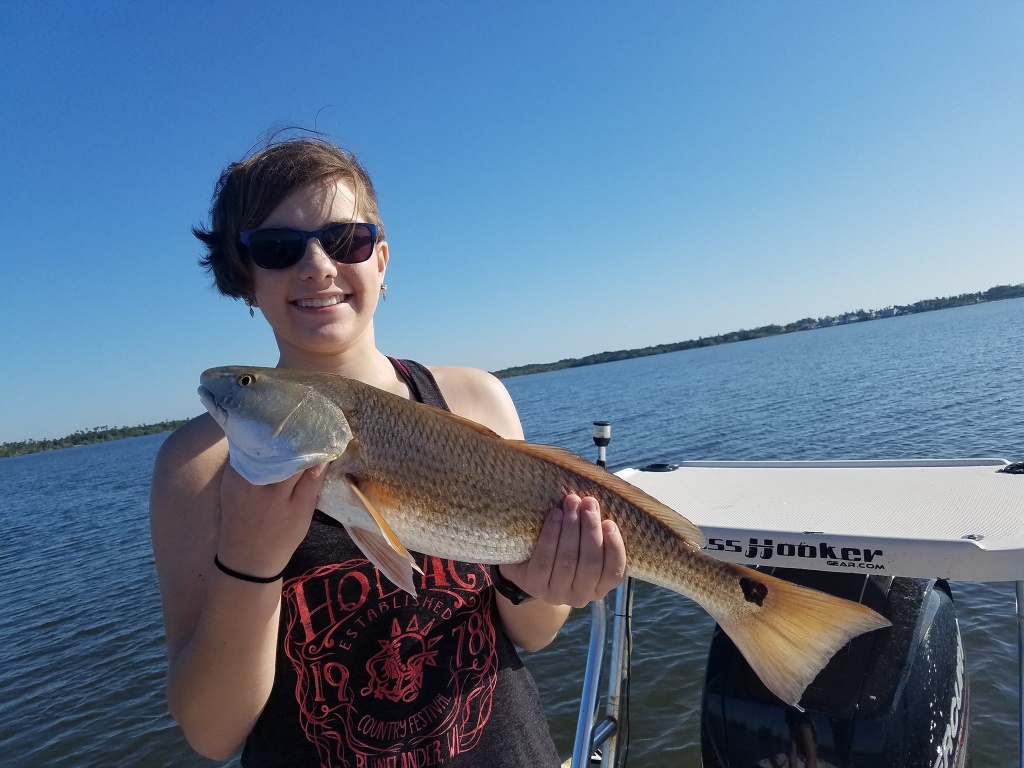
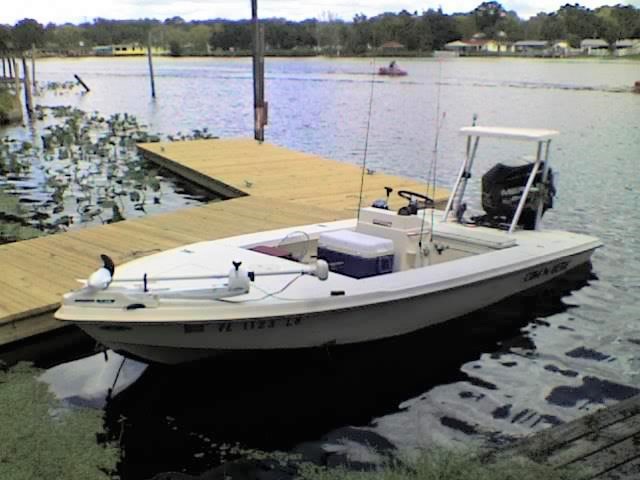
When folks think of Ormond Beach fishing, most picture saltwater action off the Atlantic. But here's what the locals know - some of the best freshwater fishing in Central Florida happens right in our backyard. Com'N'Getit Fishing Charters offers access to premier freshwater lakes fed by the legendary St. John's River system, including Lake George, Lake Dexter, and Lake Woodruff. These waters sit right next to the Ocala National Forest, creating a fishing paradise that stays productive year-round. Whether you're chasing winter crappie or explosive spring bass, this intimate 2-person charter puts you on fish that'll make your trip memorable.
What to Expect on the Water
This isn't your typical crowded lake experience. We're talking about a network of connected waterways that most tourists never see, where the fishing pressure stays light and the fish stay hungry. Your guide knows these waters like the back of their hand - every submerged tree, every grass line, every drop-off that holds fish. The 2-guest capacity means you get personalized attention and won't spend half your day untangling someone else's line. Spring brings the absolute best action when bass move shallow for the spawn, but don't sleep on winter trips either. Those cold-water crappie runs can be absolutely lights-out, especially around structure near deeper water. The scenery alone makes it worth the trip - cypress trees, wildlife, and that peaceful feeling you only get on natural Florida lakes.
Techniques & Tackle Setup
Your guide comes equipped with everything you need, but understanding the approach helps you get the most from your day. Bass fishing here revolves around structure - think Texas rigs around fallen timber, spinnerbaits over grass beds, and topwater action during low-light periods. The St. John's River system creates current flow that keeps baitfish moving, which means predator fish set up in predictable spots. For crappie, we're talking about vertical presentations around cover, typically 8-15 feet deep depending on season and weather patterns. Longnose gar require a different mindset entirely - these prehistoric fighters need wire leaders and patience, but when one explodes on your lure, you'll understand the addiction. The guide adjusts techniques based on conditions, but expect to cover water efficiently and put multiple species in the boat.
Top Catches This Season
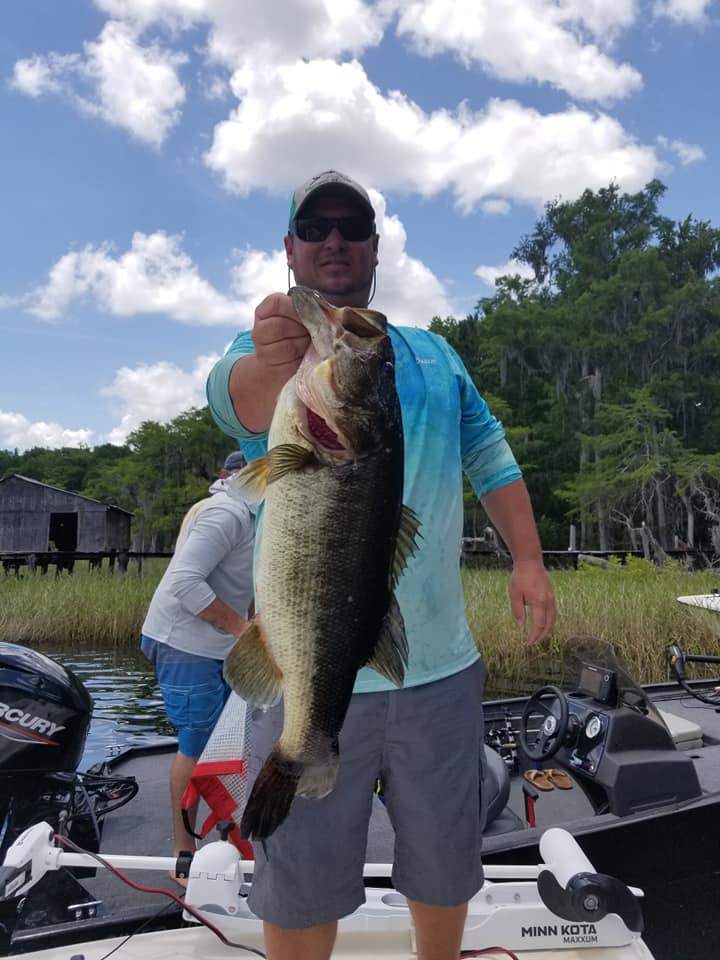
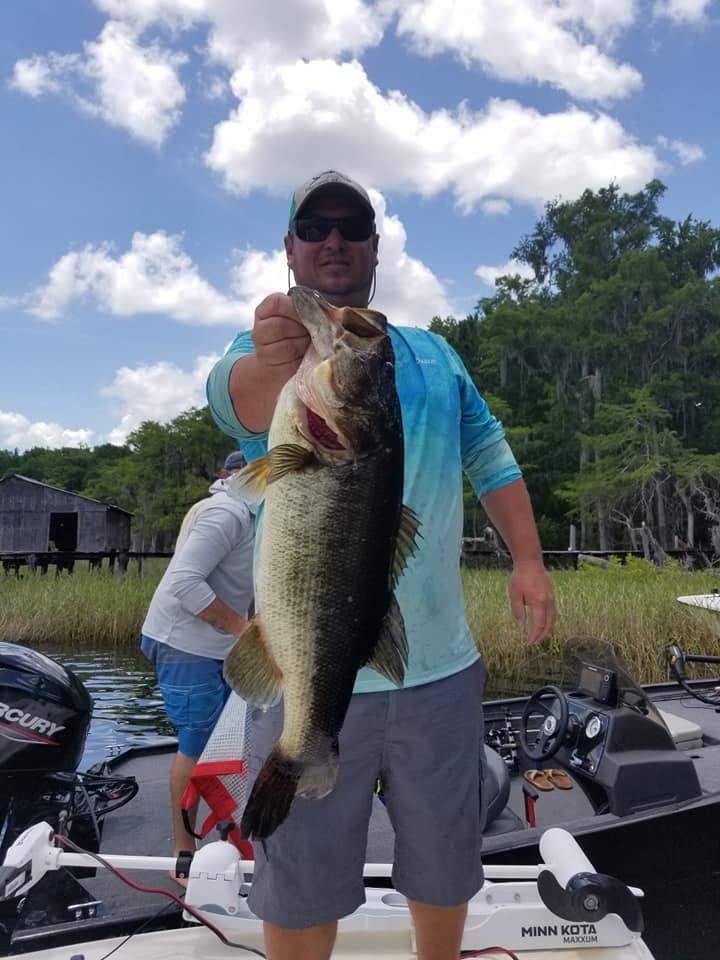
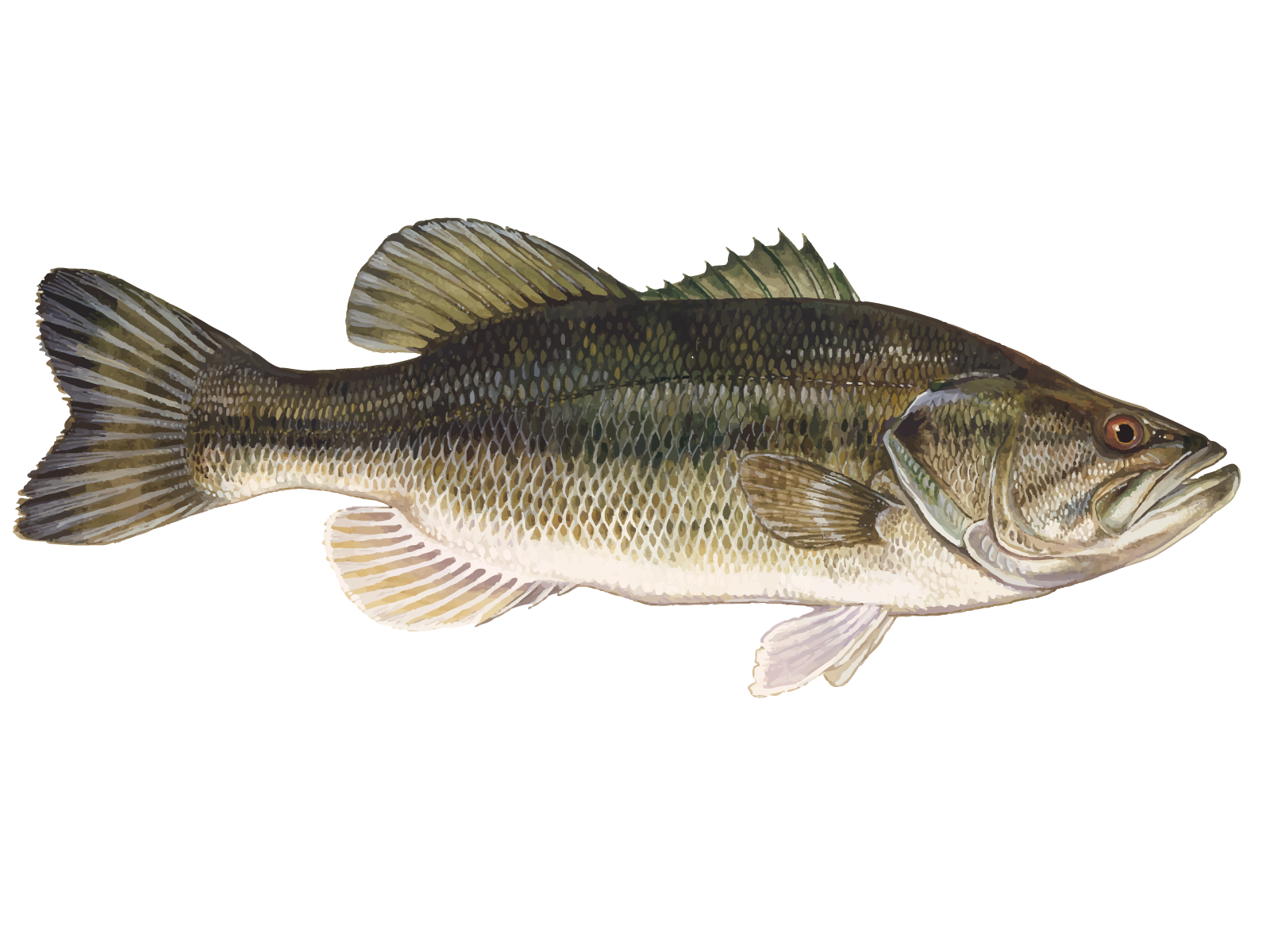
Largemouth Bass: The crown jewel of these waters, Florida strain largemouth grow big and fight hard in this fertile system. Spring spawning season (March through May) produces the most explosive action when bass move shallow and become aggressive. Expect fish in the 2-8 pound range, with the occasional double-digit surprise that'll test your drag system. These bass love the abundant cover - cypress trees, hydrilla beds, and creek channels provide endless ambush points. What makes catching them here special is the variety of techniques that work, from flipping heavy cover to burning reaction baits over grass.
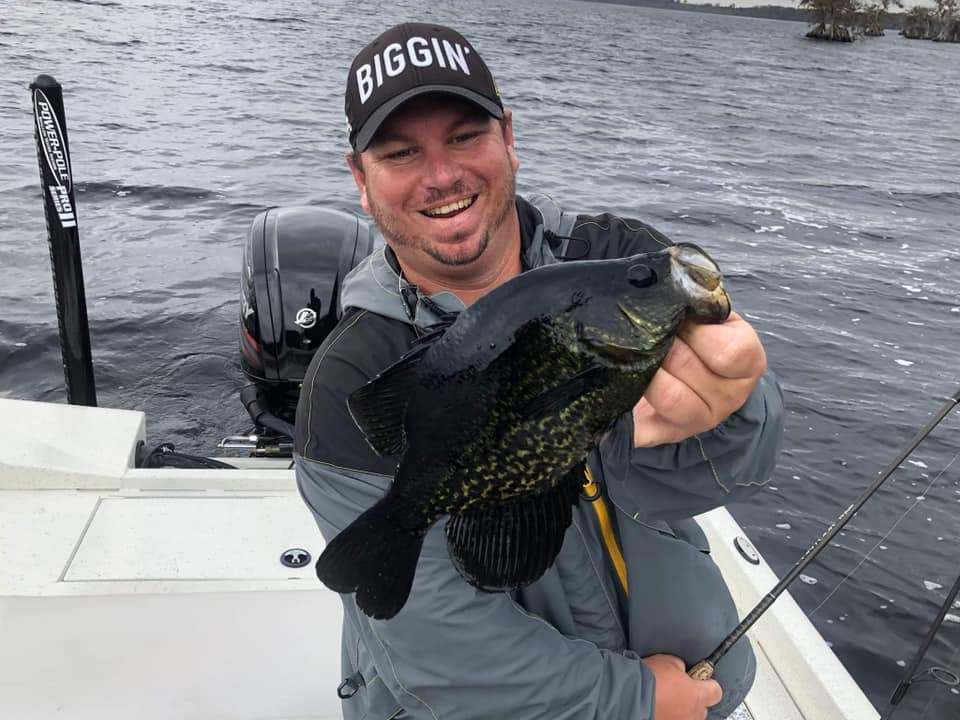
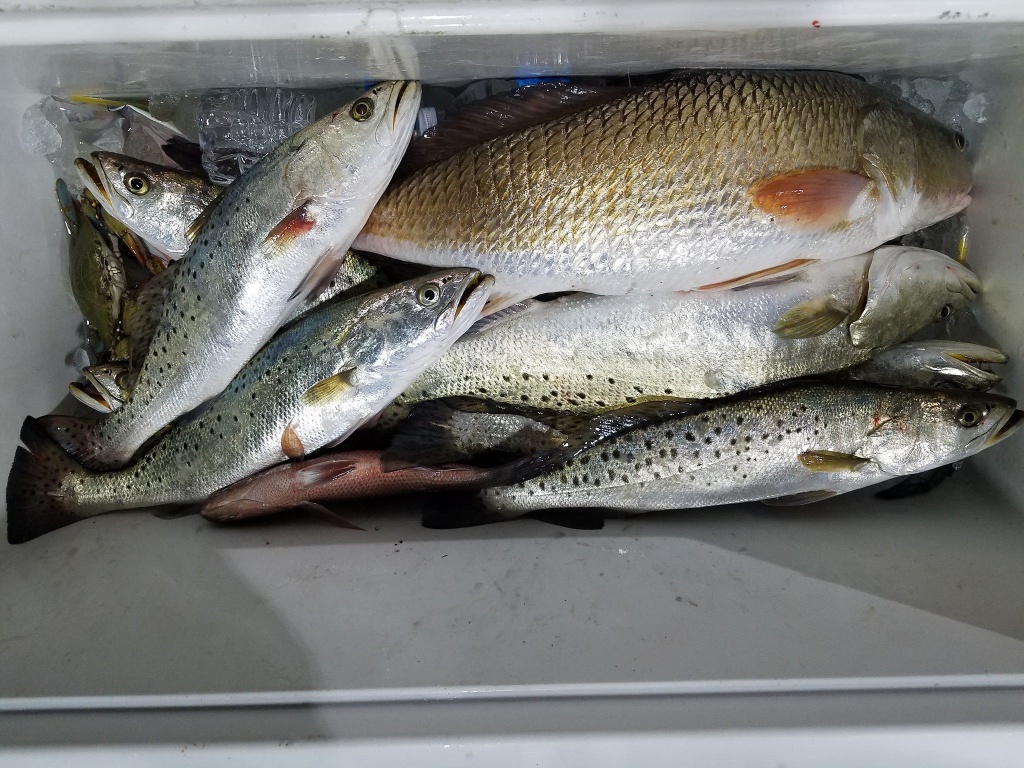
Crappie: Winter is prime time for slab crappie, roughly December through February when these schooling fish concentrate around deeper structure. These paper-mouthed fighters average 10-14 inches but can push bigger, especially the females full of eggs. They're incredibly table-friendly fish, making them perfect for anglers who like to take dinner home. The key is finding the schools - once you locate them, you can often catch limits quickly. Their light bite requires finesse, but the payoff is worth it when you're pulling up crappie after crappie from a productive spot.
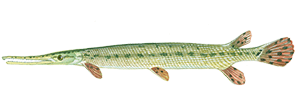
Longnose Gar: These living fossils provide some of the most exciting action on the lake. They can reach 3-4 feet long and fight like submarines with their rolling, twisting battles. Spring brings them into shallower water where they're more accessible to anglers. Their bony mouths make them tough to hook, but when you connect, get ready for a wild ride. Gar fishing requires patience and the right approach, but they're absolutely addictive once you figure them out. They're also excellent predators that help keep rough fish populations in check.
White Bass: These schooling fish provide fast action when you find them, often traveling in large groups that create feeding frenzies. They're smaller than largemouth but make up for it with aggressive strikes and solid fights on light tackle. Spring spawning runs bring them into tributaries where they become very concentrated and catchable. They're excellent eating fish and fun on light spinning gear. When the bite is on, you can catch them as fast as you can get your lure back in the water.
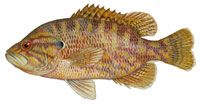
Warmouth: Often overlooked but surprisingly scrappy, warmouth provide consistent action throughout the year. They're like miniature bass in terms of behavior, holding tight to cover and striking aggressively. While smaller than largemouth, they punch above their weight class and are perfect for keeping kids or novice anglers engaged. They're also excellent indicators of healthy water - where you find good warmouth populations, you typically find thriving ecosystems that support larger predators too.
Time to Book Your Spot
This freshwater fishing experience puts you on some of Central Florida's best-kept secrets without the crowds and pressure of more well-known destinations. The 2-person capacity ensures quality time on the water with expert guidance, while the diverse species mix keeps every cast interesting. Whether you're a serious bass angler looking for your next personal best or a family wanting to introduce kids to fishing, these waters deliver. The seasonal patterns mean there's always something biting, but spring remains the absolute peak time for explosive action. Don't wait until everyone else discovers what locals already know - book your freshwater adventure with Com'N'Getit Fishing Charters and experience the wild side of Ormond Beach fishing that most visitors never see.
 Private Trip
 Lakes/Reservoirs/Ponds Fishing
 Daytona Beach, FL

 Freshwater fishing in lakes fed by St. John's River