Half Day Cape May Fishing with Captain Clint
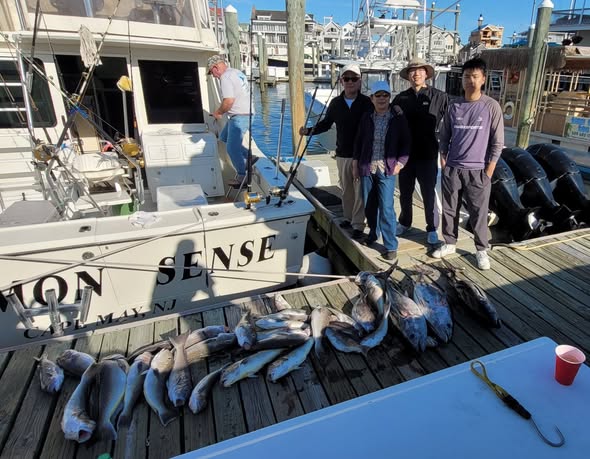
Cape May's waters are calling, and Captain Clint Clement knows exactly where the fish are biting. This top-rated inshore fishing adventure puts you right in the action, targeting some of the Mid-Atlantic's most sought-after species. Whether you're looking for a quick morning bite or want to spend the whole day chasing fish, this trip delivers the goods. With room for up to six anglers, it's perfect for families, buddies, or anyone wanting to get their lines wet in some of New Jersey's most productive fishing grounds.
What to Expect on the Water
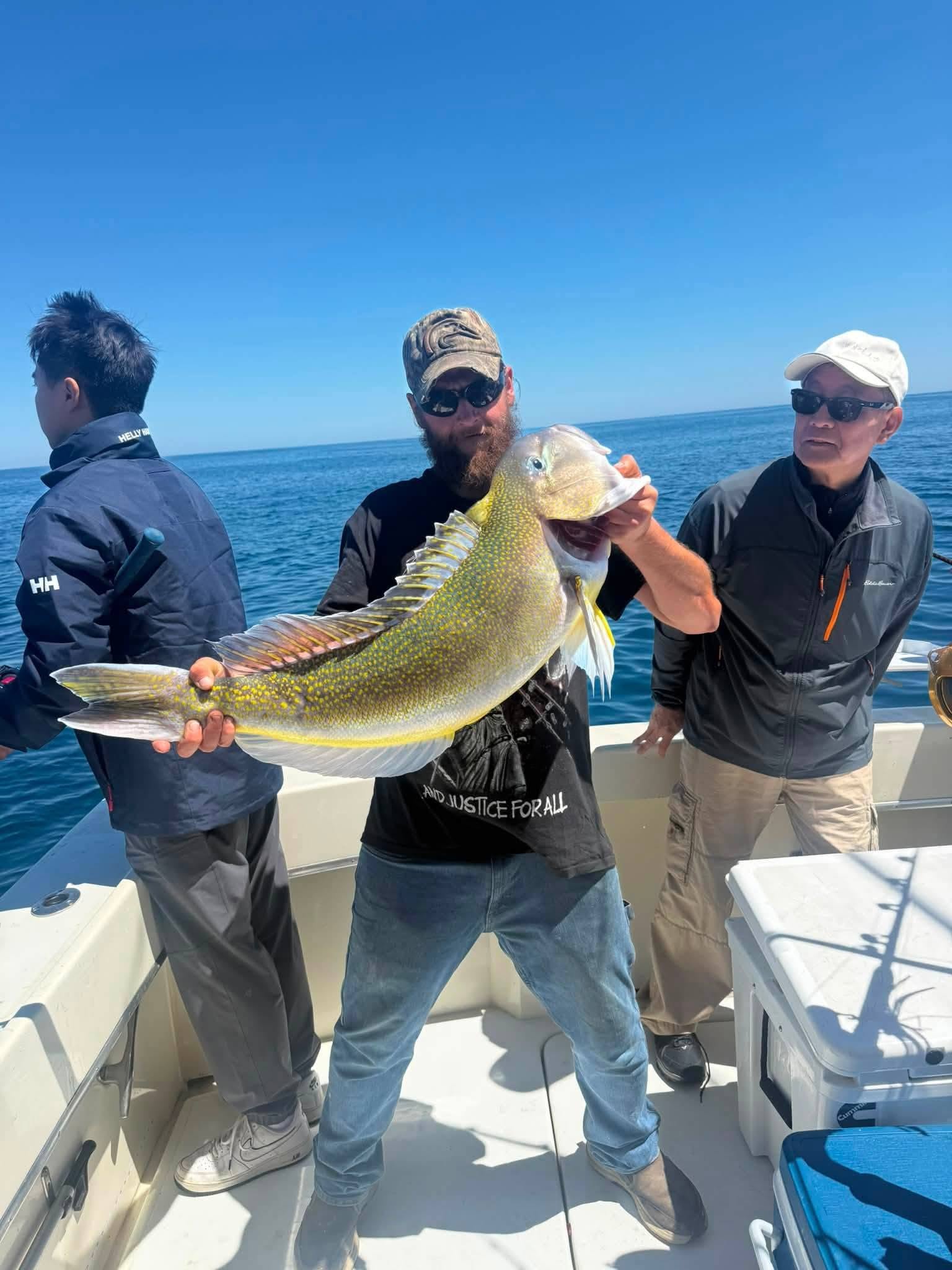
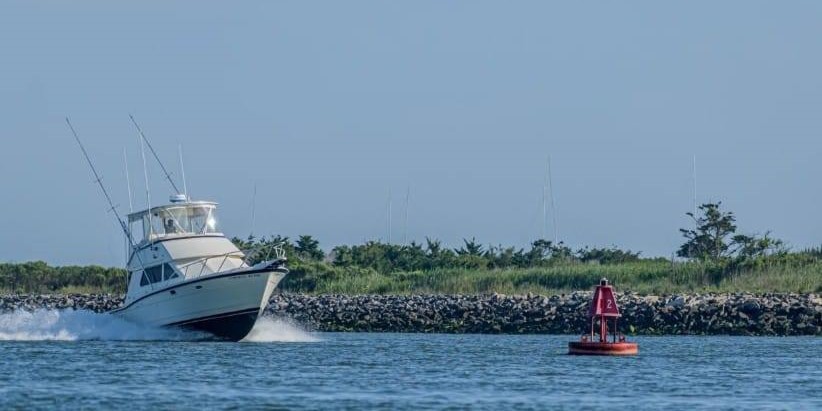
You'll be fishing the prime waters off Cape May, where the Delaware Bay meets the Atlantic Ocean. This mixing of waters creates a feeding frenzy that draws bluefish, Spanish mackerel, bonitas, and king mackerel within easy reach. Captain Clint runs a tight ship but keeps things fun and relaxed. The boat heads out anywhere from close to shore up to 30 miles offshore, depending on where the fish are showing up that day. Don't worry about bringing tackle or bait – everything's provided, and Captain Clint and his crew will get you rigged up and ready to fish. The atmosphere is laid-back but focused on putting fish in the boat. You'll spend your time moving between productive spots, and when the bite is on, it's game time.
Trolling the Cape May Grounds
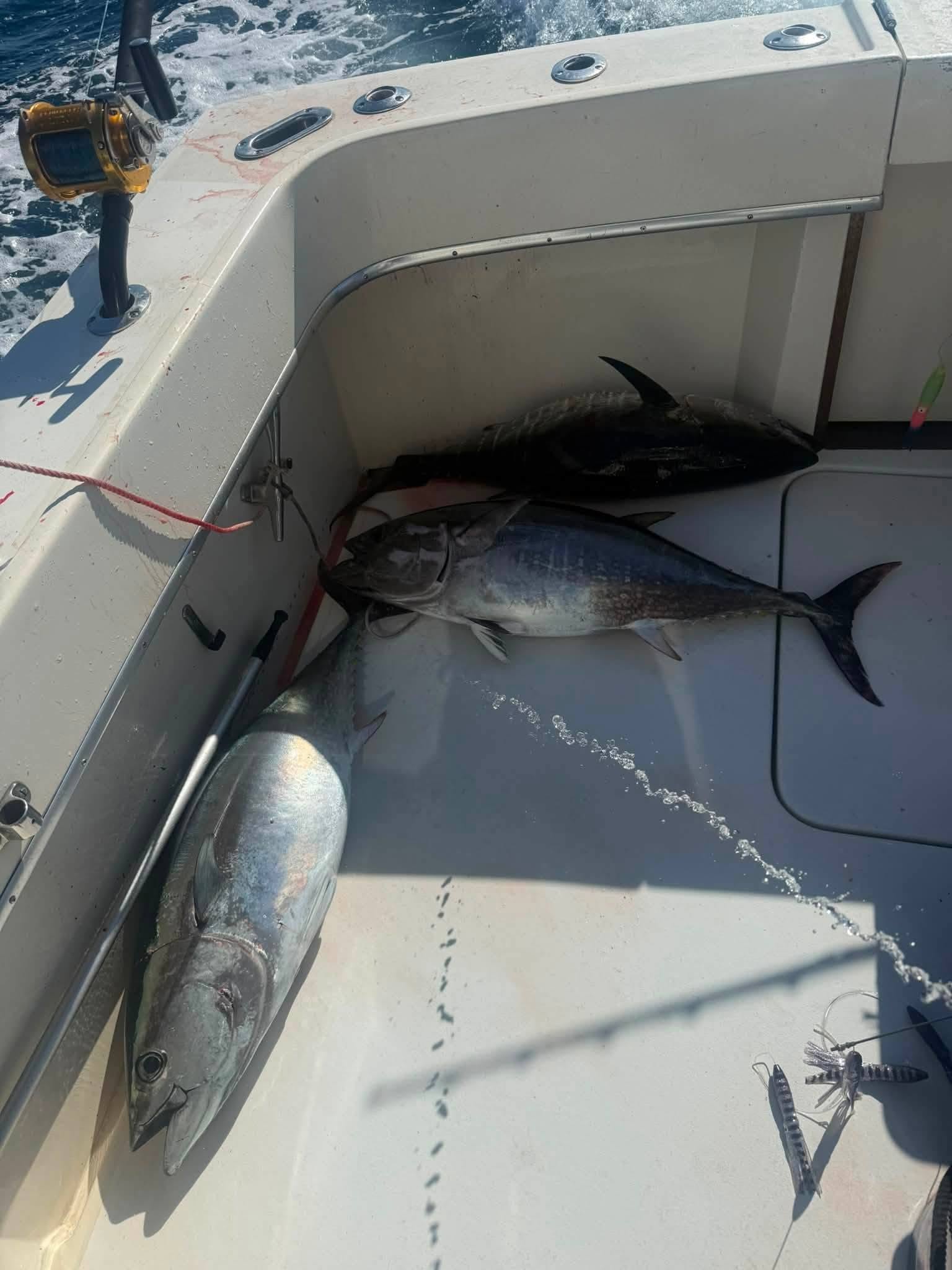
This is primarily a trolling operation, which means you'll be covering water and letting the fish come to you. Captain Clint sets up a spread of lures and baits designed to attract the species you're targeting. Trolling is perfect for beginners because it doesn't require casting skills – just hang on when that rod starts screaming. The boat runs at trolling speed while dragging multiple lines at different depths and distances. When a fish hits, you'll know it immediately. The crew will coach you through the fight, helping you land everything from aggressive bluefish to speedy Spanish mackerel. The gear is matched to the fish you're after, so you'll feel every head shake and run without being overpowered by heavy tackle.
Customer Stories
Recent anglers can't stop talking about their time with Captain Clint and his crew. "Excellent service very friendly and would hailey recommend their charter boat to anyone that is looking to have a lots of fun and want to catch a lot of fish 🎣" - Cody. Donna had an equally great experience: "We had an incredible time out on the water! Easily the best fishing trip we've ever taken. Everyone caught plenty of fish—truly an unforgettable experience!" Another satisfied angler, Michael, summed it up perfectly: "Clint and Kyle were fantastic—super helpful and fun to fish with. We ended up catching around 25 fish. Such a great time all around! 👍"
Species You'll Want to Hook
Spanish mackerel are absolute rockets when they hit your line. These silver bullets typically run 1-3 pounds and are known for their blistering initial runs and acrobatic jumps. They show up in Cape May waters from late spring through early fall, with peak action during the warmer months. What makes Spanish mackerel so exciting is their aggressive feeding behavior – when you find a school, you can often catch them one after another. They're also excellent table fare, making them a customer favorite for both the fight and the frying pan.
Bluefish are the bullies of the Mid-Atlantic, and Cape May has some of the best bluefish action on the East Coast. These toothy predators can range from snapper blues under a pound to chopper blues pushing 15 pounds or more. They're notorious for their vicious strikes and never-give-up attitude. Bluefish are present in these waters from spring through late fall, with different size classes showing up throughout the season. The bigger blues are particularly exciting because they'll test your drag and make powerful runs toward structure.
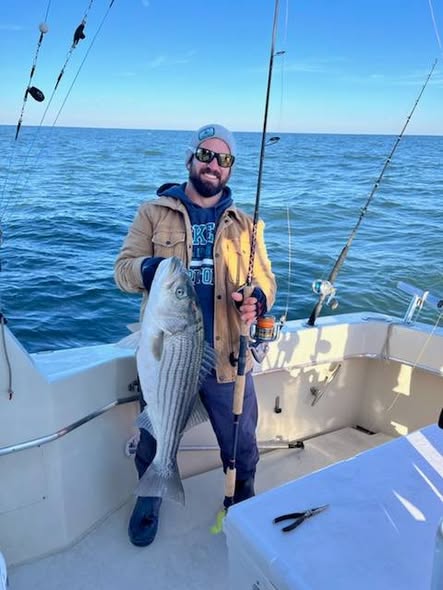
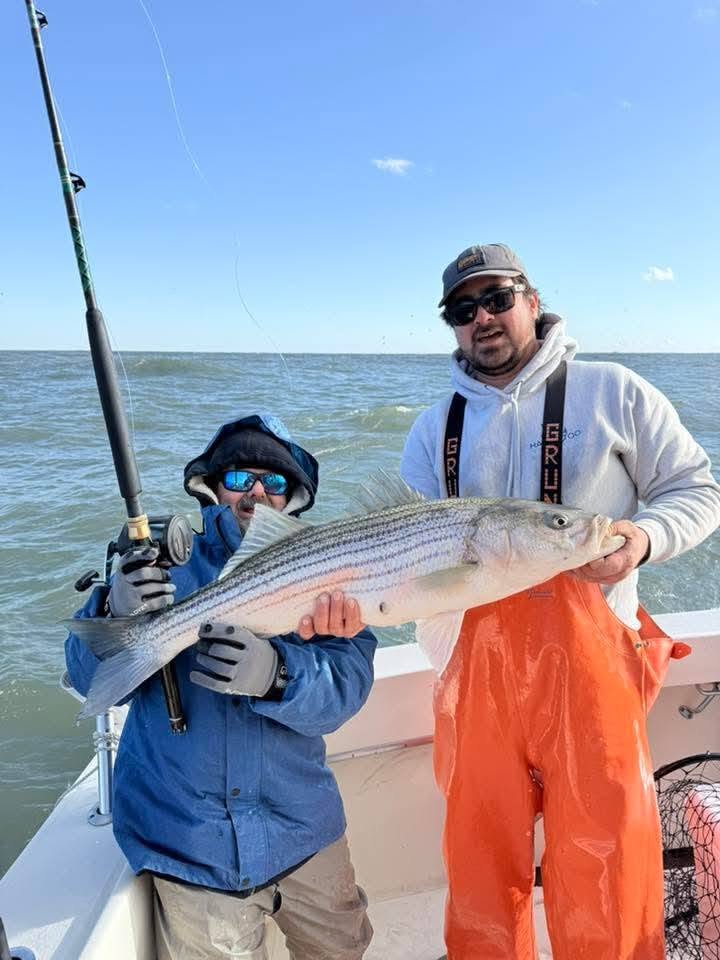
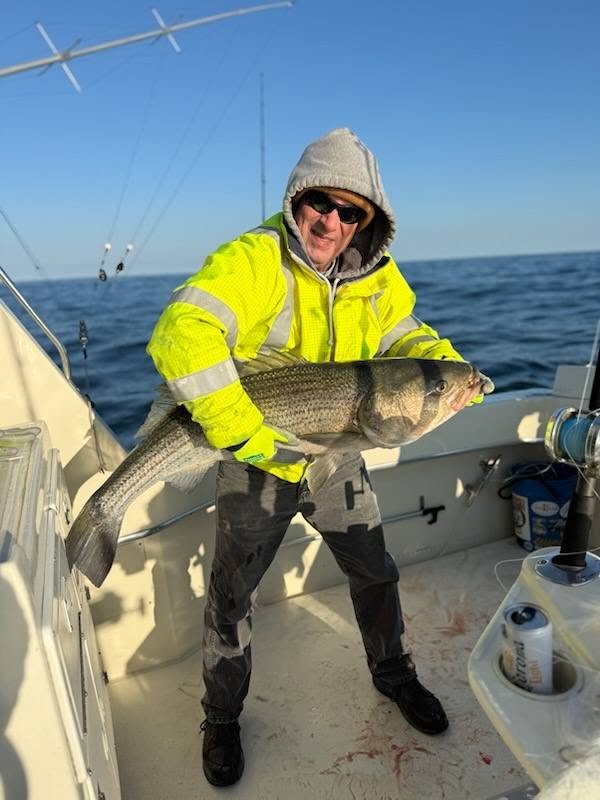
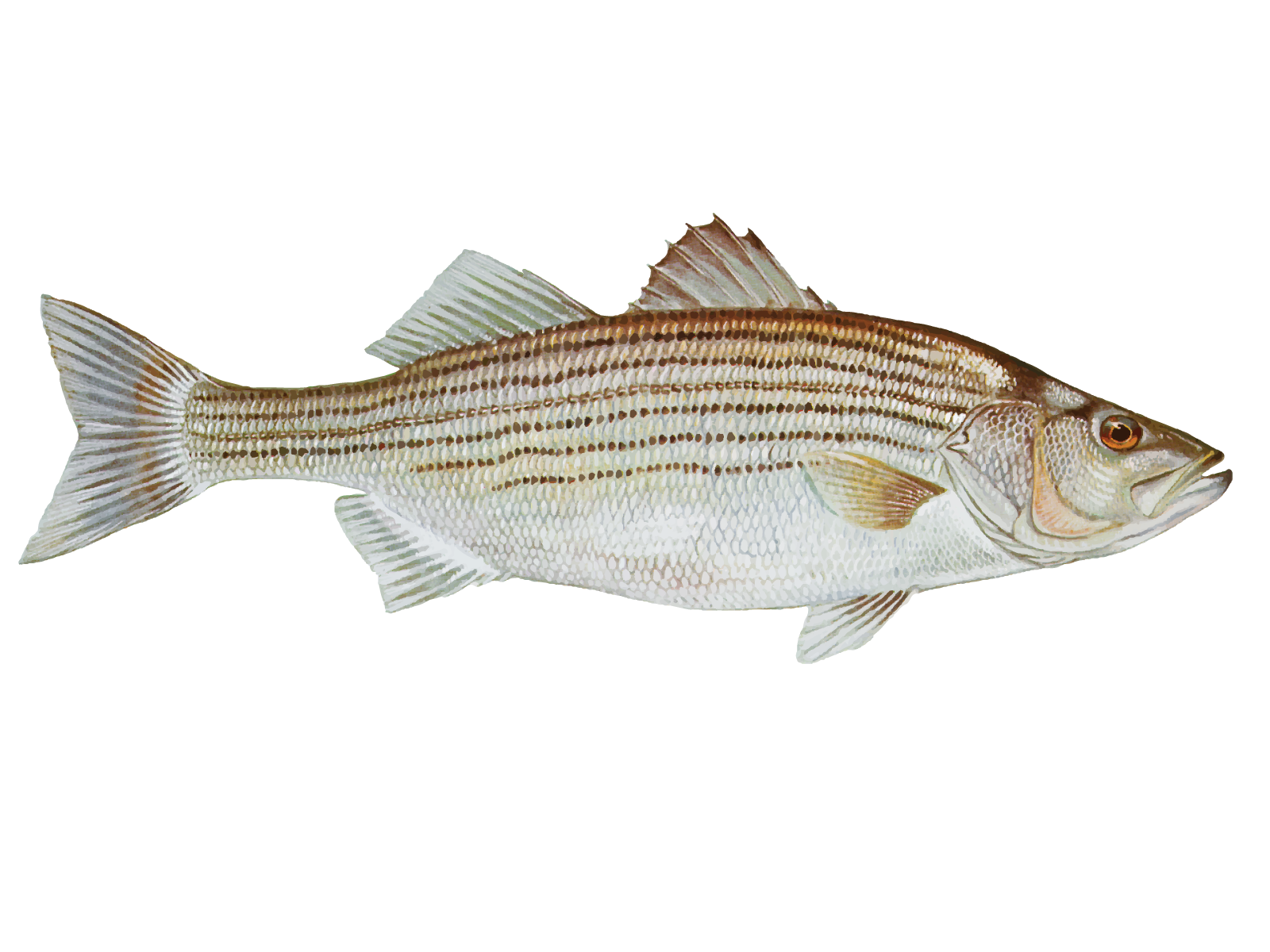
Striped bass, or "stripers" as locals call them, are the crown jewel of Cape May fishing. These fish can range from schoolies in the 20-inch range to trophy bass over 40 inches. Stripers are incredibly strong fighters that use their broad sides and powerful tails to wage war against your tackle. They're most active during spring and fall migrations, but resident fish provide action throughout the summer. What makes stripers special is their intelligence – they can be finicky feeders that require skill and patience to hook consistently.
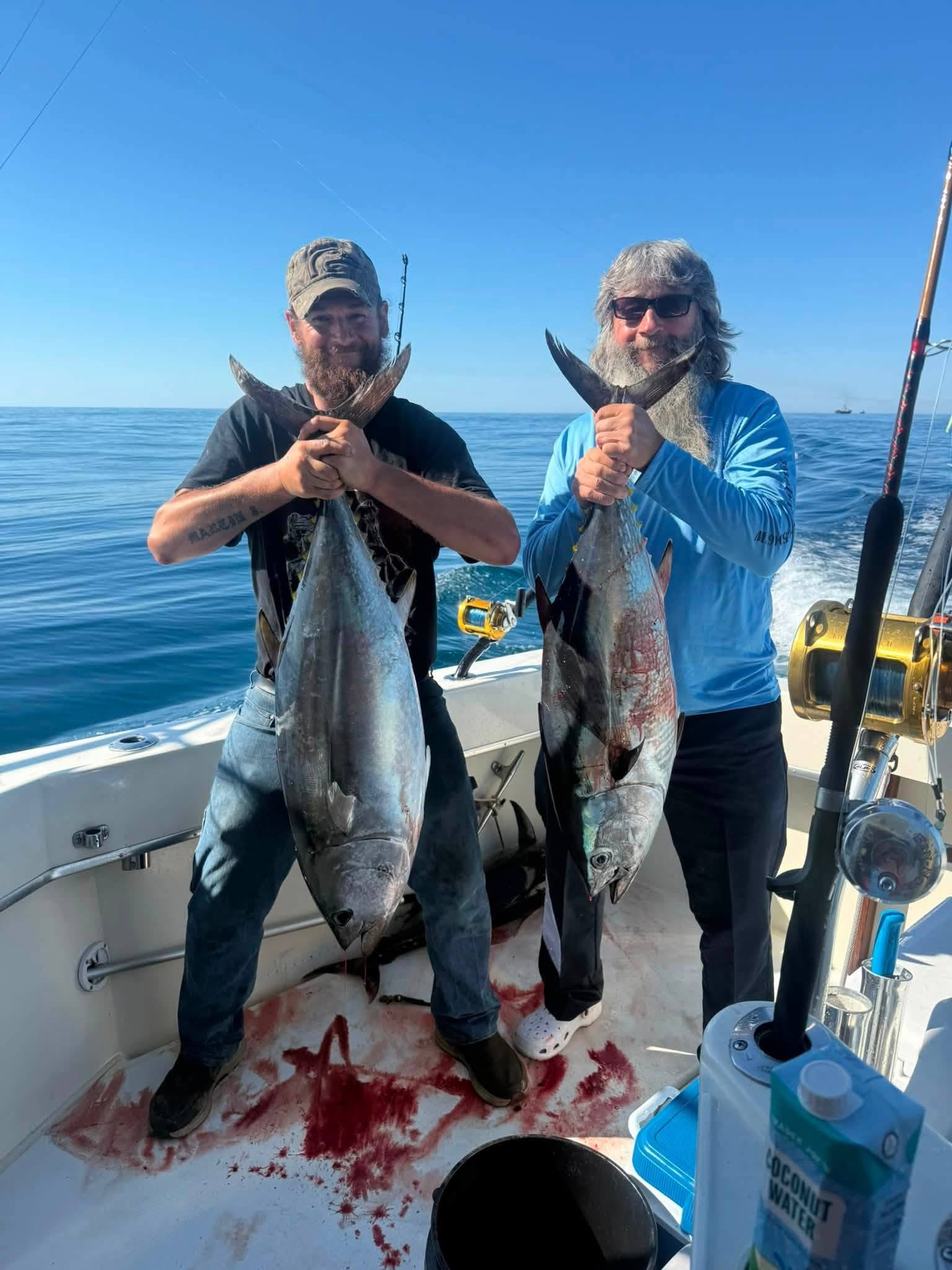
King mackerel, or "kings," are the big brothers of the mackerel family and represent the trophy potential of this trip. These fish can exceed 20 pounds and are known for their incredible speed and jumping ability. Kings prefer warmer water and are typically found during the peak summer months when water temperatures climb. Landing a king mackerel is a bucket-list experience for many anglers because of their size, fight, and rarity in northern waters.
Atlantic bonito are often called the "poor man's tuna" because they fight way above their weight class. These 3-8 pound fish are built for speed and endurance, making long, sustained runs that will have your arms burning. Bonito show up in Cape May waters during their fall migration, often in large schools that create fast and furious action. They're prized by light-tackle enthusiasts because even smaller bonito can provide a world-class fight on appropriate gear.
Time to Book Your Spot
Cape May's fishing grounds are world-class, and Captain Clint's operation is as good as it gets for inshore action. Whether you choose a half-day trip to get a taste of the fishing or go all-in with a full day on the water, you're setting yourself up for the kind of fishing stories you'll be telling for years. The boat stays busy during peak season, so don't wait around if you're serious about getting out there. This is customer-favorite fishing at its finest
 5.0(7 Reviews)
 Private Trip
 Inshore Fishing
 Top Rated
 Cape May


 Target bluefish, mackerel, and bonitas with Captain Clint offshore