Half Day Beginner-Friendly Fishing in Cape May
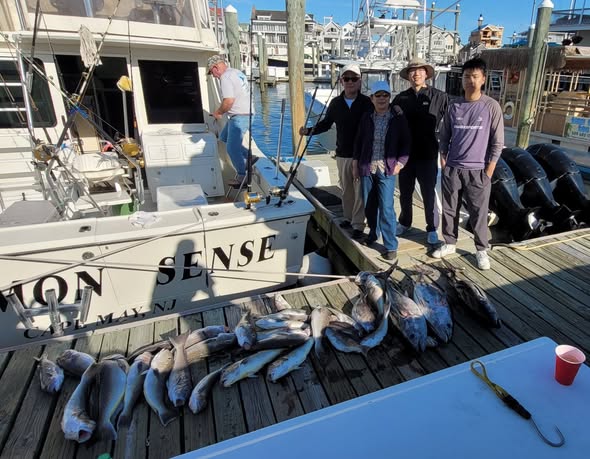
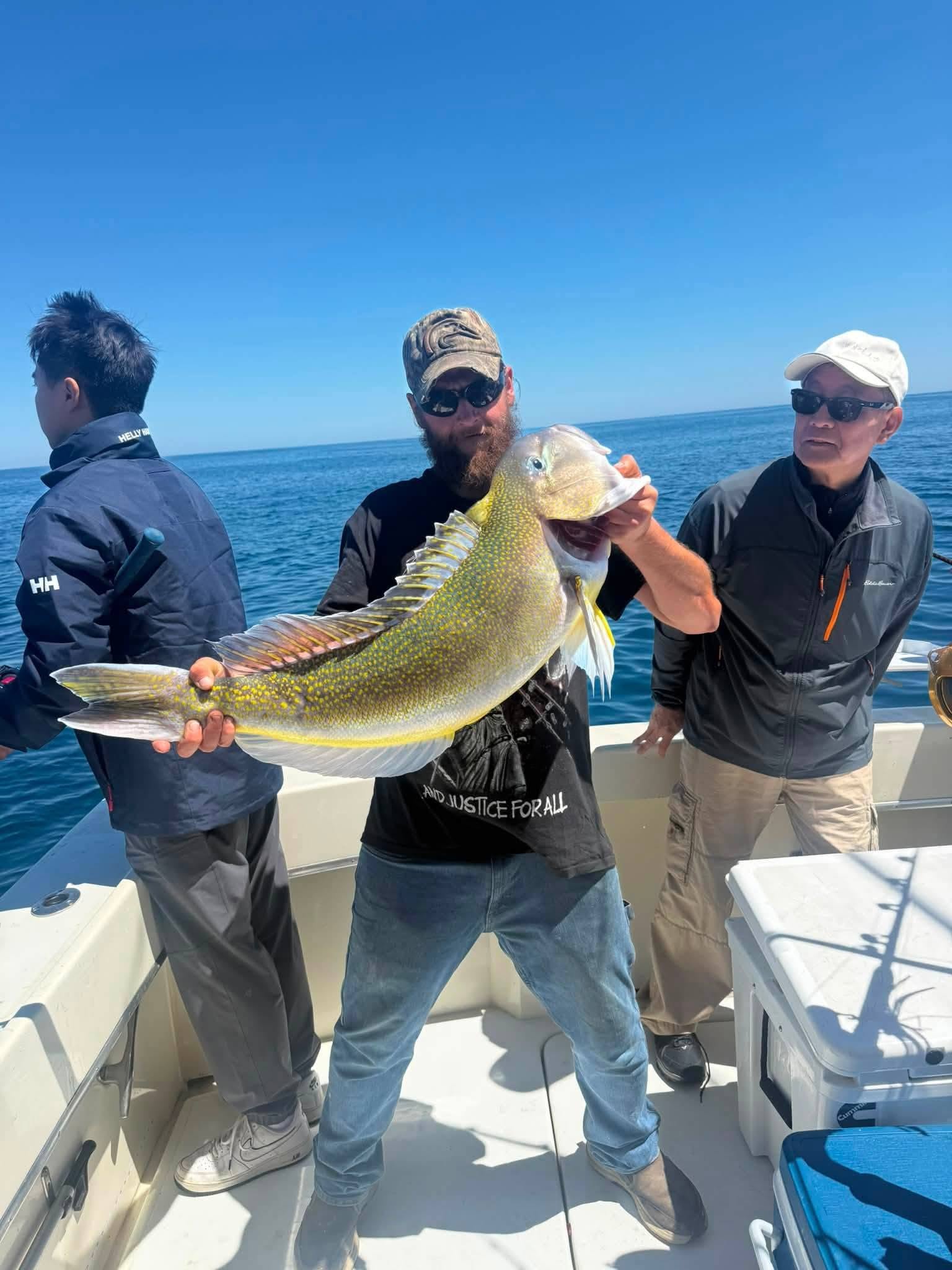
Looking to get your feet wet with some serious inshore action? Captain Clint Clement knows exactly where to find the fish around Cape May, and his half-day trips are perfect for anyone wanting to learn the ropes without committing to a full day on the water. You'll be targeting some of the most exciting species the Jersey coast has to offer – bluefish, Spanish mackerel, king mackerel, and Atlantic bonito – all while staying in comfortable inshore waters. With room for up to six anglers, this trip strikes the perfect balance between personal attention and social fishing fun.
What to Expect on the Water
Captain Clint runs a top-rated operation that's built around making sure first-timers feel confident from the moment they step aboard. You're not just getting a boat ride – you're getting a fishing education. The captain provides all your gear, fresh bait, and most importantly, hands-on instruction that'll have you feeling like a seasoned angler by the end of the trip. These inshore waters around Cape May are known for consistent action, especially when you're trolling for the aggressive species that call these waters home. The boat can venture up to 30 miles offshore when conditions are right, but you'll typically find plenty of fish much closer to shore. Don't worry about bringing anything except sunscreen, snacks, and drinks – everything else is handled.
Trolling Tactics & Gear Setup
This is all about trolling, which is hands-down the most effective way to cover water and find active fish in Cape May's inshore zone. Captain Clint will have multiple lines out at different depths and speeds, maximizing your chances of hooking up with whatever's biting that day. The beauty of trolling is that it's perfect for beginners – no complicated casting techniques or finesse required. When a fish hits, you'll know it immediately, and the captain will coach you through the fight. The gear is set up specifically for the target species, with tackle that can handle the blistering runs of king mackerel and the bulldogging fights of bluefish. You'll be using medium to heavy spinning gear paired with quality reels that have smooth drags – essential when these fish decide to make their signature runs.
Species You'll Want to Hook
Spanish mackerel are absolute crowd-pleasers and one of the most reliable species you'll encounter on these trips. These silver bullets typically run between 1-3 pounds and are famous for their acrobatic fights – they'll jump, tail-walk, and make blazing runs that'll have your drag screaming. Peak season runs from late spring through early fall, and they're often found in schools, so when you find one, there are usually more nearby. What makes them special is their willingness to bite and their incredible speed – they're like the sports cars of the mackerel family.
Bluefish are the bullies of the inshore waters, and for good reason. These aggressive predators can range from "snapper" blues around a pound all the way up to "gator" blues pushing 15+ pounds. They're known for their razor-sharp teeth and powerful jaws, so Captain Clint will show you proper handling techniques. Blues are most active during the warmer months and are famous for their feeding frenzies when they're schooled up. They fight hard and dirty, using their broad sides to leverage against the line, making every fish feel bigger than it actually is.
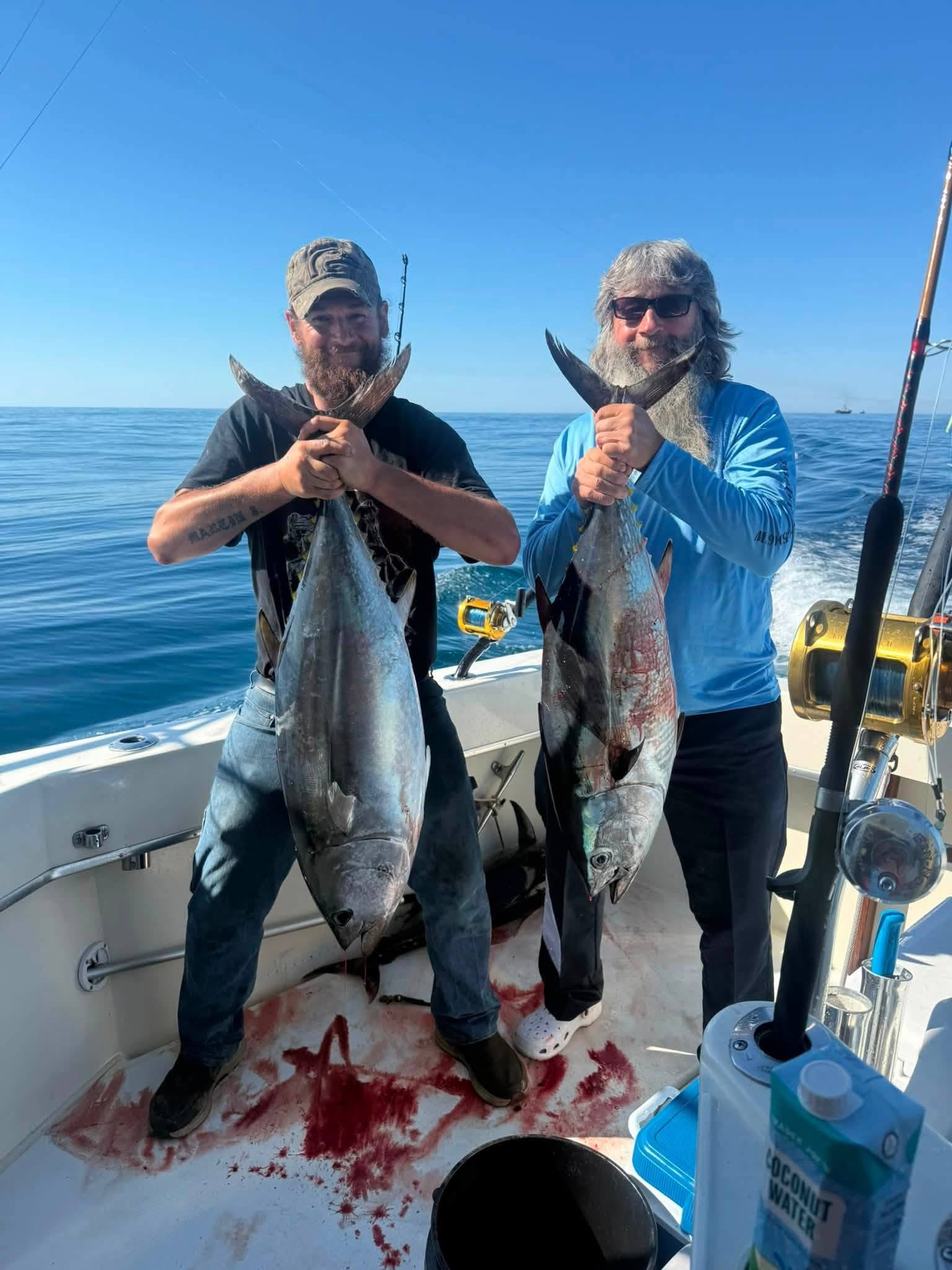
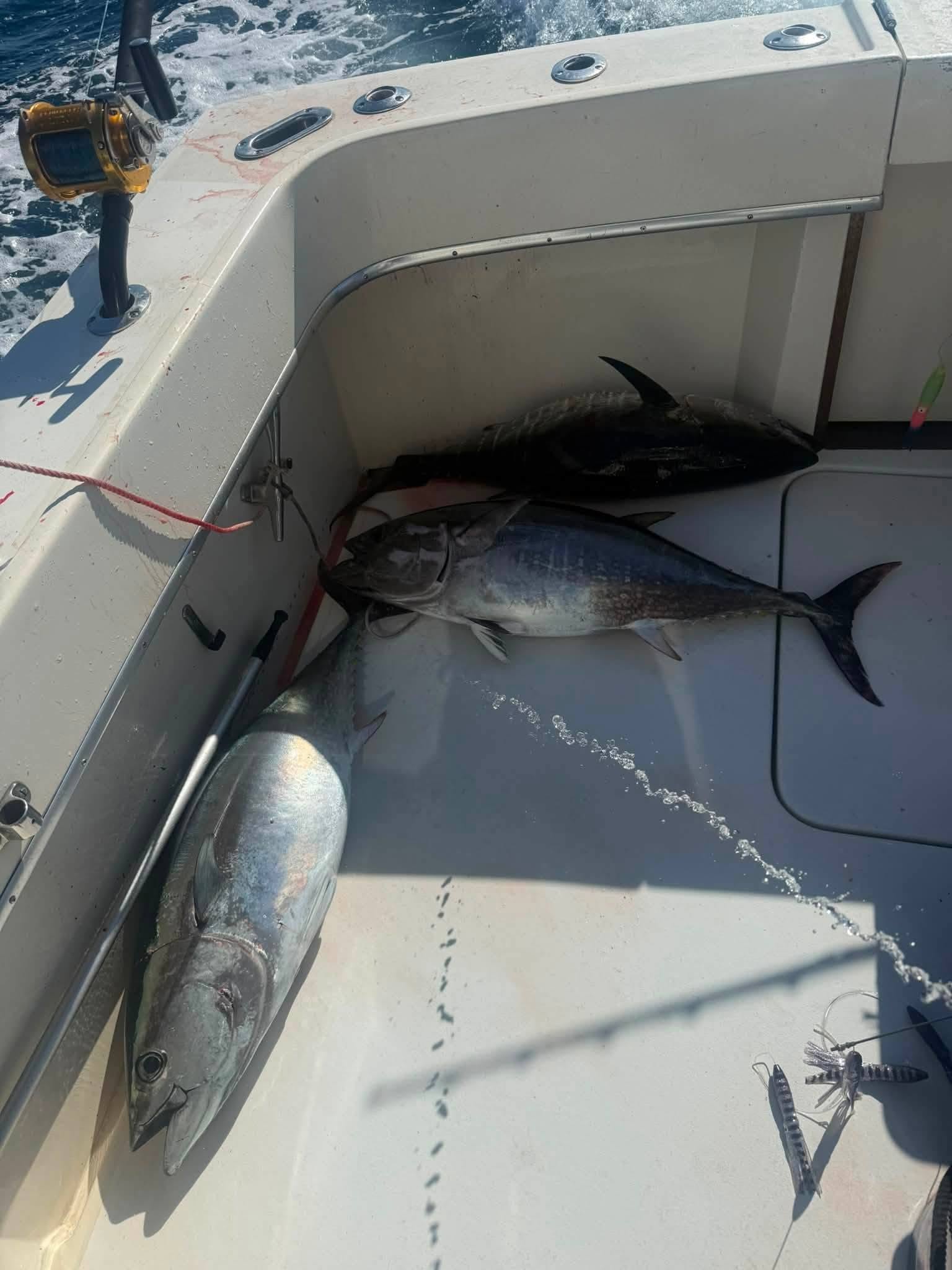
King mackerel, or "kingfish" as the locals call them, are the prize catch of these trips. These apex predators can stretch over 30 inches and pack serious weight, often exceeding 20 pounds. They're built for speed with torpedo-shaped bodies and can make runs that'll test both your drag system and your arm strength. Kings are most active from late spring through fall around Cape May, and they're ambush predators that love to cruise the edges of structure and temperature breaks. When you hook a king, you'll understand why they're considered one of the premier gamefish on the East Coast.
Atlantic bonito might be the most underrated fish in these waters. These tuna relatives are pure muscle wrapped in beautiful silver and blue stripes, typically running 3-8 pounds of non-stop action. They school heavily during their migration periods in spring and fall, creating some of the most exciting fishing Cape May has to offer. Bonito are incredibly strong for their size and fight with the endurance you'd expect from a tuna family member. They're also excellent table fare, making them a favorite among anglers who like to take a few fish home.
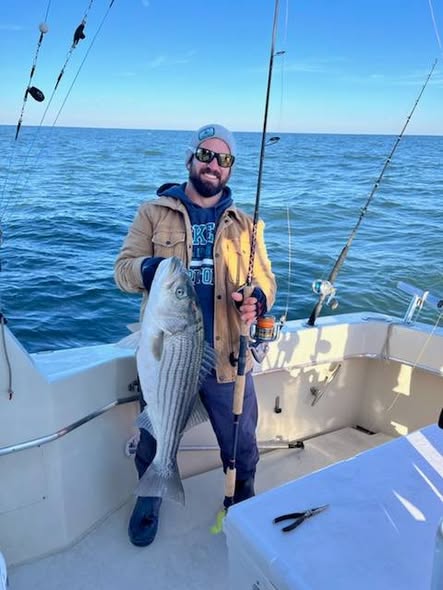
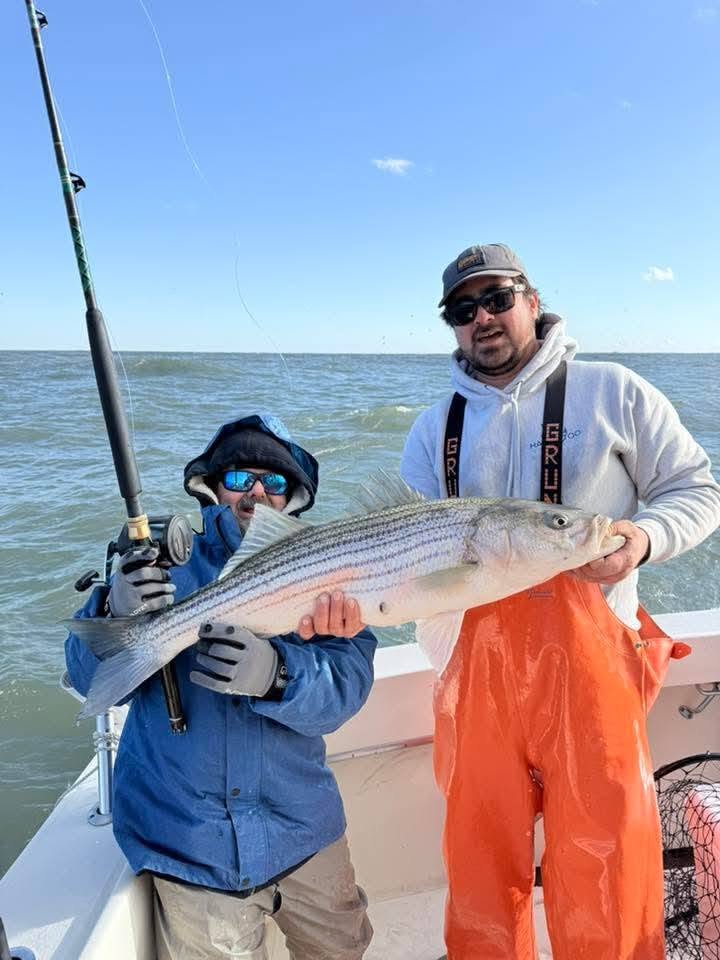
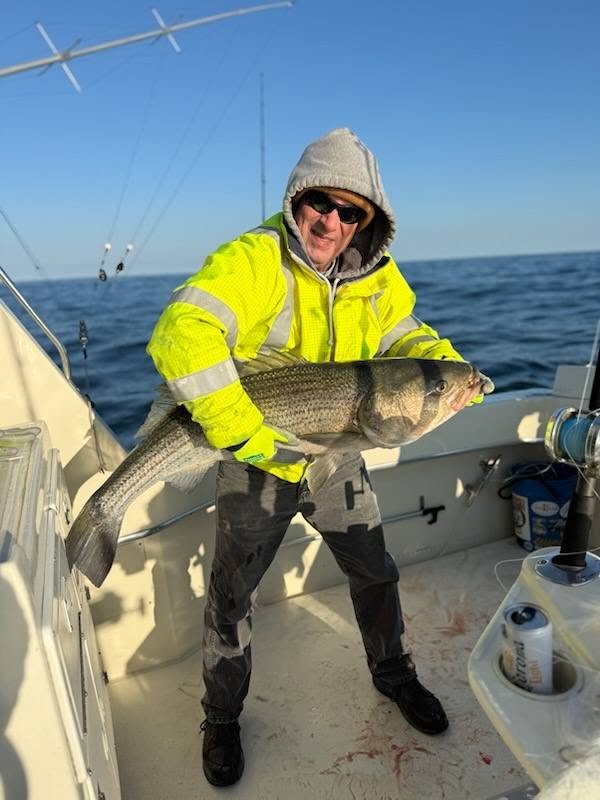
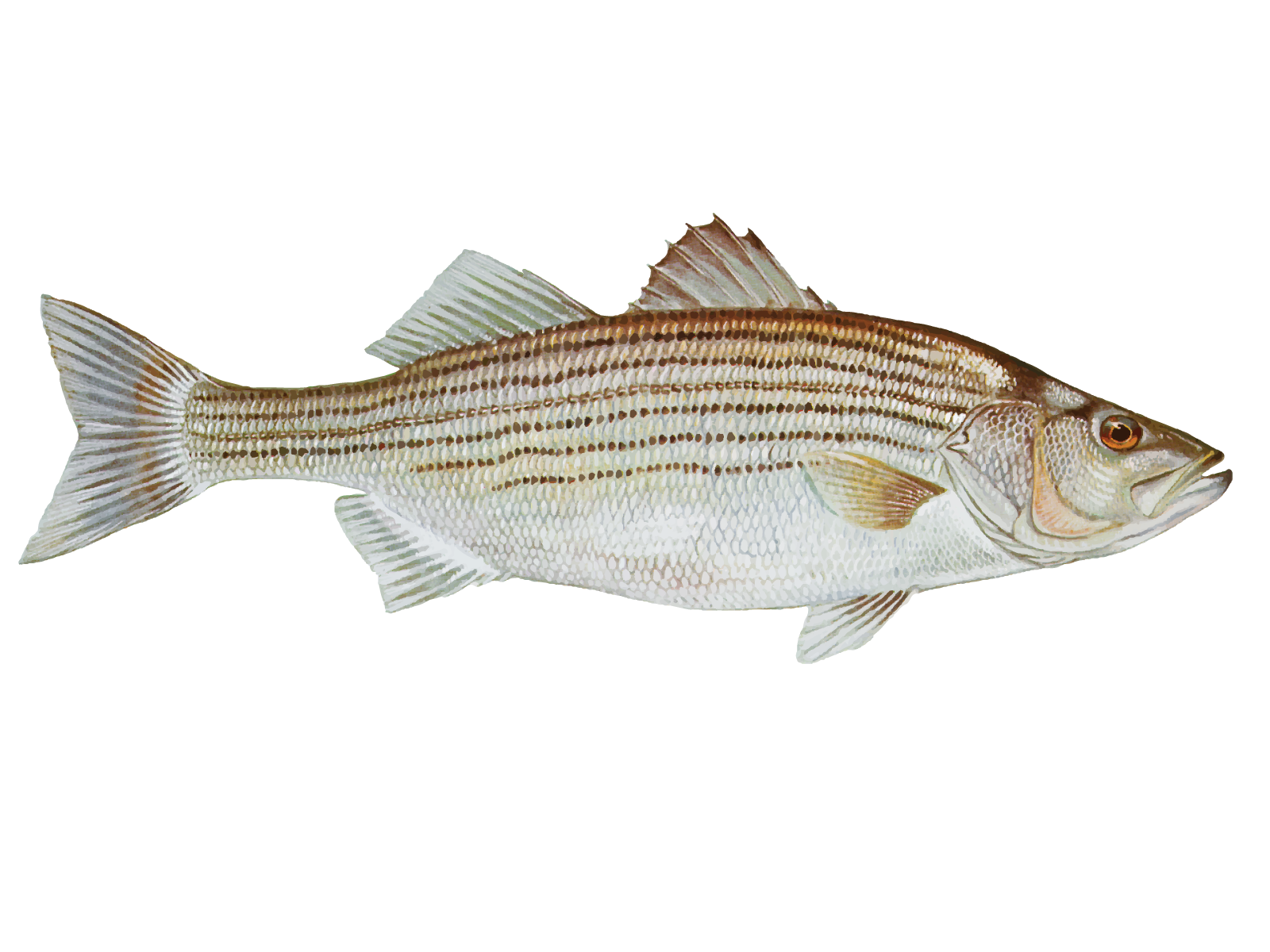
Striped bass round out the target list and are truly the signature species of the Jersey coast. These fish can range from schoolie size around 18-20 inches all the way up to trophy fish over 40 inches. Stripers are incredibly smart and can be challenging, but when they're feeding, they provide some of the most rewarding fishing experiences on the East Coast. They're most active during spring and fall migrations, and the Cape May area serves as a major highway for these fish. A good striper fight combines power, endurance, and intelligence – they'll use every trick in the book to throw your hook.
Time to Book Your Spot
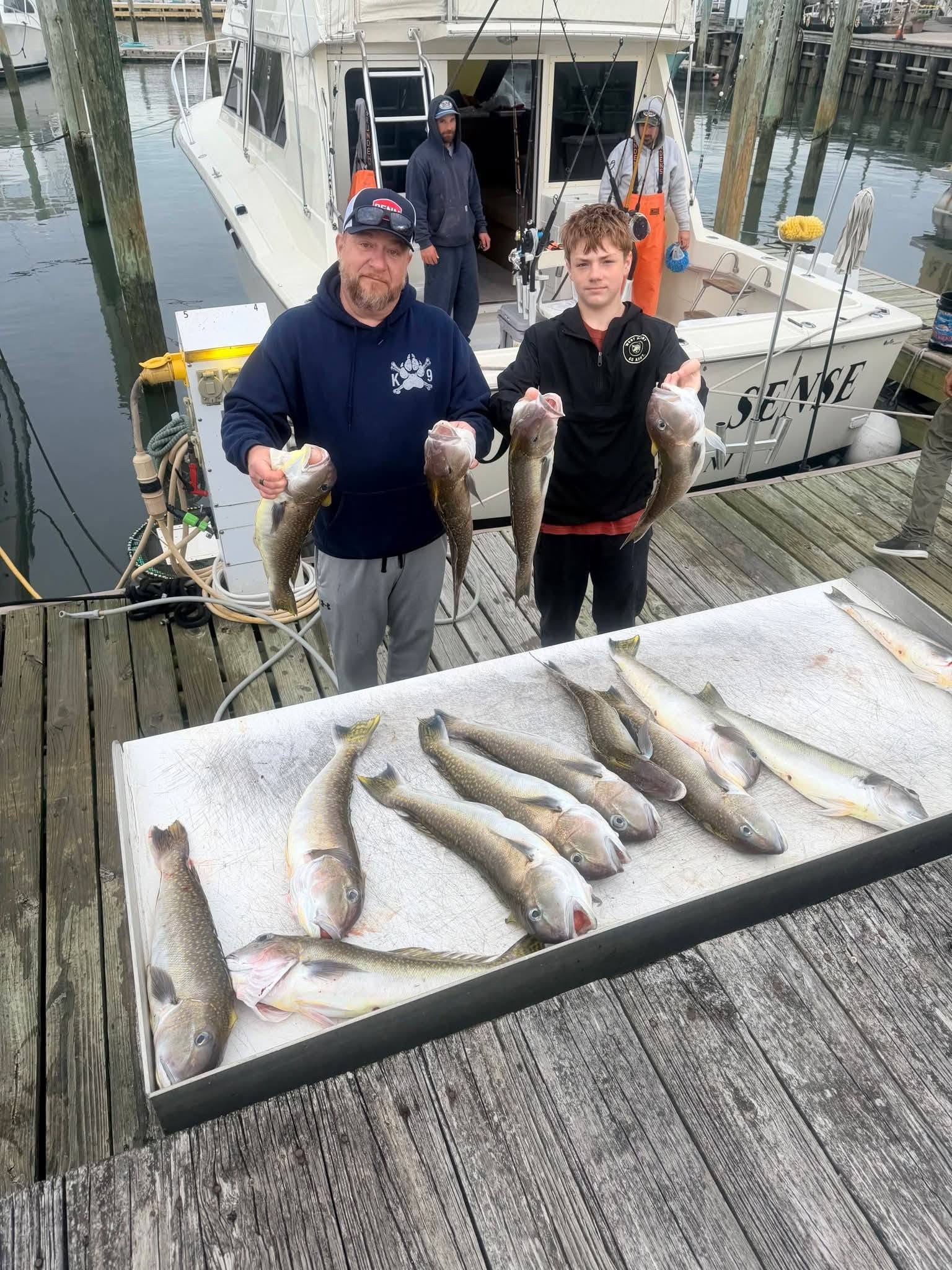
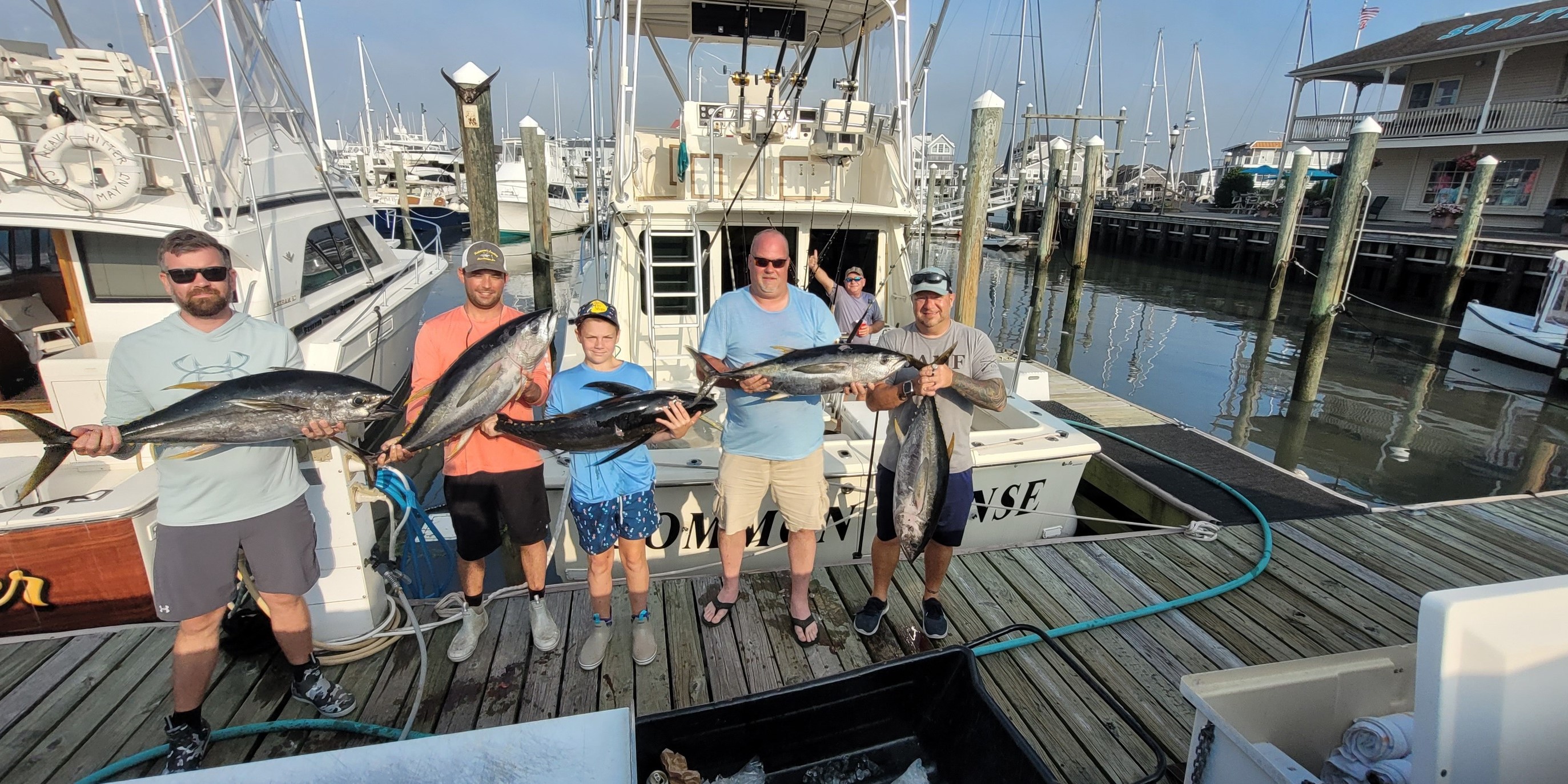
This half-day beginner-friendly trip with Common Sense Sportfishing offers everything you need for a world-class introduction to Cape May's renowned inshore fishing scene. Captain Clint's experience and local knowledge, combined with quality gear and prime fishing locations, create the perfect environment for both learning and landing fish. Whether you're looking to try fishing for the first time or want to introduce family members to the sport, this trip delivers consistent action with species that are genuinely fun to catch. The small group size ensures personalized attention, and the inshore focus keeps things comfortable while still accessing productive fishing grounds. Remember that deposits are non-refundable, so plan accordingly, but with Captain Clint's track record and Cape May's incredible fishery, you're setting yourself up for a day on the water you'll want to
 Private Trip
 Inshore Fishing
 Cape May


 Half-day inshore fishing targeting bluefish and mackerel species