Solo Angler Flats Fishing Experience
Sometimes the best fishing happens when it's just you, your guide, and the shallow water flats stretching out like glass. This solo angler trip with Corks And Croakers puts you front and center for some of the Gulf Coast's finest inshore action. Running Monday through Thursday only, this customer favorite gives you the full attention of an experienced guide who knows exactly where the fish are holding. Live bait comes included, along with all your tackle and even fish cleaning at the end of the day – because let's face it, nobody wants to deal with that mess after a long day on the water.
What to Expect on the Water
This isn't your typical crowded charter boat experience. You'll have the entire boat to yourself, which means more casting room, better positioning, and zero competition for the prime spots. Your guide uses multiple boat ramps throughout the year, adjusting launch locations based on tides, weather, and where the fish are biting best. That flexibility is what separates the top-rated guides from the rest – they're not locked into one area when conditions change. The flats fishing here targets some serious gamefish, and with live bait in the wells, you're setting up for the kind of day that keeps anglers coming back season after season. Whether you're sight fishing in skinny water or working deeper grass beds, every cast has potential.
Techniques & Tackle Setup
Flats fishing is all about finesse and reading the water. Your guide will have you rigged with light to medium tackle that's perfect for the inshore species you're targeting. Live bait fishing dominates out here – nothing beats a frisky shrimp or finger mullet when redfish and trout are feeding. You'll work everything from shallow sand flats where you can see fish tailing, to deeper grass beds where black drum and sheepshead like to hang out. The boat stays in constant motion, covering water until you find active fish. Expect to make long, accurate casts and learn to work baits naturally with the current. Your guide handles all the technical stuff – finding fish, reading structure, and putting you in position to succeed. All you need to focus on is making the cast and fighting the fish.
Species You'll Want to Hook
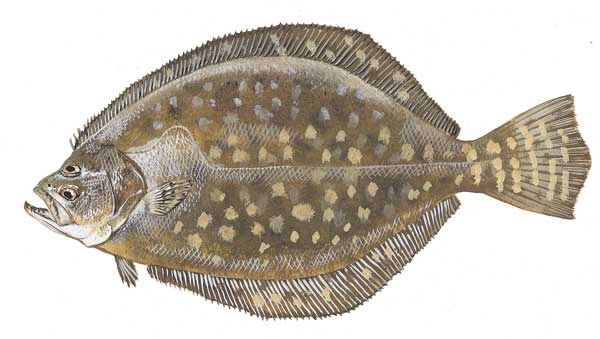
Southern Flounder are the masters of disguise on these flats, lying perfectly camouflaged on sandy bottoms waiting to ambush bait. These flatfish hit hard and fast, often when you least expect it. Fall and winter months bring the best flounder action as they stage for their offshore spawning runs. What makes them so exciting is the surprise factor – one second you're dragging bait across empty sand, the next your rod is bent double with a doormat flounder on the other end.
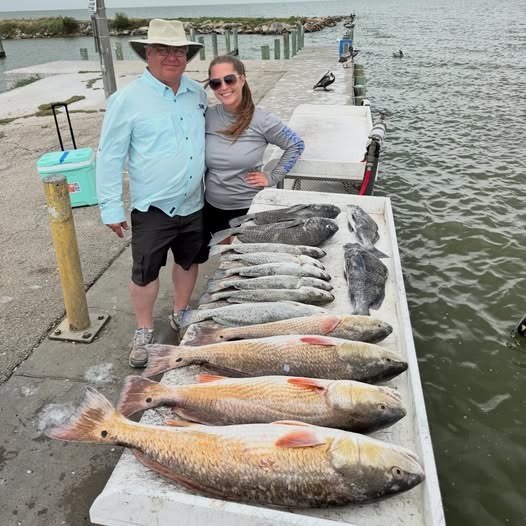
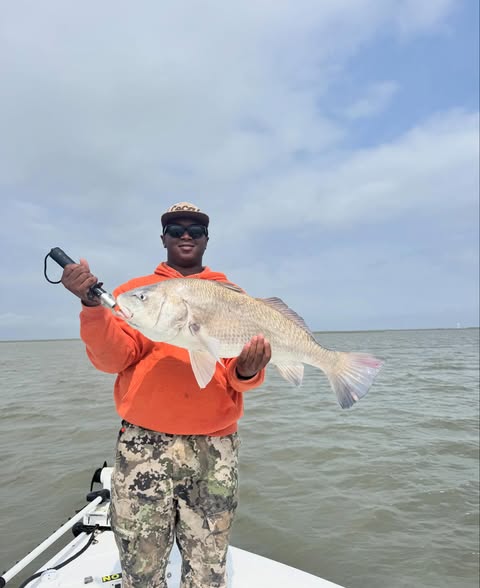
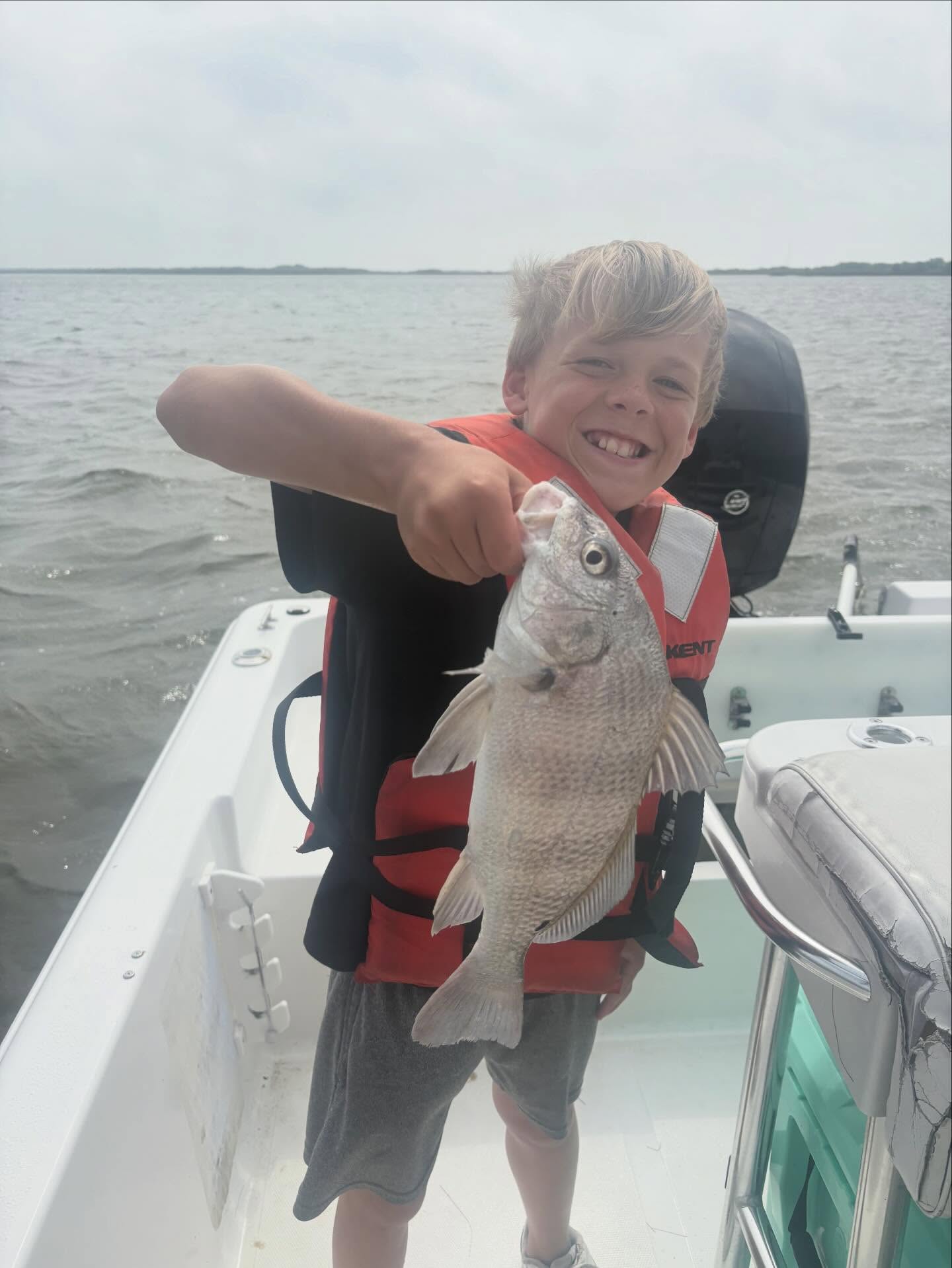
Black Drum are the bulldogs of the flats, using their powerful bodies and crushing jaws to dig crabs and shrimp from grass beds. These fish can range from schoolie-sized juveniles to true giants pushing 40-plus pounds. They're year-round residents but really turn on during cooler months. When a big drum takes your bait, expect a long, grinding fight that'll test your tackle and your patience. They're not flashy like redfish, but pound for pound, they're some of the strongest fish you'll encounter in shallow water.
Sheepshead might be the most finicky biters on the flats, but they're also some of the best eating. These black-and-white striped fish have human-like teeth perfect for crushing barnacles and small crabs around structure. They're notorious bait stealers, requiring perfect timing and sharp hooks to connect consistently. Spring brings the best sheepshead fishing as they move shallow to spawn. Landing a handful of quality sheepshead means you're taking home some of the finest table fare the Gulf has to offer.
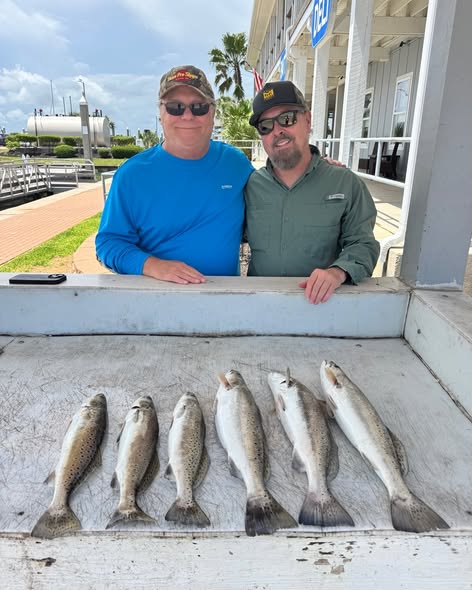
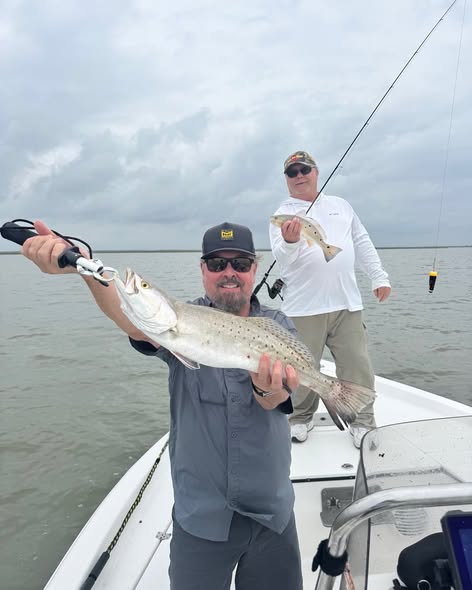
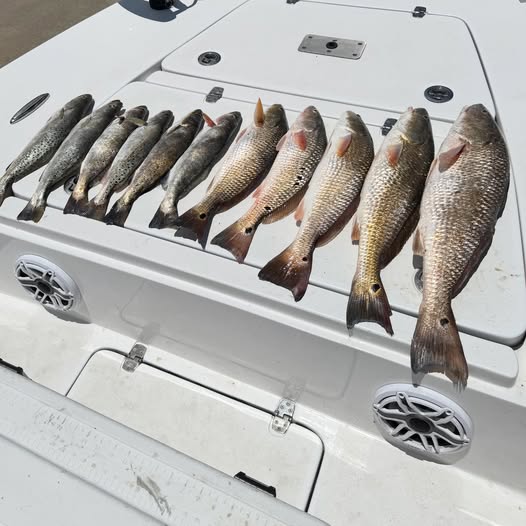
Sea Trout are the bread and butter of flats fishing, abundant throughout the year and always willing to bite. These spotted beauties love grass beds and drop-offs, especially during moving tides. Spring and fall offer the best chances for trophy-sized gator trout that'll make your drag scream. What makes trout so popular is their aggressive nature – they'll hit live bait, artificials, and everything in between. A good trout bite can keep your rod bent all day long.
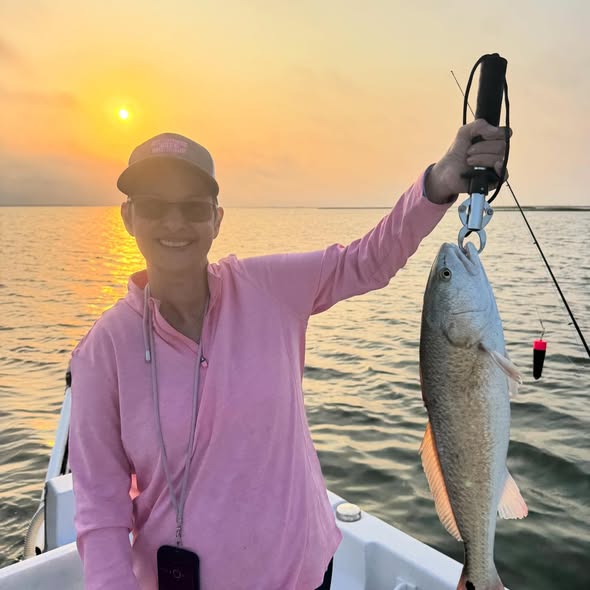
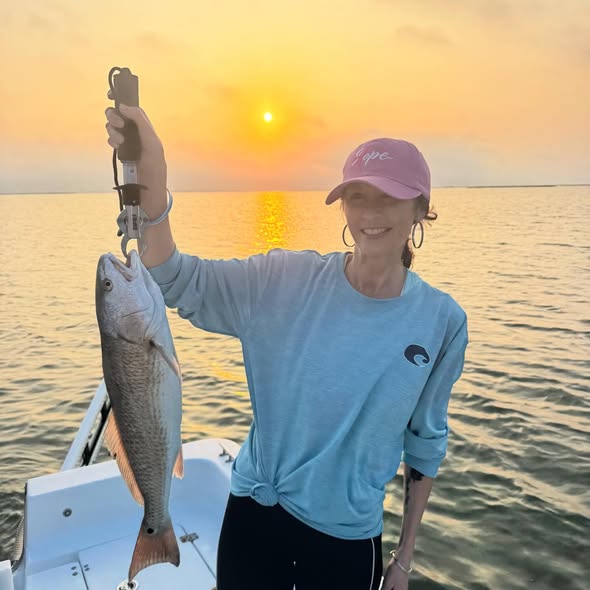
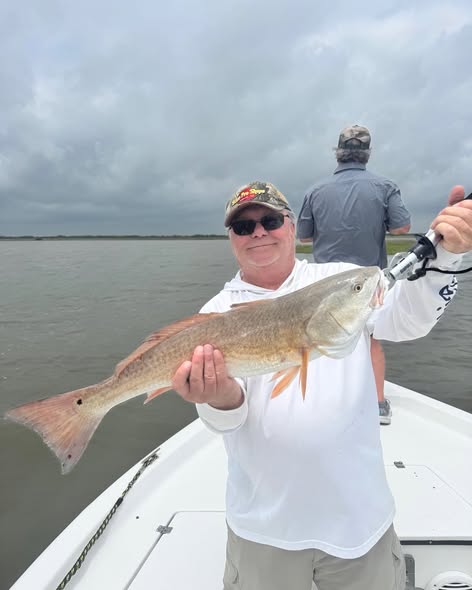
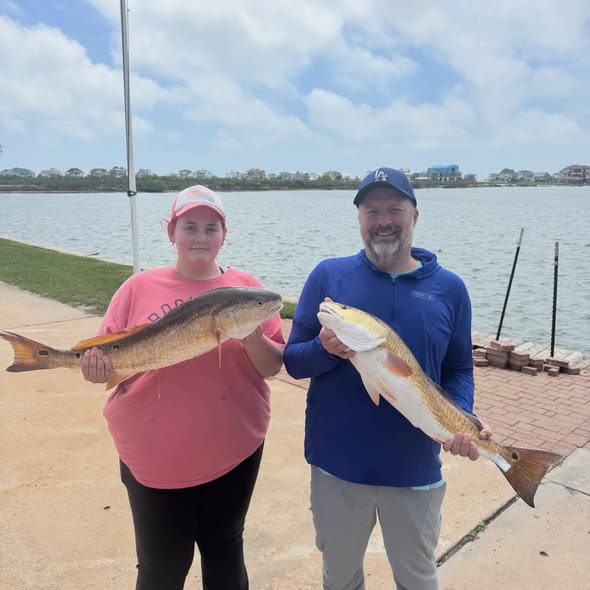
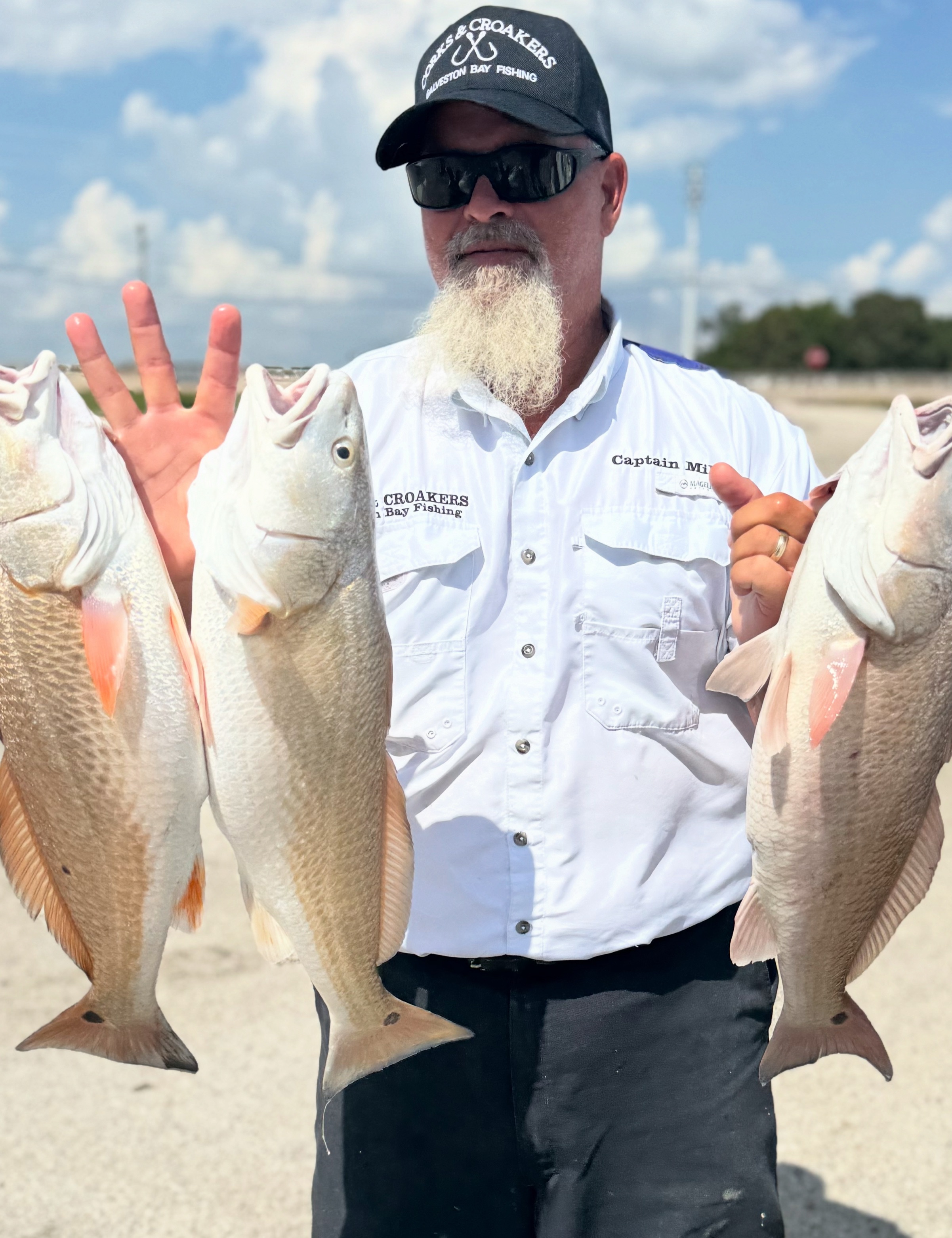
Redfish are the crown jewel of shallow water fishing, with their copper-colored sides and distinctive black spots making them unmistakable. These fish are built for the flats, using their powerful tails to cruise skinny water in search of crabs and baitfish. Sight fishing for reds is pure adrenaline – watching a 30-inch fish cruise toward your bait never gets old. They're strong fighters that'll make multiple runs, and their willingness to feed in ultra-shallow water creates some of the most visual fishing you'll find anywhere.
Time to Book Your Spot
This world-class solo angler experience books up fast, especially during peak fishing seasons. With live bait, all equipment, and fish cleaning included, you're getting exceptional value for a truly personalized fishing trip. The Monday through Thursday schedule means you'll avoid weekend crowds and enjoy some of the most productive fishing days of the week. Whether you're a seasoned angler looking to target specific species or someone wanting to experience top-tier flats fishing without the crowds, this trip delivers exactly what serious fishermen are looking for. Don't let another season pass without experiencing what makes this Gulf Coast fishery so renowned among inshore anglers.
 Private Trip
 Flats/Shallows Fishing
 Galveston


 Solo fishing trips Monday through Thursday with live bait included