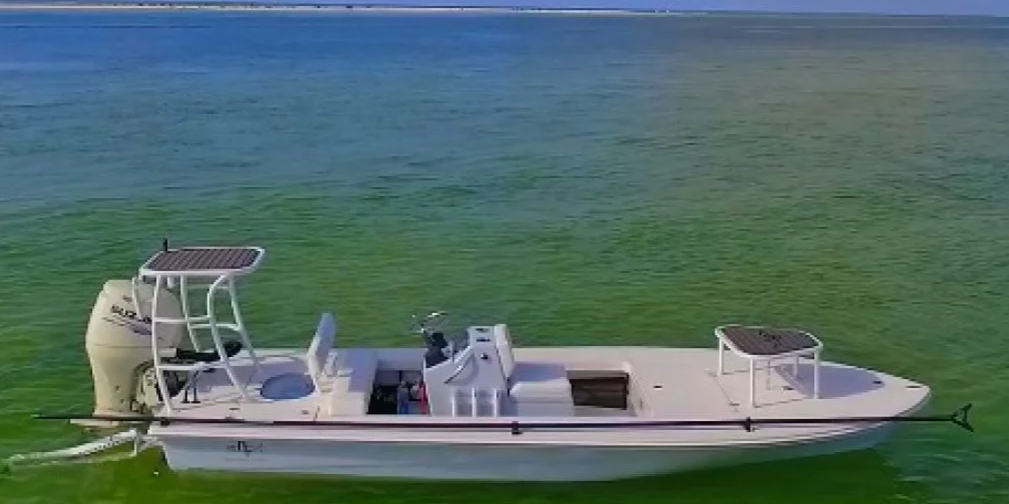
Private 5 Hour Inshore Fishing In New Smyrna Beach
Looking to get serious about your inshore fishing game? This private 5-hour charter with Daytona Beach Fishing Charter takes you deep into the legendary Mosquito Lagoon system, where some of Florida's most prized game fish call home. You'll be fishing the shallow flats and backcountry waters that have made New Smyrna Beach a top-rated destination for anglers chasing trophy redfish, snook, tarpon, and flounder. With just you and one buddy on board, you've got the captain's full attention and plenty of room to work your lines without bumping elbows with other anglers.
What to Expect on the Water
This isn't your typical half-day trip where you're rushed from spot to spot. Five hours gives you real time to work the water properly and dial in on what the fish are doing. Your captain will take you south into the heart of Mosquito Lagoon, famous for its gin-clear water and world-class sight fishing opportunities. The lagoon's shallow grass flats, oyster bars, and mangrove shorelines create the perfect storm for inshore species. You'll be working everything from three-foot skinny water to deeper cuts and channels where bigger fish patrol. The scenery alone is worth the trip - miles of untouched coastline with dolphins, manatees, and birds everywhere you look. Don't forget those polarized sunglasses because you'll be sight fishing most of the day, spotting fish before you cast to them. Whether you're a seasoned stick who knows how to work a DOA shrimp or someone who's still figuring out the difference between a spinning reel and a baitcaster, this trip delivers the goods.
Techniques and Tackle
Inshore fishing in the lagoon is all about finesse and reading the water. Your captain comes equipped with everything you need - quality spinning gear spooled with 10-15 pound braid, a selection of artificial lures, and live bait when the bite calls for it. You'll be throwing everything from topwater plugs at first light to soft plastics bounced along the bottom. Sight fishing is the name of the game here, so expect to spend time poling the flats and looking for nervous water, tailing fish, or that telltale wake cutting through the shallows. The lagoon's crystal-clear water means you can often see fish from 50 feet away, but it also means they can see you. Stealthy approaches and accurate casts make all the difference. Live shrimp under a popping cork is always a go-to when the artificial bite slows down, and don't be surprised if your captain breaks out the fly rod if conditions are right. The shallow water means you're always just one cast away from hooking into something that'll make your drag sing.
Top Catches This Season
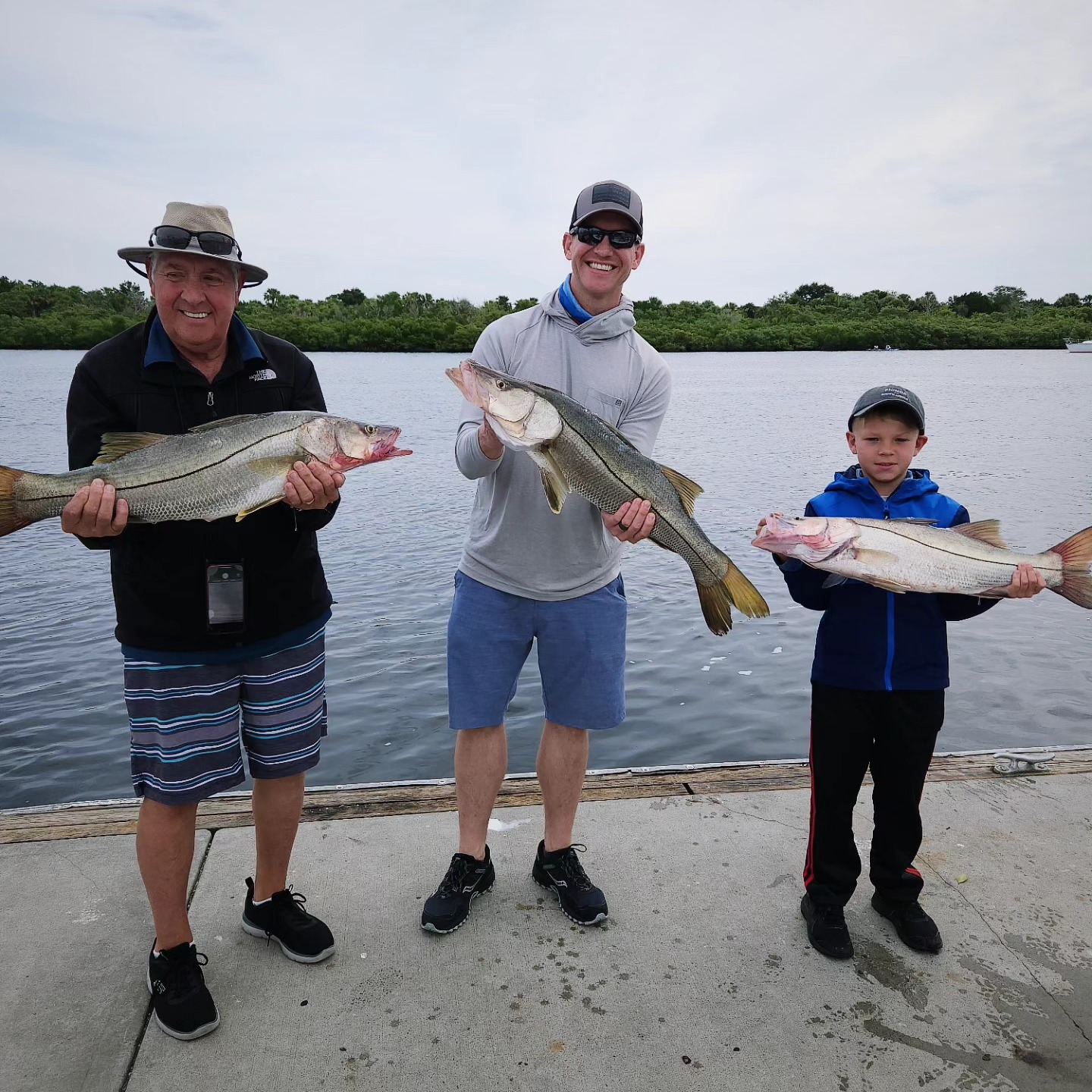
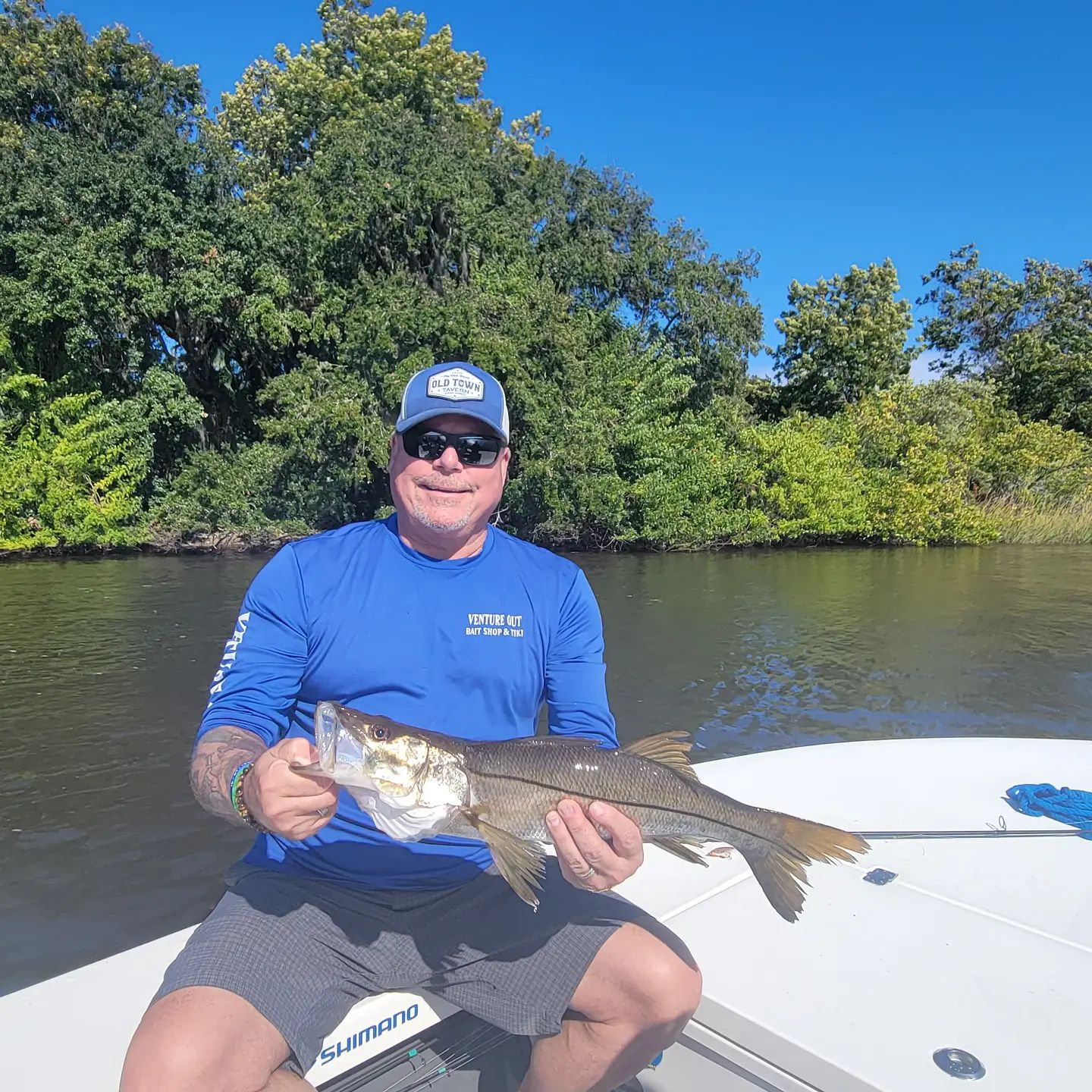
Snook are the bread and butter of Mosquito Lagoon fishing, and for good reason. These ambush predators love hanging around dock pilings, mangrove overhangs, and creek mouths where they can surprise baitfish. Snook are notorious for their gill-rattling jumps and bulldogging runs that'll test your drag system. They're most active during the warmer months from April through October, though you can find them year-round if you know where to look. What makes snook so addictive is their attitude - they hit hard, fight dirty, and always keep you guessing. Plus, they're excellent table fare if you decide to keep one within the slot limits.
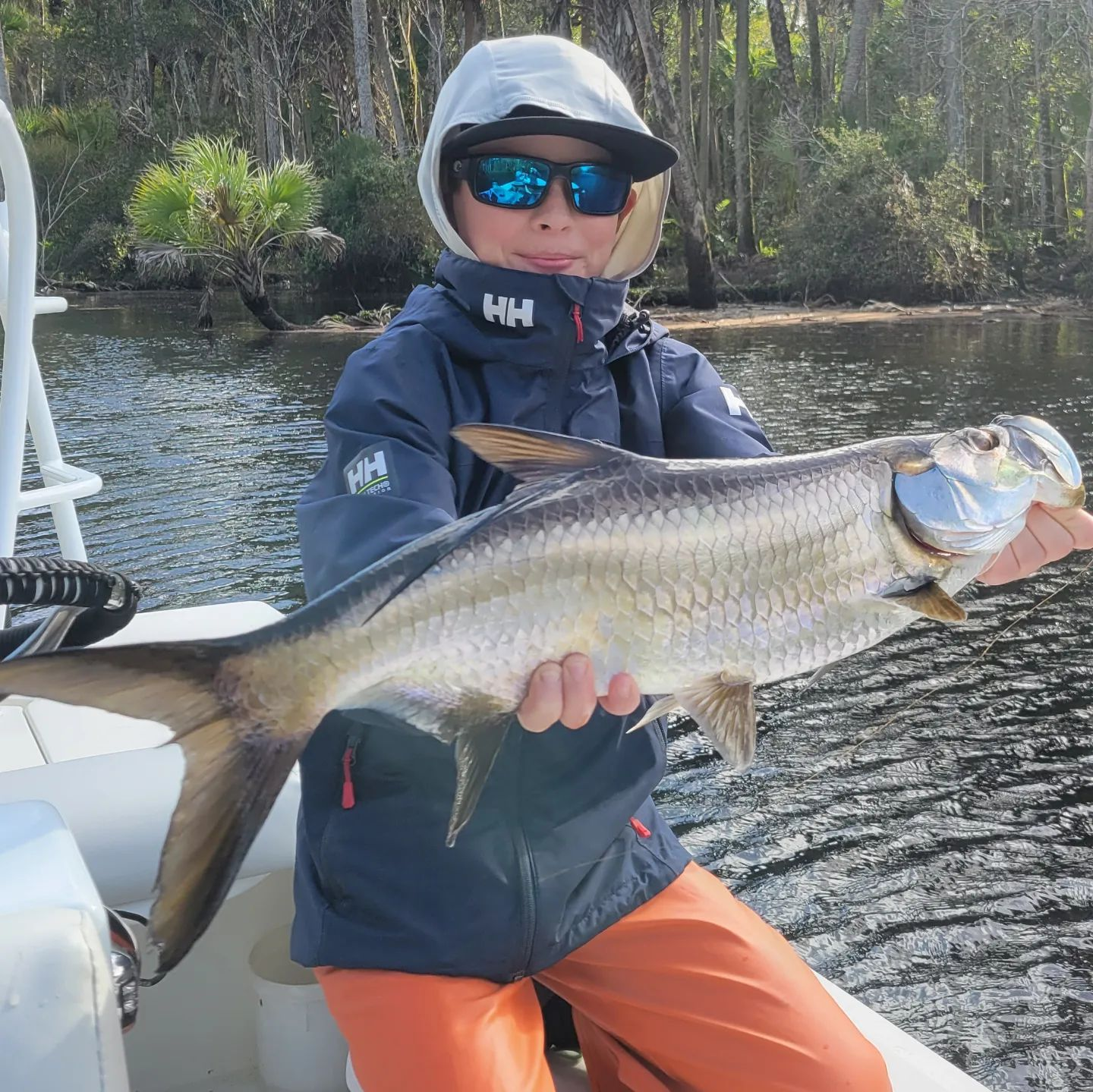
Tarpon fishing in the lagoon is something special, especially during the summer months when juvenile tarpon between 10-40 pounds move into the back country. These silver kings are pure adrenaline on a rod, known for their acrobatic displays that can launch them six feet out of the water. June through September is prime time, though resident fish can be caught year-round. What gets anglers hooked on tarpon fishing isn't just the fight - it's the visual aspect. You'll often see them rolling on the surface or crashing bait before you even make a cast. Landing a tarpon, even a smaller one, is a bucket-list experience that separates casual anglers from serious fishermen.
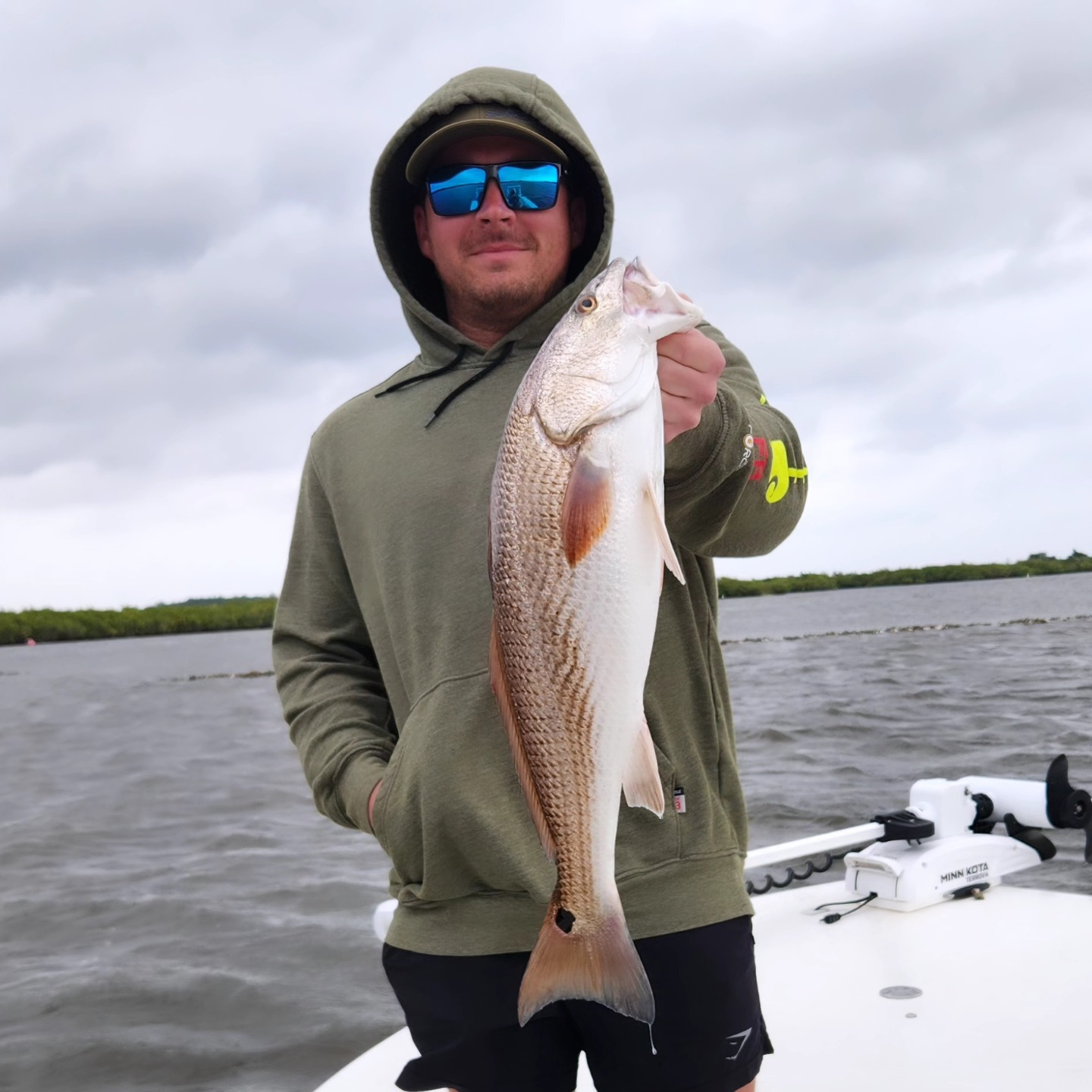
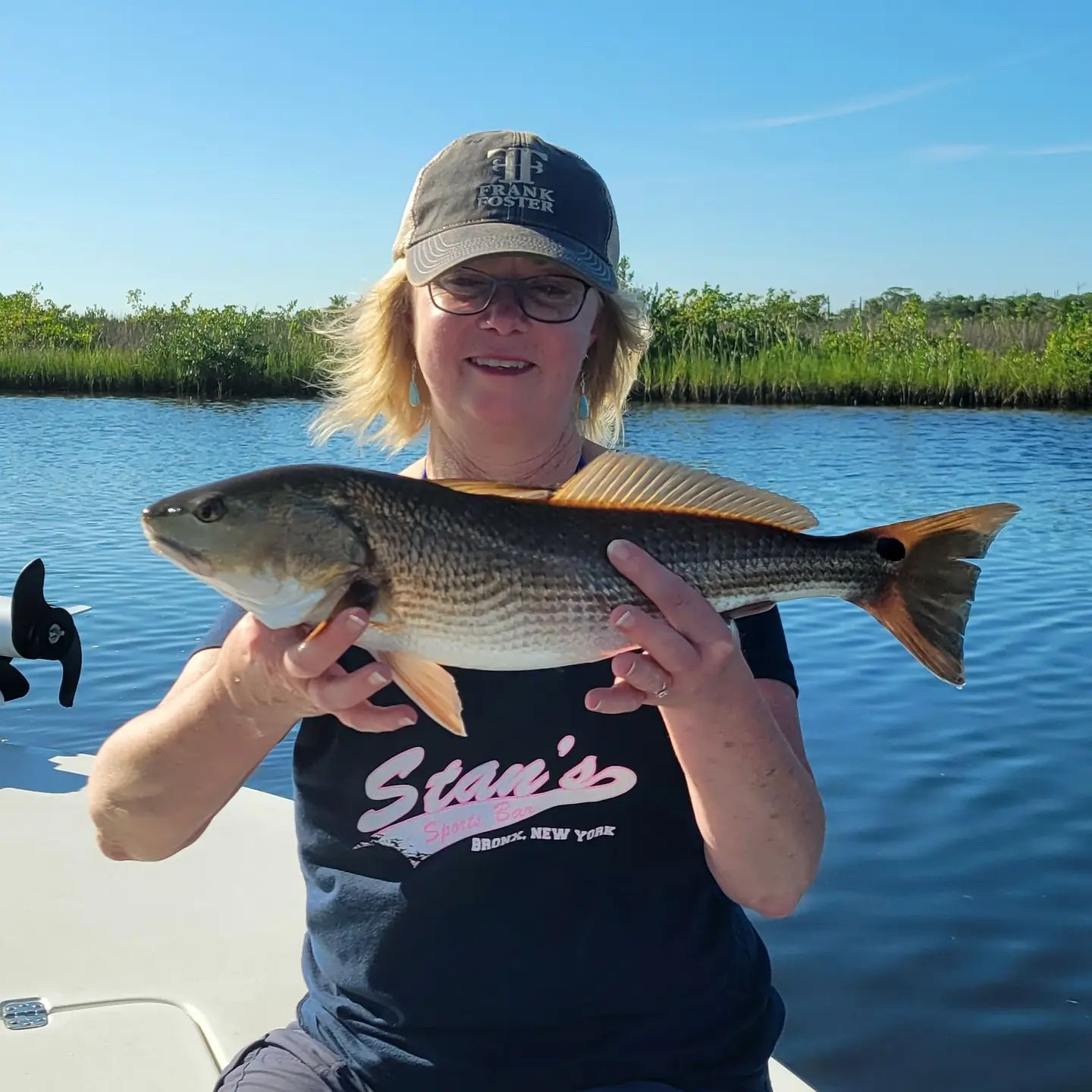
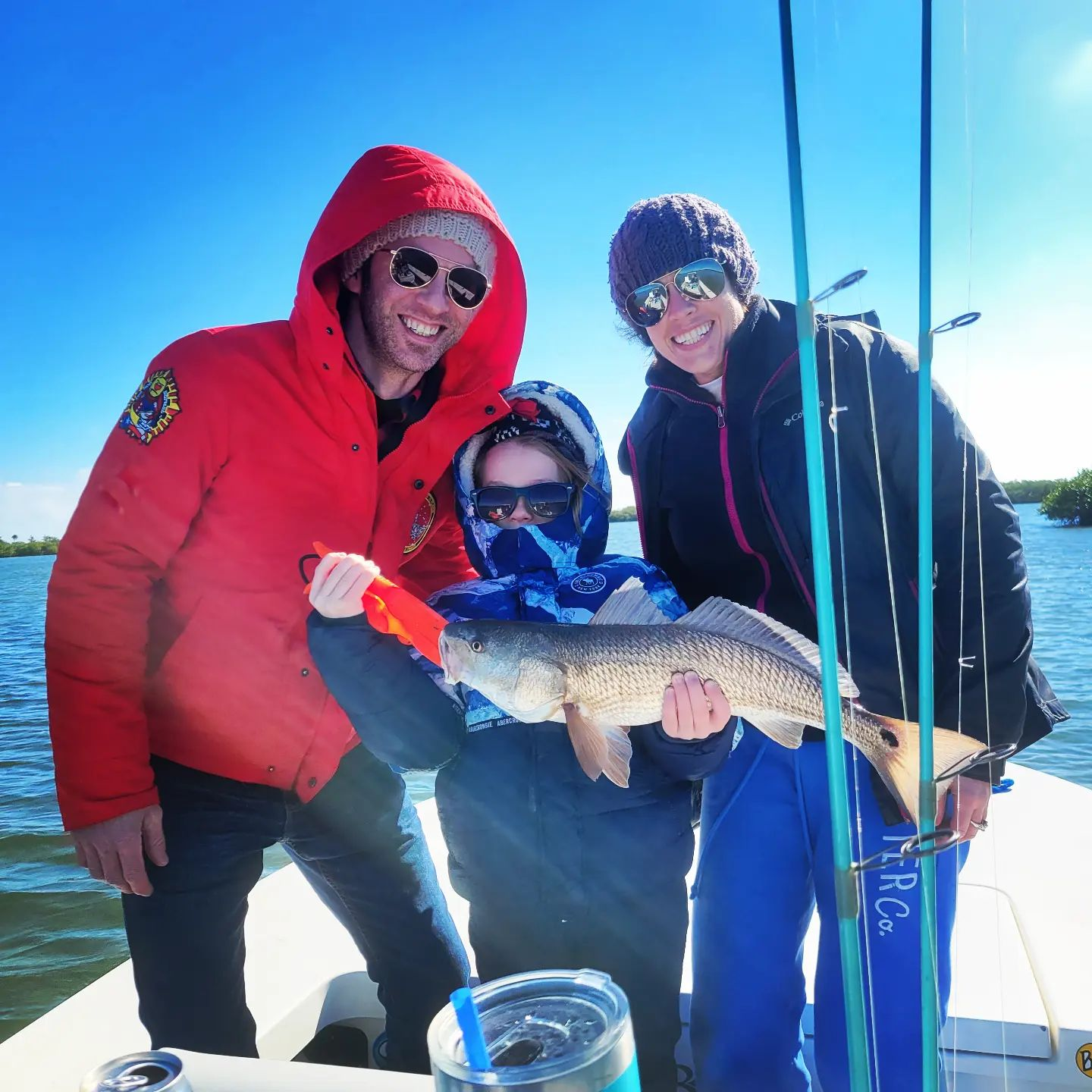
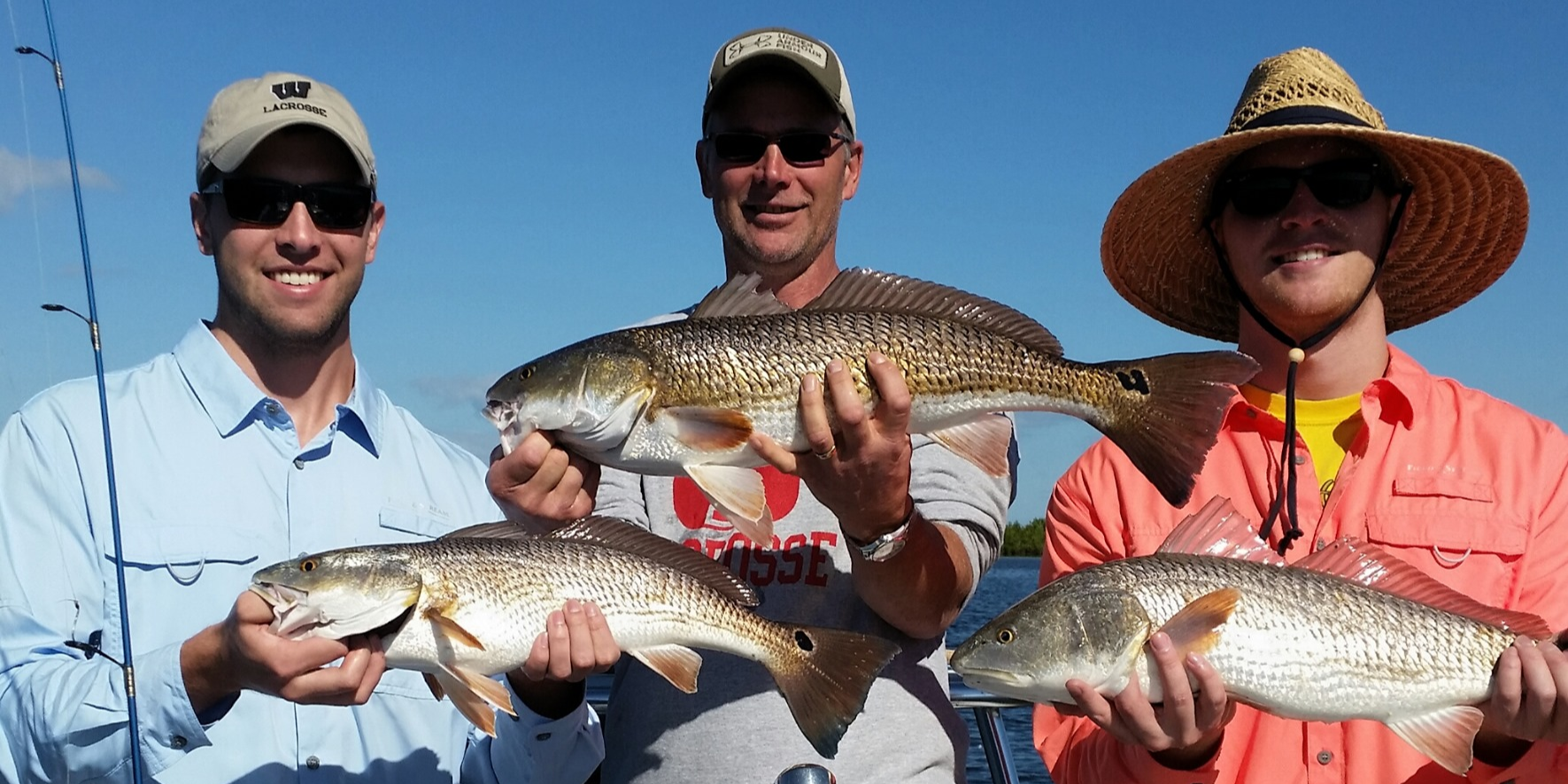
Redfish are the lagoon's most reliable residents and a customer favorite for their consistent bite and hard-pulling fights. These copper-colored bruisers patrol the flats in schools, especially during the fall months when they're actively feeding before winter. Reds are perfect for sight fishing because they'll push water when they're feeding and their tails will break the surface when they're rooting around in shallow water. They're built like underwater bulldozers and will use every oyster bar and grass bed to try to break you off. What makes redfish special is their year-round availability and willingness to eat both live bait and artificials.
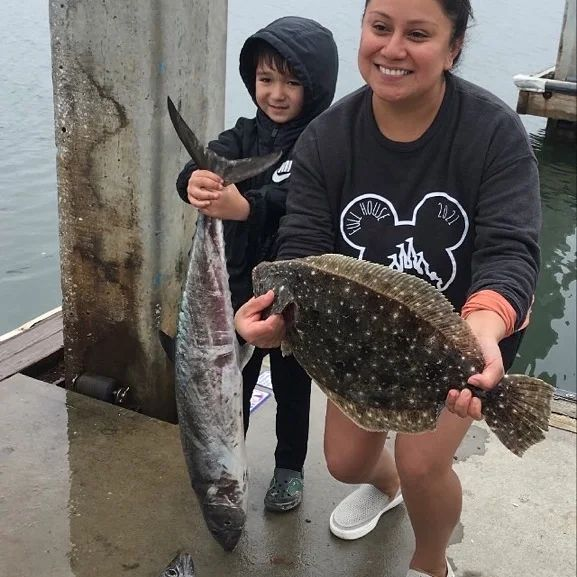
Summer flounder add a different dimension to your lagoon fishing experience. These flatfish are masters of camouflage, burying themselves in sandy bottoms near creek mouths and deeper holes. They're most active from late spring through early fall, and catching them requires a completely different approach than the other species. Flounder fishing is all about keeping your bait on the bottom and feeling for that subtle tap-tap-tap before they fully commit to the bite. They might not jump like a tarpon or run like a redfish, but a quality flounder is prized table fare and provides a nice change of pace during the trip.
Time to Book Your Spot
This private 5-hour charter gives you the time and space to really experience what Mosquito Lagoon fishing is all about. With a maximum of just two anglers, you're getting personalized attention and the flexibility to focus on whatever type of fishing gets you most fired up. Whether you want to spend the day sight fishing for tailing redfish, throwing topwater for explosive snook strikes, or working the deeper water for tarpon, your captain will put you on fish. The
 Private Trip
 Inshore Fishing
 Daytona Beach, FL


 Five-hour inshore fishing trip targeting Tarpon, Flounder, Snook, and Redfish