2 Day Tuna Fishing Charter - Santa Rosa Beach
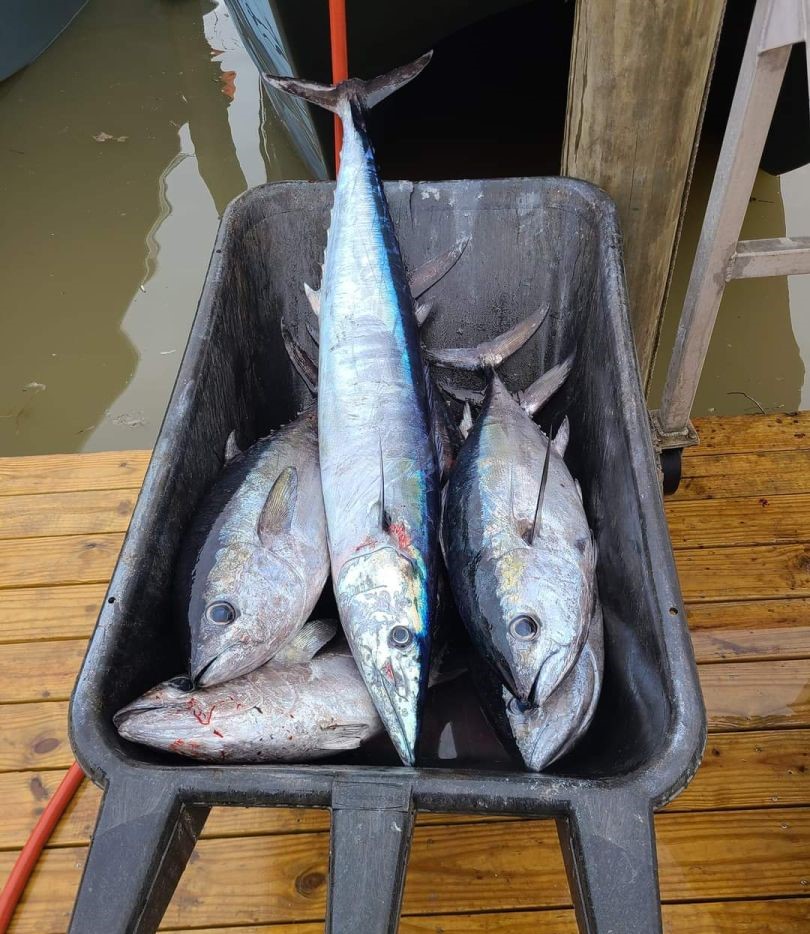
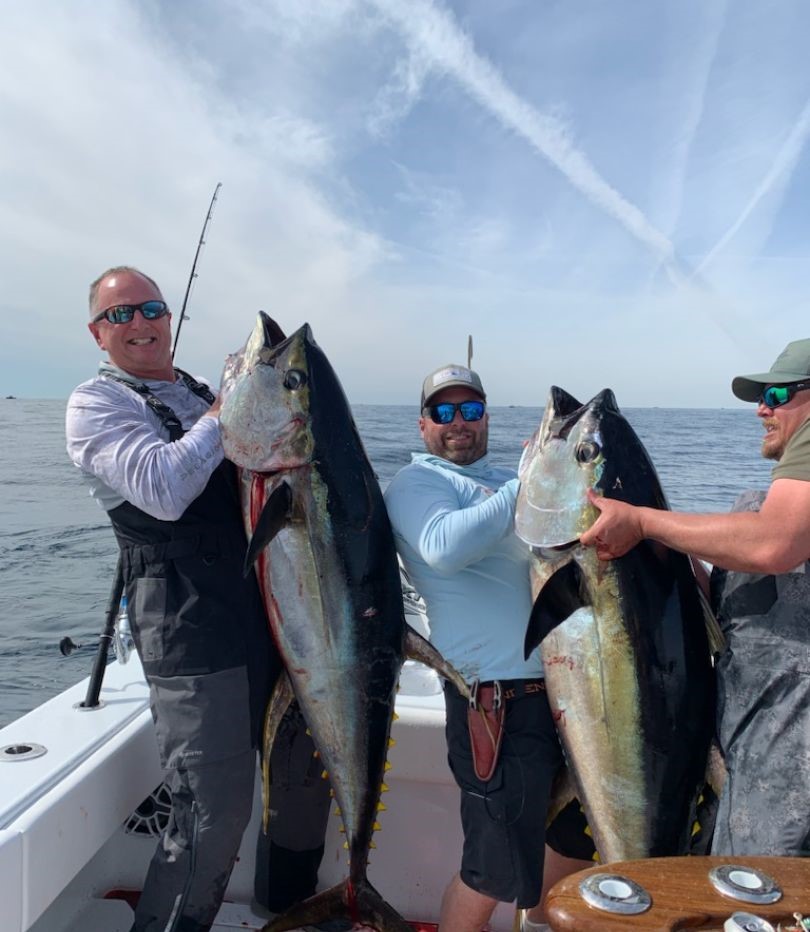
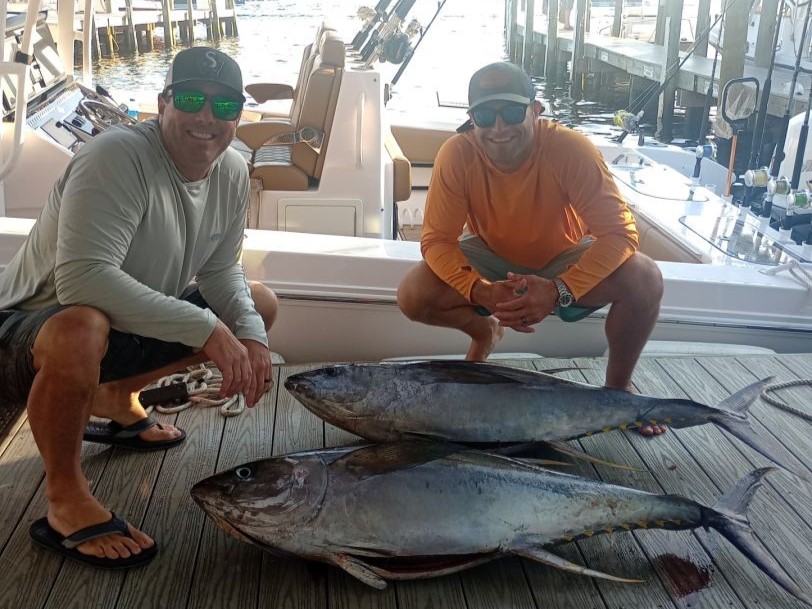
When you're ready to leave the shallow water behind and chase real fish in the deep blue, this 2-day tuna charter from Santa Rosa Beach is exactly what you've been looking for. We're talking about a serious offshore adventure that puts you 120+ miles out in the Gulf, targeting yellowfin tuna around the oil rigs where these fish feed and fight like nothing you've hooked before. This isn't your typical half-day trip - it's a commitment to getting after the pelagics that make the Emerald Coast famous among serious anglers.
What to Expect on the Water
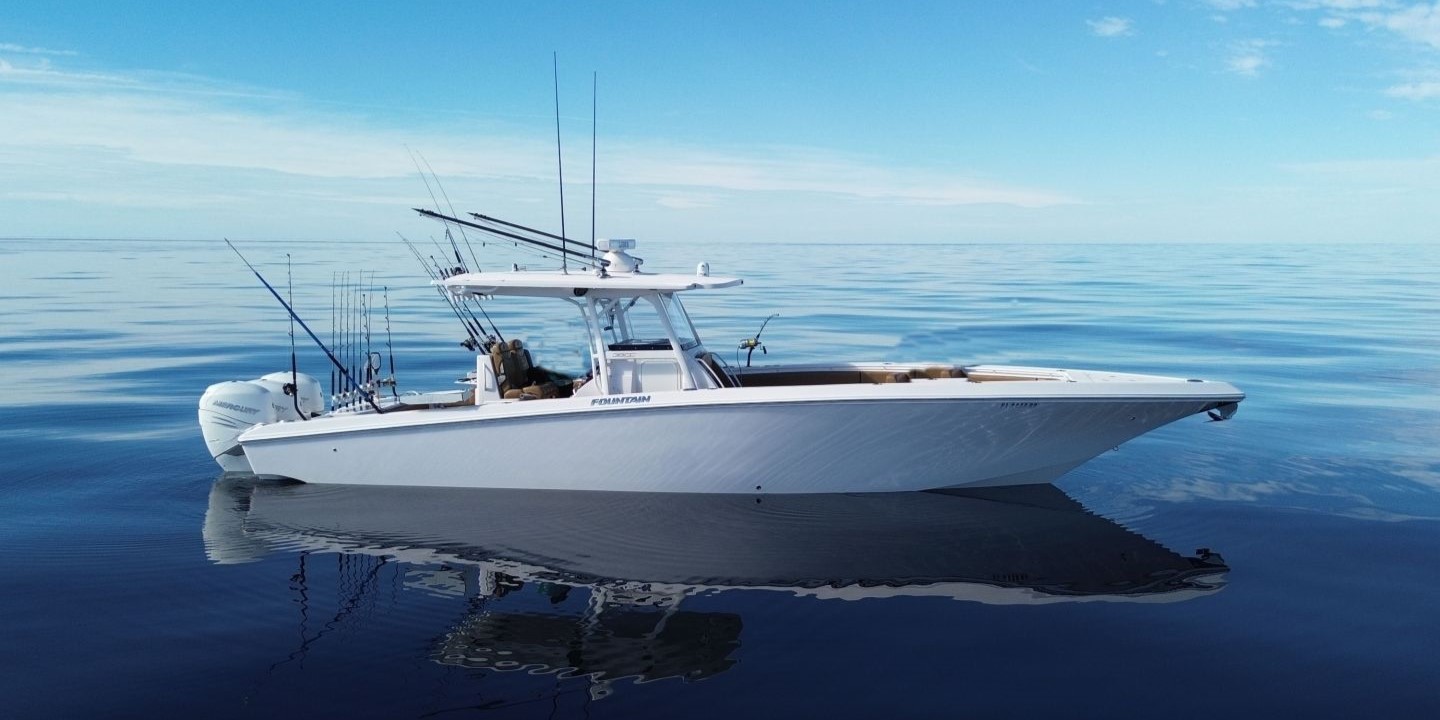
You'll board our 38-foot Fountain center console at noon, giving us plenty of daylight to make the long run to the productive waters around the deepwater rigs. Triple Mercury outboards push us through the miles efficiently, and with up to 6 anglers max, there's plenty of room to work without bumping elbows. The boat's designed for this kind of offshore work - stable platform for fighting fish and comfortable enough for the extended trip. Bean bags are set up so you can actually rest between fishing periods, which you'll appreciate when you're 24 hours in and still wanting to make every cast count. We handle all the gear, bait, and licensing, so you just need to show up ready to fish hard and stay focused on what these waters can deliver.
Trolling Tactics & Offshore Gear
Out here, it's all about covering water and presenting baits that trigger strikes from fast-moving pelagics. We'll be running a spread of high-speed trolling lures, ballyhoo rigs, and live bait when conditions allow it. The key is reading the water around these rigs - watching for bird activity, bait schools, and temperature breaks that concentrate the fish. Our tackle is sized for the job: heavy conventional reels with enough drag to stop a charging yellowfin, and rods that can handle the sustained pressure of a long fight. When we hook up, it's all hands on deck - clearing lines, getting the gaff ready, and making sure whoever's on the rod has room to work. The techniques change based on what we're seeing, but the goal stays the same: putting quality fish in the boat using methods that work in open water.
Top Catches This Season
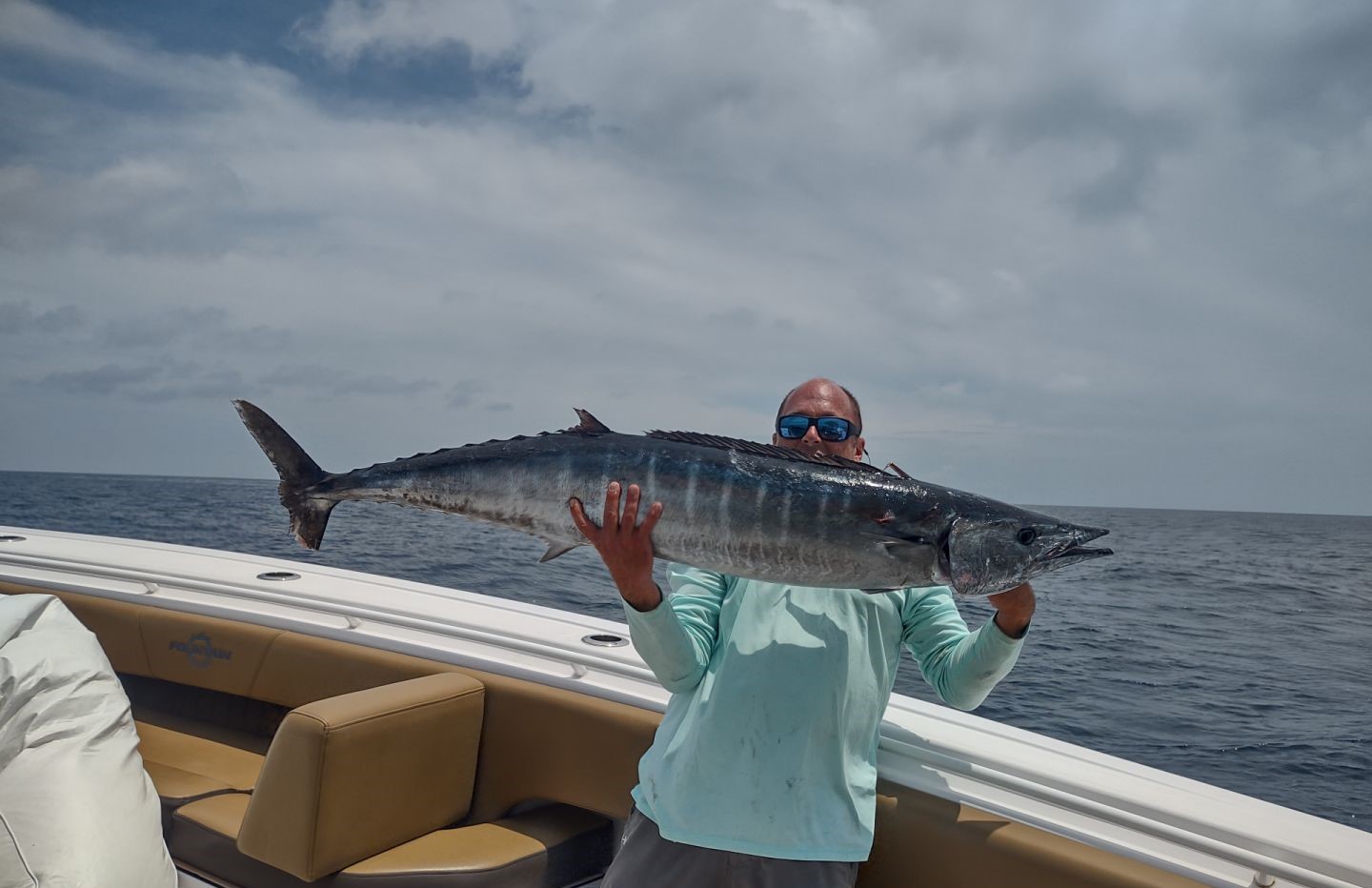
Atlantic Sailfish show up when conditions line up right, usually around temperature breaks and current edges near the rigs. These fish are pure athleticism - long runs, multiple jumps, and the kind of fight that gets your heart pounding. They're typically in the 40-80 pound range here, and while they're not always predictable, when they're around, you'll know it. The cooler months tend to be more productive for sails, especially when the water's got some structure to it.
Blue Marlin are the fish every offshore angler dreams about, and the deep waters off Santa Rosa Beach hold some real quality fish. These are apex predators that can exceed 400 pounds, with the power to test every piece of gear on the boat. Summer months bring the best shot at blues, particularly around the deeper rigs where they patrol for tuna and other baitfish. When you hook one, everything else stops - it's all about the fight and making sure every detail is handled right.
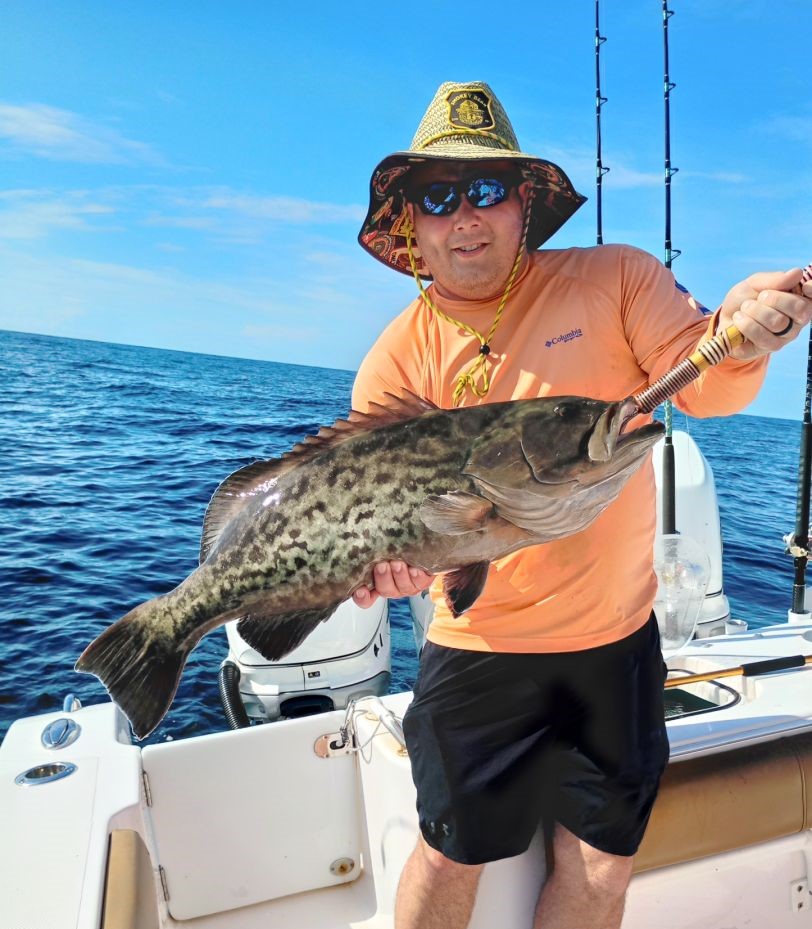
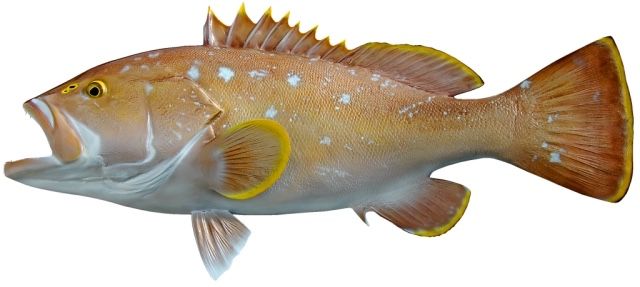
Yellowedge Grouper inhabit the deeper structure around these offshore rigs, offering a completely different fishing experience from the pelagics. These fish are strong, stubborn bottom-dwellers that use every rock and crevice to their advantage. They're excellent table fare and provide a nice change of pace from the high-speed trolling action. Fall and winter tend to be prime time for yellowedge, when they're more active in the cooler water.
White Marlin are smaller than their blue cousins but make up for it with aggressive strikes and acrobatic fights. These fish are often more cooperative than blues, making them perfect for anglers who want that billfish experience without quite as much physical demand. Spring through fall offers the best opportunities, especially when we're working areas with good bait concentrations and active water.
Bluefin Tuna represent some of the most powerful fishing available in the Gulf, with fish ranging from school-size models to true giants over 200 pounds. These fish are built for speed and endurance, capable of stripping line faster than you'd think possible. Winter months typically bring the best bluefin action to our area, when they're following bait schools and feeding aggressively around the offshore structure.
Time to Book Your Spot
This 2-day charter represents serious offshore fishing at its best - no compromises, no shortcuts, just quality time in productive water targeting fish that will test your skills and your equipment. With only 6 spots available and the kind of fishing that builds stories you'll tell for years, these trips book up fast among anglers who understand what real offshore fishing looks like. The combination of our experienced crew, quality boat, and access to some of the Gulf's most productive waters makes this a top-rated choice for anyone ready to step up their game. Deep Charters has the reputation and the results that keep serious anglers coming back, and this extended trip showcases exactly why the deepwater rigs off Santa Rosa Beach are considered world-class fishing grounds.
 Private Trip
 Offshore Fishing
 undefined, undefined


 2-day offshore charter targeting Yellowfin Tuna at deepwater rigs