Extended Half Day Fishing Trip In Dominican Republic
Picture this: six solid hours on the crystal blue waters off the Dominican Republic, hunting down some of the Caribbean's most sought-after game fish. This isn't your typical tourist fishing trip where you might catch a few small snappers. We're talking about serious offshore action targeting monster species like Blue Marlin, lightning-fast Wahoo, and the always-aggressive Mahi Mahi. Captain Dona Nina and her crew have been working these waters for years, and they know exactly where to find the fish when they're biting. You'll be fishing with top-shelf gear, professional guidance, and the kind of local knowledge that only comes from living and breathing these waters every single day.
What to Expect on the Water
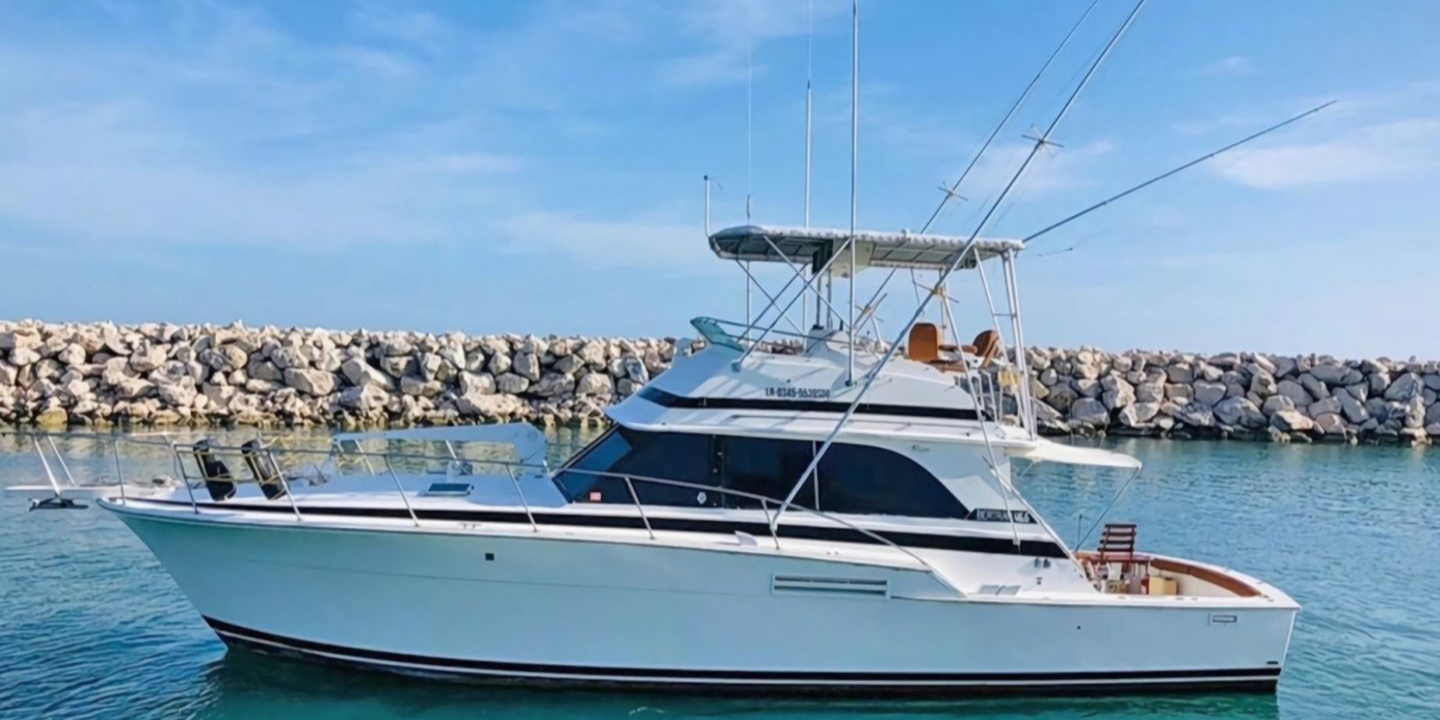
Your day starts early when we fire up the engines and head out to the deep blue. The Dominican Republic's offshore waters are legendary among serious anglers, and for good reason. We're positioned perfectly where the Atlantic currents create upwelling that brings baitfish to the surface, and where there's bait, there are hungry predators. The boat is rigged with everything you need – outriggers, downriggers, and a spread of lures that have been proven to work in these specific waters. Don't worry if you've never fought a marlin before; our crew will coach you through every step, from setting the hook to bringing that fish to the boat. The water here can get rough, but that's part of the game when you're chasing pelagic species. We keep the group small at just six anglers max, so everyone gets plenty of shots and personal attention from the crew.
Trolling Tactics & Gear Setup
We run a serious trolling spread out here, typically pulling six to eight lines at different depths and distances. The outriggers help us cover more water and prevent tangles when multiple fish hit at once – and trust me, that happens more than you'd think. We're using heavy tackle, usually 50 to 80-pound class gear, because when a big marlin decides to make a run, lighter equipment just won't cut it. The lures we run are time-tested producers: big skirted trolling lures, diving plugs, and ballyhoo rigs that mimic the natural baitfish these predators feed on. Speed is crucial – we're usually pulling at 6 to 9 knots depending on conditions and what species we're targeting. The crew constantly adjusts the spread based on what we're seeing on the fish finder and how the fish are responding. Circle hooks are standard for catch and release, especially on billfish, which helps ensure the fish survive after we get our photos.
Customer Stories
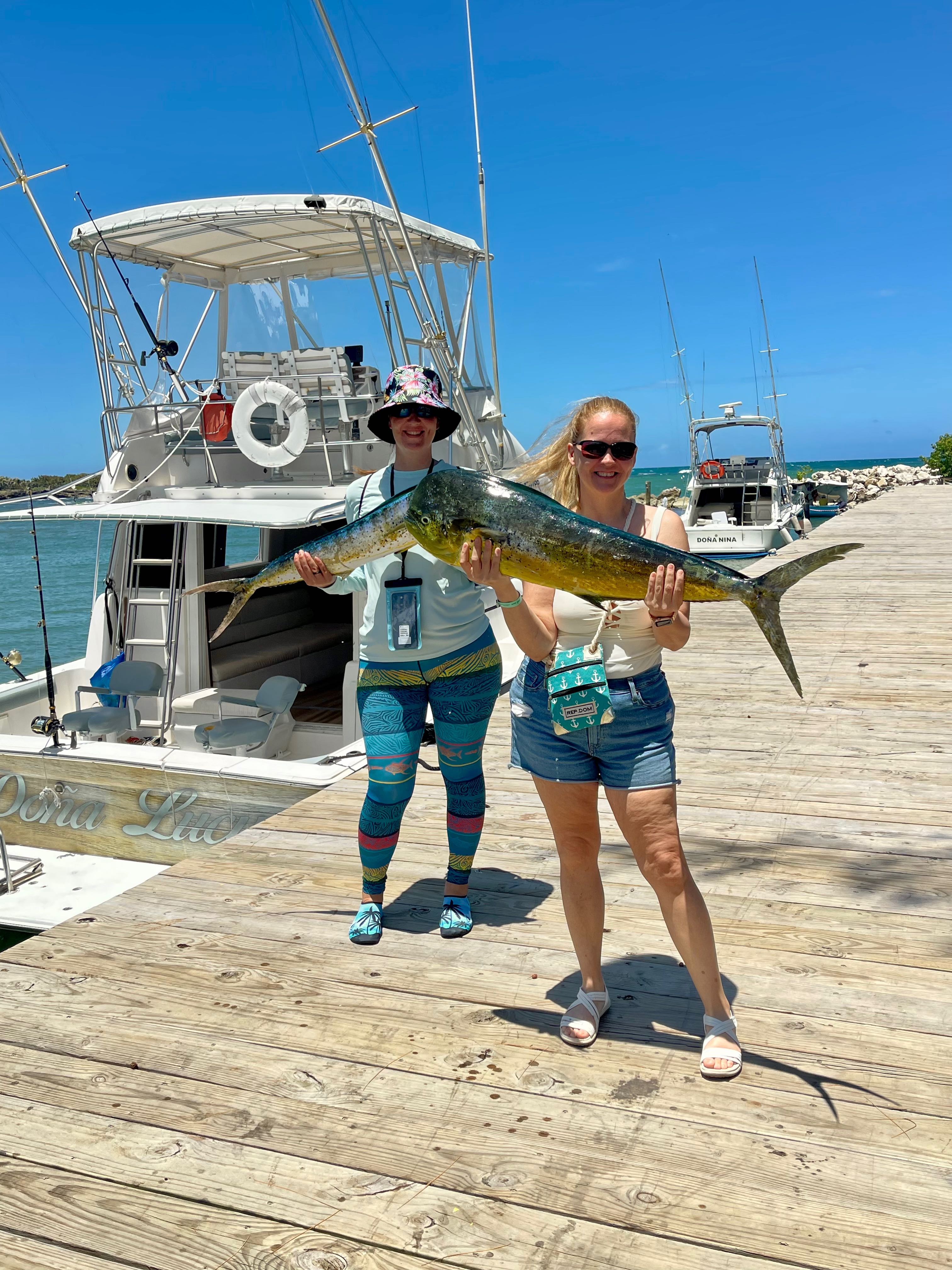
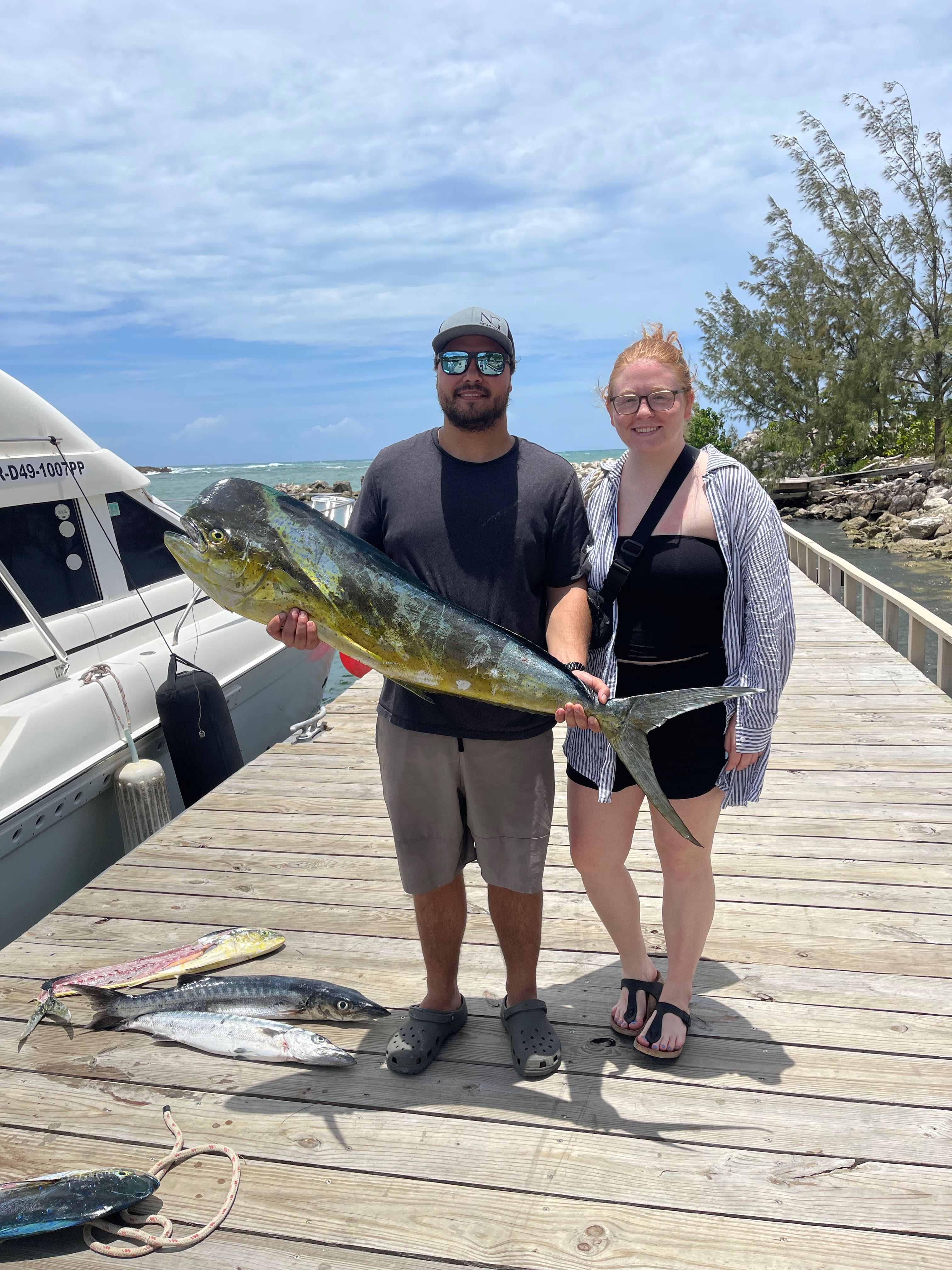
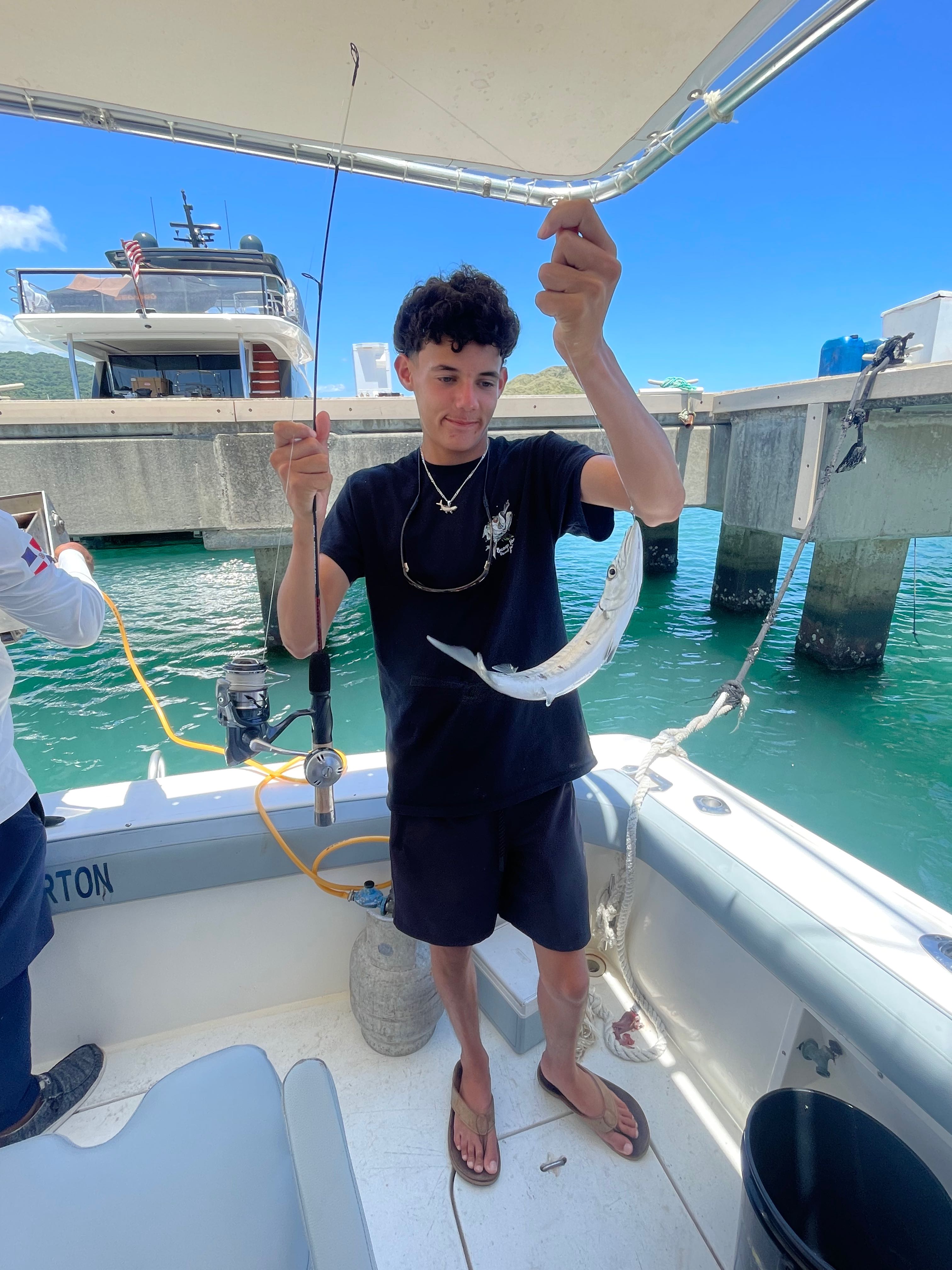
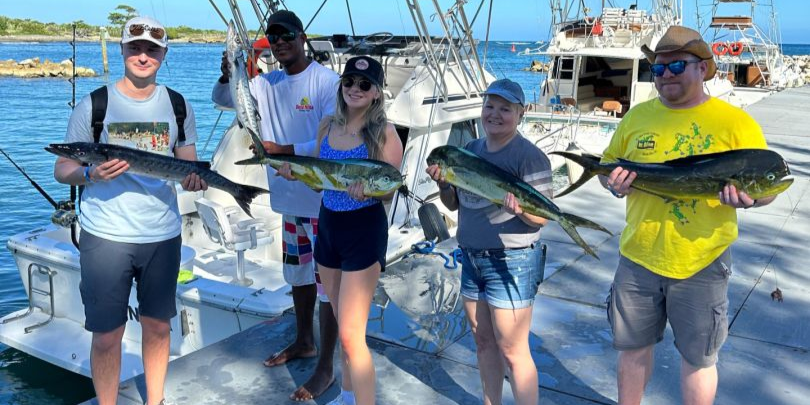
"We got the excursion from our Cruise the guys were very knowledgeable very friendly helped my son 14 years old catch one of the fishe he's always wanted to catch mahi mahi he also caught a Marlin but it shook the hook out I would definitely suggest this group." - Lisa
Species You'll Want to Hook
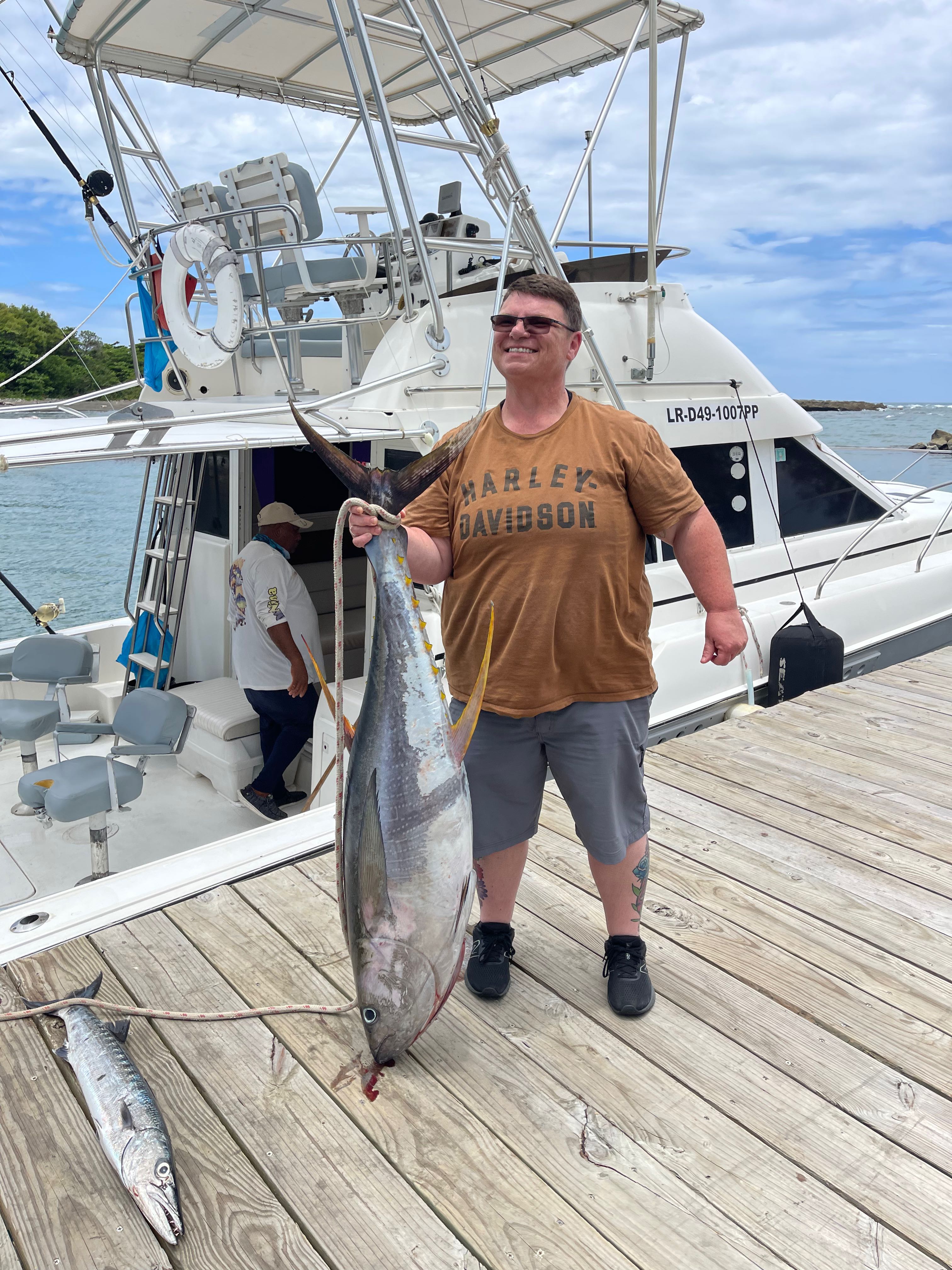
Blackfin Tuna are some of the hardest fighting fish pound-for-pound you'll encounter out here. These speedsters typically run 10 to 25 pounds and are absolute dynamite on the line. They school up around structure and current breaks, often feeding alongside dolphins. Best action usually happens early morning or late afternoon when they come up to feed on baitfish. What makes them special is their incredible stamina – they'll make multiple long runs and fight right to the boat. The meat is also phenomenal if you decide to keep one for dinner.
Blue Marlin are the holy grail of offshore fishing in the Dominican Republic. These magnificent fish can reach massive sizes, with fish over 400 pounds caught in these waters regularly. They're most active during the warmer months from May through October, though we see them year-round. Blues are ambush predators that often follow the boat for a while before deciding to strike. When they do hit, it's explosive – they'll often jump multiple times and make blistering runs that can strip hundreds of yards of line in seconds. Even if you release them, landing a blue marlin is a lifetime achievement for most anglers.
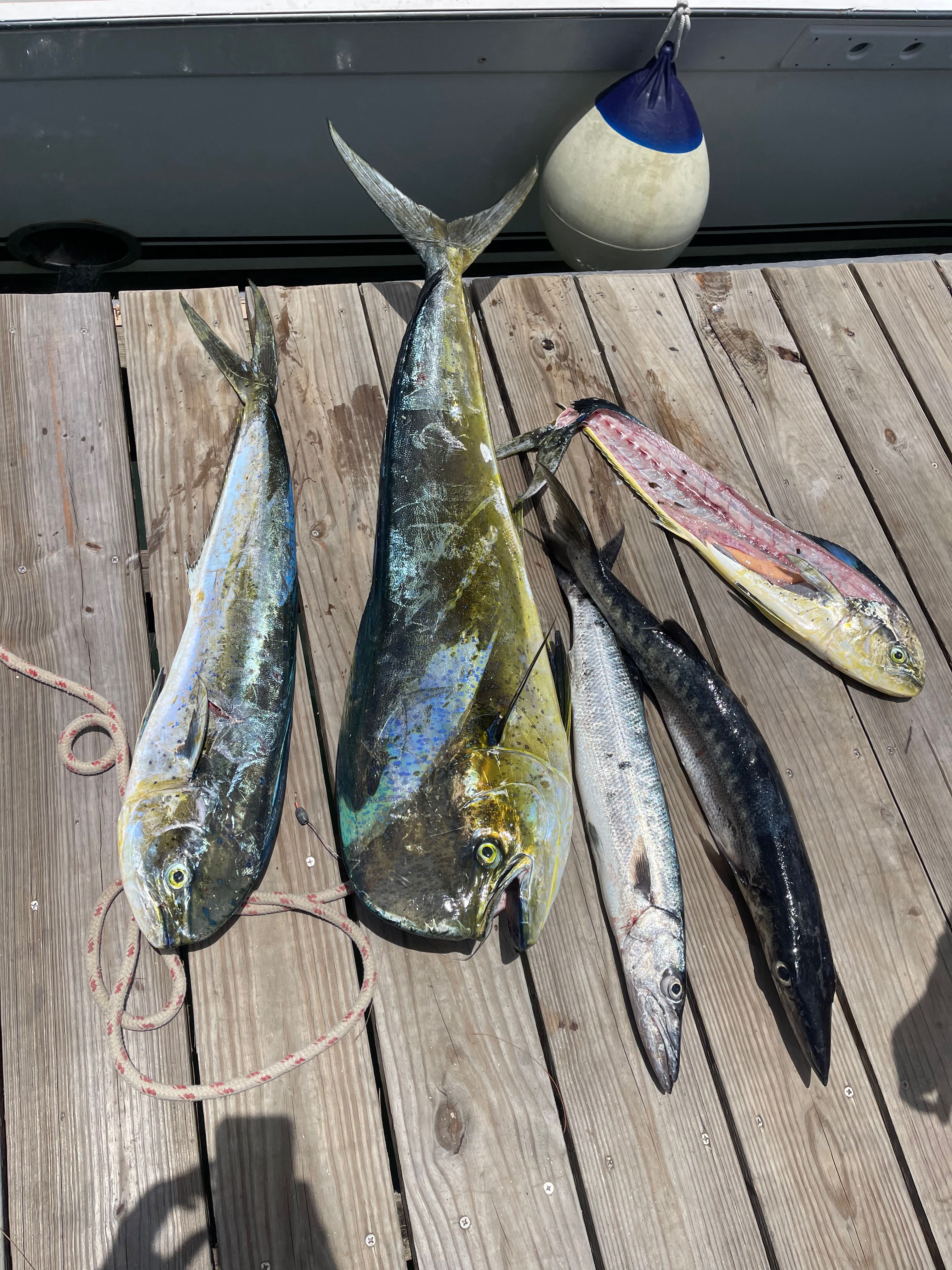
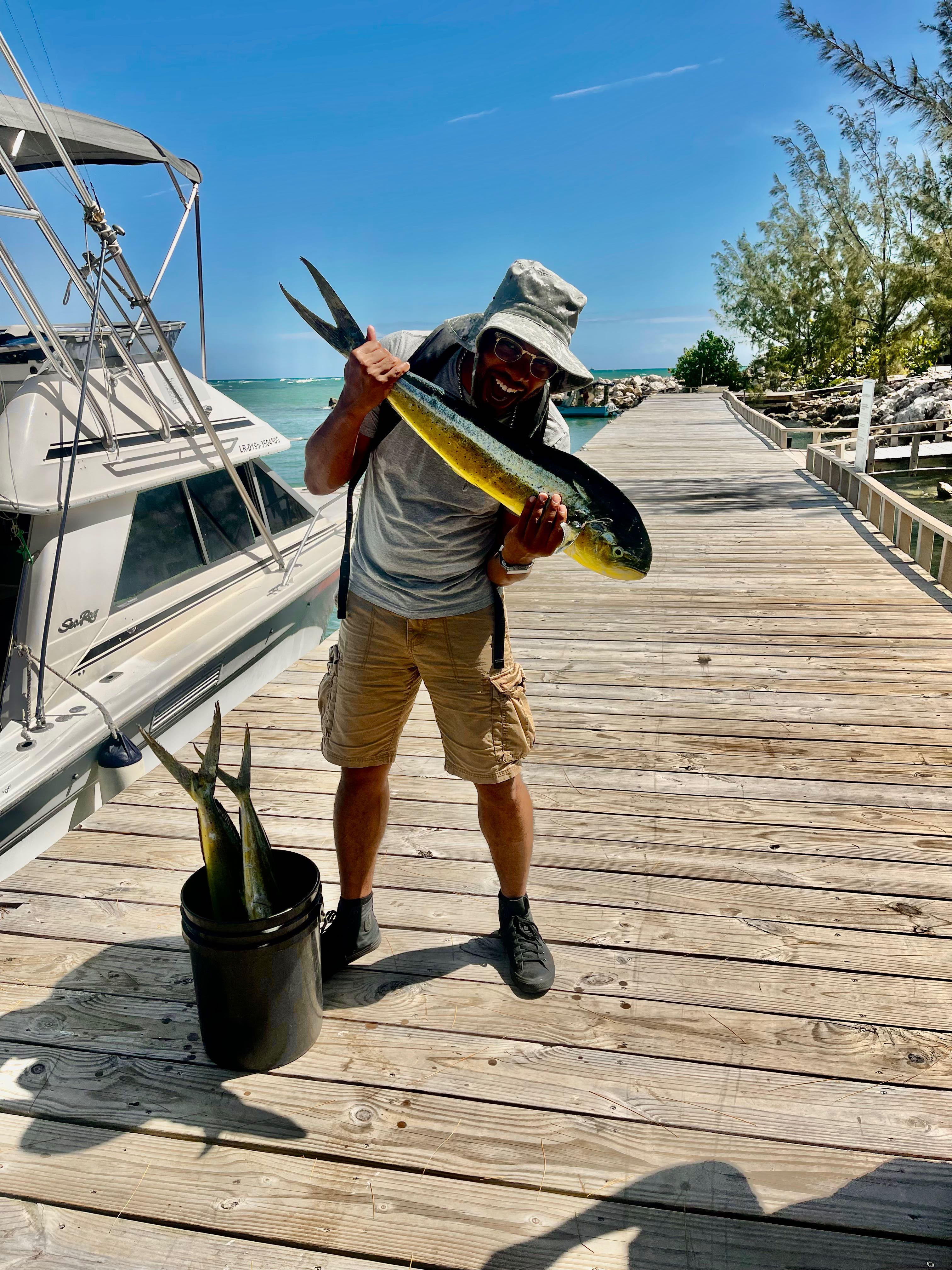
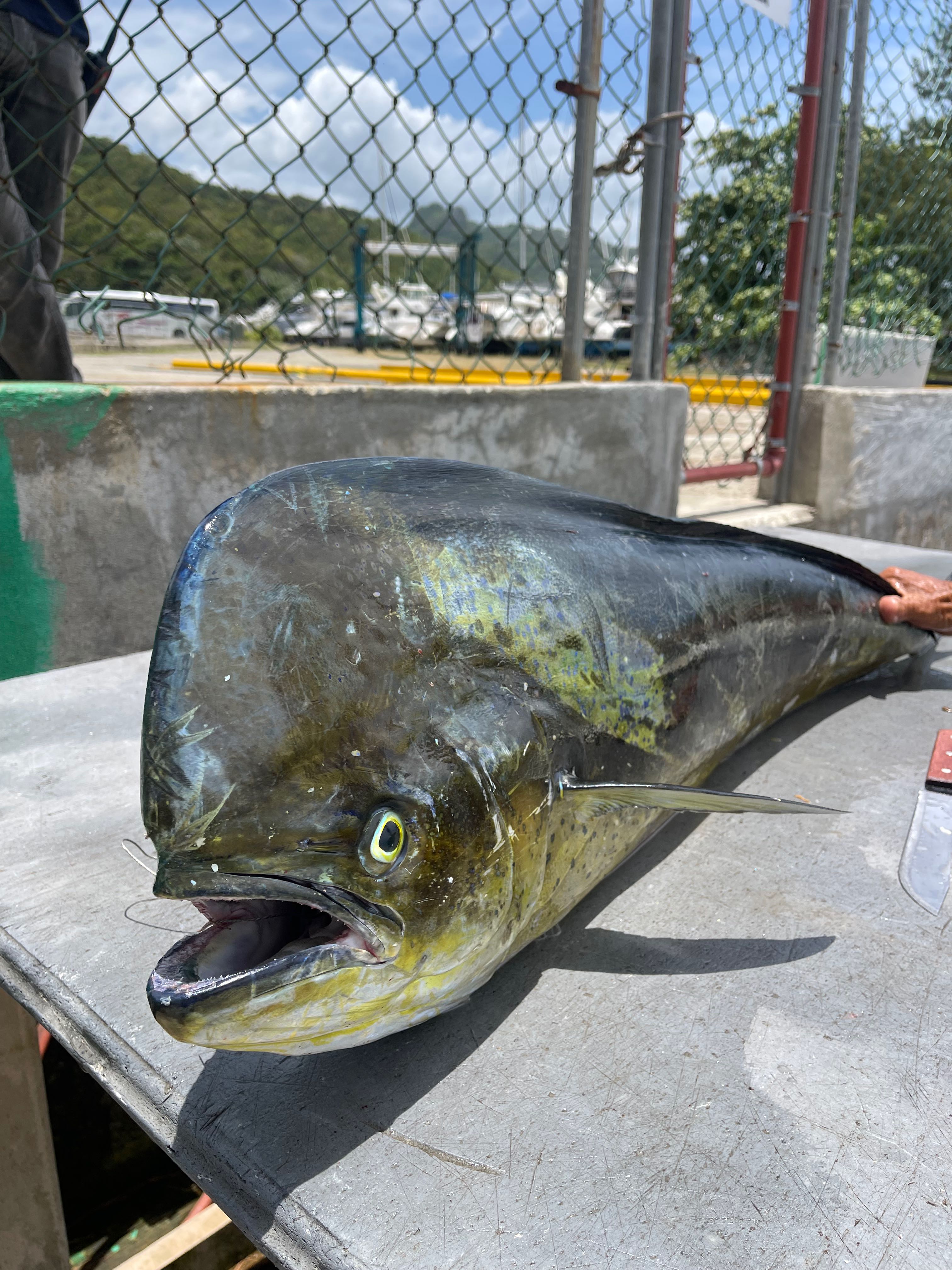
Mahi Mahi, or dorado as the locals call them, are absolute crowd pleasers. These colorful fish are incredibly acrobatic when hooked, putting on a aerial show that's pure excitement. They typically run 10 to 30 pounds in these waters and are excellent eating. Mahi often travel in schools, so when you find one, there are usually more around. They're attracted to floating debris, weed lines, and current edges. The beautiful golden colors that flash as they fight make them a favorite for photos, and their willingness to bite makes them perfect for less experienced anglers.
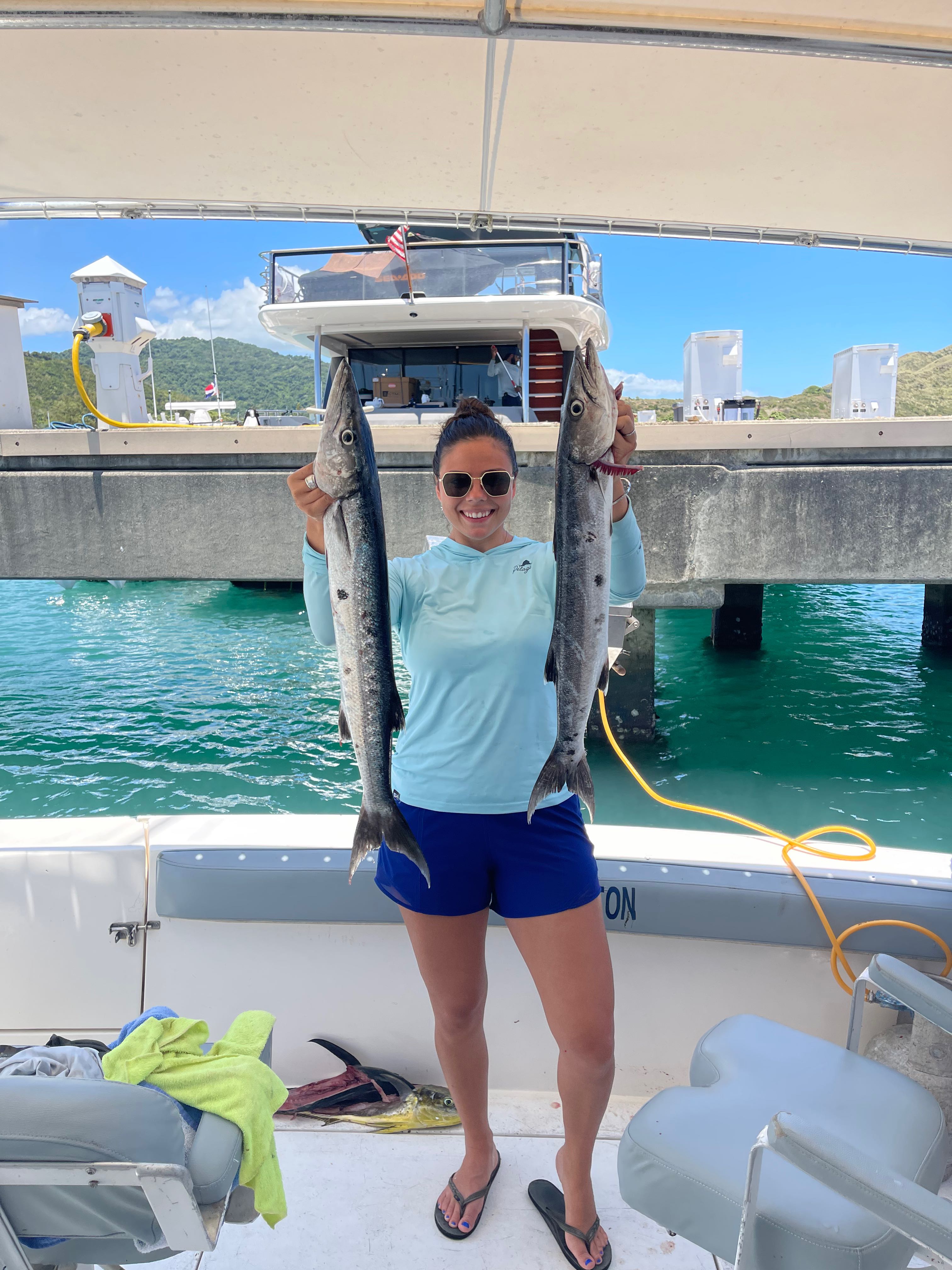
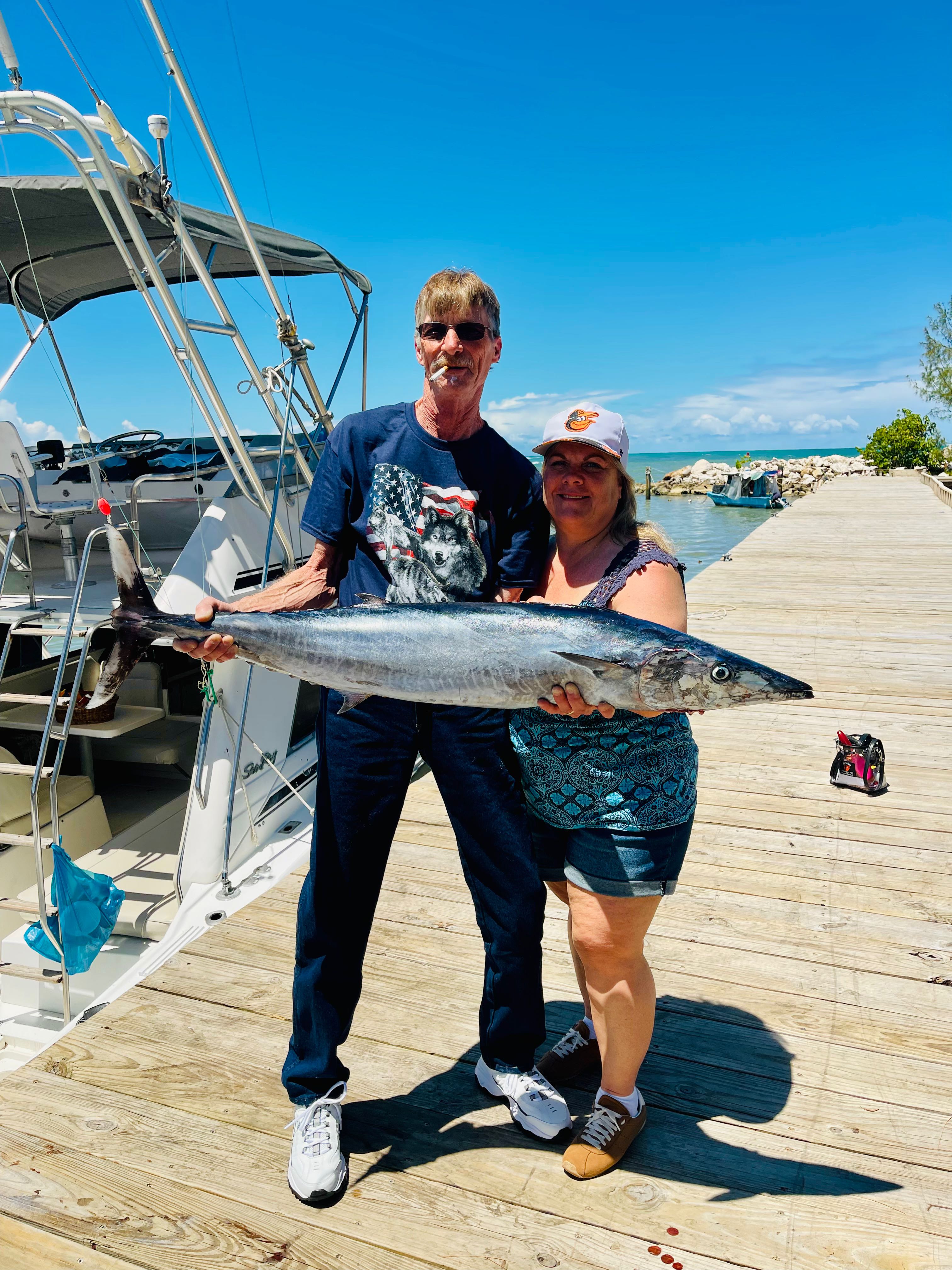
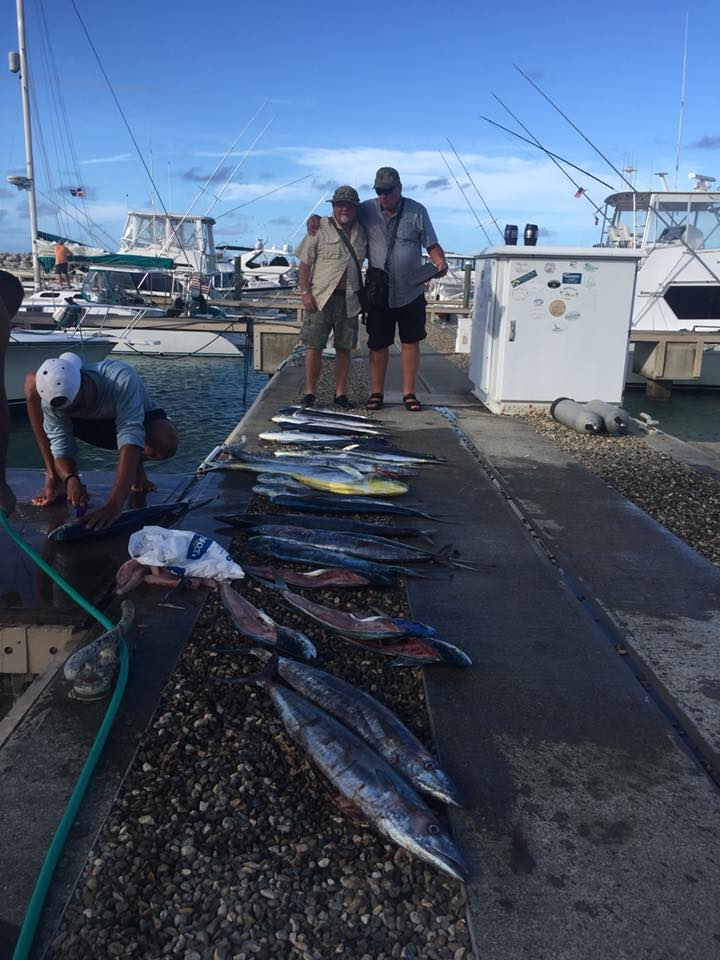
Wahoo are the speed demons of the offshore world, capable of reaching speeds over 60 mph. These torpedo-shaped predators have razor-sharp teeth and hit lures with incredible violence. They're typically found along drop-offs and current edges, often in 100 to 1000 feet of water. Wahoo are notoriously difficult to hook because they often bite the lure and keep going, cutting the line with their teeth. When you do connect with one, they make incredibly fast runs and are excellent table fare. Their distinctive tiger-stripe pattern and sleek build make them one of the most beautiful fish in these waters.
Black Marlin are the rarest catch on this list but absolutely worth mentioning. These powerful fish are built for speed and endurance, often making incredibly long runs when hooked. They're less acrobatic than their blue marlin cousins but make up for it with raw power. Blacks prefer deeper waters and are often found around seamounts and drop-offs. Landing one is considered the pinnacle of big game fishing, as they can exceed 1000 pounds in size. Even smaller blacks in the 200-300 pound range will test your skill and endurance to the limit.
Time to Book Your Spot
 5.0(1 Reviews)
 Private Trip
 Inshore Fishing
 Dominican Republic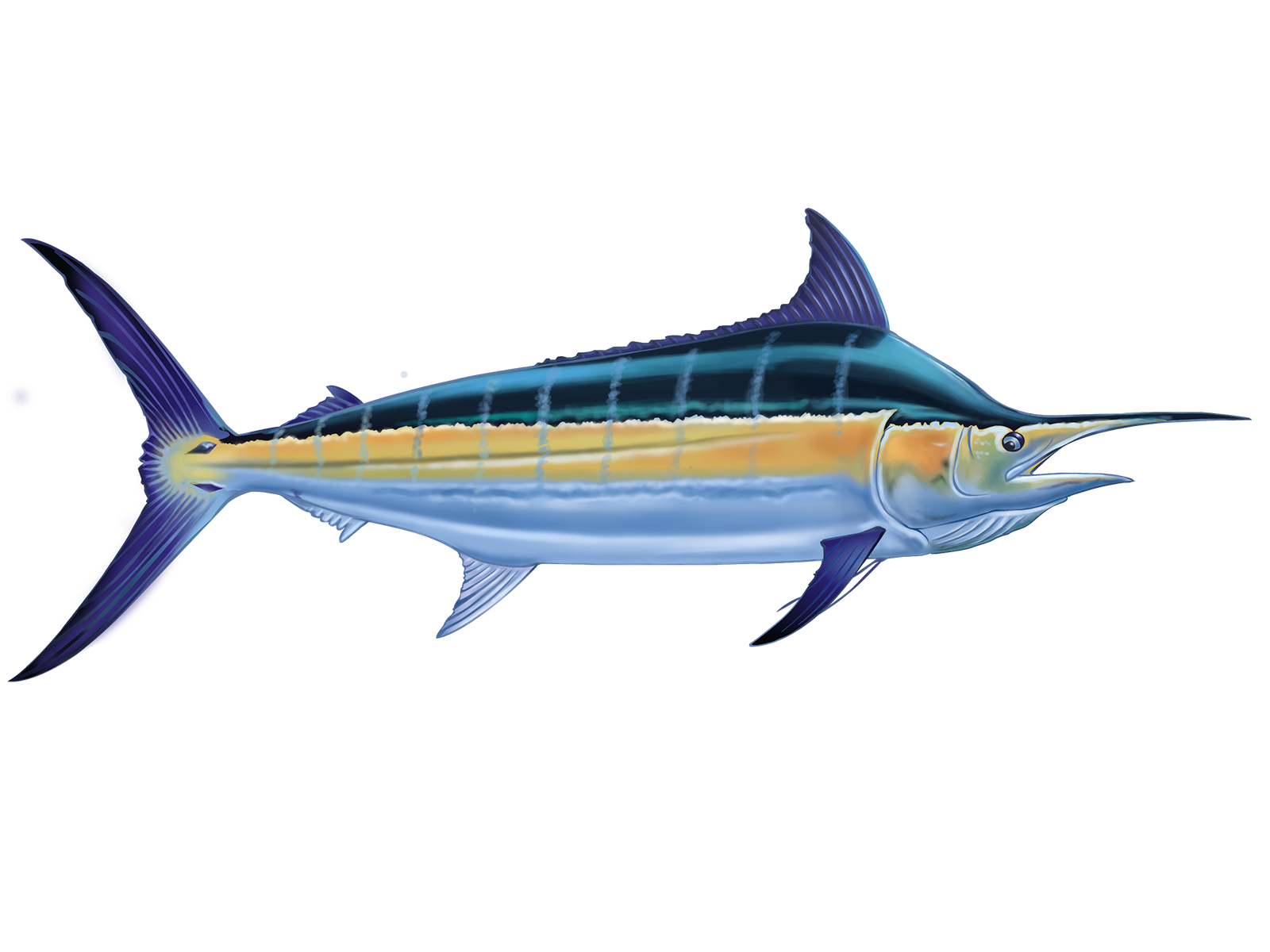


 Six-hour offshore fishing adventure targeting marlin, tuna, and sailfish