Half Day Afternoon Fishing in Jacksonville
When the afternoon sun hits just right and the fish start getting active, there's no better place to be than out on the water with El Cazador Fishing Charters. This half-day trip takes you just 10 miles offshore from Jacksonville Beach, where the action heats up as the day winds down. From noon until sunset, you'll be working prime fishing grounds that have been producing consistent catches for years. The best part? You don't need to be a pro to get in on the action. Our captain knows these waters like the back of his hand and will put you right where the fish are biting.
What to Expect on the Water
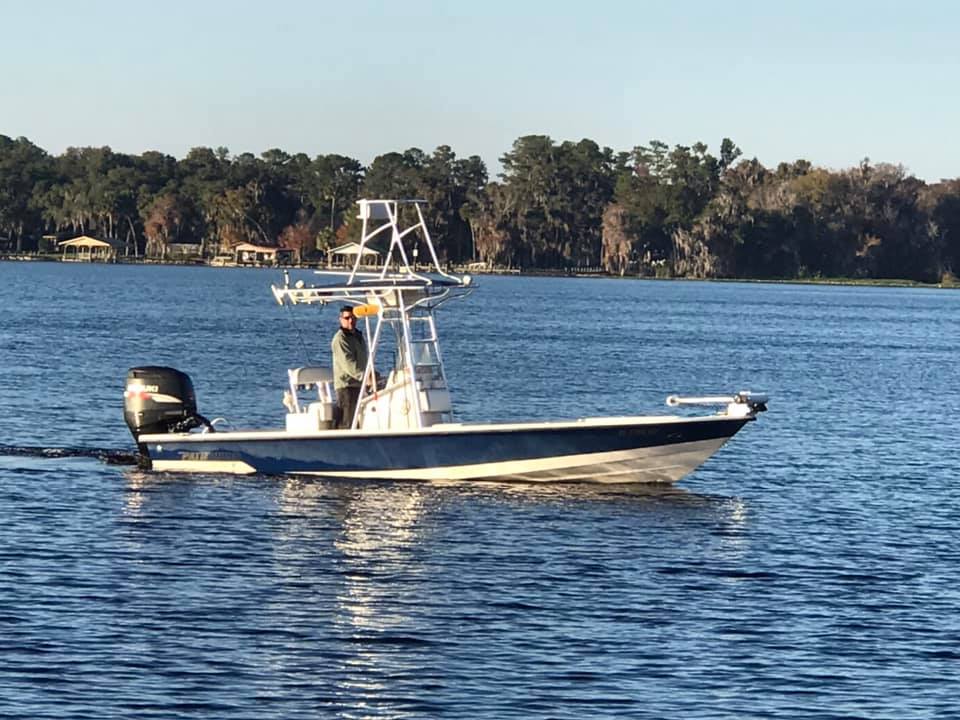
This afternoon trip hits that sweet spot when the fish really turn on. We'll cruise out to productive spots about 10 miles from shore, where the bottom structure and current breaks hold plenty of hungry fish. The boat handles beautifully in these waters, and you'll have room to spread out with just four anglers max on board. That means more personal attention, better chances at the rod when something big hits, and no crowding around the best fishing spots. The captain will have you rigged up and ready before we even reach the first spot. Expect to move around a bit throughout the trip as we chase the bite and work different depths and structures. The afternoon timing is perfect because you'll often see the fish feeding more aggressively as the light starts to change.
Techniques and Tackle
We'll be mixing it up with light tackle fishing, jigging, and trolling depending on what the fish are telling us. Light tackle is where the real fun happens - you'll feel every head shake and run when you hook into a good red snapper or feisty sheepshead. The jigging action works great around structure where these fish like to hang out, and you'll learn how to work the jig with the right rhythm to trigger strikes. When we're covering water looking for cobia or moving redfish, we'll switch to trolling with lures that mimic the baitfish these predators are hunting. The captain will show you the ropes on all these techniques, so whether you're new to saltwater fishing or looking to pick up some new skills, you'll come away knowing more than when you started. All the gear is provided, and it's quality stuff that can handle whatever we hook into.
Customer Stories
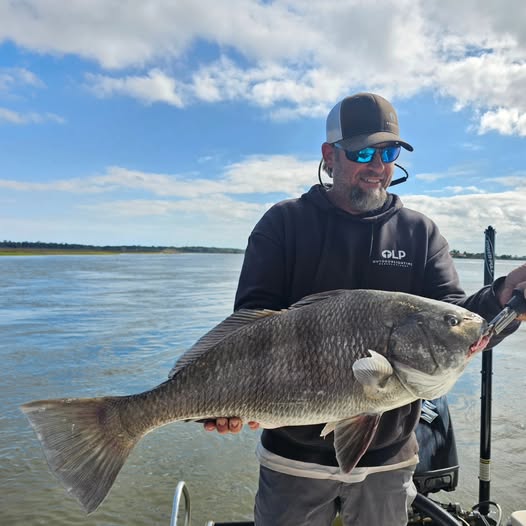
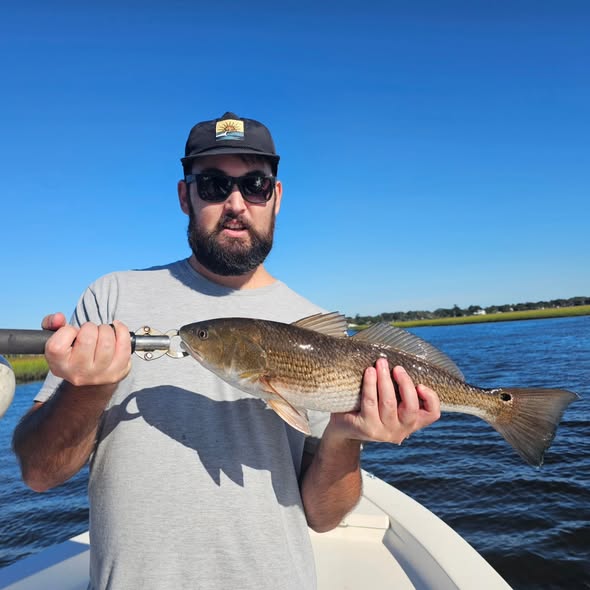
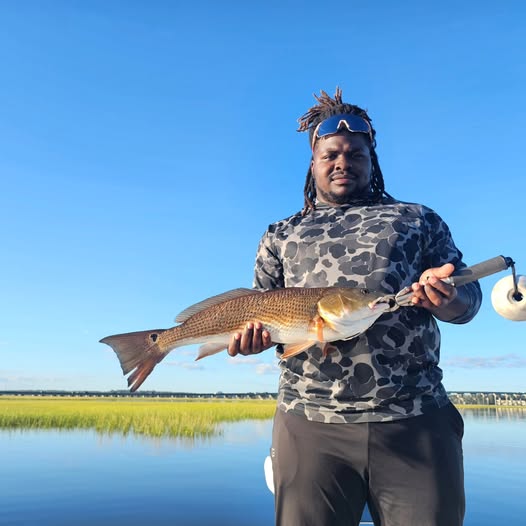
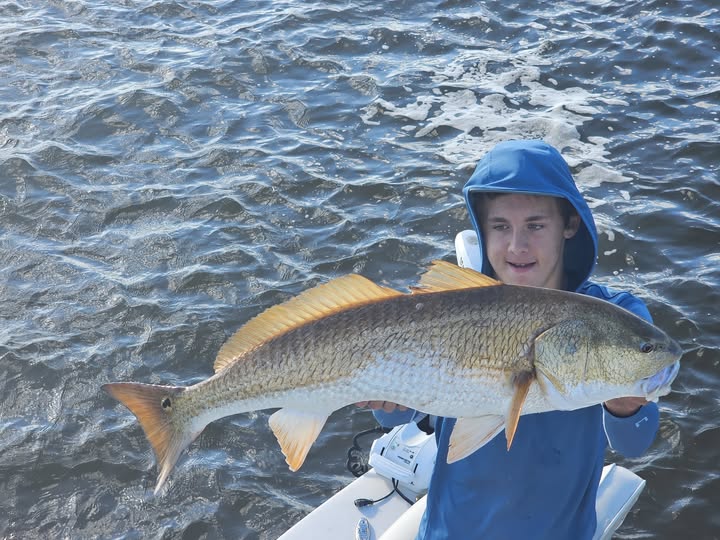
"Captain was great ! My son caught multiple Red Drum's and that's what we came to do, boat was really clean and the captain was really good at directed my son on things to improve his fishing." - Latasha
Species You'll Want to Hook
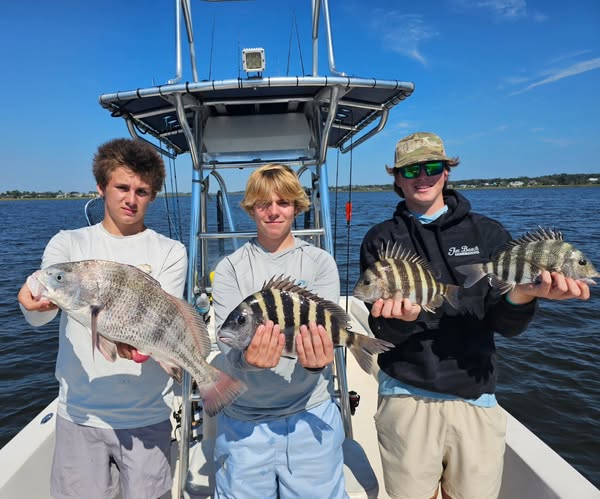
Sheepshead are some of the craftiest fish you'll encounter around Jacksonville. These black and white striped convicts love hanging around structure, picking at barnacles and crabs with their human-like teeth. They're notorious bait stealers, so you'll need to stay sharp and set the hook quick when you feel that subtle tap. Fall and winter months are prime time for sheepshead, when they school up in good numbers. What makes them so fun to catch is that light tackle fight - they'll pull hard for their size and make you work for every fish. Plus, they're excellent eating if you want to take a few home for dinner.
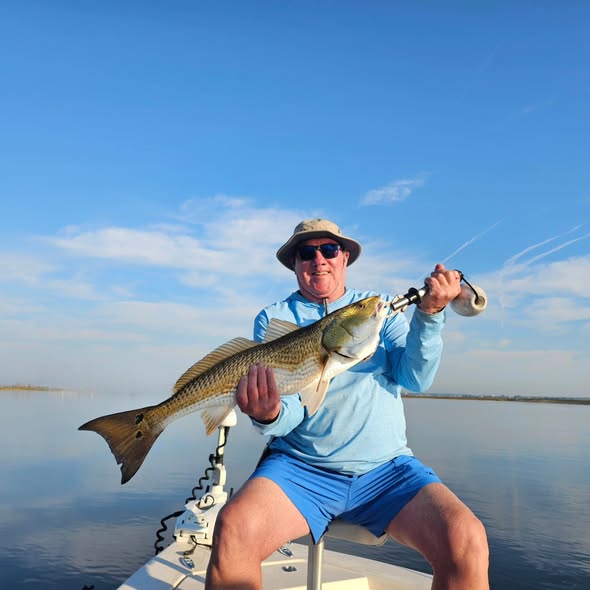
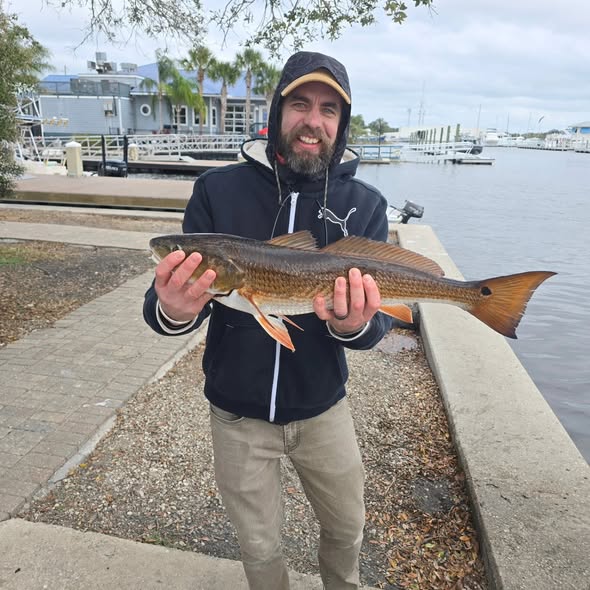
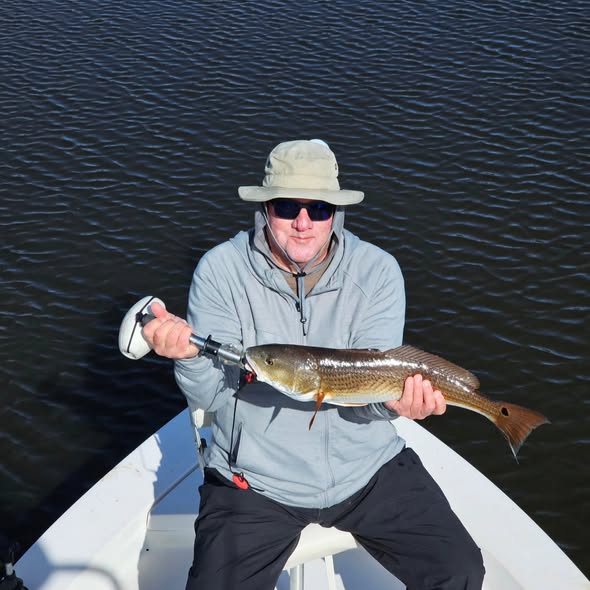
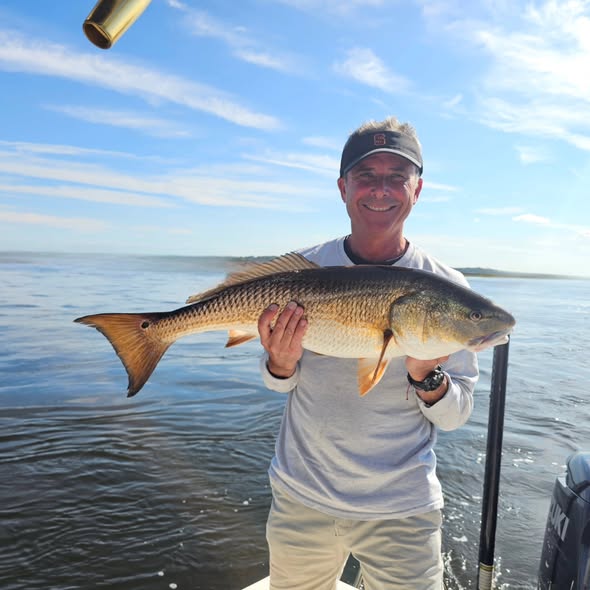
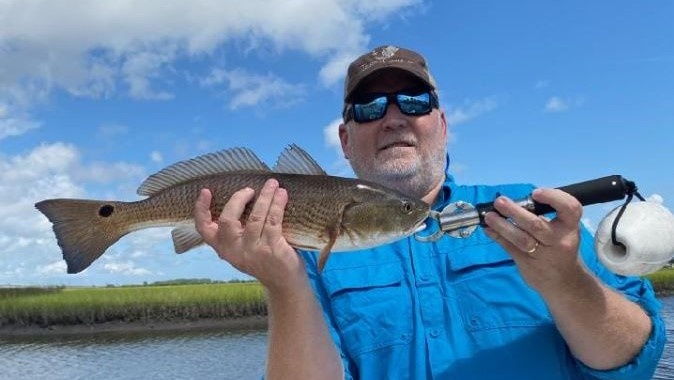
Redfish are the workhorses of inshore fishing around here, and these copper-colored bruisers will give you a fight you won't forget. They average 20-30 inches in these waters, with the occasional oversized bull red that'll really test your drag system. Spring through fall sees the best redfish action, especially when they're feeding on the flats and around structure. What gets anglers hooked on reds is their aggressive strike and bulldogging fight - they'll make long runs and use their broad sides to pull hard against the rod. The distinctive black spot near their tail makes them easy to identify, and their willingness to hit both live bait and lures makes them a favorite target.
Cobia are the wild cards that can show up any time during the warmer months, and when they do, you're in for a treat. These brown sharks lookalikes are curious fish that will often follow the boat, giving you multiple chances to present a bait or lure. They're strong fighters that will take long runs and try to wrap you around any structure they can find. Spring migration brings the best cobia fishing, but they can show up throughout the summer and into fall. What makes cobia special is their size potential - even a smaller one will be 20-30 pounds, and the big ones can push 40-50 pounds or more.
Red snapper are the crown jewel of bottom fishing in these waters when they're in season. These beautiful pink and red fish live around hard bottom and structure, where they ambush smaller fish and crustaceans. They're known for their hard initial run when hooked, followed by a stubborn fight all the way to the boat. Summer months typically offer the best red snapper opportunities, and they're absolutely delicious on the dinner table. The key to consistent snapper fishing is finding the right bottom structure and presenting fresh bait right where they're feeding.
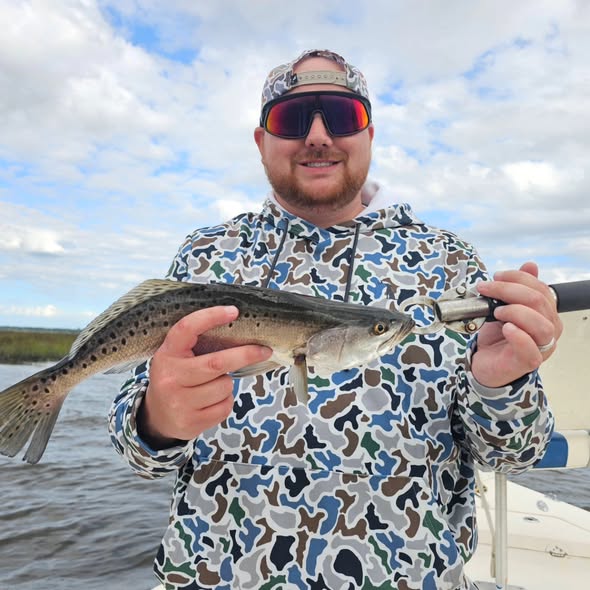
Brook trout might surprise some anglers on this list, but the speckled trout fishing around Jacksonville can be outstanding. These silvery fish with distinctive black spots love grass flats and structure edges where they hunt shrimp and small baitfish. They're typically more active during cooler months, making fall and winter prime time for specks. What makes them fun to catch is their willingness to hit both live bait and artificial lures, and they'll often school up in good numbers when you find them. Their delicate mouths mean you need to play them carefully, but that light tackle fight is exactly what makes them so popular with local anglers.
Time to Book Your Spot
This afternoon fishing trip offers everything you want in a half-day charter - variety, action, and the chance to learn from an experienced captain who knows these waters inside and out. With only four spots available, you'll get the personal
 5.0(1 Reviews)
 Private Trip
 Inshore Fishing
 Jacksonville Beach, FL


 Half-day afternoon fishing targeting snapper and sheepshead species