Backcountry Fishing in Islamorada's Prime Waters
When you're talking serious backcountry fishing in the Florida Keys, Islamorada sits at the heart of it all. This isn't your typical dock fishing – we're talking shallow water flats where the big boys cruise, mangrove shorelines that hold countless surprises, and crystal-clear water that'll have you spotting fish from 100 yards out. Captain Eric Scoble knows these waters like the back of his hand, and he's ready to put you on some of the most sought-after gamefish in South Florida. Whether you're a weekend warrior or someone who lives and breathes saltwater fishing, this backcountry experience delivers the kind of action that keeps anglers coming back season after season.
What to Expect on the Water
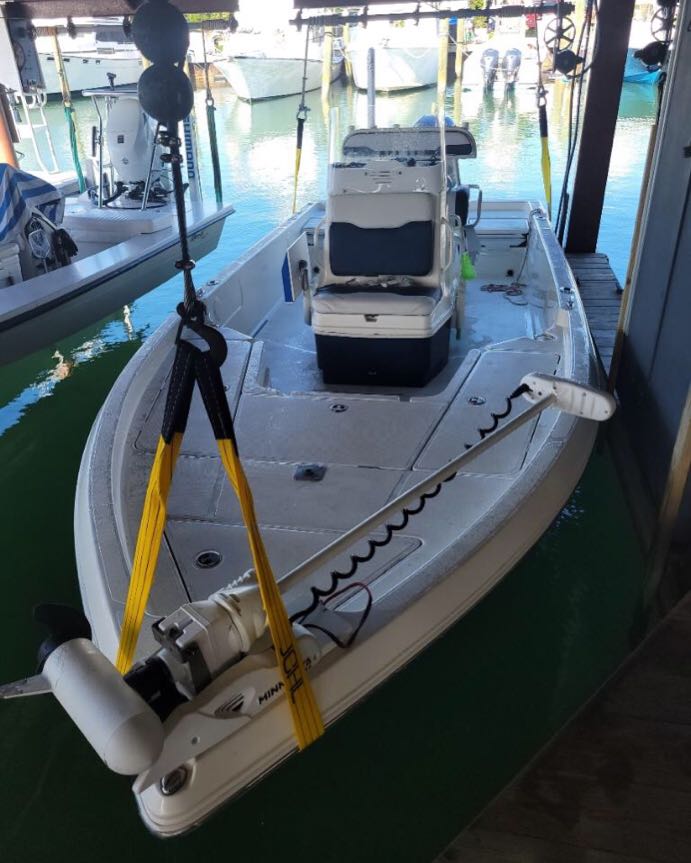
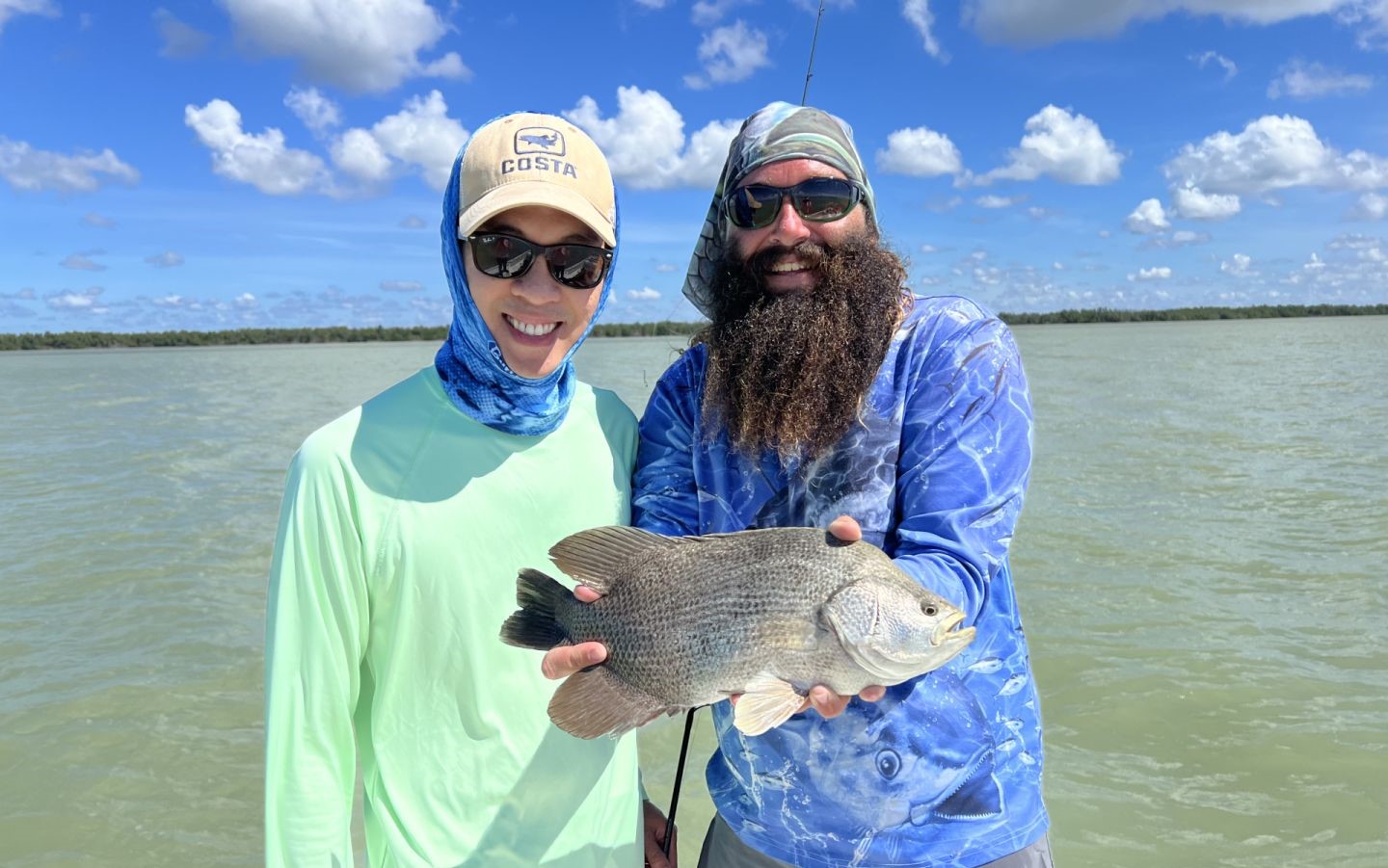
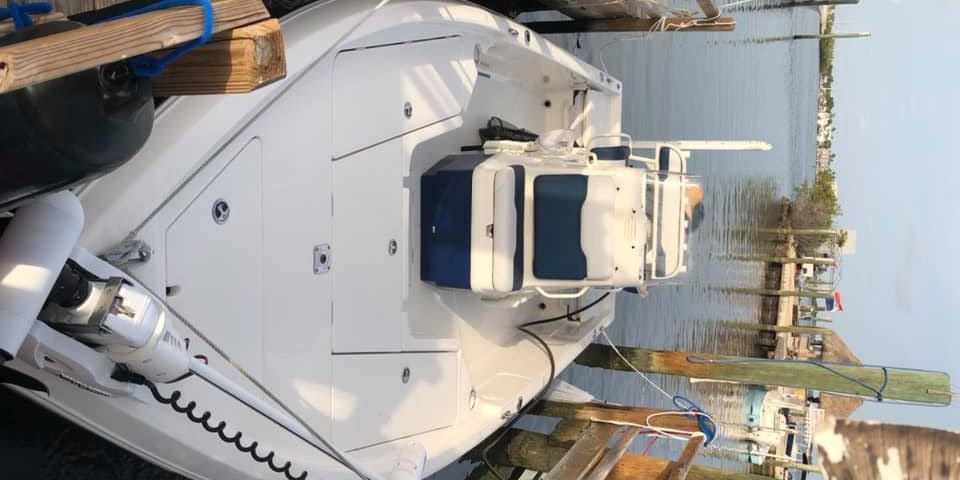
Your day starts early – and trust me, that's when the magic happens. We're talking about 4 to 8 hours of pure backcountry fishing in some of the most productive waters you'll find anywhere. The boat's already rigged and ready with everything you need: rods, reels, tackle, bait, and all the gear that separates a good day from a great one. You just show up with your drinks, snacks, sunblock, and that camera because you're going to want proof of what you catch out here. We'll be working the flats of Everglades National Park, where the water runs shallow and the fish run big. The scenery alone is worth the trip – endless mangroves, crystal-clear flats, and wildlife that'll blow your mind. But let's be honest, we're here to bend some rods and put fish in the boat. The backcountry around Islamorada holds everything from cruising tarpon to tailing redfish, and Captain Eric knows exactly where to find them based on the tide, time of year, and what's been biting lately.
Flats Fishing & Sight Casting
This is sight fishing at its finest – we're talking about spotting fish before you cast to them. The boat runs shallow, so we can get into those skinny water spots where the big fish feel safe to feed. You'll be using light tackle that lets you feel every head shake and run, but strong enough to handle whatever decides to eat your bait. We're sight casting to fish we can see, which means you need to be ready when Captain Eric points out a cruising permit or a laid-up tarpon. The technique here is all about precision – quiet presentations, accurate casts, and reading the fish's behavior before you even think about setting the hook. Some days we're throwing live bait on the flats, other times we're working artificial lures around structure. The water clarity in these backcountry areas is incredible, so you'll watch your bait get eaten and see exactly how these fish react. It's addictive fishing that challenges your skills while delivering some of the most rewarding catches you'll ever make.
Species You'll Want to Hook
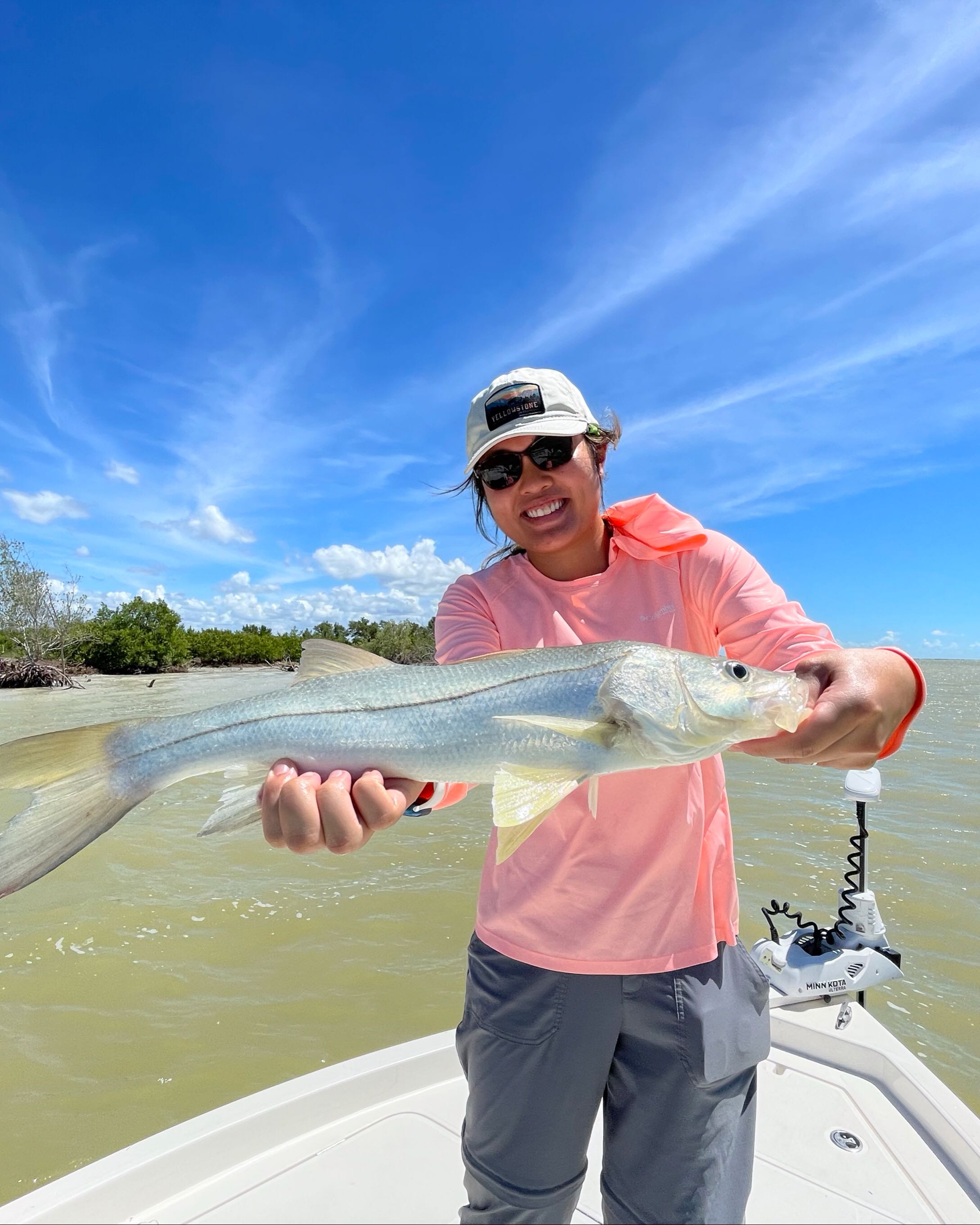
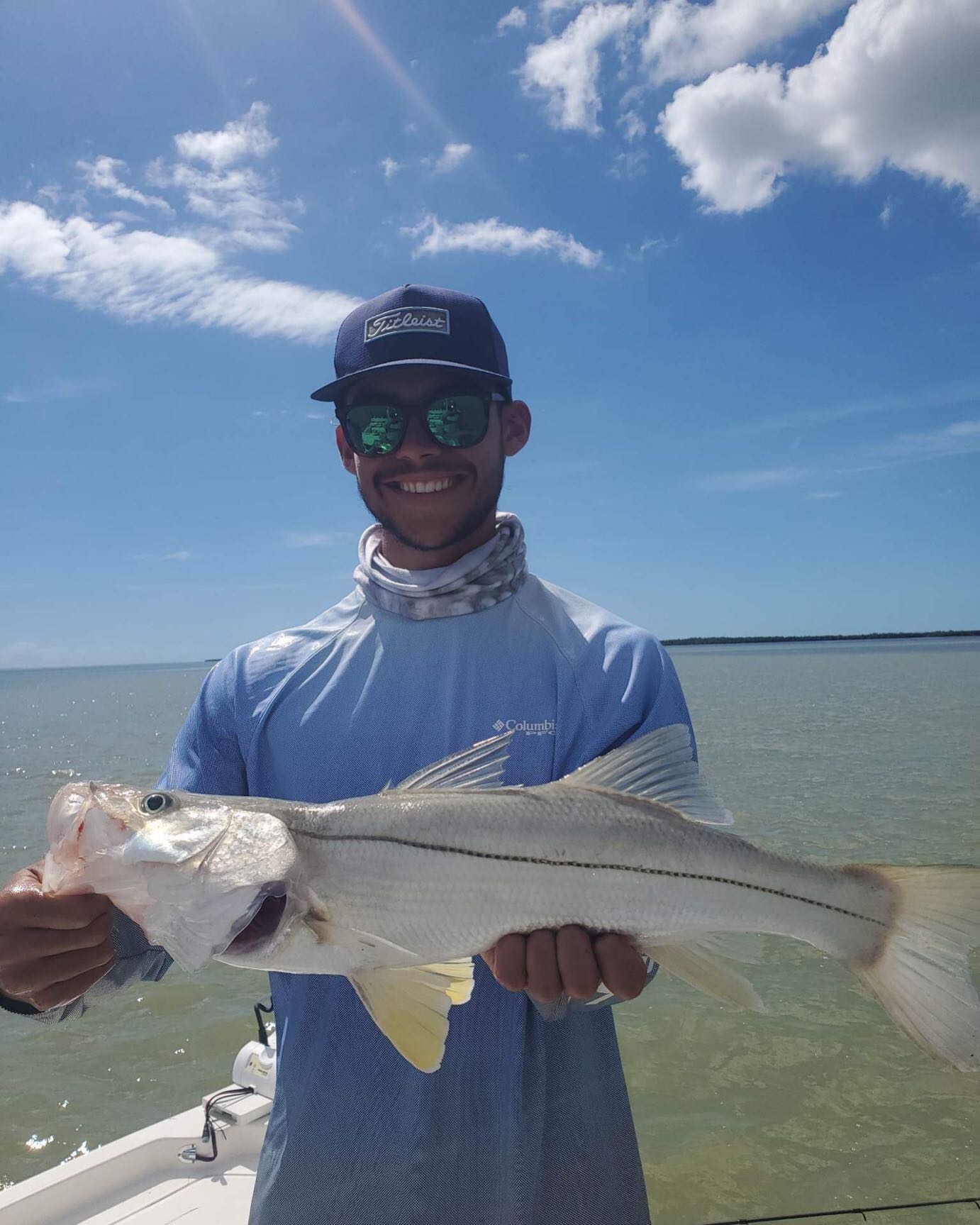
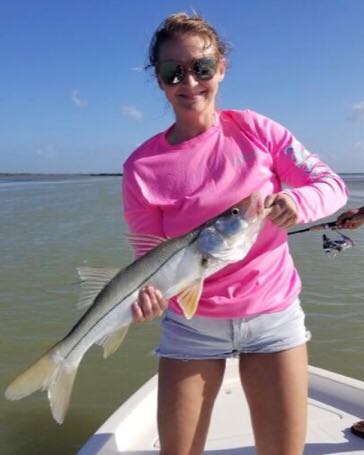
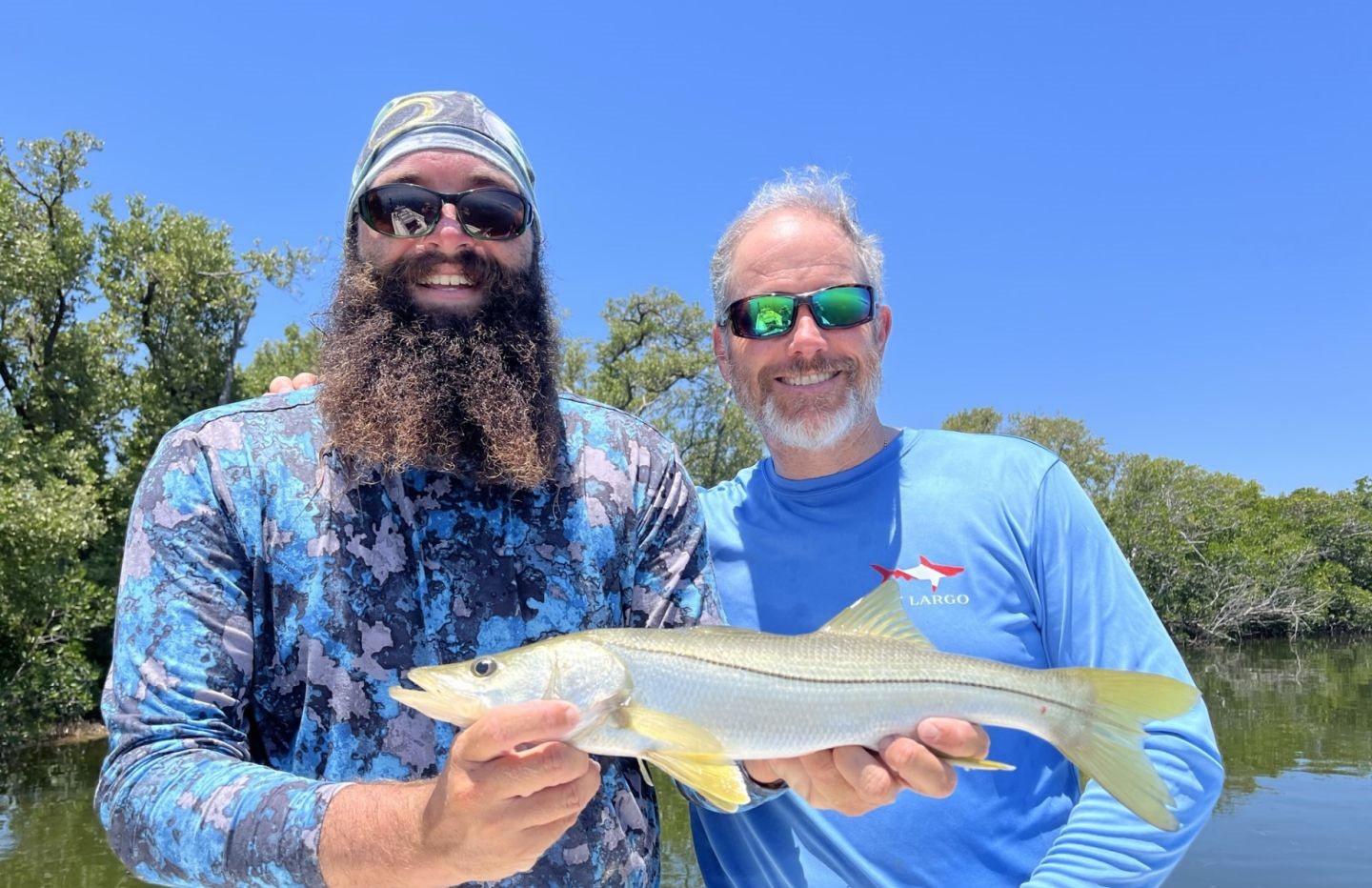
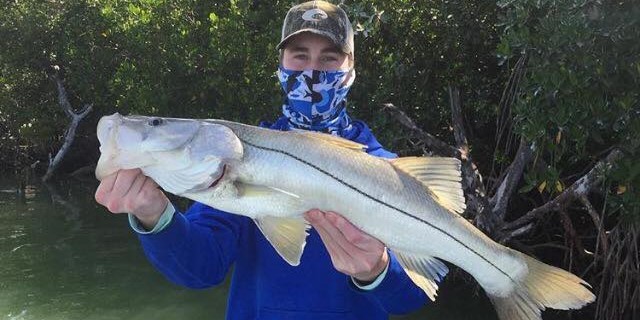
Snook are the bread and butter of backcountry fishing around here. These ambush predators love hanging around mangrove shorelines, docks, and any structure that gives them an advantage. They're incredibly aggressive when they're feeding, but they can also be finicky when conditions aren't perfect. The best snook fishing happens during moving tides when baitfish get pushed around and these guys come out to feed. What makes snook so special is their fight – they'll jump, they'll run for cover, and they'll use every trick in the book to throw your hook. Plus, they're beautiful fish with that distinctive black lateral line and those gill plates that'll cut you if you're not careful handling them.
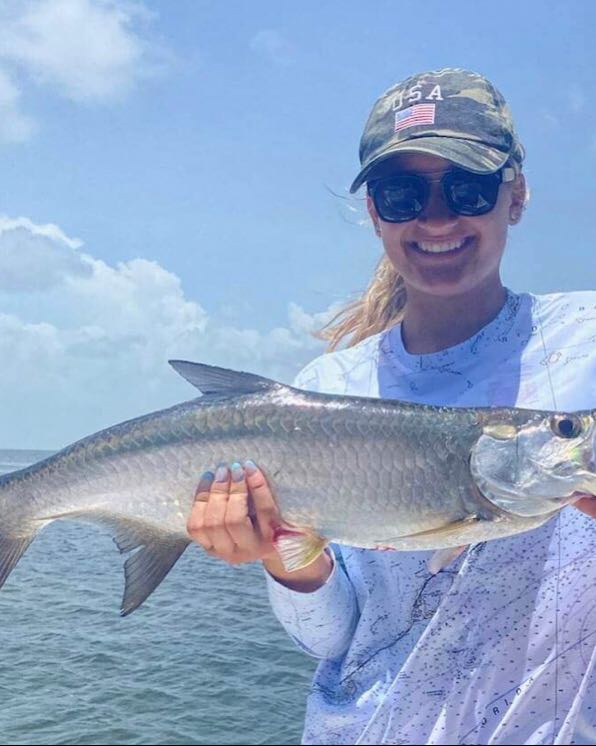
Tarpon are the silver kings that every angler dreams about. These prehistoric fish can reach over 100 pounds and put on aerial displays that'll leave you shaking with adrenaline. Around Islamorada, we get tarpon year-round, but the best action typically happens from March through July when the big schools move through. What's amazing about tarpon is watching them roll on the surface – you'll see that silver flash and know exactly what you're dealing with. When you hook one, be ready for multiple jumps and runs that'll test your tackle and your patience. They're notorious for throwing hooks, so keeping steady pressure without over-cranking the drag is crucial.
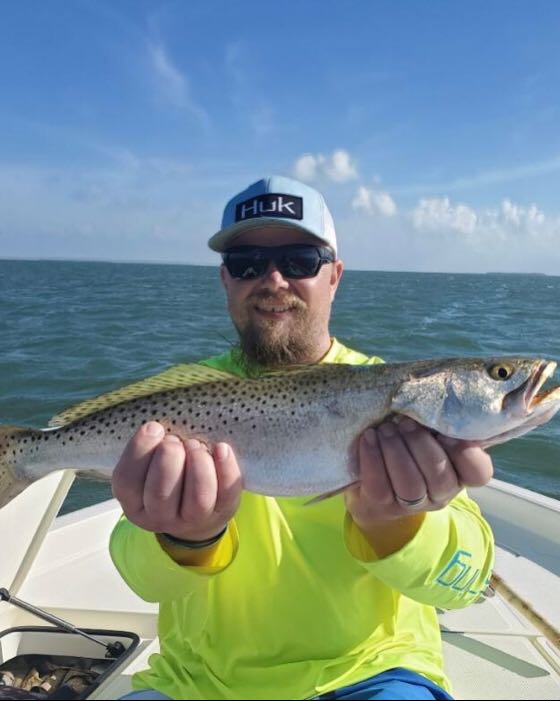
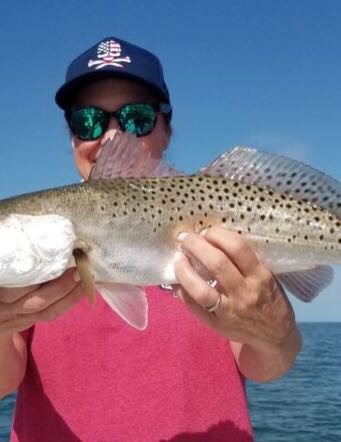
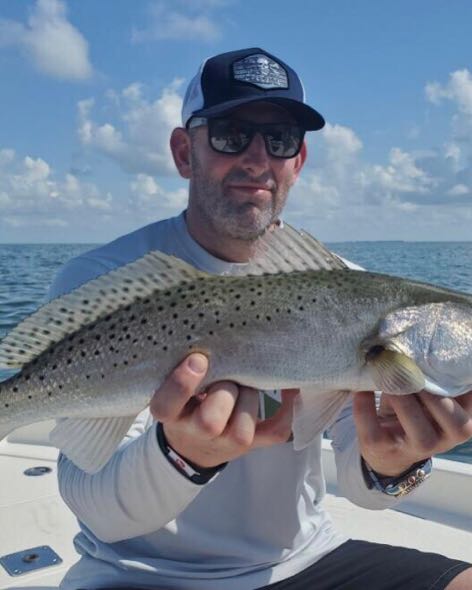
Sea trout might not get the same press as tarpon, but they're fantastic fish that provide consistent action throughout the year. These spotted beauties love grass flats and deeper potholes where they can ambush passing baitfish. They're excellent table fare if you're looking to take something home for dinner, and they fight harder than most people expect. The key with trout is finding the right depth – they'll move up shallow to feed during low light periods, then drop back to deeper water when the sun gets high.
Redfish are the workhorses of the backcountry, and they're absolutely perfect for anglers who want steady action with some serious pulling power. These copper-colored fighters love shallow flats where they can root around for crabs and small fish. You'll often see them tailing in super shallow water, which creates some of the most exciting sight fishing opportunities you'll find anywhere. Reds are also great for beginners because they're generally willing to eat and they don't have the jumping antics of tarpon that can complicate the fight.
Permit are the holy grail of flats fishing – incredibly smart, extremely spooky, and absolutely beautiful when you finally get one to eat. These disc-shaped fish are notorious for being difficult, but that's exactly what makes them so rewarding to catch. They love crab patterns and will cruise the flats looking for an easy meal, but they'll spook at the slightest wrong move. When you do hook a permit, they make blistering runs that'll have your drag screaming. Many anglers fish for years before getting their first permit, which makes them one of the most prized catches in all of backcountry fishing.
Time to Book Your Spot
 Private Trip
 Backcountry Fishing
 Islamorada


 Target tarpon, bonefish, snook, redfish in Everglades backcountry waters