Islamorada Backcountry Fishing for Two
If you're looking for some of the best shallow water fishing Florida has to offer, you've found it. Eric Scoble's got you covered for a world-class backcountry experience that puts you right in the heart of where the real action happens. We're talking about the legendary flats around Islamorada and the vast backcountry of Everglades National Park - waters that have been making anglers' dreams come true for decades. This isn't your typical offshore trip; it's an intimate two-person charter that gets you into the skinny water where the big gamefish live and feed. Whether you've been chasing these species for years or you're just getting your feet wet, this trip delivers the kind of fishing stories you'll be telling for a lifetime.
What to Expect on the Water
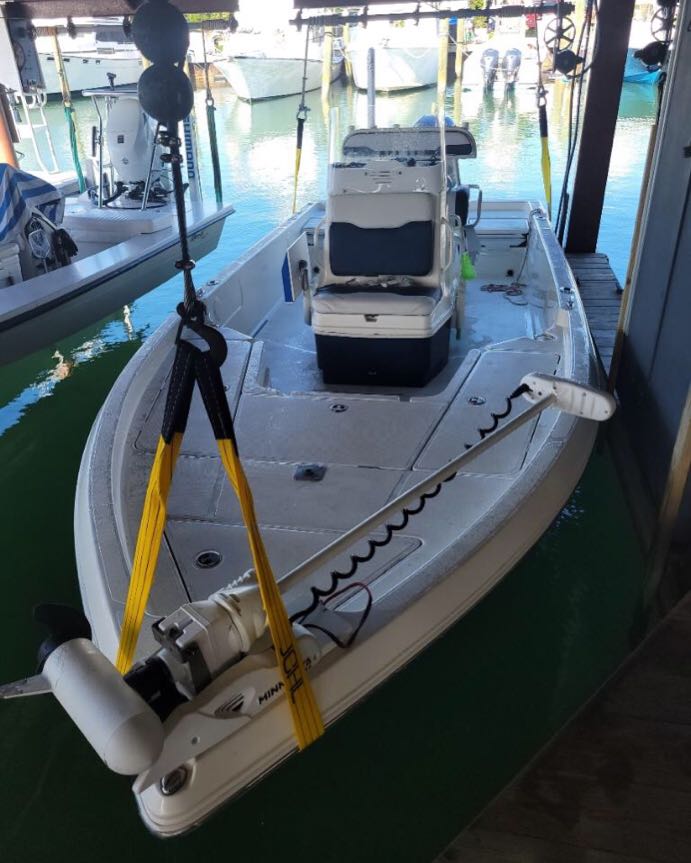
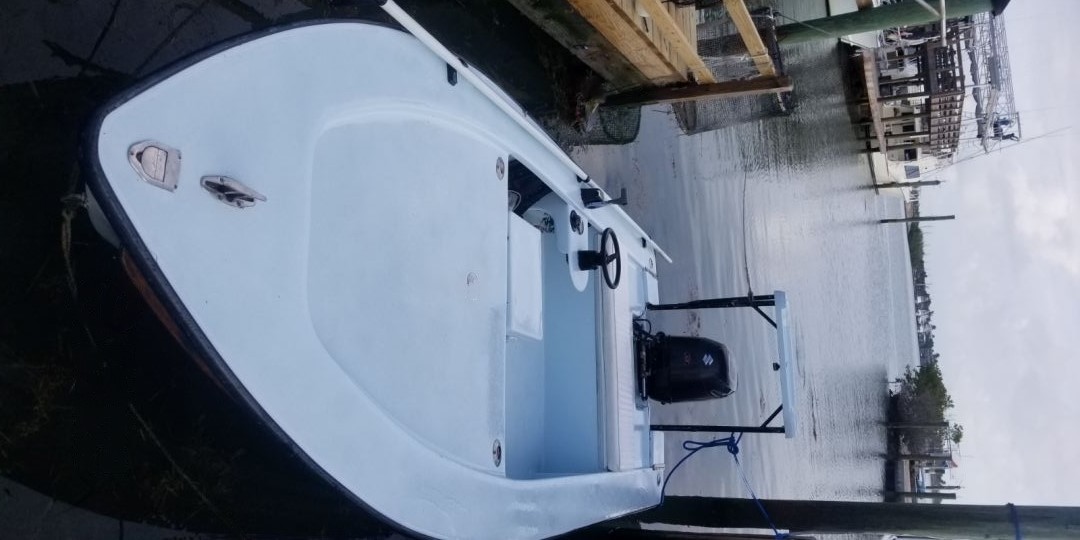
Your day starts early when the flats are glassy and the fish are moving. Eric knows these waters like the back of his hand - every channel, every flat, every mangrove shoreline where fish like to hang out. You'll be fishing from a shallow-draft skiff that can get into water so thin you can practically walk on it. The boat's designed specifically for this kind of fishing, running silent and getting you within casting distance of fish that spook if they even see your shadow. Don't worry about bringing any gear - everything's provided, from the rods and reels to the tackle and bait. All you need to pack are some snacks, plenty of water, sunblock, polarized sunglasses, and a hat. Trust me on the sunglasses - they're not just for comfort, they're your window into seeing fish on these flats. The trip covers a mix of sight fishing on the flats and working the mangrove edges where the bigger predators ambush their prey. Depending on conditions and what's biting, you might find yourself poling through water that's barely knee-deep or drifting along mangrove shorelines that look like something out of a nature documentary.
Techniques & Backcountry Basics
Backcountry fishing is all about finesse and reading the water. You'll be sight fishing most of the time, which means spotting fish before they spot you. Eric will pole the boat into position while you watch for tails, wakes, and shadows moving across the flats. When you see a fish, the cast needs to be accurate and quiet - these aren't deep water fish that'll chase a lure for miles. They're spooky, smart, and they know their territory better than you do. The fishing techniques vary depending on what we're targeting. For tarpon and snook, you might be throwing live bait near structure or working topwater lures early in the morning. Bonefish and permit call for a completely different approach - light tackle, precise presentations, and a lot of patience. Redfish are somewhere in between, often found tailing in super shallow water where a well-placed cast can make all the difference. The gear is matched to the species and conditions, from spinning tackle for the smaller targets to heavier baitcasting setups when the big tarpon are rolling. Eric handles all the technical stuff like reading tides, finding fish, and positioning the boat, while you focus on making the cast and fighting the fish.
Target Species Breakdown
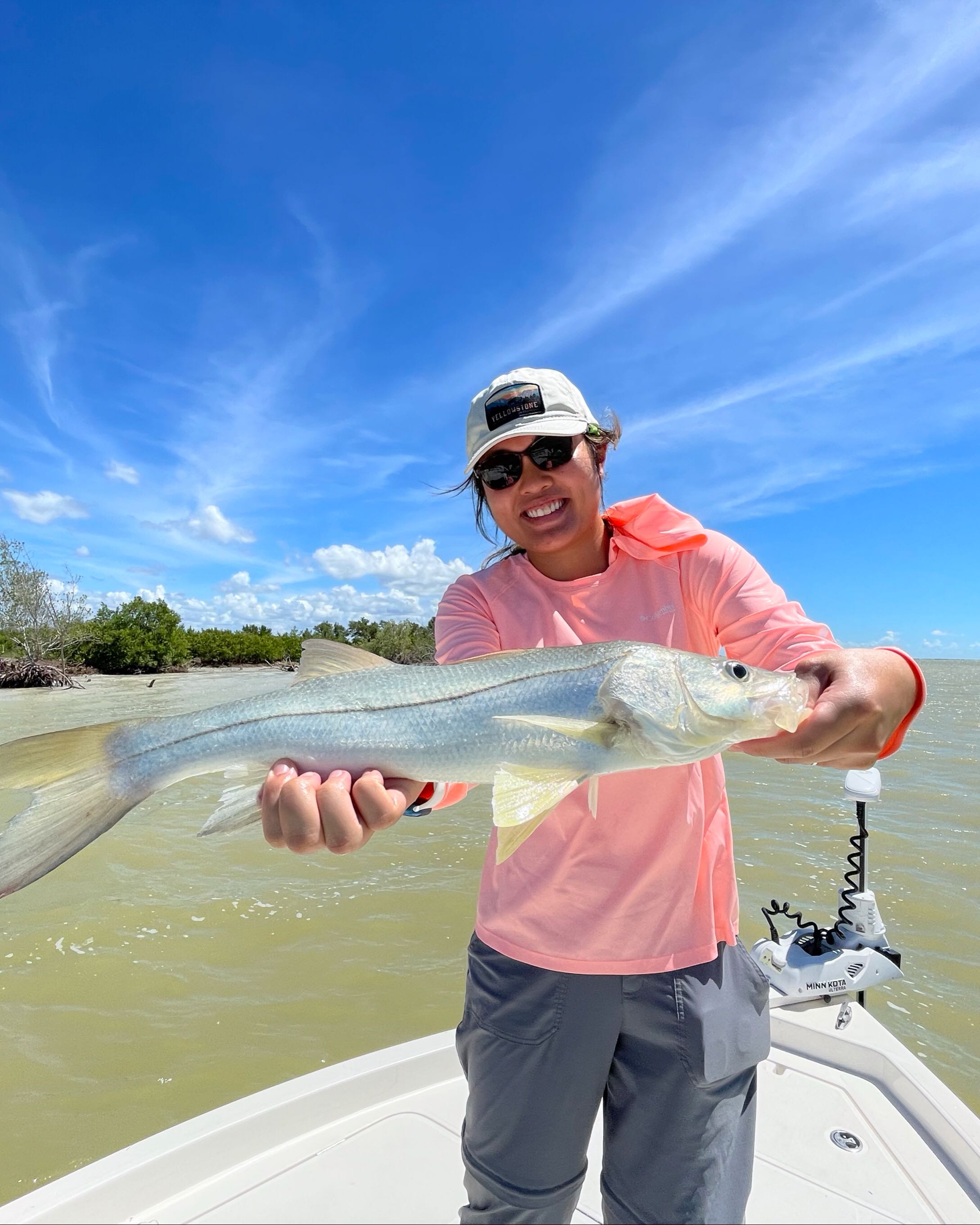
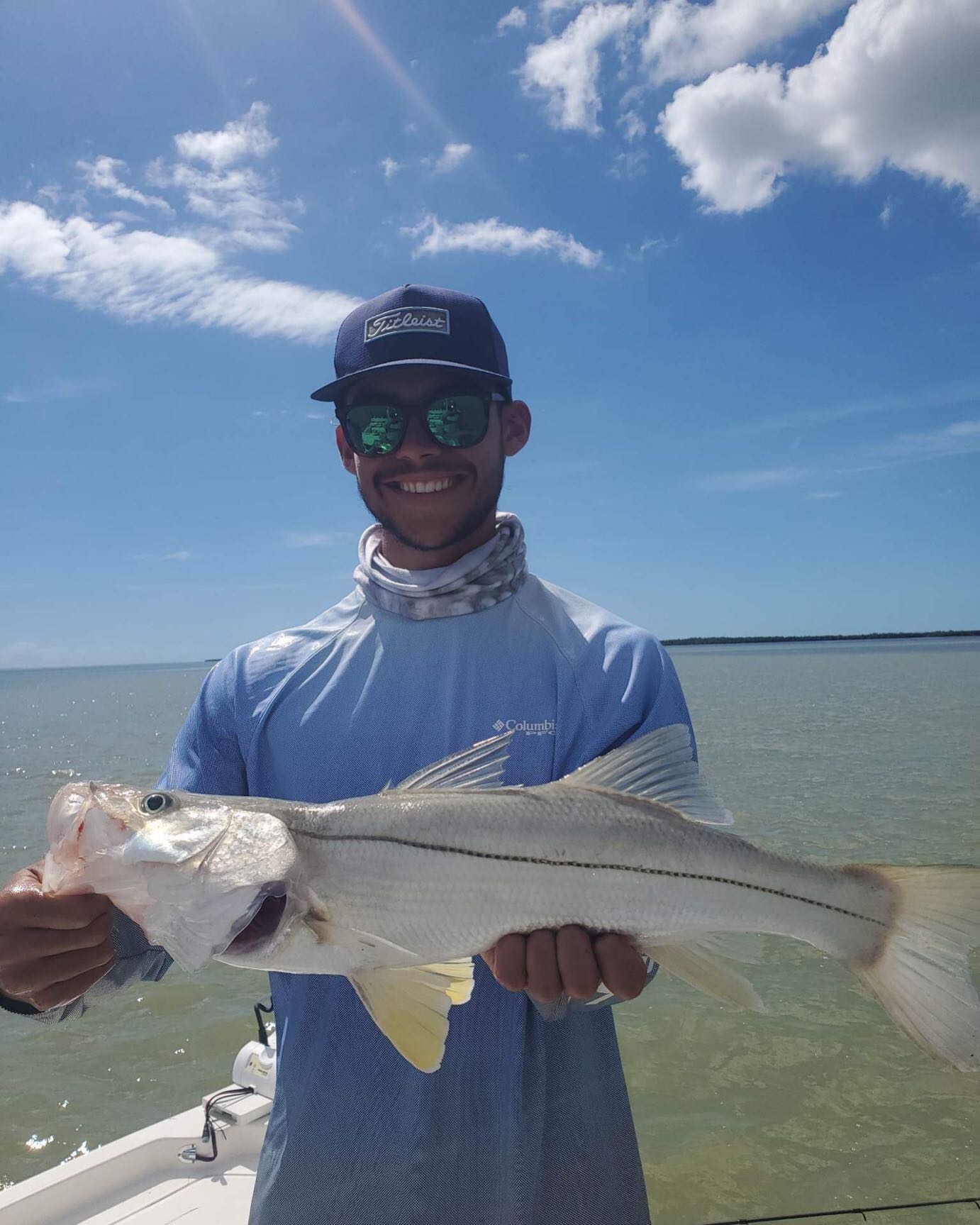
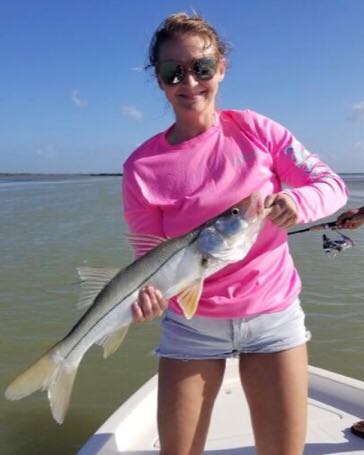
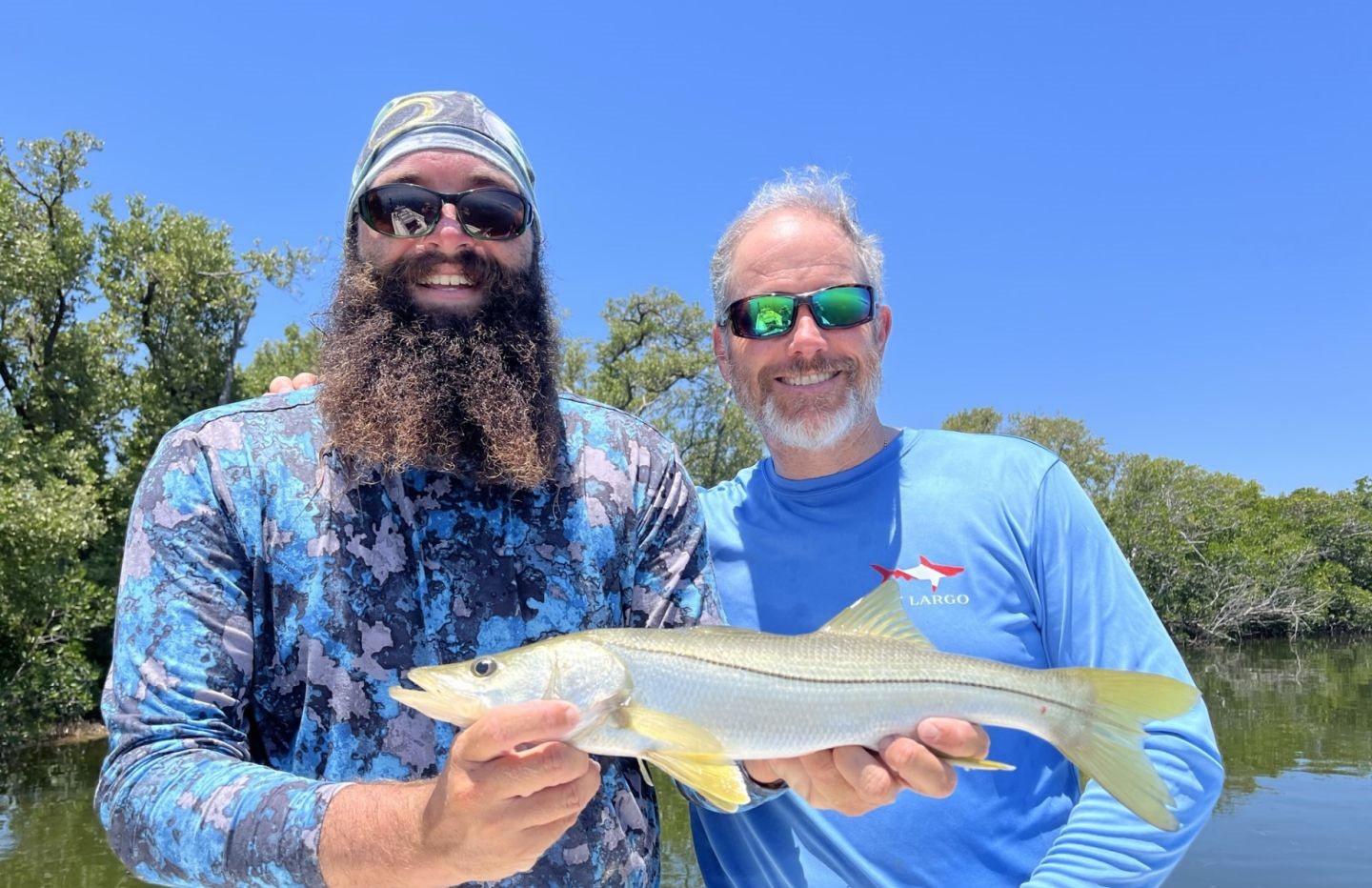
Snook are the crown jewel of backcountry fishing around here, and for good reason. These ambush predators love hanging around mangrove shorelines, docks, and any structure that gives them an advantage over their prey. They're notorious for their explosive strikes and their habit of jumping clear out of the water when hooked. Snook are most active during the warmer months, but you can find them year-round if you know where to look. What makes them so exciting to catch is their attitude - they fight dirty, trying to wrap your line around every mangrove root and piling they can find. A good snook will test your drag, your reflexes, and your patience all in one fight.
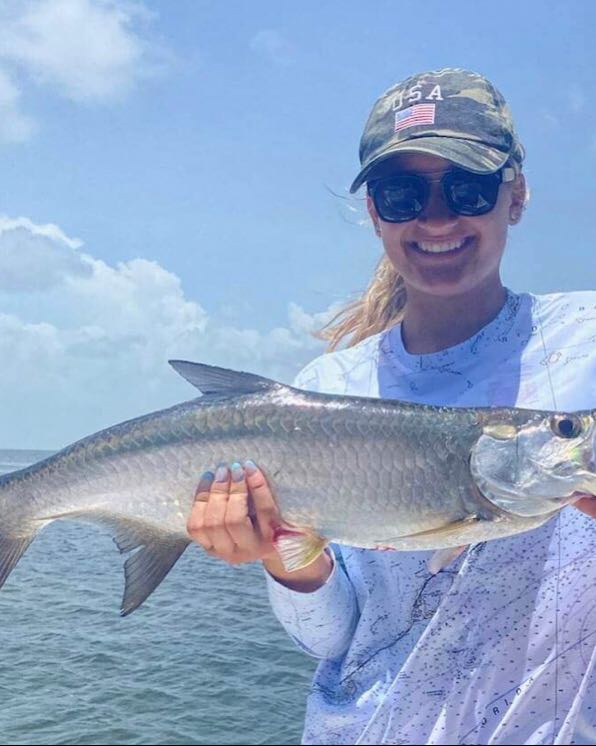
Tarpon are simply legendary, and the backcountry around Islamorada is one of the best places in the world to hook into them. These silver kings can range from juvenile fish in the 10-20 pound range to massive adults that'll bend your rod in half and take you into your backing before you know what hit you. Peak season runs from spring through early fall, but resident fish are around most of the year. When a tarpon eats your bait, everything changes - they explode out of the water in a series of jumps that'll get your heart pounding and your camera clicking. The fights are epic, sometimes lasting over an hour for the bigger fish. It's not just about the size; it's about the spectacle and the respect these ancient fish command.
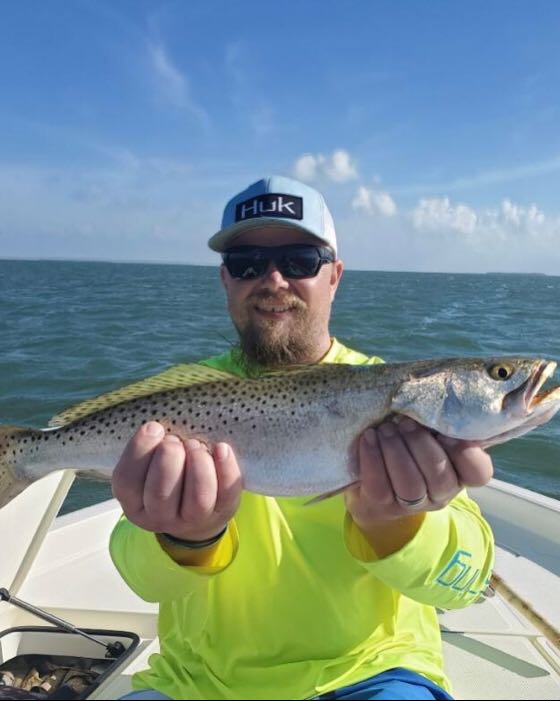
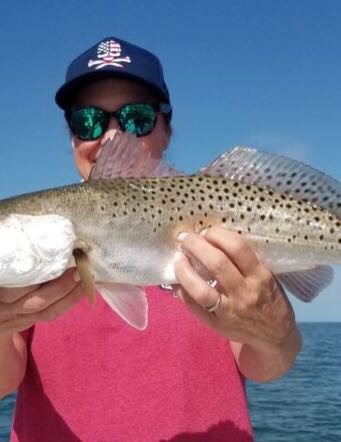
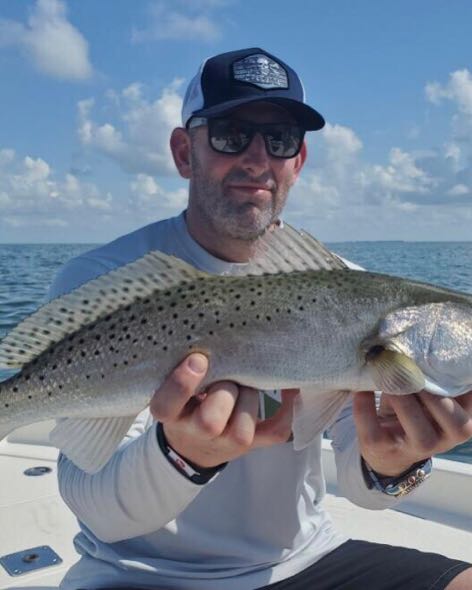
Redfish are the workhorses of the flats, and they're absolutely perfect for anglers who want consistent action with the chance for something special. These copper-colored bruisers cruise the shallows looking for crabs, shrimp, and small fish. You'll often see them with their tails sticking out of the water as they feed head-down in the grass. Reds are available year-round, but fall and winter offer some of the best action when they school up in big numbers. They're not the flashiest fighters, but they're strong and determined, making long runs and using their broad sides to put serious pressure on your tackle. Plus, they're beautiful fish with those distinctive black spots and bronze coloring.
Permit are the holy grail for many flats fishermen, and rightfully so. These disc-shaped fish are notoriously difficult to hook, with a well-deserved reputation for being extremely picky eaters. They cruise the flats in small groups or as singles, often feeding on crabs in water so shallow their dorsal fins break the surface. The best permit fishing happens during the warmer months, but they're around year-round for those persistent enough to hunt them. What makes permit so special isn't just their difficulty - it's their intelligence and the way they seem to evaluate every offering before making a decision
 Private Trip
 Backcountry Fishing
 Islamorada


 Target seven species including tarpon, bonefish, and snook year-round