Private 4-Hour Backcountry Fishing | AM
When you're looking for quality fishing without burning a whole day on the water, this morning backcountry trip hits the sweet spot. Four hours gives you enough time to work through multiple spots, dial in on what's biting, and put some serious fish in the boat. The Everglades backcountry is a different world—shallow flats, winding channels, and structure that holds everything from aggressive peacock bass to prehistoric gar. Captain Sean knows these waters like his backyard and keeps things moving at just the right pace. You'll be fishing with live shiners, which is hands-down the most effective way to target the variety of species swimming in these canals and ponds.
What to Expect on the Water
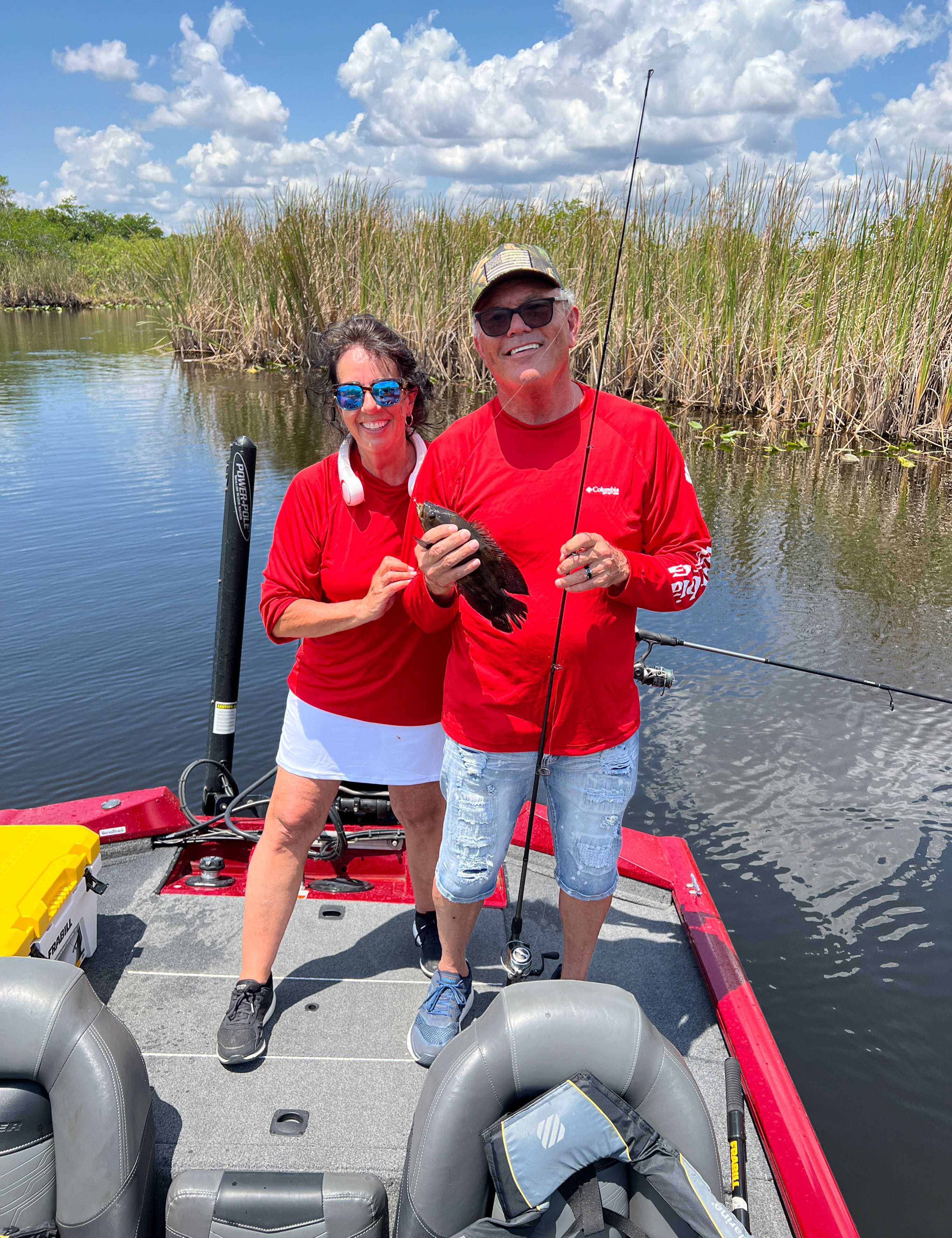
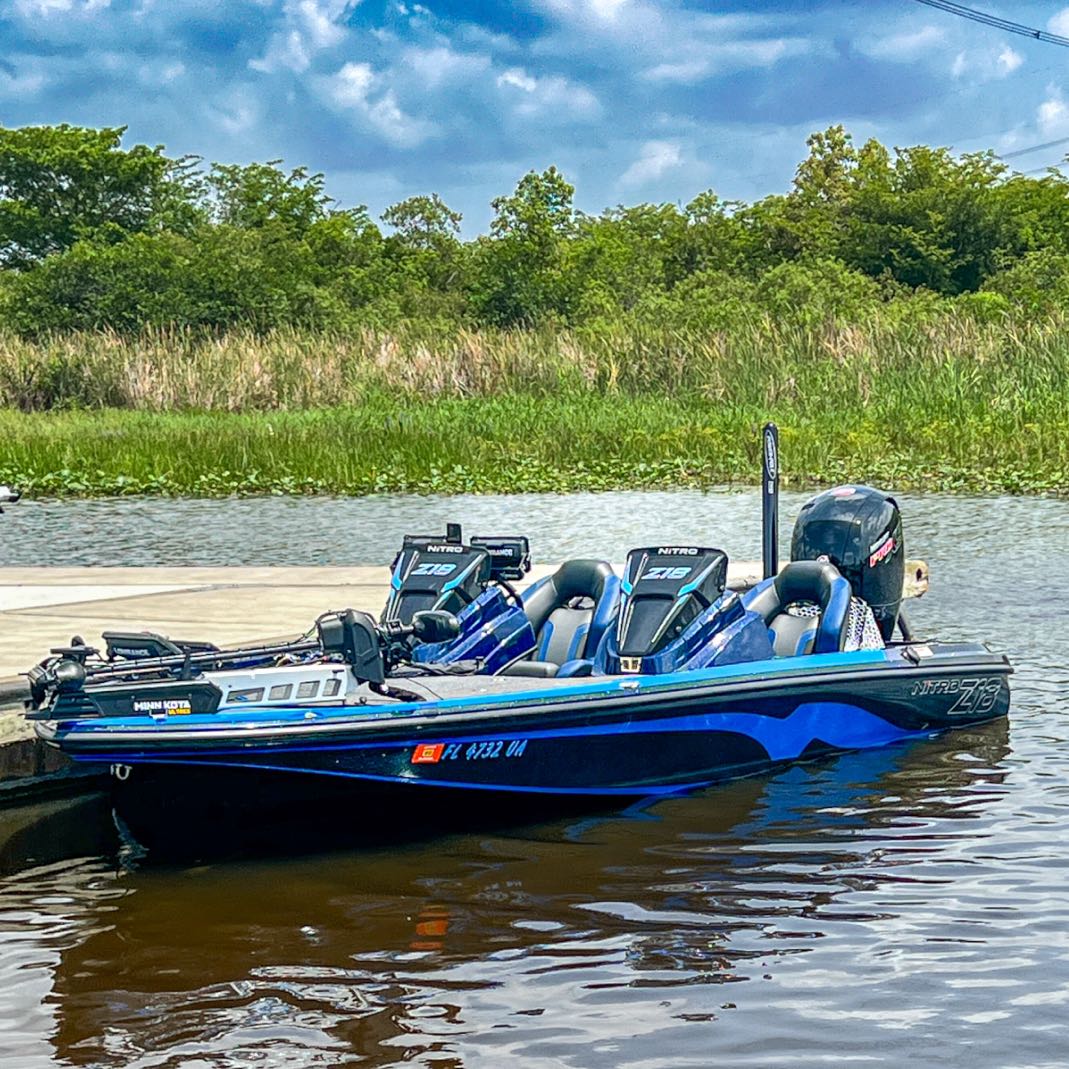
This isn't your typical bass boat fishing trip. The Everglades backcountry is a maze of interconnected waterways where freshwater species from all over the world have made themselves at home. You'll be working live shiners around structure, drop-offs, and weed lines where bass, peacocks, and exotics love to ambush prey. The morning bite is prime time—cooler water temps get fish moving, and you'll hit multiple productive spots before the sun gets too high. Captain Sean provides all the tackle, keeps the live well stocked with fresh shiners, and has cold drinks on board. The boat setup is perfect for two anglers, giving everyone room to fish comfortably without tangling lines. These are catch-and-release trips, so you'll snap plenty of photos before sending everything back to fight another day.
Live Bait Tactics & Gear
Live shiners are the secret weapon in Everglades fishing, and there's an art to fishing them right. You'll be using circle hooks and just enough weight to get the bait down to where fish are holding. The technique is straightforward but effective—cast near structure, let the shiner swim naturally, and stay ready for the hit. When a peacock bass or largemouth crushes a live shiner, there's no mistaking it. Captain Sean sets up all the rods with the right tackle for the conditions and keeps everything organized so you can focus on fishing instead of rigging. The boat is equipped with quality spinning gear that handles everything from scrappy cichlids to hard-fighting gar. You'll also learn to read the water—where fish like to hold, how to work different types of structure, and what signs to look for when scouting new spots.
Customer Stories
"Non-stop action at every spot Captain Sean brought us to! It was another fantastic fishing experience. This time, my youngest grandson joined—and he reeled in over 40 fish, including two impressive peacock bass. Sean keeps the trip fun and easygoing, making it a great time for all ages. I highly recommend booking with him if you're planning a fishing trip in the Everglades." - Charles
"Captain Sean was incredibly easy to talk to and went above and beyond to make sure my wife and I were comfortable and having a great time. He knows the Everglades inside and out, and it showed throughout the trip. We left with plenty of photos and even more memories—not to mention a solid catch to brag about back home. Definitely a 5-star experience!" - Devin
Species You'll Want to Hook
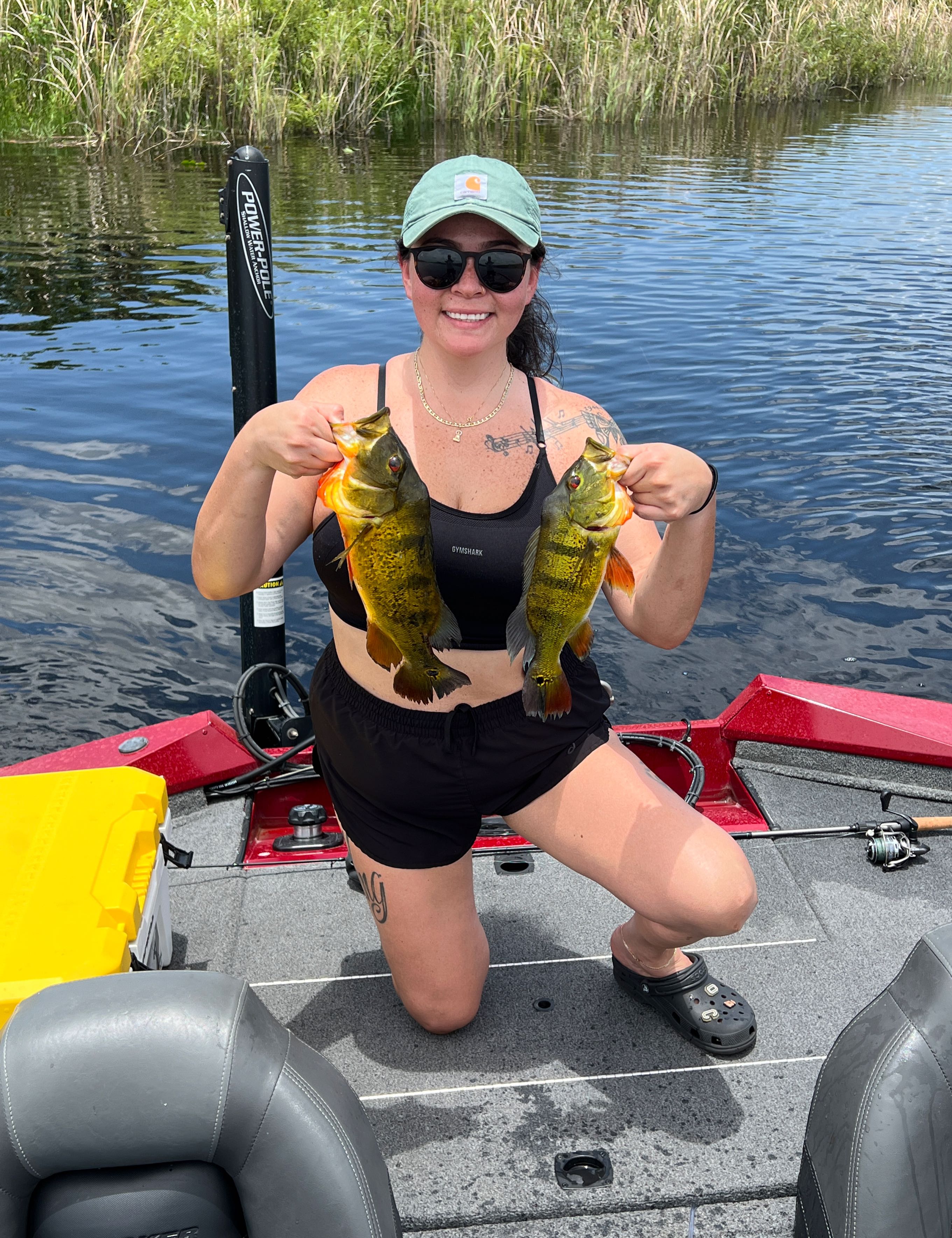
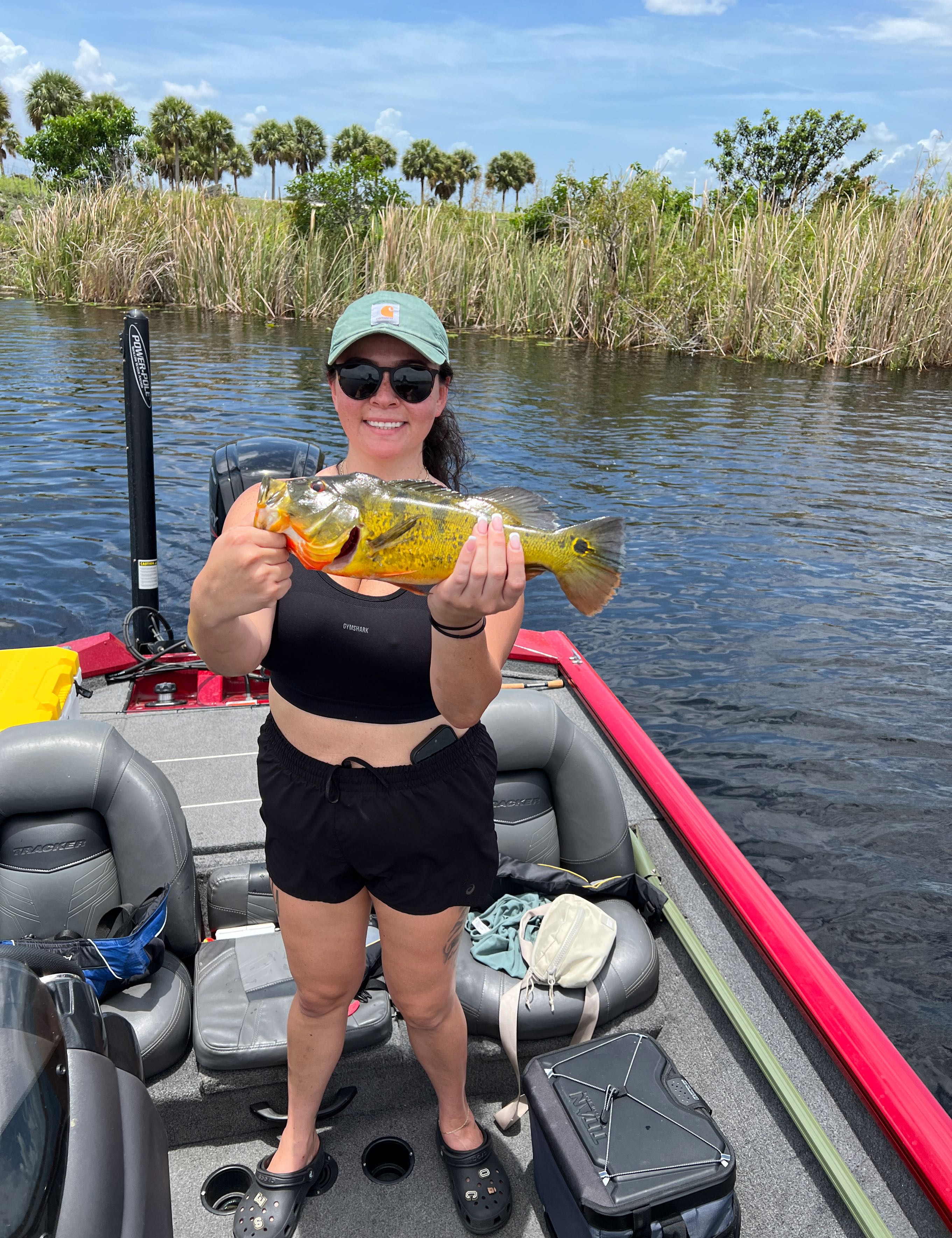
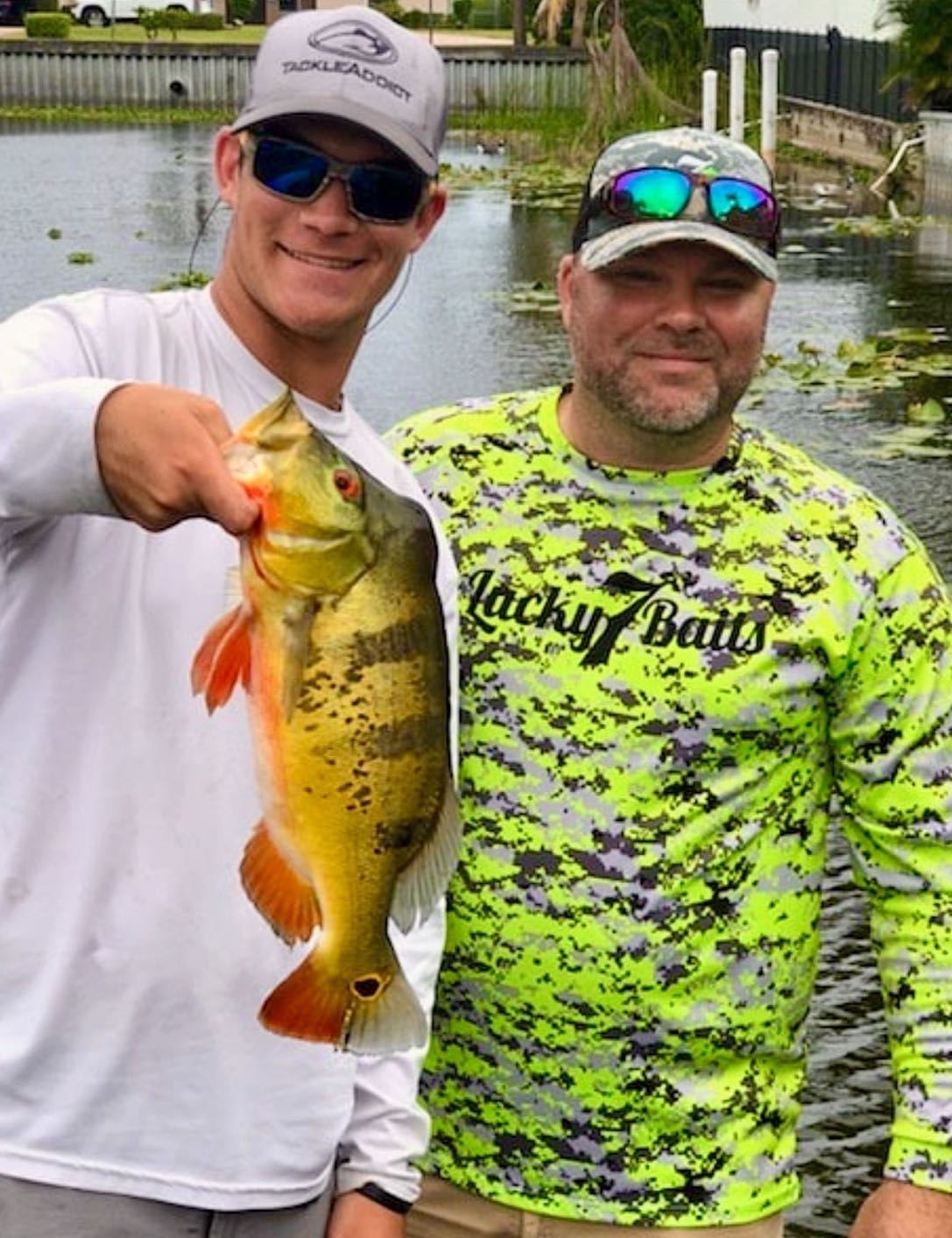
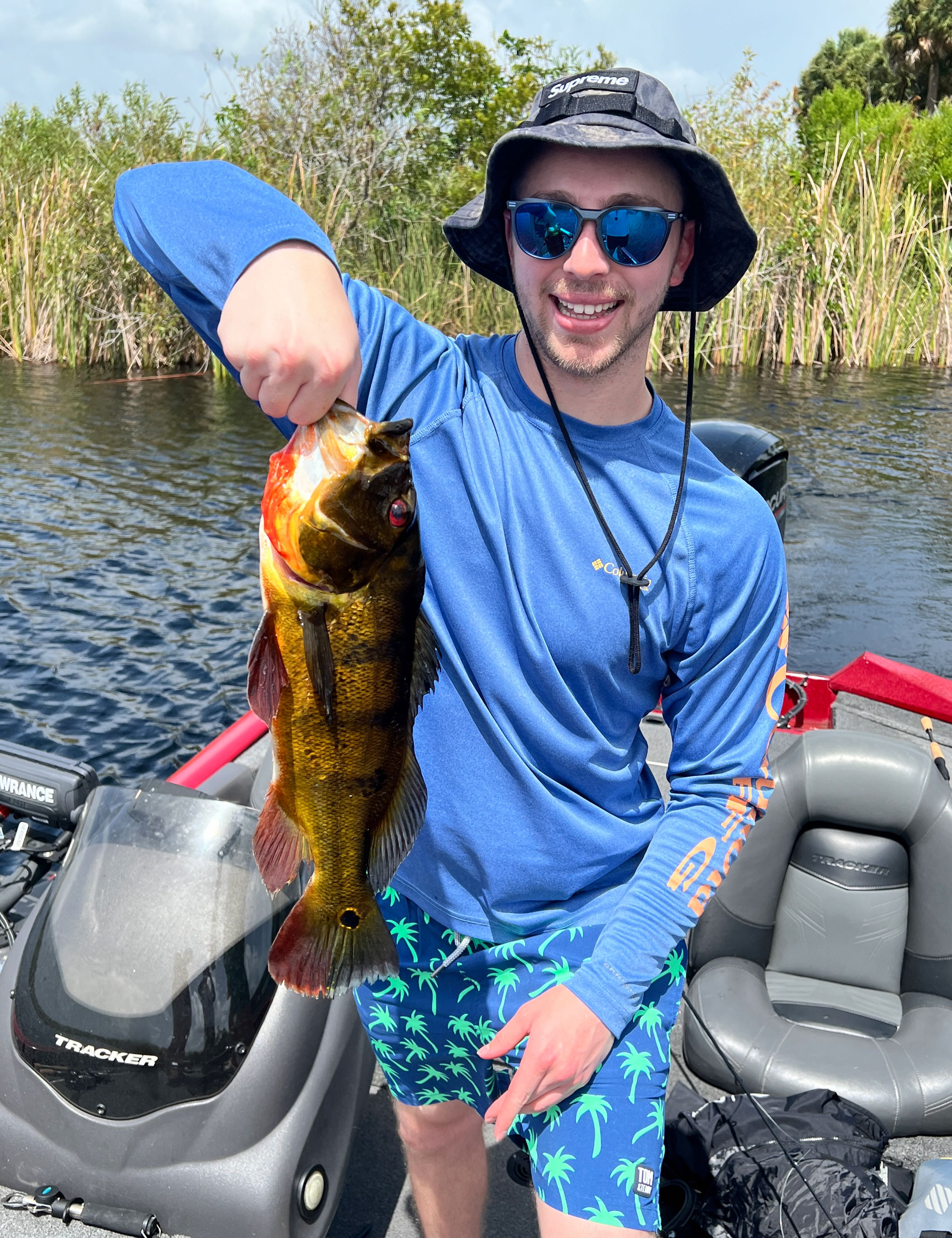
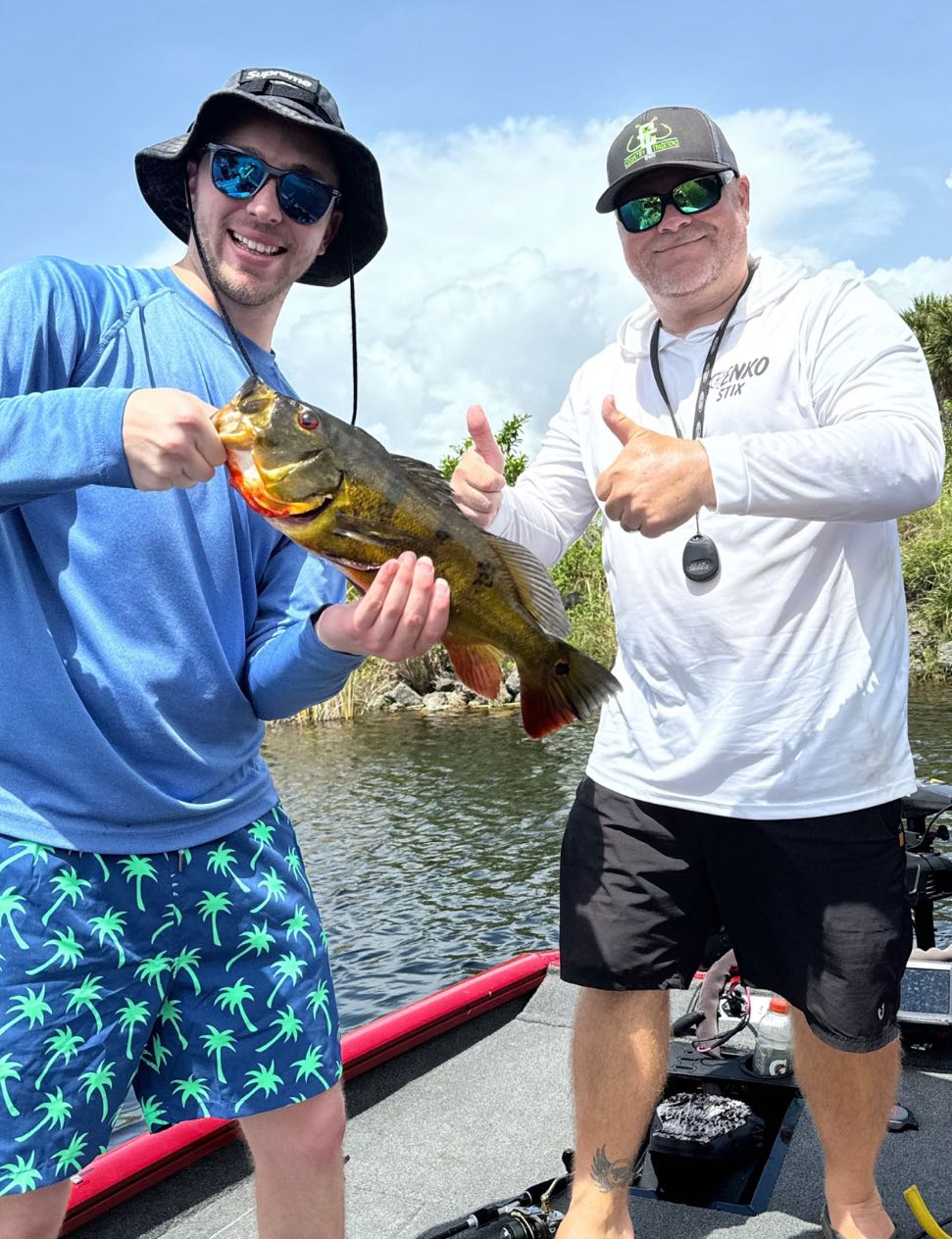
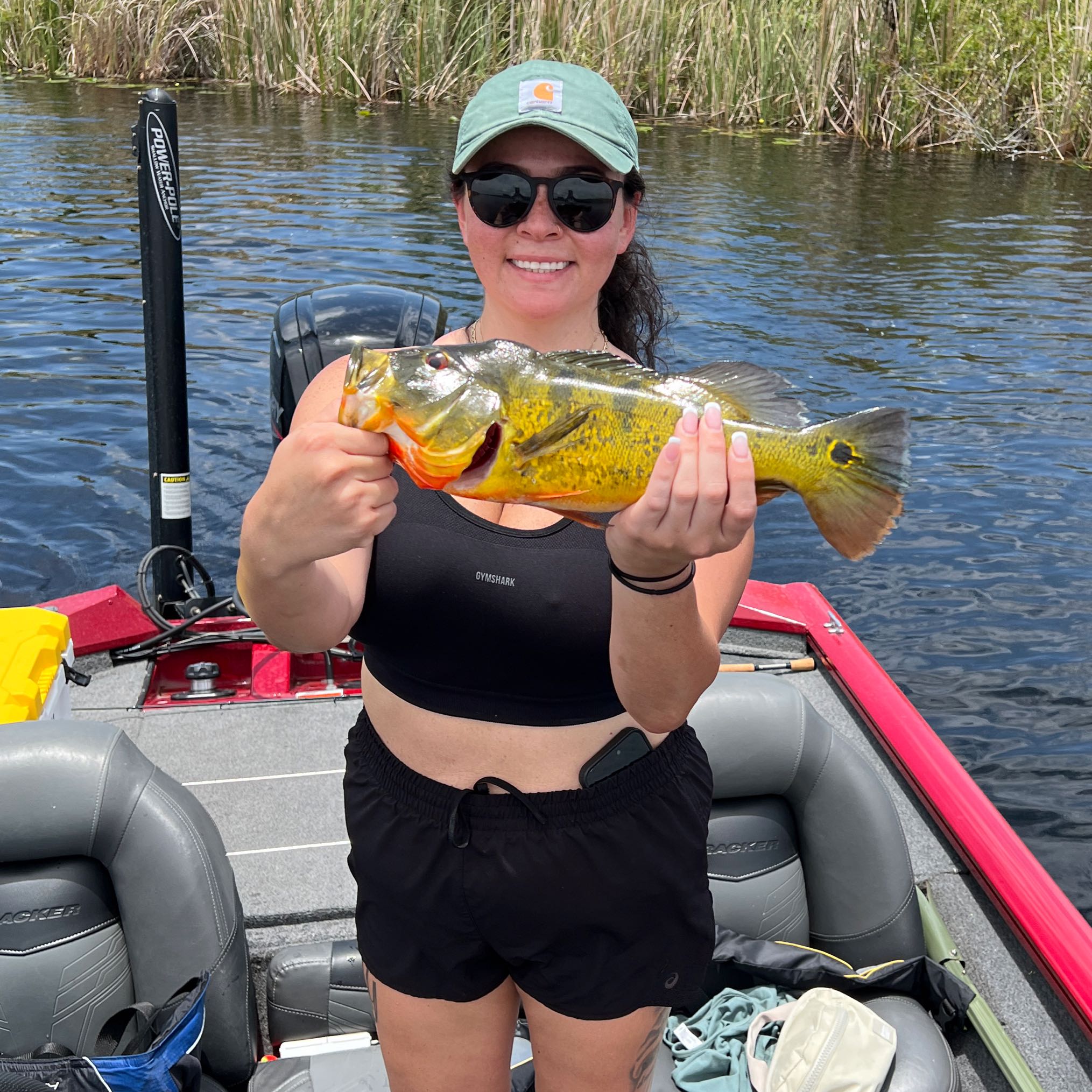
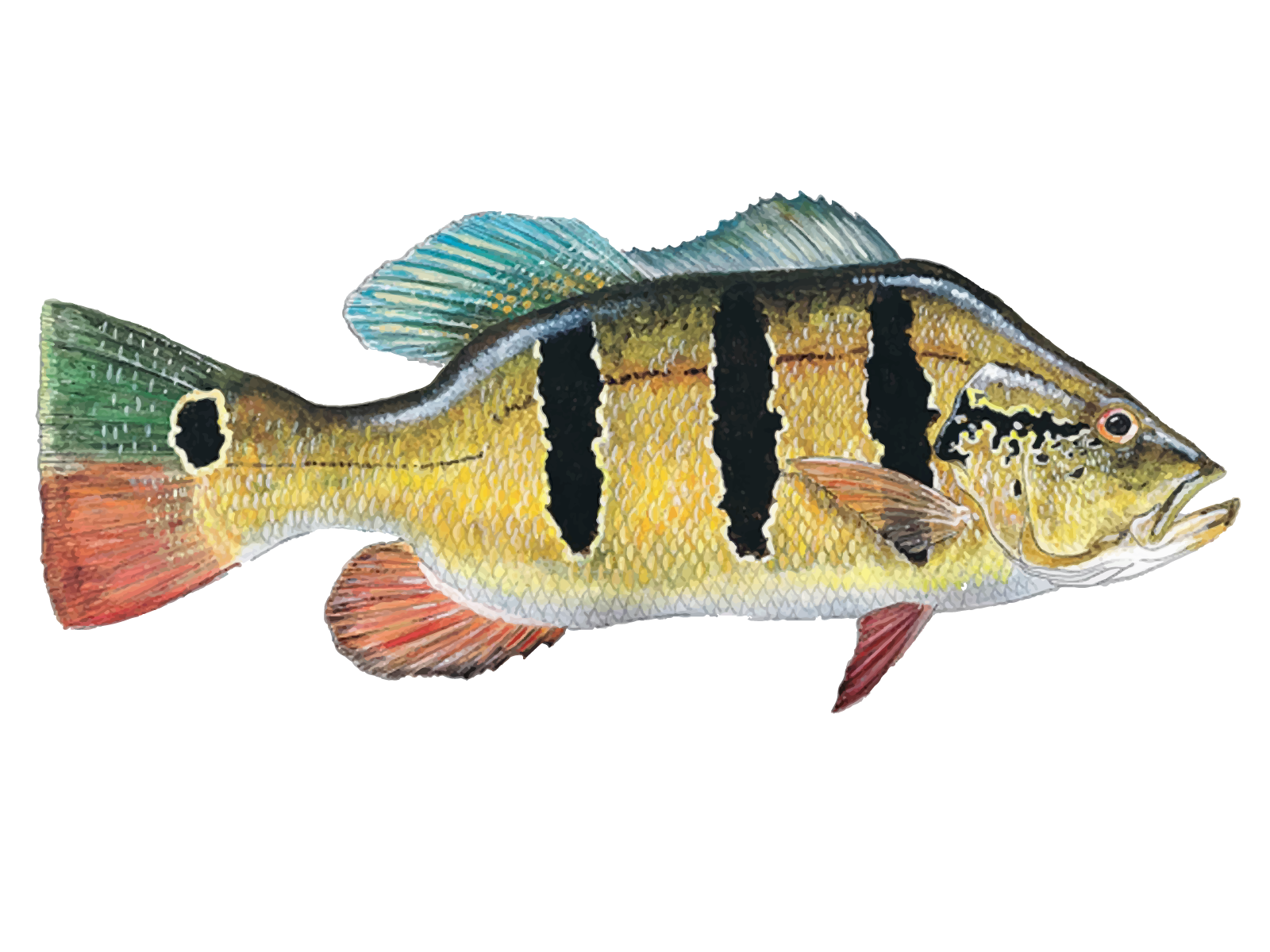
Peacock Bass are the crown jewel of Everglades fishing and the main target on these trips. These South American natives are aggressive predators that hit live bait like a freight train. They're most active during warmer months and love ambushing prey around structure and weed edges. What makes peacocks special is their fighting ability—they jump, run, and never give up easy. The males develop bright colors and distinctive humps during spawning season, making them one of the most beautiful freshwater fish you'll catch. Size-wise, you're looking at fish ranging from 12 inches up to several pounds, with the bigger ones putting serious bend in your rod.
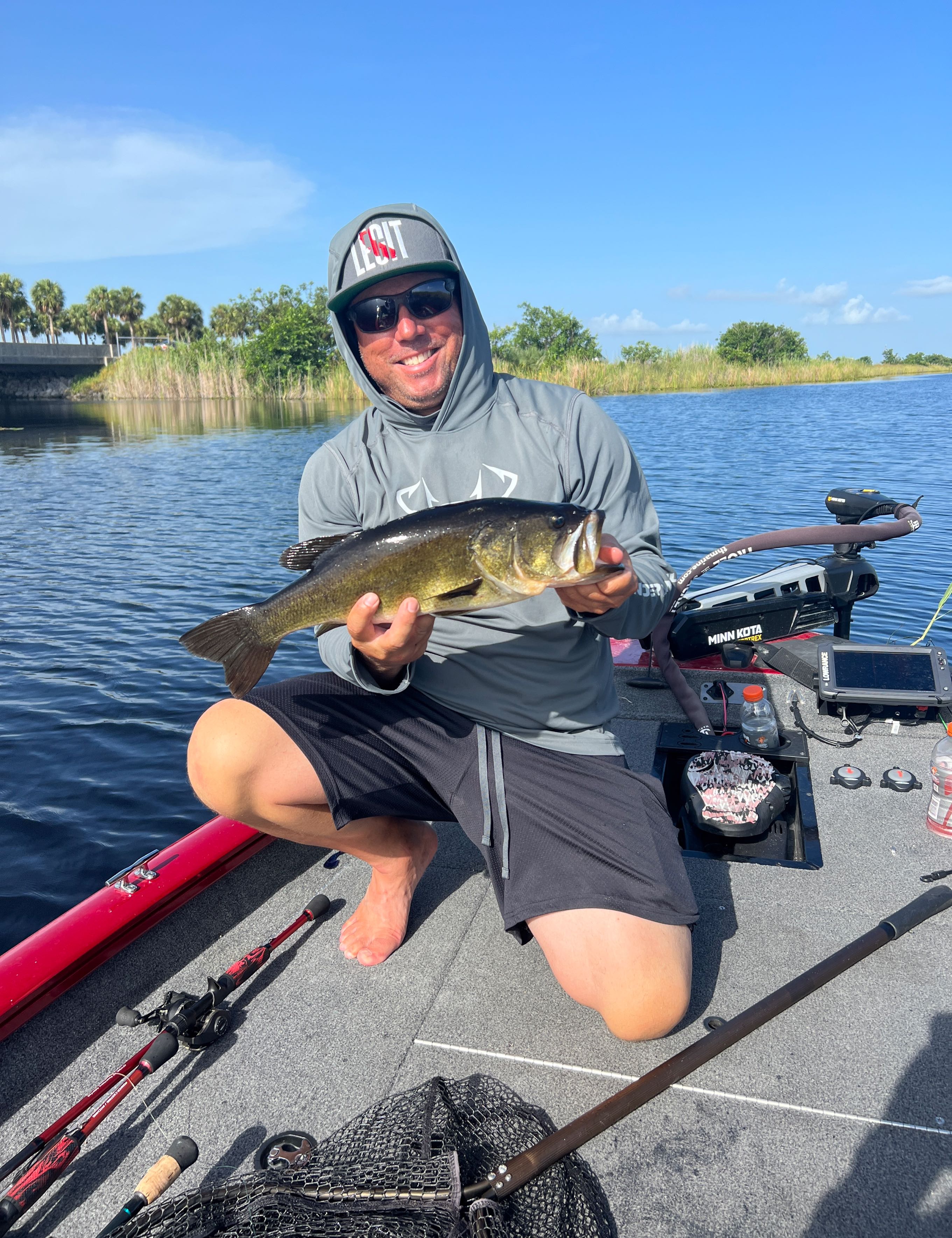
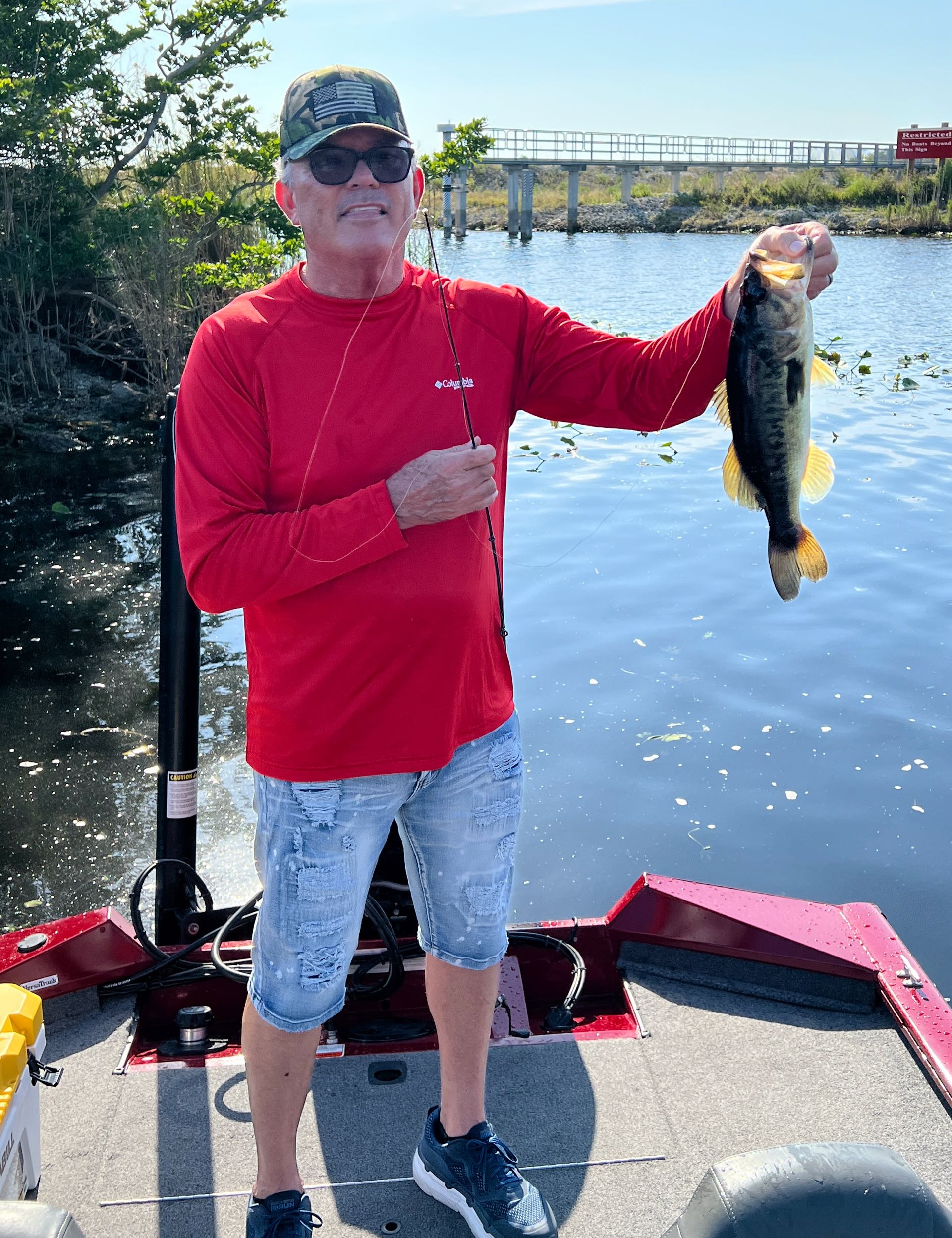
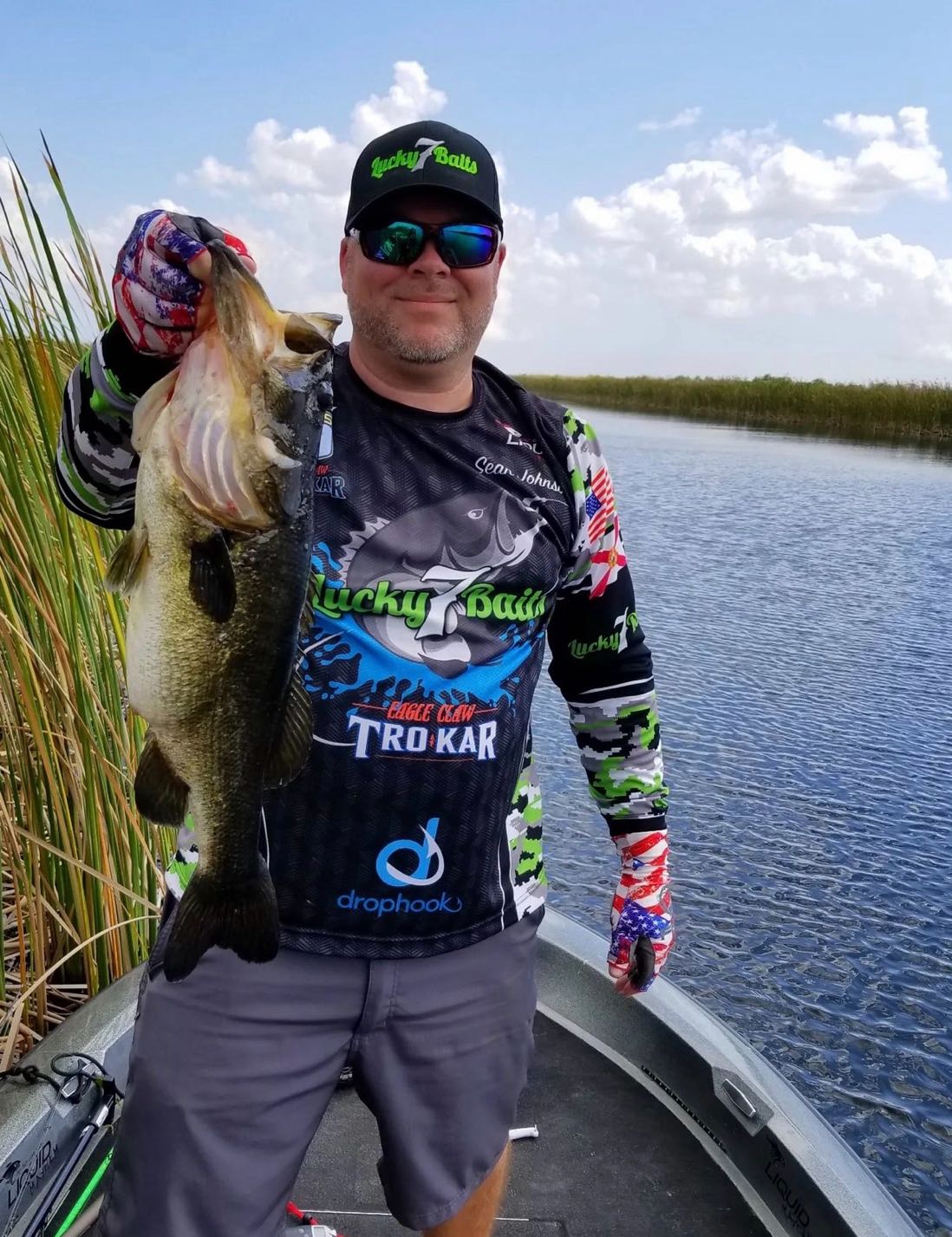
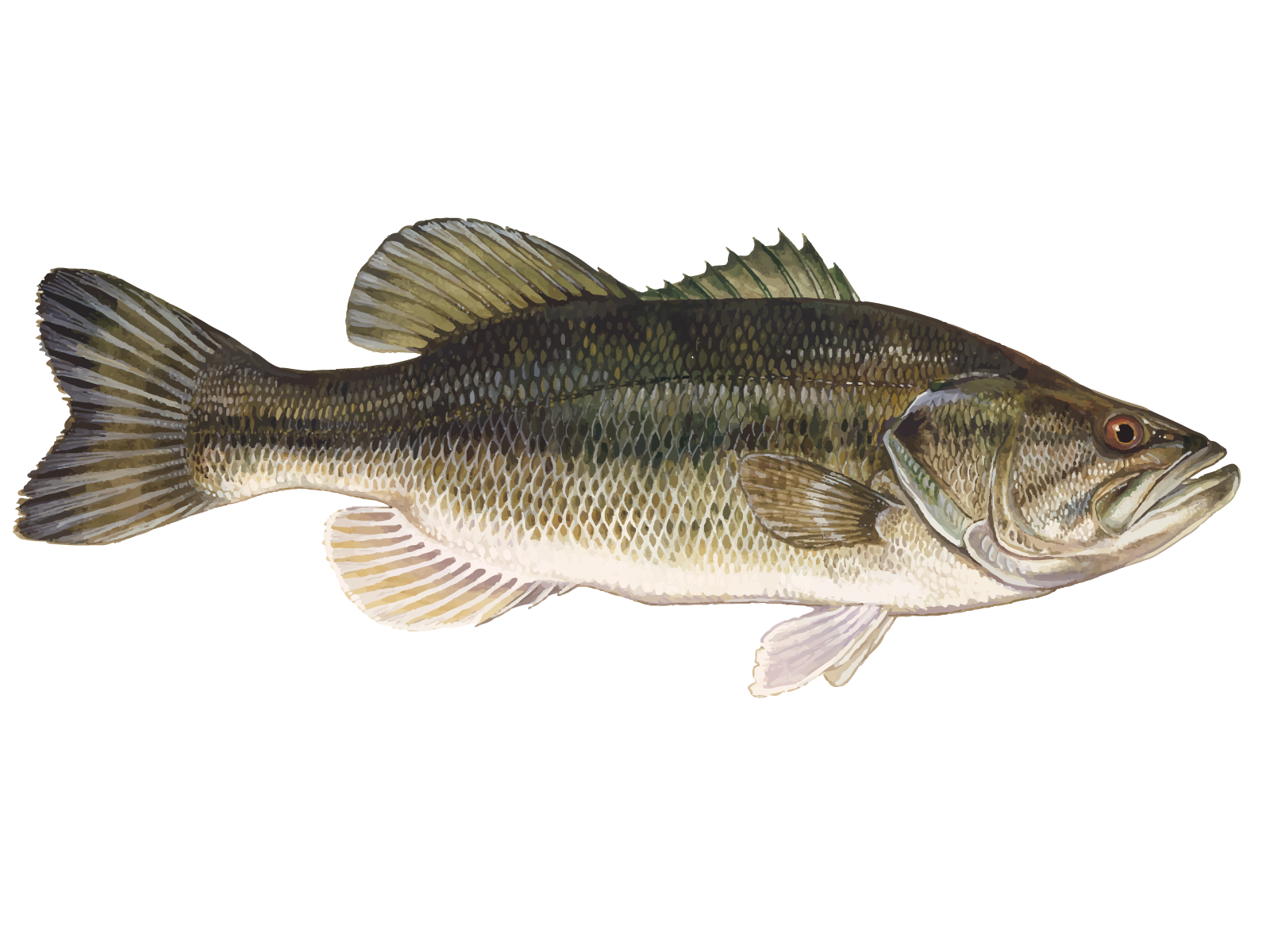
Largemouth Bass in the Everglades are different from their northern cousins—they're more aggressive and tend to school up in the canal systems. They're active year-round but really turn on during cooler months when water temperatures drop. These bass are opportunistic feeders that crush live shiners without hesitation. The cool thing about Everglades largemouths is they often mix with other species, so you might catch bass, peacocks, and exotics all from the same spot. They typically run 2-5 pounds, with occasional bigger fish that'll test your drag system.
Florida Gar are living dinosaurs that add serious excitement to any fishing trip. These prehistoric predators have been around for millions of years and look the part with their armored scales and needle-sharp teeth. They're ambush hunters that lie motionless until prey gets close, then strike with lightning speed. Gar fight differently than other fish—they roll, thrash, and use their length as leverage. They're active in warmer water and often found in shallow areas where they can gulp air at the surface. Catching one is always a highlight because they're so unique and prehistoric-looking.
Alligator Gar are the giants of the gar family and considered a trophy catch in South Florida waters. These massive fish can exceed 6 feet and 100 pounds, though smaller ones in the 20-40 pound range are more common. They're incredibly strong fighters that test both angler and equipment. Alligator gar prefer deeper holes and channel edges, especially during warmer months. They're opportunistic feeders but can be finicky, making successful hookups even more rewarding. The sheer size and power of these fish creates fishing memories that last a lifetime.
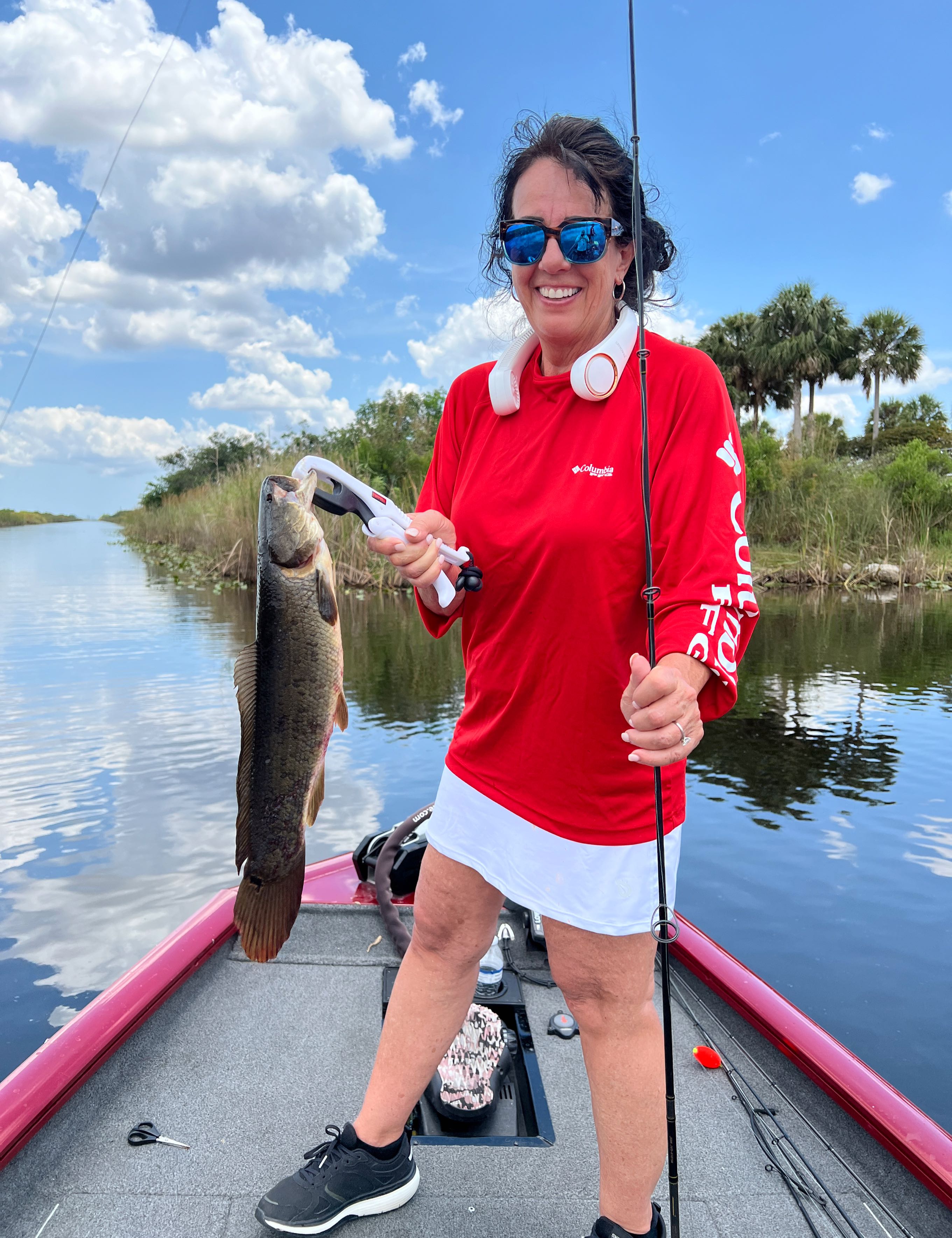
Bowfin are another primitive species that brings unique action to Everglades fishing. Known as "mudfish" locally, they're incredibly hardy and aggressive when hooked. Bowfin have a distinctive long dorsal fin and can breathe air, allowing them to survive
 5.0(2 Reviews)
 Private Trip
 Backcountry Fishing
 undefined, undefined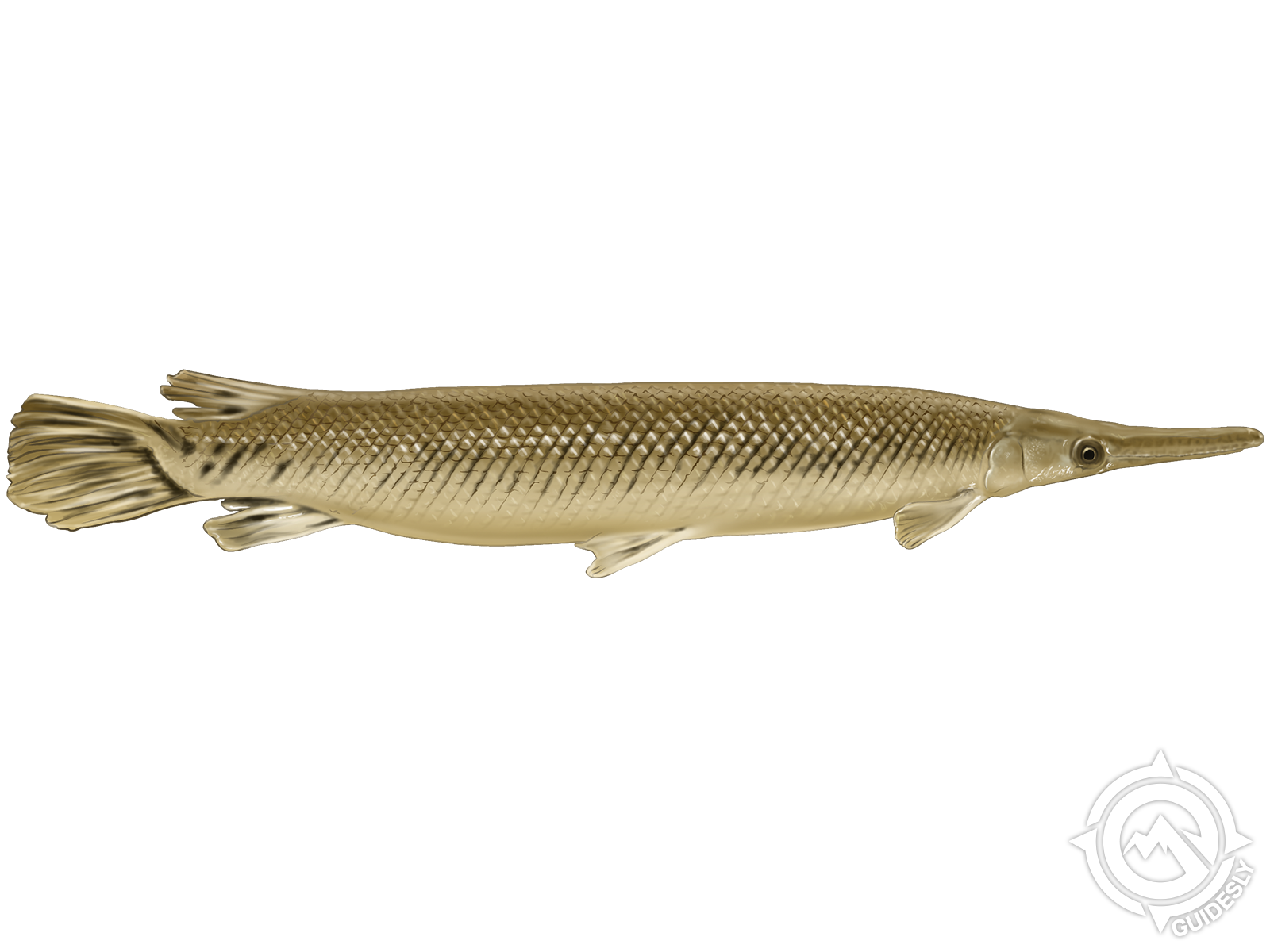

 Four-hour backcountry fishing targeting Peacock and Largemouth Bass