Extended Half-Day South Carolina Inshore Fishing
Captain Adrian knows these South Carolina waters like the back of his hand, and he's ready to put you on some serious fish during this six-hour inshore adventure. This isn't your typical rushed half-day trip – we're talking about an extended experience that gives you real time to work the best spots along our beautiful coastline. Whether you're casting your first line or you've been chasing fish for decades, this trip delivers the perfect mix of action, scenery, and that laid-back coastal vibe that keeps anglers coming back season after season.
What to Expect on the Water
You'll meet Captain Adrian at the dock bright and early, where he'll get you set up with everything you need – rods, reels, tackle, and fresh bait. No need to stress about gear because it's all top-rated equipment that can handle whatever we hook into. The extra hours on this trip make all the difference – instead of rushing from spot to spot, we can really work the structure and tides to maximize your chances. You'll be targeting some of South Carolina's most prized inshore species while soaking up views of our pristine coastline and spotting dolphins, pelicans, and other local wildlife. The boat stays comfortable with just three anglers max, so everyone gets plenty of room to fish and personal attention from the captain.
Tactics and Prime Fishing Spots
Captain Adrian runs a variety of techniques depending on what's biting and where the fish are holding. We'll work everything from oyster bars and creek mouths to deeper channels and structure around jetties. Live bait fishing with shrimp and mud minnows is deadly for sheepshead around the pilings, while cut bait and bottom rigs produce solid action on red snapper and black sea bass. When conditions are right, we might switch to artificial lures and target redfish in the shallows or work the edges for cobia cruising the surface. The captain reads the water and adjusts tactics throughout the day, which is why that extended time frame pays off – we can adapt to what's working best instead of being locked into one approach.
Species You'll Want to Hook
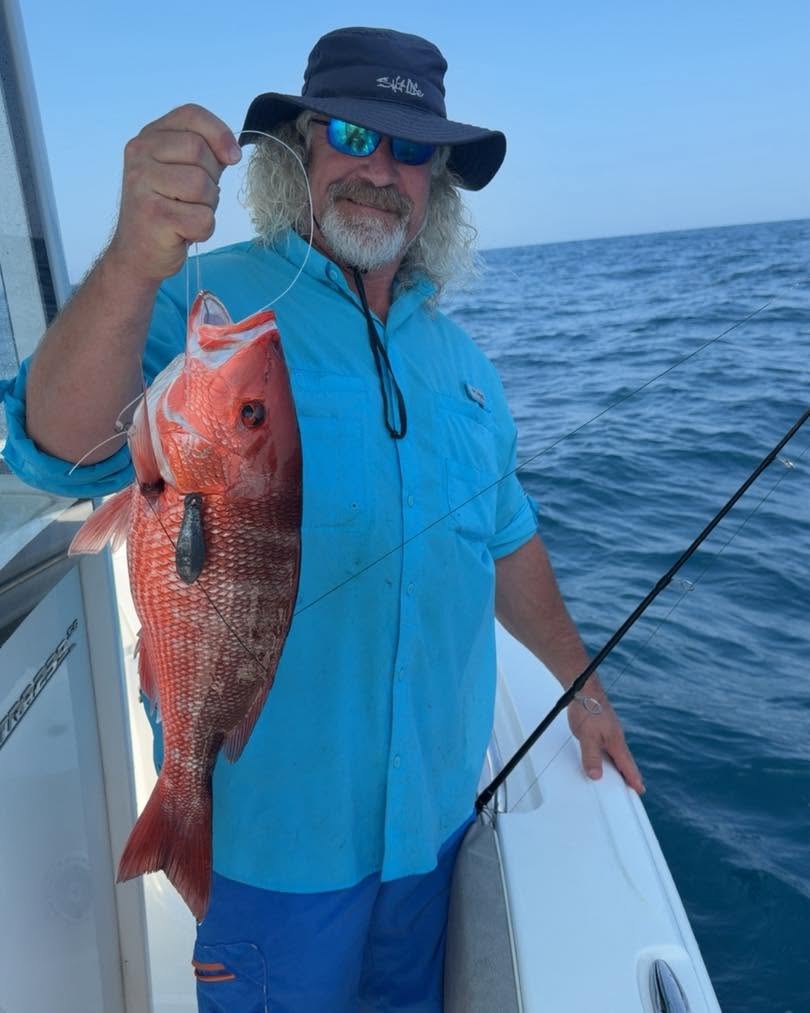
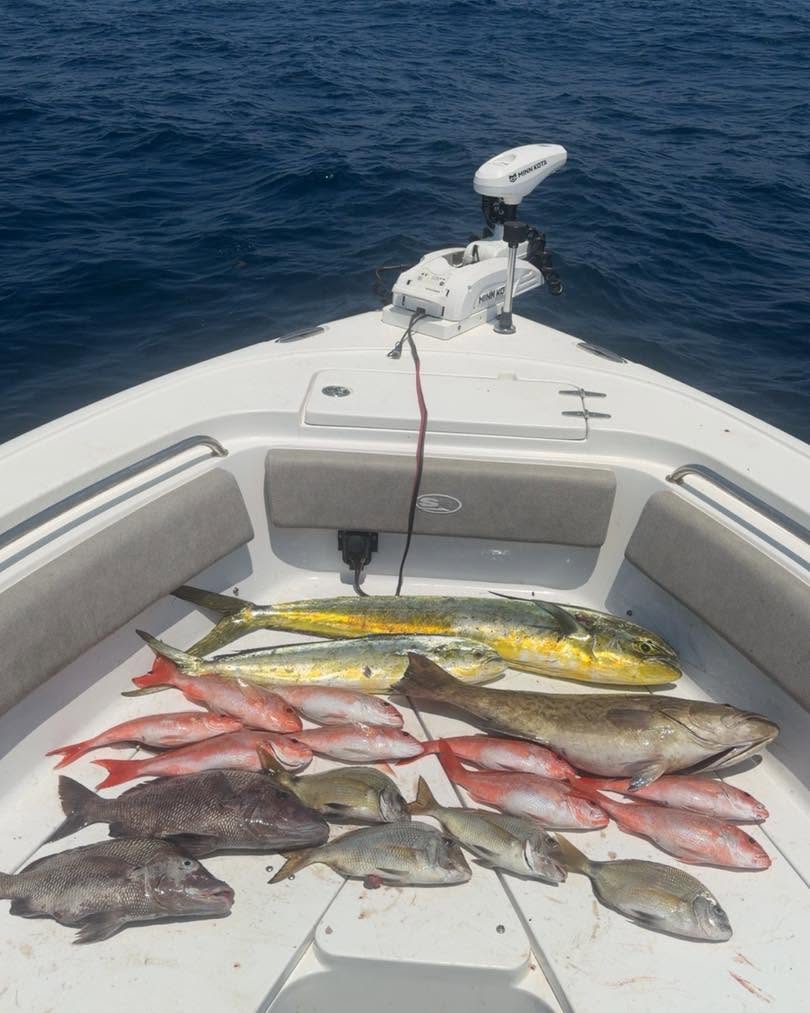
Red snapper are the crown jewel of this trip, and South Carolina's population has been absolutely phenomenal in recent years. These fish fight hard and taste even better, typically running 15-25 pounds in our waters. They're structure-oriented, so we'll anchor up on productive bottom and drop down with cut bait. The bite can be fast and furious when you find a good school, and watching that rod tip bounce is pure excitement. Best action usually comes during the warmer months when they're most active and feeding aggressively.
Sheepshead earn their nickname as the "convict fish" thanks to those distinctive black stripes, but don't let their looks fool you – these are some of the craftiest fish in the ocean. They've got human-like teeth for crushing barnacles and crabs, which makes them notorious bait stealers. The challenge is part of the fun though, and when you finally hook into a quality sheepshead, you'll feel that powerful, dogged fight that makes them a customer favorite. Spring and fall are prime time when they're staging around structure in good numbers.
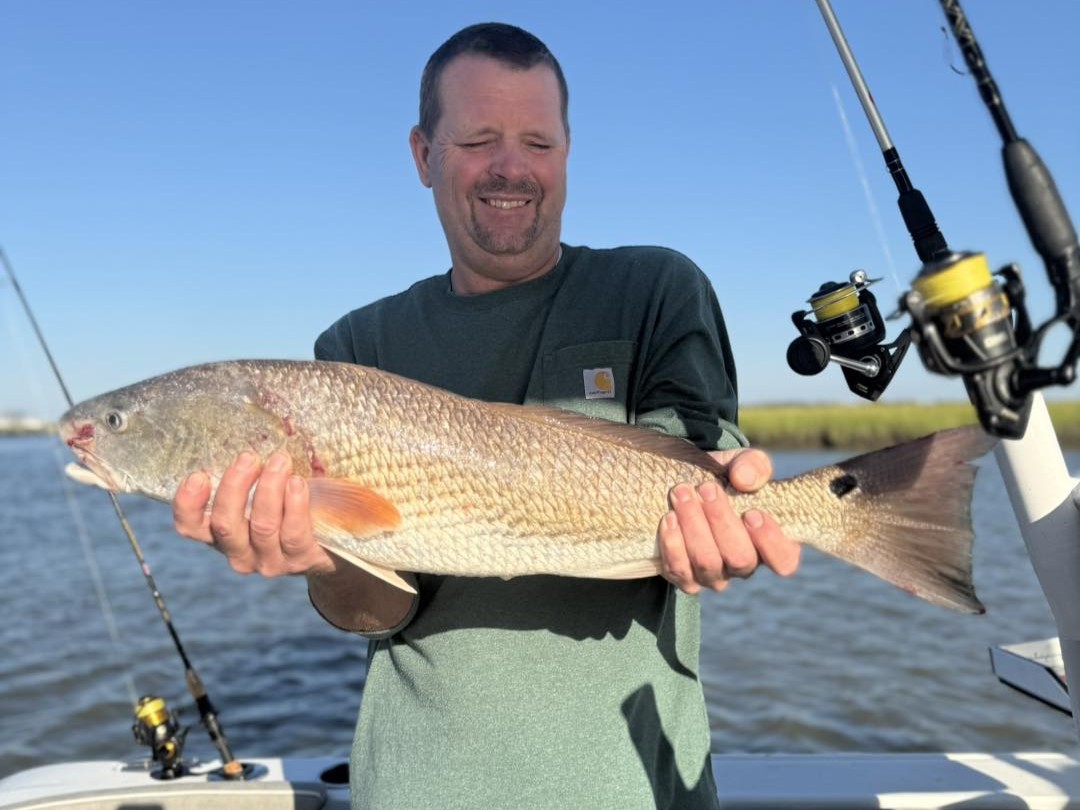
Redfish, or red drum as some folks call them, are South Carolina's signature inshore species and for good reason. These bronze beauties can range from schoolie-sized fish in the slots up to hefty bulls pushing 40+ pounds. They're aggressive feeders that hit everything from live bait to artificials, and their runs are absolutely legendary. There's nothing quite like watching a big red peel drag off your reel in the shallow water. They're around year-round but really turn on during the cooler months when they school up in big numbers.
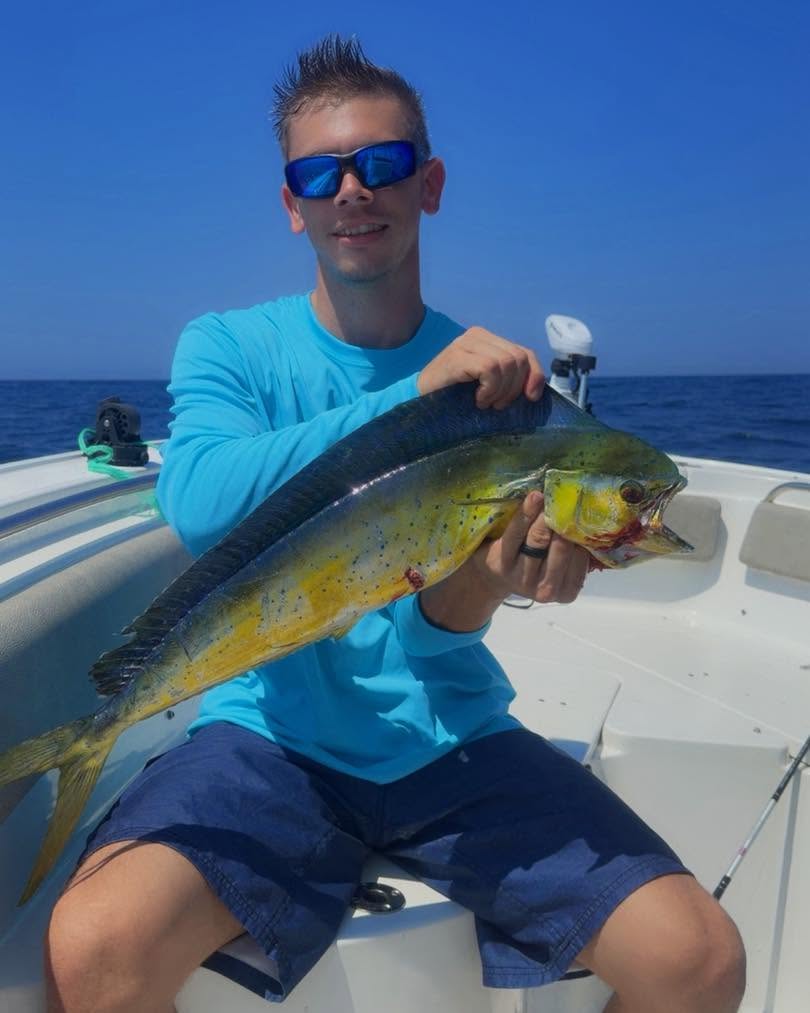
Cobia are the wildcards that can make your entire trip. These brown sharks (though they're not actually sharks) are curious fish that often approach the boat, giving you shot opportunities that'll get your heart pumping. They're strong fighters that make long runs and test your drag system. Summer months are when we see them most consistently as they cruise the surface looking for crabs and baitfish. A 30-pound cobia on the right tackle is a world-class fight that you'll be talking about for years.
Black sea bass might not be the biggest fish we'll catch, but they're scrappy fighters and excellent table fare. They're bottom dwellers that love structure, so we'll often pick them up while targeting other species. They're particularly active during the spring and summer months, and their firm white meat makes them perfect for the dinner table. Kids especially love catching sea bass because they fight hard for their size and are pretty much guaranteed action when you find the right spot.
Time to Book Your Spot
This extended half-day trip with Captain Adrian gives you the best of both worlds – serious fishing time without committing to a full day on the water. The six-hour format lets us really work the bite and put you on multiple species while still getting you back to shore with time to spare. With all gear provided and a maximum of three anglers, you're getting personalized attention and plenty of room to fish comfortably. South Carolina's inshore fishing is renowned for good reason, and this trip showcases exactly why anglers travel from all over to fish our waters. Don't wait too long to secure your dates – the best fishing times fill up fast, especially during peak season.
 Private Trip
 Inshore Fishing
 Mount Pleasant, SC


 Six-hour inshore fishing trip targeting multiple species including snapper