Florida Inshore Fishing with Finntastick Charters
When you step aboard with Finntastick Charters, you're getting more than just a fishing trip – you're diving into some of Florida's most productive inshore waters where every cast could be the one. Our intimate 2-angler setup means no crowded decks, no fighting for rail space, and plenty of personal attention to help you land the fish of a lifetime. Whether you're a seasoned angler looking to add some Florida favorites to your logbook or someone who's ready to graduate from dock fishing, these waters deliver consistently.
What to Expect on the Water
Florida's inshore waters are legendary for a reason – they're absolutely loaded with fish year-round. You'll be targeting structure-loving species that call our grass flats, oyster bars, and mangrove shorelines home. The beauty of inshore fishing here is the diversity. One minute you're working a topwater lure over shallow grass hoping to draw up a explosive snook strike, the next you're bouncing live shrimp along an oyster bar waiting for that telltale redfish thump. We keep the group small at just 2 anglers because that's how you maximize your shots at fish. No waiting in line, no tangled lines with strangers, just quality time on productive water. The charter provides everything you need tackle-wise – we're talking quality rods, fresh bait, and lures that we know work in these specific waters. All you need to focus on is bringing your favorite snacks and drinks to keep you fueled between fish.
Techniques That Put Fish in the Boat
Inshore fishing in Florida is all about reading the water and matching your approach to what the fish are doing. We'll be sight fishing when conditions allow – there's nothing quite like watching a redfish tail in 2 feet of water and making the perfect cast. When the fish are holding tight to structure, we'll work live bait presentations that let the current do the work. Artificial lures play a huge role too, especially soft plastics that mimic the shrimp, crabs, and baitfish these species hammer every day. The gear we use is built for these conditions – medium to medium-heavy spinning setups that can handle everything from 14-inch trout to bull reds pushing 30 inches. Circle hooks are standard when we're using live bait, and we always carry a variety of jig heads and soft plastics in colors that match local forage. Depending on tides and conditions, we might be working deeper channels with the trolling motor or poling ultra-shallow flats where stealth is everything.
Top Catches This Season
Red Snapper might be the most recognizable name on our target list, and for good reason. These reef dwellers are absolute fighters that'll test your drag and your patience. In Florida's inshore waters, you'll find smaller snapper around structure – think docks, bridges, and rocky outcroppings. They're curious fish that respond well to live bait, but they're also smart enough to steal your bait if you're not paying attention. Most of our inshore snapper run 12 to 18 inches, perfect eating size and plenty of fun on appropriate tackle. Summer months tend to be most productive, especially early morning and late afternoon when they're actively feeding.
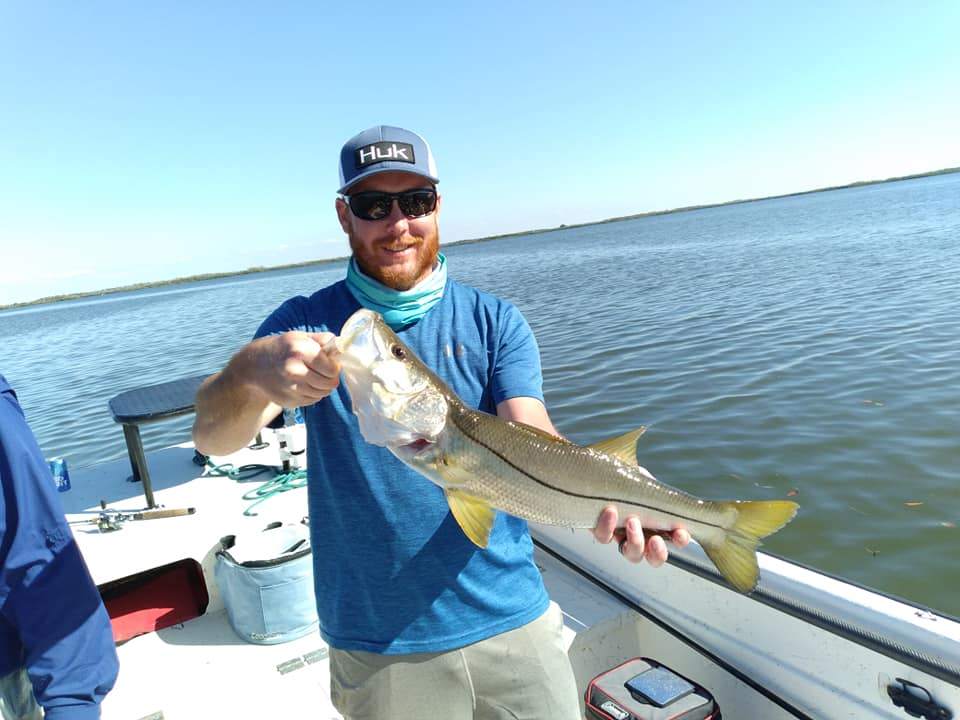
Snook are Florida's signature inshore predator and arguably the most exciting fish you'll target on this trip. These ambush hunters love structure – mangroves, docks, bridges anywhere they can pin baitfish against something solid. They're incredibly explosive when they strike, often launching themselves completely out of the water in spectacular fashion. Snook are also surprisingly line-shy, which makes the fight even more interesting. You'll find them year-round in these waters, but late spring through early fall is prime time when they're most aggressive. A good Florida snook typically runs 20 to 28 inches, though bigger fish over 30 inches are always possible.
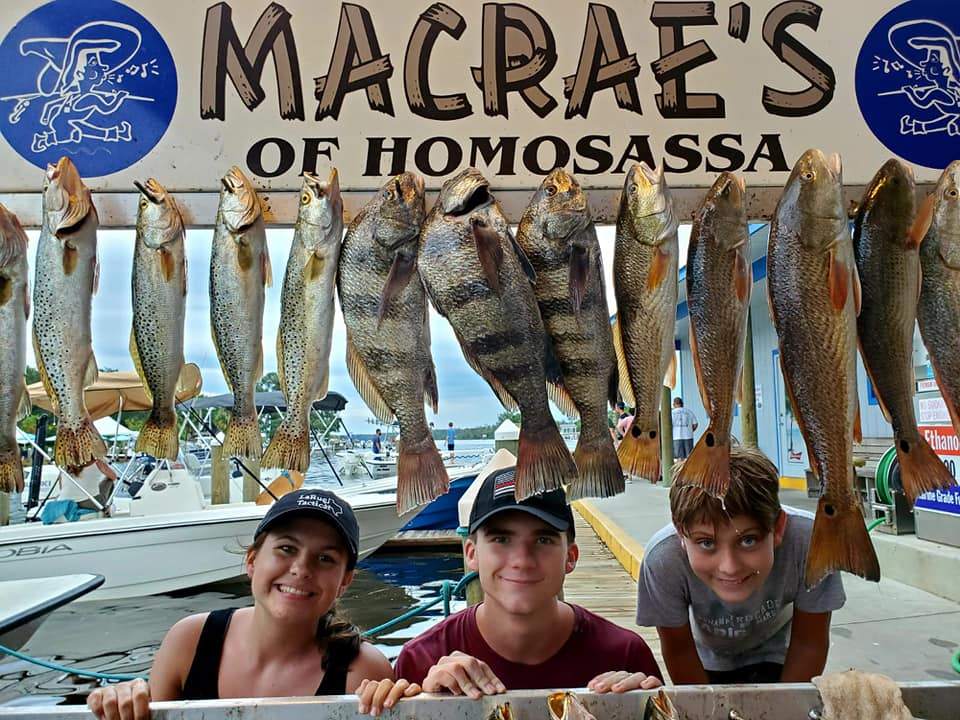
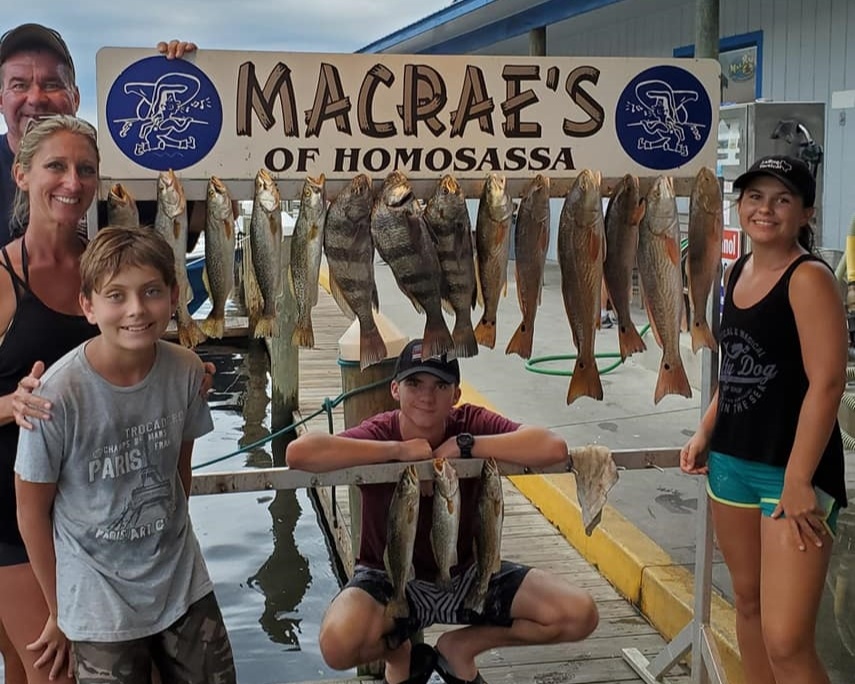
Sheepshead are the masters of structure fishing and will absolutely humble you if you're not on your game. These black-and-white striped fish have human-like teeth designed for crushing crustaceans, which means they're experts at stealing bait. The trick is feeling that subtle bite and setting the hook before they realize what happened. They congregate around oyster bars, bridge pilings, and anywhere crabs and barnacles provide an easy meal. Sheepshead fishing teaches patience and finesse – qualities that make you a better angler overall. Peak season runs from late fall through early spring when they're staging for their spawning runs.
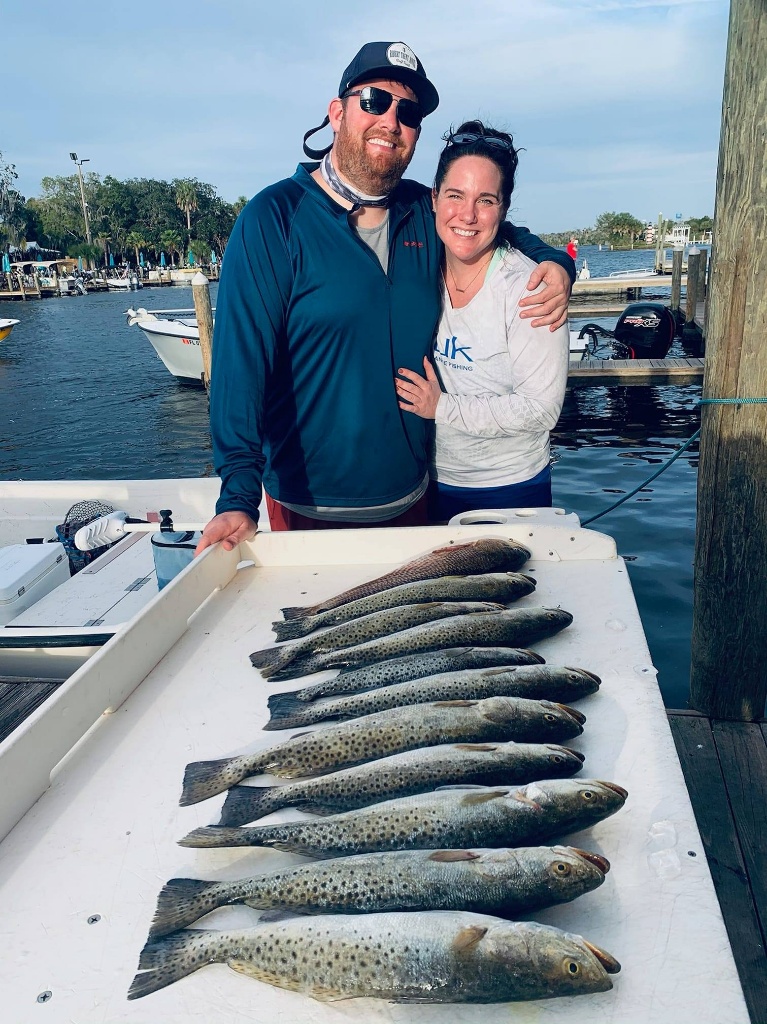
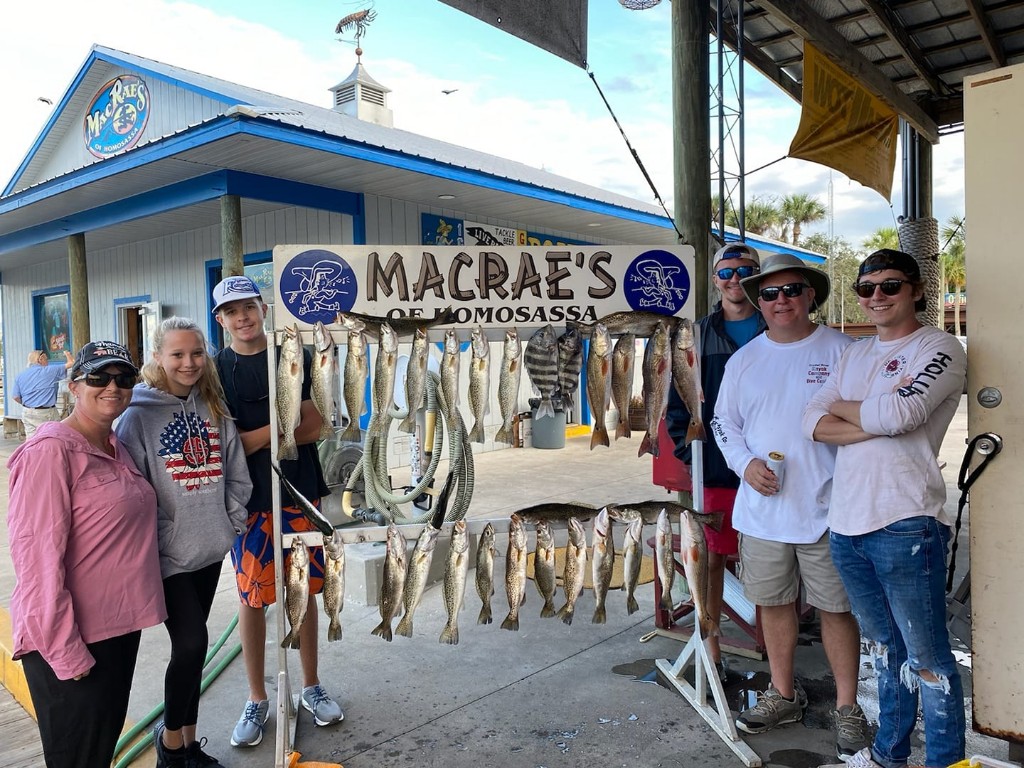
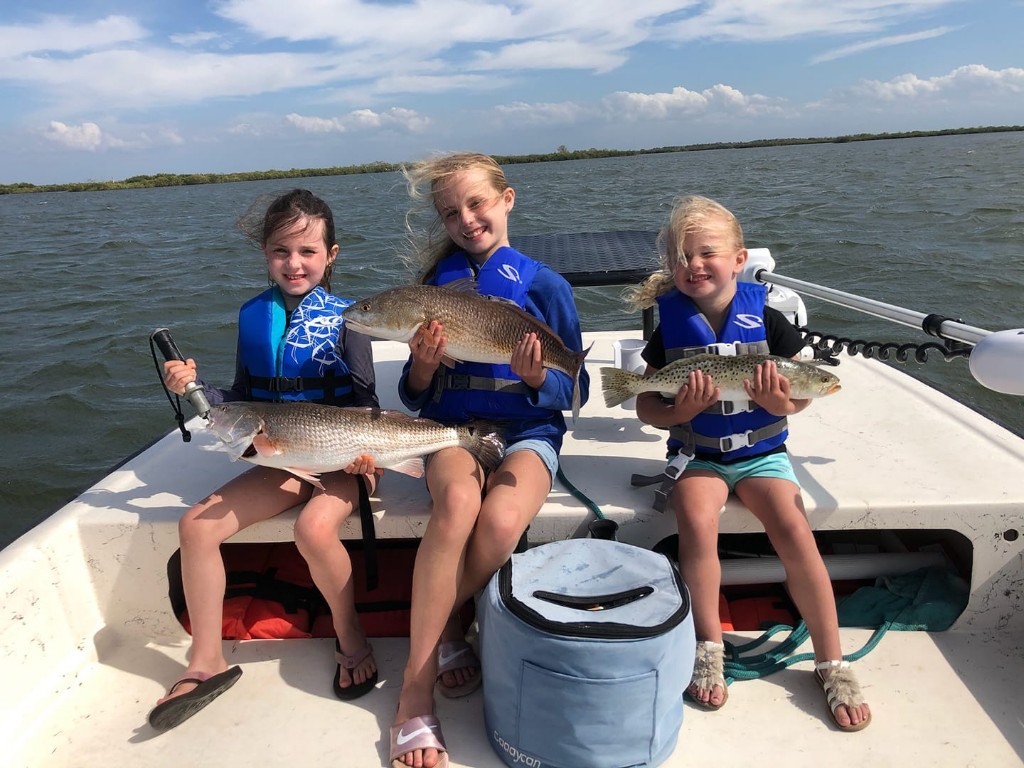
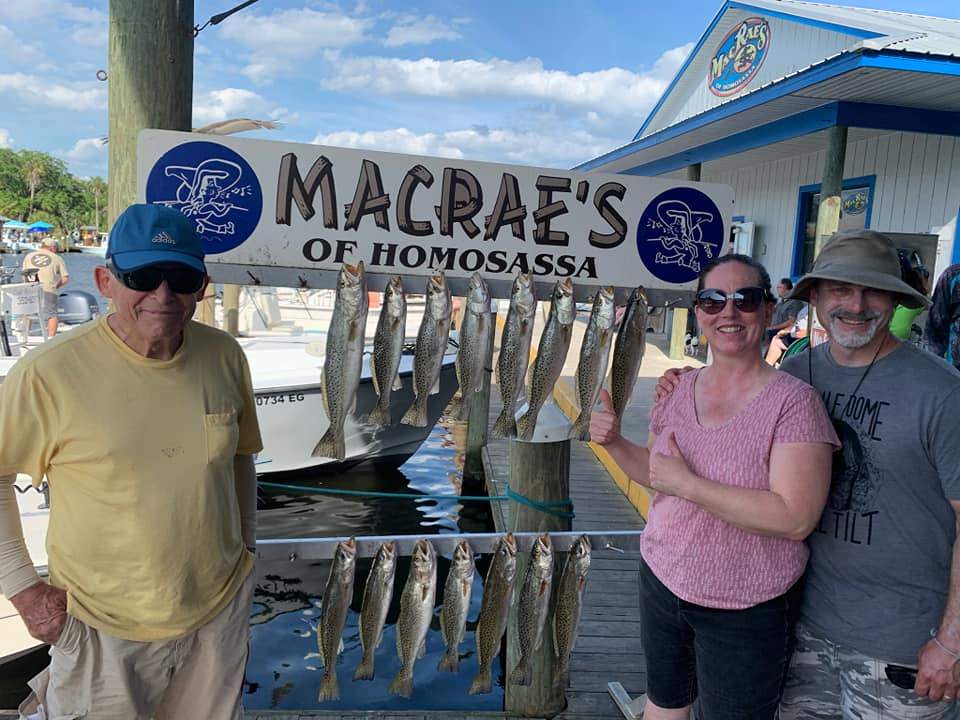
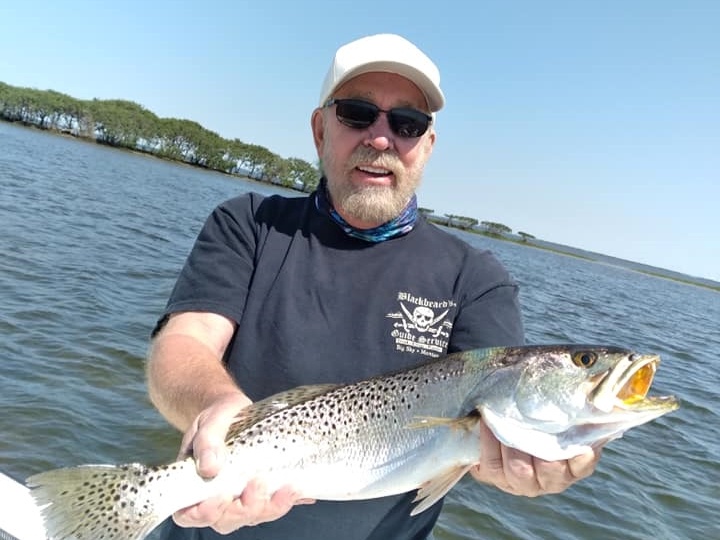
Sea Trout, or speckled trout as locals call them, are probably the most cooperative fish on our target list. They school up over grass flats and are aggressive enough to hit both live bait and artificials consistently. These spotted beauties are perfect for anglers who want steady action – it's not uncommon to catch a dozen or more on a good day. They respond well to soft plastics worked slowly along the bottom, and topwater action in the early morning can be absolutely electric when they're feeding actively. Spring and fall produce the biggest fish, but you can catch keeper-sized trout pretty much any time of year.
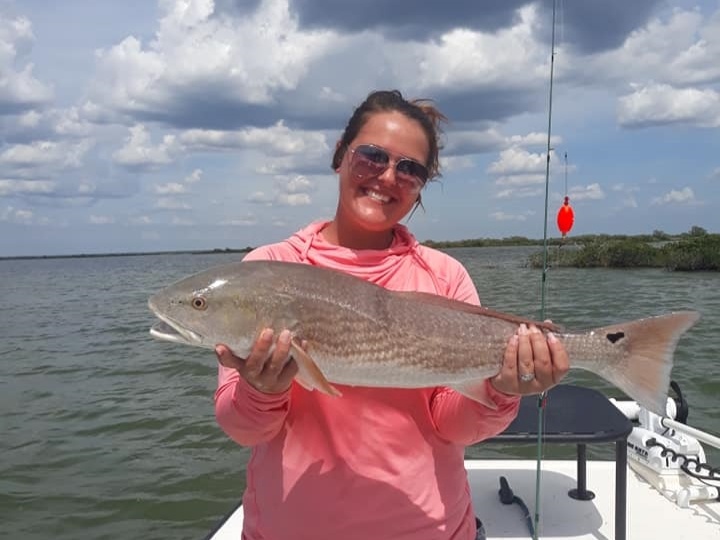
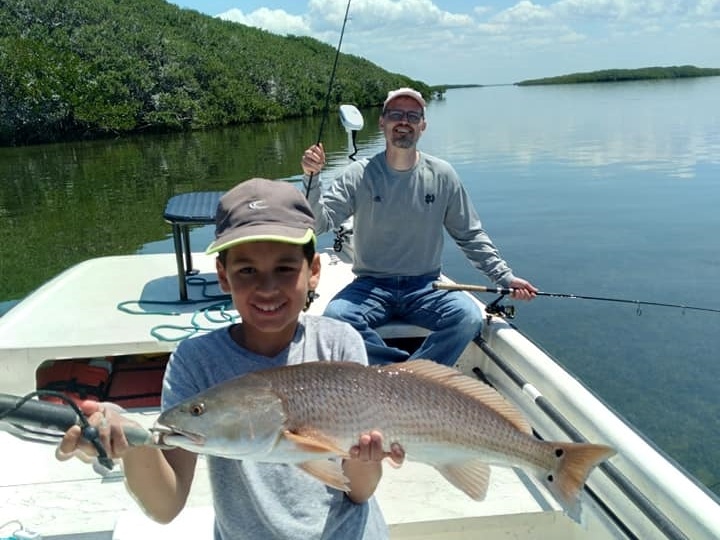
Redfish round out our target species and they're absolute bulldogs once hooked. These copper-colored fish are perfectly built for life in shallow water, with downturned mouths for rooting crabs and shrimp out of the bottom. Sight fishing for reds is addictive – watching them cruise the shallows with their backs out of water, then making the perfect cast and watching them absolutely crush your offering. They fight dirty too, using their broad shoulders to pull hard and steady rather than jumping like snook. Redfish are available year-round, but fall typically produces the biggest fish as they fatten up before winter.
Time to Book Your Spot
This is exactly the kind of fishing that creates lifelong memories and turns casual anglers into serious enthusiasts. The combination of diverse species, consistent action

 Private Trip
 Inshore Fishing
 Homosassa, FL


 Target Trout, Redfish, Snapper, Sheepshead, and Snook in productive Florida waters