River Tours with Finntastick Charters
Picture this: You're drifting down a meandering river system where the water holds some of the most sought-after game fish in the Southeast. Our river tours put you right in the heart of prime fishing waters where redfish cruise the shallows, snook ambush baitfish along mangrove edges, and trout stack up in deeper holes. With Finntastick Charters, you'll fish waters that locals have been working for generations – spots where the fish are plentiful and the action stays hot all day long. We keep our groups small at just 5 anglers max, so everyone gets plenty of elbow room and personalized attention from your guide.
What to Expect on the Water
Your day starts early when we push off into calm river water that's teeming with life. These coastal river systems are perfect fishing grounds because they offer everything from shallow grass flats to deeper channels, oyster bars to mangrove shorelines. You'll spend your time working different structures and water columns, adapting your approach as we move from spot to spot. The beauty of river fishing is the variety – one cast you might be sight-fishing a tailing redfish in two feet of water, the next you're dropping down to bottom fish for snapper in a deep hole. We supply all the rods, reels, tackle, and bait you'll need, so just bring your cooler with snacks and drinks, maybe a hat and sunglasses. The atmosphere is relaxed but focused – we're here to put fish in the boat, but we're going to have a good time doing it.
Techniques & River Tactics
River fishing requires a different skill set than open water angling, and that's where our local knowledge really shines. We'll be working everything from live bait presentations to artificial lures, depending on what the fish are telling us. When we're targeting redfish and trout in the shallows, we might use popping corks with live shrimp or throw soft plastics along grass edges. For snook around structure, we'll pitch jigs or work topwater plugs during low-light periods. Bottom fishing comes into play when we're after grouper and snapper in the deeper bends – we'll drop down with circle hooks and cut bait to get those quality fish. The gear we provide is top-rated stuff that can handle everything from finesse presentations to battling bigger fish. Your guide will teach you how to read the water, identify productive structure, and adjust your technique based on tides, weather, and fish behavior.
Species You'll Want to Hook
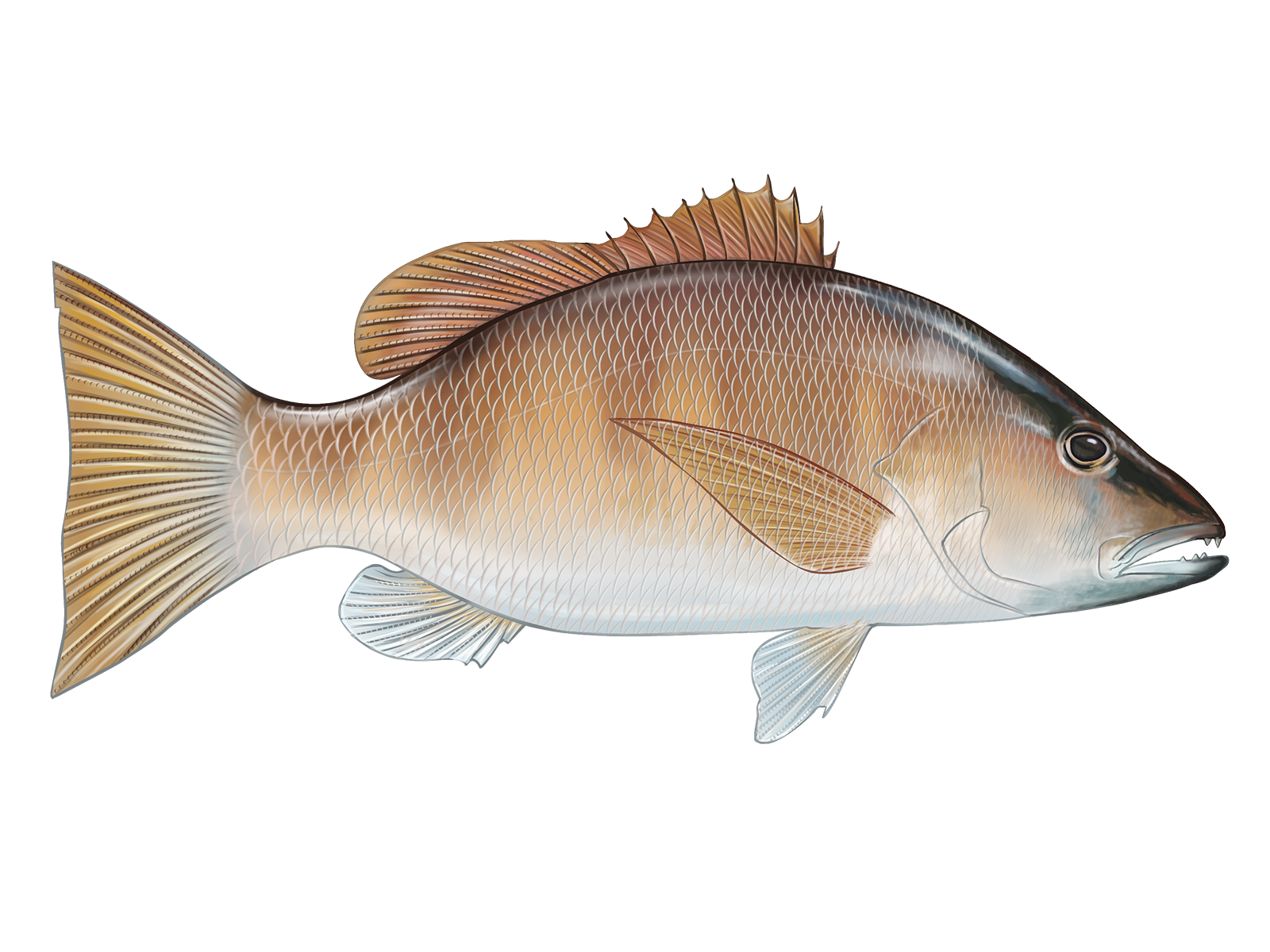
Grey Snapper are one of the customer favorites on these river trips, and for good reason. These smart fish hang around structure like docks, bridges, and oyster bars where they feed on crabs, shrimp, and small baitfish. They're notorious for their wariness – one wrong move and the whole school disappears. But when you hook into a quality snapper, you'll feel that head-shaking fight all the way to the boat. Peak season runs from late spring through early fall when they move into shallower water to spawn. Most of the snappers we catch range from 12 to 18 inches, with occasional larger fish pushing the 20-inch mark.
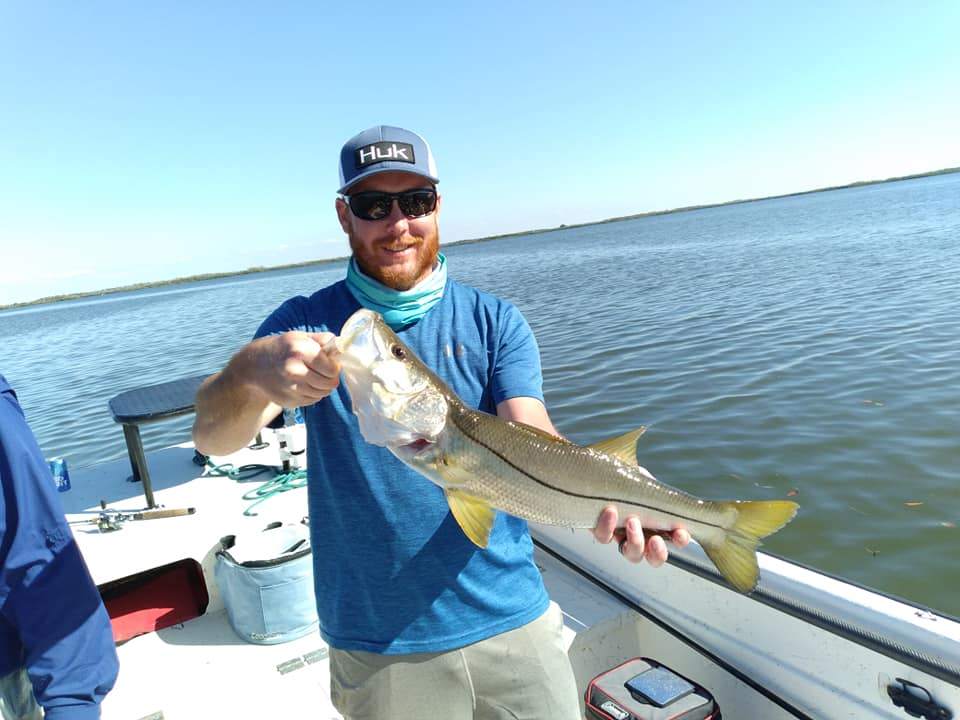
Snook are the river's premier gamefish and every angler's dream catch. These ambush predators love to hang in the shadows of mangroves, under docks, and around any structure that provides cover. They're incredibly aggressive when feeding but can be maddeningly picky when they're not. The best snook action happens during dawn and dusk when they move shallow to hunt. These fish are built for power – their gill plates will cut your line in a heartbeat if you're not careful, and their runs toward structure will test your drag system. During warmer months, they're more active and spread throughout the river system, while cooler weather pushes them into deeper holes and canals.
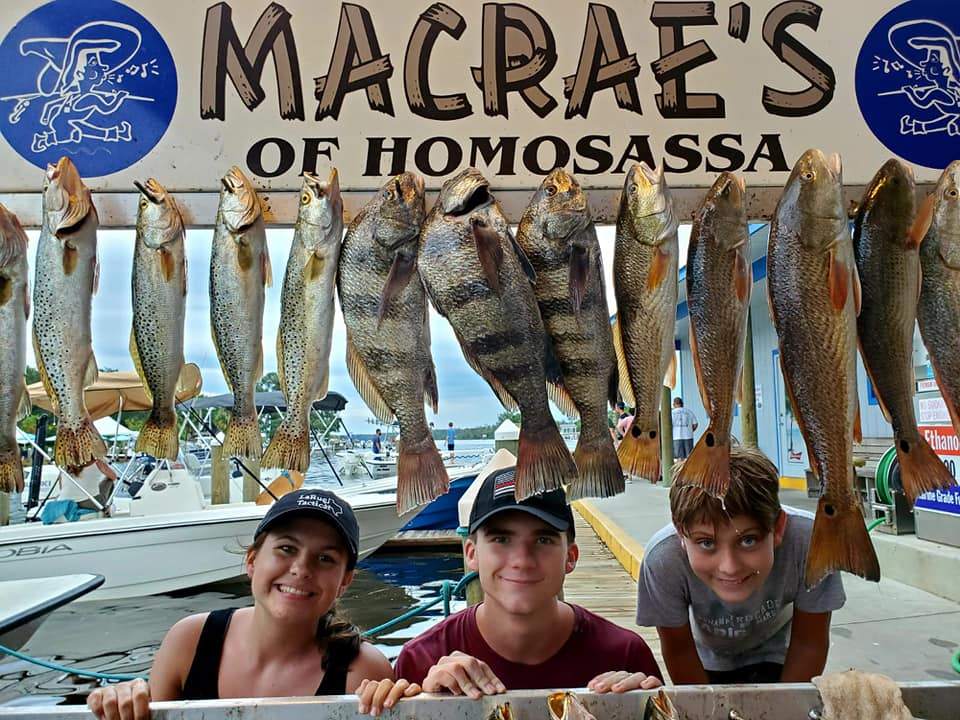
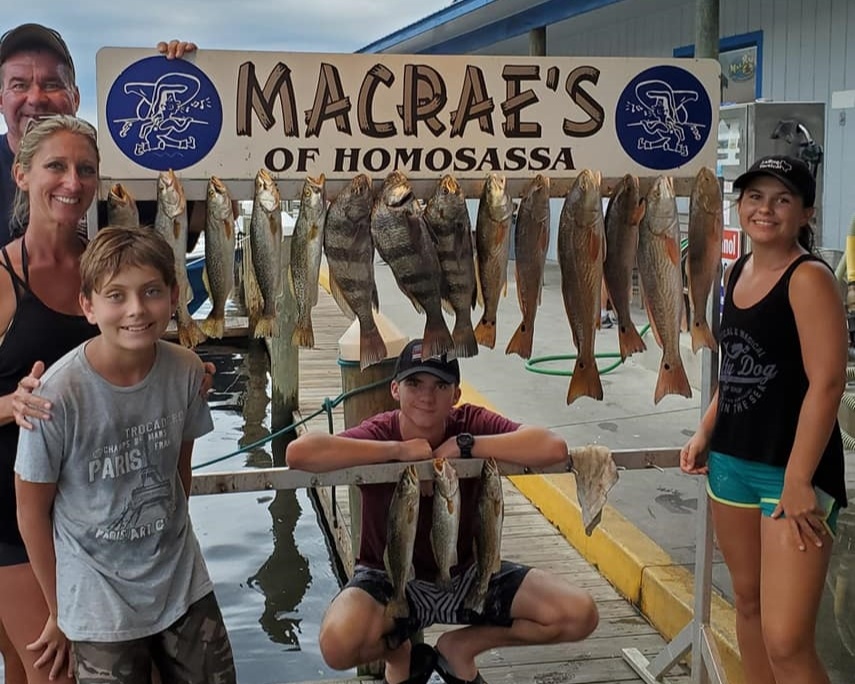
Sheepshead might not win any beauty contests, but they're pound-for-pound some of the strongest fighters in the river. These black-and-white striped fish have human-like teeth that they use to crush barnacles, crabs, and oysters around structure. They're nicknamed "convict fish" for their stripes and their ability to steal bait without getting hooked. Sheepshead fishing requires patience and sensitivity – they're notorious bait thieves who can clean your hook without you feeling a thing. Winter months are prime time for sheepshead as they move into shallower water to spawn, and that's when you'll find the biggest concentrations around bridge pilings and rocky areas.
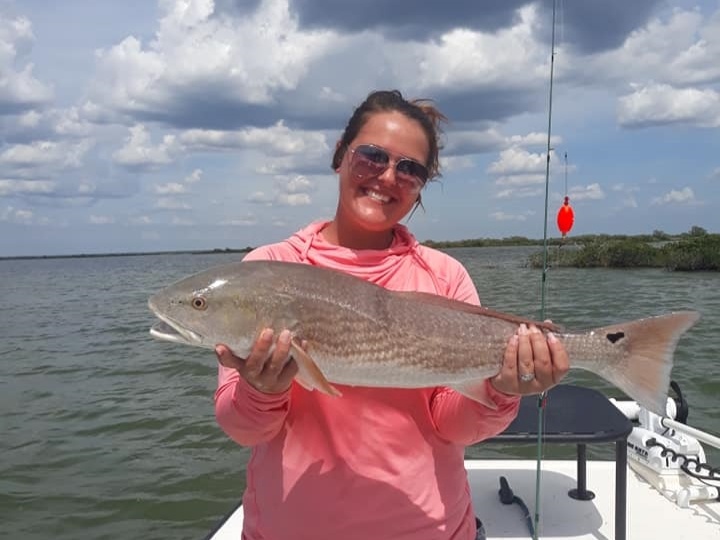
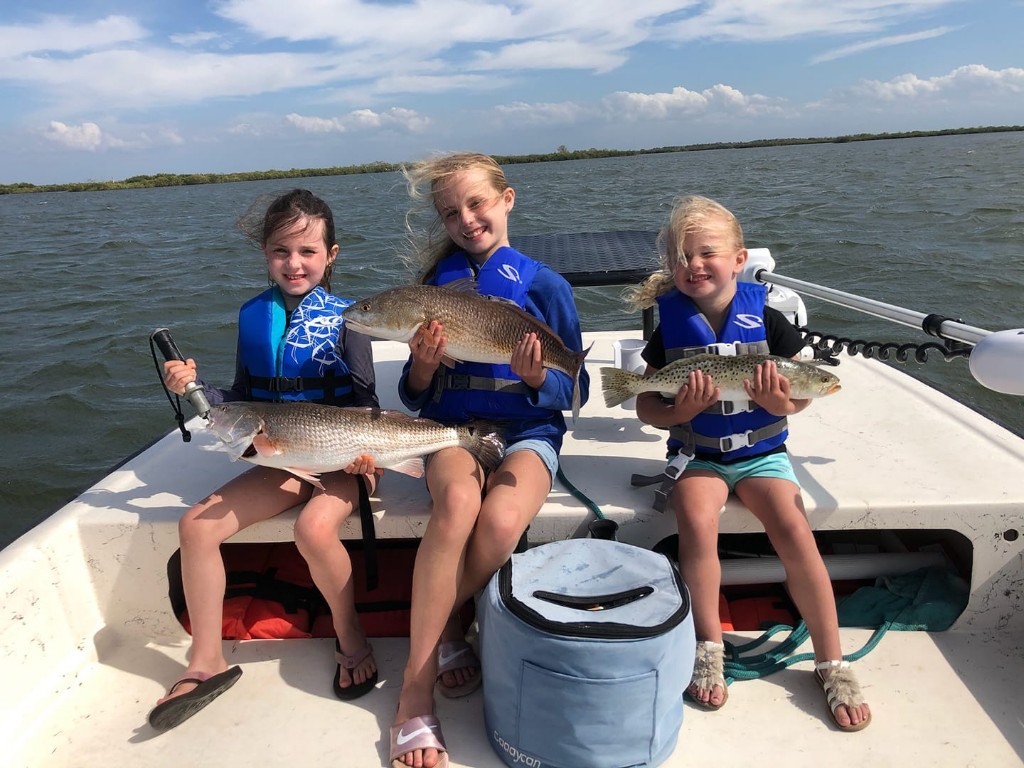
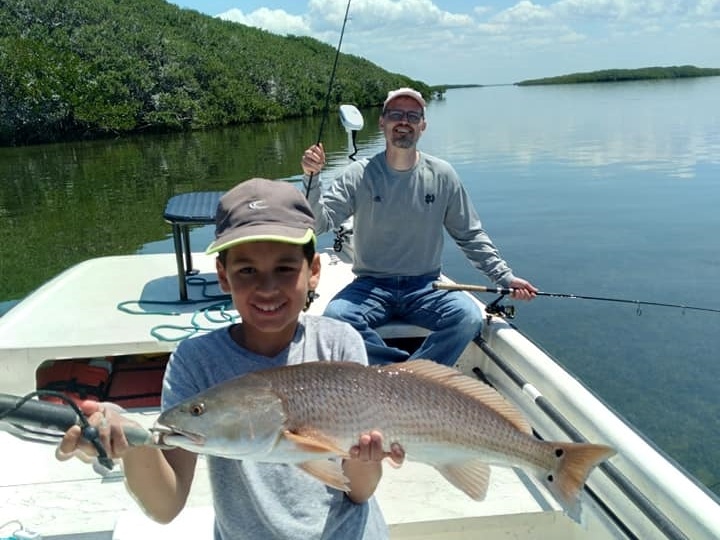
Redfish are the bread-and-butter species that keep anglers coming back for more. These copper-colored bruisers patrol the flats, grass beds, and oyster bars where they root around for crabs and shrimp. What makes reds special is their willingness to eat and their bulldog fighting style – once hooked, they'll make powerful runs and use their broad sides to fight you all the way to the boat. You can target them year-round in these river systems, but fall and winter often produce the biggest fish as they school up for their spawning runs. Slot-sized reds between 18 and 27 inches are perfect for the dinner table, while the oversized breeding stock puts up an even better fight before we release them.
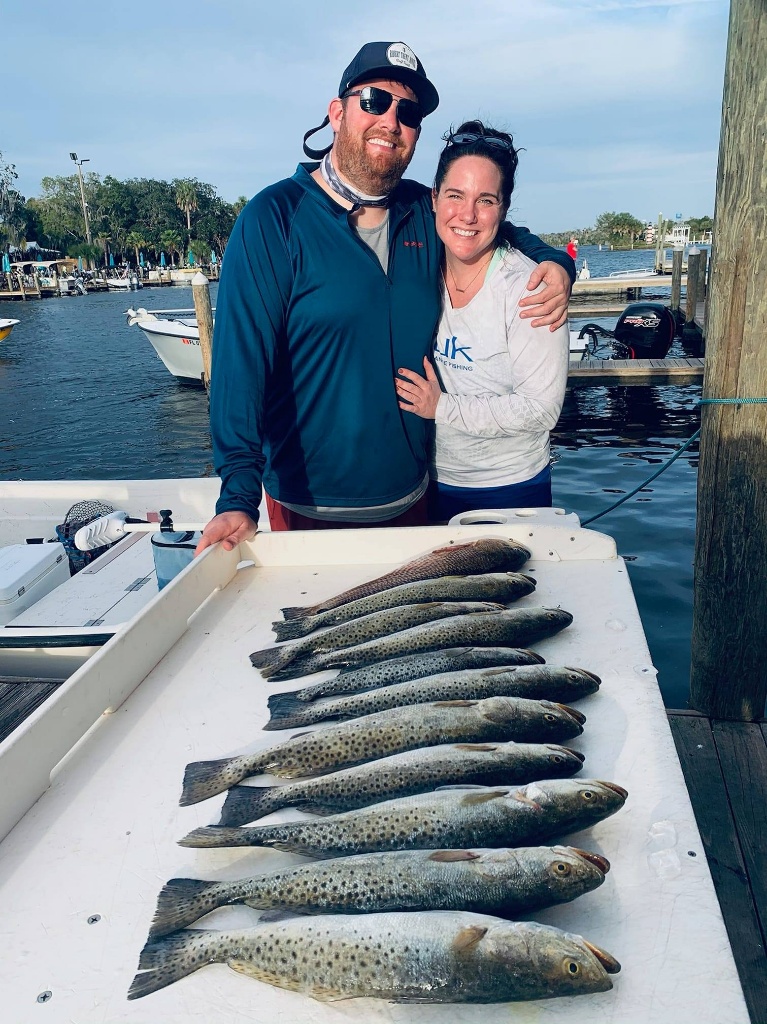
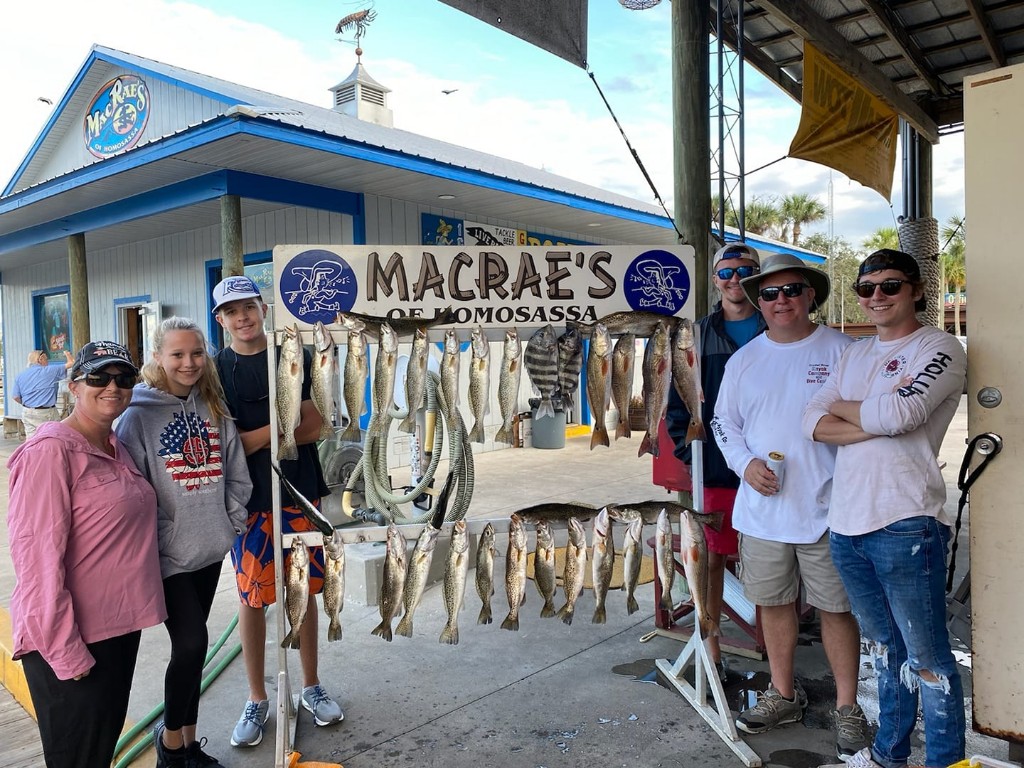
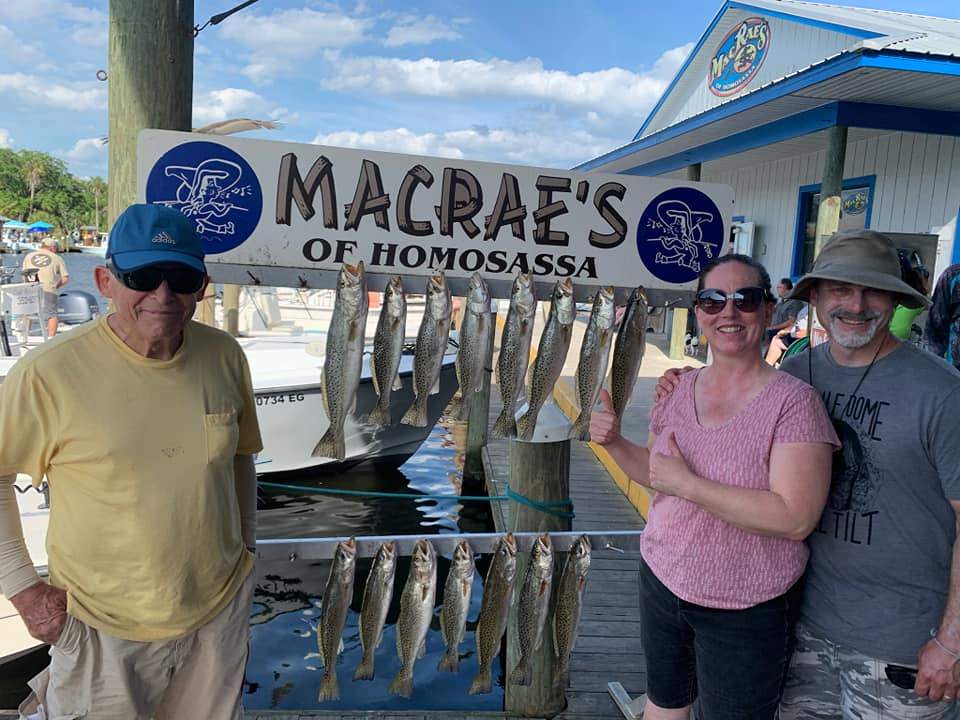
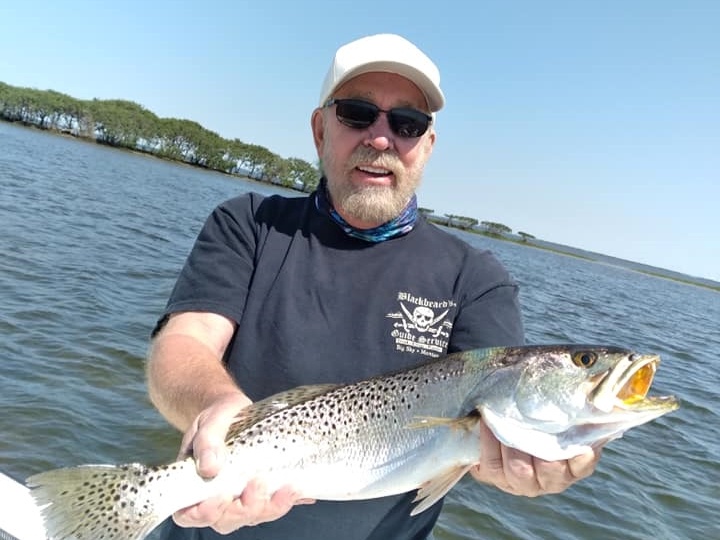
Sea Trout complete the inshore slam and they're some of the most cooperative fish in the river. These spotted beauties love grass flats and sandy potholes where they ambush schools of baitfish and shrimp. Trout have soft mouths, so the fight is more about finesse than raw power, but they make up for it with their willingness to bite artificial lures. During warmer months, they're spread throughout the shallows, while cold fronts push them into deeper channels and holes. The best trout fishing often happens during moving tides when the fish are actively feeding. Most of our trout run between 14 and 18 inches, with occasional "gator tr

 Private Trip
 River Fishing
 Homosassa, FL


 Target trout, redfish, snapper, grouper, and snook species