Advanced Full Day Fishing in Nestor Falls
When you're serious about putting fish in the boat, Gerald Arch's 8-hour advanced fishing trip on Crow Lake and Nestor Falls delivers exactly what experienced anglers are looking for. This isn't a casual day on the water—it's built for performance-focused fishermen who want to chase trophy species like muskie, lake trout, and northern pike while refining their techniques across multiple waters. With Gerald's deep local knowledge guiding every move, you'll hit prime spots that most anglers never find and work waters that consistently produce results.
What to Expect on the Water
Gerald knows these waters like the back of his hand, and that shows from the moment you launch. This full-day trip covers both Crow Lake and Nestor Falls, giving you access to diverse structures and species throughout the day. You'll be working with a small group—just 3 anglers max—which means personalized attention and plenty of room to fish without crowding. The 8-hour format lets you really dial in on different techniques as conditions change, whether you're trolling deep for lakers in the morning or switching to casting for pike as the day warms up. Gerald brings the local intel that makes the difference between a good day and a great one, adjusting tactics based on weather, water temperature, and seasonal patterns that only come from years of guiding these specific waters.
Techniques and Tackle Talk
This trip is all about versatility and adapting your approach to match what's biting. Gerald will have you working everything from deep-water trolling setups for lake trout to precise casting presentations for smallmouth bass around rocky structure. The beauty of fishing both Crow Lake and Nestor Falls in one day is the variety—you might start with downriggers and dipsy divers in deeper water, then switch to jigs and soft plastics when targeting walleye along drop-offs. For pike and muskie, expect to throw larger baits and work weed edges where these predators ambush prey. Gerald provides guidance on reading electronics, understanding structure, and timing your presentations. The trip includes add-on options for live bait when conditions call for it, plus the classic shore lunch experience if you want to cook up some of your catch mid-day and extend the fishing experience.
Target Species Breakdown
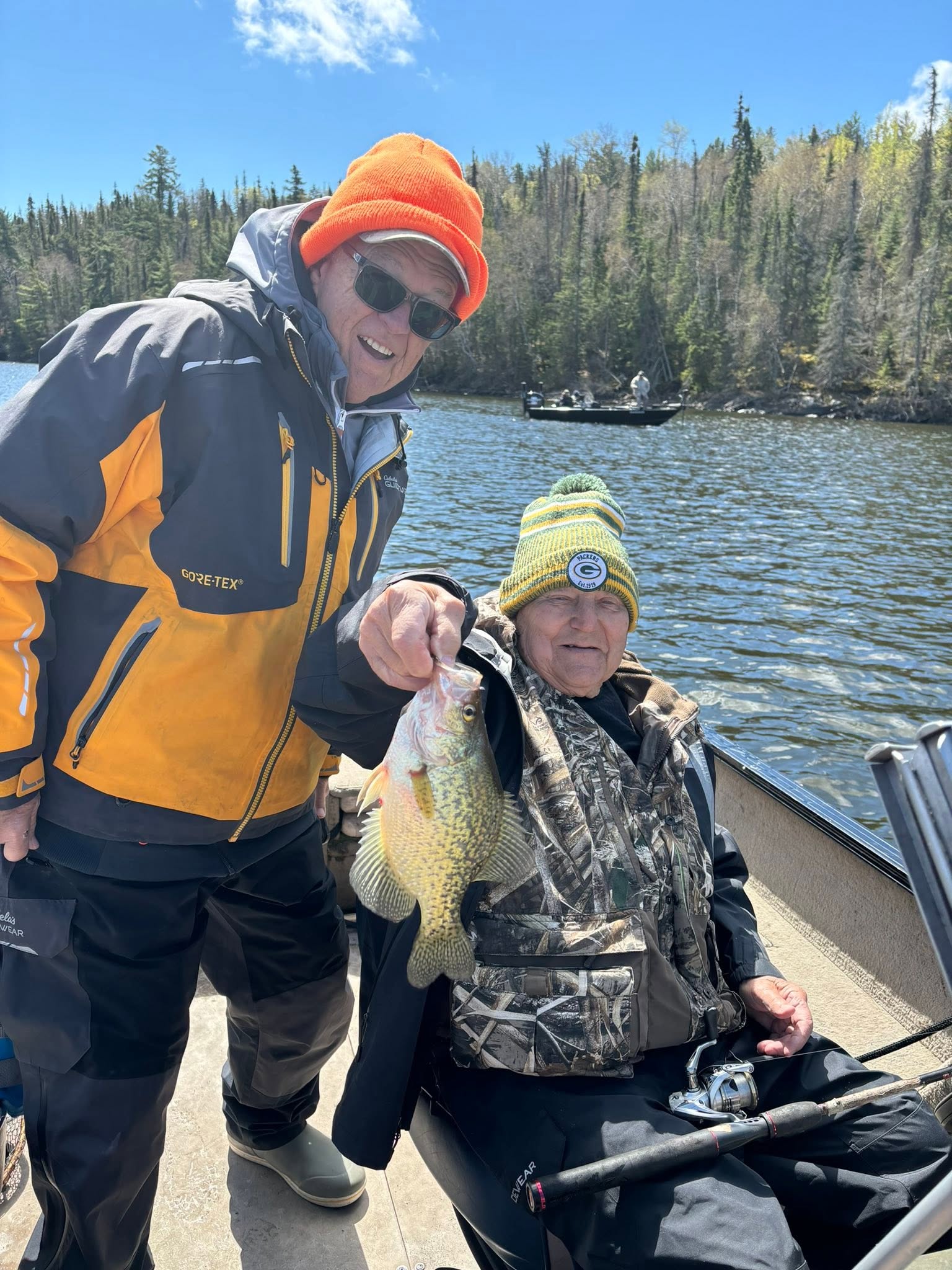
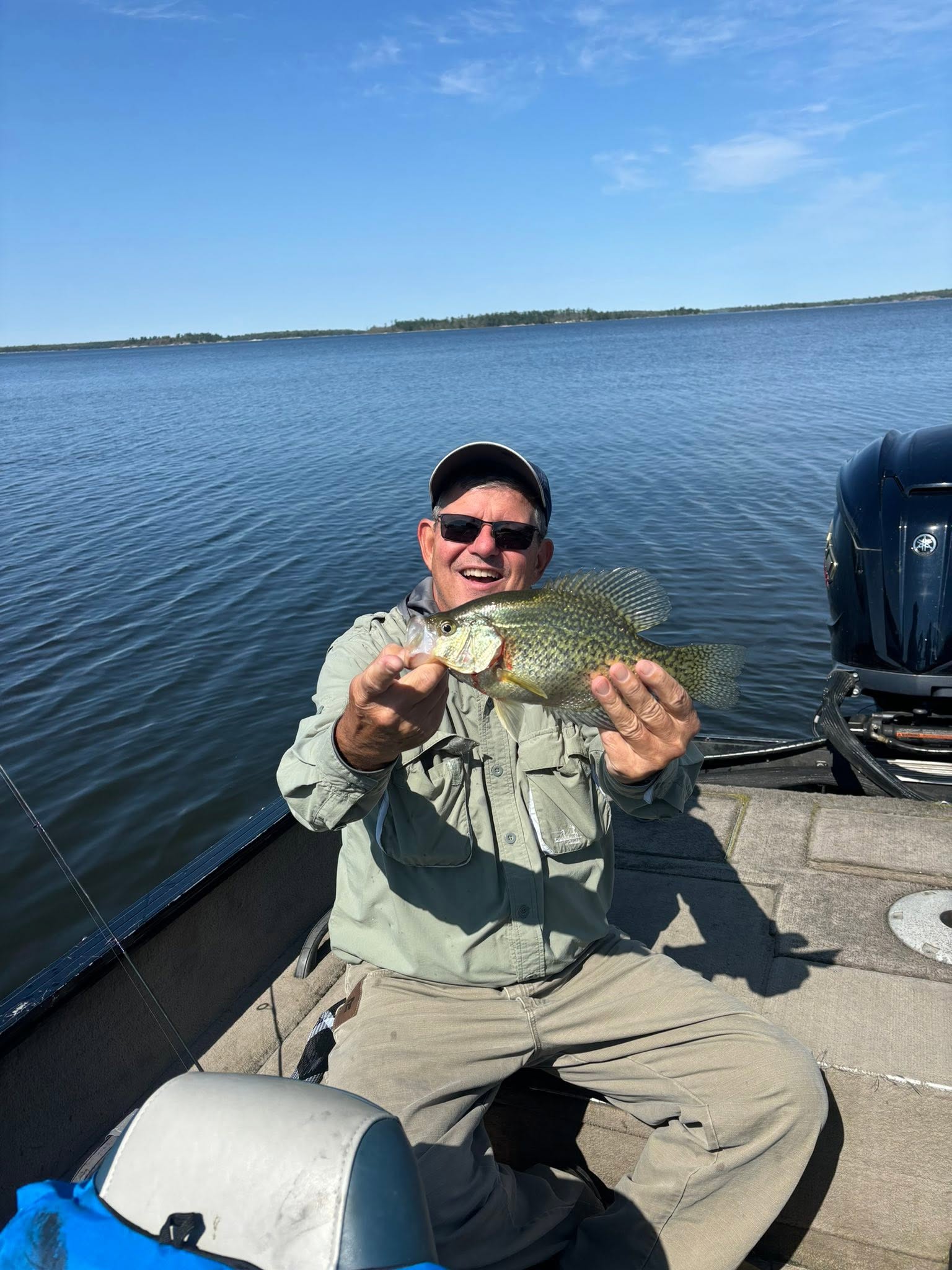
Crappie in these waters are genuine slabs, often running 12-14 inches and providing some of the most consistent action you'll find. They school up around submerged timber and weed edges, particularly during spring and fall when they're feeding heavily. What makes crappie fishing here special is the size—these aren't your average panfish. Gerald knows exactly where they stack up and how to present small jigs and minnows to trigger strikes from the bigger fish in the school.
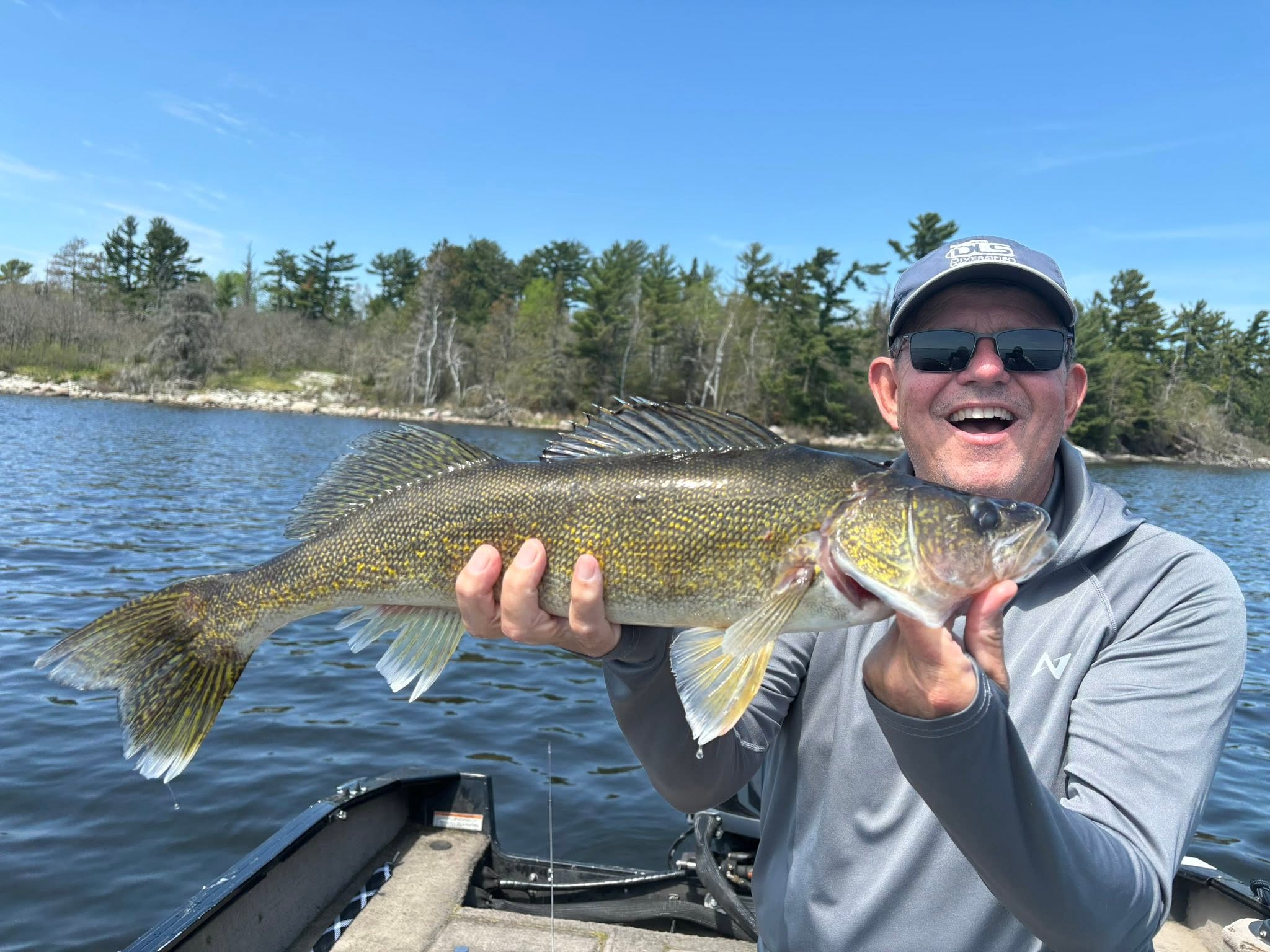
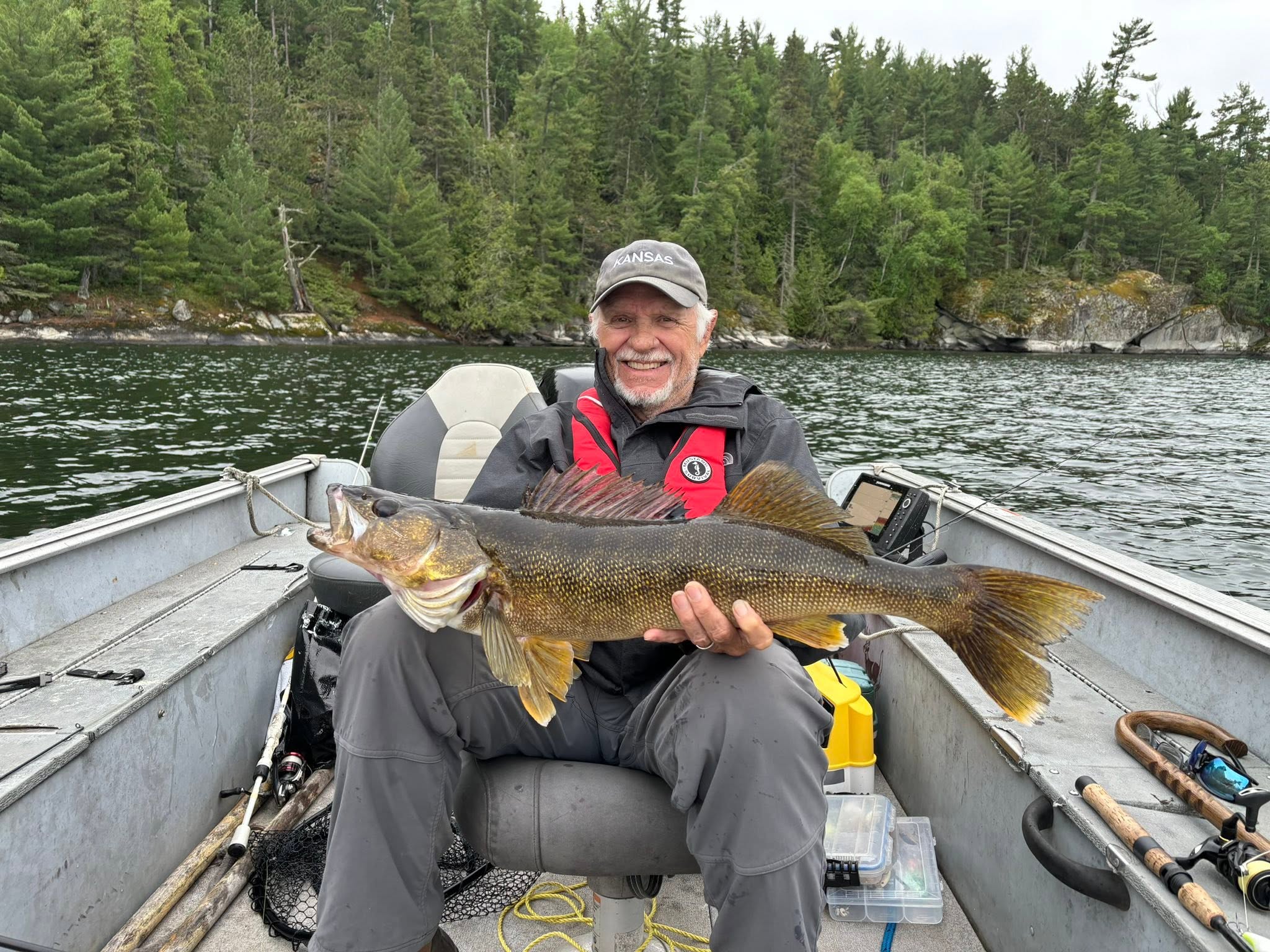
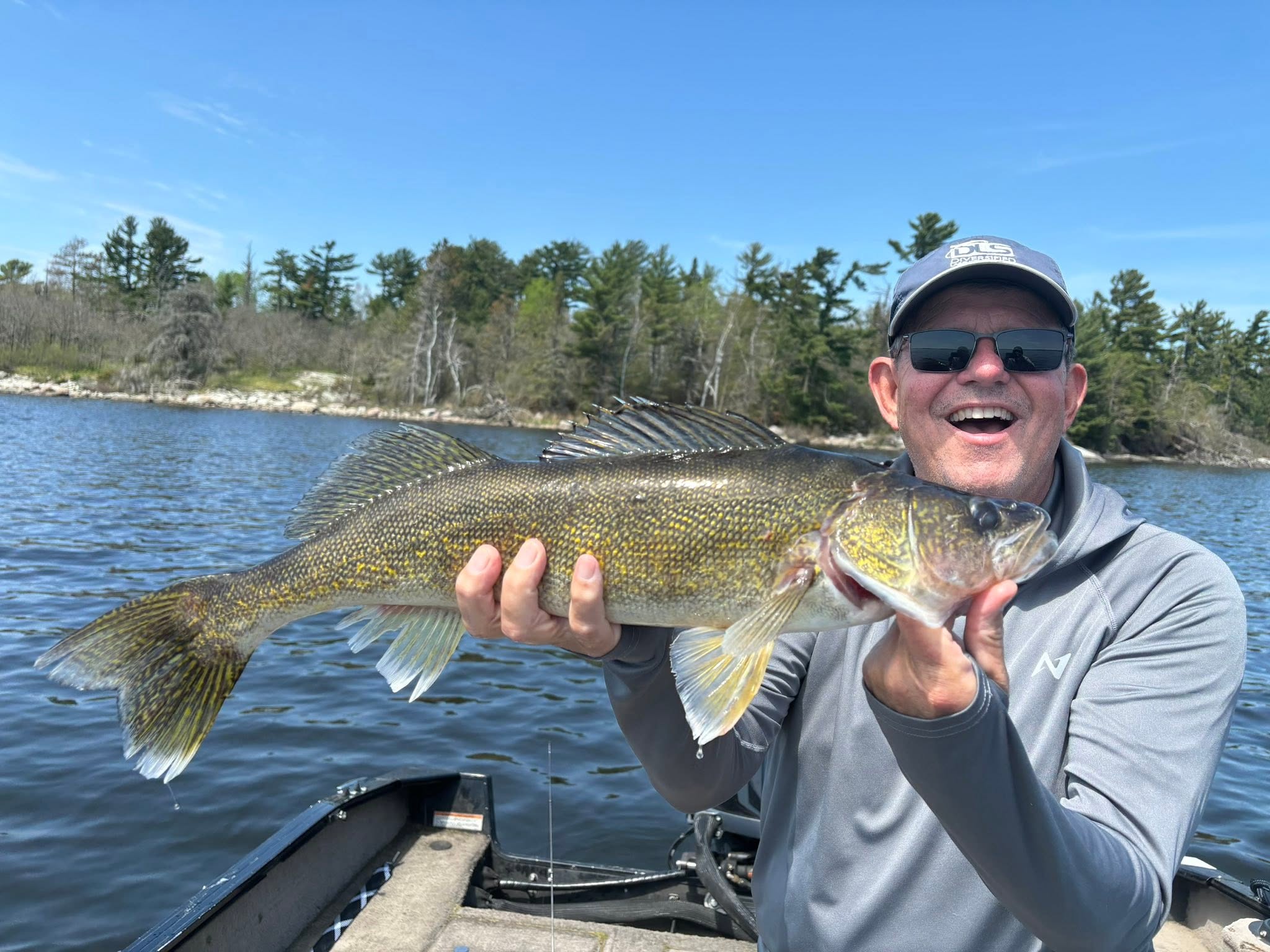
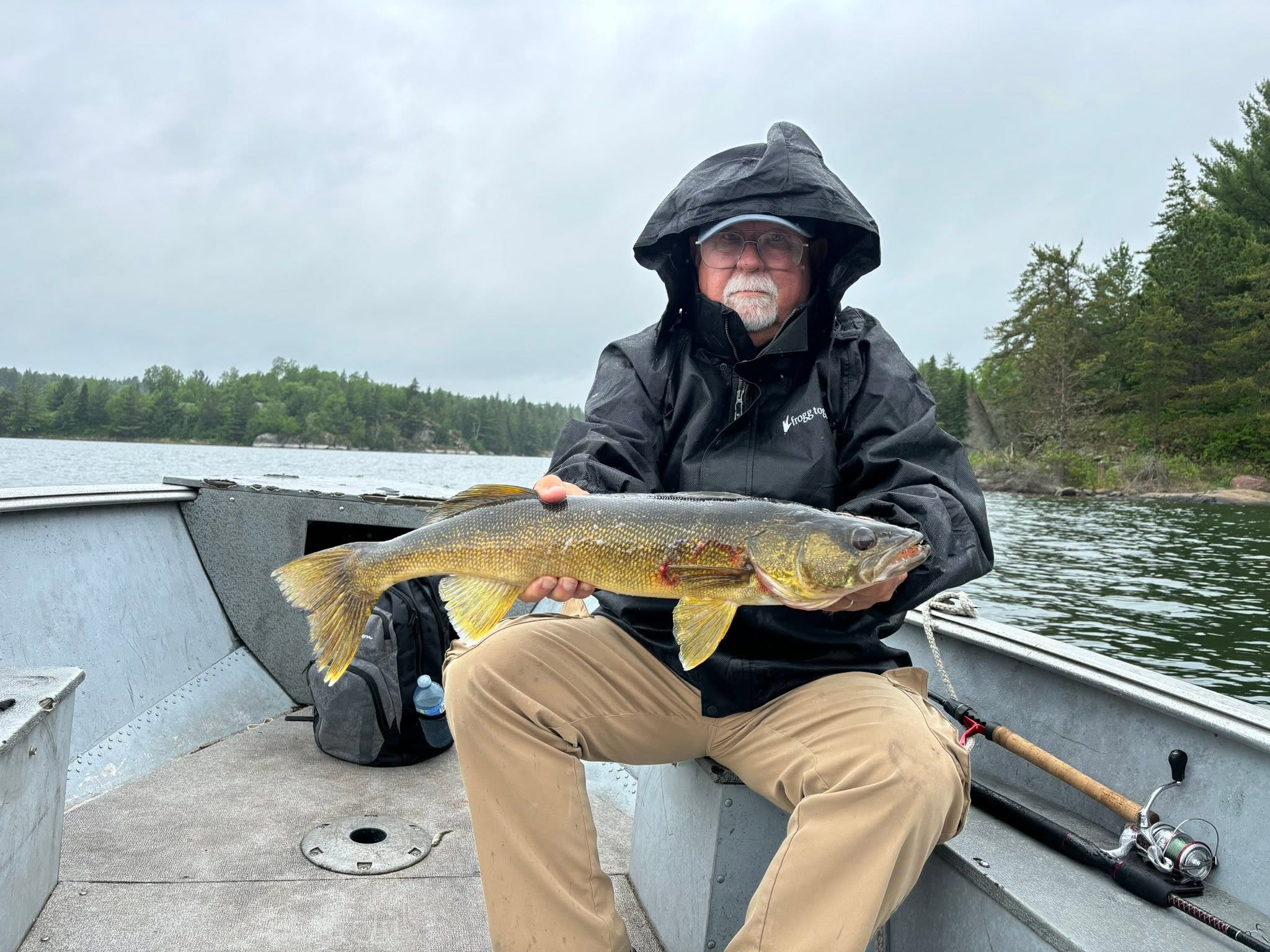
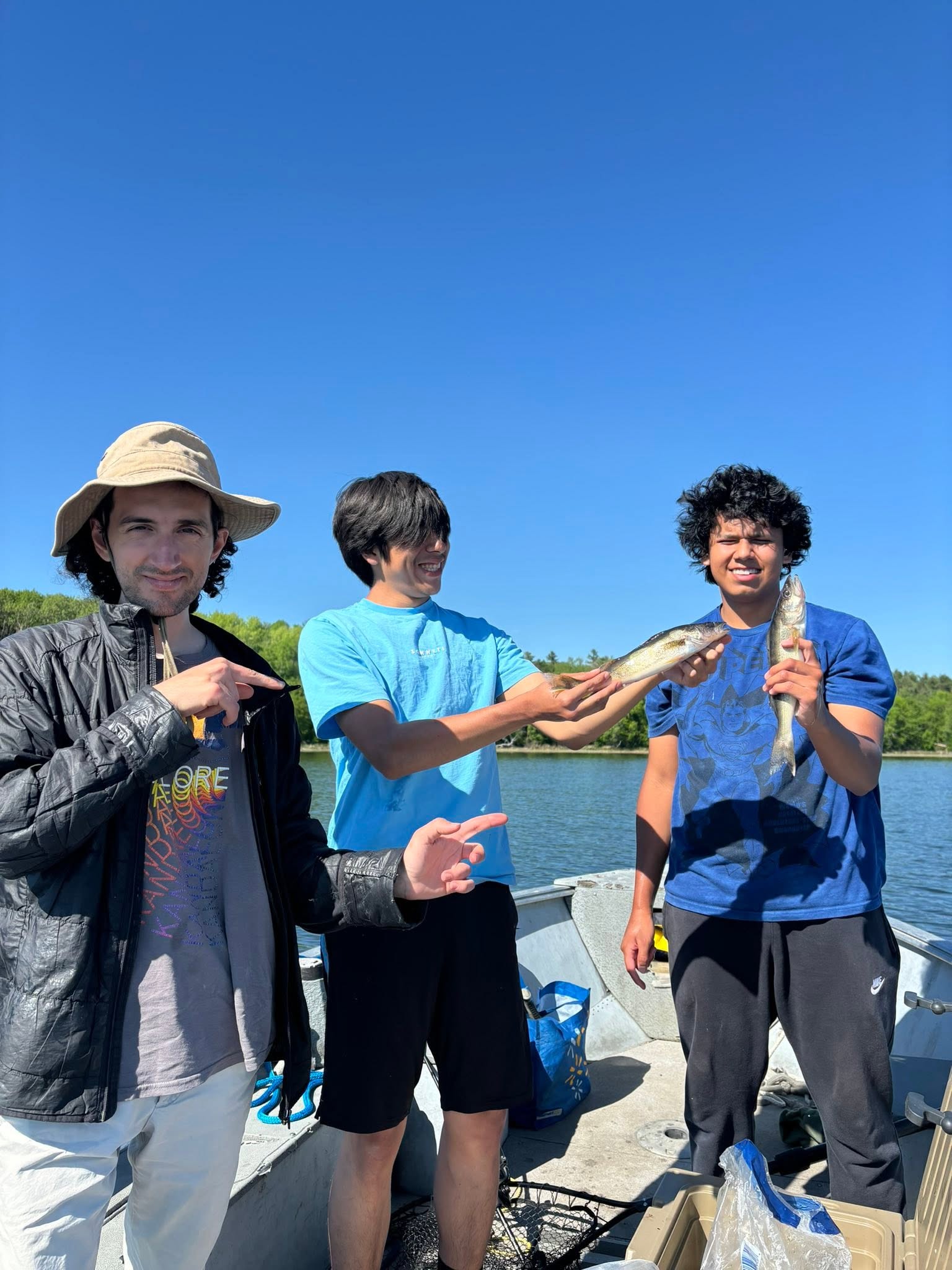
Walleye are the bread and butter species that keep anglers coming back to this region. These waters produce consistent numbers of eating-size fish in the 15-18 inch range, with plenty of opportunities for fish pushing 20+ inches. Peak walleye action typically happens at dawn and dusk, but Gerald knows the mid-day structure spots where you can stay on fish even when the sun's high. They're excellent table fare and fight with that distinctive head-shaking action that walleye anglers know and love.
Smallmouth bass here are absolute rockets, with the rocky structure of both lakes providing perfect habitat for these bronze-backed fighters. Fish in the 2-4 pound range are common, and the clear water means they're often extremely aggressive when you find active schools. Summer and early fall are prime time for smallmouth, when they're positioned on points and humps in 15-25 feet of water. The fight-to-size ratio of these fish is unmatched—they'll test your drag and your reflexes.
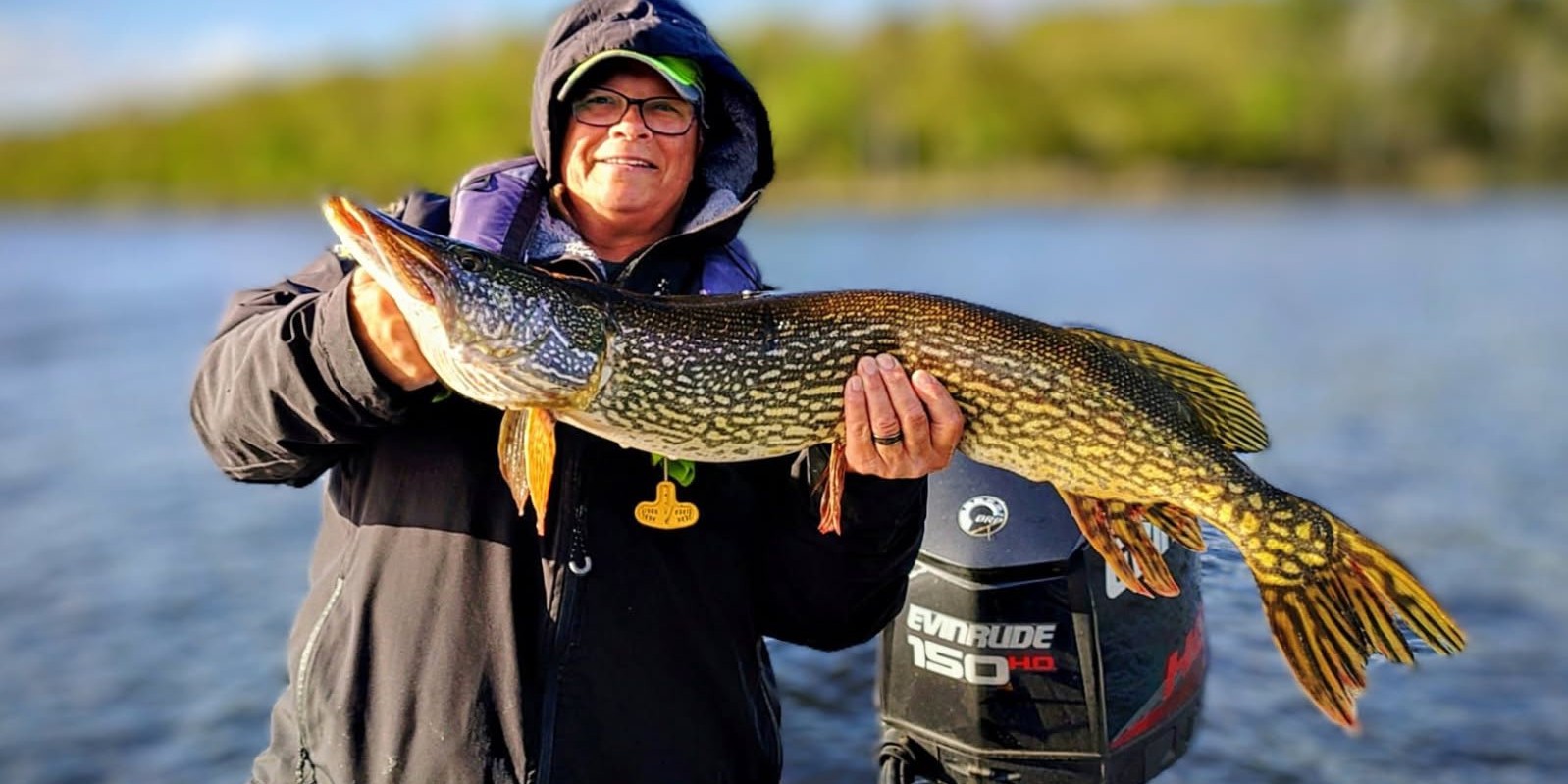
Northern pike are the apex predators that add serious excitement to any day on the water. These waters hold pike ranging from schoolie-size fish up to true trophies over 40 inches. They're most active during spring and fall, but summer fishing around weed lines can produce explosive strikes. Pike hit hard, jump unpredictably, and their razor-sharp teeth mean you need proper leaders and landing techniques. Gerald knows the prime ambush points where big pike wait for an easy meal.
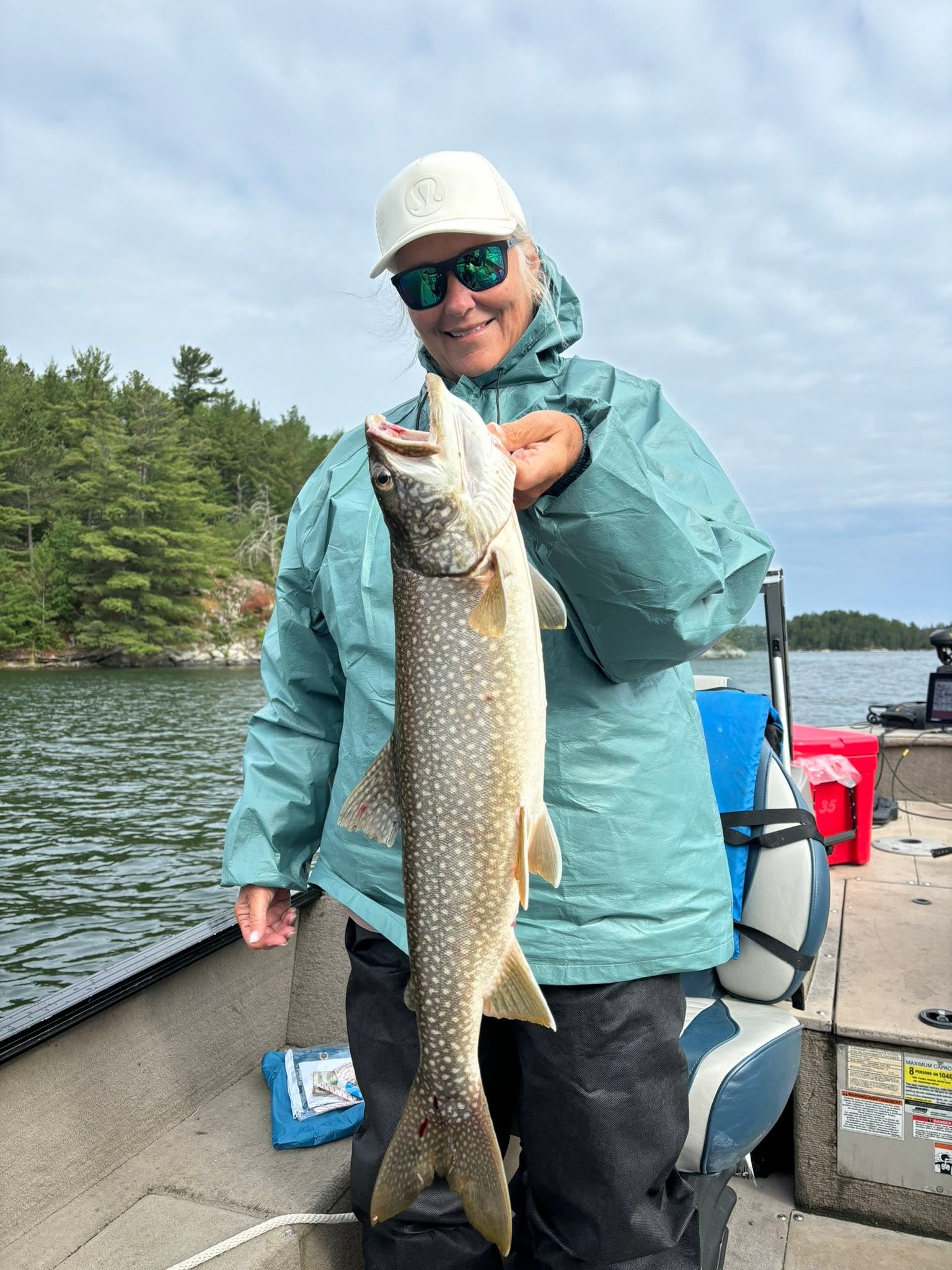
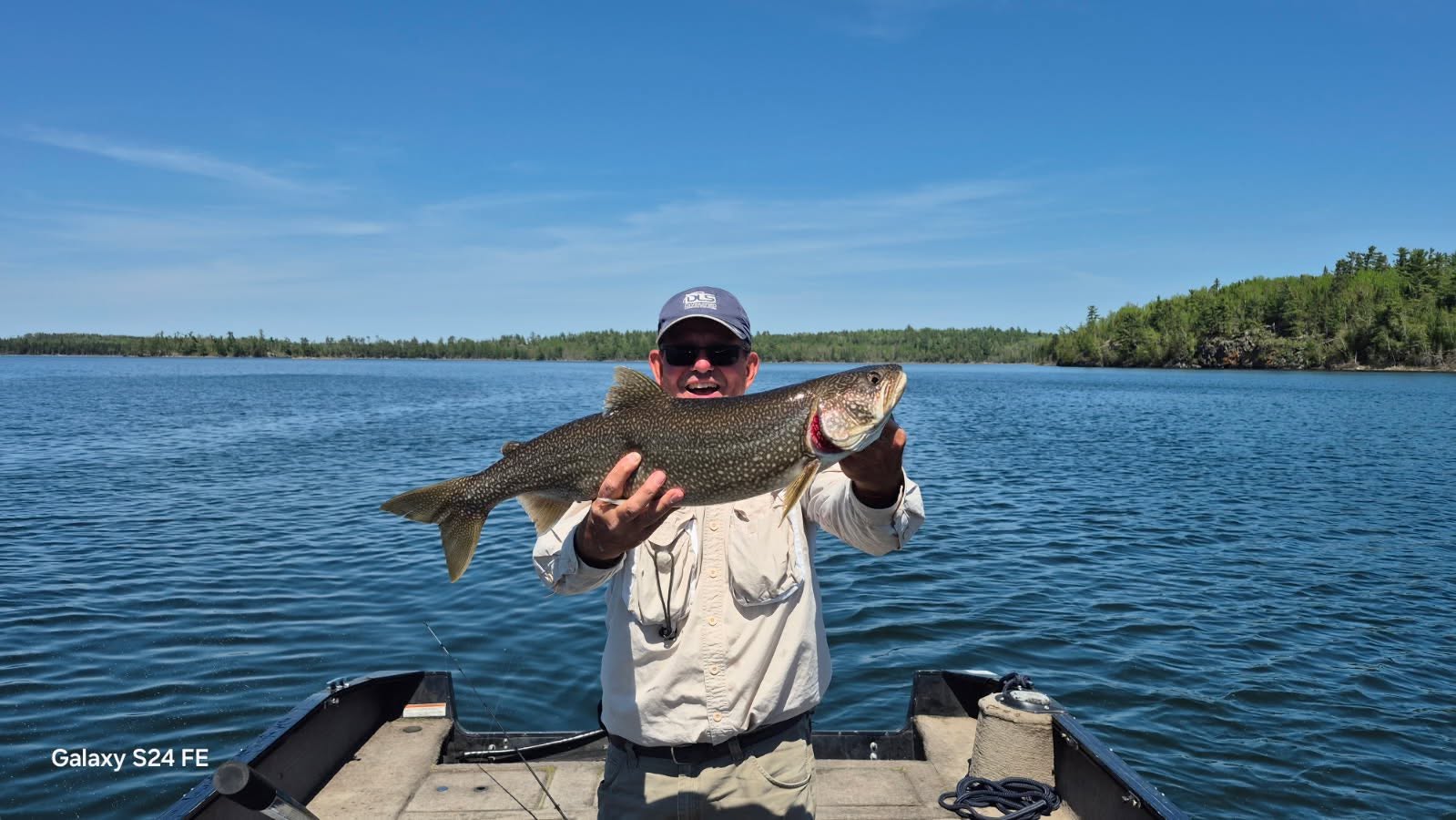
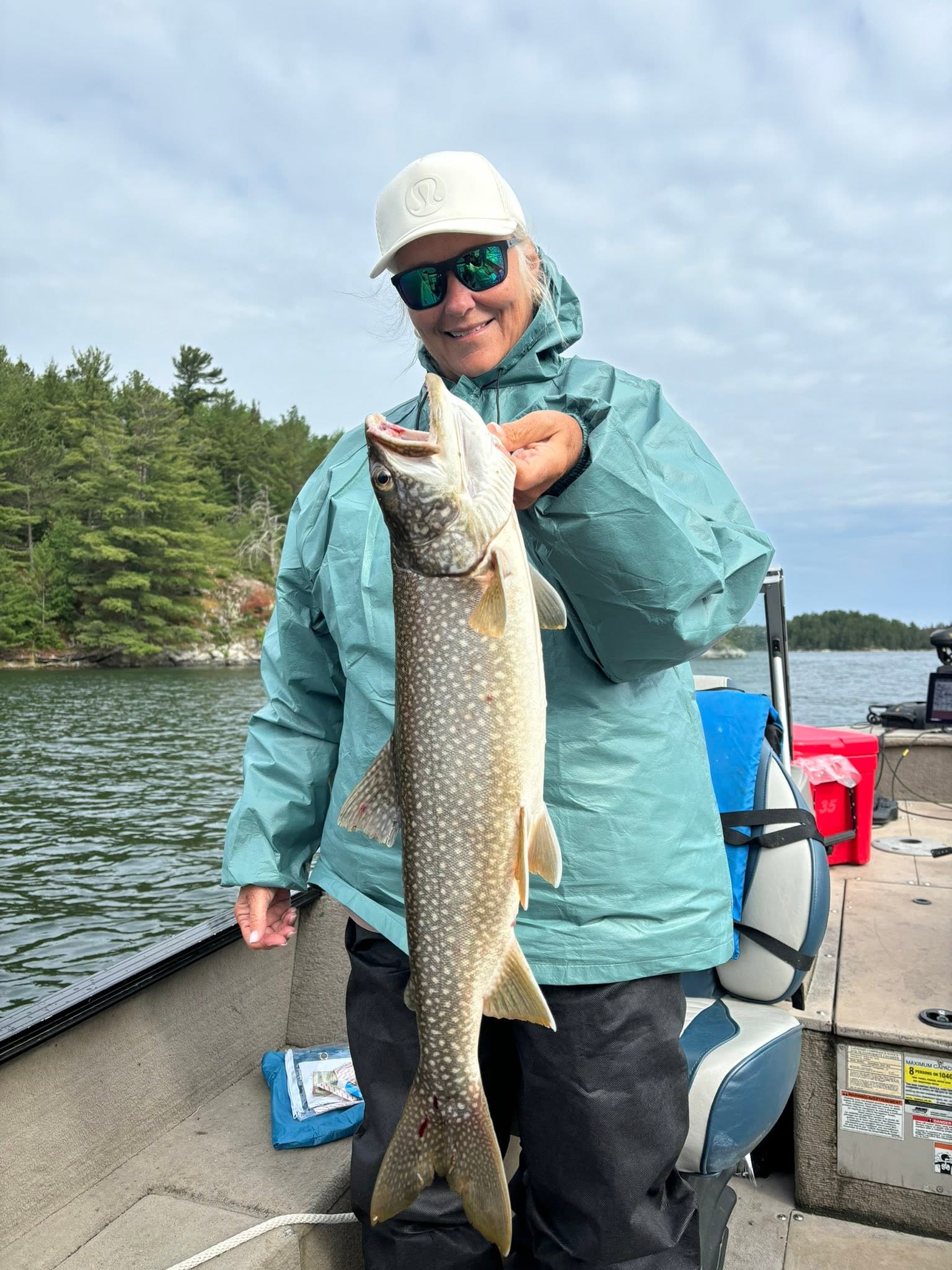
Lake trout represent the ultimate deep-water challenge in this system. These cold-water natives can live for decades and reach impressive sizes, with fish over 20 pounds possible in these depths. They're typically found in the deepest, coldest parts of the lake and require specialized techniques like downrigging or deep jigging. Spring and fall offer the best opportunities when lakers move into shallower water, but Gerald knows the summer deep-water haunts where you can still connect with these powerful fish. Landing a quality lake trout is a true accomplishment that many anglers chase for years.
Time to Book Your Spot
Gerald's advanced fishing trips fill up fast, especially during prime seasons when multiple species are active. This world-class fishing experience gives you 8 hours of focused angling with one of the region's most knowledgeable guides, covering waters that consistently produce results for serious anglers. Whether you're after a personal best or just want to test your skills against diverse species, this trip delivers the kind of day that reminds you why you love fishing. The small group size ensures personalized instruction and plenty of opportunities to work on techniques that'll make you a better angler long after you head home. Don't wait—prime dates book months in advance.
 Private Trip
 Lakes/Reservoirs/Ponds Fishing
 Ontario


 Eight-hour advanced trip targeting muskie, lake trout, and northern pike