Full Day Guided Fishing at Nestor Falls & Crow Lake
When you fish the waters around Nestor Falls and Crow Lake with Gerald Arch from First Nation Guides, you're getting eight solid hours with someone who knows every drop-off, weed bed, and rocky point these lakes have to offer. This isn't your typical charter where you're just another tourist - Gerald's approach is personal, relaxed, and focused on putting you on fish while keeping the day enjoyable whether you're a weekend warrior or someone who's been chasing walleye for decades.
What to Expect on the Water
Your day starts early, which is exactly when you want to be on the water in this part of Ontario. Gerald knows these lakes like his backyard, and he'll adjust the plan based on weather, season, and what's been biting lately. Some days that means starting in the shallows targeting active pike, other days it's straight to the deep structure for lake trout. The beauty of this trip is the variety - you're not locked into one technique or one species all day. With walleye, smallmouth bass, northern pike, lake trout, crappie, perch, and even muskie in these waters, every cast has potential. The boat is set up for up to three anglers, which keeps things comfortable and gives everyone room to fish properly. If you've got a larger group, Gerald can arrange a second boat for up to three more people, keeping the experience personal rather than crowded.
Techniques & Tackle Setup
Gerald comes prepared with everything you need, but he's also happy to work with your own gear if you prefer. The approach varies throughout the day based on what you're targeting and where you're fishing. For walleye, expect to work jigs and live bait along rocky structure and drop-offs, especially during low-light periods. Pike fishing often means throwing spoons and spinnerbaits around weed edges and shallow bays. When you're after smallmouth bass, you'll likely be pitching soft plastics and crankbaits near rocky shoals and points. Lake trout require a different approach entirely - usually trolling or jigging in deeper water where the temperatures stay cool. Gerald reads the water conditions, adjusts techniques throughout the day, and teaches you the local tricks that work in these specific lakes. This isn't assembly-line fishing - it's about understanding why certain spots produce and how to read the water yourself.
Target Species Breakdown
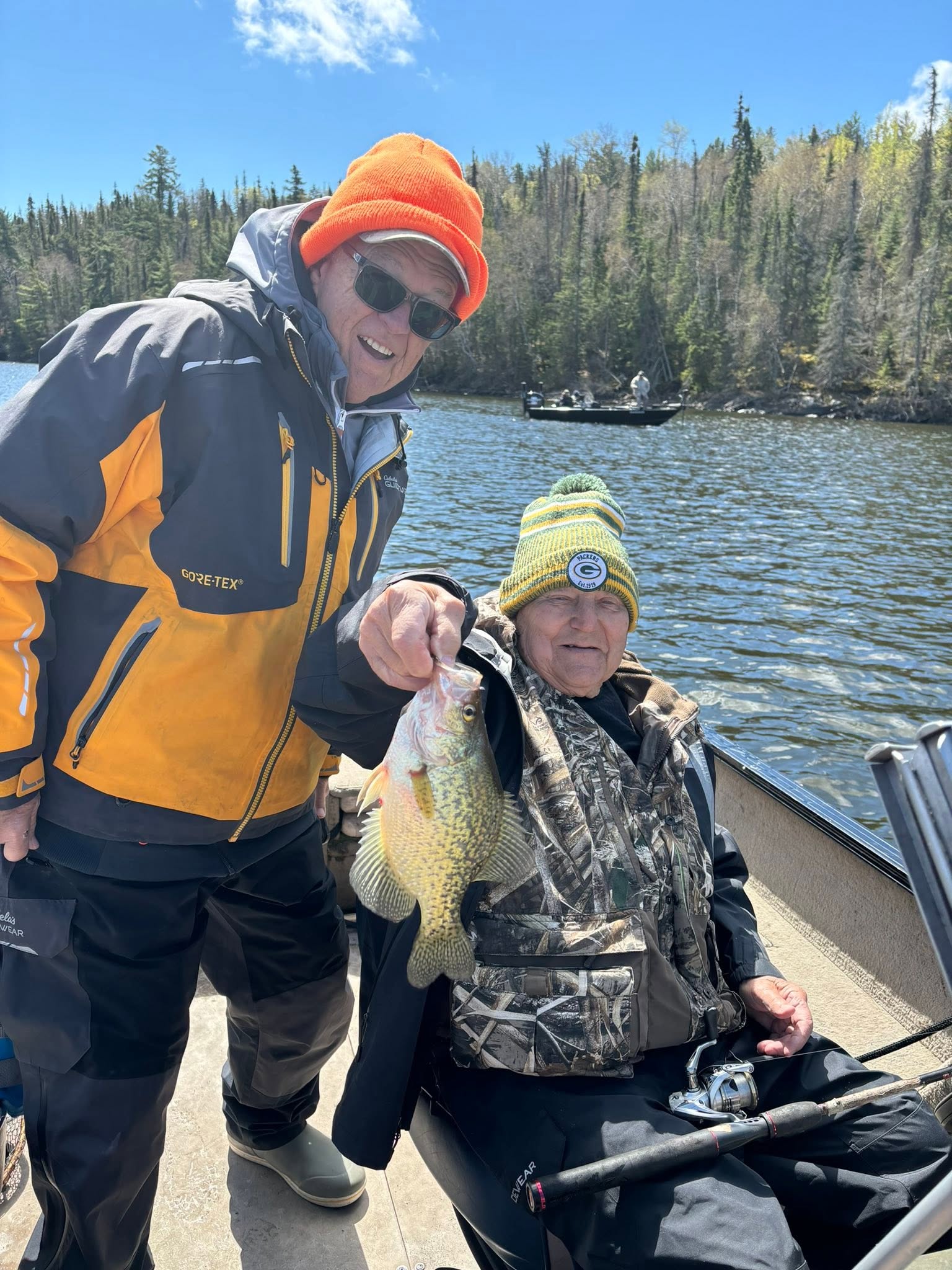
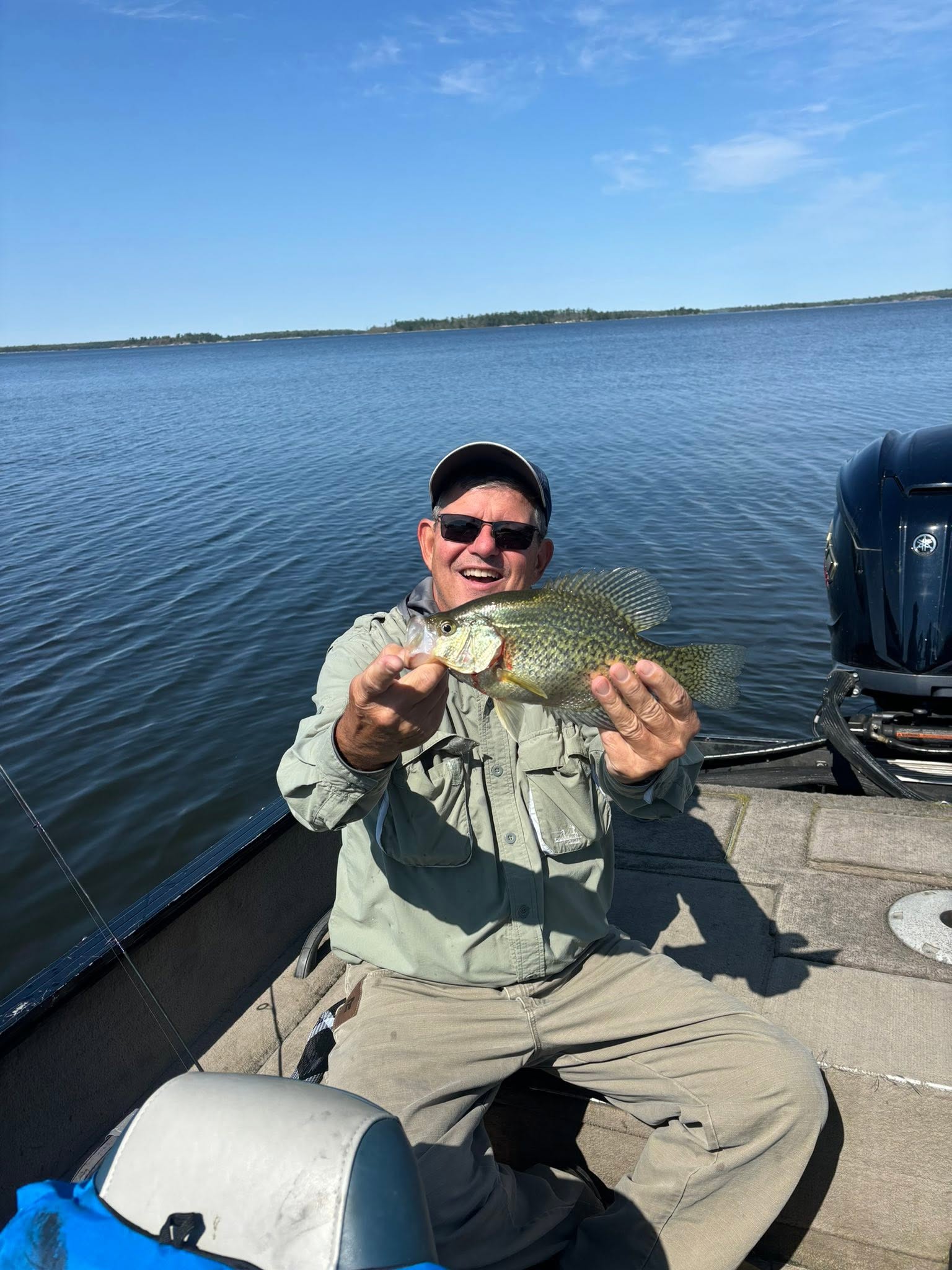
Crappie in these waters are a real treat, especially during their spring spawn when they move shallow and get aggressive. They typically run 10-14 inches here, with some slabs pushing over a pound. Early morning and evening are prime time, and they love structure - fallen trees, dock pilings, and weed edges. What makes crappie fishing so satisfying is their schooling behavior; when you find one, there are usually more nearby. Gerald knows the seasonal patterns and can put you on these paper mouths when they're cooperative.
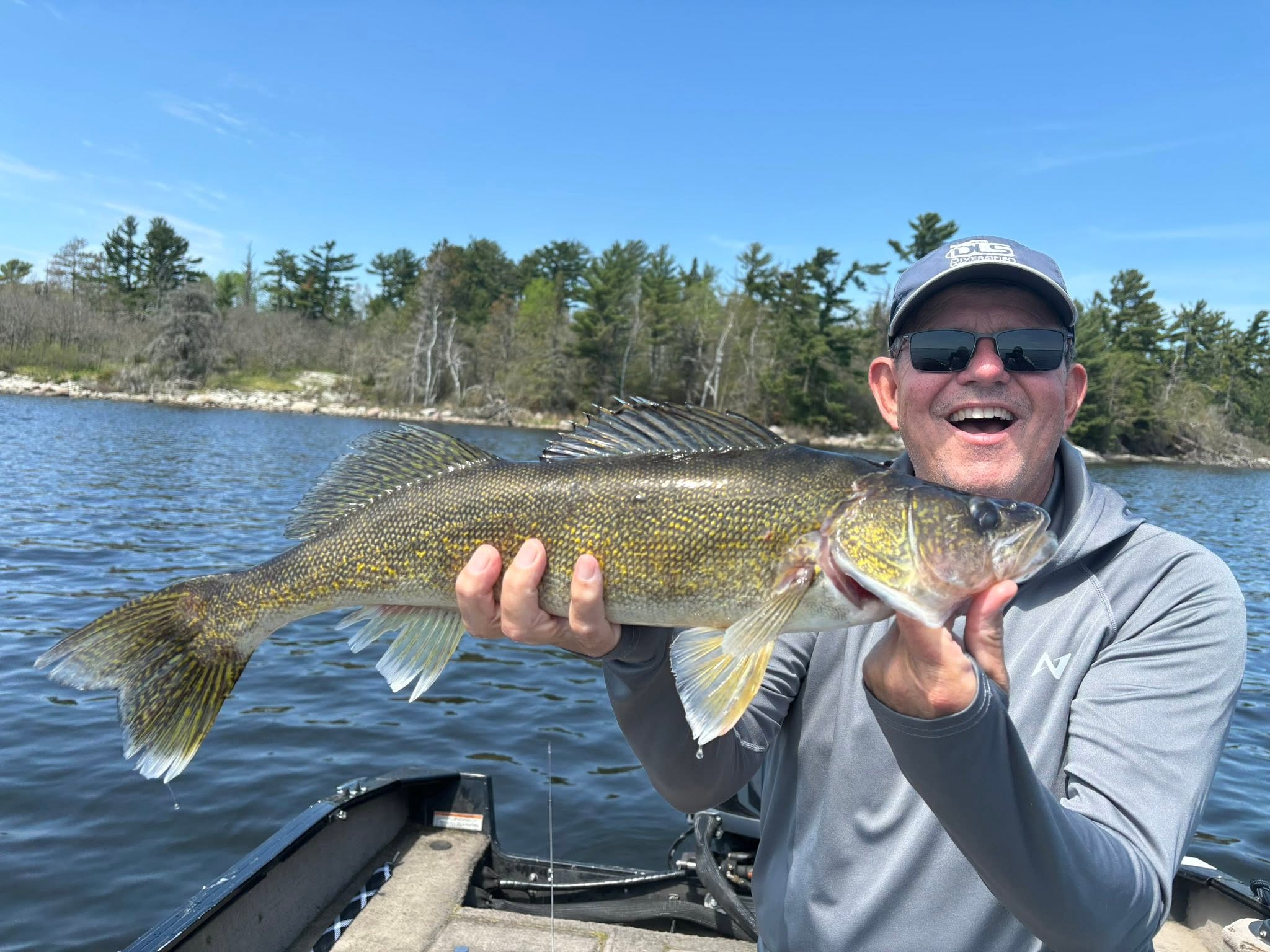
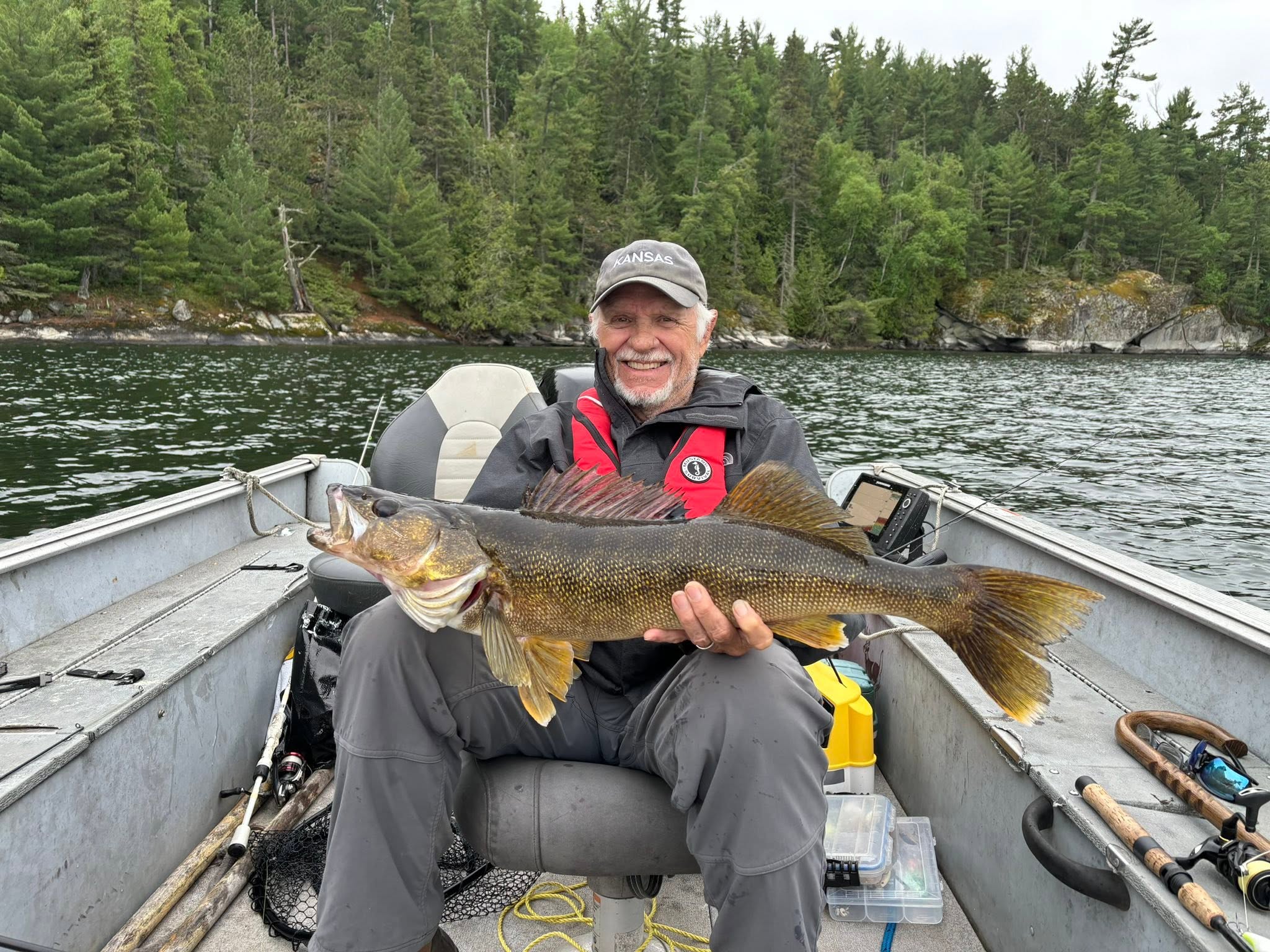
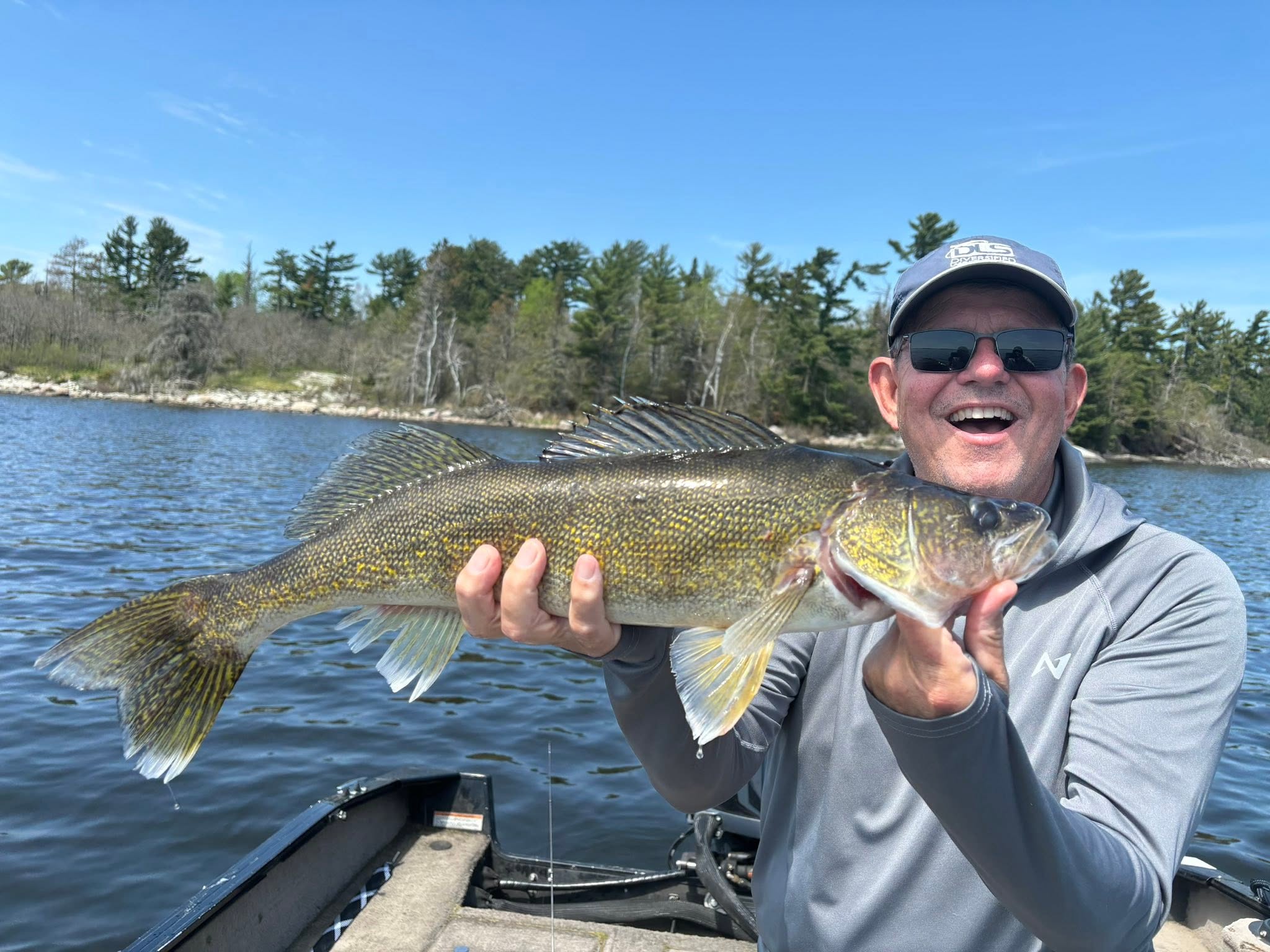
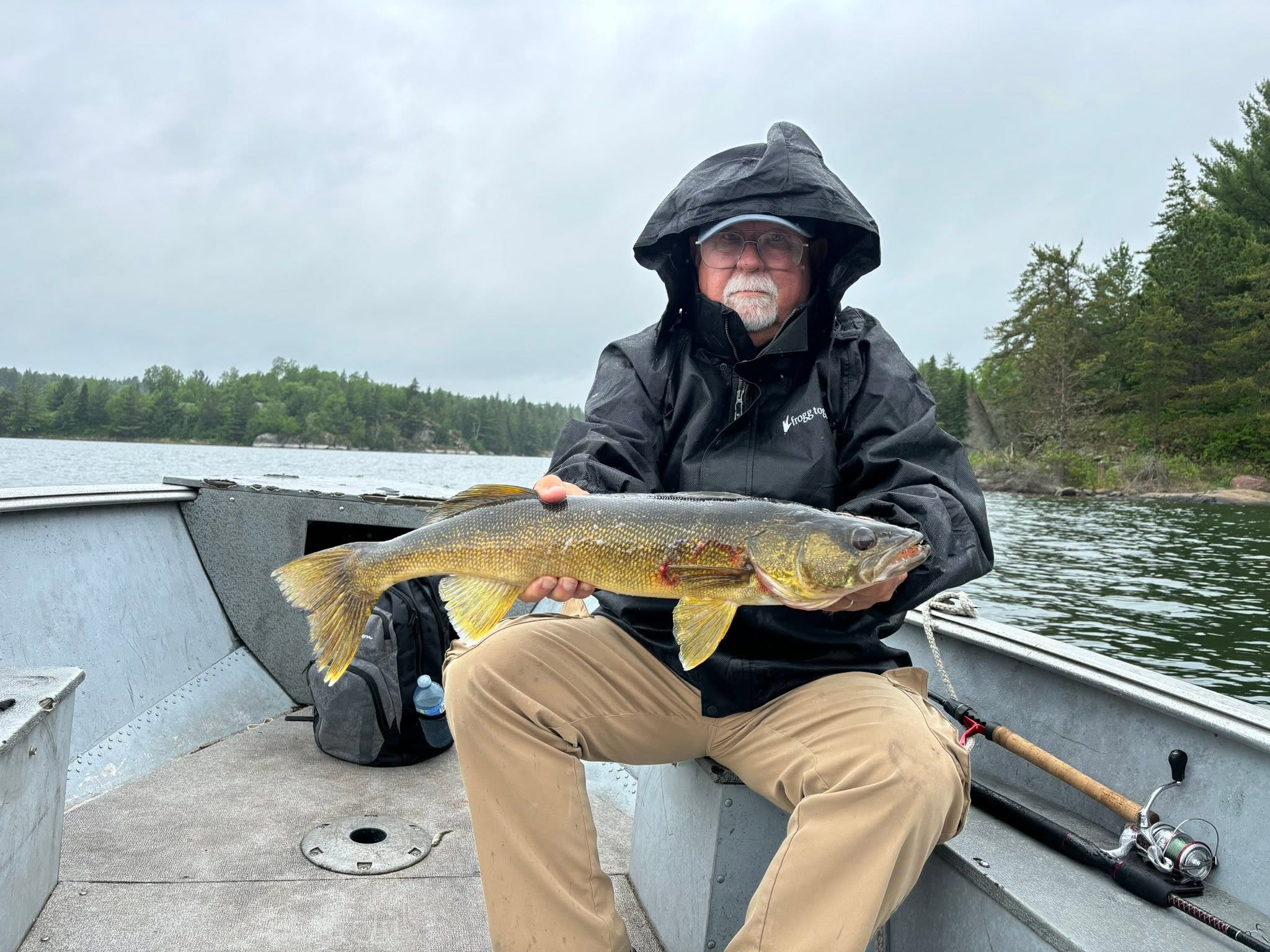
Walleye are the bread and butter of this fishery, and for good reason. These lakes produce consistent fish in the 15-20 inch range, with bigger ones always possible. They're most active during low-light periods - dawn, dusk, and overcast days. Walleye here relate strongly to structure and are often found along drop-offs, rocky points, and weed lines in 12-25 feet of water. They're excellent table fare, and Gerald knows the spots where they congregate seasonally.
Smallmouth bass in Nestor Falls and Crow Lake are scrappy fighters that make every hookup exciting. The rocky structure and clear water create perfect smallmouth habitat, and fish in the 2-4 pound range are common. They're most aggressive in warmer months and love rocky points, shoals, and areas where the bottom transitions from sand to rock. These fish fight harder than their size suggests and are a blast on lighter tackle.
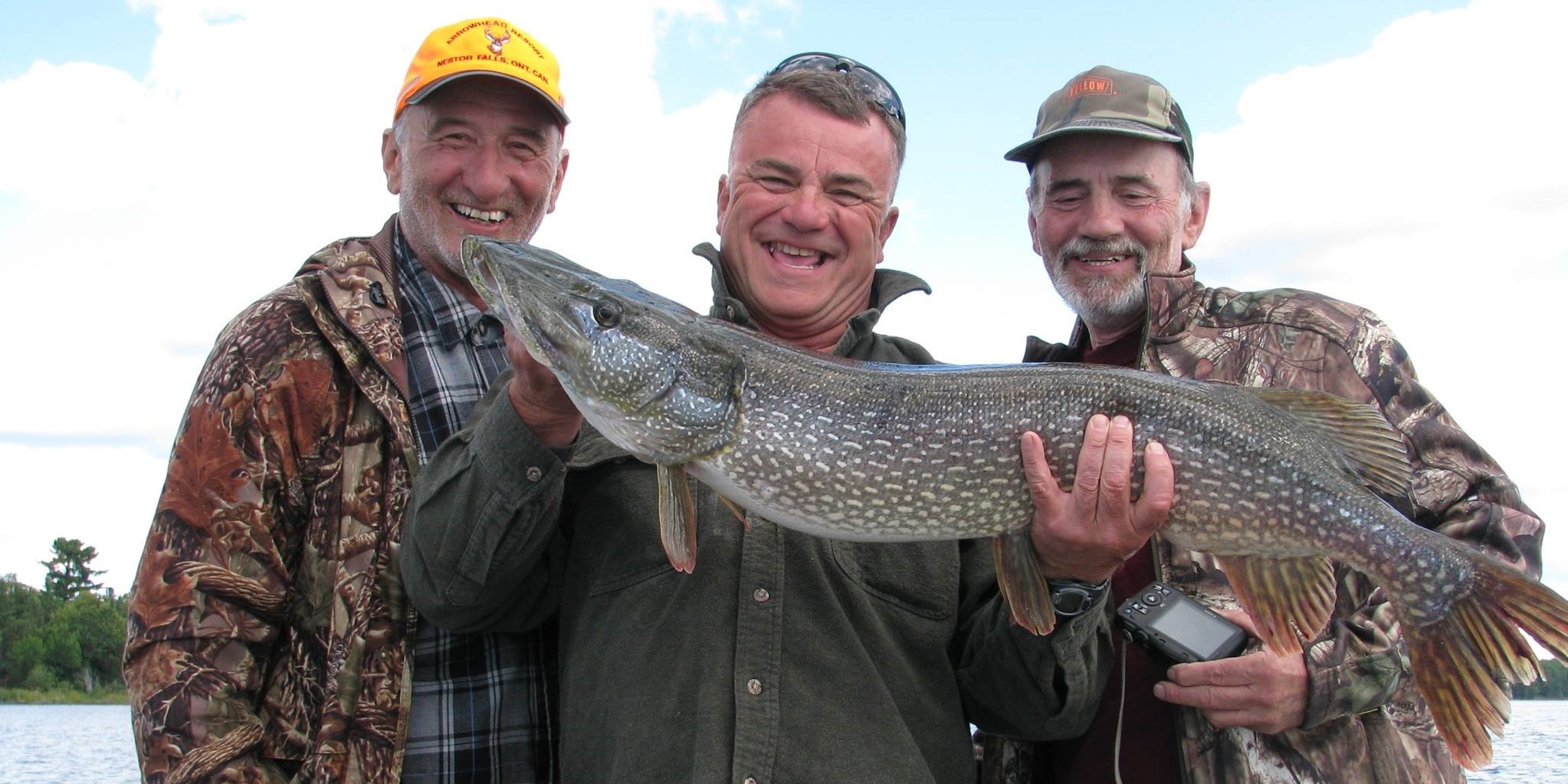
Northern pike are the opportunistic predators of these lakes, lurking in weed beds and shallow bays waiting to ambush prey. They can range from smaller hammer handles to true giants over 40 inches. Pike are active throughout the season but really turn on during cooler months. They're explosive when they strike and provide some of the most exciting moments of any fishing trip. Gerald knows the weedy bays and structure where these toothy predators hang out.
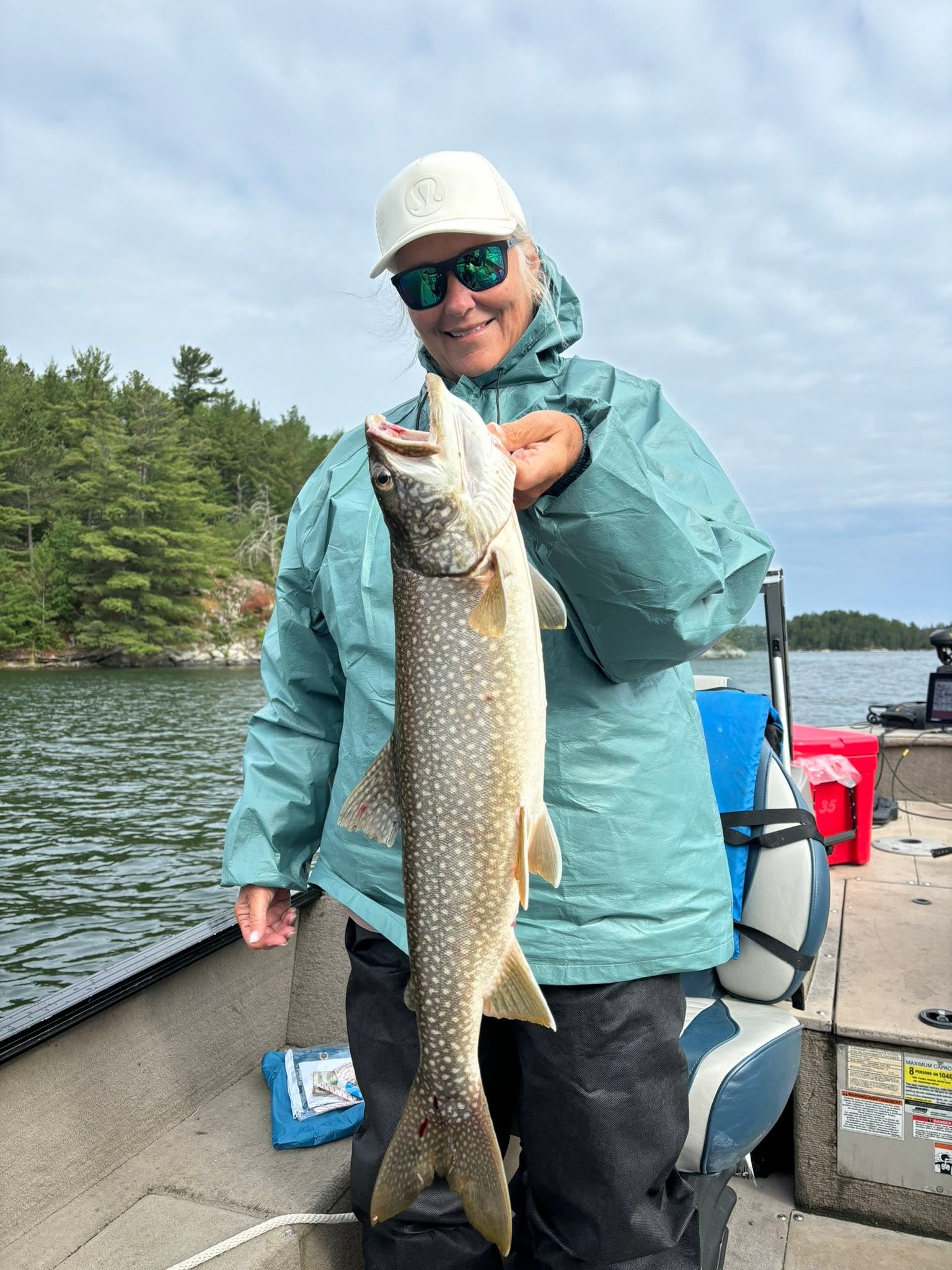
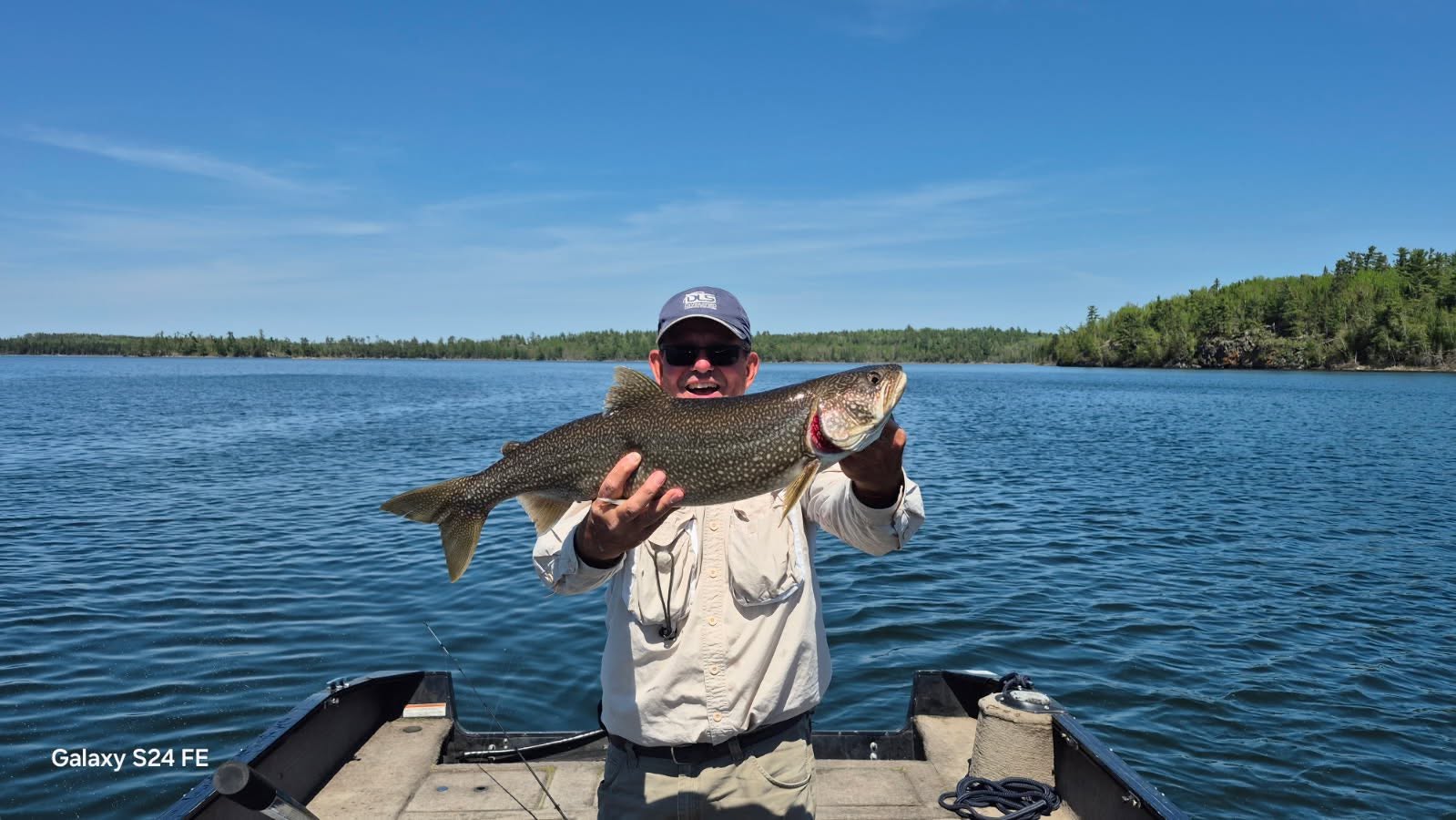
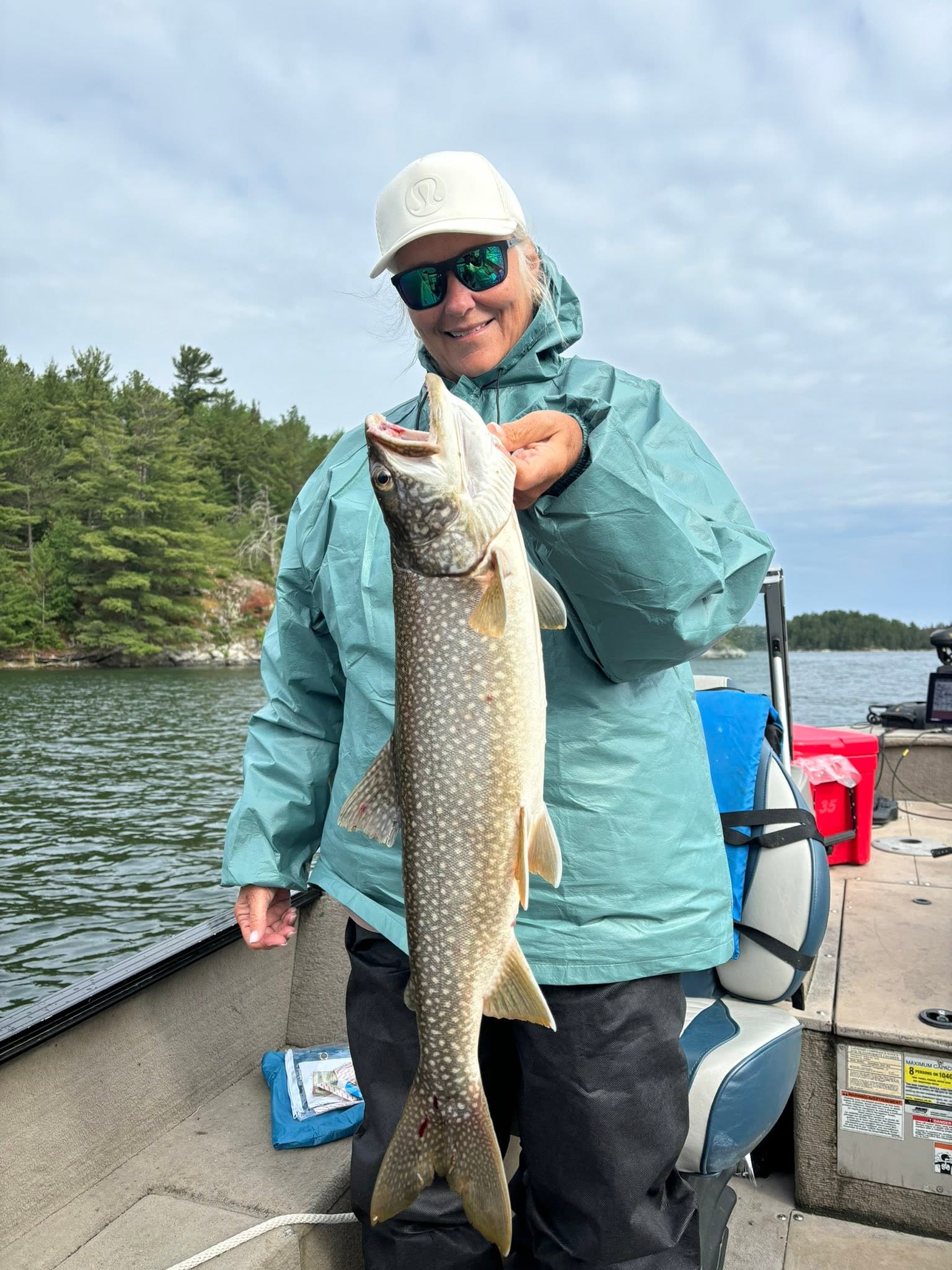
Lake trout offer a completely different fishing experience, living in the deeper, cooler parts of these lakes. They're typically found in 40+ feet of water during warmer months, though they can be caught shallower in spring and fall. These native fish are strong fighters and can reach impressive sizes. Lake trout fishing requires patience and the right techniques, but Gerald's local knowledge makes all the difference in connecting with these cold-water natives.
Time to Book Your Spot
Eight hours on the water with Gerald gives you a real taste of what makes this part of Ontario such a renowned fishery. You're not just paying for a boat ride - you're getting decades of local knowledge, proven techniques, and access to spots that produce consistently. Whether you're looking to learn new techniques, catch your next personal best, or just spend a quality day on the water, this trip delivers. The variety of species keeps things interesting all day, and Gerald's relaxed approach means you'll actually enjoy the experience rather than feeling pressured to perform. Book your spot and see why anglers keep coming back to fish these productive waters with First Nation Guides.
 Private Trip
 Lakes/Reservoirs/Ponds Fishing
 Ontario


 Full-day guided fishing with experienced local guide Gerald Arch