Half Day Fishing Trip - St. Petersburg, FL
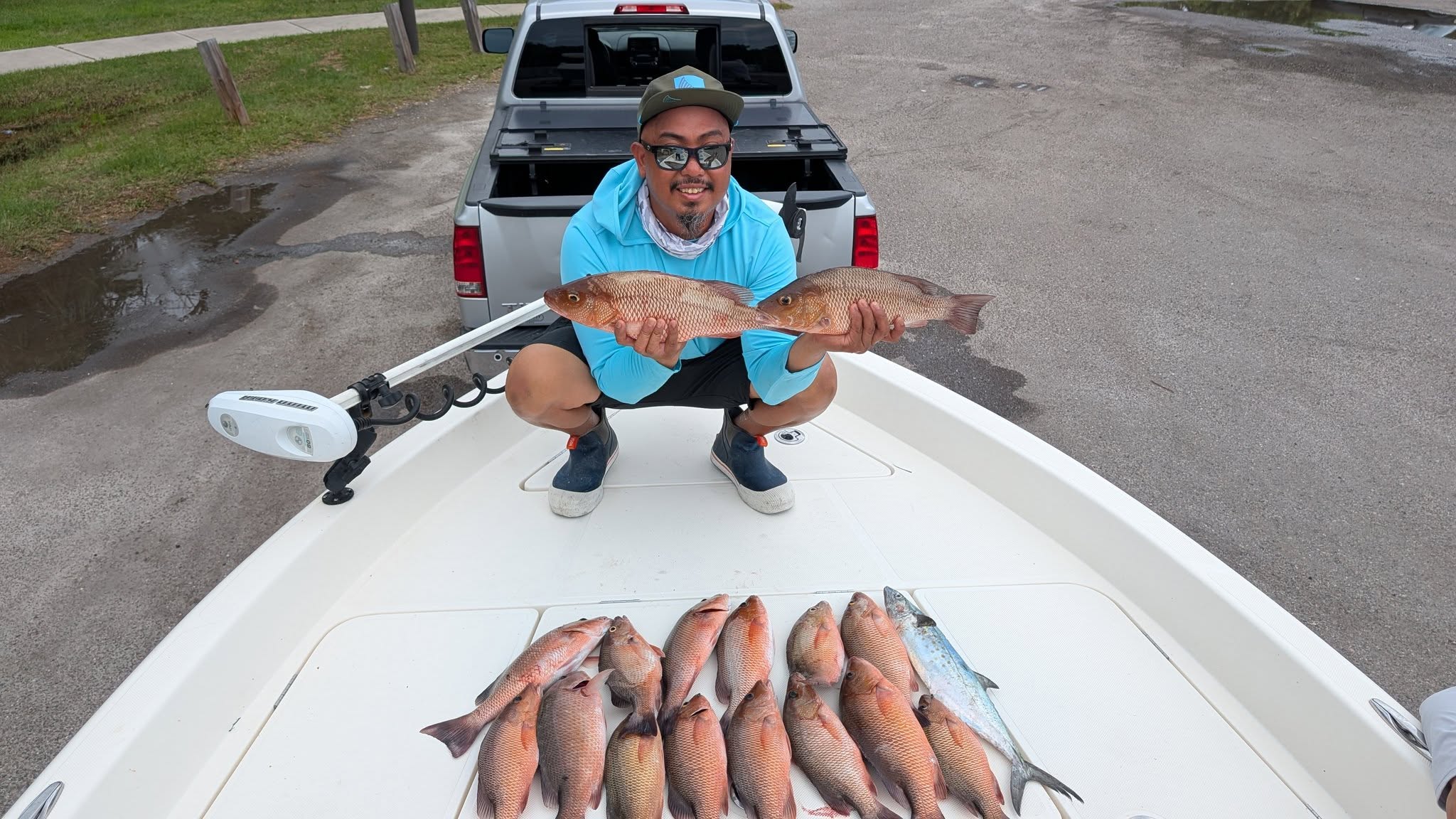
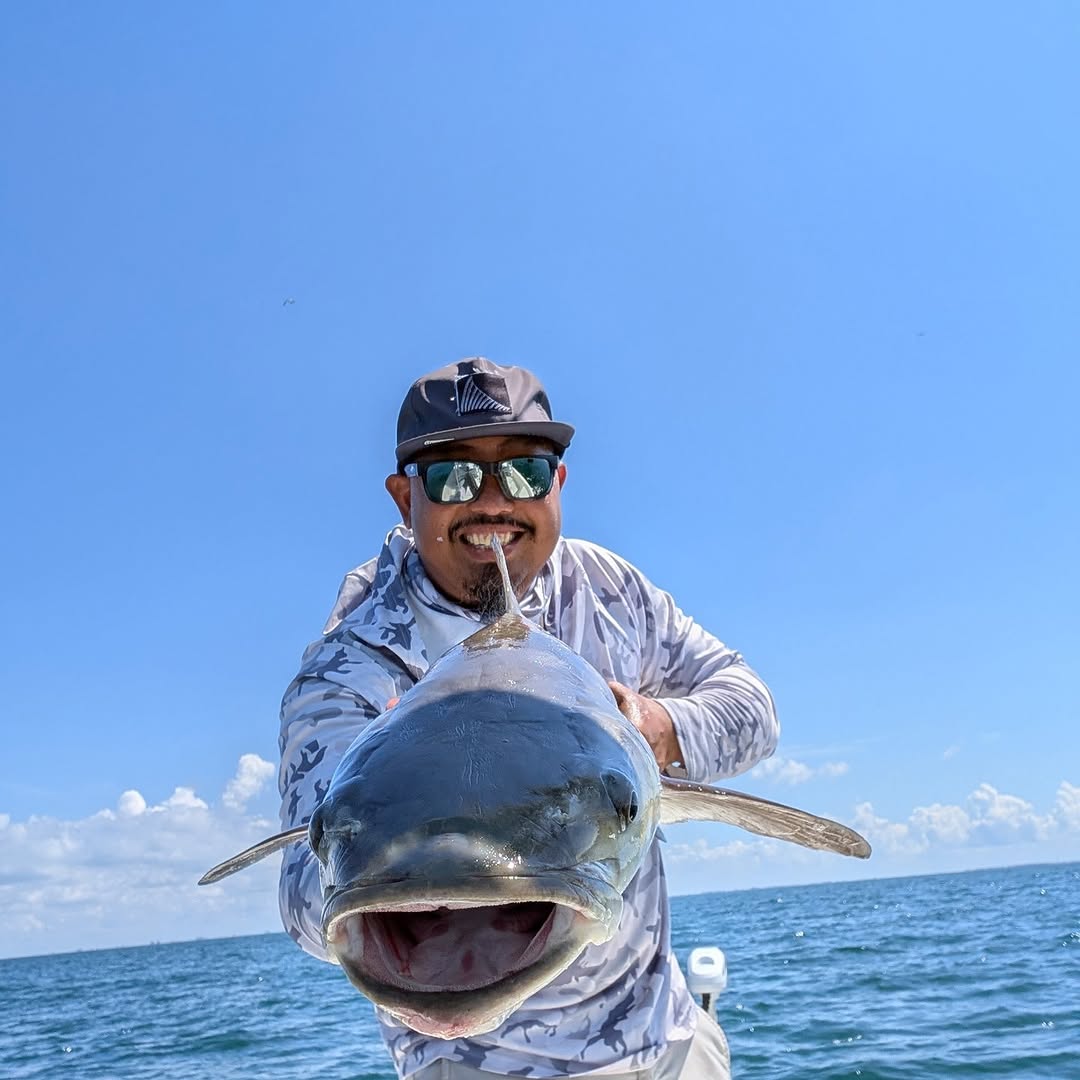
Captain Jordan Buendia knows these St. Petersburg waters like the back of his hand, and he's ready to put you on fish during this action-packed 4-hour inshore adventure. Launching from Maximo Boat Ramp, you'll hit the productive flats, channels, and nearshore waters around Tampa Bay where the fish are biting and the scenery never gets old. This top-rated morning trip works perfectly whether you're a complete beginner or you've been wetting lines for decades. With just 2 anglers max, you'll get the personal attention that makes all the difference between going home empty-handed and landing the fish of a lifetime. Captain Jordan's local knowledge and patient teaching style have made this charter a customer favorite for families and serious anglers alike.
What to Expect on the Water
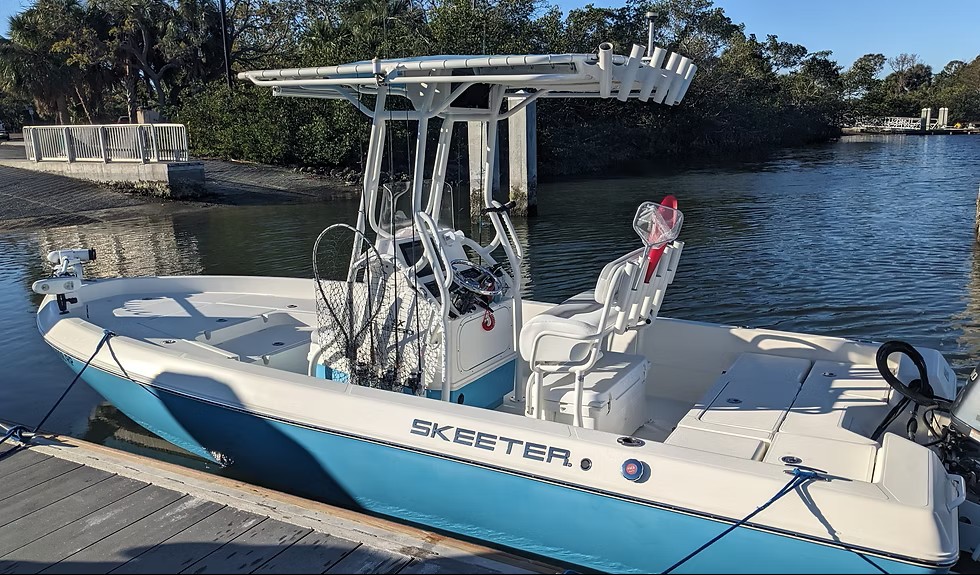
Your day starts early at Maximo Boat Ramp, where Captain Jordan will have the boat rigged and ready to roll. The beauty of inshore fishing around St. Pete is the variety – one minute you're working the grass flats for redfish, the next you're drifting structure for sheepshead. The captain reads the conditions daily and adjusts the game plan accordingly. Maybe the tide's perfect for working the mangrove shorelines, or perhaps the bait schools are thick on the flats. Either way, you're in for steady action in some of the Gulf Coast's most productive waters. The relaxed pace means plenty of time to soak in the Florida sunshine while waiting for that rod tip to bend. Captain Jordan keeps things fun and educational, sharing stories about the local fishery and helping you understand what makes these waters so special.
Techniques & Tackle
Inshore fishing in Tampa Bay is all about matching your approach to the conditions and target species. Captain Jordan comes equipped with light tackle spinning gear that's perfect for the mix of species you'll encounter. Depending on what's biting, you might be throwing live shrimp under popping corks for sea trout, sight-fishing redfish with soft plastics on the flats, or bottom fishing with cut bait around structure for sheepshead and black drum. The water depths range from super shallow flats where you can see the grass bottom to channels dropping 15-20 feet. Live bait often produces the most consistent action, but don't be surprised if the captain breaks out some artificial lures when the fish are aggressive. The key is staying versatile and letting the fish tell you what they want. Captain Jordan handles all the rigging and re-baiting, so you can focus on the fun part – fighting fish.
Species You'll Want to Hook
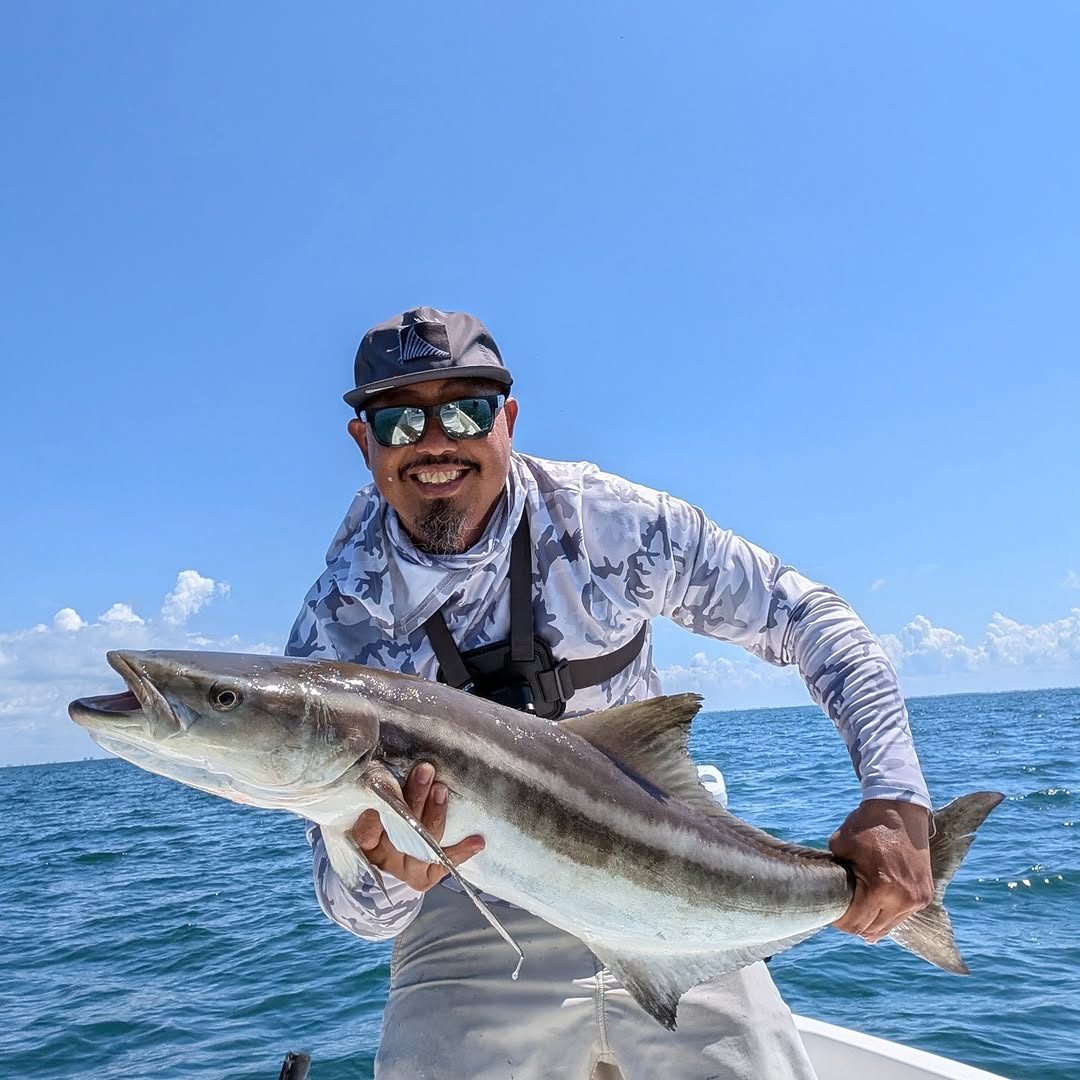
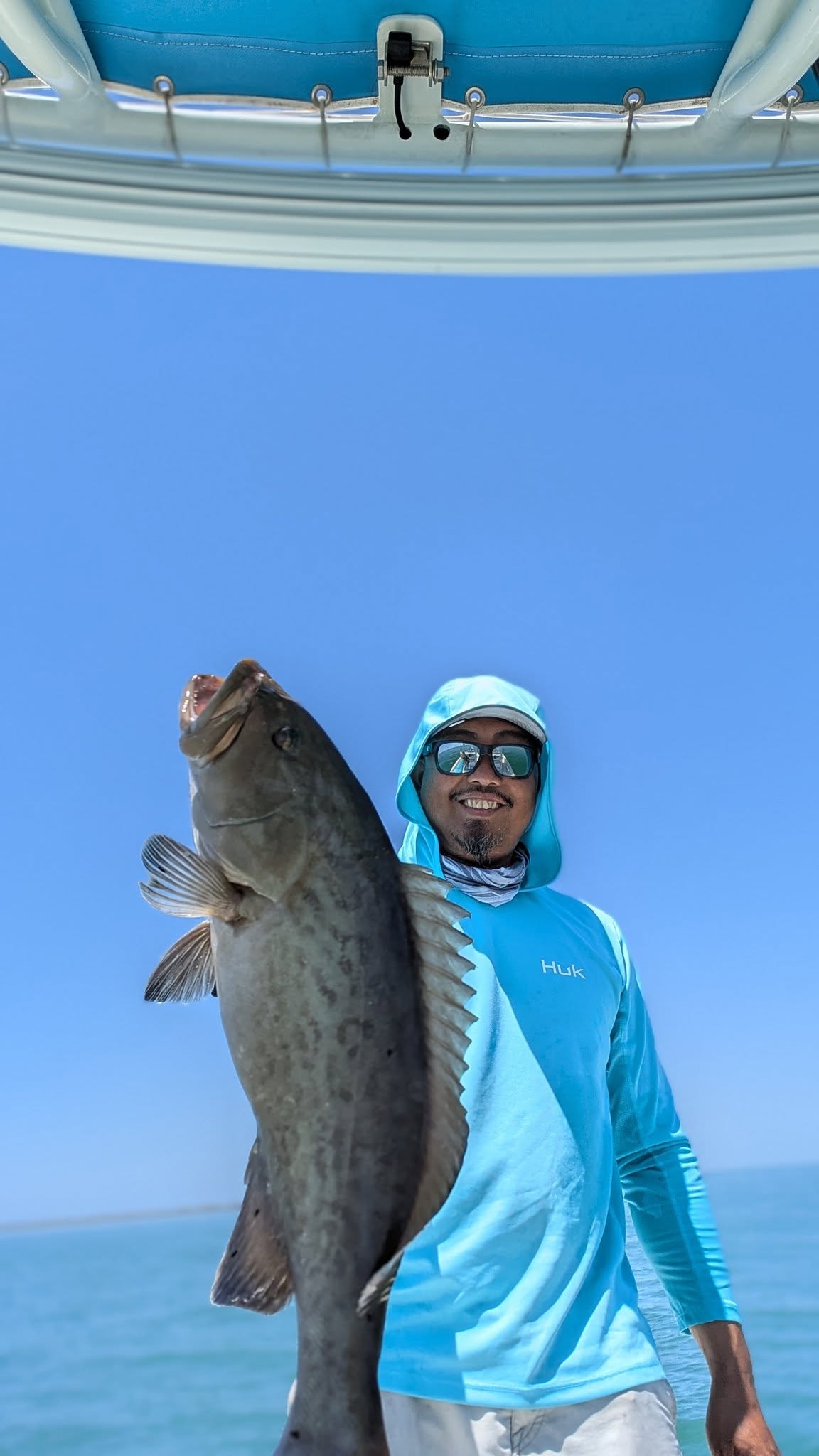
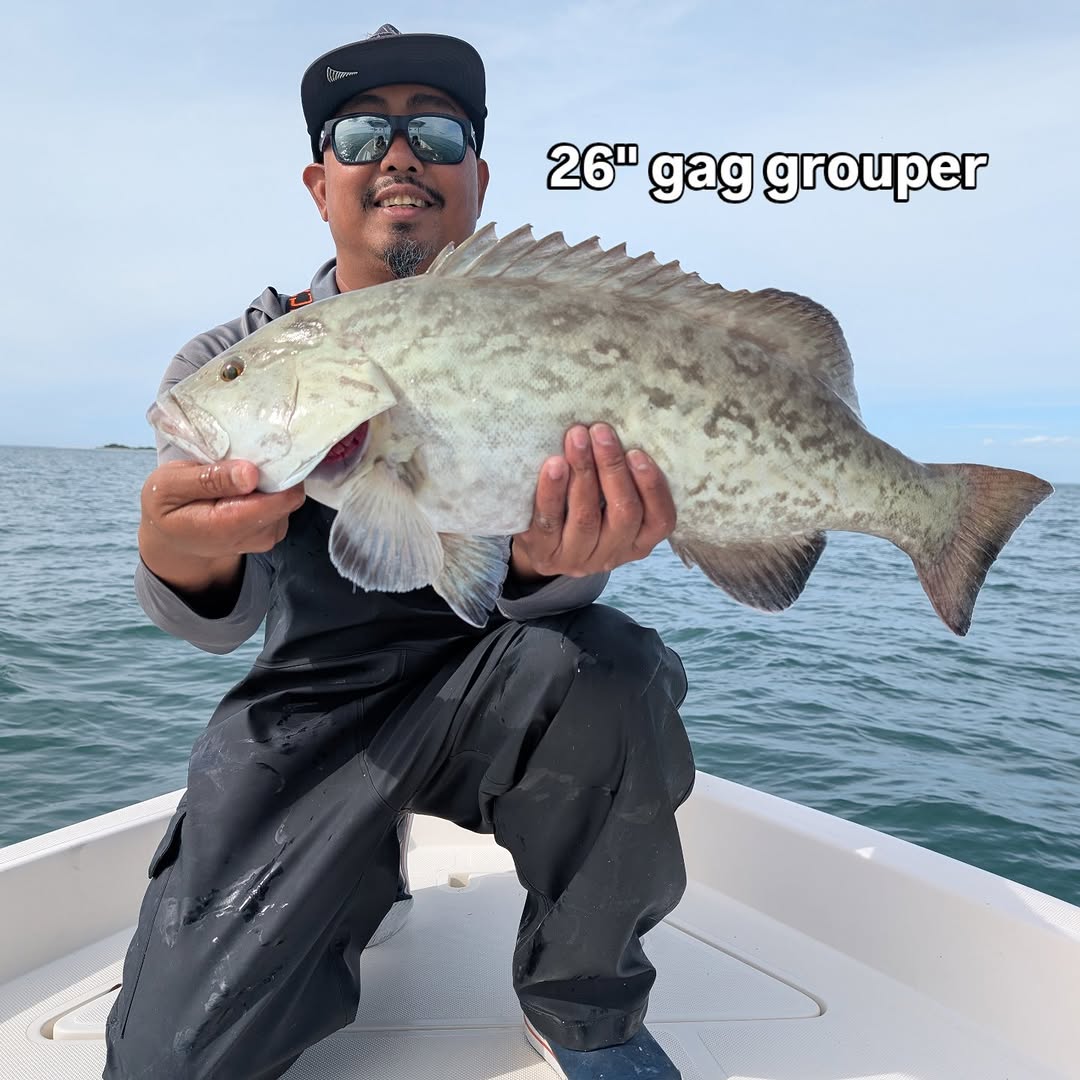
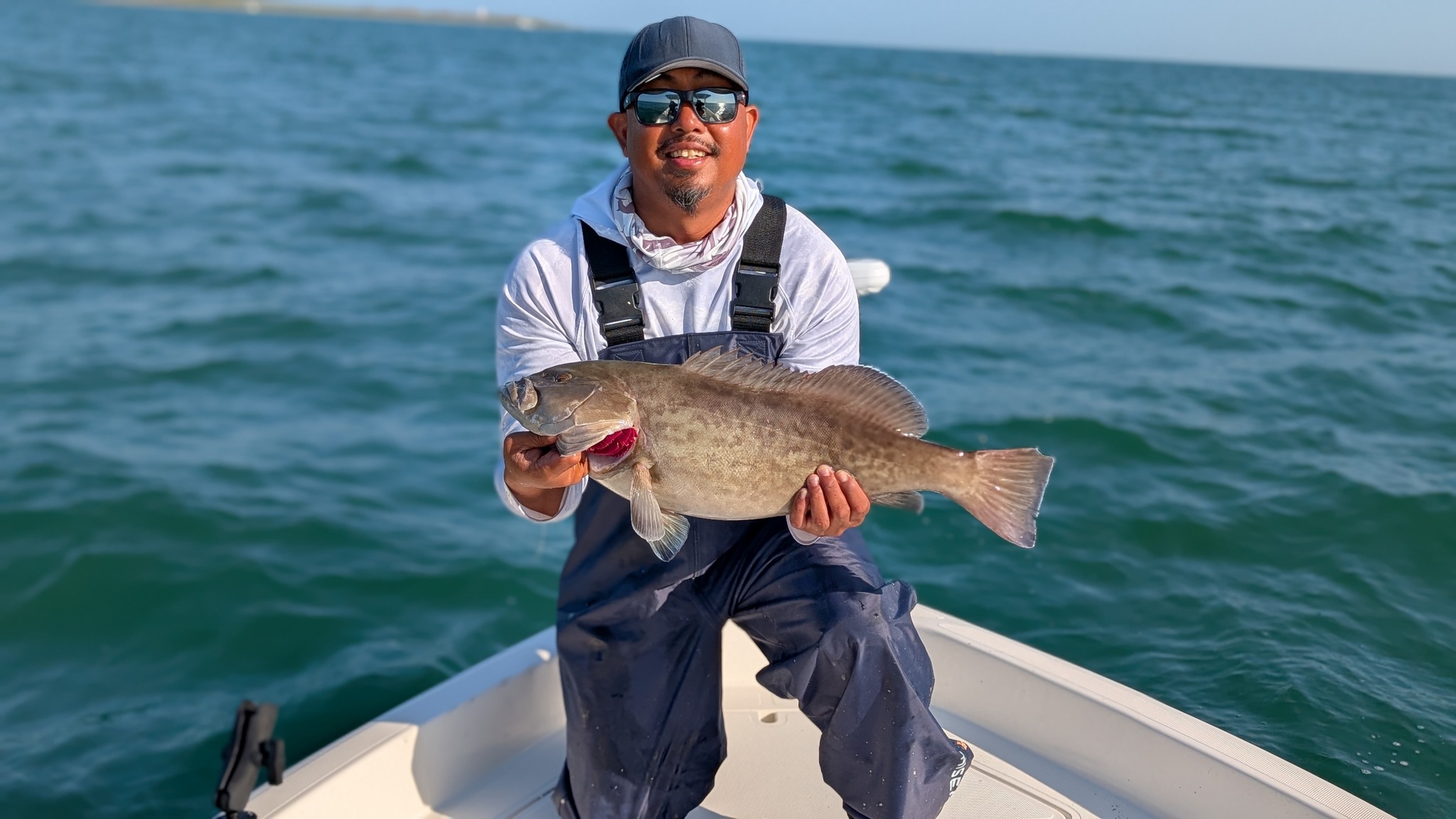
Gag grouper are the bruisers of the bunch, and when you hook into one of these reef dwellers, you'll know it immediately. They hit hard and dive straight for cover, testing your drag and your patience. In St. Petersburg waters, gags typically range from keeper-sized fish around 24 inches up to true giants pushing 30-plus pounds. Late fall through early spring offers the best shots at these world-class fighters, especially around hard bottom and structure in 20-40 feet of water. What makes gag grouper so exciting is their unpredictability – they might slam a live pinfish one minute or ignore everything you throw at them the next.
Snook are the crown jewel of Florida inshore fishing, and Tampa Bay holds some true giants. These ambush predators love hanging around docks, mangroves, and bridge pilings where they can dart out to crush unsuspecting baitfish. A slot-sized snook in the 28-32 inch range puts up an amazing fight with multiple jumps and powerful runs. The warmer months from May through September offer the most consistent snook action, though these fish can be caught year-round in St. Pete's temperate waters. Their distinctive black lateral line and razor-sharp gill plates make them unmistakable, and their table fare is second to none when they're in season.
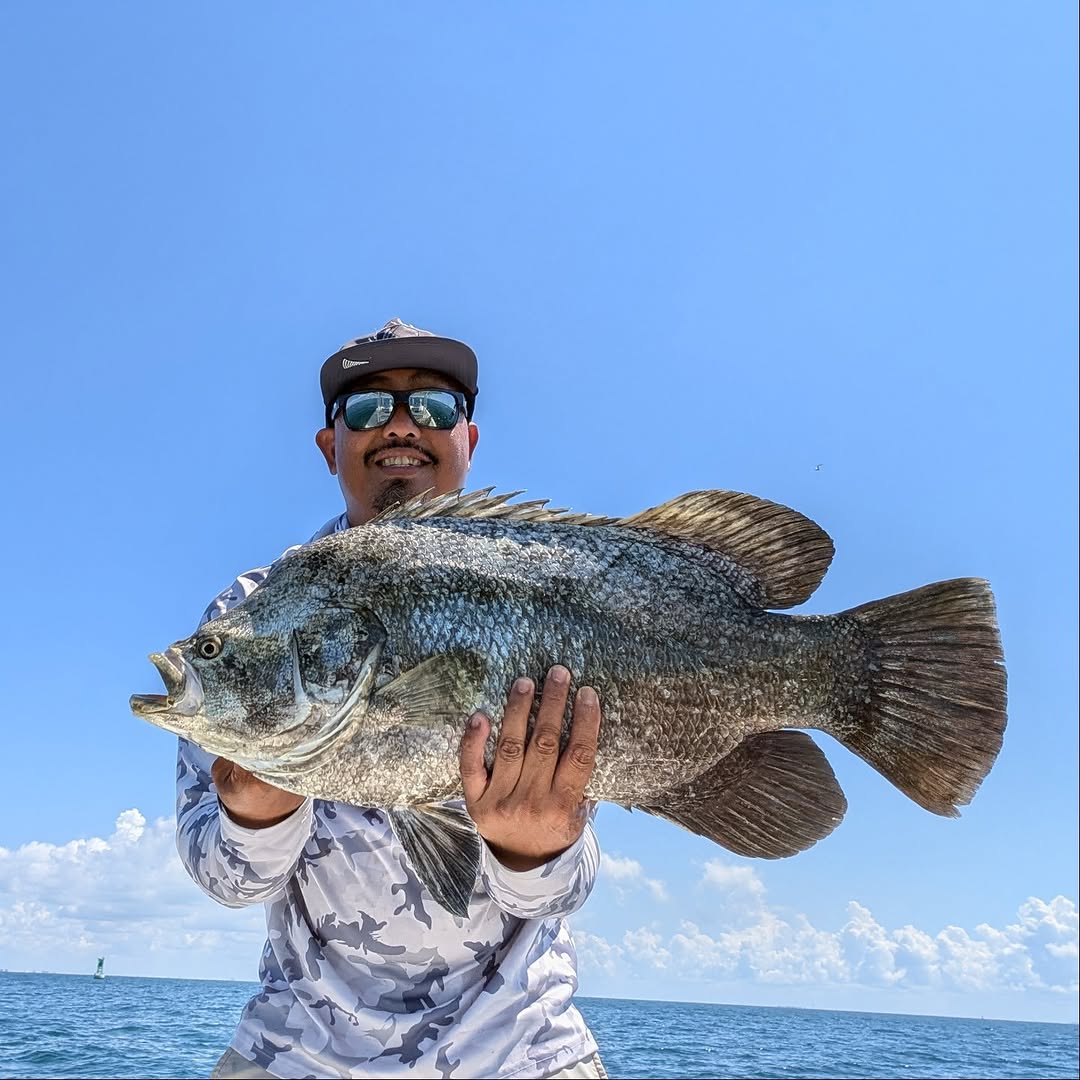
Sheepshead fishing requires finesse and patience, but these black-and-white striped convicts are worth the effort. Known for their human-like teeth and bait-stealing abilities, sheepshead hang around structure where they feed on barnacles, oysters, and crabs. Winter months from December through March bring the best sheepshead fishing as they school up for spawning. A 3-4 pound sheepshead might not sound huge, but they fight harder than fish twice their size and make excellent table fare. The trick is using small hooks, light line, and being ready to set the hook at the slightest tick.
Sea trout are the bread and butter of Tampa Bay fishing, providing consistent action throughout the year. These spotted beauties patrol the grass flats and can be caught on everything from live shrimp to topwater plugs. Spring and fall offer the best chances at trophy-sized gator trout over 24 inches, while the summer months provide steady action on keeper fish. What makes sea trout special is their willingness to bite and their acrobatic fights. They're perfect for beginners learning to fish, but big trout will humble even experienced anglers. The distinctive canine teeth and spotted pattern make them easy to identify.
Redfish are the ultimate inshore game fish, combining size, strength, and stunning copper-bronze coloration. Tampa Bay's reds range from schooling rat reds around 16-20 inches up to bull reds exceeding 30 pounds. These drum family members are most active during moving tides and can be sight-fished on shallow flats or caught blind-casting around oyster bars and mangroves. Fall months bring the best big red action as mature fish move toward the passes for spawning. The distinctive black spot near their tail and their bulldogging fight style make every redfish encounter memorable. They're also excellent eating when harvested within the slot limit.
Time to Book Your Spot
Captain Jordan's half-day trips fill up fast, especially during peak season when the fishing is hot and the
 Private Trip
 Inshore Fishing
 undefined, undefined


 Four-hour inshore fishing trip targeting redfish and sea trout.