Cape Coral Inshore Fishing with Captain Todd
When you're looking for a solid day on the water that won't break the bank or overwhelm beginners, Captain Todd Collier's 5-hour inshore trip out of Cape Coral delivers exactly what you're after. This isn't some rushed 3-hour deal where you barely get your lines wet – you've got plenty of time to work different spots, learn some techniques, and actually put fish in the boat. The Gulf Coast waters around Cape Coral are loaded with structure and grass flats that hold serious numbers of redfish, snook, sea trout, and other prime inshore species. Captain Todd knows these waters like his own backyard, and he's got the patience to work with everyone from kids casting their first line to seasoned anglers looking to dial in their technique.
What to Expect on the Water
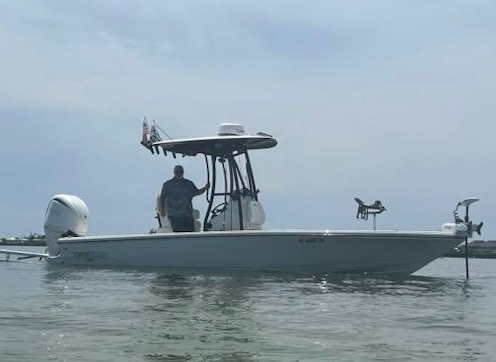
You'll meet Captain Todd at Monroe Canal Marina, where his Pathfinder 2500 Hybrid is rigged and ready to fish. This boat is built for the shallow water game – it'll get you into those skinny flats where the big reds cruise, but it's also stable enough to handle choppier conditions if you need to run out to deeper structure. Everything's included, so don't stress about bringing tackle or buying licenses. Captain Todd runs with live bait when it's available, plus he's always got shrimp, pinfish, and other natural baits that these inshore species can't resist. The trip runs a full 5 hours, which gives you time to hit multiple spots depending on conditions. Maybe you'll start shallow for some morning snook action, then work the grass beds for trout as the sun gets higher. The beauty of inshore fishing is adapting to what the fish are doing, and Captain Todd reads the water better than most.
Live Bait Tactics & Gear Setup
Captain Todd's approach centers around live and natural bait presentations that trigger aggressive strikes from Cape Coral's inshore gamefish. He'll rig you up with circle hooks and just enough weight to keep your bait in the strike zone without spooking fish in shallow water. When the live bait is jumping, you might find yourself fishing with frisky pilchards or pinfish that drive snook and redfish crazy. On days when live bait is tough to come by, fresh shrimp and cut bait work magic around structure. The boat carries quality spinning gear that's perfectly matched to the target species – nothing too heavy that takes the fight out of a nice trout, but strong enough to turn a bull red away from the mangroves. Captain Todd will show you how to read your rod tip for subtle bites, when to set the hook, and how to play fish properly in shallow water where one wrong move can cost you a trophy.
Customer Stories
"Captain Todd Collier is AMAZING! His communication from the time I booked th trip up until day of was exceptional. We had an unbelievable experience with his expertise! He was very knowledgeable and was willing to pass on his wisdom to my boys and me and we had a tremendous day fishing! Put over 50 fish in the boat and even had three hookups with sharks! All in all just a phenomenal day on the water and I highly recommend his services!" - Michael Choy
Species You'll Want to Hook
Snook are the crown jewel of Southwest Florida inshore fishing, and Cape Coral's canals and mangrove shorelines hold some serious fish. These ambush predators love structure – docks, bridges, mangrove overhangs – anywhere they can hide and pounce on unsuspecting baitfish. Snook are most active during warmer months, from spring through fall, though you can catch them year-round in deeper canals. What makes them so special is their explosive strike and bulldog fight. A good snook will make multiple runs, often jumping and gill-rattling to throw your hook. They're also excellent eating when harvested during open season, with firm white meat that's perfect on the grill.
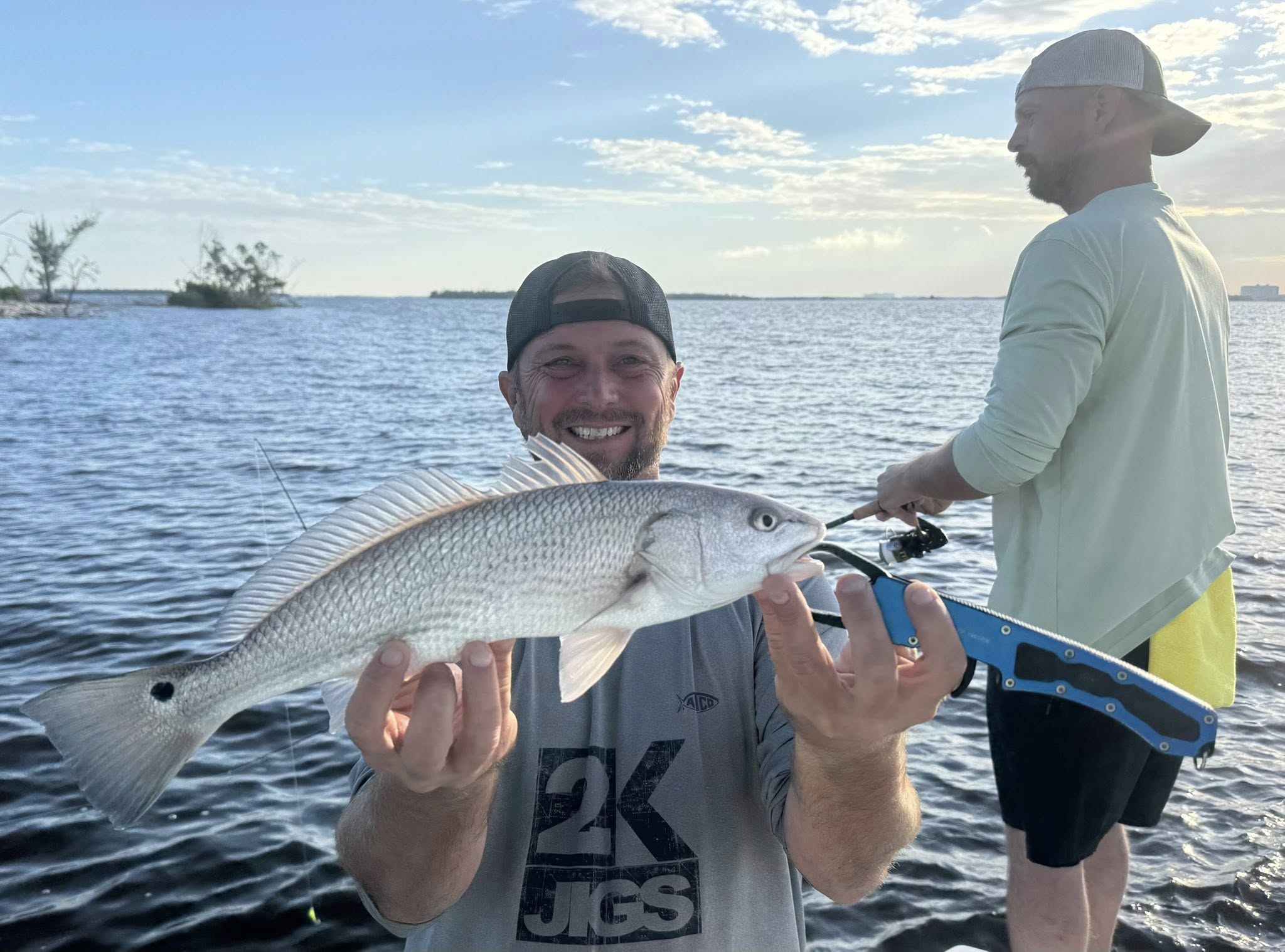
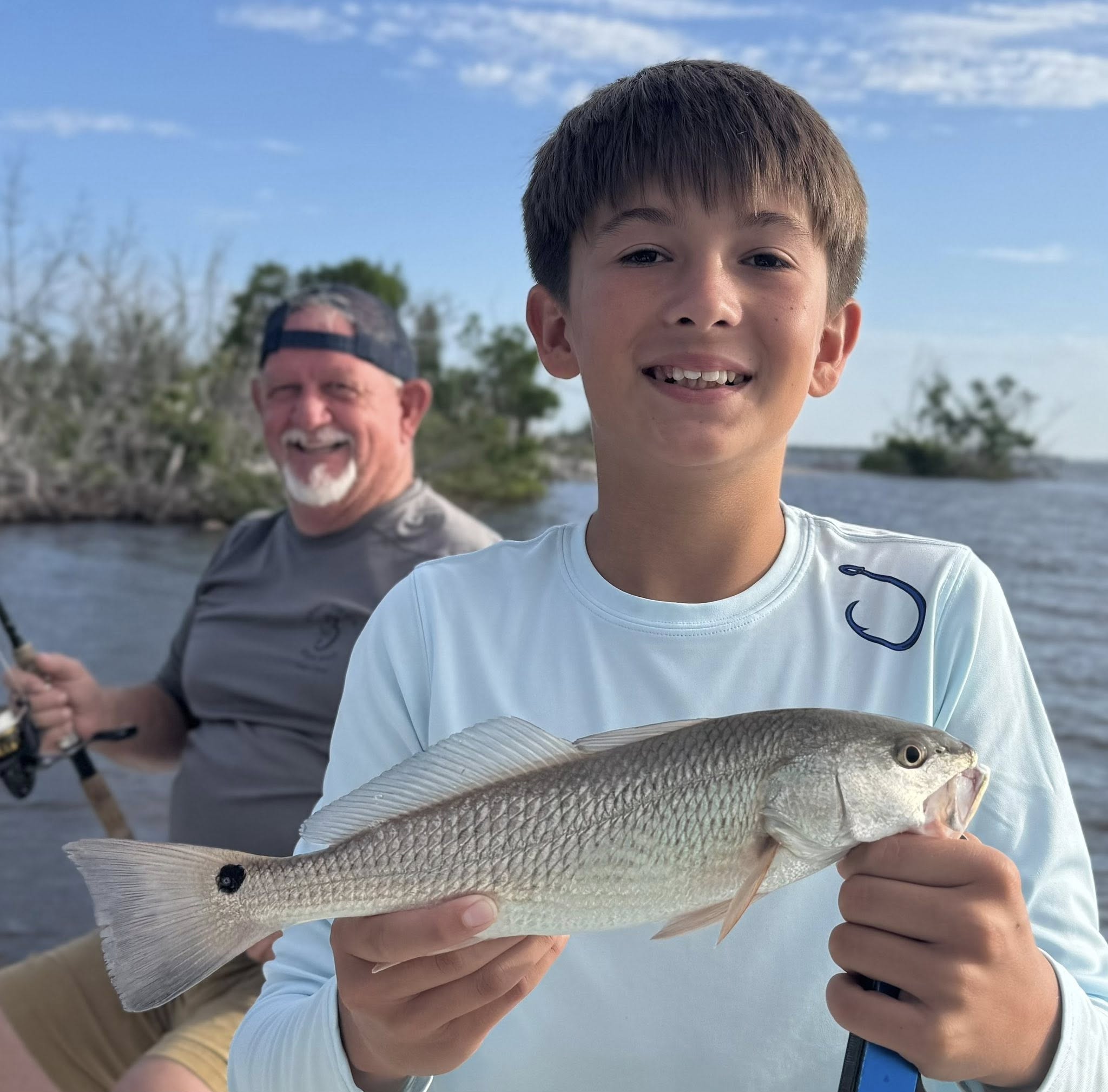
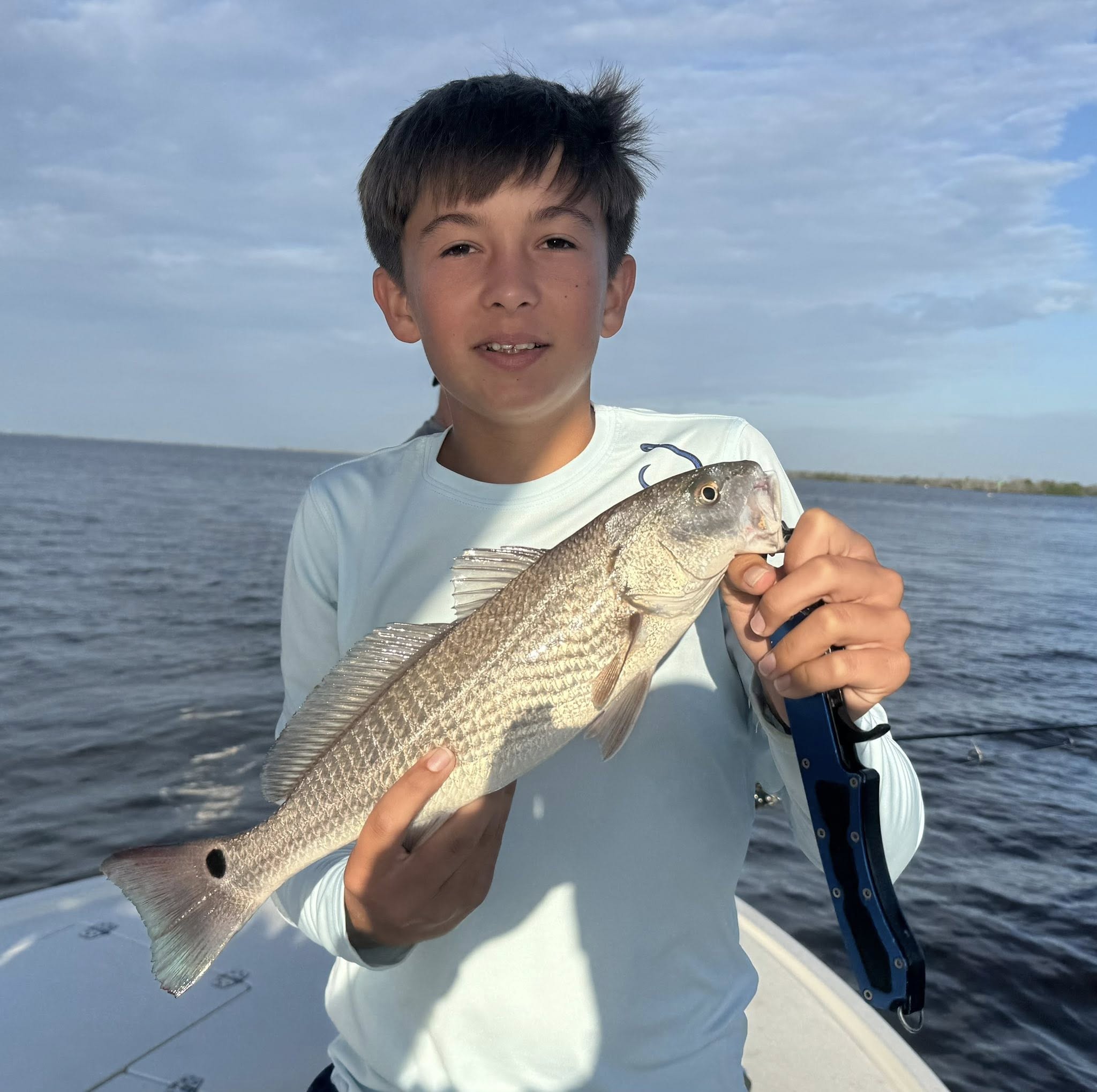
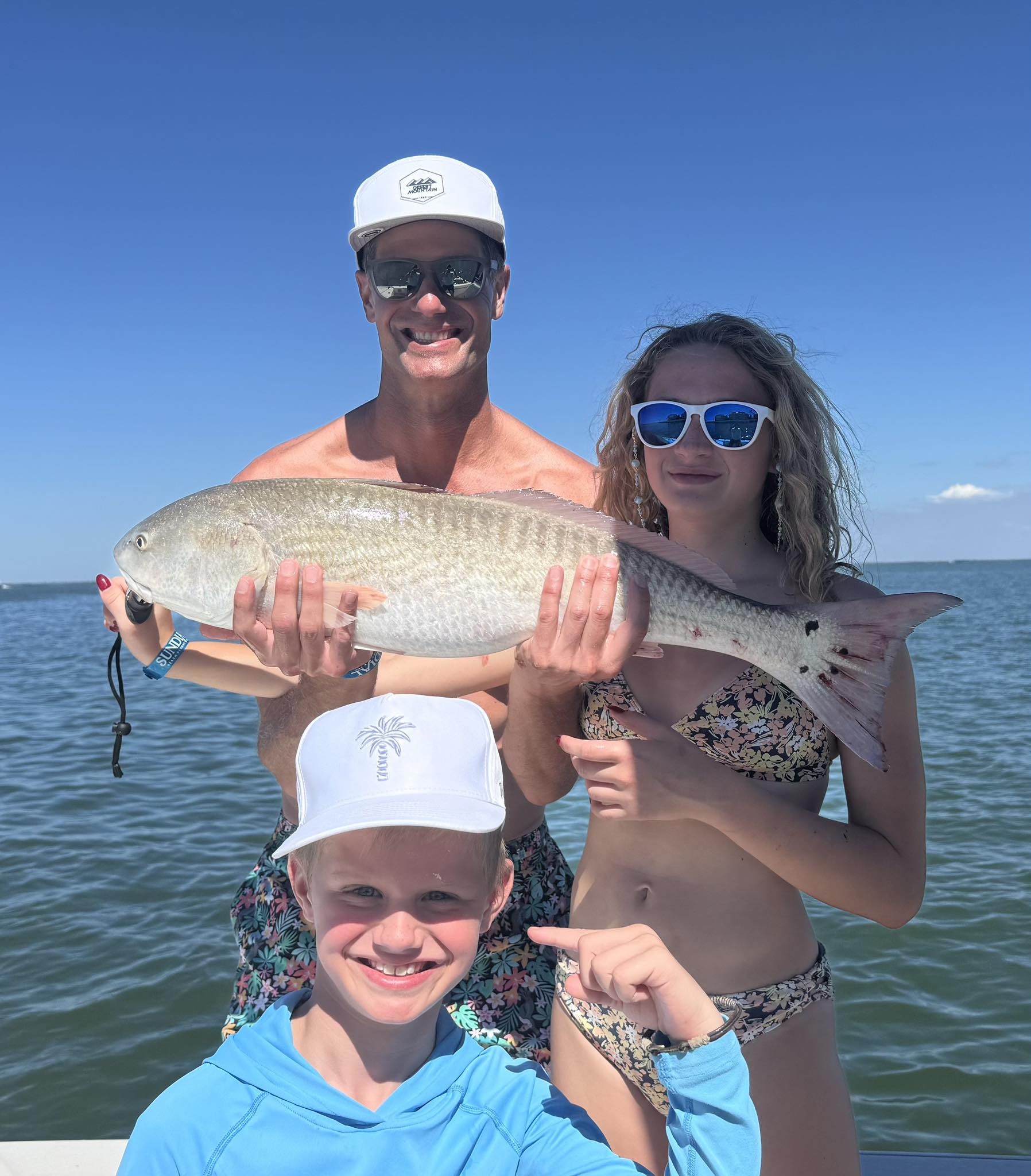
Redfish, or red drum, are the bread and butter of inshore fishing around Cape Coral. These copper-colored bruisers cruise the grass flats and oyster bars in schools, often with their backs out of water as they root around for crabs and shrimp. Reds fight like freight trains – long, powerful runs that test your drag system and your arms. They're active year-round, though spring and fall offer the best action when they're feeding heavily. The slot-size fish (18-27 inches) are fantastic table fare, while the oversized "bull reds" over 27 inches are catch-and-release only. Either way, hooking into a red drum is always a highlight of any inshore trip.
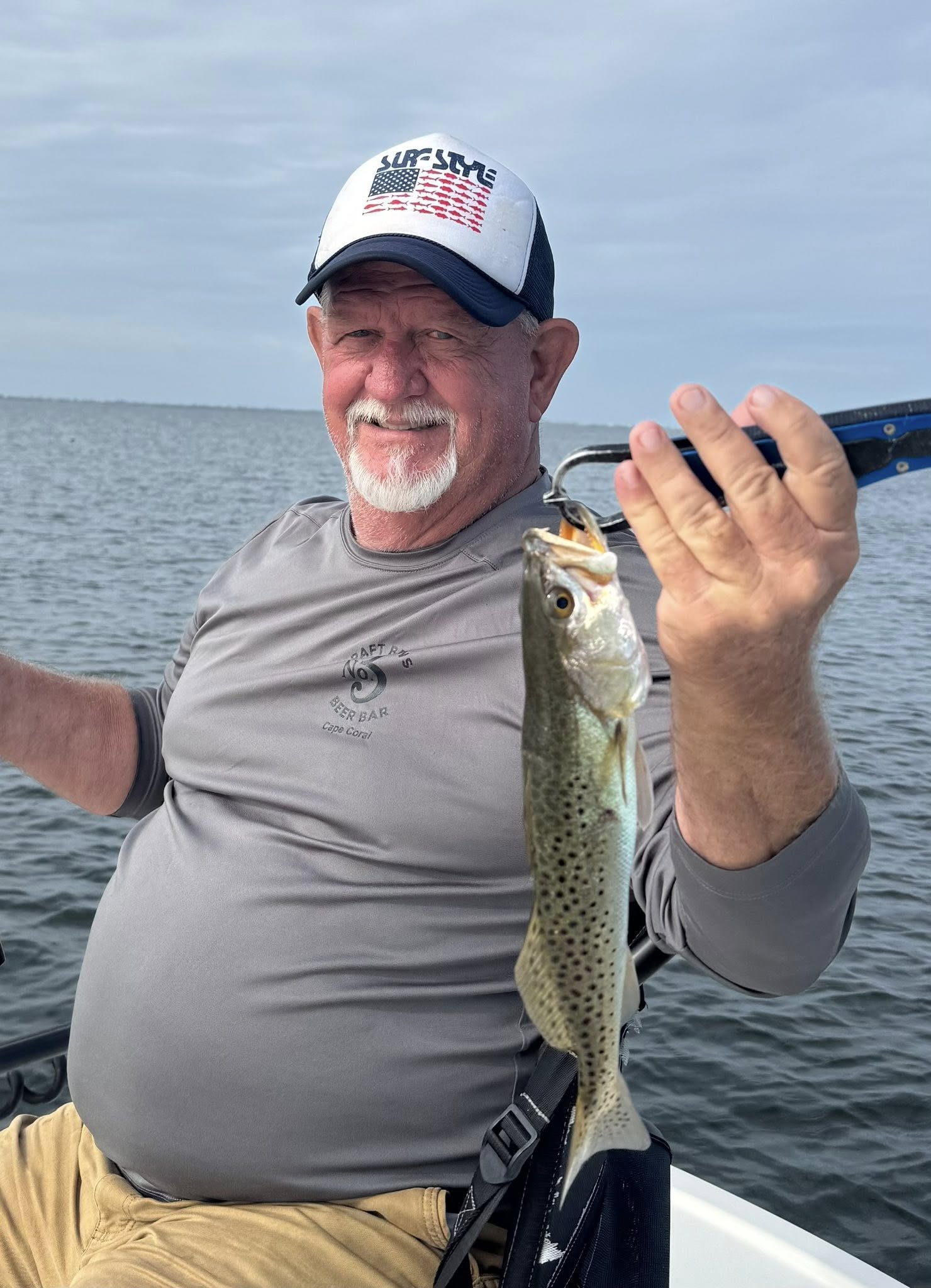
Sea trout, particularly spotted seatrout, are abundant in Cape Coral's grass beds and provide consistent action when other species are being finicky. These beautiful fish have prominent canine teeth and a mouth like a paper bag, so you need to be gentle when fighting them. Trout are most active during cooler months, from fall through early spring, though you can catch them year-round. They're excellent eating and relatively easy to catch, making them perfect for beginners and kids. The key is finding clean grass beds in 2-6 feet of water and working your bait slowly along the bottom.
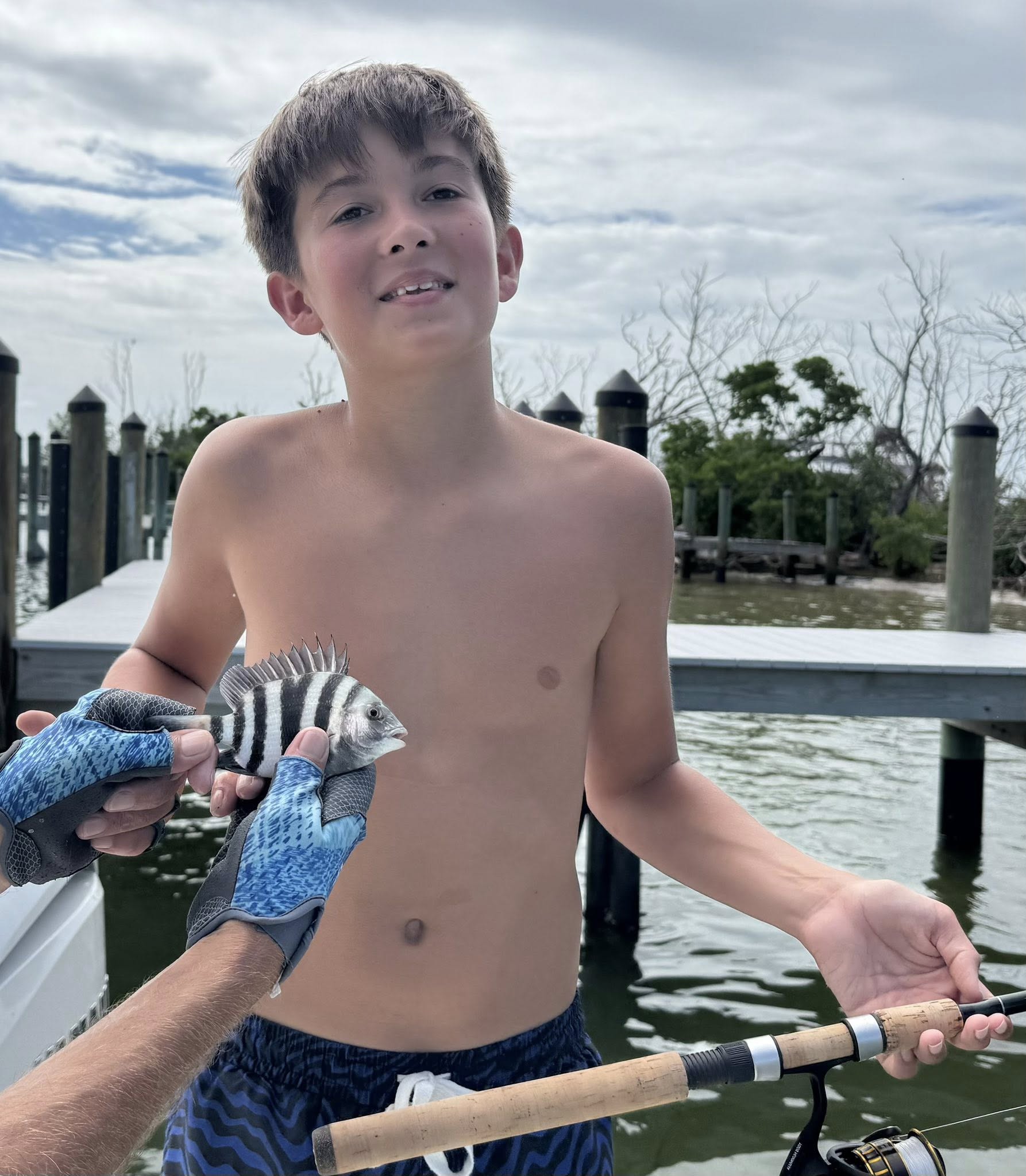
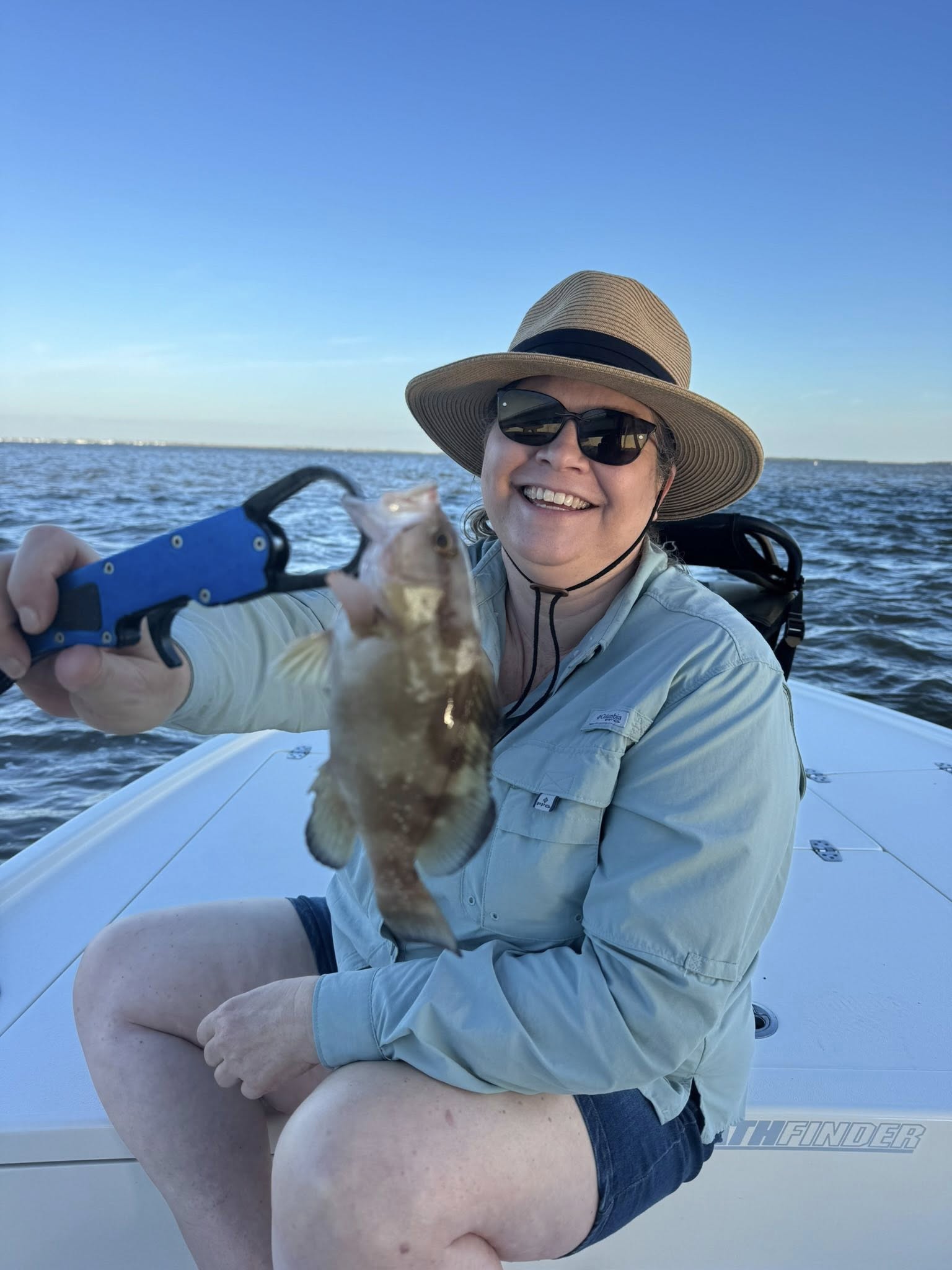
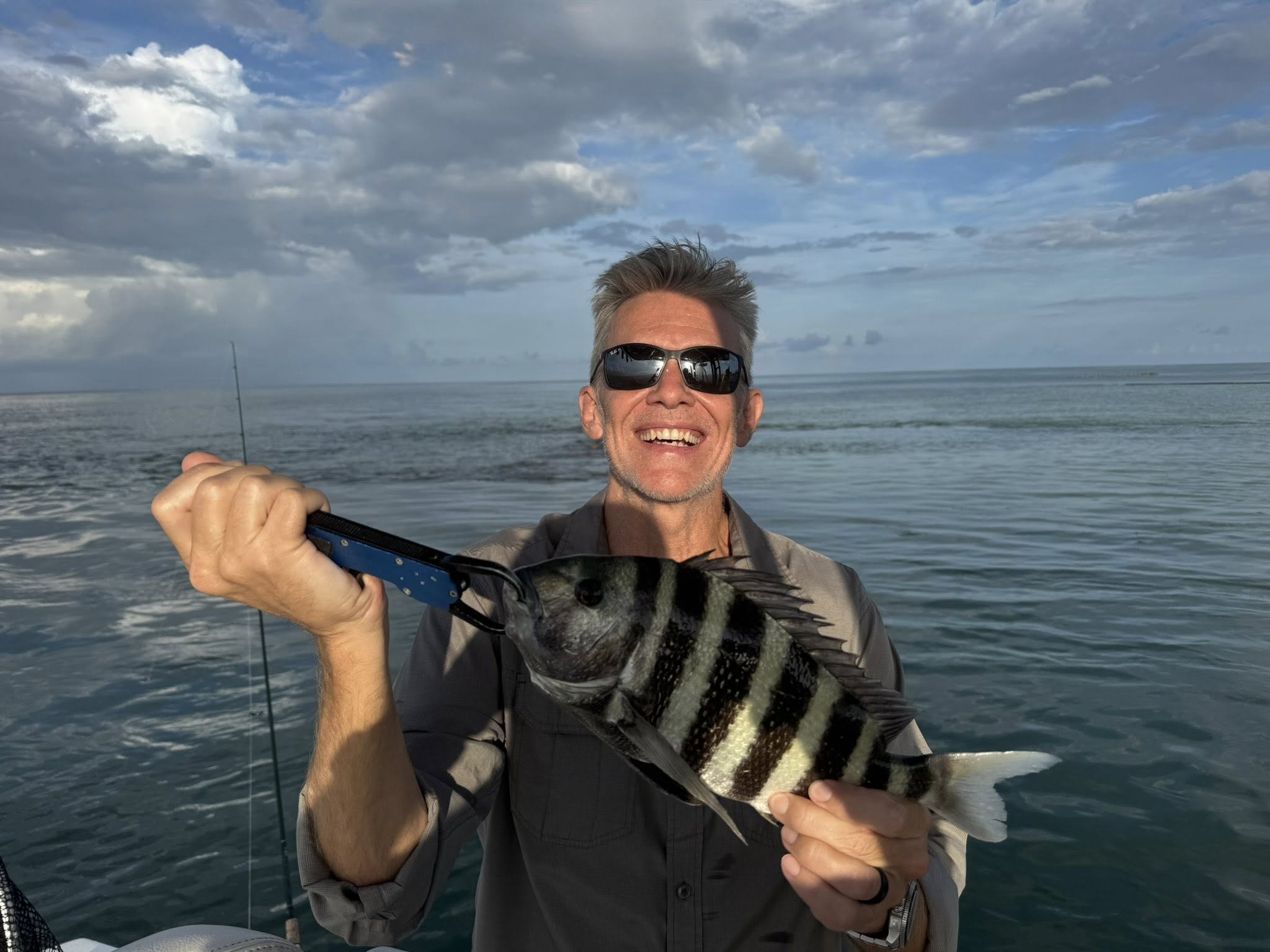
Sheepshead are the bait thieves of the inshore world, famous for their ability to steal your shrimp without you feeling a thing. These black-and-white striped fish have human-like teeth designed for crushing barnacles and crabs off structure. They're most active during cooler months and can be found around any hard structure – bridges, docks, rocks, oyster bars. While they're notorious for being difficult to hook, once you dial in the technique of detecting their subtle bites, you'll catch plenty. Sheepshead are outstanding eating, with firm, sweet meat that rivals any fish in the Gulf.
Black drum are the heavy
 5.0(1 Reviews)
 Private Trip
 Inshore Fishing
 Cape Coral


 5-hour private inshore fishing trip for up to 4 guests