Knoxville Six Hour Fishing Trip
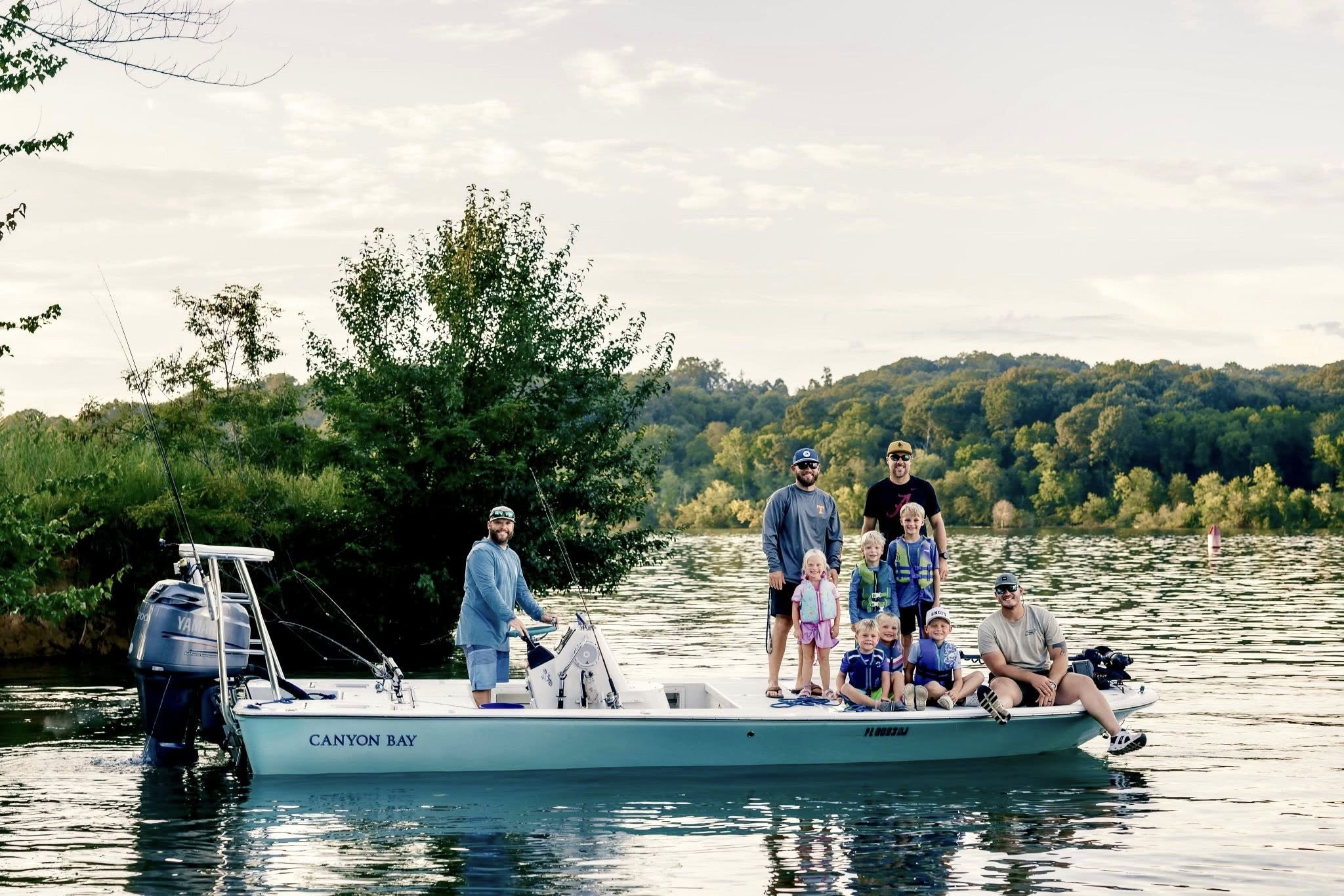
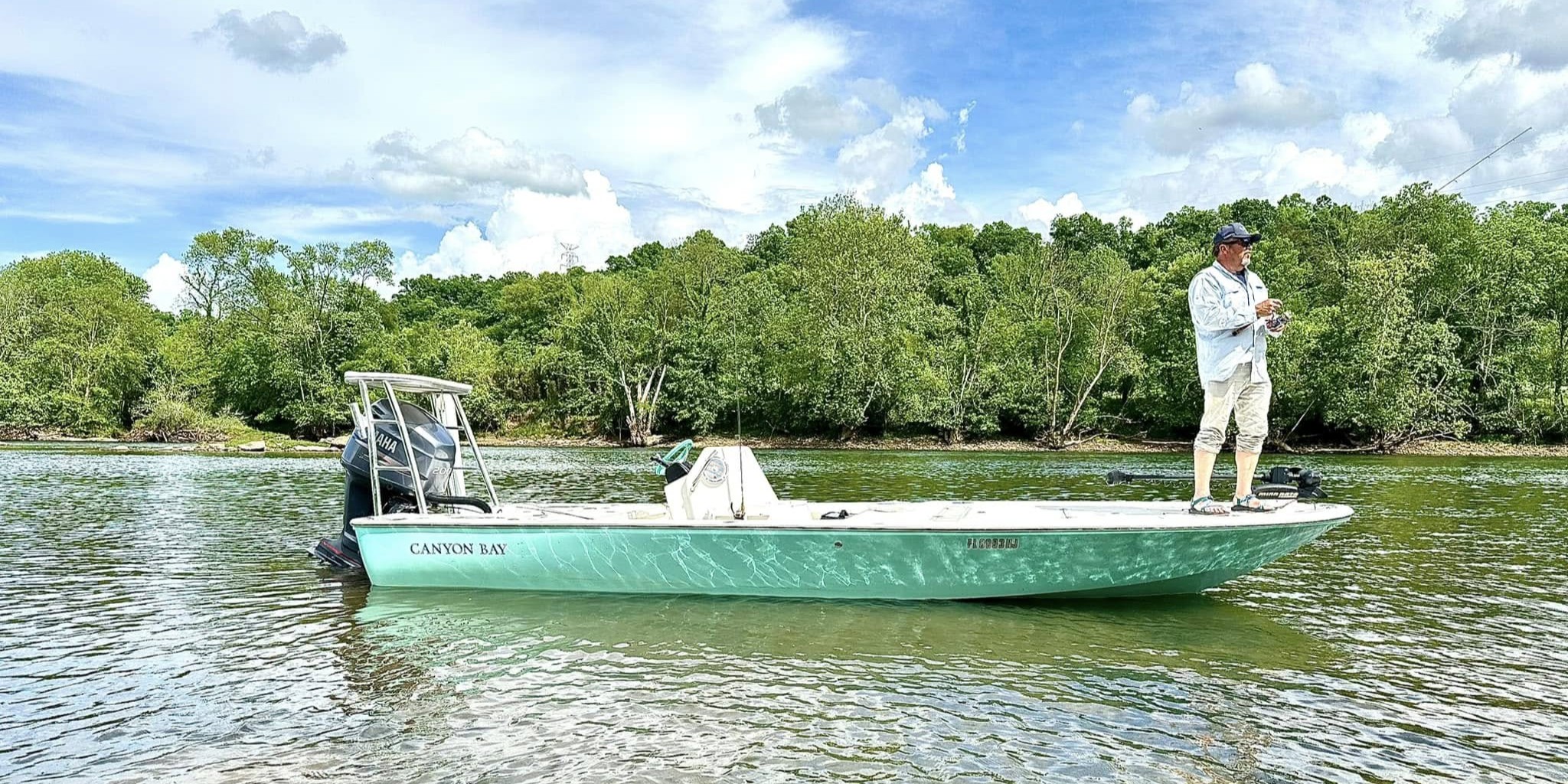
East Tennessee's waters are calling, and this six-hour guided fishing adventure puts you right where the action happens. Whether you're bringing the family for their first taste of angling or you're a seasoned fisher looking to dial into local hotspots, this trip hits that sweet spot between having enough time to really get into the rhythm and not burning a whole day on the water. Your guide knows these waters like the back of their hand and will put you on Stripers, Smallmouth Bass, Trout, and Catfish using whatever tackle matches the conditions and your skill level.
What to Expect on the Water
You've got two solid options for start times that cater to different fishing moods. The 7am departure gets you out there when the fish are most active - that early morning bite window when Stripers are pushing baitfish to the surface and the Smallmouth are aggressive in the shallows. If you're more of a laid-back angler or traveling with kids who don't do dawn wake-up calls, the 1pm start works perfectly for a relaxed afternoon session. The guide will adjust techniques based on what's working that day, and you'll have plenty of time to try different spots if the fish aren't cooperating at your first stop. Groups of up to three fit comfortably, but if you've got a bigger crew, there's room for two more. The beauty of six hours is you're not rushing - there's time to retie rigs, switch techniques, and actually enjoy the process of figuring out what the fish want.
Tackle and Techniques
Your guide comes prepared with both light tackle and fly gear, so the approach depends entirely on conditions and what you're comfortable with. If the Stripers are schooling and feeding aggressively, you might find yourself throwing topwater plugs or working soft plastics through the water column. When targeting Smallmouth in rocky areas, finesse techniques with jigs or tubes often do the trick. Fly fishers will love the opportunities here - whether you're stripping streamers for bass or working nymphs in trout water, East Tennessee offers diverse fly fishing scenarios. The guide reads the water and weather to determine the best approach, but they're also happy to let you stick with techniques you want to practice or learn. Light tackle keeps the fights fun and gives smaller fish a chance to show their personality, which is especially great when you've got newer anglers in the group who need to build confidence.
Target Species
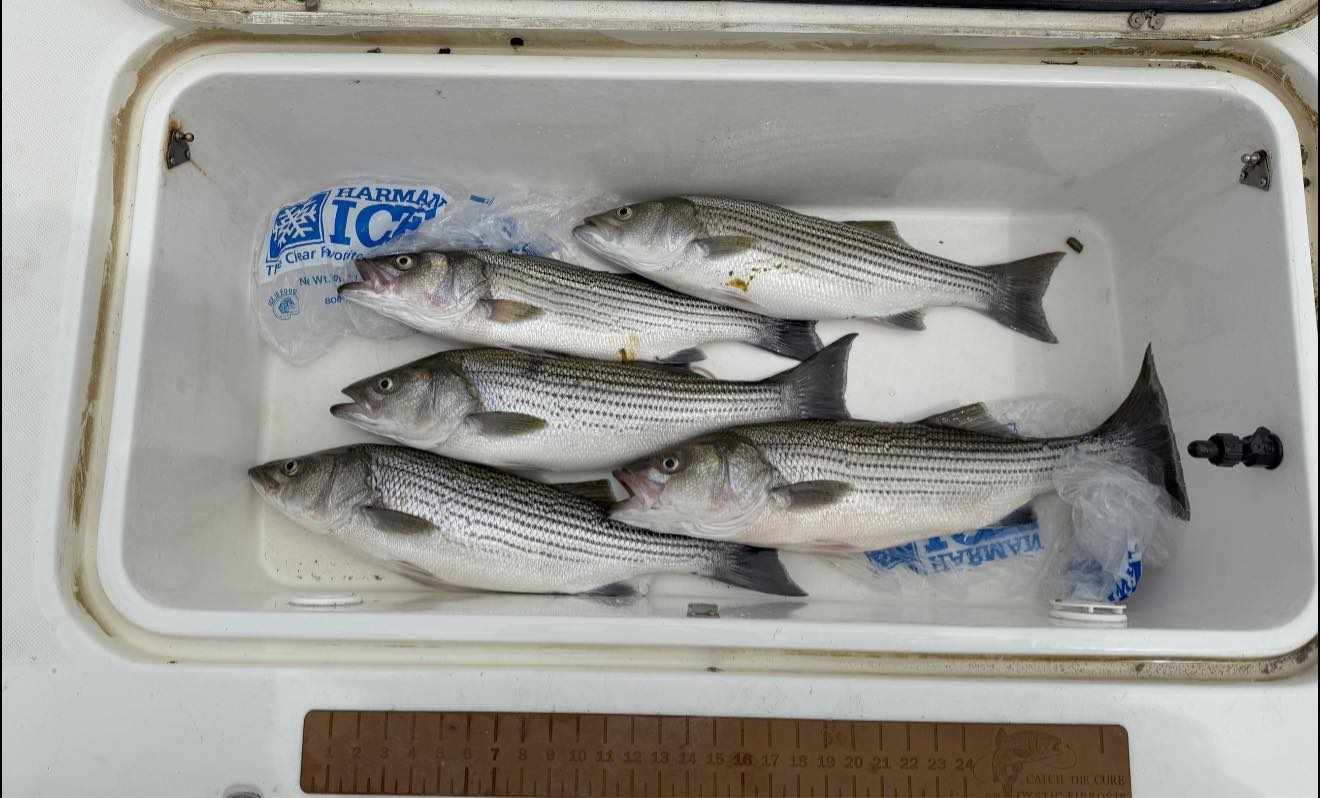
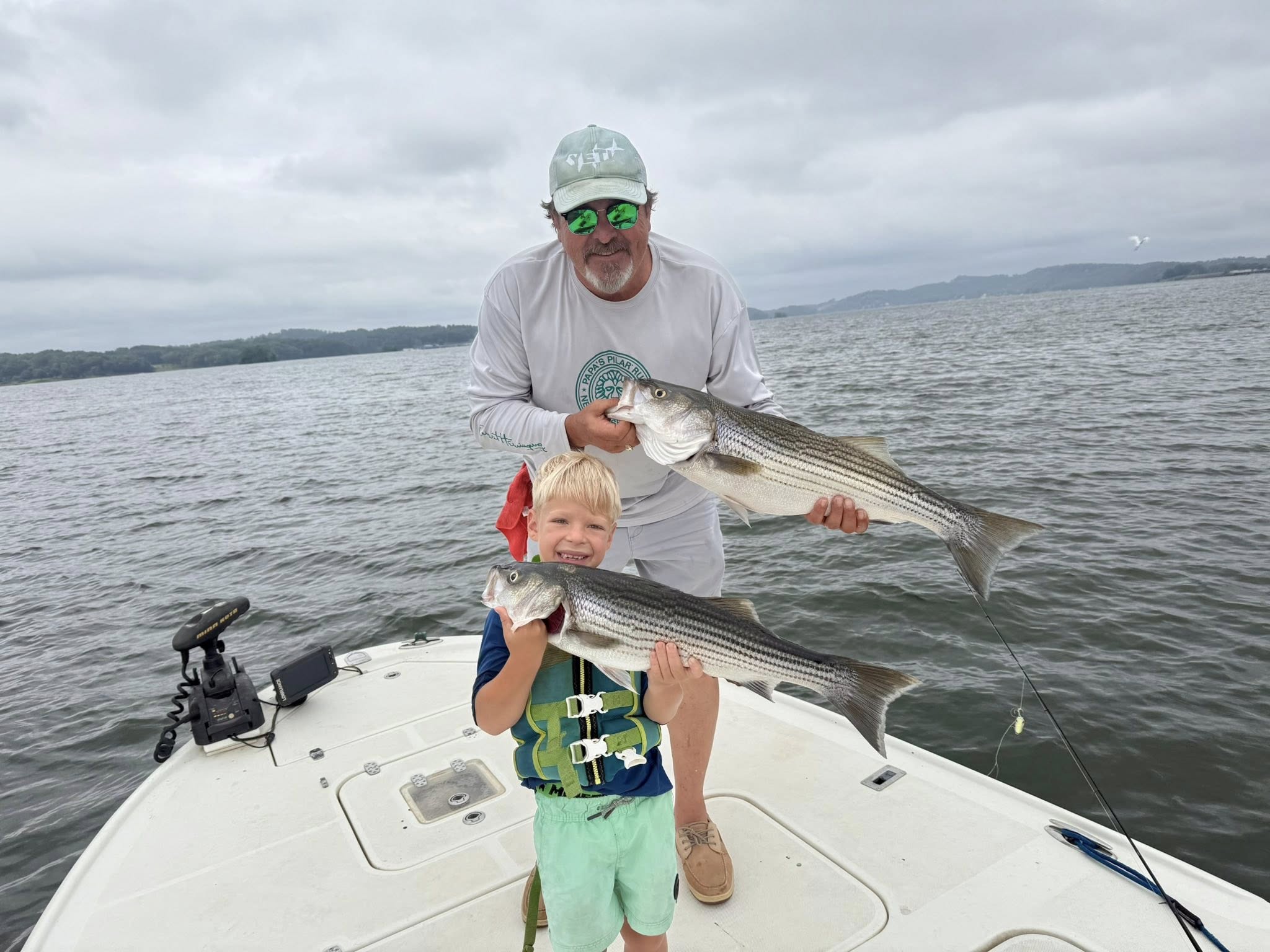
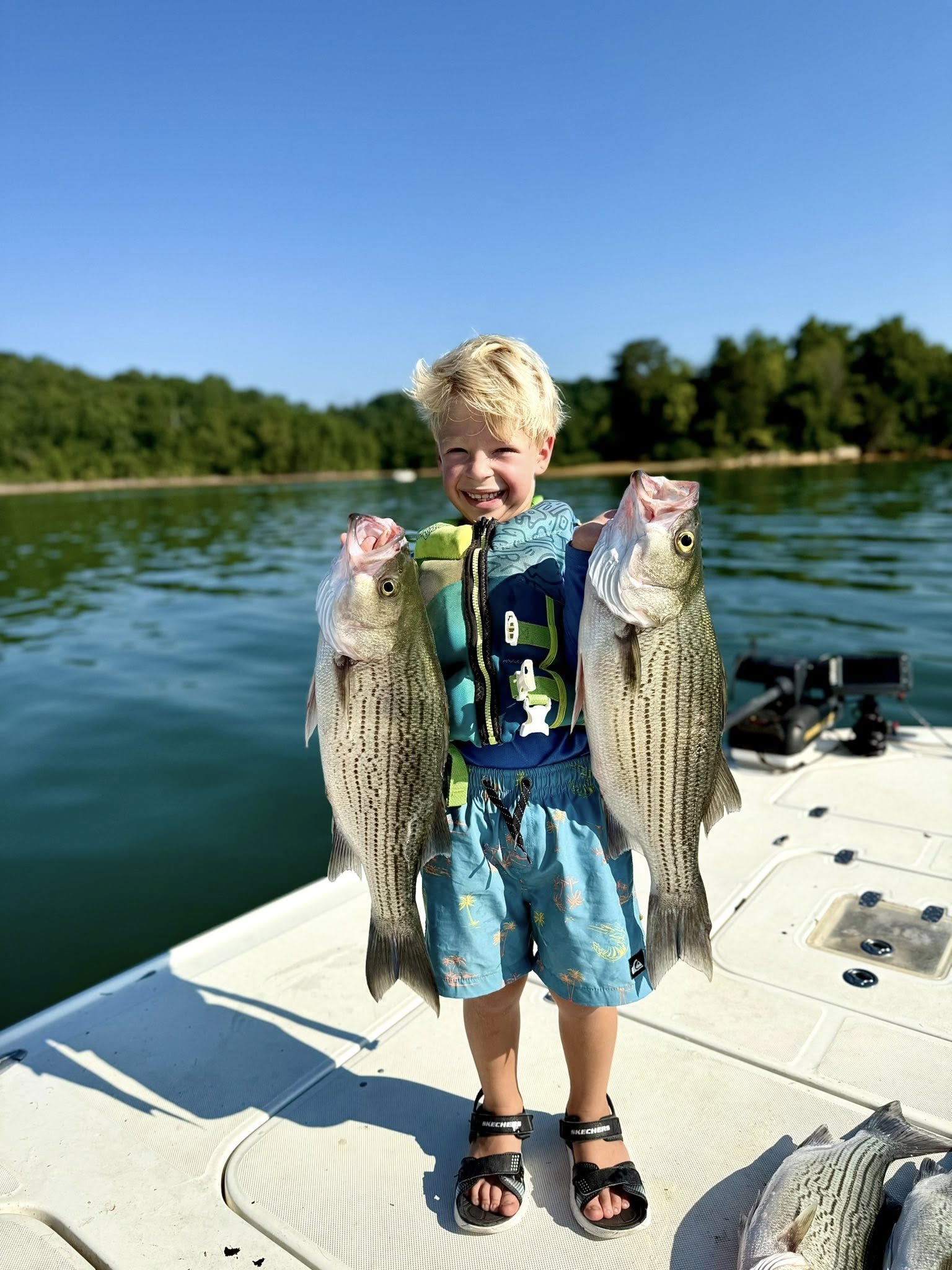
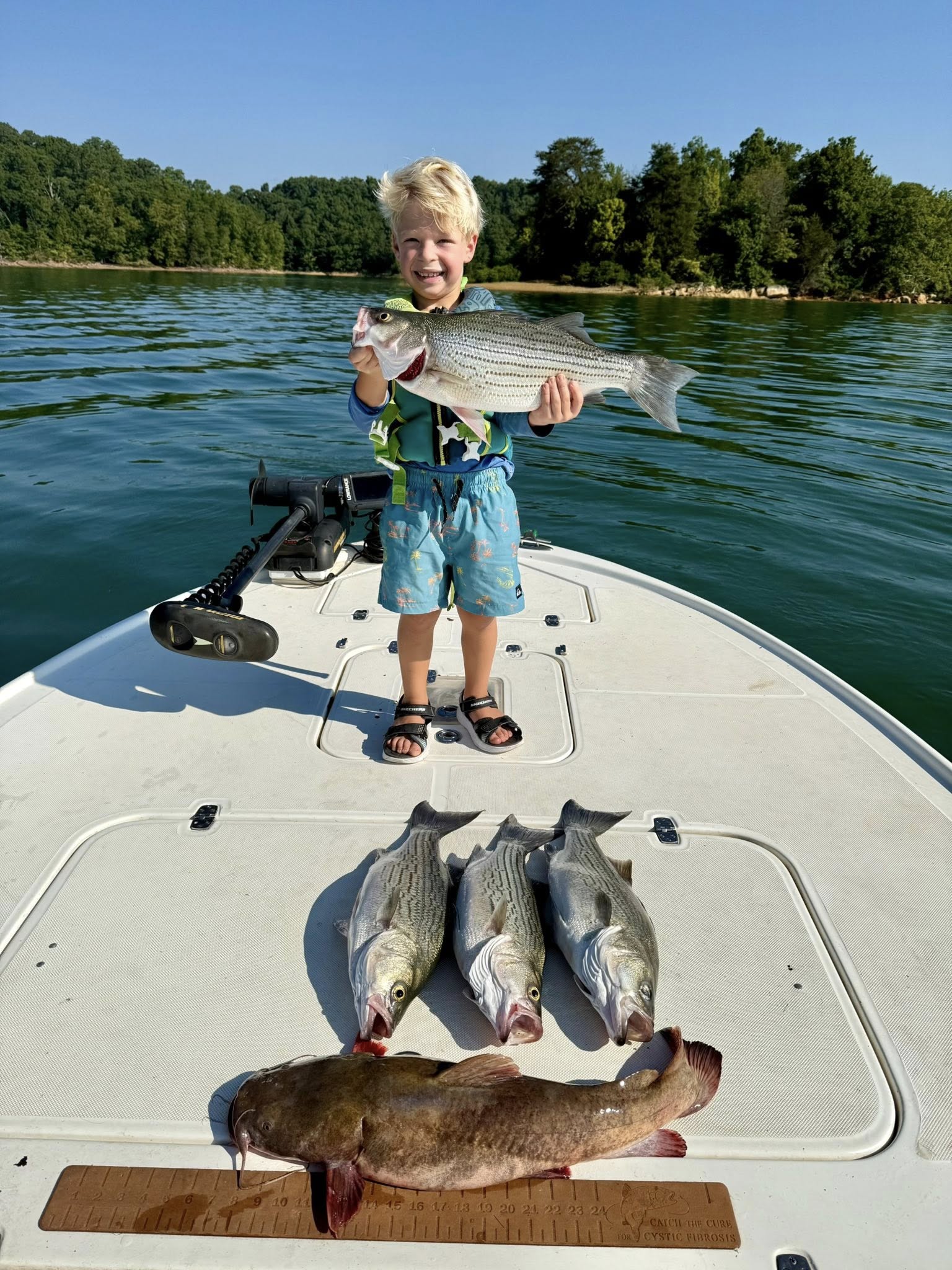
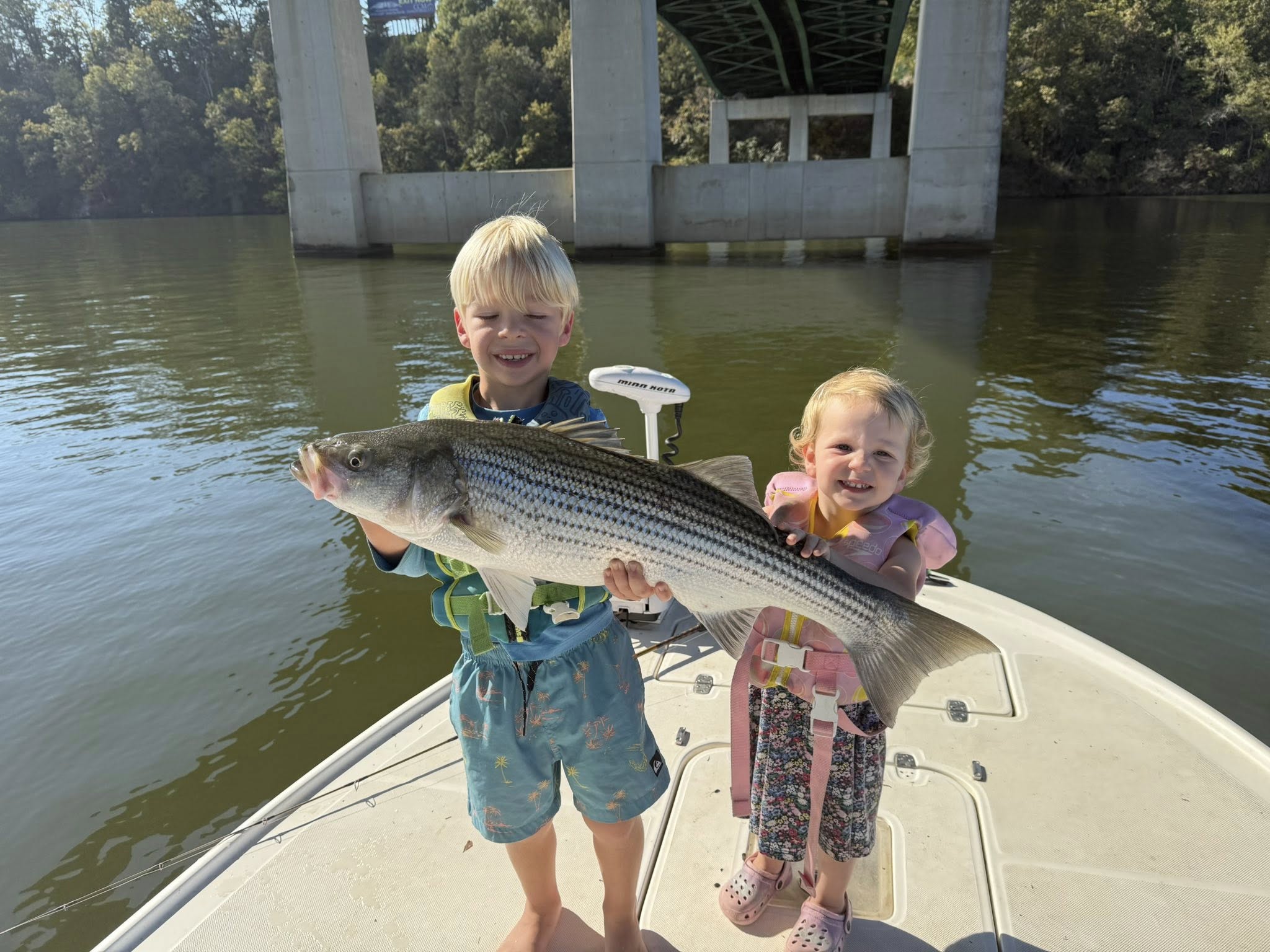
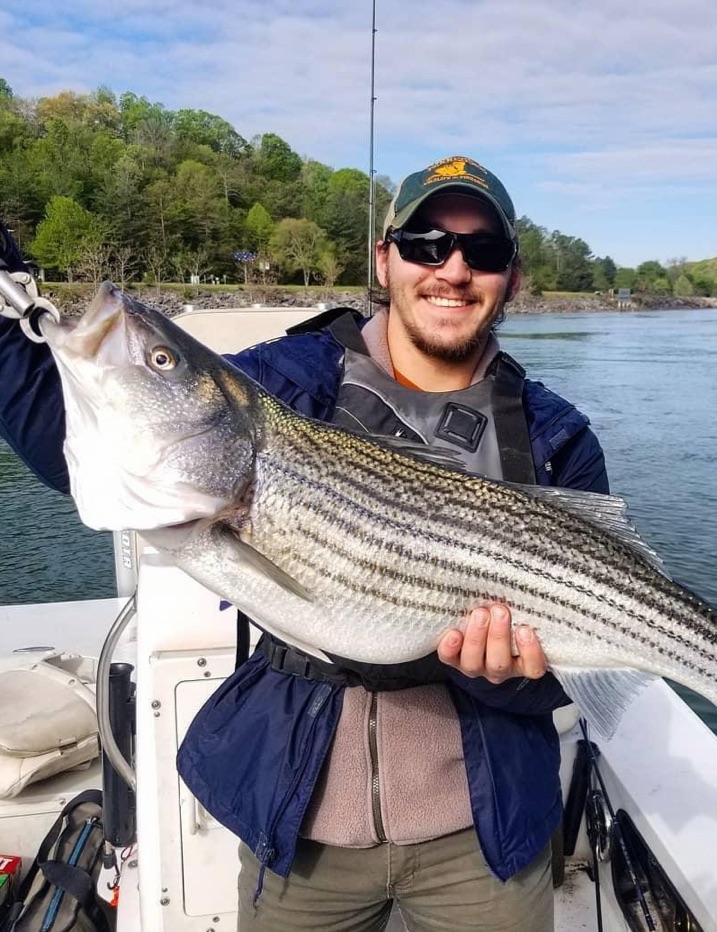
Striped Bass are the heavy hitters of East Tennessee waters and the fish that gets most anglers' hearts pumping. These silvery fighters can range from schoolie-sized fish around 15-20 inches up to true trophies pushing 30+ inches and double-digit weight. Spring and fall offer the most consistent action as Stripers move shallow to feed, often creating surface explosions that you can see from hundreds of yards away. They're aggressive feeders that will hit everything from live bait to artificials, and their initial run when hooked is something every angler remembers. The guide knows where to find them based on water temperature, baitfish activity, and seasonal patterns.
Smallmouth Bass might be pound-for-pound the best fighting fish in these waters. They're scrappy, acrobatic fighters that jump, dive, and use every trick in the book to throw your hook. Most range from 12-16 inches, but the bigger ones approaching 18-20 inches are genuine trophies that veteran bass anglers respect. They love rocky structure, points, and anywhere crawfish are abundant. Summer finds them in deeper water during the heat of the day, but early morning and evening sessions can produce explosive topwater action. These bass are perfect for anglers who appreciate technical fishing - they can be picky about presentation and require you to really think about your approach.
Rainbow Trout bring a different kind of excitement to the mix, especially for anglers used to warm-water species. These beautiful fish are available year-round but really shine during cooler months when they're most active in the water column. They average 12-16 inches but can surprise you with their strength and endurance. Rainbows are perfect for fly fishing but also take small spinners, jigs, and live bait presentations. Their colors are stunning - bright silver sides with that distinctive pink stripe and spotted backs. They're also excellent eating if you decide to keep a few for the dinner table.
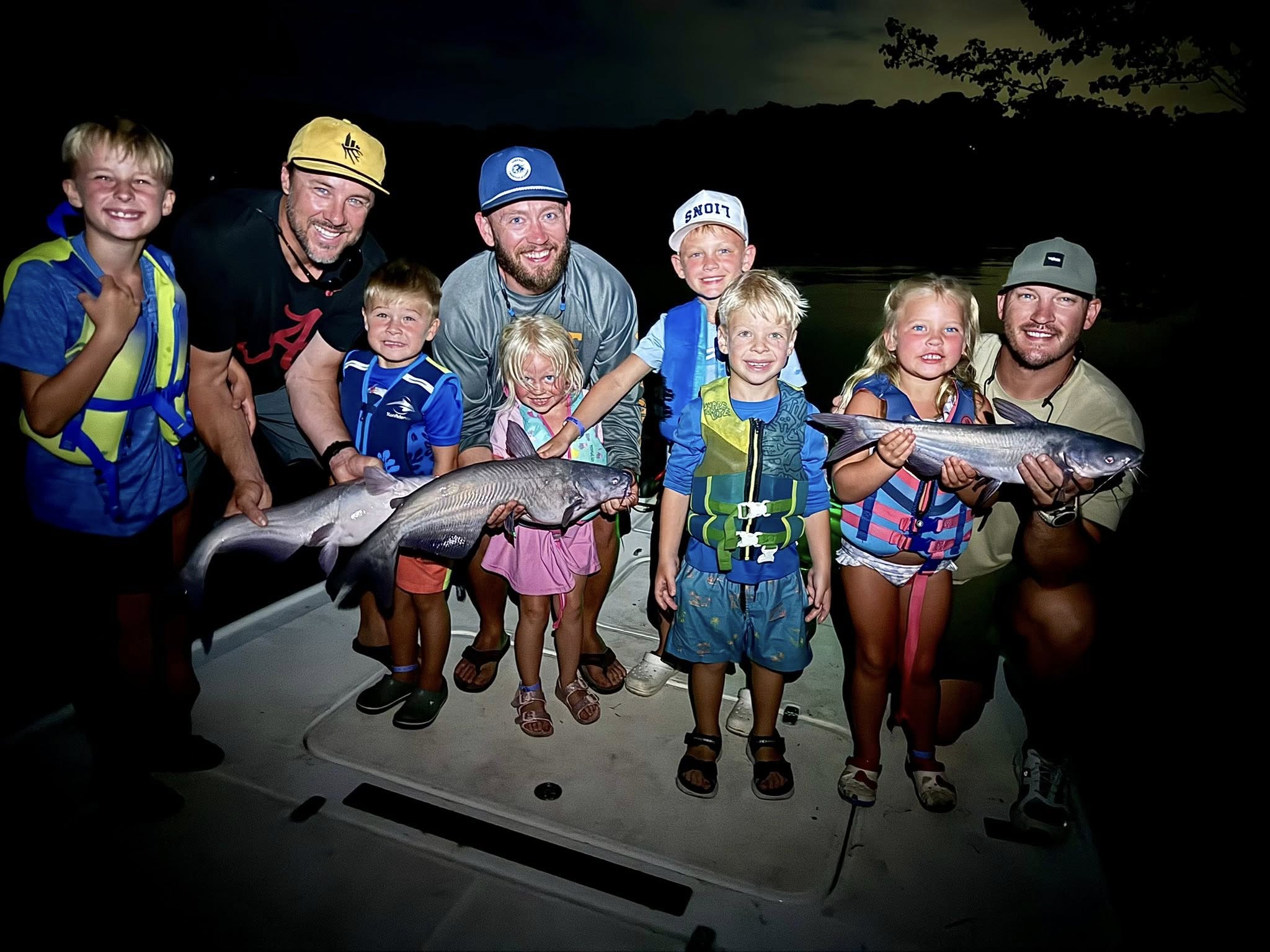
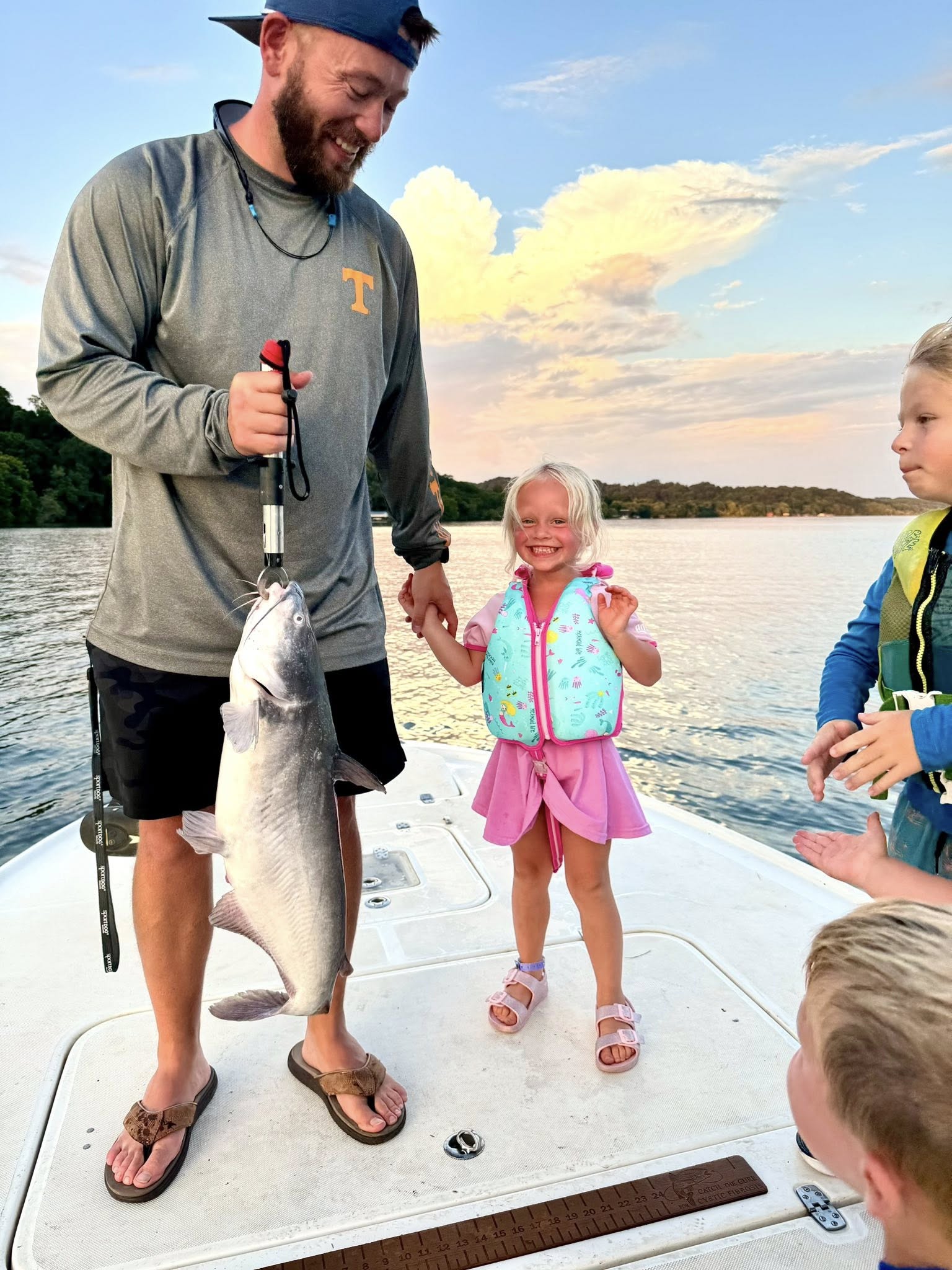
Blue Catfish round out the target species list and offer a completely different angling experience. These bottom-dwellers can range from eating-sized fish around 2-3 pounds up to true monsters that will test your drag and your arms. They're most active during warmer months and provide steady action when other species are less cooperative. Cat fishing is often about patience and reading subtle bites, making it a great learning experience for newer anglers. The guide knows the best cat holes and what baits are producing, whether that's cut bait, live offerings, or prepared baits.
Brown Trout are the wildcard species that can make any trip memorable. These fish are known for being selective and challenging, but when you connect with a good Brown, you'll understand why they have such a devoted following. They tend to be larger than Rainbows on average and are incredibly strong fighters that use current and structure to their advantage. Browns are most active during low-light conditions, which makes them perfect targets for early morning or late afternoon sessions. Their golden-brown coloration with distinctive spots makes them one of the most beautiful freshwater fish you can catch.
Time to Book Your Spot
This six-hour trip delivers exactly what most anglers are looking for - enough time to get into fish without committing your entire day to being on the water. The flexibility in start times means you can work it around your schedule, and the species diversity keeps things interesting no matter what time of year you visit. Whether you're introducing someone to fishing, looking to dial in techniques, or just want to experience what East Tennessee fishing is all about, this trip covers all the bases. Your guide's local knowledge takes
 Private Trip
 River Fishing
 undefined, undefined


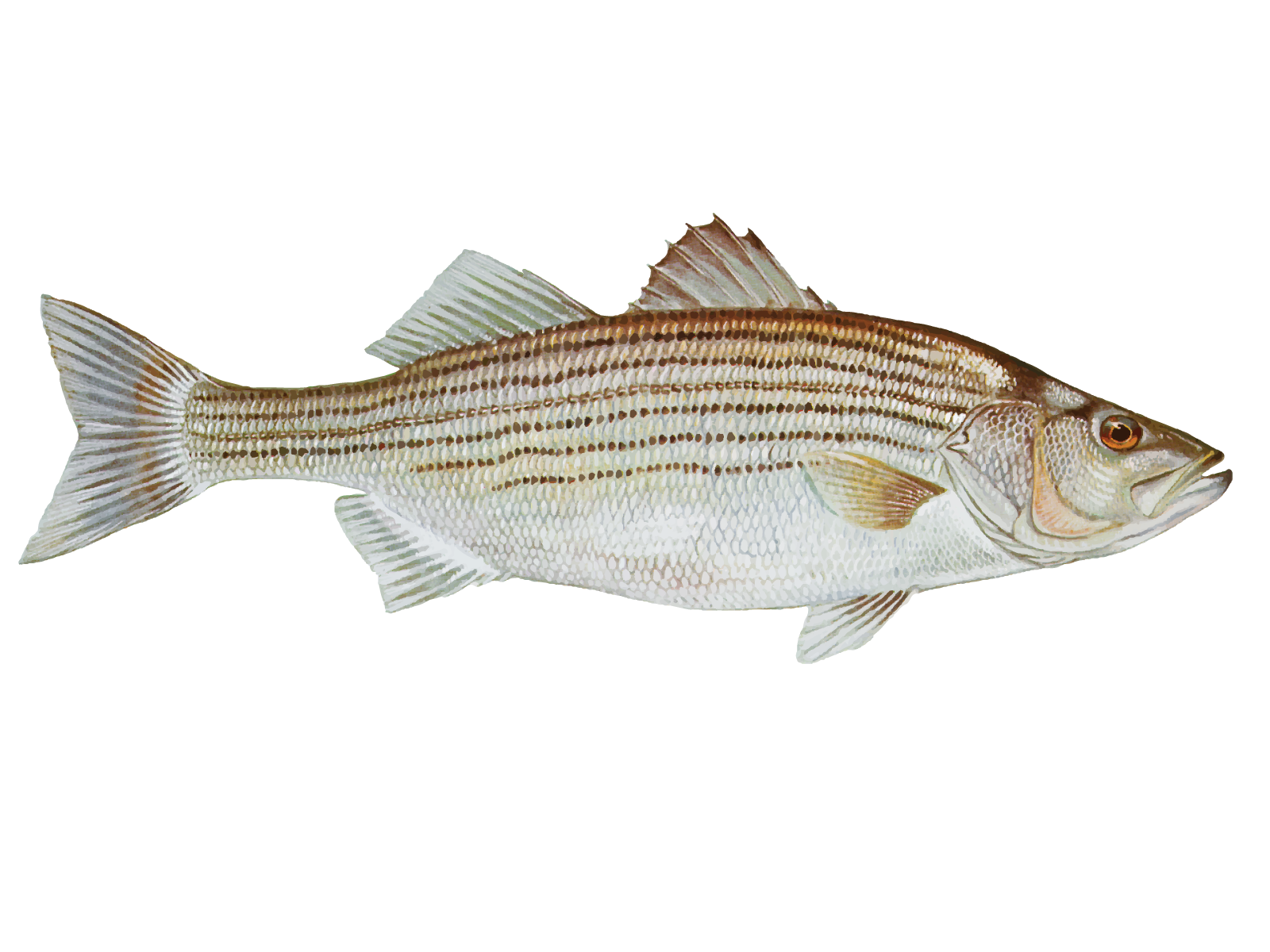
 Six-hour guided fishing trip accommodates up to three guests