6hr Inshore Fishing Trip - San Juan
Picture this: you're cruising the crystal-clear waters around San Juan, rod in hand, with a top-rated captain who knows these flats like the back of his hand. This 6-hour inshore adventure puts you right in the heart of some of Puerto Rico's most productive fishing grounds, where snook lurk in the mangroves and tarpon roll just beyond the grass beds. Captain Luis has been running these waters for years, and he's got that rare combination of local knowledge and genuine passion for getting his guests hooked up. Whether you're a weekend warrior looking to dial in your technique or someone who's never held a spinning rod, you're going to walk away with stories worth telling and skills you didn't have when you stepped aboard.
What to Expect on the Water
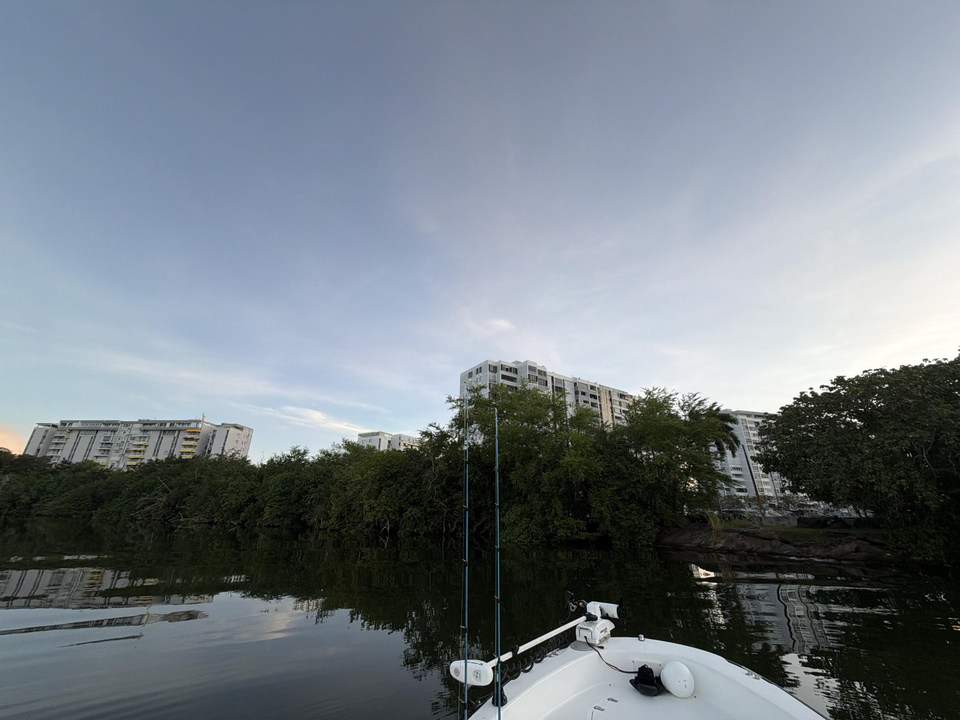
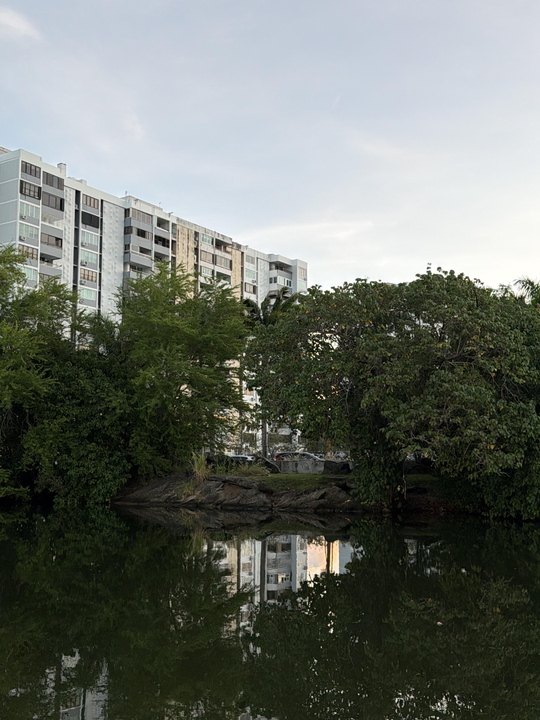
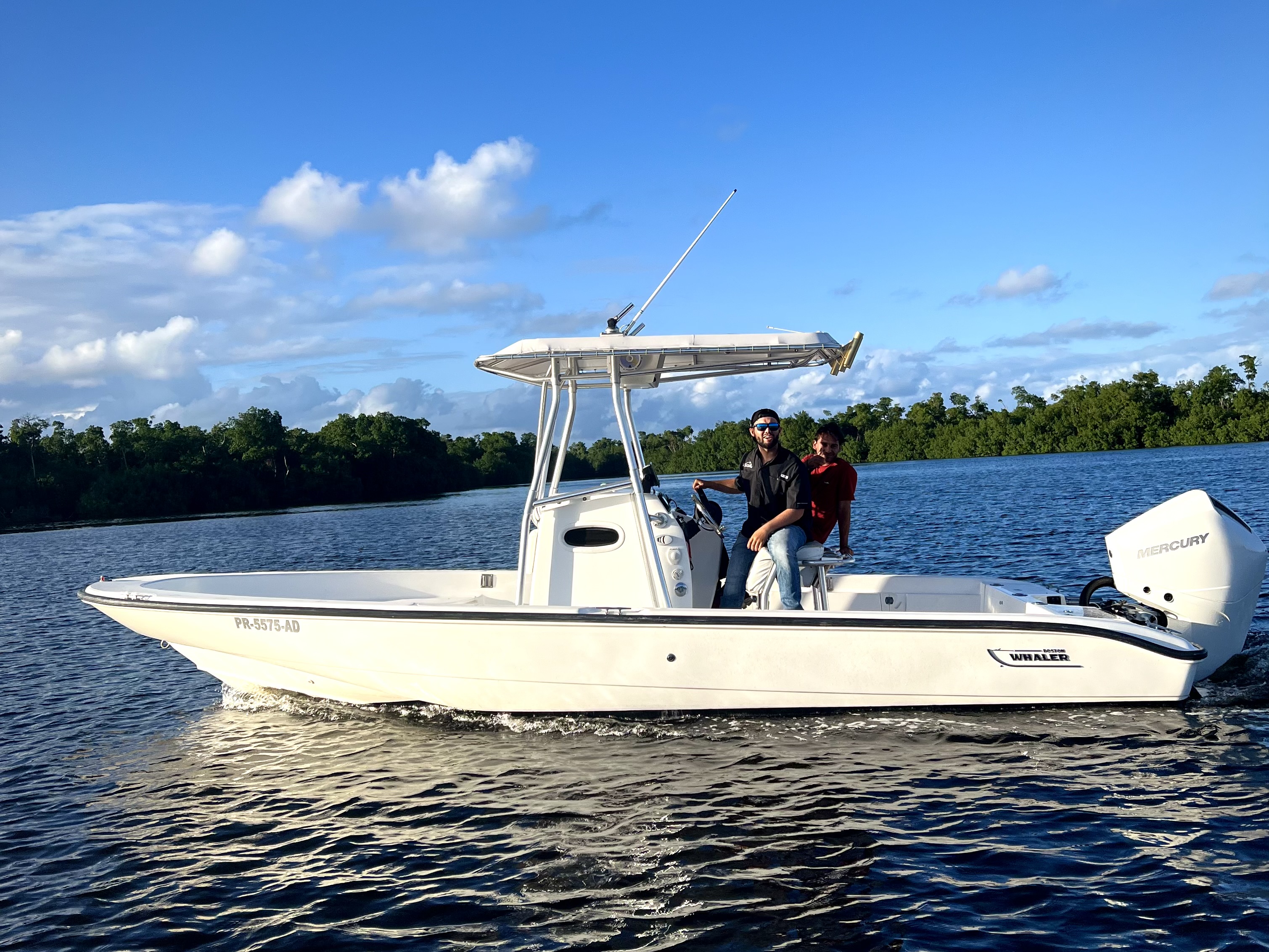
Your day starts early – that's when the fish are most active and before the afternoon winds pick up. You'll meet Captain Luis at the dock where he'll have everything rigged and ready to roll. The boat's set up specifically for inshore work, with a shallow draft that lets you slip into backcountry spots where the big boats can't follow. We're talking about fishing everything from sandy flats to mangrove shorelines, depending on the tide and what's been biting lately. The beauty of inshore fishing here is the variety – one cast you might be working a topwater plug for tarpon, the next you're bouncing a jig along the bottom for snook. Luis keeps the pressure light and the learning curve manageable, so even if you've never tied a Palomar knot, you'll be casting like a pro by lunch time. The scenery doesn't hurt either – you're fishing with the San Juan skyline in the distance and nothing but blue water stretching to the horizon.
Gear Setup and Techniques
All your tackle comes provided, and Luis runs quality stuff – medium-heavy spinning rods paired with reels that can handle the runs these fish are famous for. You'll be working with everything from live shrimp under popping corks to artificial lures that mimic the baitfish these predators can't resist. The technique varies with the target, but expect to do plenty of sight fishing – Luis has an eagle eye for spotting fish, and he'll position the boat so you get clean shots at feeding schools. When we're working the mangroves for snook, it's all about accurate casting and quick hooksets. Out on the flats chasing tarpon, you might be making longer casts with heavier lures, waiting for that explosive surface strike that gets your heart pumping. Don't worry about bringing your own gear unless you want to – everything's included, from hooks to leaders to the cooler full of ice for your catch.
Customer Stories
"We have gone fishing with captain Luis multiple times in the last 3 years. It is always so much fun. He is encouraging and patient with the less experienced. It is always a great time." - Nahomi
Species You'll Want to Hook
Snook are the bread and butter of San Juan inshore fishing, and for good reason. These ambush predators love hanging around structure – think dock pilings, mangrove roots, and channel edges where they can dart out to nail unsuspecting baitfish. They're notorious for their gill-rattling jumps and powerful runs back toward cover. Most of the snook you'll encounter range from 18 to 28 inches, with the occasional bull pushing 35 inches if you're lucky. They're most active during the cooler parts of the day, especially around moving water during tide changes. What makes snook so addictive is their attitude – they hit hard, fight harder, and they're smart enough to keep you honest with your drag settings.
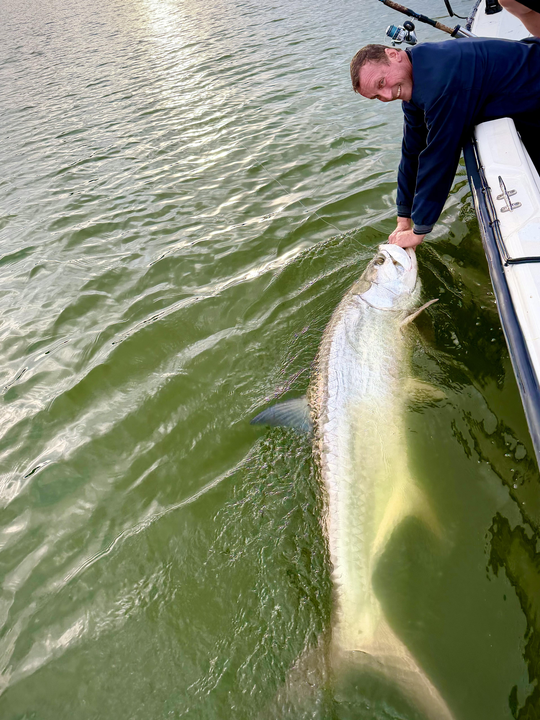
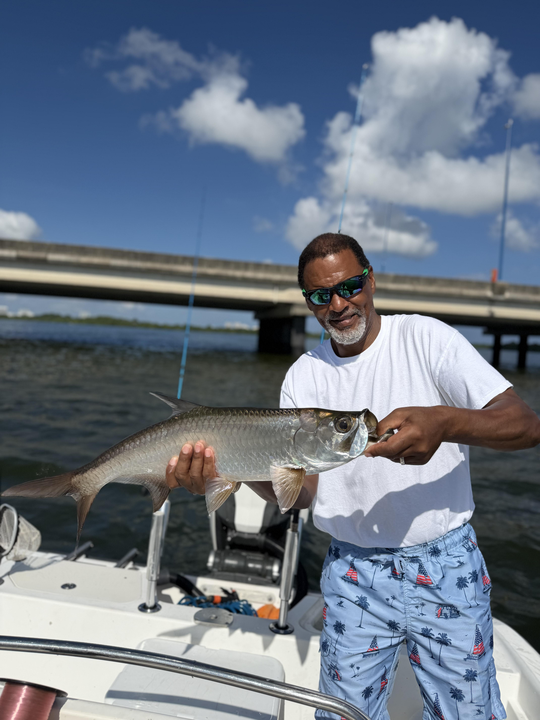
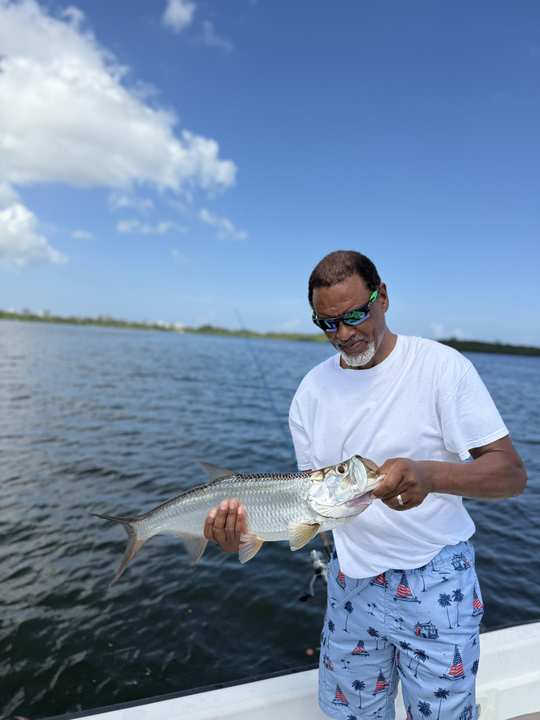
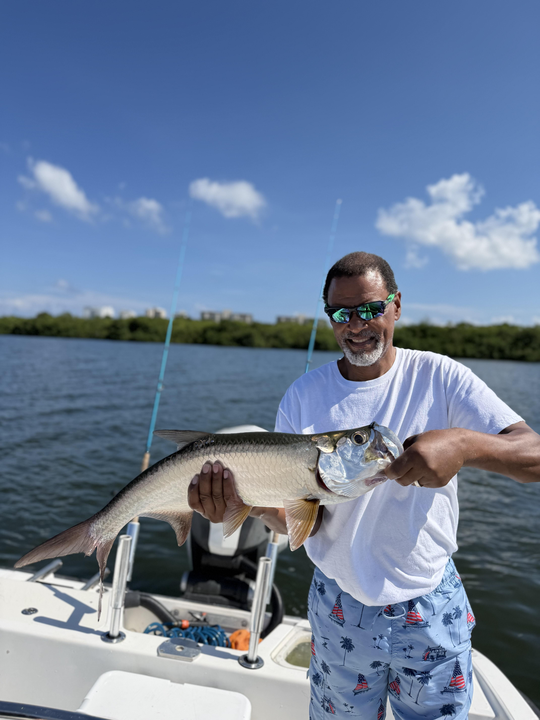
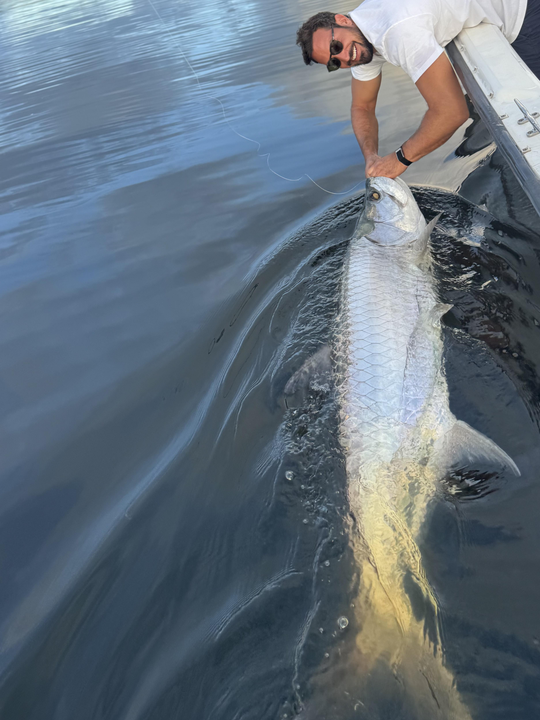
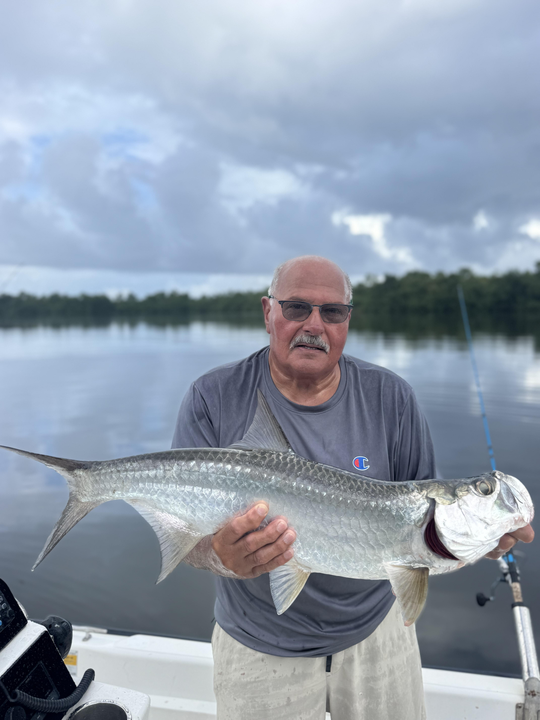
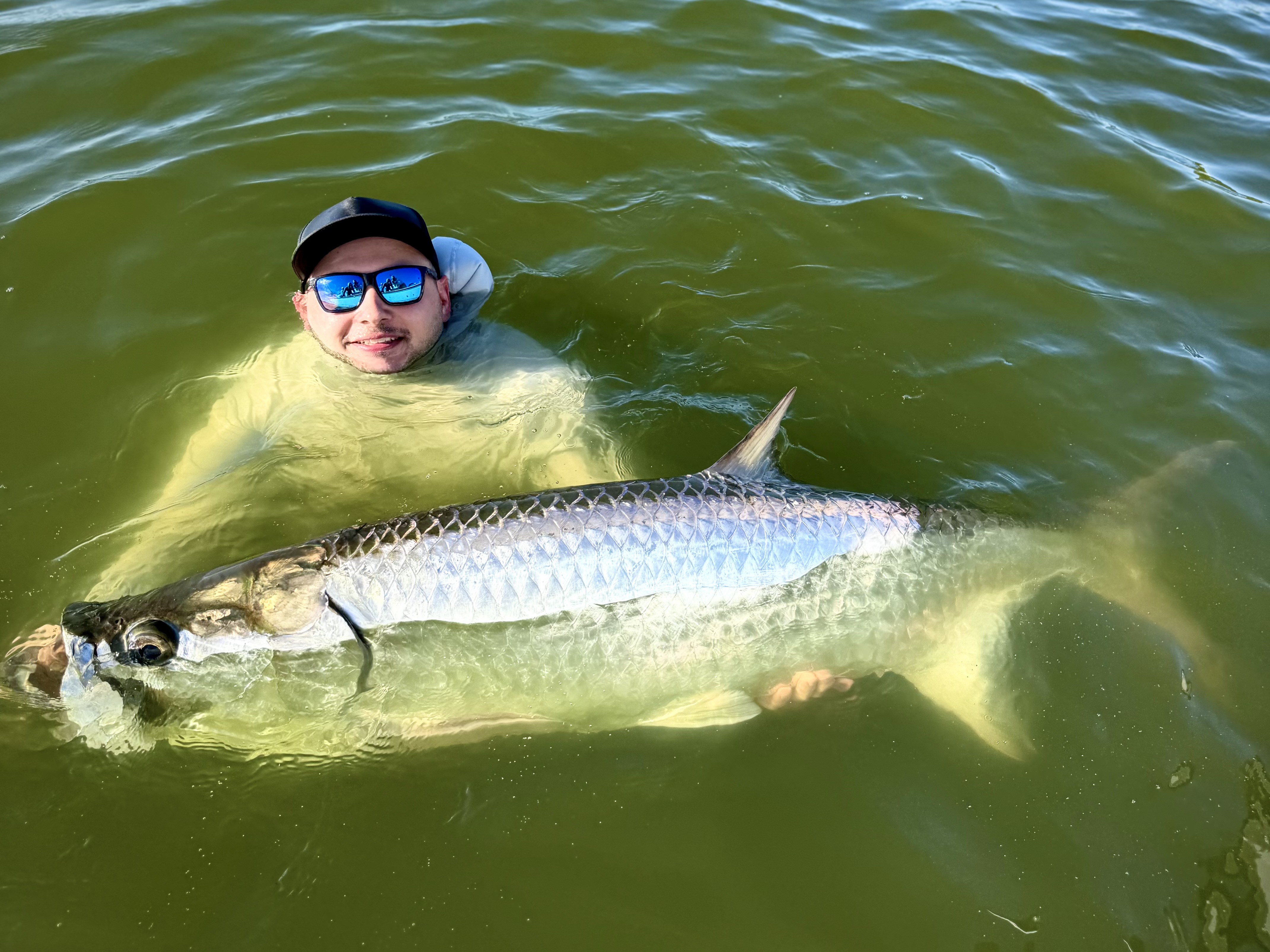
Tarpon fishing around San Juan is something every angler needs to experience at least once. These silver kings can show up year-round, but the best action typically happens from spring through early fall when they're feeding heavily in the shallows. You might hook anything from 20-pound juveniles to 100-pound adults that will test every knot and connection on your setup. Tarpon are famous for their acrobatic fights – multiple jumps, long runs, and the kind of power that makes your arms burn. They're catch-and-release fish, so it's all about the experience and the photos. When a tarpon eats your lure on the surface, time seems to stop for a split second before all hell breaks loose.
Barracuda are the speed demons of the flats, and they provide some of the most visual and explosive fishing you'll find. These toothy predators cruise the edges of grass beds and sandy patches, often in small schools that Luis can spot from a distance. They're suckers for fast-moving lures, especially shiny spoons and tube baits retrieved at high speed. Barracuda typically run 18 to 30 inches in these waters, and their initial run is absolutely blistering. They're perfect for anglers who love topwater action since they'll often hit surface plugs with reckless abandon. Just be ready for their razor-sharp teeth – Luis always has wire leaders ready when the 'cudas are around.
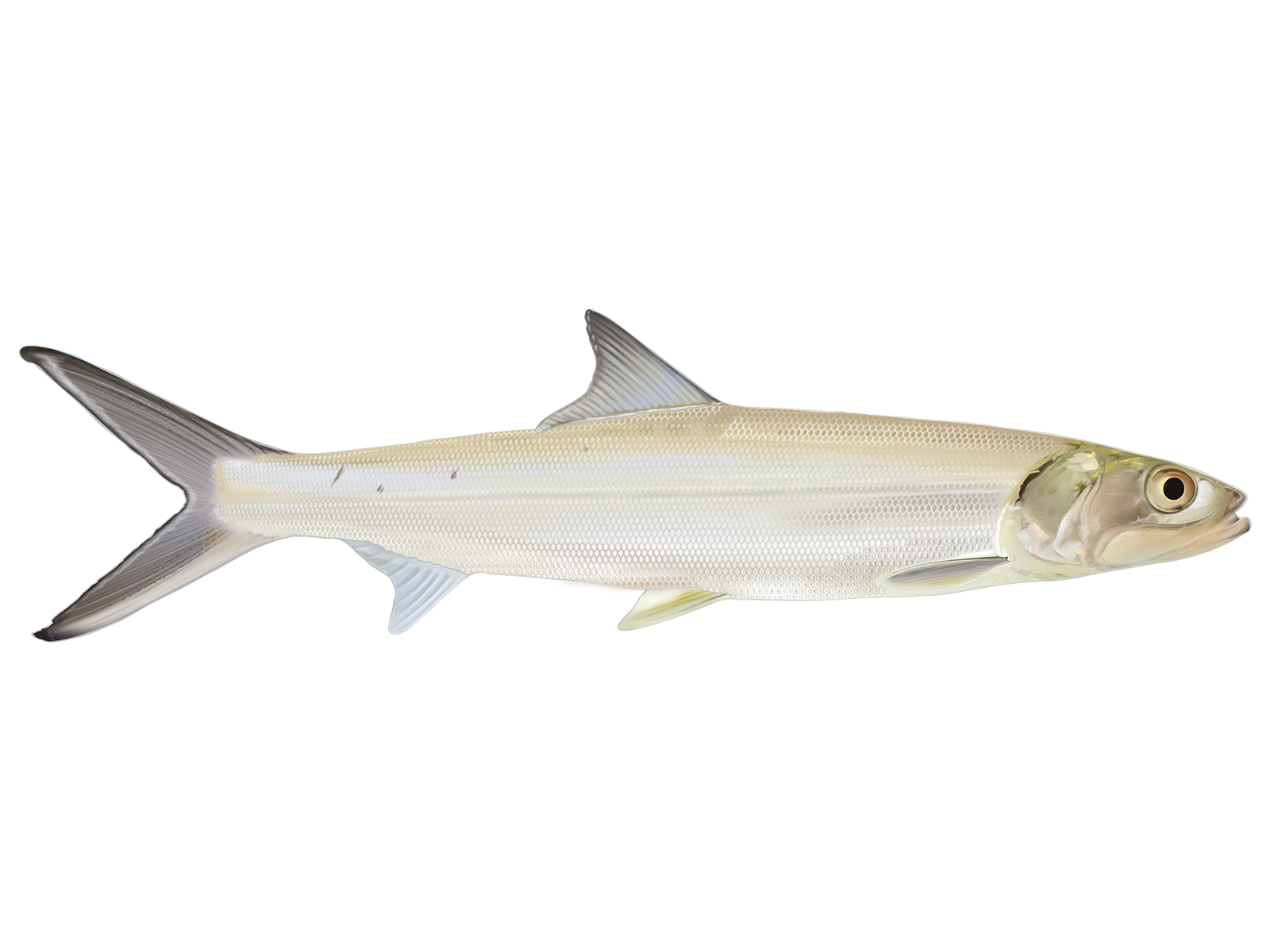
Ladyfish might not win any beauty contests, but they're scrappy fighters that never give up. These silver bullets are usually found in schools, and when you find one, you've found dozens. They love current breaks and drop-offs where baitfish get pushed around by moving water. Ladyfish hit both live bait and artificials with enthusiasm, making them perfect for beginners who want to feel some rod bending action. They're acrobatic little fighters, jumping repeatedly and making runs that seem impossible for their size. Most run 12 to 20 inches, and they're excellent practice fish for dialing in your technique before targeting bigger species.
Crevalle Jack are the bulldogs of the bunch – pure muscle wrapped in silver scales. These fish travel in aggressive schools that push baitfish to the surface, creating feeding frenzies that
 5.0(1 Reviews)
 Private Trip
 Fishing
 San Juan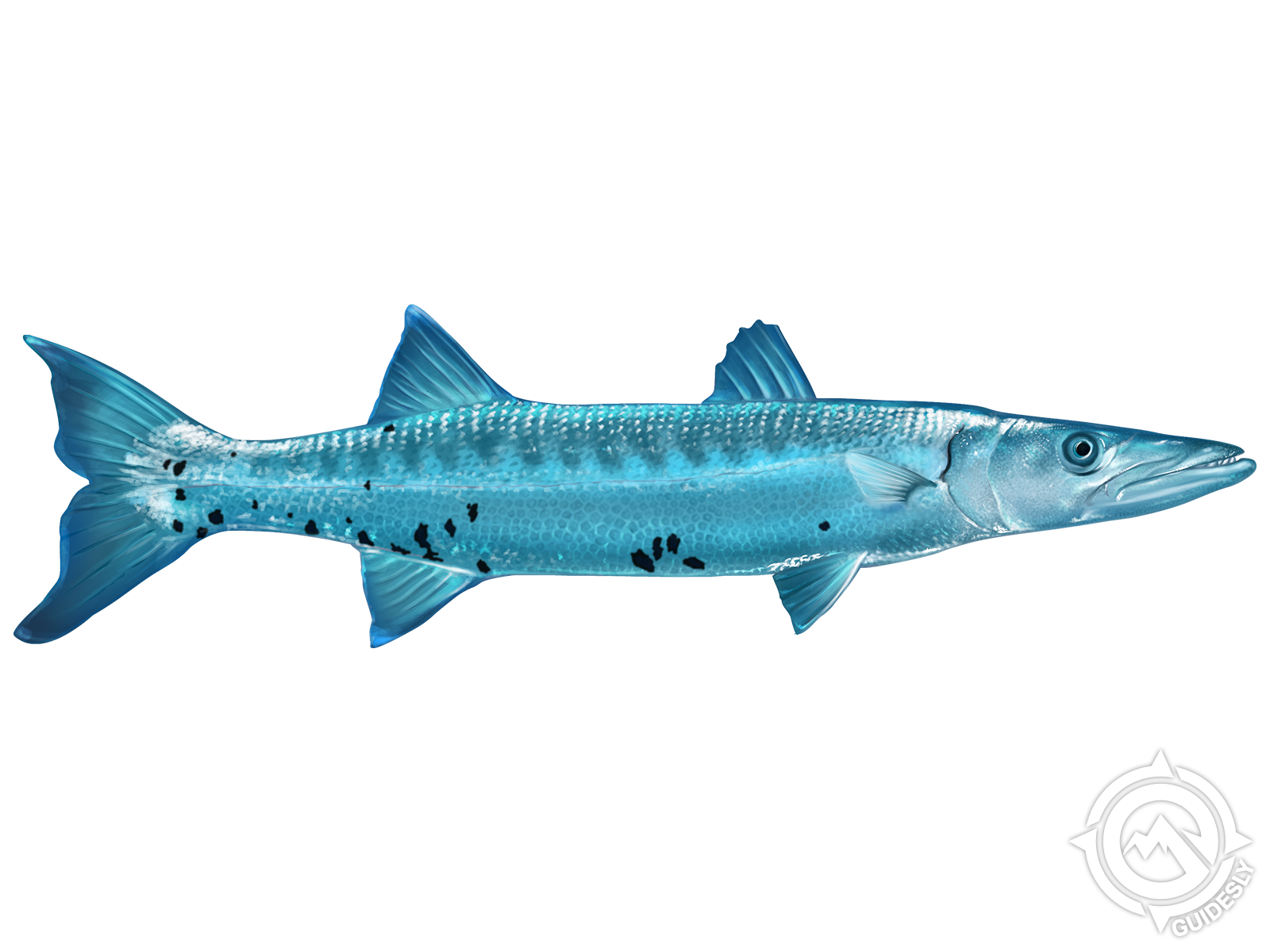



 Six-hour inshore fishing adventure in San Juan waters