Muskegon River Float & Camp - 2 Days of Pure Fishing
Picture this: you're drifting down one of Michigan's premier fishing rivers with your rod in hand, no crowds, no rush, and a whole night under the stars ahead of you. This isn't your typical day trip – it's two full days of world-class angling on the Muskegon River, complete with riverside camping and all the gear you need. Whether you're chasing that trophy smallmouth or hoping to land a chrome-bright steelhead, this top-rated fishing adventure gives you the time and space to really dial in on what makes the Muskegon special. We're talking about 12 total hours on the water across two days, with everything from tackle to tents taken care of, so you can focus on what matters most – putting fish in the net.
What to Expect on the Water
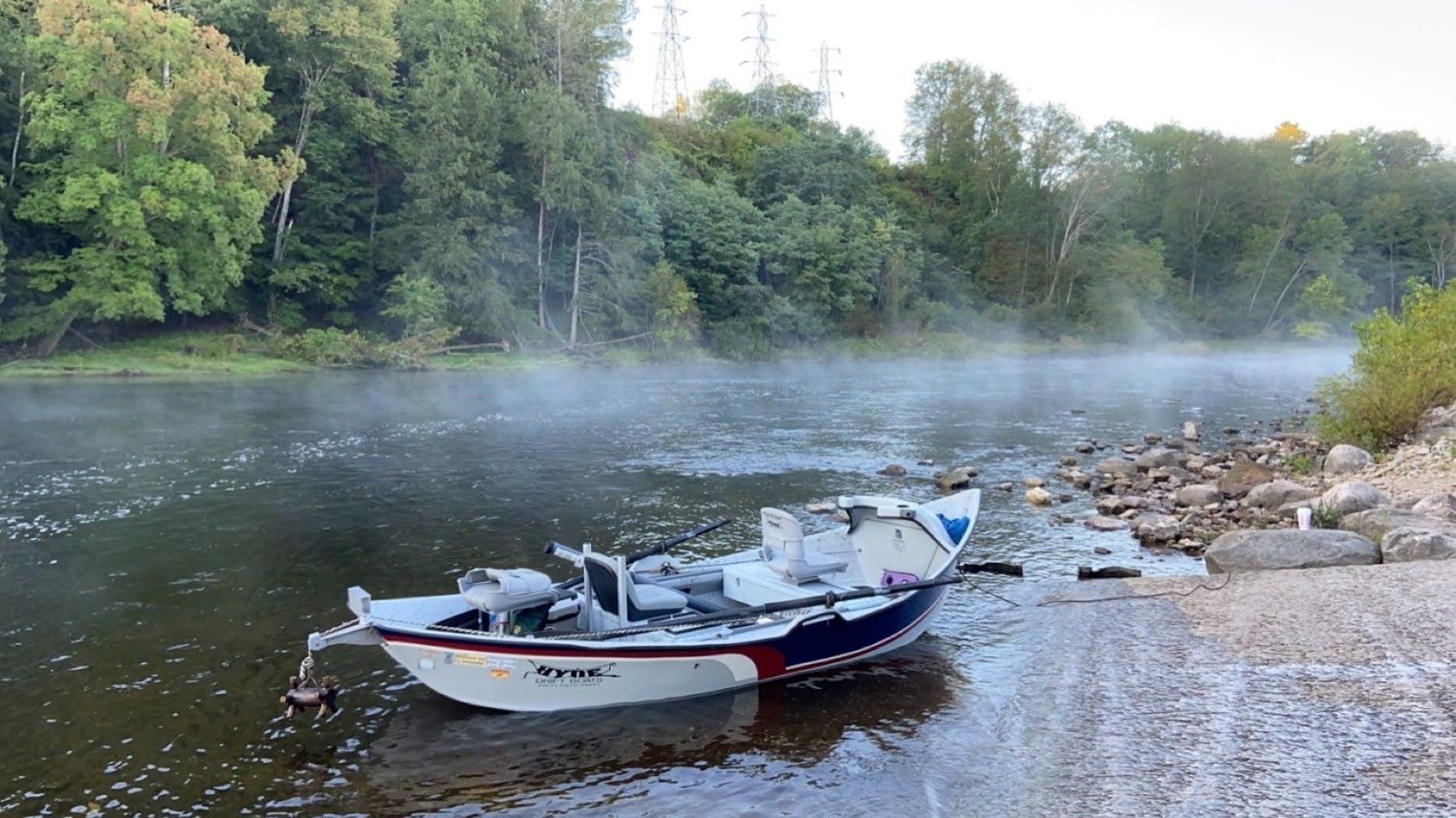
Your adventure kicks off bright and early with an 8-hour float that'll take you through some of the Muskegon's most productive stretches. We're not talking about a lazy float here – this is serious fishing time on a river that's earned its reputation as a smallmouth bass factory and steelhead highway. The first day sets you up with lunch and dinner, plus we'll handle camp setup so you can keep your line wet until the sun goes down. After a night around the campfire sharing fish stories and watching the stars, day two starts with breakfast and a focused 4-hour float to hit those prime morning spots when the fish are most active. This customer favorite format gives you the best of both worlds – extended time to learn the water and that authentic river camping experience that makes for the kind of trip you'll be talking about for years.
Drift Fishing & River Tactics
The Muskegon flows through diverse habitat that calls for different approaches, and that's where having a seasoned guide makes all the difference. We'll be drift fishing through deep pools where big browns hold, working rocky runs that smallmouth love, and hitting the faster water where salmon stage up during their runs. The boat setup allows us to cover serious water while keeping you positioned perfectly for each cast. We're using everything from jigs and soft plastics for smallmouth to streamers and spawn patterns for trout and salmon, depending on what's working and what species are most active. The tackle's all included, but if you've got favorite rods or reels, bring them along. The Muskegon's got enough variety that we can match techniques to your skill level – whether you're comfortable with technical presentations or prefer to keep things simple and effective. The overnight format means we can adjust our game plan based on what we're seeing, hitting different sections at optimal times instead of being locked into a single day's conditions.
Top Catches This Season
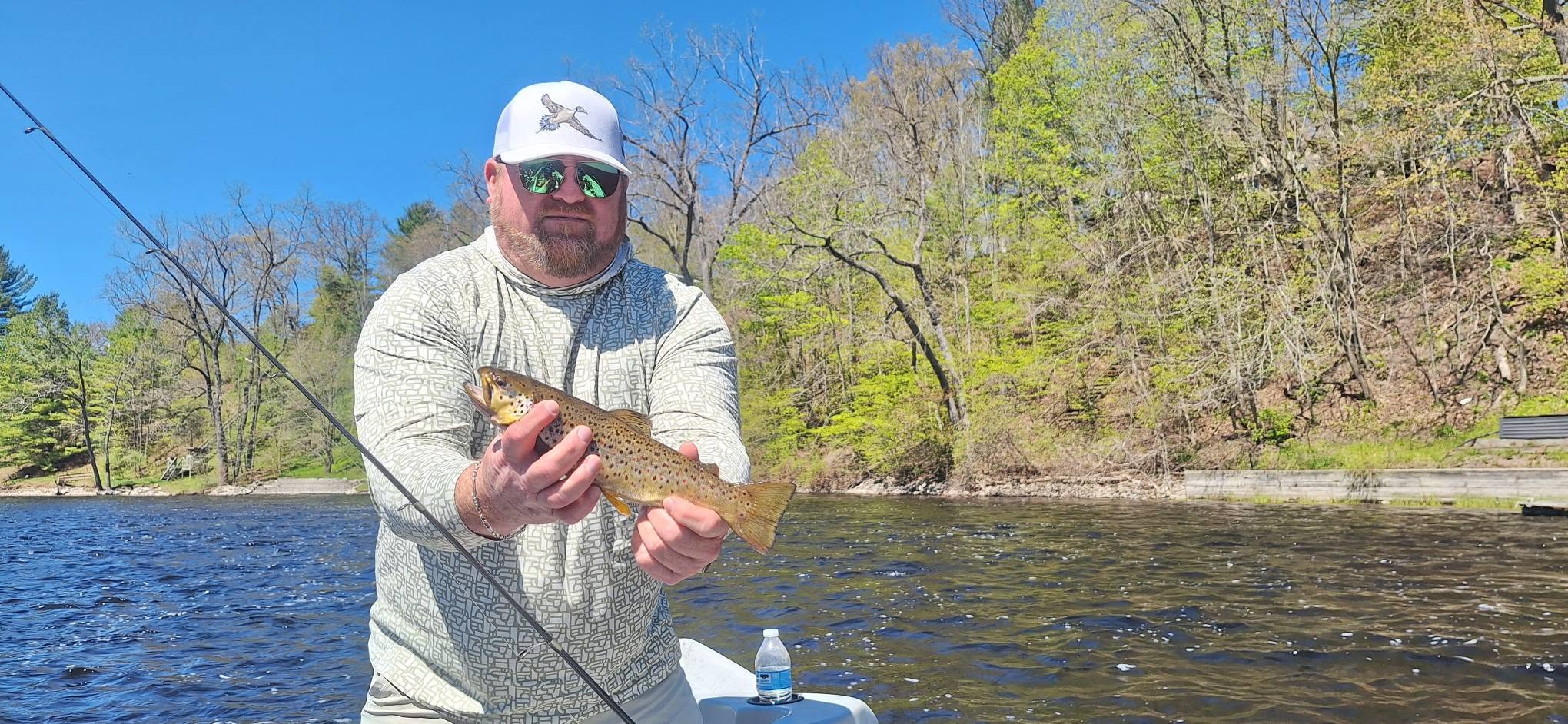
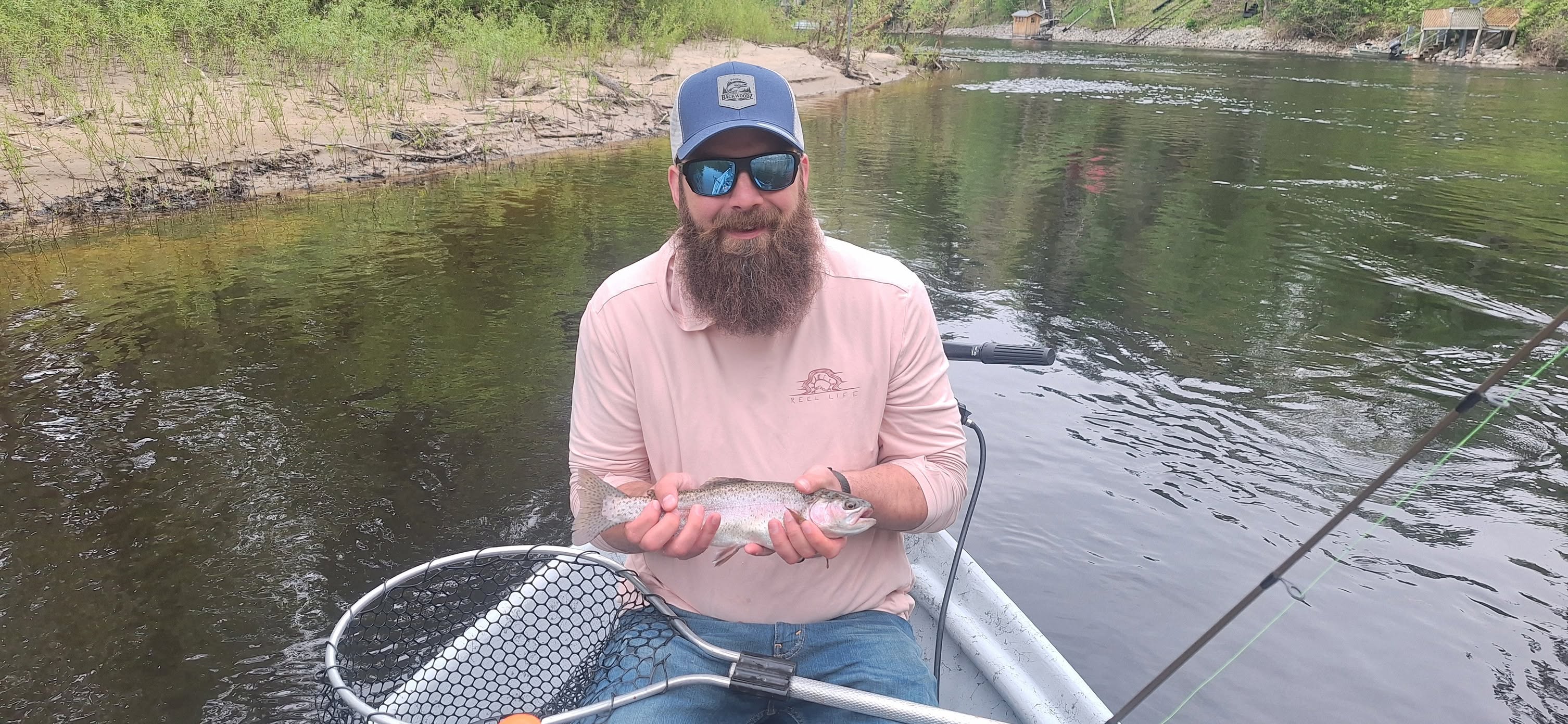
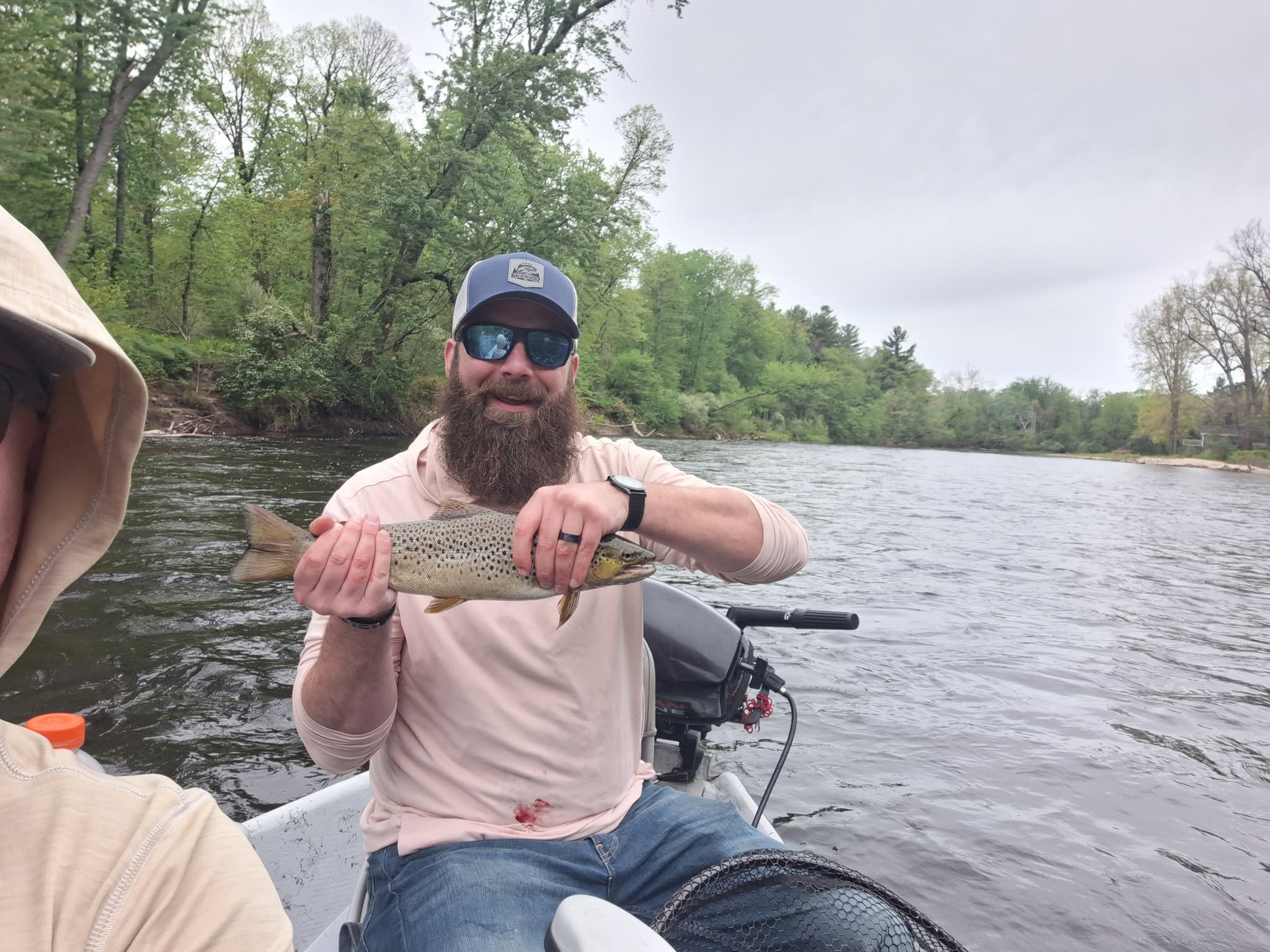
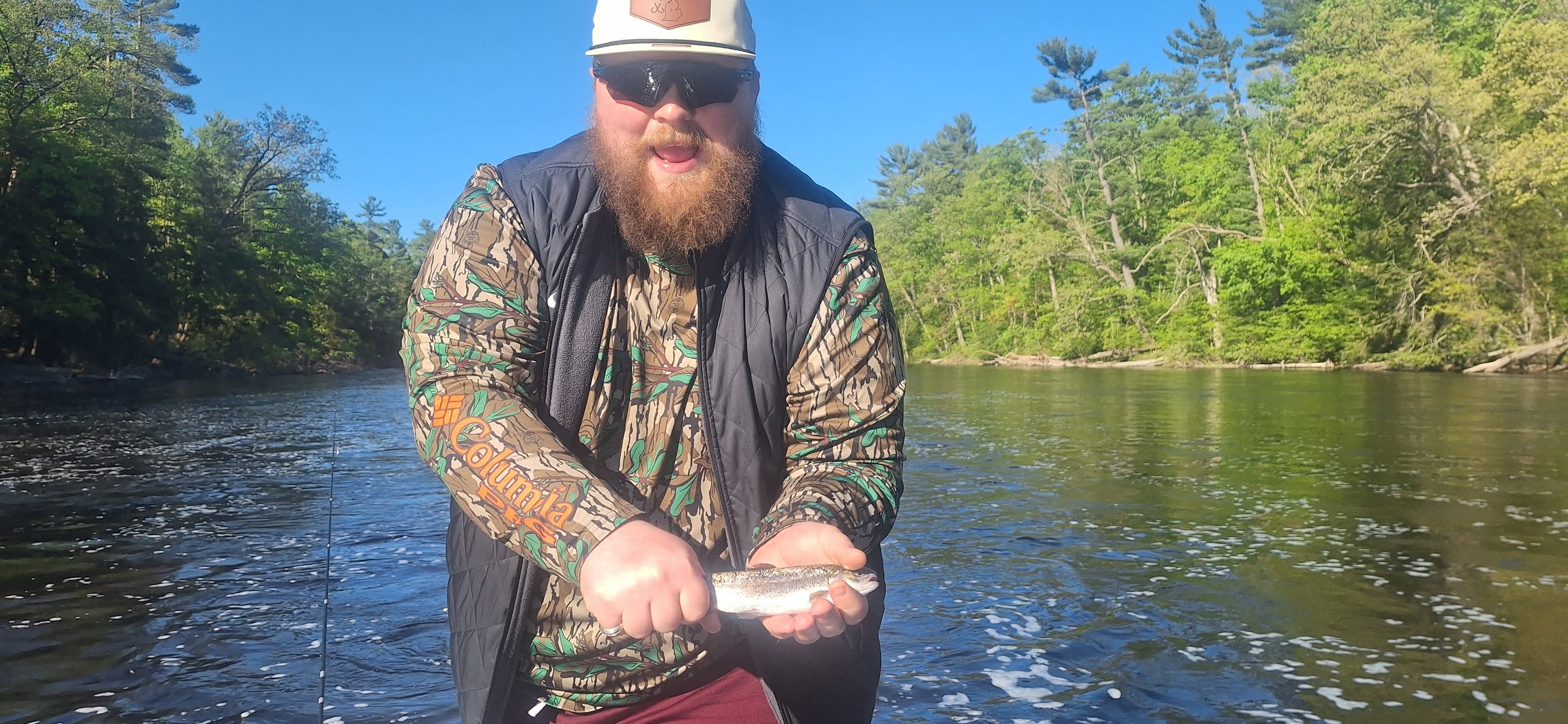
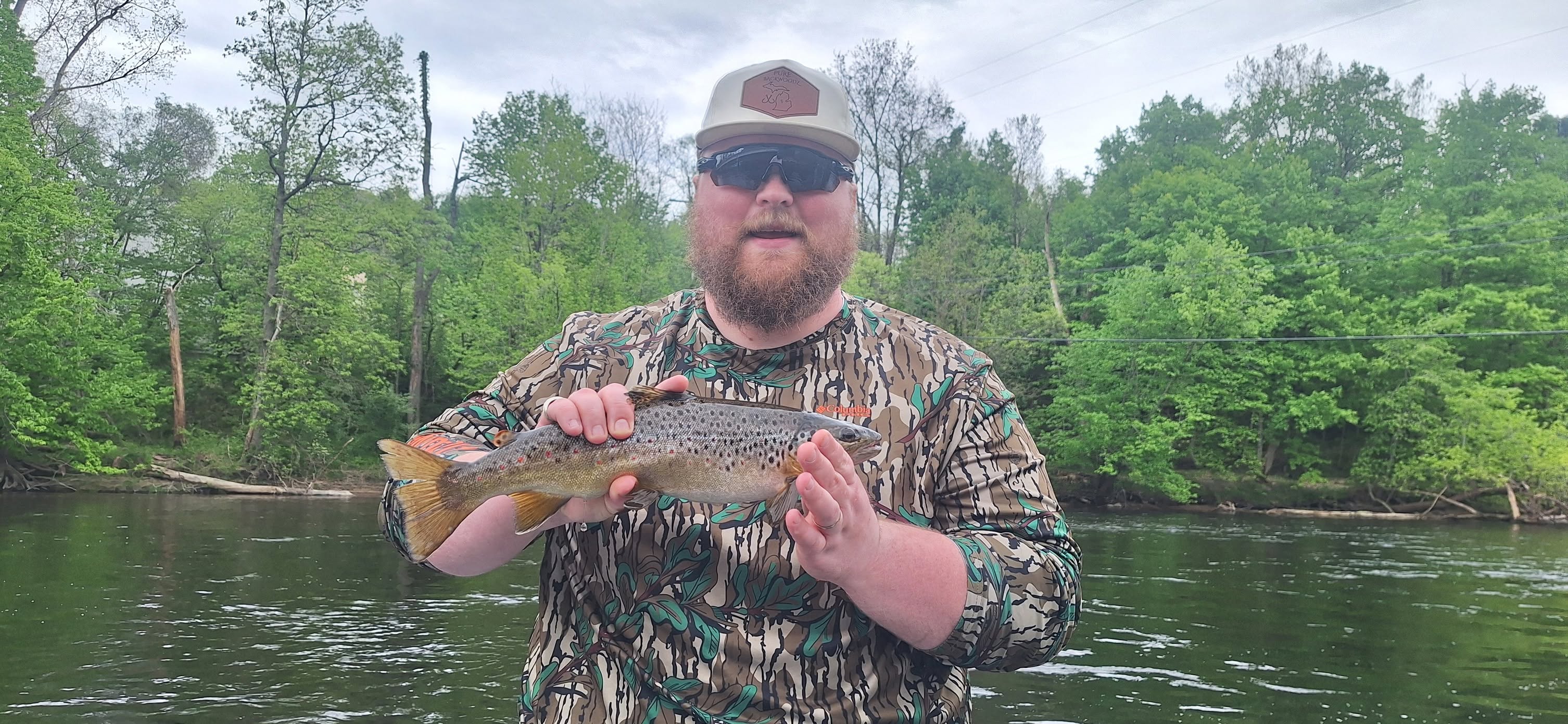
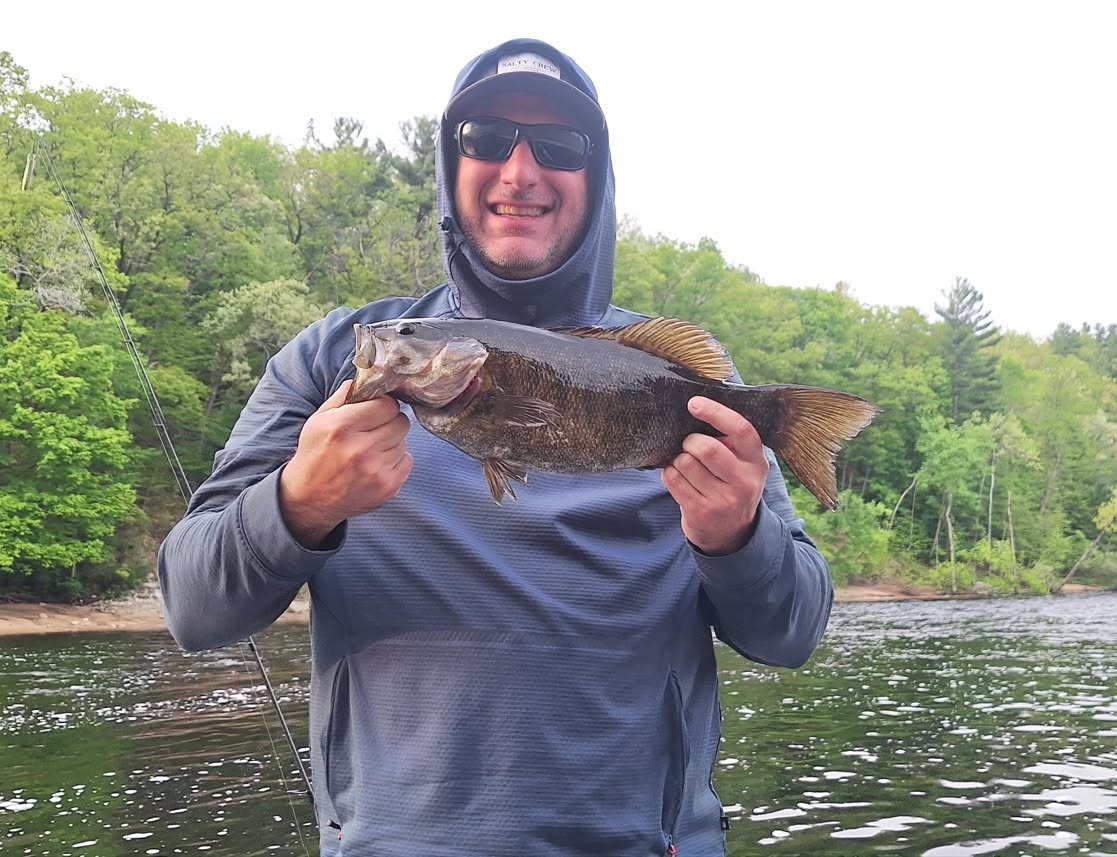
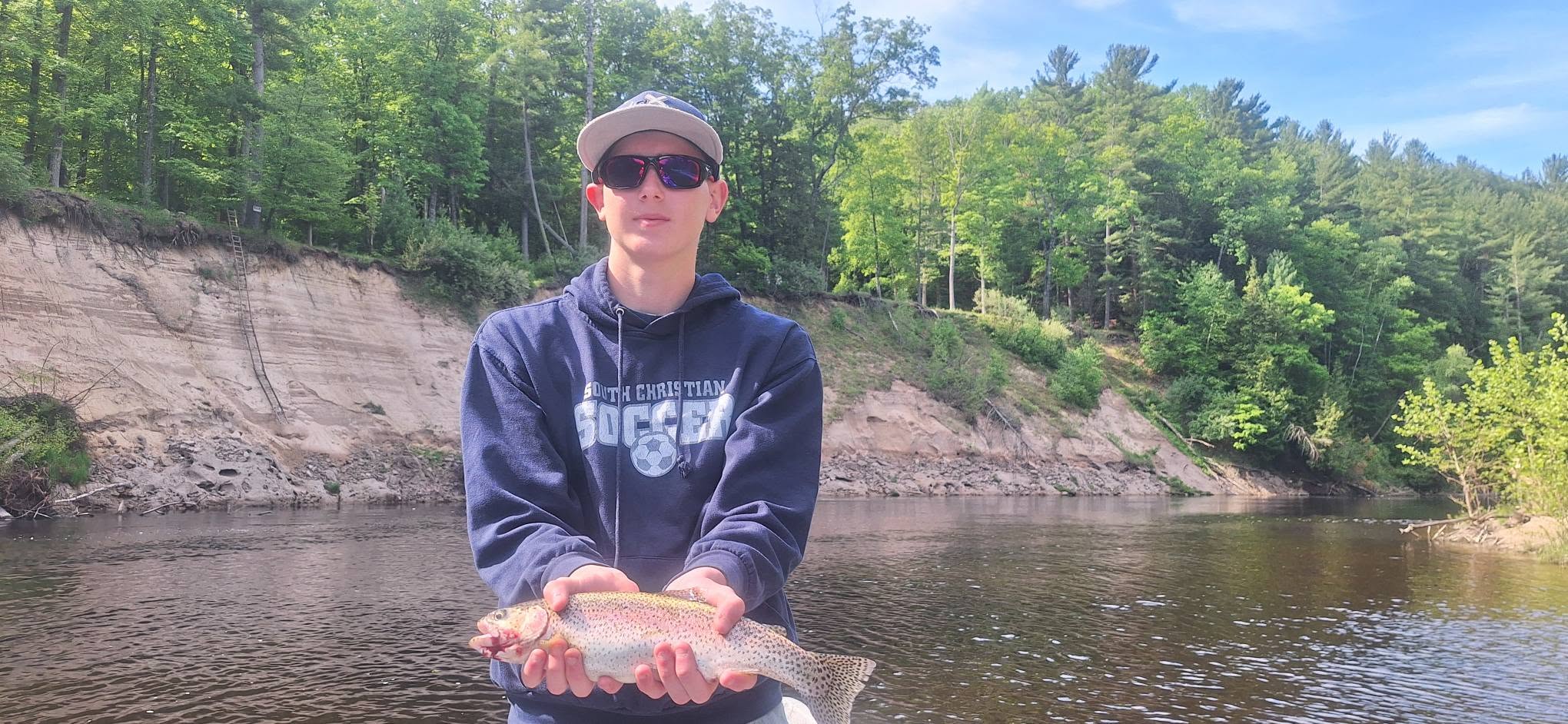
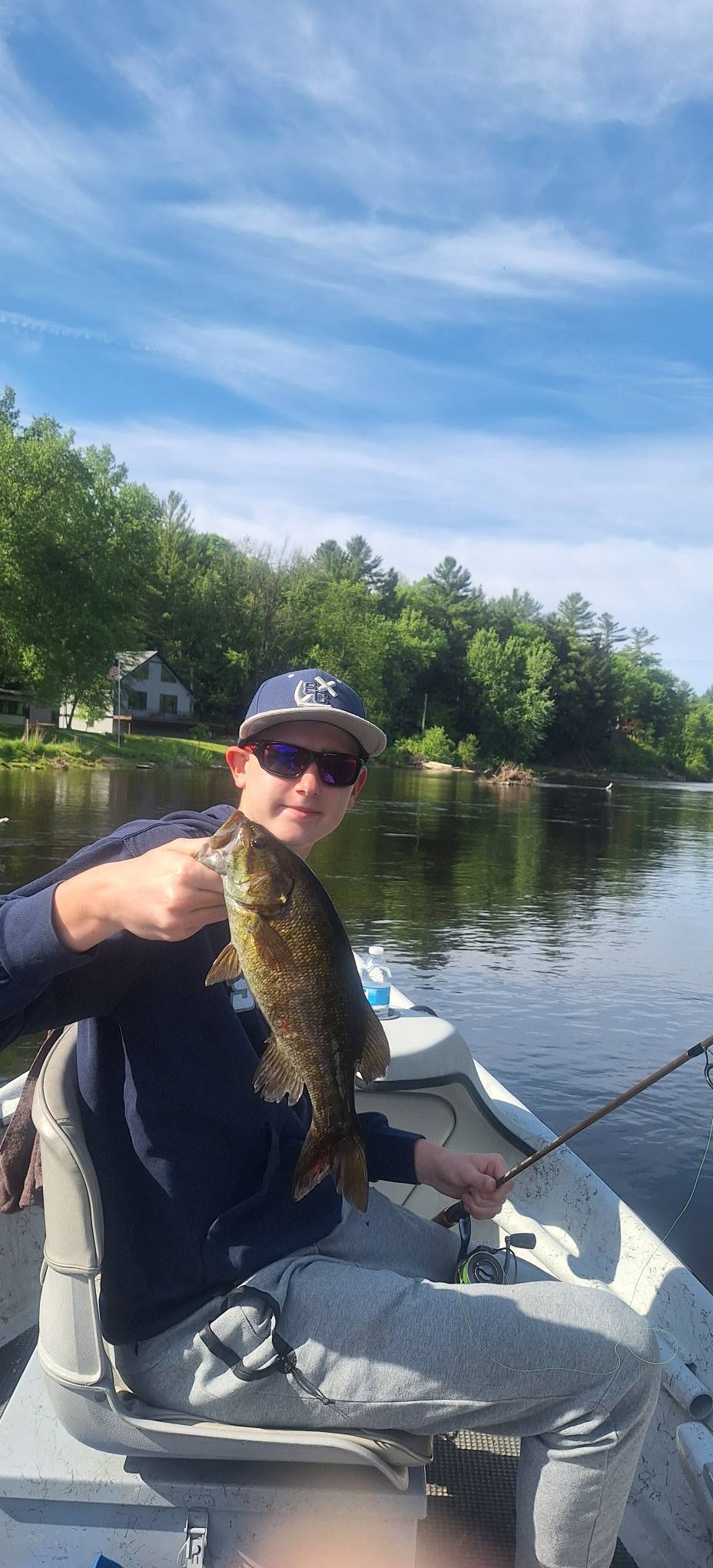
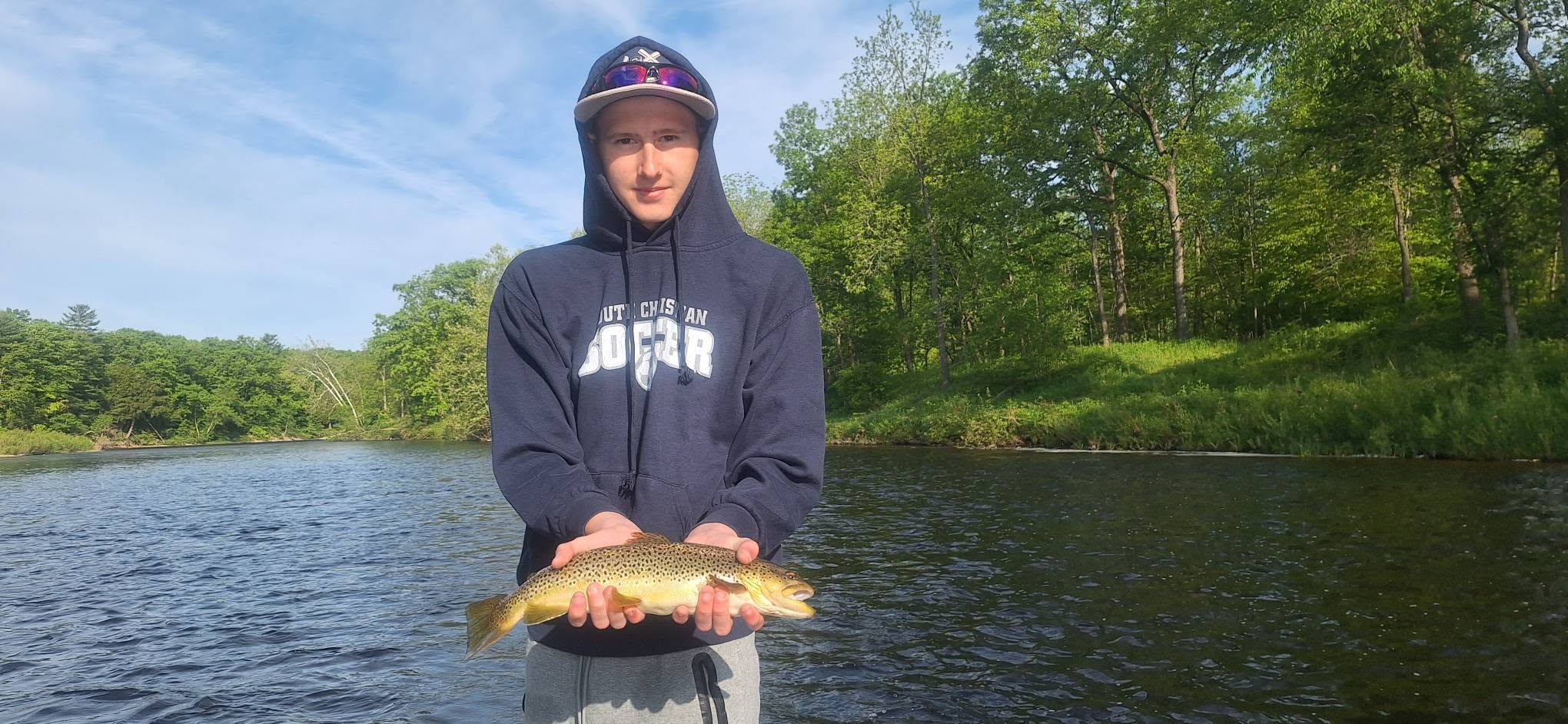
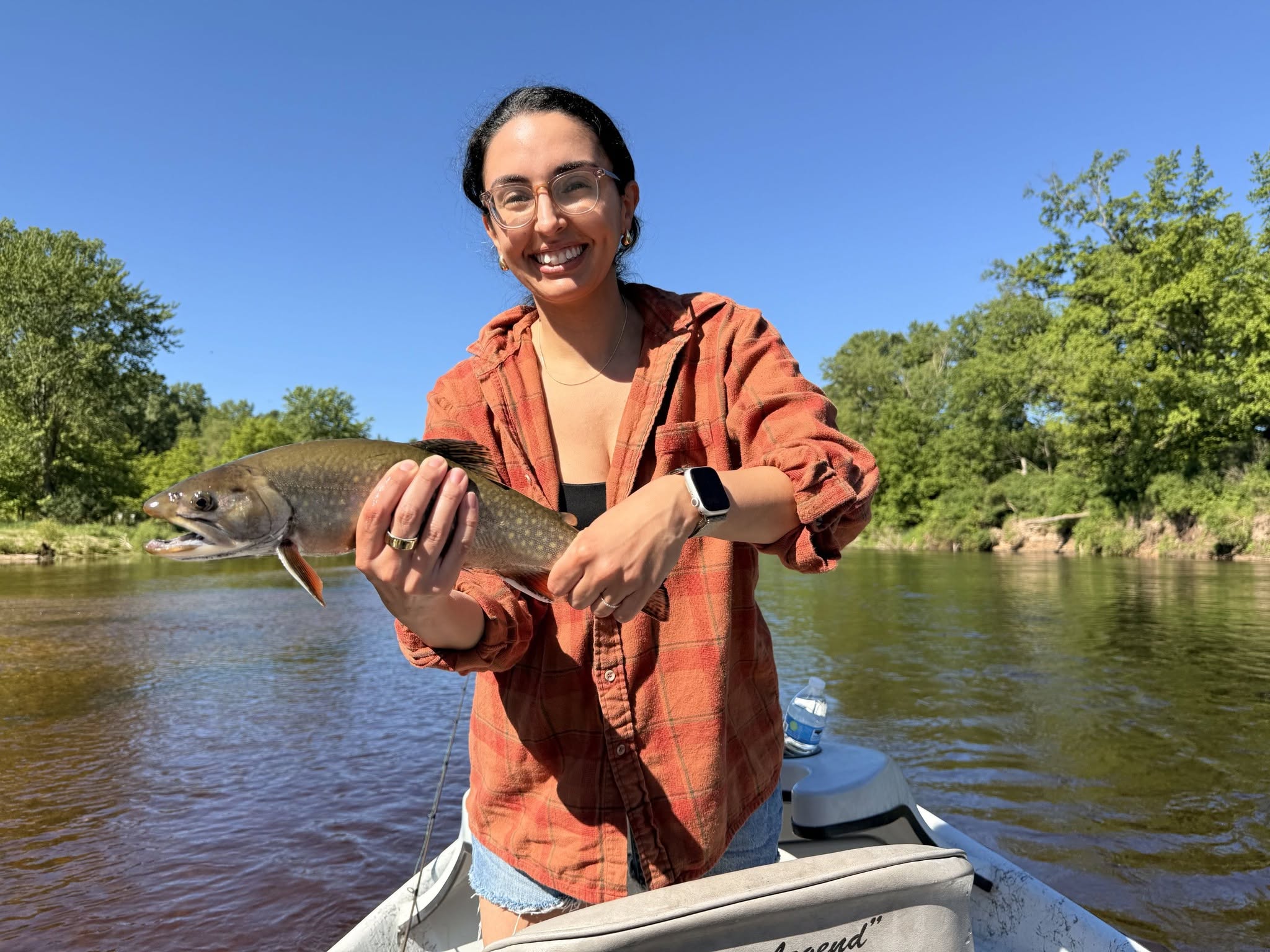
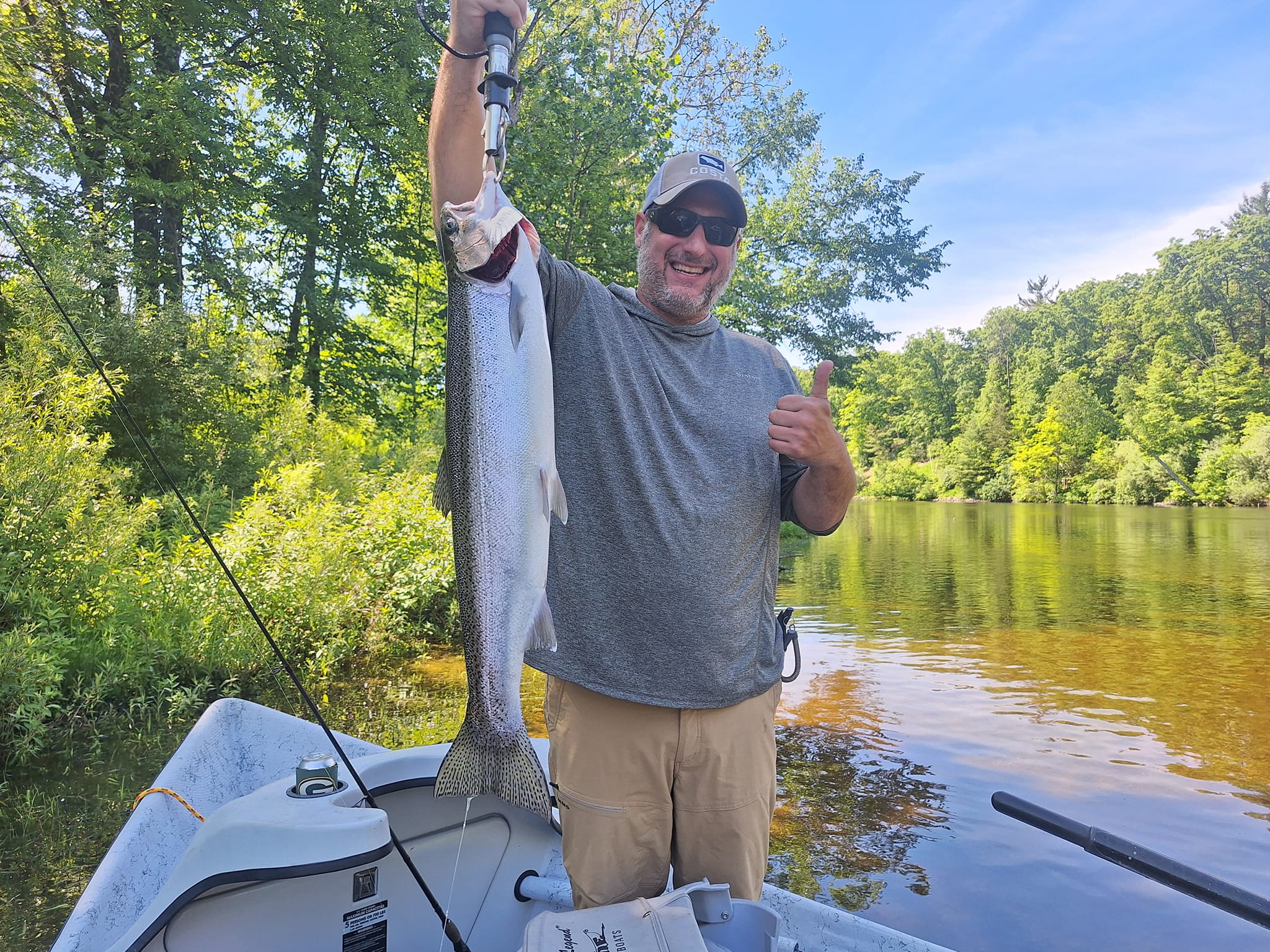
Smallmouth bass are the bread and butter of Muskegon River fishing, and for good reason. These bronze fighters average 12-16 inches but don't let the size fool you – they fight like fish twice their weight in the river current. Peak season runs from late spring through early fall, with the best action often coming during overcast conditions or the first few hours of morning. What makes smallmouth so addictive is their willingness to hit topwater presentations and their acrobatic fights. You'll find them staged behind boulders, in current breaks, and along rocky banks where they ambush crayfish and baitfish. Rainbow trout in the Muskegon system are typically steelhead – sea-run rainbows that enter the river from Lake Michigan. These chrome rockets can push 20+ inches and are renowned for their blistering runs and aerial displays. Spring and fall are prime times when fresh fish are moving through, though resident rainbows provide action throughout the summer months. Chinook salmon, the kings of the Great Lakes, make their spawning runs up the Muskegon from late summer into fall. These are serious fish – often 15-25 pounds – that test your gear and your endurance. They're not always cooperative, but when you connect with a fresh king in river current, it's a battle you won't forget. Brown trout round out the target species list and are often the most challenging to consistently catch. These wary fish prefer deeper pools and undercut banks, often feeding more actively in low-light conditions. Michigan browns can reach impressive sizes, with fish over 20 inches not uncommon in the Muskegon system.
Time to Book Your Spot
This trip fills up fast, especially during peak fishing seasons, and there's a reason guides across Michigan consider the Muskegon one of the best multi-species rivers in the state. At $825 for a solo adventure or $1,000 for two anglers, you're getting incredible value – that breaks down to about $70 per hour of guided fishing time, plus camping, meals, and all gear included. The 2-person maximum keeps things intimate and ensures you get personalized attention on the water. If you've been thinking about a fishing trip that goes beyond the ordinary day float, this is your chance to experience the Muskegon the way it's meant to be fished – with time to really understand the water, learn the techniques, and maybe land the fish of a lifetime. The combination of diverse fishing opportunities, authentic river camping, and expert guidance makes this a trending choice for serious anglers. Got questions about dates, what to bring, or specific techniques we'll be using? Don't hesitate to reach out – we're here to make sure this becomes the kind of fishing adventure you'll want to book again next season.
 Private Trip
 River Fishing
 Muskegon River


 Two-day Muskegon River fishing adventure with overnight camping experience