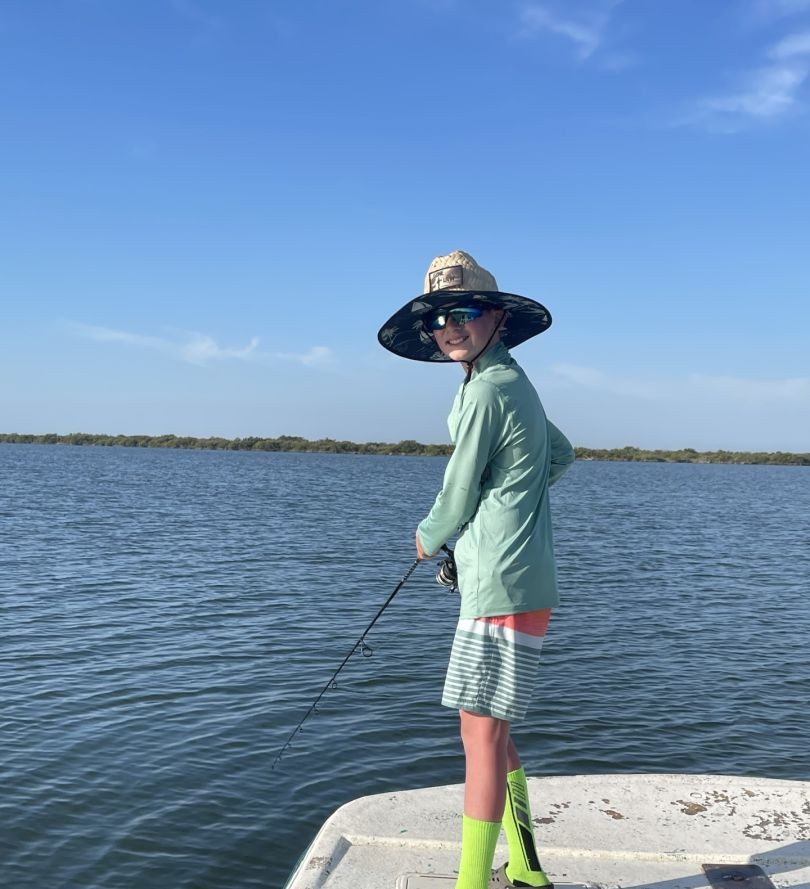
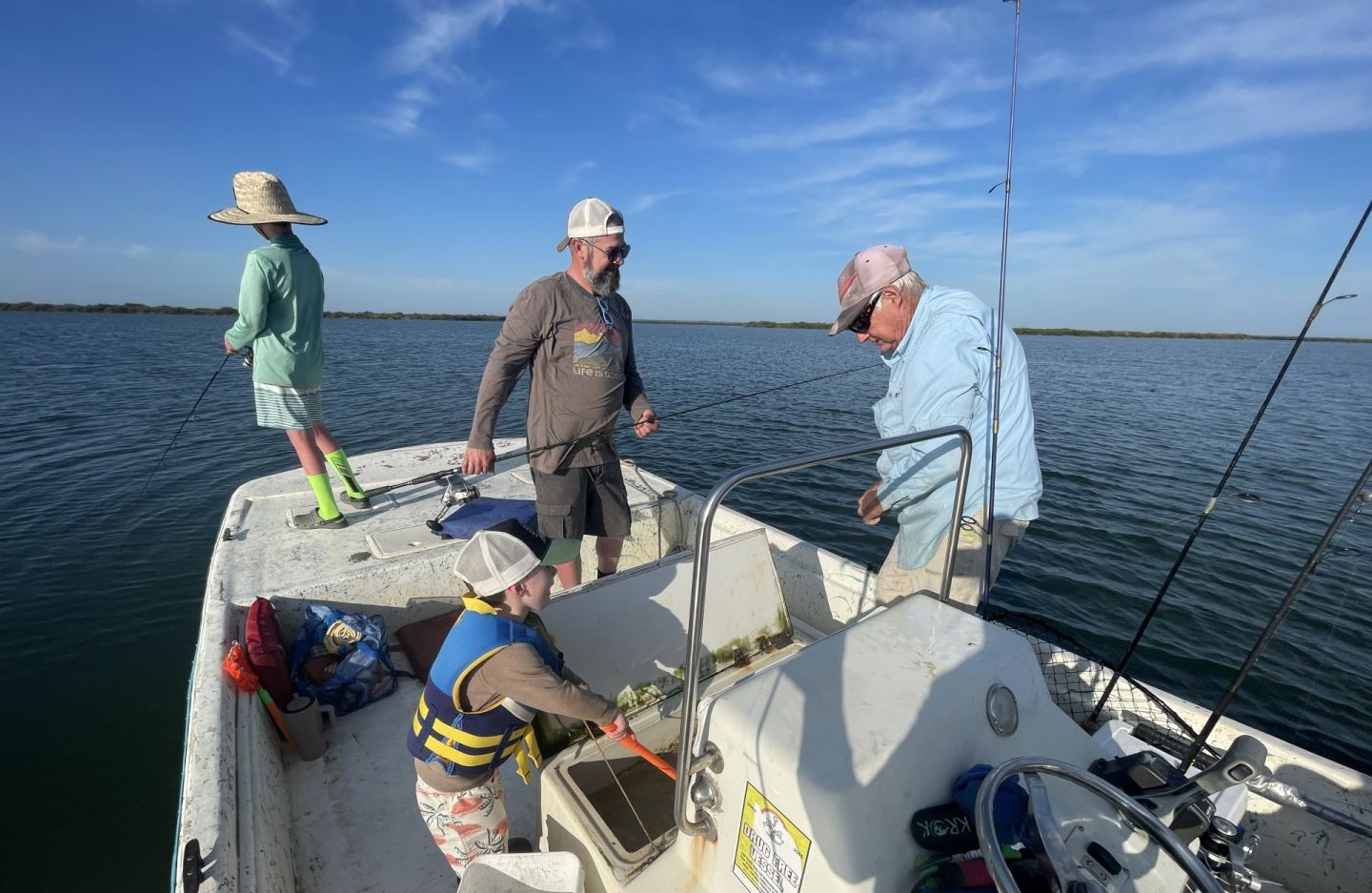
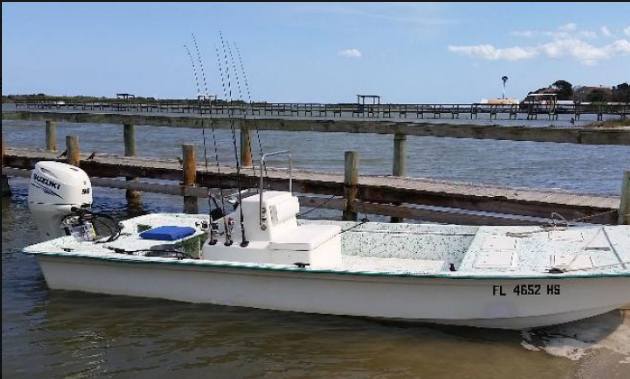
New Smyrna Beach FL Fishing Charters
Looking for some serious fishing action in Central Florida? You've found the right spot. This 4-hour charter out of New Smyrna Beach takes you to some of the most productive inshore waters on the east coast. We're talking about the legendary Indian River and pristine Mosquito Lagoon - two fisheries that have built their reputation on consistent action and trophy-quality fish. Captain Neal has been working these waters for years, and he knows exactly where the fish stack up depending on tides, weather, and season. Whether you're a seasoned angler or just getting your feet wet, this trip delivers the kind of fishing that keeps you coming back for more.
What to Expect on the Water
Your day starts early at the dock in New Smyrna Beach, where Captain Neal will have the boat rigged and ready to roll. This isn't one of those cattle-boat operations - we keep it intimate with just 2 anglers max, so you get personalized attention and plenty of room to fish. The Indian River system here is a maze of shallow flats, deeper channels, and structure that holds fish year-round. Depending on conditions, we might work the grass flats for tailing redfish, hit the deeper holes for black drum, or cruise the mangrove shorelines where snook love to ambush baitfish. The Mosquito Lagoon side offers crystal-clear water and sight-fishing opportunities that'll get your heart pumping when you see that wake coming toward your lure. All your tackle is provided, from spinning gear for the smaller stuff to heavy rods when we're chasing tarpon. Captain Neal runs a clean, well-maintained boat with all the safety gear and electronics needed to put you on fish consistently.
Techniques & Tackle Setup
The beauty of fishing these waters is the variety of techniques we can deploy in a single trip. Live bait fishing is king here - we'll often start the day throwing a cast net for finger mullet, pilchards, or shrimp depending on what's around. These baits get rigged on circle hooks and fished under popping corks around structure or free-lined in deeper water. When the fish are aggressive, artificial lures really shine. Soft plastics like paddle tails and jerk baits work magic on the grass flats, while topwater plugs create explosive strikes during dawn and dusk periods. The tackle setup varies by target species - lighter spinning gear with 15-20lb braid for snook and reds, while the big tarpon and drum require stouter rods with 30-40lb line. Captain Neal handles all the rigging and re-rigging, so you can focus on reading the water and making good presentations. He'll coach you through proper hook-setting techniques and fighting strategies, especially important when dealing with structure-loving fish that want to cut you off in the mangroves.
Customer Stories
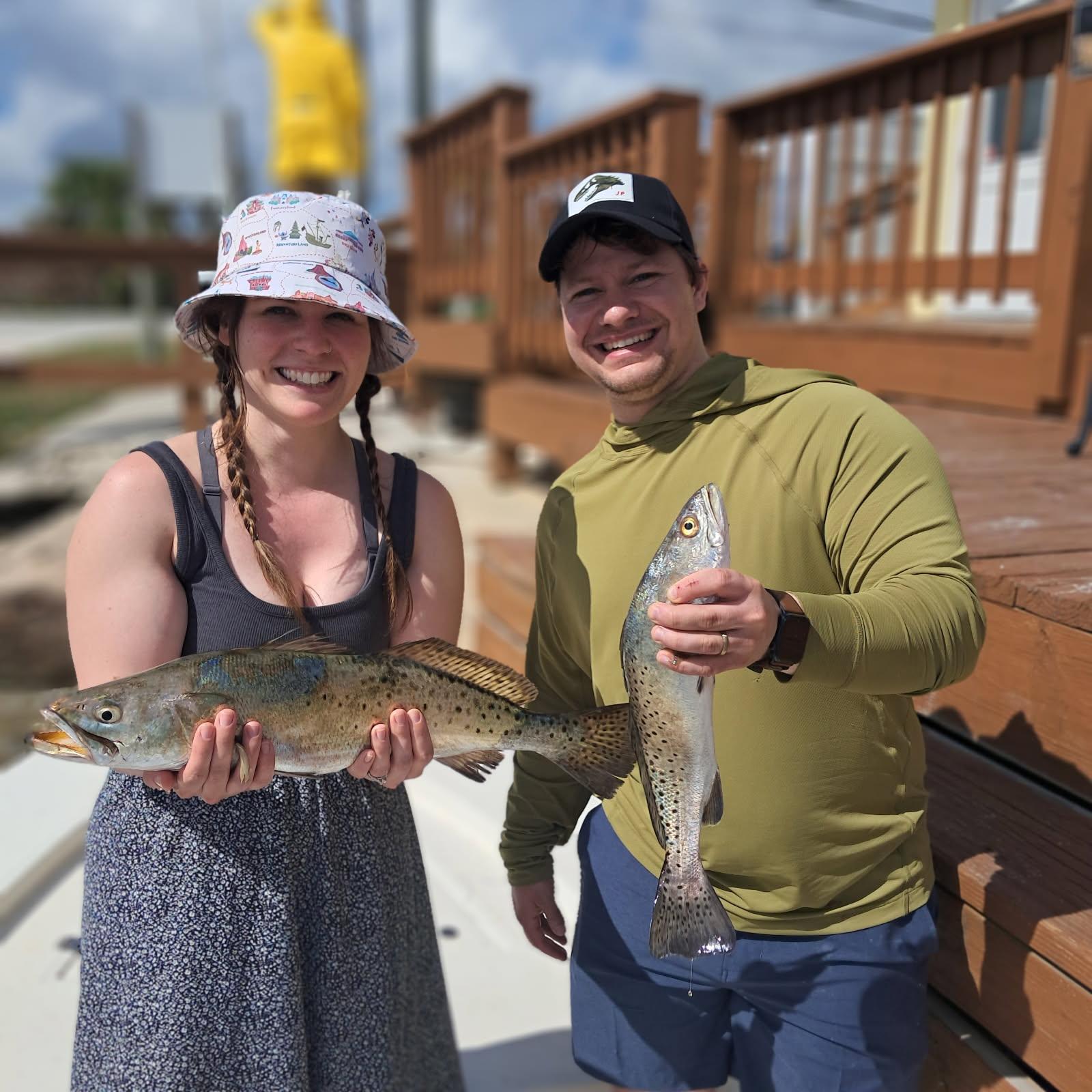
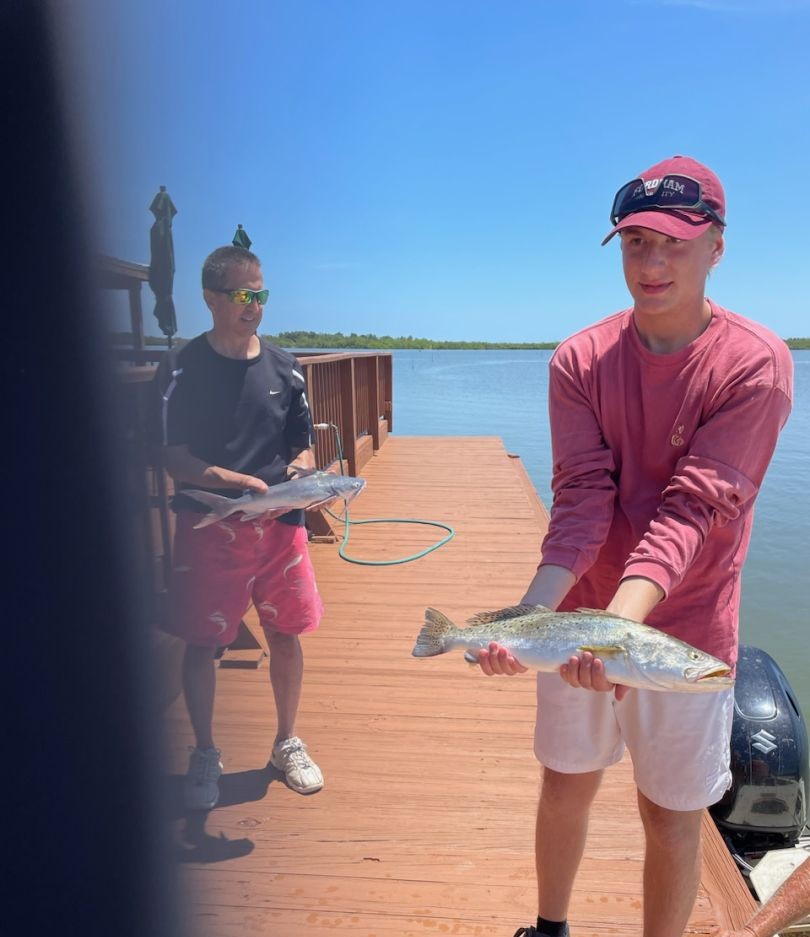
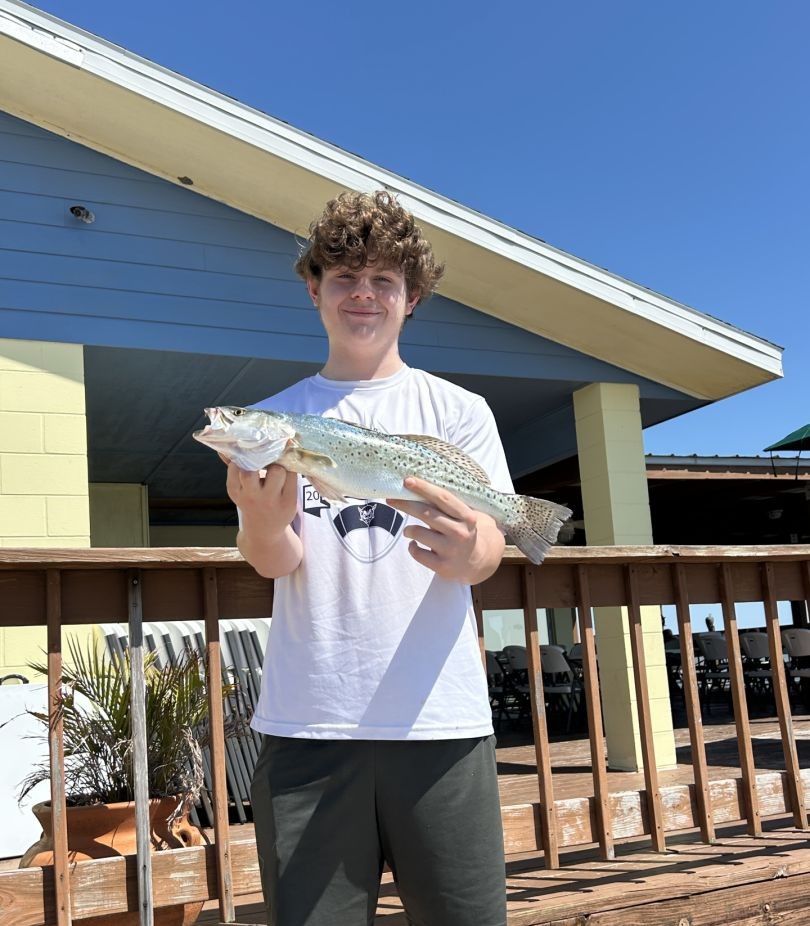
"We were on the fish right away and hit our limit early in the trip. Captain Neal was friendly, easy to talk to, and clearly knows his stuff. It was a great day on the water from start to finish." - Gregory
"Captain Neal really knows these waters and how to find the fish. The bite started off slow, but after a few moves, he had us reeling in some quality trout. He worked hard to make it happen, and I'd definitely fish with him again." - William
Species You'll Want to Hook
Snook are the crown jewel of these waters and for good reason. These ambush predators love to hang around structure - docks, mangrove overhangs, and channel edges where they can dart out to crush unsuspecting baitfish. They're notorious for their gill-rattling jumps and powerful runs, often heading straight for the nearest piling or oyster bar to break you off. The best snook action typically happens during the warmer months from April through October, with dawn and dusk being prime time. What makes catching snook so addictive is their aggressive strike and the technical challenge they present - you need pinpoint accuracy with your casts and lightning-quick reflexes to keep them out of cover.
Black drum are the bulldogs of the Indian River system, and when you hook into a big one, you'll know it immediately. These bottom-dwellers can push 40-50 pounds and fight with pure, stubborn power that'll test your tackle and your patience. They school up around oyster bars, bridge pilings, and deeper holes, especially during the cooler months from November through March. The bite is often subtle - just a gentle tap-tap before they start moving off with the bait. What anglers love about drum fishing is the potential for that true trophy - a fish that can barely fit in the boat and provides bragging rights for years to come.
Tarpon fishing here is something special, particularly during the spring and early summer migration when schools of these silver kings move through the area. These prehistoric-looking fish can reach 6 feet and 150+ pounds, making them one of the most challenging gamefish in Florida waters. When a tarpon eats your bait and launches skyward in a series of spectacular jumps, it's a moment that changes how you think about fishing. The fight can last 30 minutes or more, testing every aspect of your angling skills. Even smaller tarpon in the 20-40 pound range provide world-class action and are much more manageable for newer anglers.
Redfish round out the slam opportunities and are arguably the most reliable species in these waters. These copper-colored bruisers patrol the shallow flats and can often be spotted tailing or pushing wakes as they root around for crabs and shrimp. Reds fight dirty - they'll use their broad sides to leverage against you and make powerful runs toward whatever structure they can find. The Indian River reds average 20-30 inches with plenty of slot fish for dinner and oversized bulls that provide serious sport. What makes redfish so appealing is their year-round presence and willingness to eat both live and artificial ba
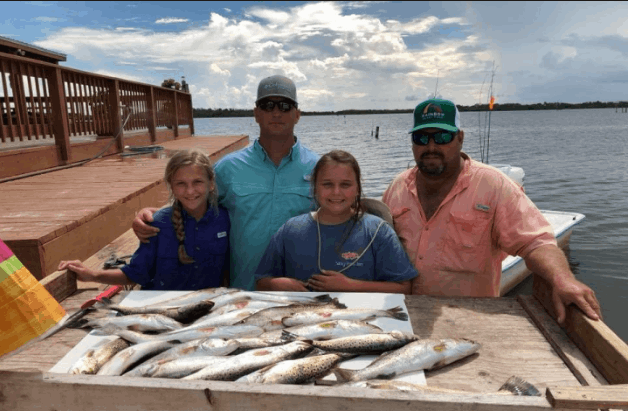
 5.0(2 Reviews)
 Private Trip
 River Fishing
 New Smyrna Beach


 Four-hour charter targeting Snook, Tarpon, and Black Drum species.