5 Hour Islamorada Fly Fishing Charter
If you're looking to test your skills against some of the most respected gamefish in the Keys, this private charter puts you right where the action happens. Islamorada sits at the heart of world-class flats fishing, and this 5-hour trip gives you serious time to work the water properly. You'll be targeting the legendary backcountry species that put the Florida Keys on the fly fishing map - tarpon, bonefish, snook, and redfish. With morning and afternoon departure times, you can pick the window that works best for your schedule and the conditions. Two guests max means you get the captain's full attention and plenty of room to work your casts without bumping elbows.
What to Expect on the Water
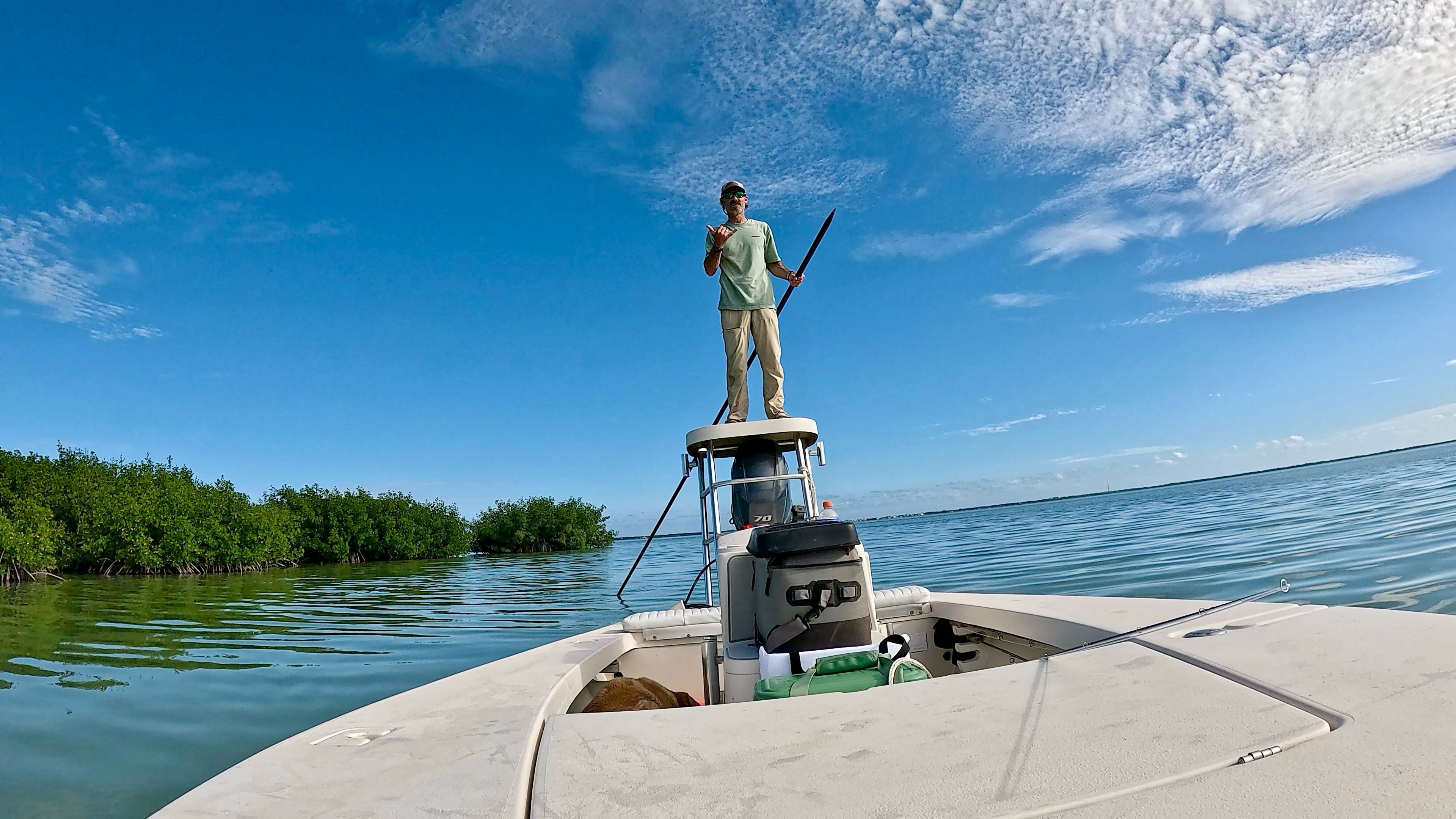
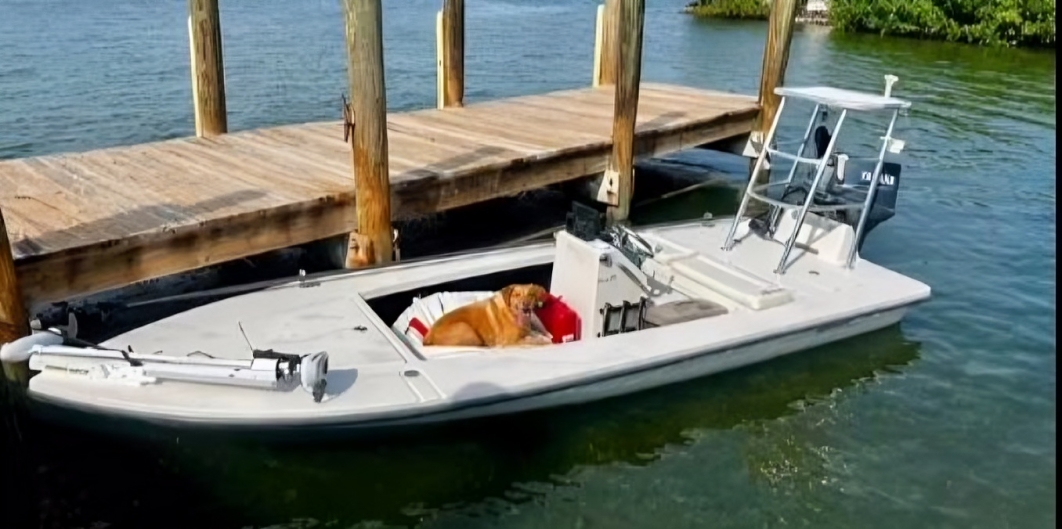
Your captain knows these waters like his own backyard and adjusts the game plan based on what Mother Nature's serving up that day. Tides, wind, and fish movement all play into where you'll be poling and casting. The shallow backcountry flats around Islamorada and into the Everglades offer endless opportunities - one minute you're sight-casting to tailing redfish in skinny water, the next you're presenting flies to cruising tarpon along a channel edge. Morning trips often start with the cooler air and better light for spotting fish, while afternoon sessions can heat up as baitfish become more active. All your gear comes included, from rods rigged with the right flies to beverages and ice to keep you comfortable. The boat's set up specifically for this kind of fishing, with a poling platform that gives your guide the high vantage point needed to spot fish and put you in position.
Fly Fishing the Flats
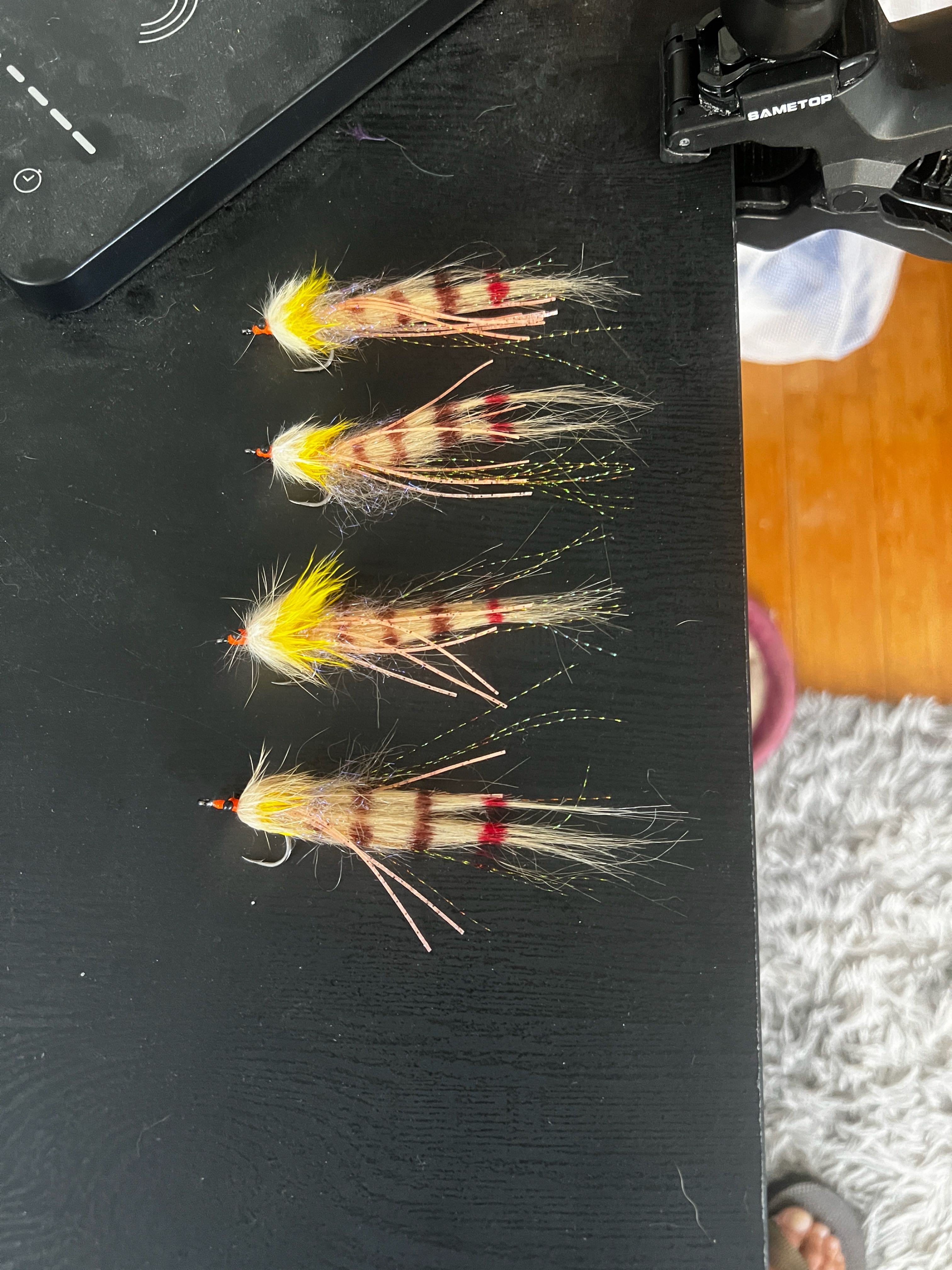
This isn't lake fishing - flats fishing demands precision and patience, but the payoff is huge. You'll be making targeted casts to fish you can actually see, which changes everything about how you approach each shot. Your captain will have the boat rigged with fly rods matched to the species you're after, typically 8 to 10 weights depending on conditions and target fish. Flies range from small shrimp patterns for bonefish to larger streamers for tarpon and snook. The techniques vary with each species - bonefish require delicate presentations ahead of their feeding path, while tarpon might eat a fly stripped aggressively right in their face. Light tackle options are available too for anglers who want to mix things up or are still getting comfortable with fly casting. The key is reading the water and understanding how these fish behave in their home turf. Your guide handles the boat positioning and does the spotting, calling out directions and distances so you can focus on making good casts when it counts.
Species You'll Want to Hook
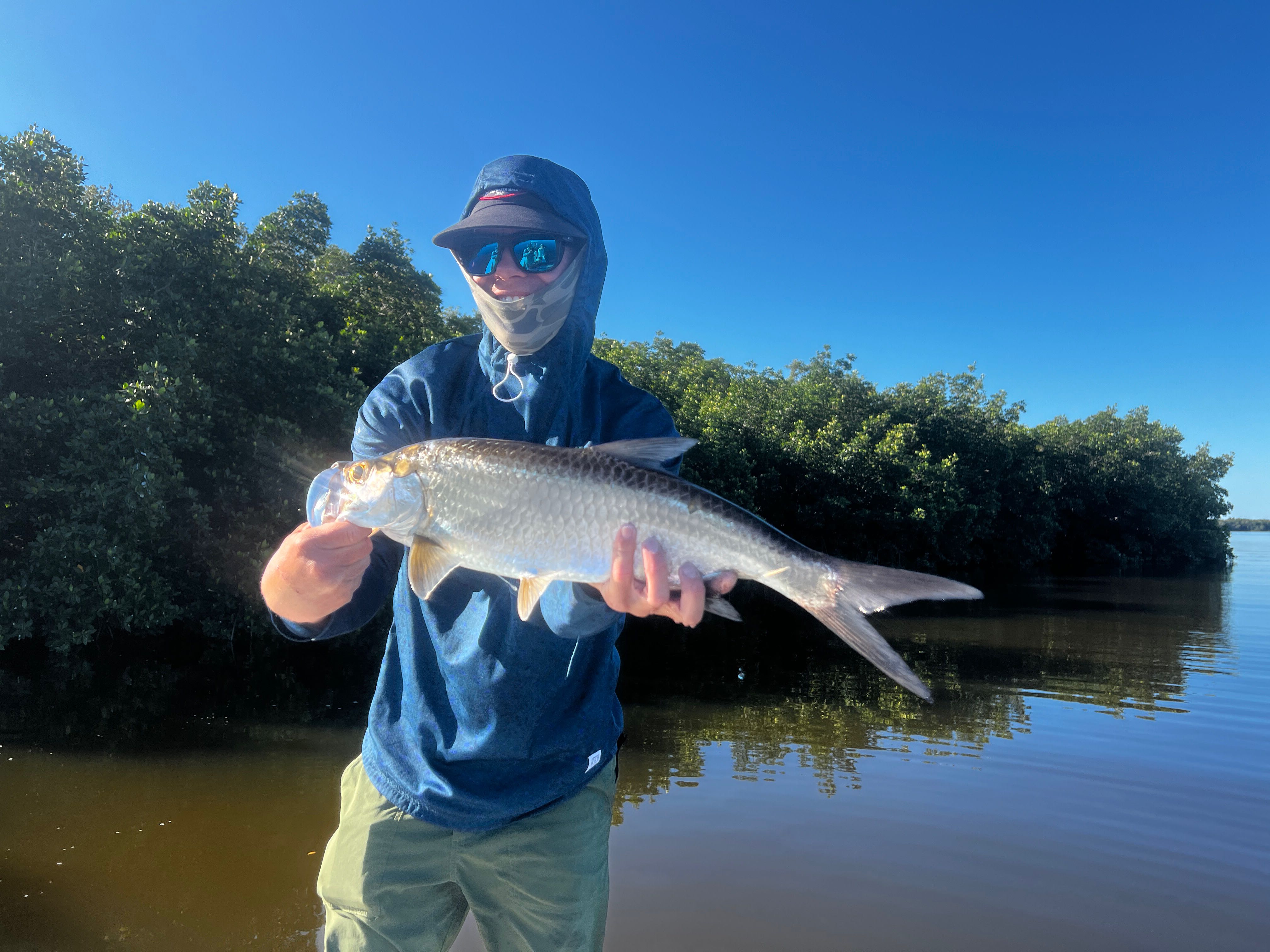
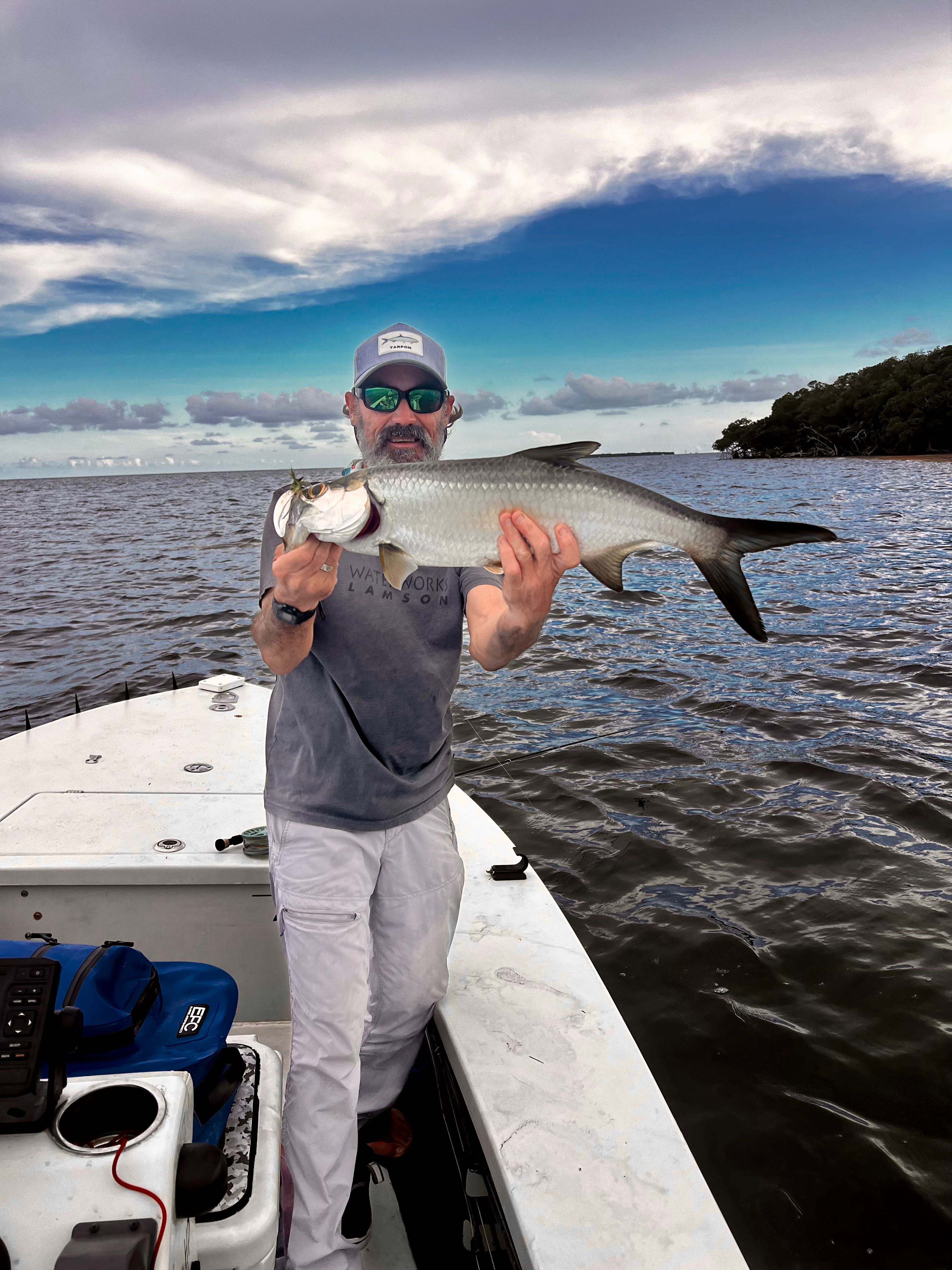
Tarpon are the undisputed kings of the flats, and Islamorada puts you in prime territory for these silver giants. These fish can exceed 100 pounds and are notorious for their aerial displays when hooked. Peak season runs from April through July, but resident fish are around year-round in smaller numbers. What makes tarpon special is their prehistoric presence and the way they test every aspect of your fishing skills - from the initial presentation to fighting a fish that can jump 6 feet out of the water. They're catch and release only, which keeps the fishery strong for future generations.
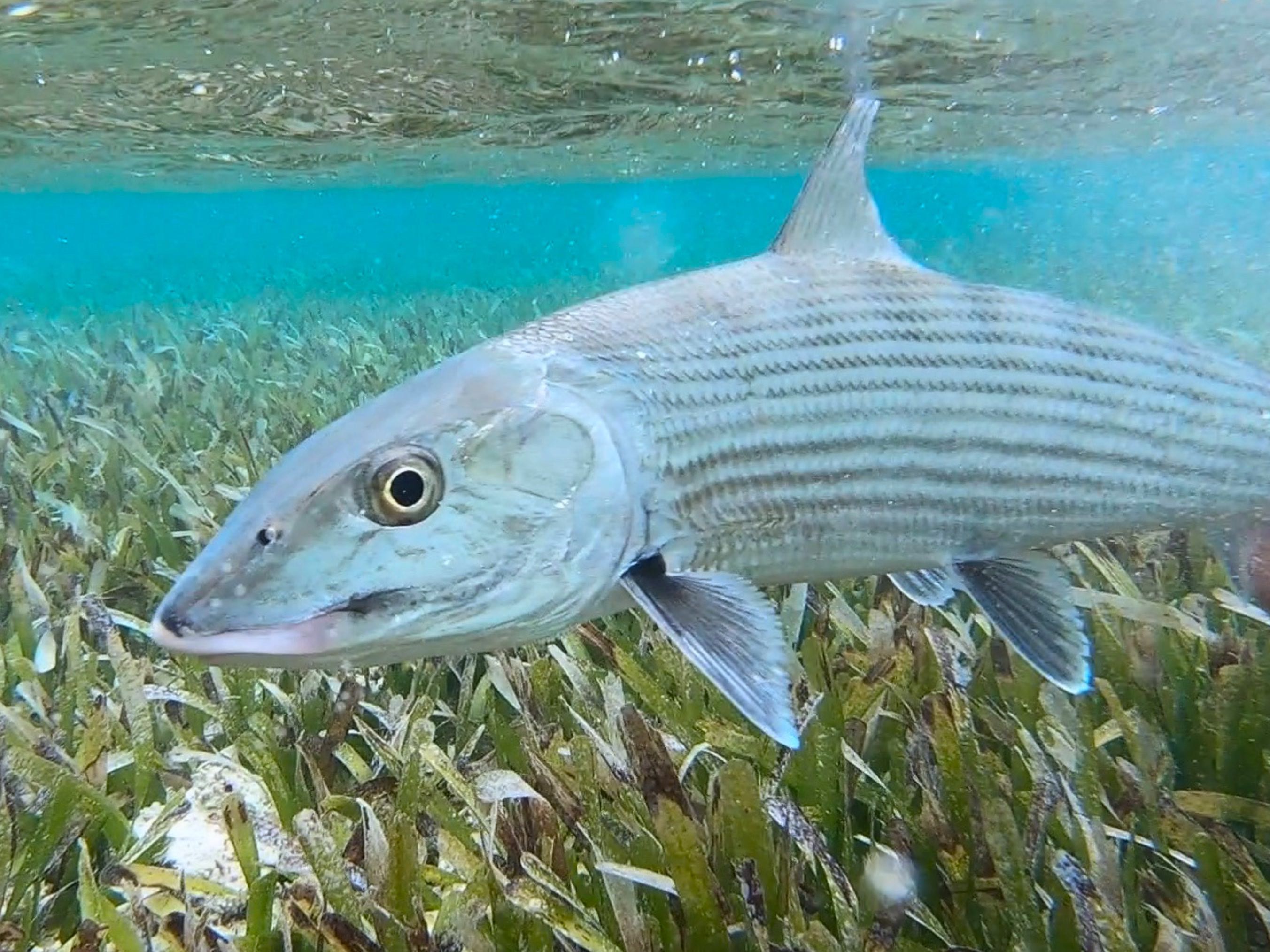
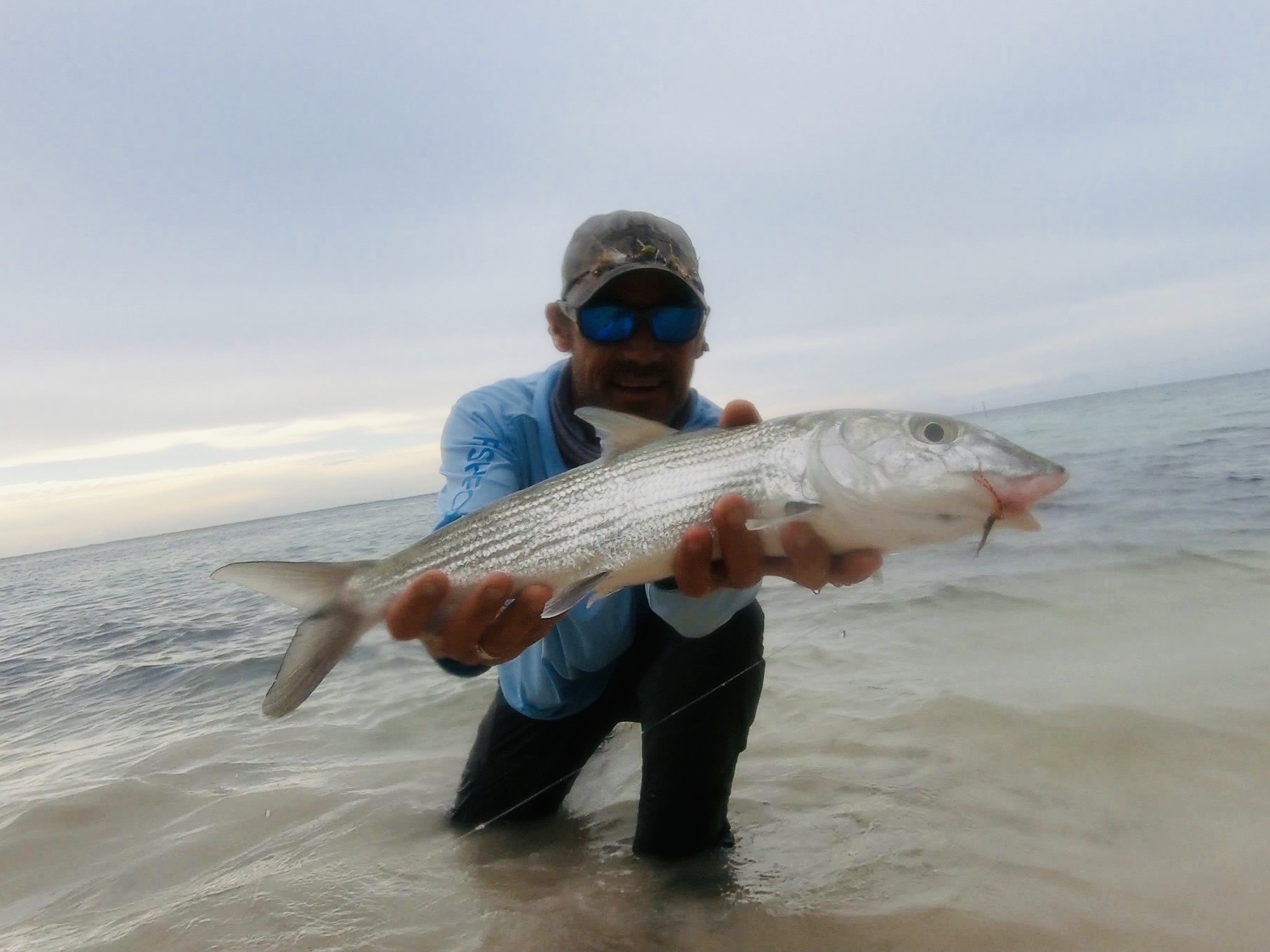
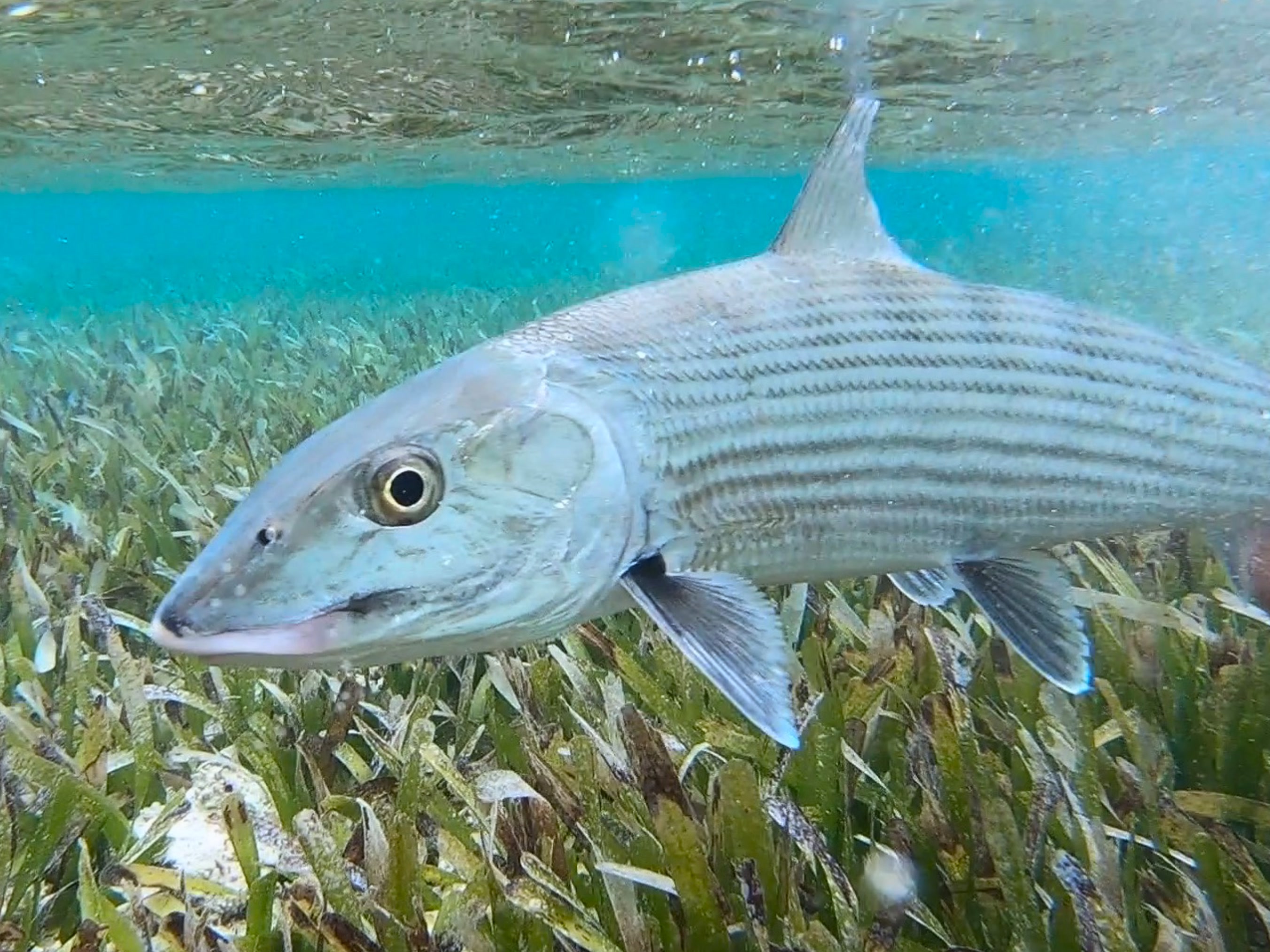
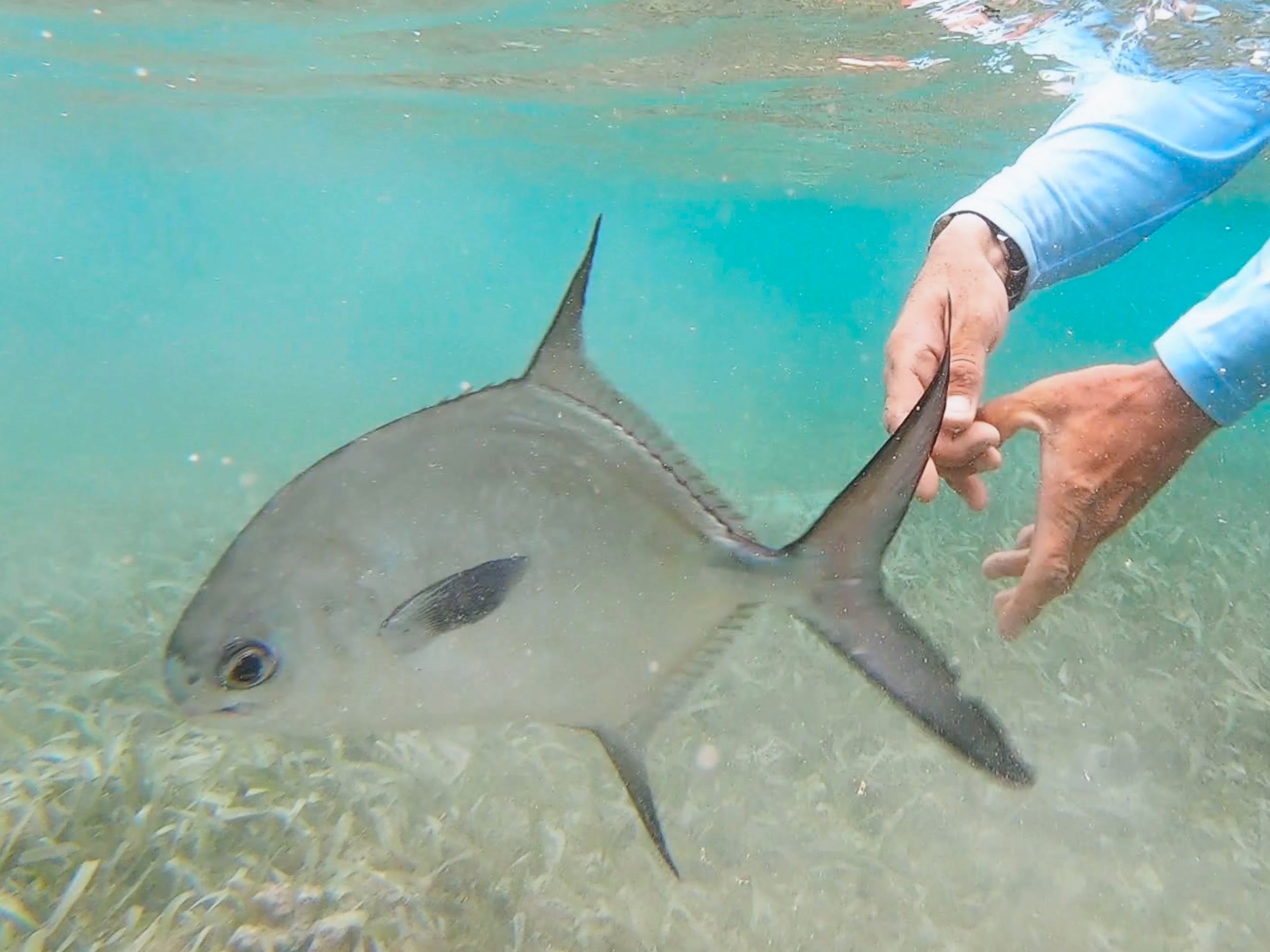
Bonefish represent the technical side of flats fishing and are often called the "gray ghost" for good reason. These spooky fish average 3 to 6 pounds in these waters and have eyesight that can pick up the slightest wrong movement. They're year-round residents, though spring and fall typically offer the most consistent action. Bonefish will test your casting accuracy and patience, but hooking one on fly gear creates an adrenaline rush that's hard to match. Their initial runs can peel line off your reel faster than you'd think possible from such a streamlined fish.
Snook patrol the mangrove edges and channels throughout the backcountry, ambushing baitfish with explosive strikes. These fish have serious attitude and aren't shy about trying to cut your line on structure after being hooked. Prime time for snook runs from late spring through early fall, with the larger fish moving shallow during warmer months. They're aggressive feeders that will eat both flies and light tackle offerings, making them a favorite for anglers who like their fishing with some serious pulling power. The slot limit means you can keep some for dinner if they measure right.
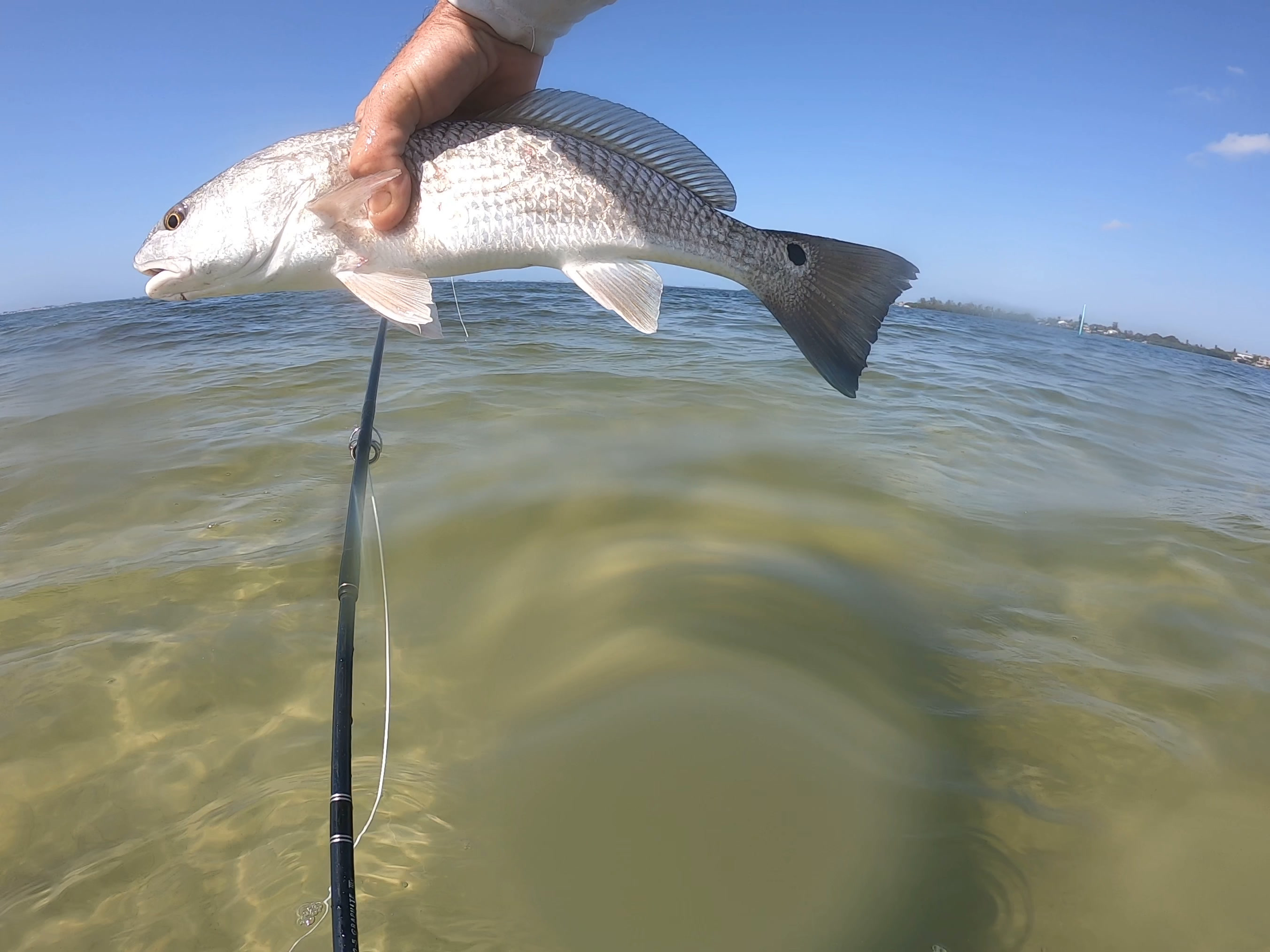
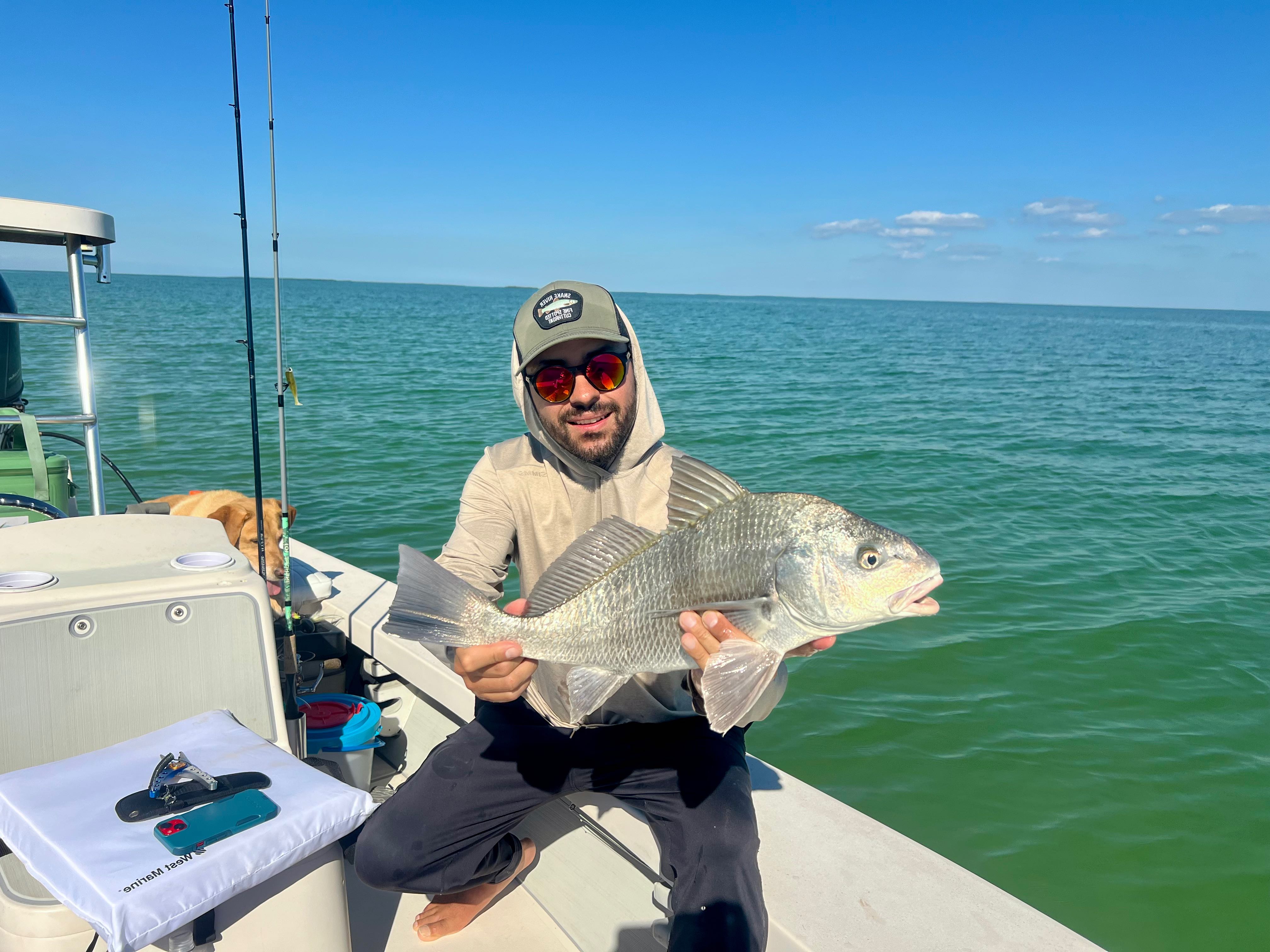
Redfish, or "reds," are the bread and butter of backcountry fishing. These copper-colored bruisers cruise the shallows looking for crabs and small fish, often with their tails breaking the surface as they feed. They're less spooky than bonefish but still require good presentation skills. Redfish are available year-round, with fall bringing some of the largest specimens into skinny water. What makes reds special is their willingness to eat and their bulldogging fight style that keeps steady pressure on your tackle. They're also excellent table fare when kept within regulations.
Barracuda add some speed and teeth to the mix, often showing up when you least expect them. These aggressive predators will chase down fast-moving flies and provide heart-stopping strikes. While not the primary target, cuda can save the day when other species aren't cooperating, and their speed makes for exciting fights on lighter tackle. They're year-round residents that patrol both deep and shallow water throughout the area.
Time to Book Your Spot
This charter delivers exactly what serious anglers want - quality time on productive water with a captain who knows how to put you on fish. The 5-hour window gives you enough time to work different areas and adapt to conditions without feeling rushed. Whether you're new to fly fishing or looking to add some Keys species to your logbook, this trip offers the perfect combination of challenge and opportunity. The two-week cancellation policy shows this is a professional operation that values both your time and theirs. With all gear provided and departure times that
 Private Trip
 Florida Keys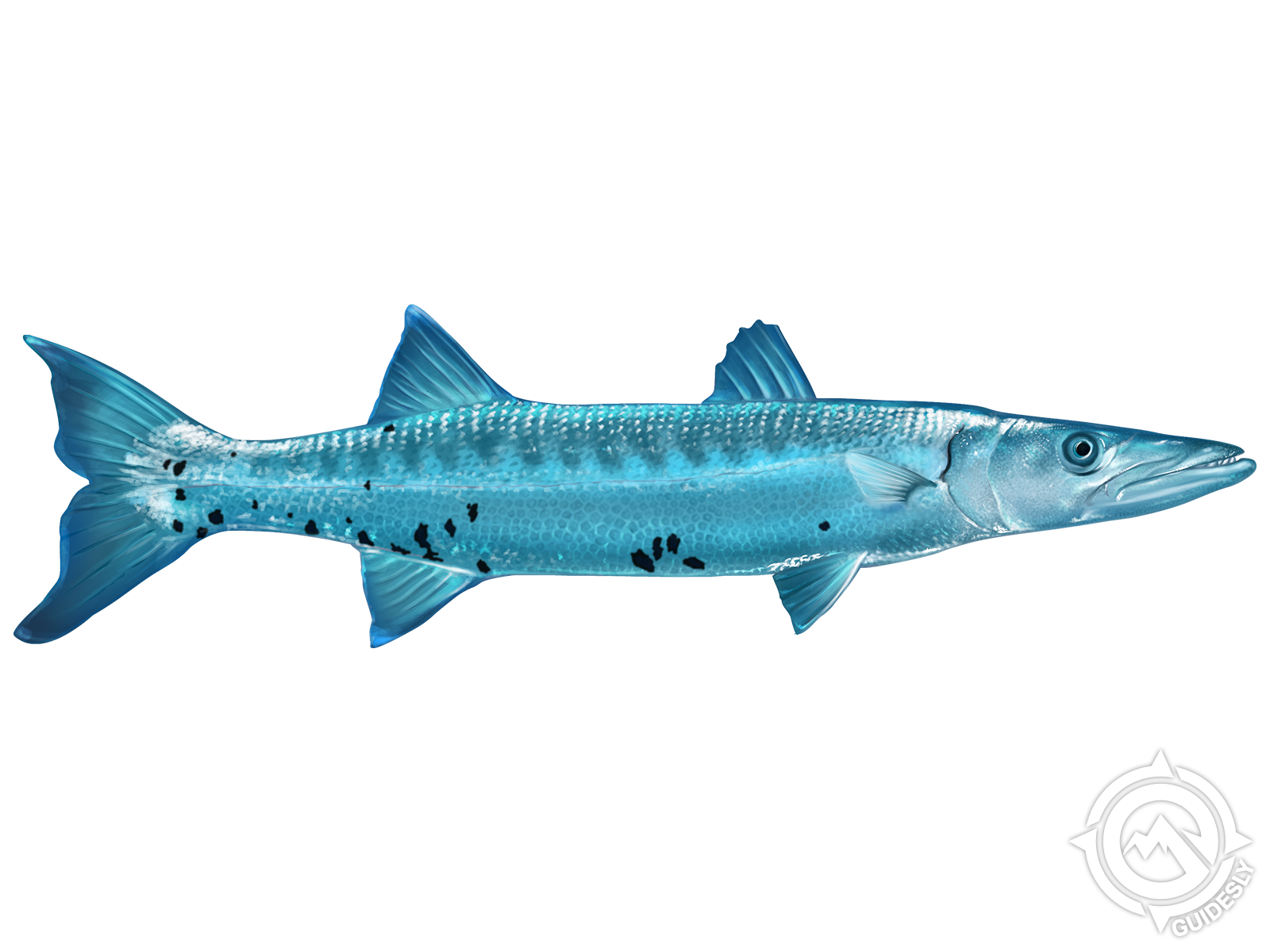


 Private 5-hour fly fishing charter targets tarpon and bonefish