8 Hour Islamorada Fly Fishing Charter
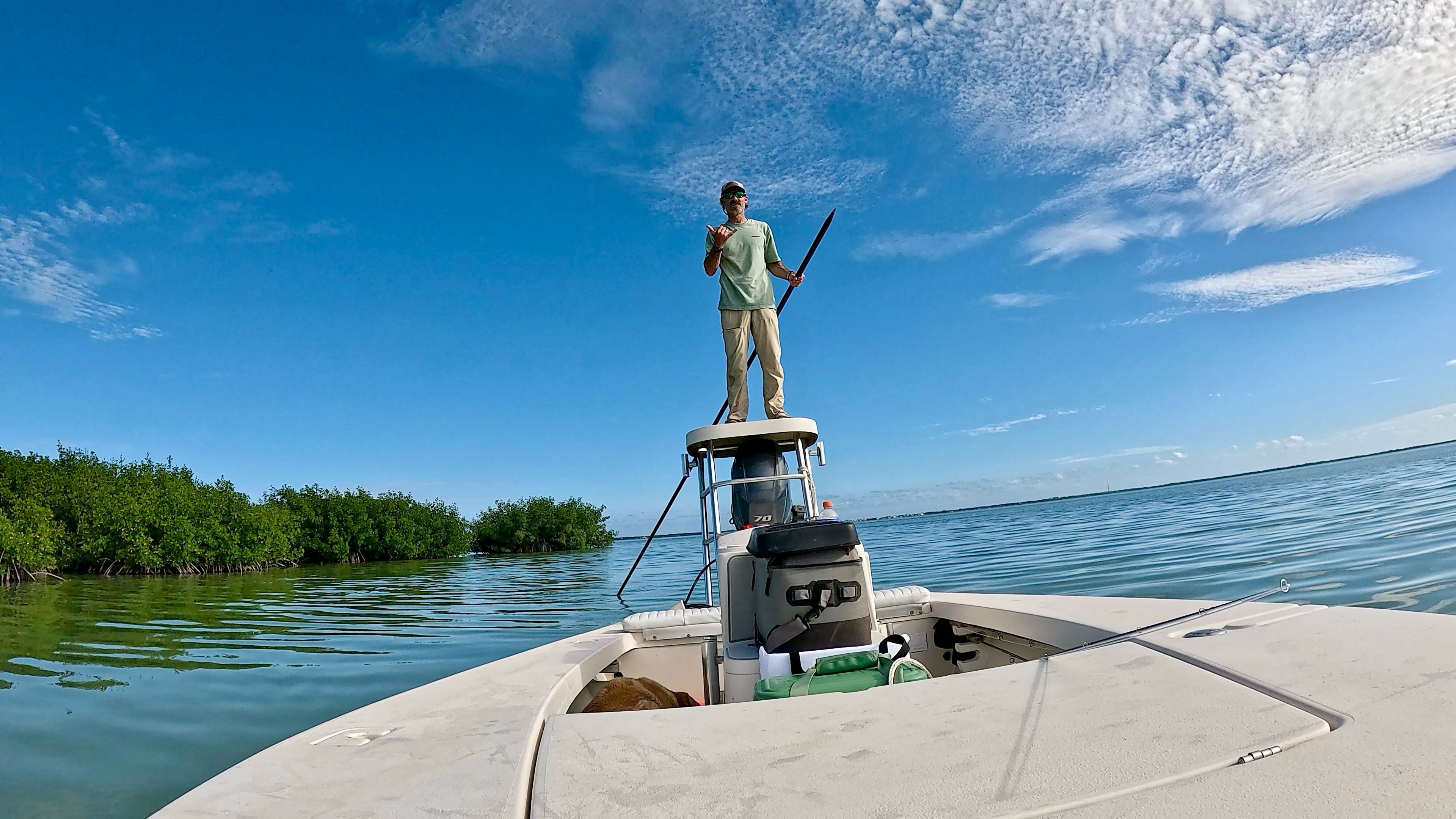
Picture yourself standing on the bow of a flats boat as the sun comes up over the Florida Keys, watching for shadows and tails in gin-clear water. This full-day charter in Islamorada gives you eight solid hours to chase some of the most prized gamefish in South Florida waters. Starting at first light, you'll work everything from shallow flats to backcountry creeks, targeting tarpon, bonefish, snook, redfish, and whatever else is biting. Your captain knows these waters like the back of their hand and will put you on fish based on tides, weather, and seasonal patterns. With all gear provided and room for up to two anglers, this is the kind of trip that separates casual fishing from serious angling.
What to Expect on the Water
Your day kicks off at 7:00 AM when conditions are prime and fish are most active. The beauty of an 8-hour charter is the flexibility – you're not rushed to hit one spot and call it done. Your captain will read the conditions and move between productive areas throughout the day. Maybe you'll start working the flats for tailing redfish, then move to deeper pockets where tarpon are rolling, or slip into the backcountry mangroves where snook are ambushing baitfish. The boat comes equipped with a cooler, beverages, and all the tackle you'll need, whether you want to throw flies or work with light spinning gear. This isn't a cattle boat experience – with just two guests max, you get personalized instruction and plenty of casting opportunities. Your captain will coach you through sight fishing techniques, help with fly selection, and position the boat perfectly for clean shots at fish.
Fly Fishing & Light Tackle
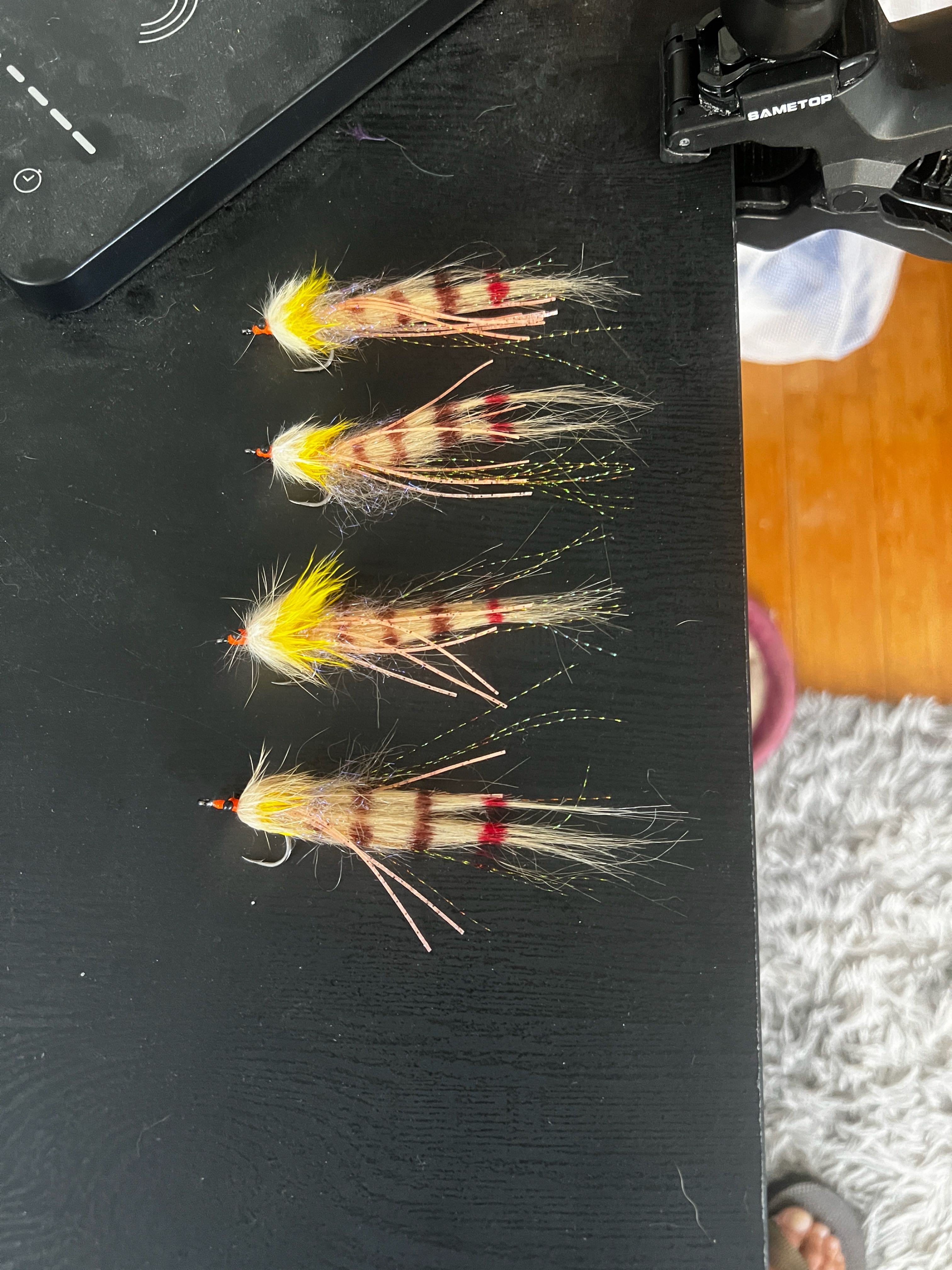
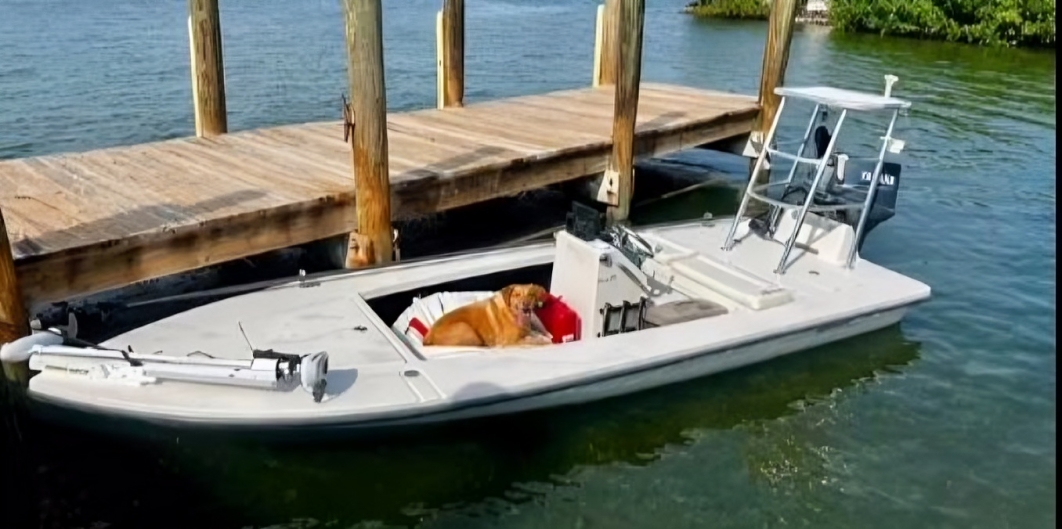
Islamorada's flats fishing is all about finesse and precision. You'll be sight fishing in shallow water, often just 2-4 feet deep, where you can actually see the fish you're casting to. Fly fishing here requires accurate casts and proper presentation – spook a bonefish and it's gone in a cloud of mud. Your guide will have the boat rigged with quality fly rods in 8 and 9 weights, plus a selection of proven flies like Gotchas, Crazy Charlies, and Merkins. If you prefer light tackle, spinning setups with 10-15 pound test and small jigs or live bait work great too. The key is staying quiet, making long casts, and letting the fish come to you. Your captain will pole the boat silently through prime areas, calling out targets and helping you get into position. Strip sets are crucial for hookups – no trout sets here or you'll pull the fly right out of their mouth. The shallow water means every fight is visual, with fish making long runs and spectacular jumps.
Target Species
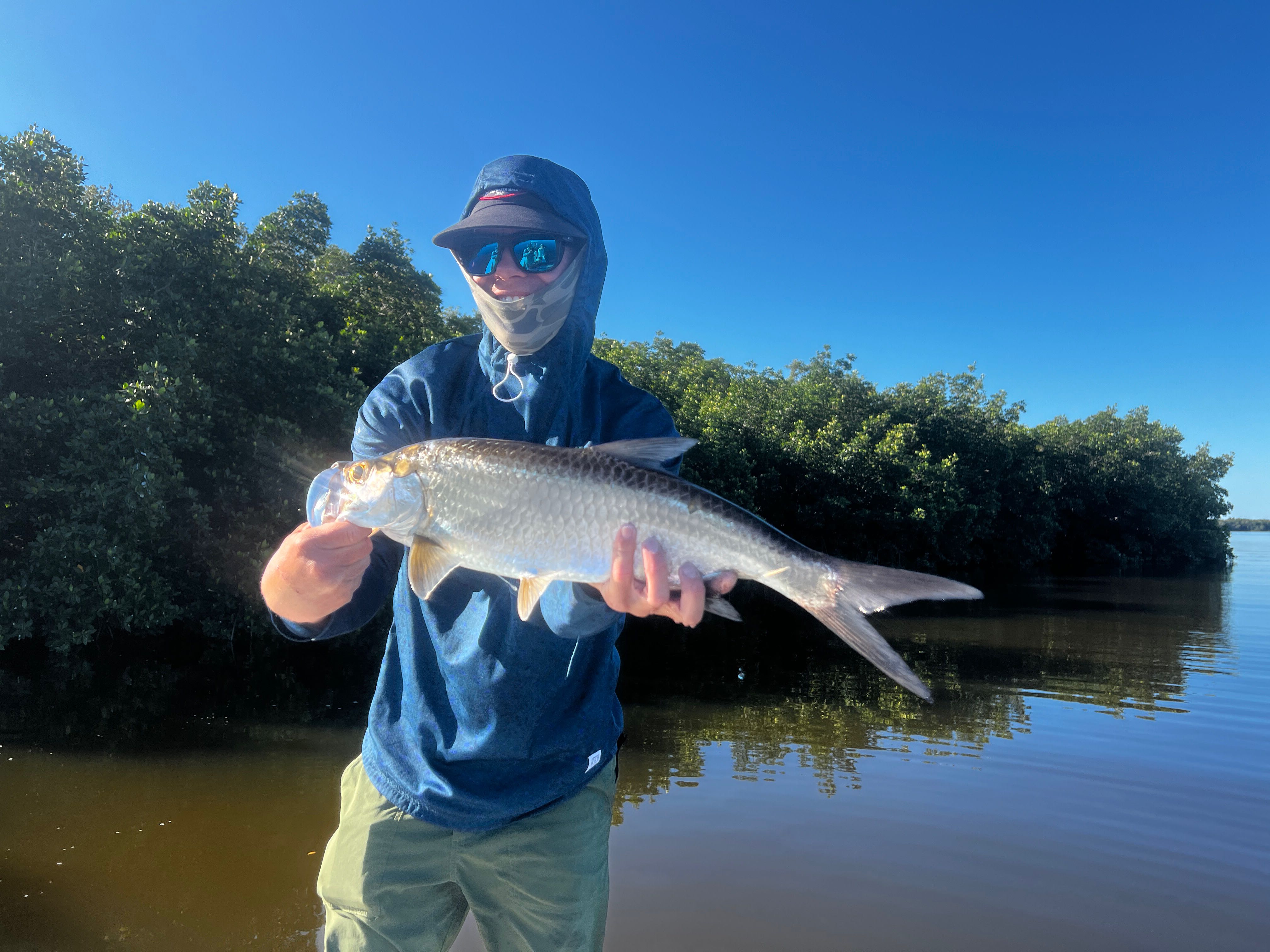
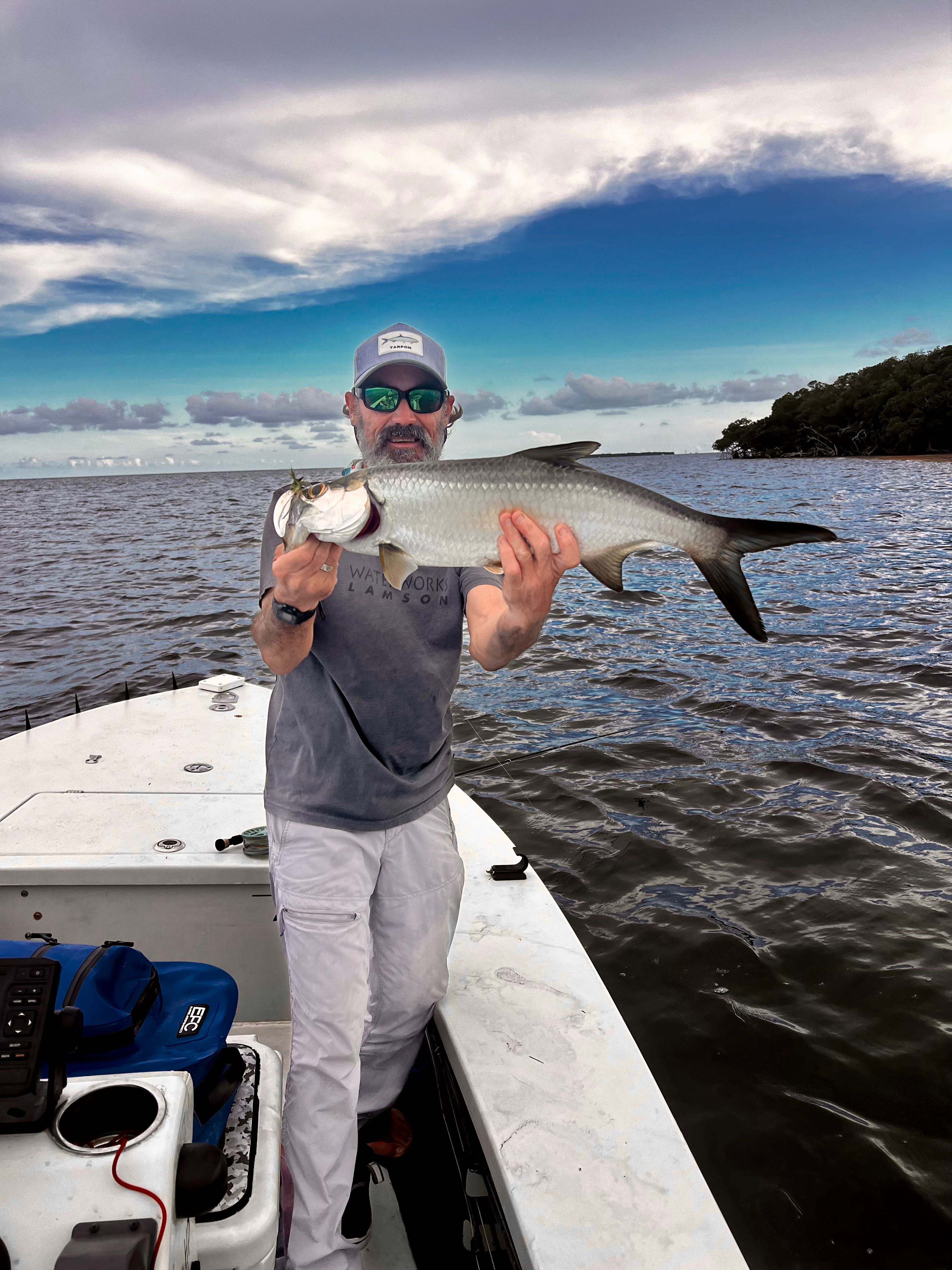
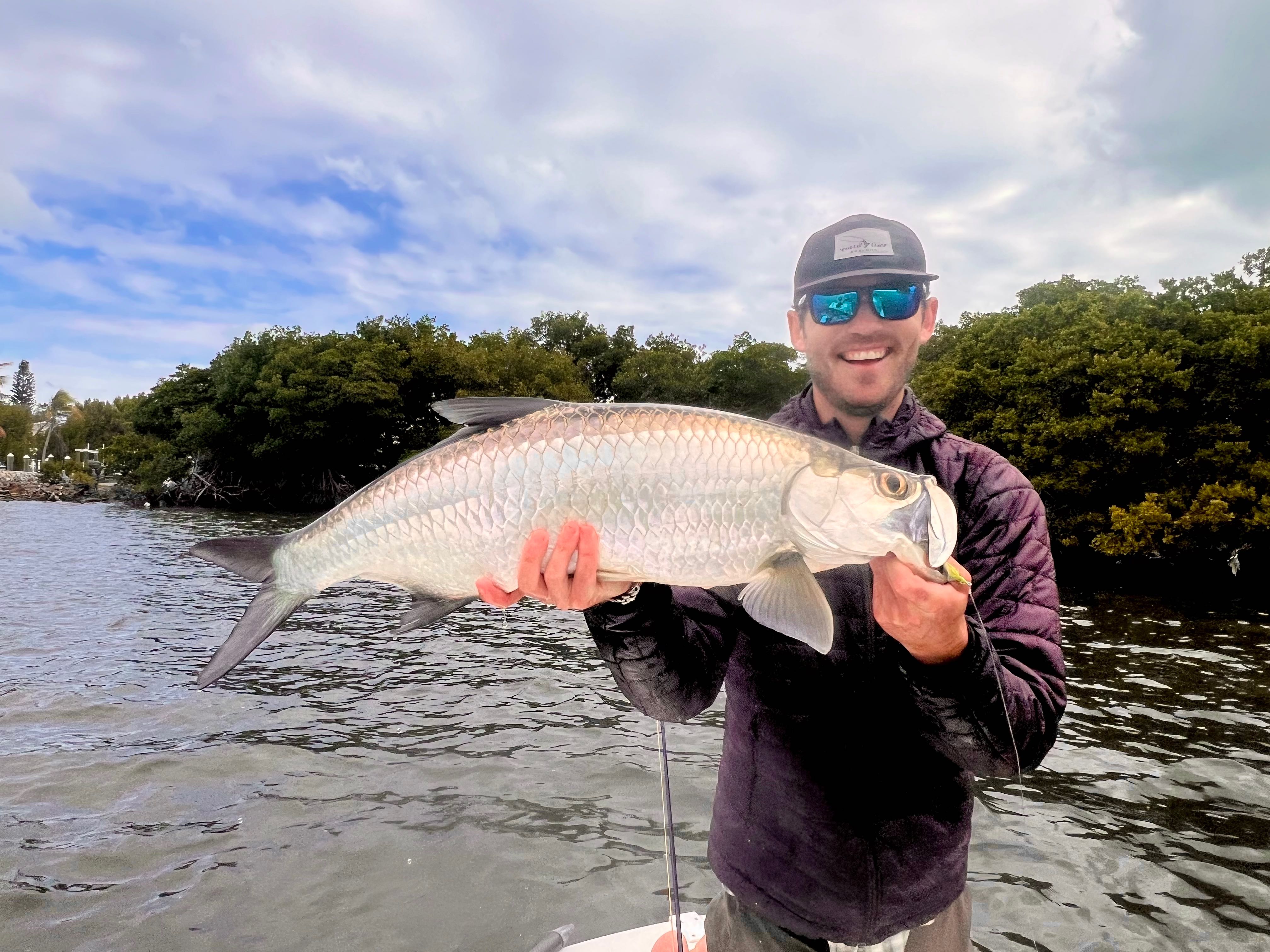
Tarpon are the silver kings of the flats and the fish that put Islamorada on the angling map. These prehistoric giants can reach 150+ pounds and will test every bit of your tackle and skill. Peak season runs from March through July, when massive schools migrate through the Keys. Hooking a tarpon on fly is one of fishing's greatest challenges – they have bony mouths that require perfect hook sets, and once connected, they'll jump repeatedly trying to throw your fly. The fights can last 30 minutes or more, and even after you think you've won, they'll make another screaming run. Landing one is a lifetime achievement that'll have you shaking with adrenaline.
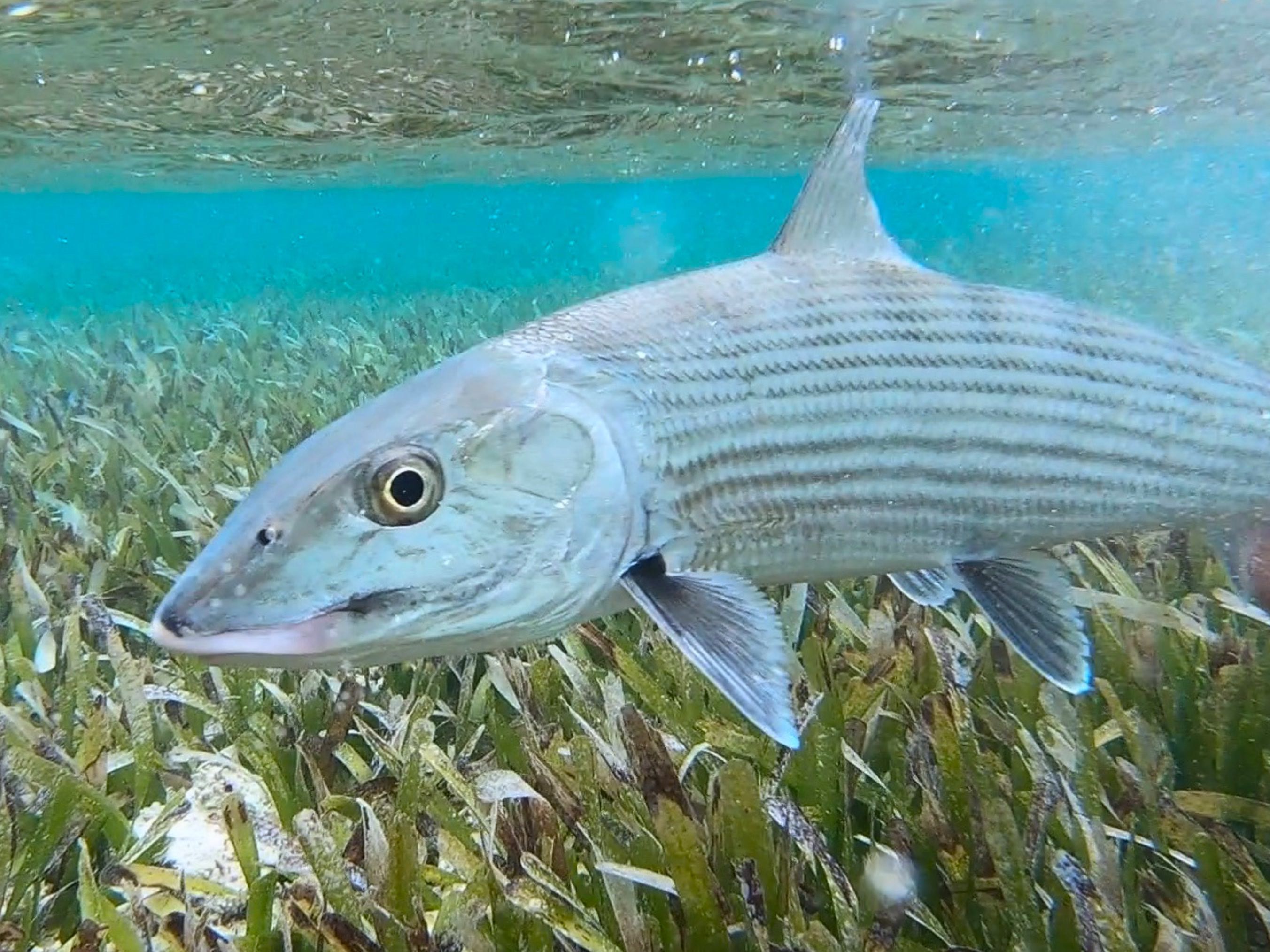
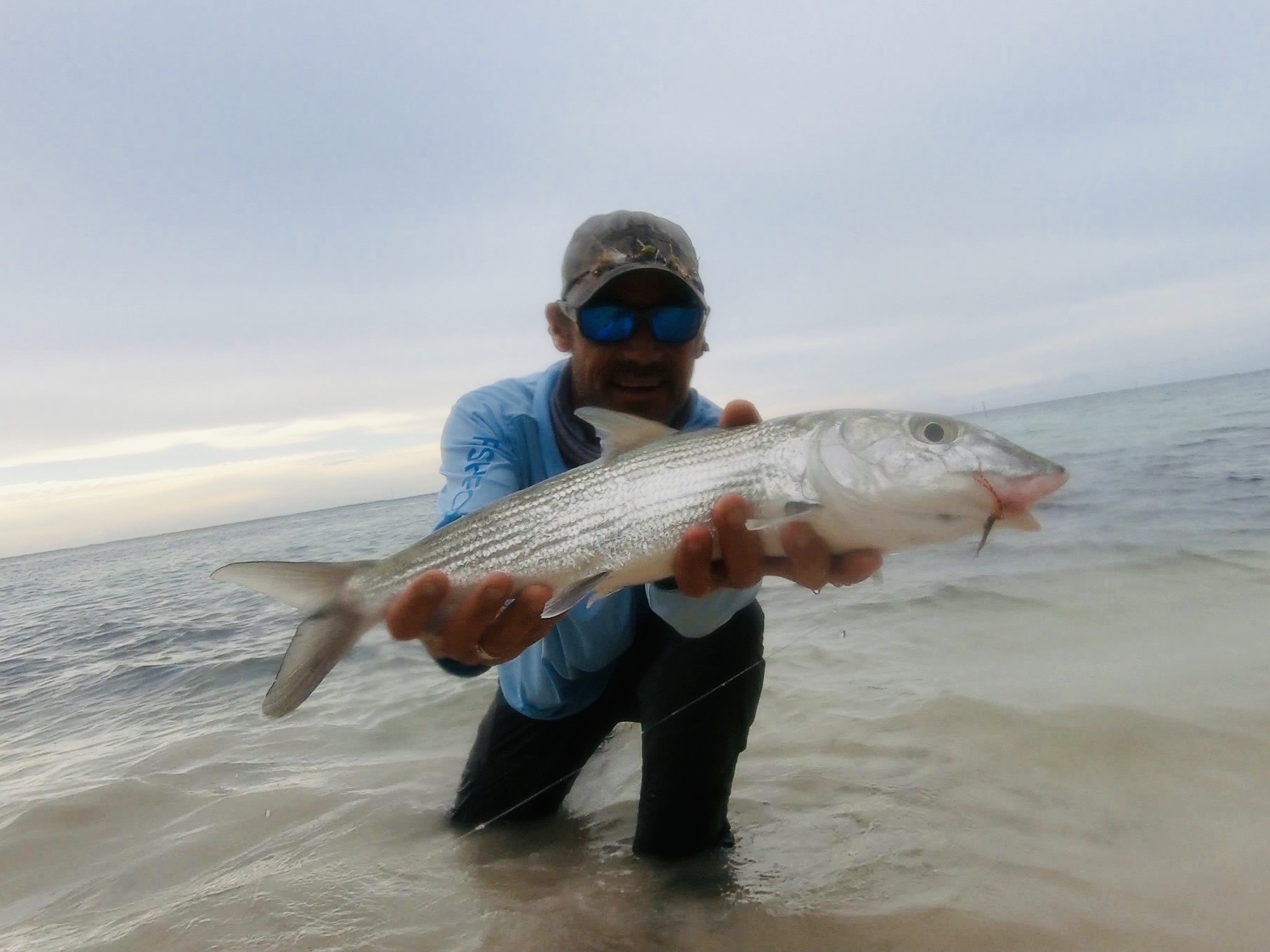
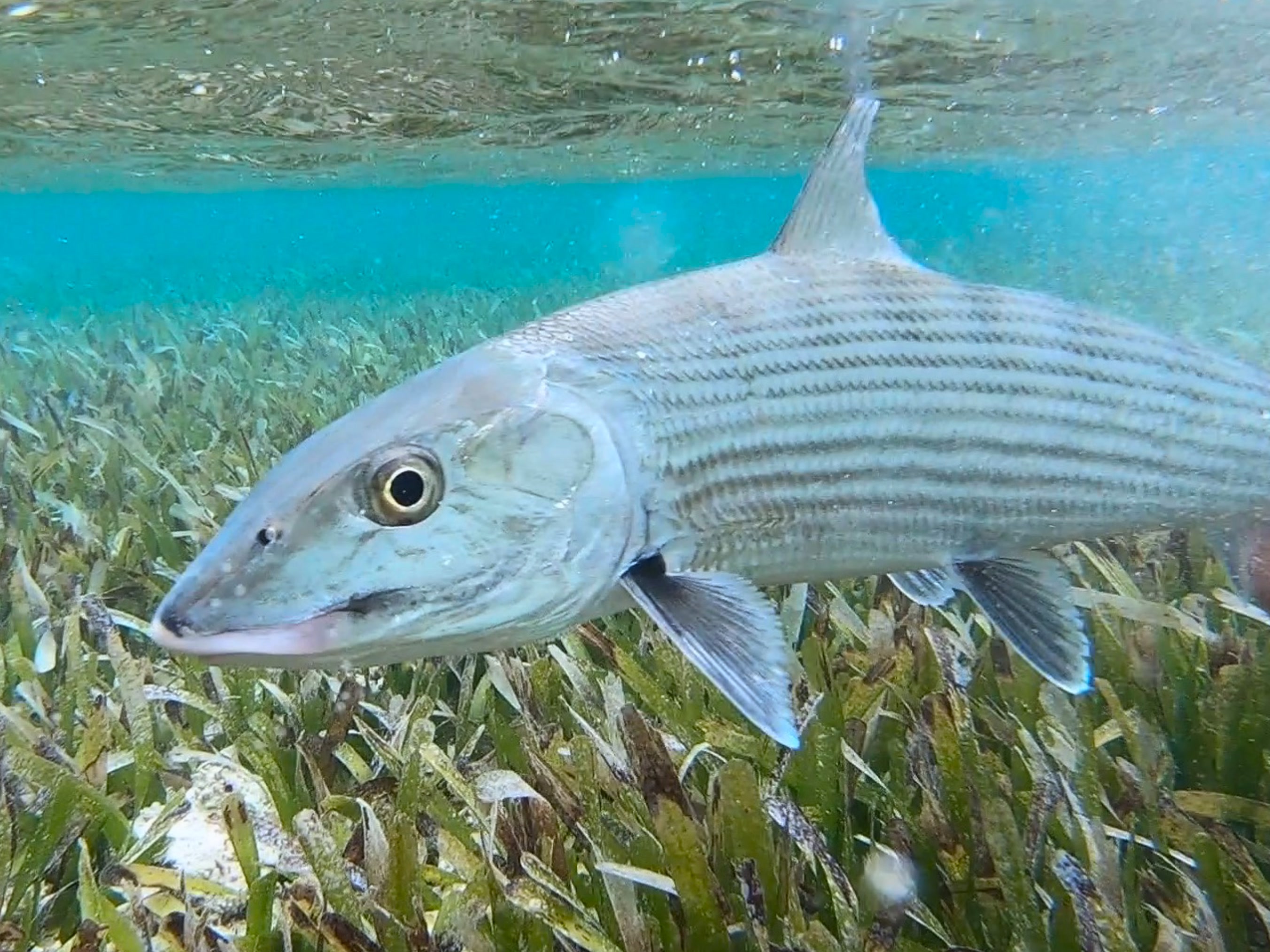
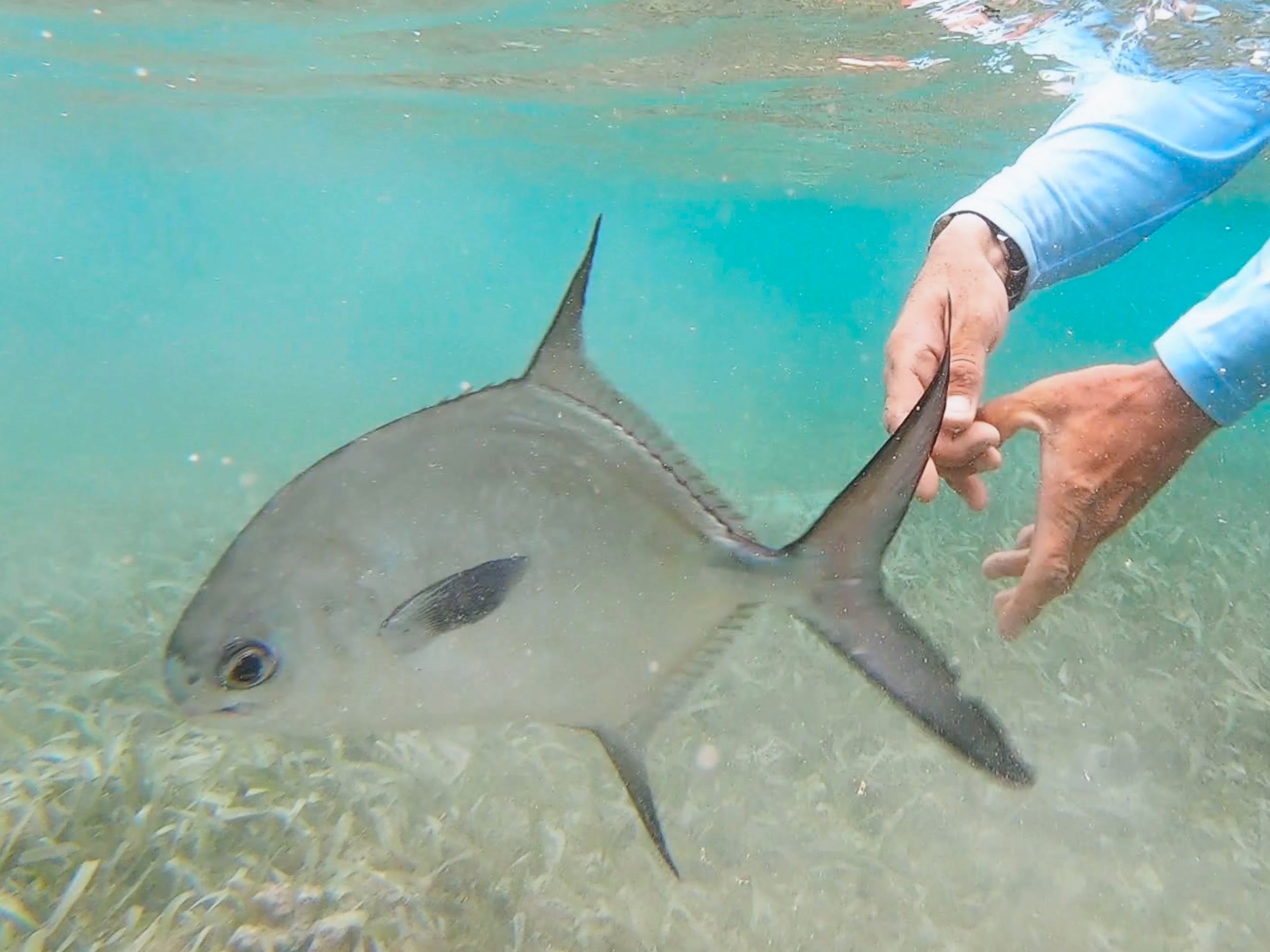
Bonefish are the ghosts of the flats – spooky, smart, and absolutely addictive to pursue. These chrome-sided speedsters average 3-8 pounds in the Keys and are available year-round, with peak action in spring and fall. They're called bonefish for a reason – their mouths are hard as rocks and they can strip 100 yards of line in seconds. You'll spot them tailing in skinny water as they root for crabs and shrimp, or see their shadows cruising just under the surface. The challenge is getting a perfect cast 6 feet ahead of a moving fish without spooking it. When they eat, there's no mistaking it – the line comes tight and they're gone like a rocket.
Snook are the backcountry bullies that love structure and ambush points. These olive-sided predators with the distinctive black lateral line can be found around mangrove shorelines, creek mouths, and dock pilings. They're most active during warmer months and around moving tides when baitfish are getting pushed around. Snook have huge mouths and will crush topwater flies and lures, but they're also notorious for their gill-rattling jumps and ability to cut you off in the mangroves. A 10-pound snook will fight like a fish twice its size, making multiple runs toward cover while you try to turn its head.
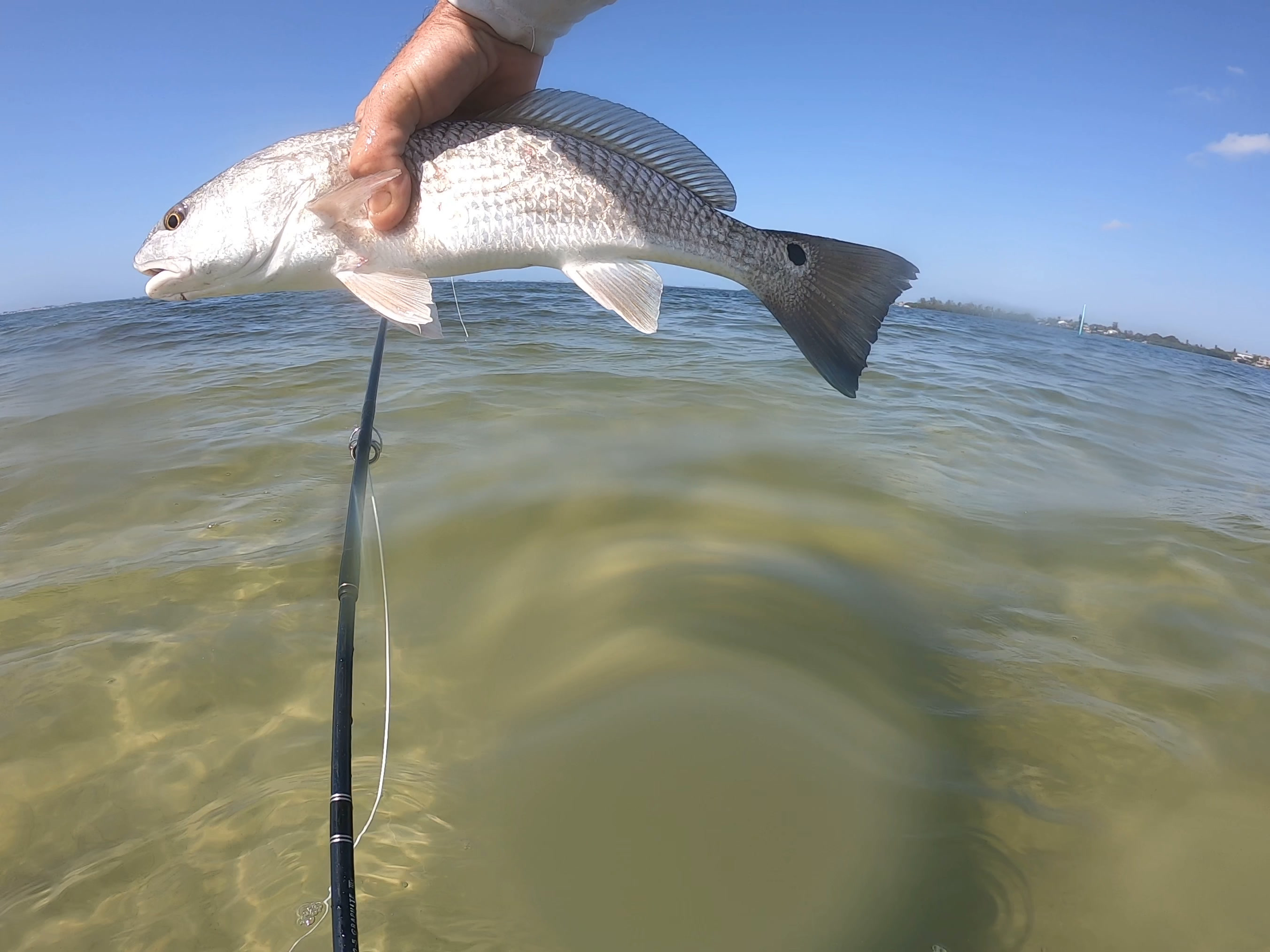
Redfish are the workhorses of the flats – aggressive, hard-fighting, and relatively forgiving for developing anglers. These copper-colored bruisers love shallow grass flats and oyster bars where they cruise in small schools or singles. You'll often see them tailing with their backs out of the water as they feed head-down on crabs. Reds eat with confidence and once hooked, they make powerful runs using their broad tails for leverage. They're available year-round but really turn on during fall and winter months when they school up in larger numbers.
Barracuda are the speed demons that add excitement when other species are being finicky. These toothy predators are visual hunters that will crush fast-moving flies and lures with explosive strikes. They're found around the flats edges and deeper cuts, often suspended just under the surface. A 'cuda strike is unmistakable – they hit like freight trains and can reach speeds over 30 mph. While they might not be the prettiest fish, their aggressive nature and spectacular jumps make them crowd favorites, especially for newer fly fishers looking to get their
 Private Trip
 Florida Keys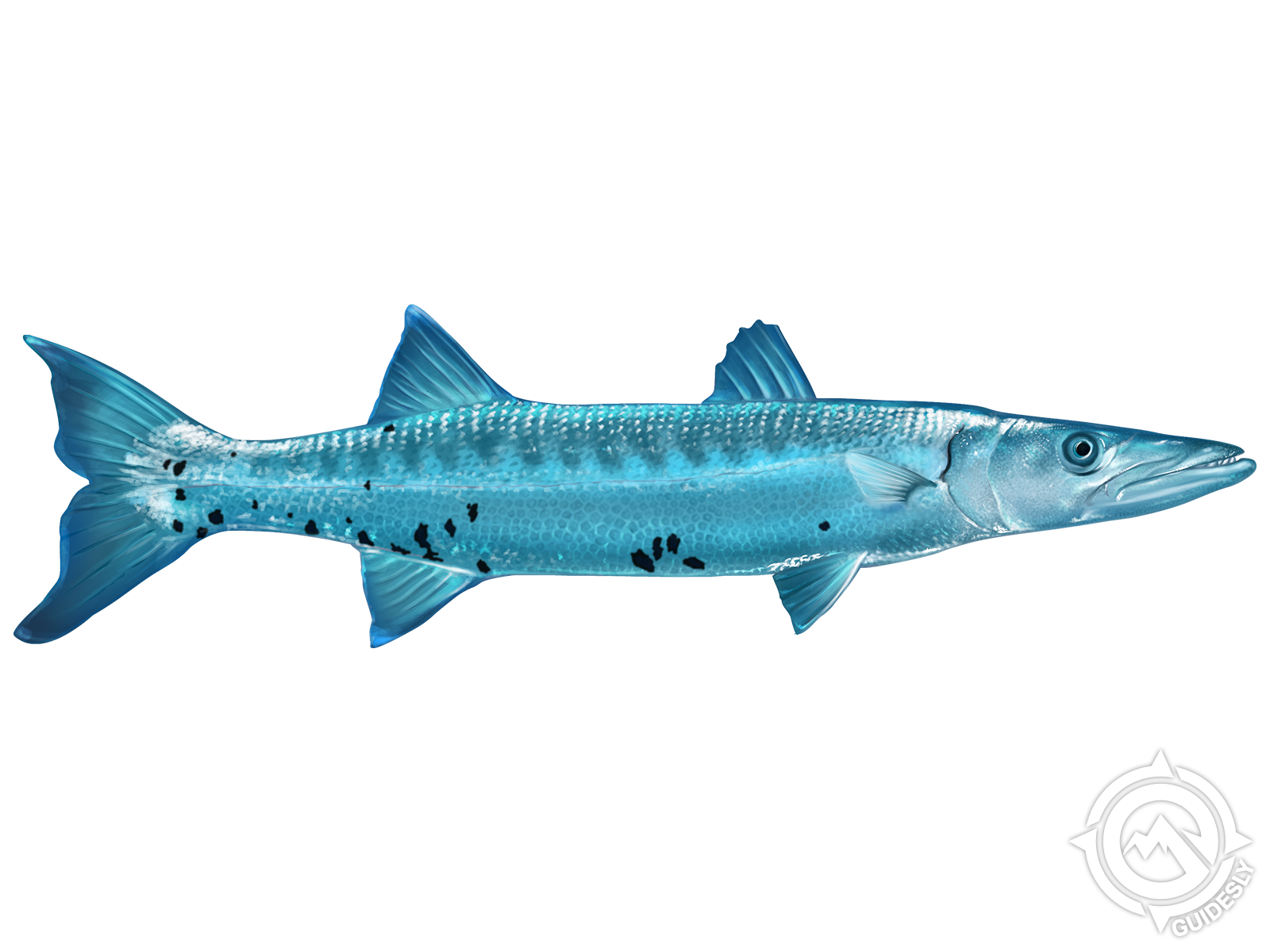


 Full-day private charter targets tarpon, bonefish, and redfish