Back Country Fly Fishing Adventure
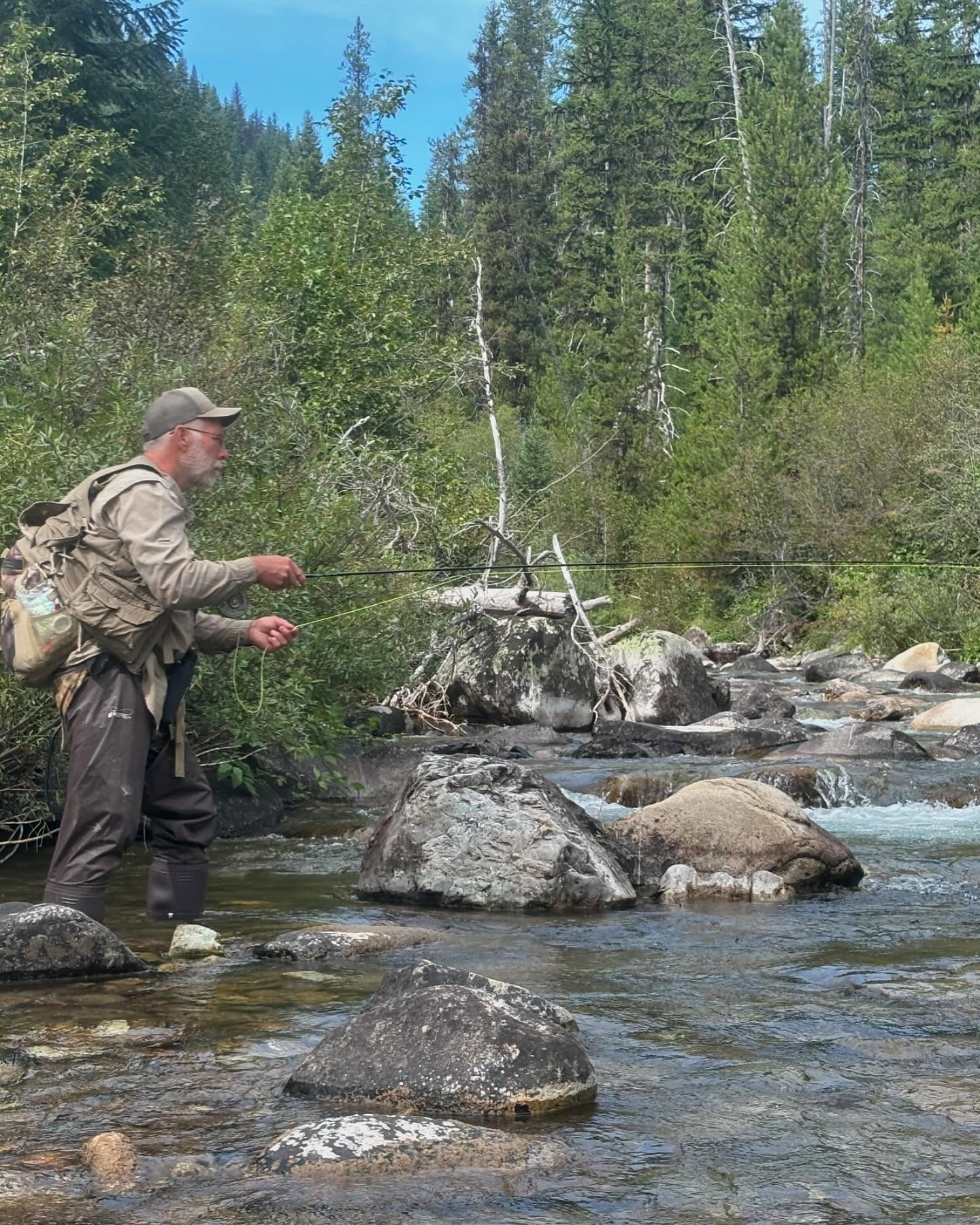
Picture this: You're deep in untouched wilderness, standing knee-deep in crystal-clear mountain water where native trout rise to mayflies like clockwork. This isn't your typical day trip to the local creek. Five Bears Outfitters takes you 15 miles back into country most anglers only dream about - a Blue Ribbon trout stream where the upper headwaters hold secrets that'll change how you think about fly fishing. We're talking about water that sees maybe a handful of rods all season, where Westslope Cutthroat and Bull Trout have grown smart and fat in their natural habitat.
What to Expect on the Water
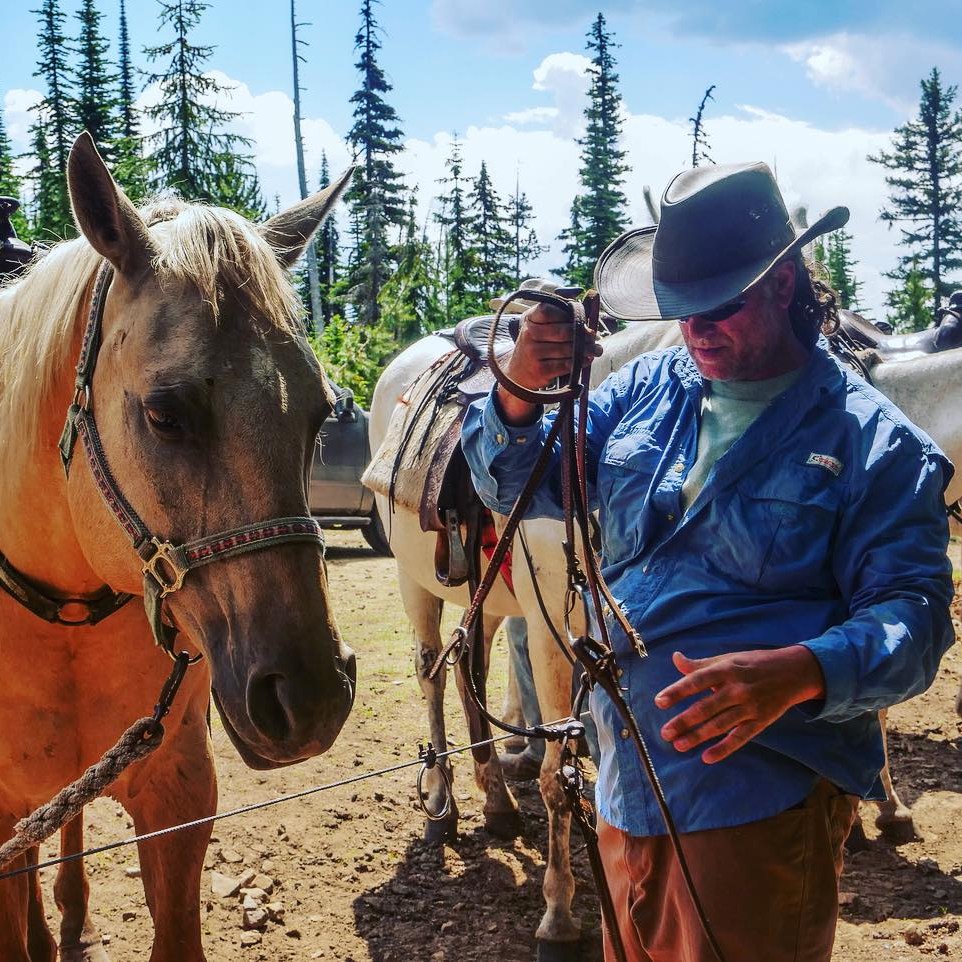
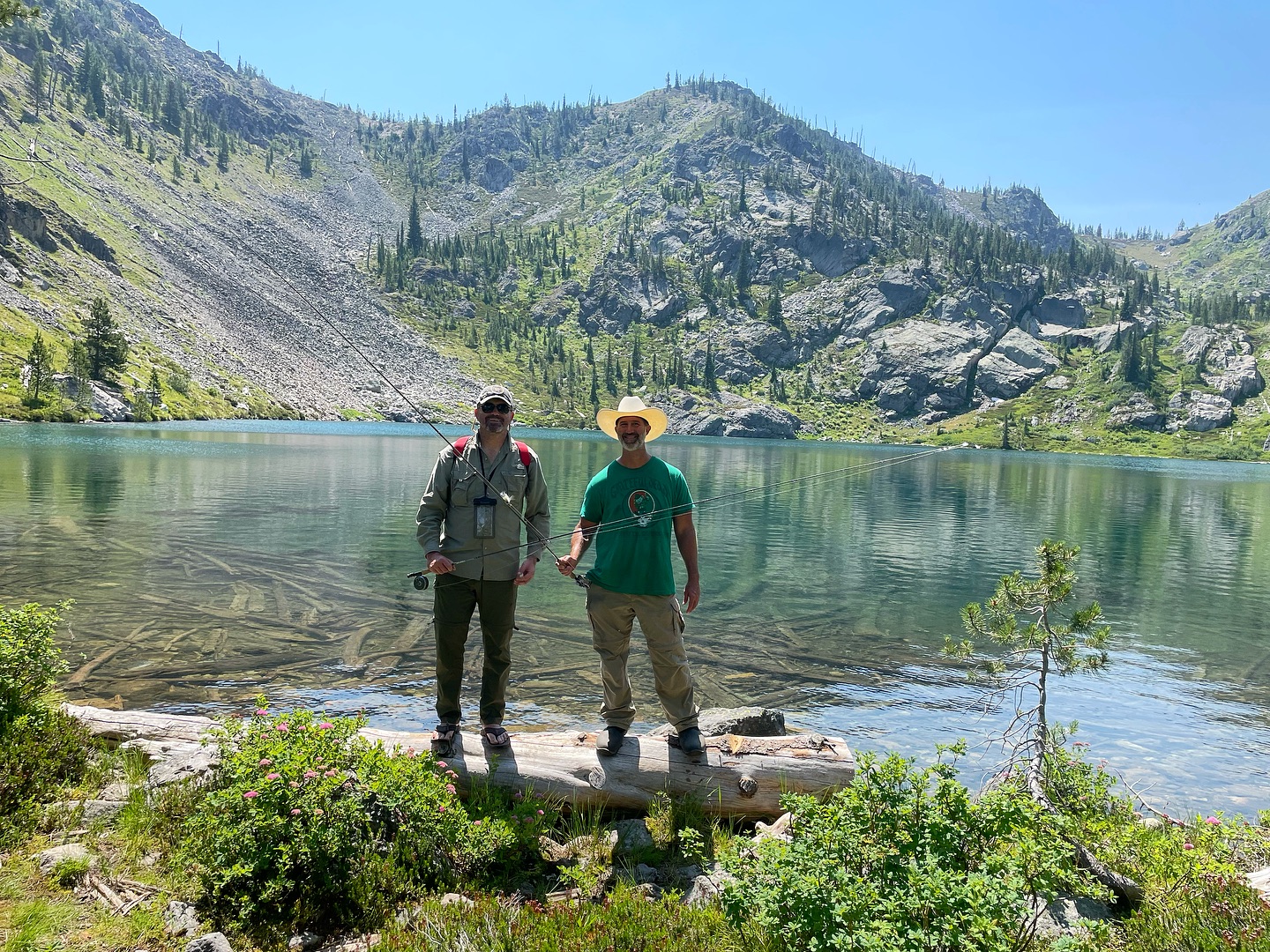
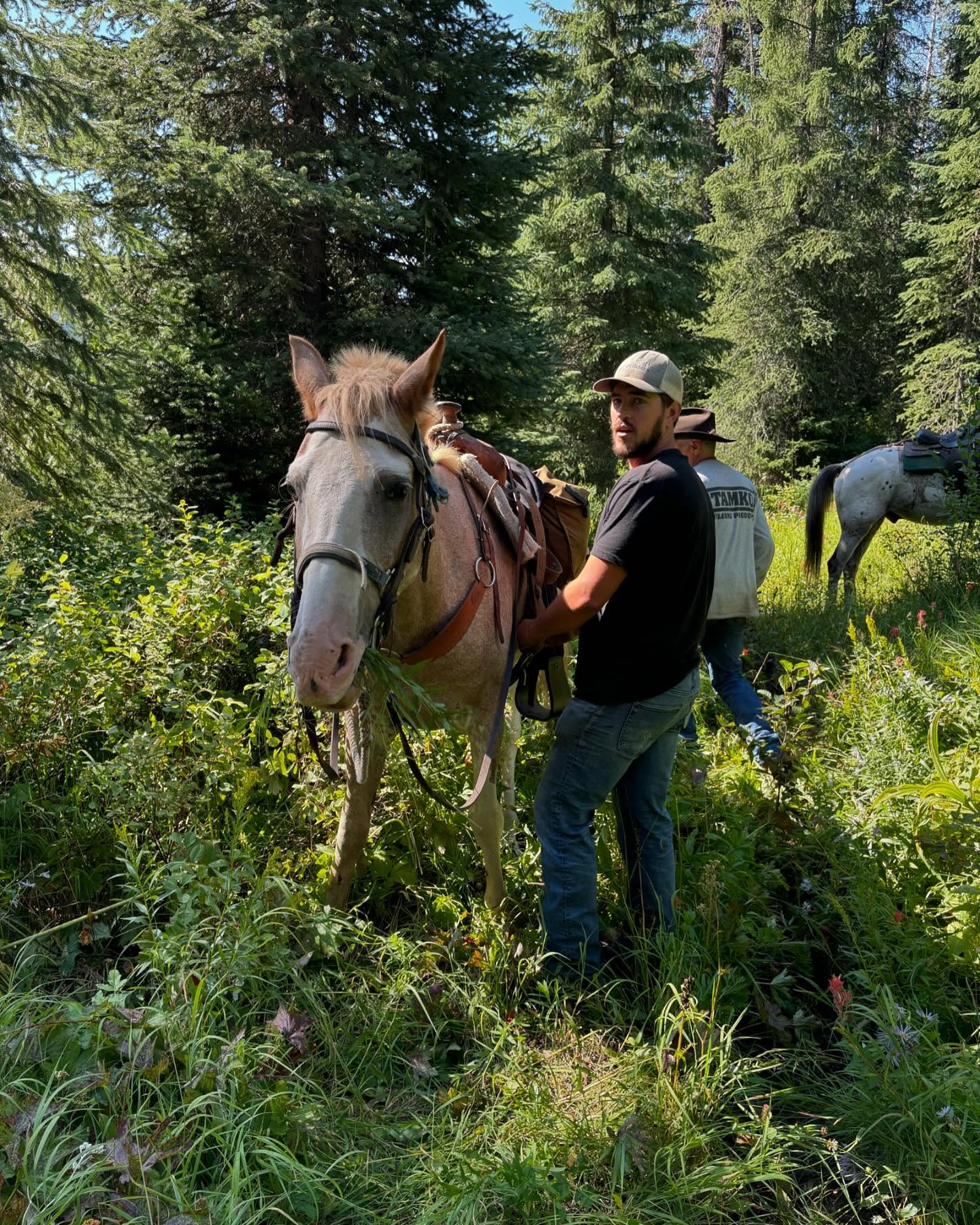
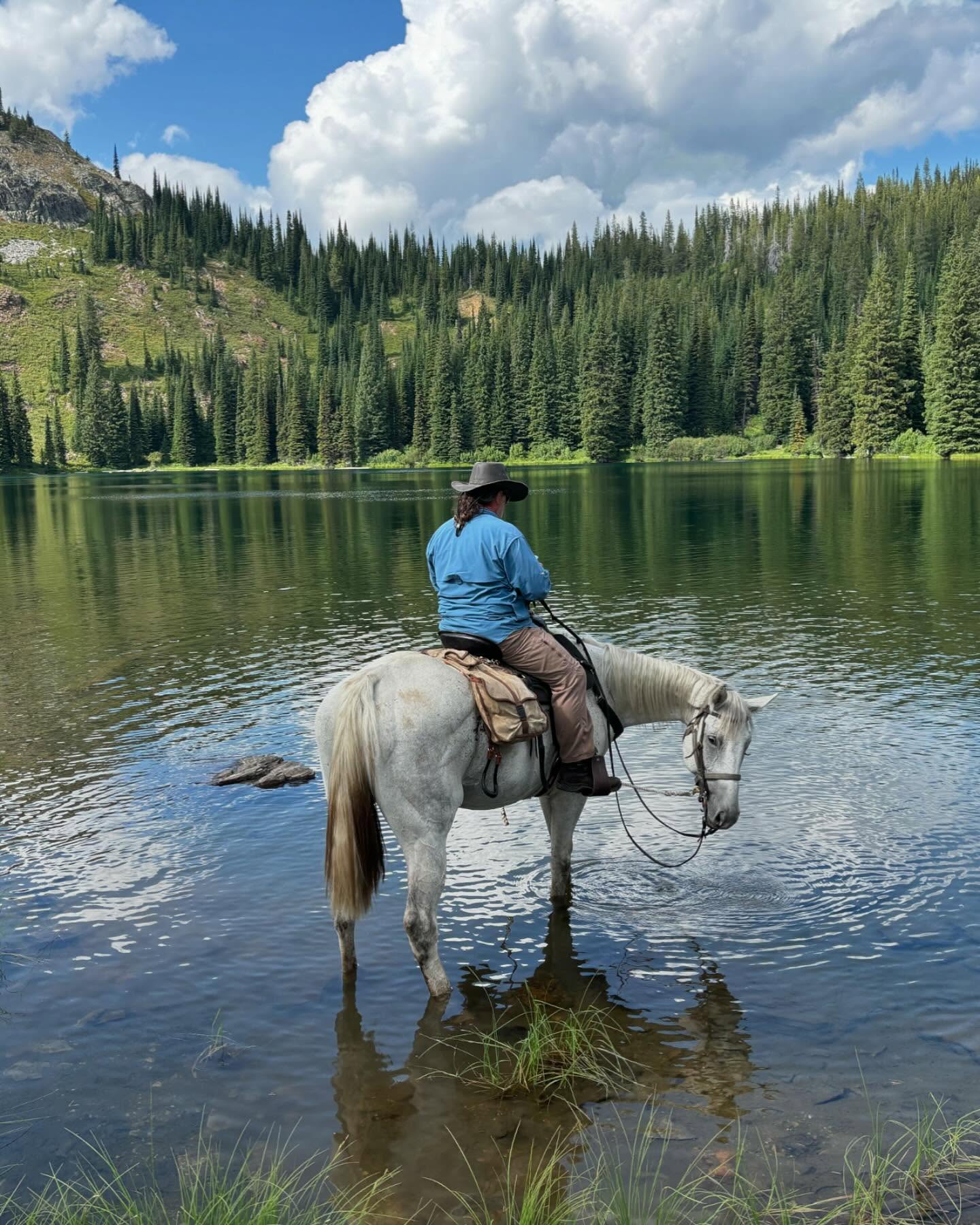
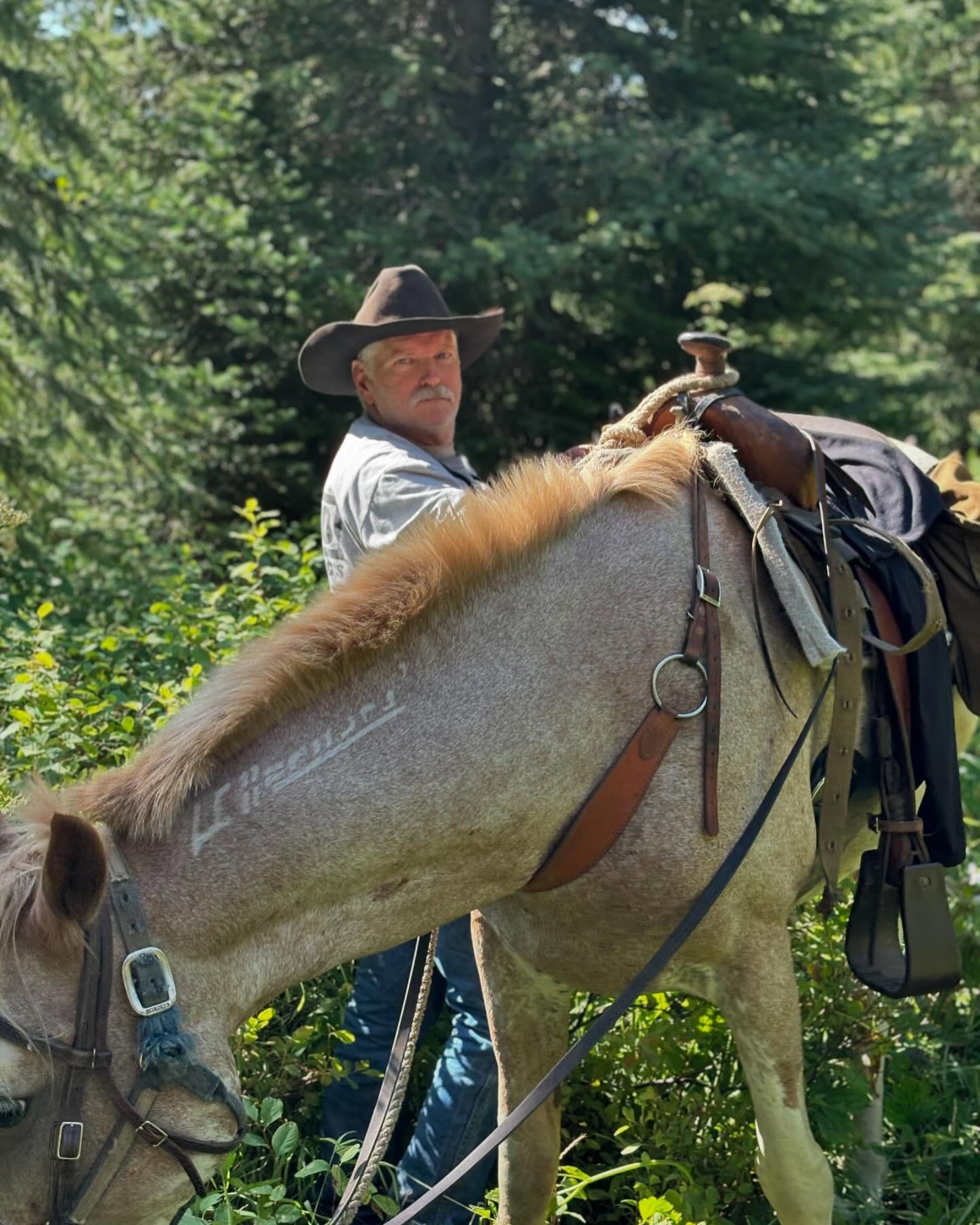
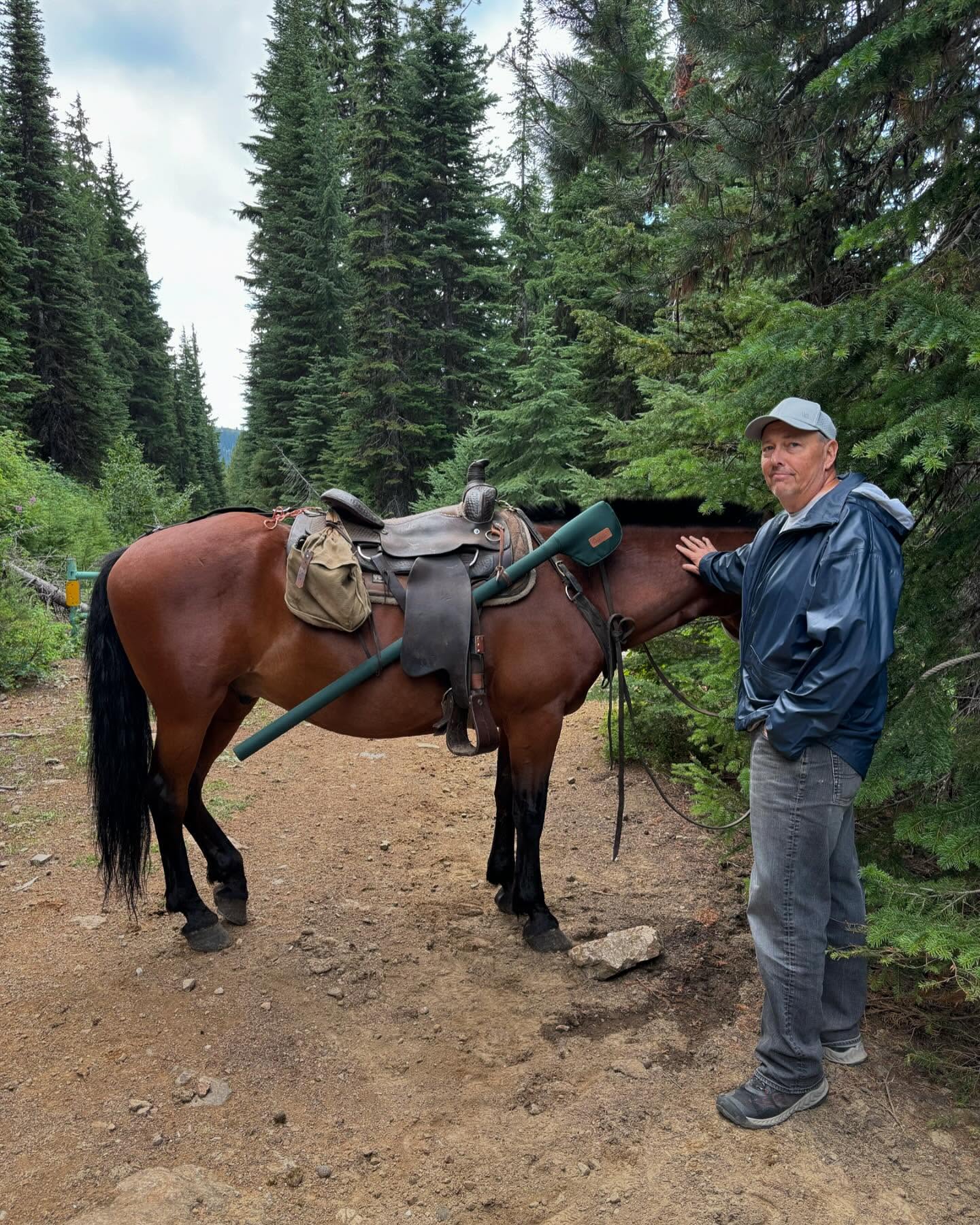
The journey starts with a horseback ride that's an adventure in itself - 15 miles through mountain terrain that gets your blood pumping before you even string up your rod. Once we reach base camp, you'll be fishing the upper 15 miles of this renowned Blue Ribbon river system, plus three high mountain lakes that most folks never even know exist. Your canvas tent becomes home for the duration, and trust me, after a full day working these waters, you'll sleep like a baby listening to the river sing outside your tent. Our camp cook keeps you fueled with hearty meals that hit the spot after hours on the water. This is real backcountry fishing - no crowds, no pressure from other anglers, just you and some of the prettiest water you'll ever cast a line into.
Fly Selection & Techniques
Your guide knows these waters like the back of their hand and will dial you into exactly what's working on any given day. We're talking dry fly paradise during the right hatches - think Royal Wulffs, Elk Hair Caddis, and Adams patterns that'll get fish looking up. When the surface action slows down, we switch gears to nymphing with Prince Nymphs, Hare's Ears, and local patterns that imitate the bugs these trout see every day. The river runs clear and cold, so presentation matters more than having the fanciest fly in your box. Your guide will walk you through reading this water - the pocket water, deep runs, and undercut banks where the big fish hold. These aren't hatchery fish; they're wild and educated, so your casting needs to be on point. We'll work on mending your line, getting natural drifts, and reading rises so you can connect with fish that have never seen a pellet.
Species You'll Want to Hook
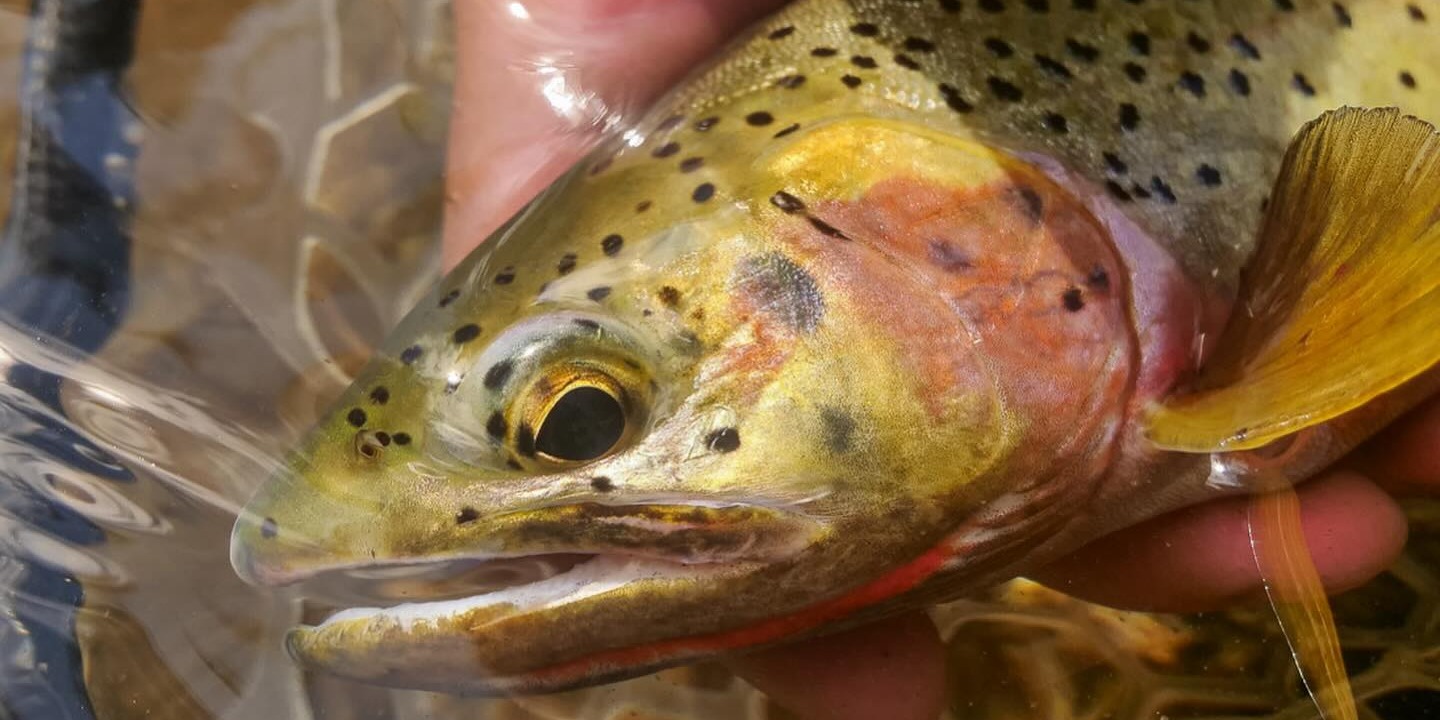
Westslope Cutthroat Trout are the crown jewel of this drainage system. These native beauties average 12-16 inches but don't let that fool you - they fight like fish twice their size in this cold, oxygen-rich water. You'll recognize them by their distinctive red slash under the jaw and those gorgeous spotted flanks. They're most active during morning and evening hours, especially when there's a hatch coming off. What makes catching cutthroat special is knowing you're connecting with a fish that's been in these waters for thousands of years. They're opportunistic feeders but spook easily, so stealth is your friend. The best part? They rise aggressively to dry flies during summer months, giving you that heart-stopping moment when you see the rise form before your fly disappears.
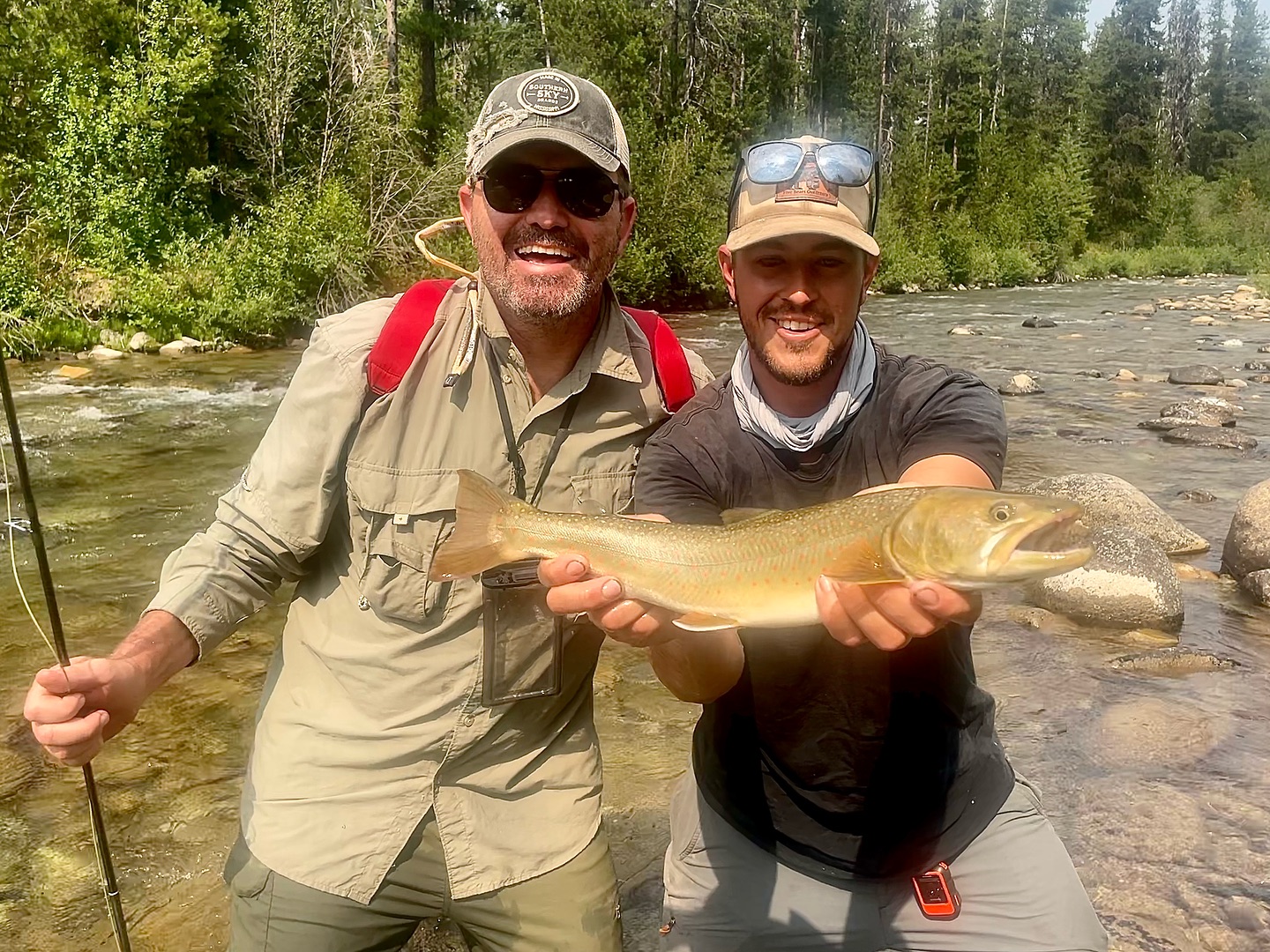
Bull Trout are the apex predator in this system and catching one is like winning the lottery. These char can push 20+ inches and have an attitude to match their size. They prefer the deeper pools and runs, often lurking in spots where the current breaks around boulders or fallen timber. Bull Trout are native to this region and listed as threatened, so we practice strict catch-and-release with barbless hooks. They're primarily piscivorous, meaning they eat other fish, so streamers and larger nymphs work best. When you hook into a bull trout, you'll know it immediately - they make blistering runs and use the current to their advantage. Landing one of these native char in their pristine mountain habitat is something most anglers never experience.
Time to Book Your Spot
This top-rated backcountry fishing adventure books up fast, and for good reason. You're getting access to water that 99% of anglers will never see, guided by folks who live and breathe these mountains. The combination of world-class fishing, genuine wilderness experience, and the kind of solitude that's become rare in today's world makes this a customer favorite year after year. Whether you're a seasoned fly fisher looking for your next challenge or someone ready to step up their game in serious trout country, this trip delivers. The fish are wild, the scenery is beyond anything you'll find closer to civilization, and the memories last a lifetime. Don't wait - spots for this renowned Blue Ribbon experience fill up months in advance.
 Shared Trip
 River Fishing
 Bozeman

 Remote backcountry camp on Blue Ribbon trout waters