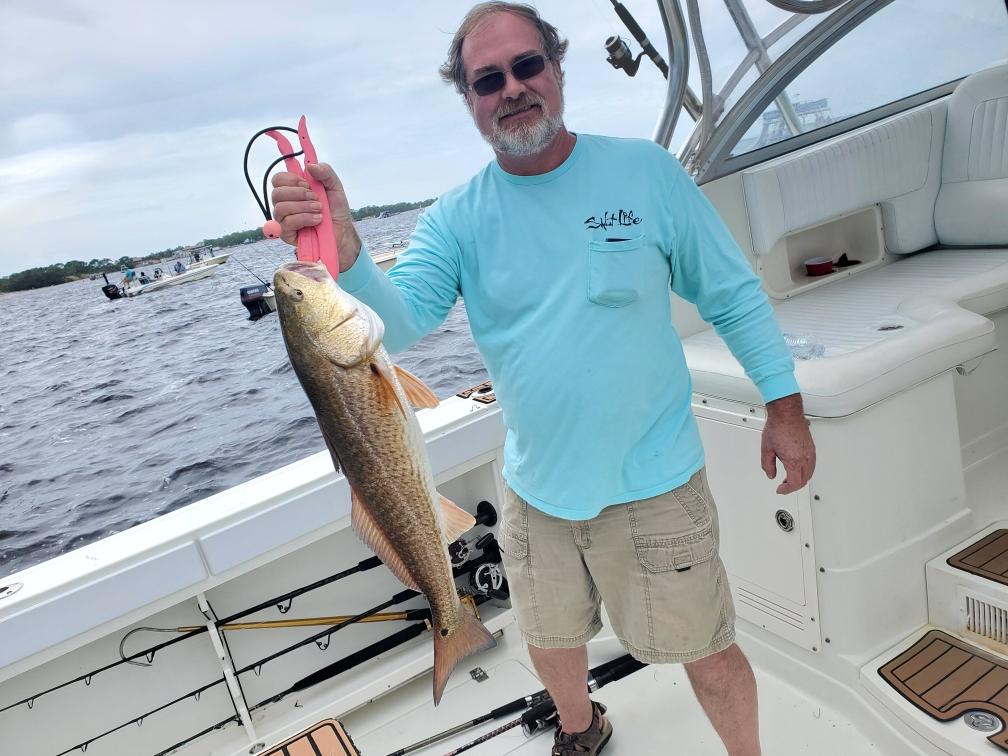
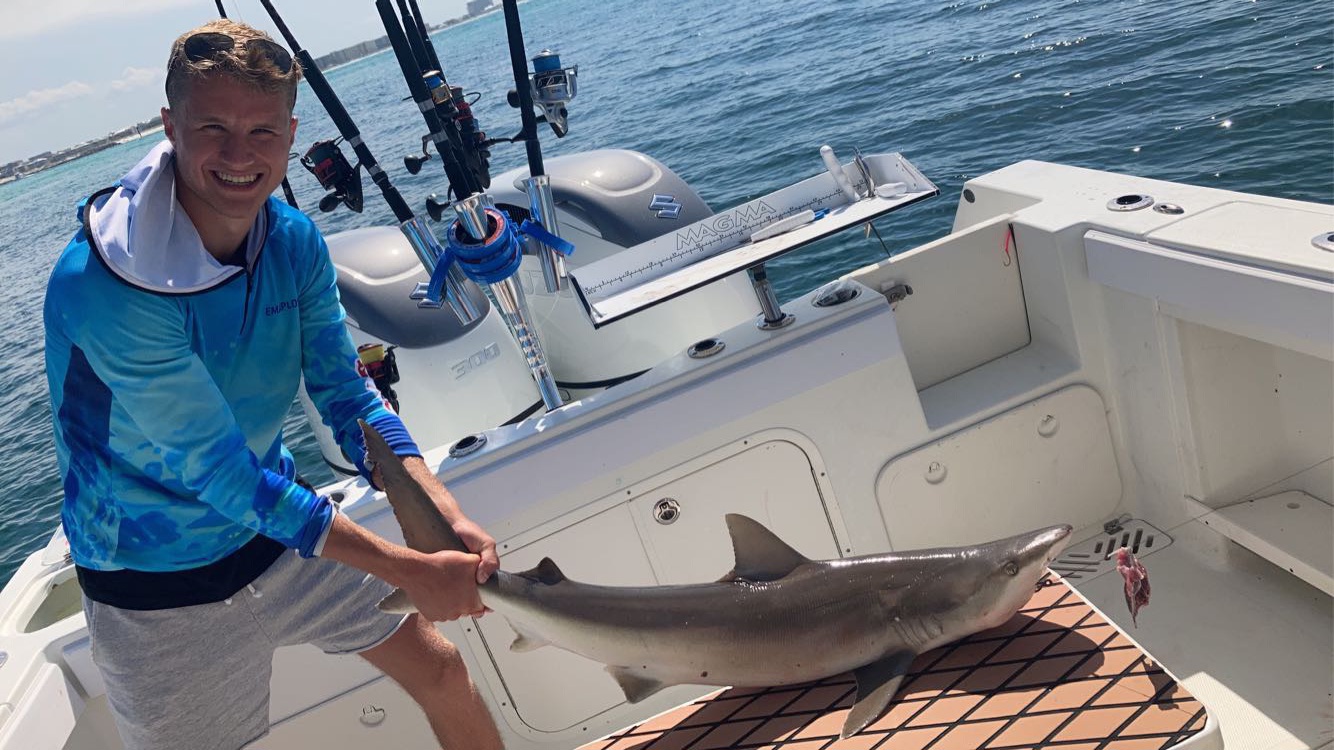
Shark Fishing in Destin with Flowing Water Charters
When you're talking about serious shark fishing on the Gulf Coast, Captain Robert and Flowing Water Charters have earned their reputation the hard way – by putting anglers on fish day after day. This isn't your typical bottom fishing trip where you're hoping for a decent snapper. We're heading offshore to tangle with some of the ocean's apex predators, and trust me, once you feel that first big shark pick up your bait and make a screaming run, you'll understand why this has become one of Destin's most sought-after fishing experiences. With everything provided and a maximum of just six anglers per trip, you're getting the personalized attention that makes all the difference when you're battling a bull shark or trying to land your first hammerhead.
What to Expect on the Water
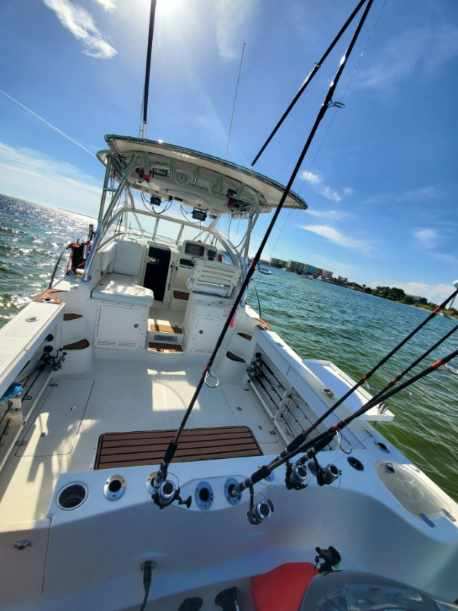
Captain Robert runs a tight ship and knows exactly where to find the big boys when they're feeding. We'll head out to the productive offshore waters where the continental shelf drops off and the big pelagic species cruise looking for an easy meal. The boat's rigged specifically for shark fishing – heavy tackle, circle hooks, wire leaders, and all the gear you need to handle fish that can easily top 100 pounds. You don't need to bring anything except sunscreen, drinks, and maybe some snacks since meals aren't included on this trip. The captain provides all rods, reels, bait, and tackle, plus he'll handle the wire leaders and unhooking – which is definitely something you want an experienced hand doing when you're dealing with a tiger shark's business end. The atmosphere on board is relaxed but focused. Everyone's watching their rod tips, waiting for that telltale tap-tap-pull that signals a shark has found your bait.
Techniques and Tackle Setup
Shark fishing is all about patience and the right presentation. We'll be using a combination of drift fishing and anchored fishing depending on conditions and where the fish are showing up. The standard rig is a fish finder setup with a heavy sinker, steel leader, and big circle hooks loaded with fresh cut bait – usually bonito, mackerel, or whatever oily fish we can get our hands on. The key is getting that scent trail in the water and letting it drift back to where the sharks are patrolling. Captain Robert's got the electronics to mark structure and baitfish, but shark fishing is more about reading water conditions, wind direction, and understanding how scent disperses in the current. We'll have multiple lines out at different depths, and when something picks up the bait, it's game on. These fish don't mess around – they'll take line off your reel faster than you can believe, and the fight is all about leverage, patience, and keeping steady pressure without forcing the issue.
Species You'll Want to Hook
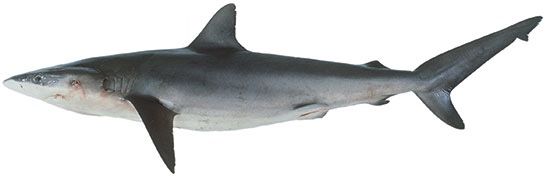
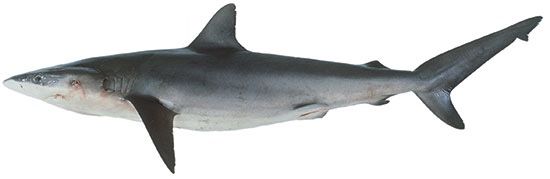
Dusky sharks are some of the most underrated fighters in these waters, and they're surprisingly common once you know where to look. These guys average 4-6 feet but can push 8 feet and 200 pounds when you find a mature female. They're most active during the cooler months from October through March, and they fight with a steady, bulldogging power that'll test your endurance. What makes duskies special is their tenacity – they don't give up easy, and they'll use every bit of structure and current to try to break you off. Plus, they're beautiful fish with that classic shark profile that photographs really well before release.
Shortfin makos are the holy grail of Gulf shark fishing, and when you hook one, you'll know it immediately. These are the speed demons of the shark world, capable of jumping completely out of the water and making runs that'll empty your spool in seconds. Makos show up mostly in the warmer months when the water temperature hits that sweet spot above 75 degrees. They're also one of the few sharks that regularly feed during daylight hours, which works perfectly for our charter schedule. A decent mako will go 80-150 pounds, but the big females can push 300 pounds or more. The fight is explosive – expect jumps, long runs, and a battle that can last 45 minutes or more.
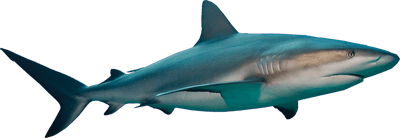
Blacktip sharks are probably the most consistent species we'll encounter, especially during their annual migration from February through April. These fish are built for speed and acrobatics, and even a smaller 30-40 pound blacktip will jump multiple times and give you a workout. They're also one of the more aggressive feeders, so they'll often be the first to find your bait. Blacktips are perfect for first-time shark anglers because they're manageable size-wise but still give you that authentic shark fishing experience with their aerial displays and strong initial runs.
Tiger sharks are the bruisers of the bunch – broad, powerful, and absolutely relentless once they're hooked. These fish are most active in the warmer months and prefer to feed at dawn and dusk, though we've caught them throughout the day. Tigers are known for their incredibly strong jaws and varied diet, which makes them willing to hit just about any bait you put down. A good tiger will range from 6-10 feet and 150-400 pounds, and the fight is all about raw power rather than speed. They'll sound deep and use their weight against you, making this a true test of angling skill and endurance.
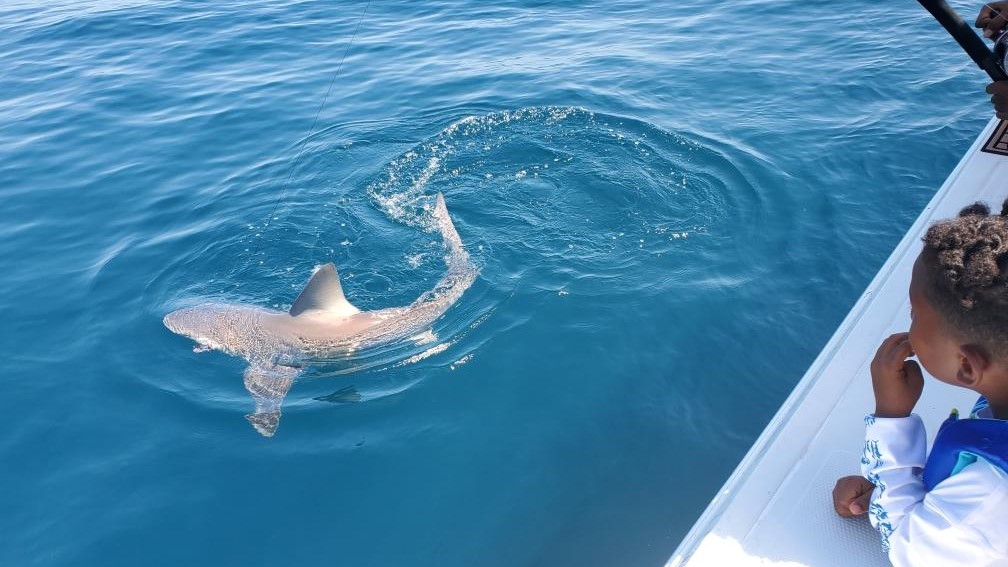
Lemon sharks are the sleepers that often surprise anglers with their fight and their beauty. These yellowish-brown sharks are most common in the spring and early summer, and they have a habit of making long, sustained runs that really test your drag system. Lemons average 5-7 feet and can weigh 100-200 pounds when fully mature. What's cool about lemon sharks is their intelligence – they're one of the more curious species and will sometimes circle the boat multiple times before committing to the bait. The fight is steady and strong without the explosive runs of a mako, making them perfect for anglers who want to experience a longer battle.
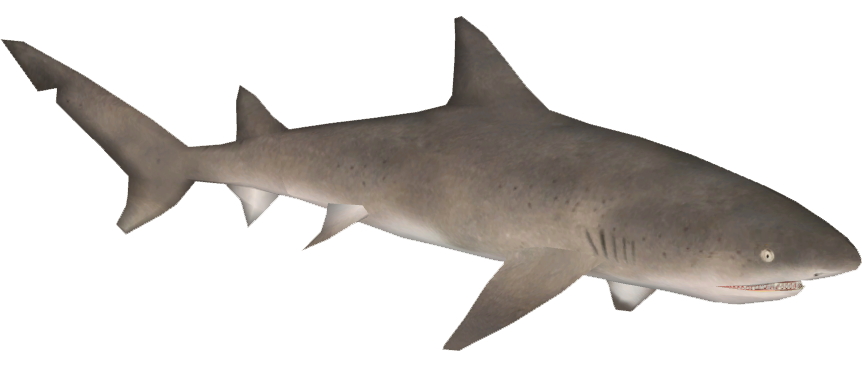
Bull sharks
 Private Trip
 Offshore Fishing
 Destin

 Target sharks including hammerheads, bulls, tigers, and blacktips offshore