Half-Day Biscayne Bay Inshore Fishing Charter
South Florida's Biscayne Bay is hands down one of the best inshore fisheries in the world, and this half-day morning charter puts you right in the thick of it. We're talking pristine flats, mangrove shorelines, and crystal-clear water that holds some serious fish. You'll launch from either Crandon Park on Key Biscayne or Homestead Bayfront, depending on conditions and where the fish are biting. This isn't your typical party boat deal – it's just you, one buddy, and a top-rated guide who knows every oyster bar and grass flat in the bay. We're hunting tarpon, snook, redfish, sea trout, and snapper using a sleek Maverick flats boat that can get into water so shallow you could walk it.
What to Expect on the Water
Your morning starts early because that's when the magic happens. We'll meet at either Crandon Park Marina or Homestead Bayfront Park, load up the Maverick, and head out while the water's still calm and the fish are actively feeding. The beauty of fishing Biscayne Bay is the variety – one minute you're sight-casting to laid-up tarpon in three feet of water, the next you're working a mangrove shoreline for snook or drifting grass flats for reds. Your guide comes equipped with everything you need: live bait, artificial lures, spinning and fly tackle, plus cold water to keep you hydrated. The boat's equipped with a poling platform, so we can get dead quiet in skinny water when we're stalking fish. This is visual fishing at its finest – you'll see the fish before you cast to them, which makes every hookup that much more rewarding.
Techniques & Tackle
We fish light tackle here because these flats fish are spooky and the water's clear as gin. You'll be throwing live pilchards, pinfish, and shrimp on circle hooks for the bigger stuff like tarpon and snook, while artificial baits like DOA shrimp, spoons, and topwater plugs work great for redfish and sea trout. The guide will have both spinning gear and fly rods rigged and ready, so if you want to try your hand at sight-fishing with a fly, just say the word. The key to success in Biscayne Bay is being quiet and making accurate casts – these fish see plenty of pressure, so presentation matters. We'll pole the flats when the fish are shallow, drift the deeper grass beds, and work structure like channel edges and oyster bars. The Maverick's shallow draft lets us access spots that bigger boats can't reach, putting you on fish that haven't seen a lure all week.
Top Catches This Season
Tarpon are the kings of Biscayne Bay, and for good reason. These silver giants range from juvenile fish in the 20-40 pound range up to mature adults pushing 150 pounds. Peak season runs from April through July, but you'll find resident fish year-round in the deeper channels. What makes tarpon special isn't just their size – it's their acrobatics. When a tarpon eats your bait and goes airborne, shaking its head and gill-rattling six feet above the water, you'll understand why anglers travel from around the world just for that moment. The smaller fish are perfect for light tackle, while the big girls will test your drag and your patience.
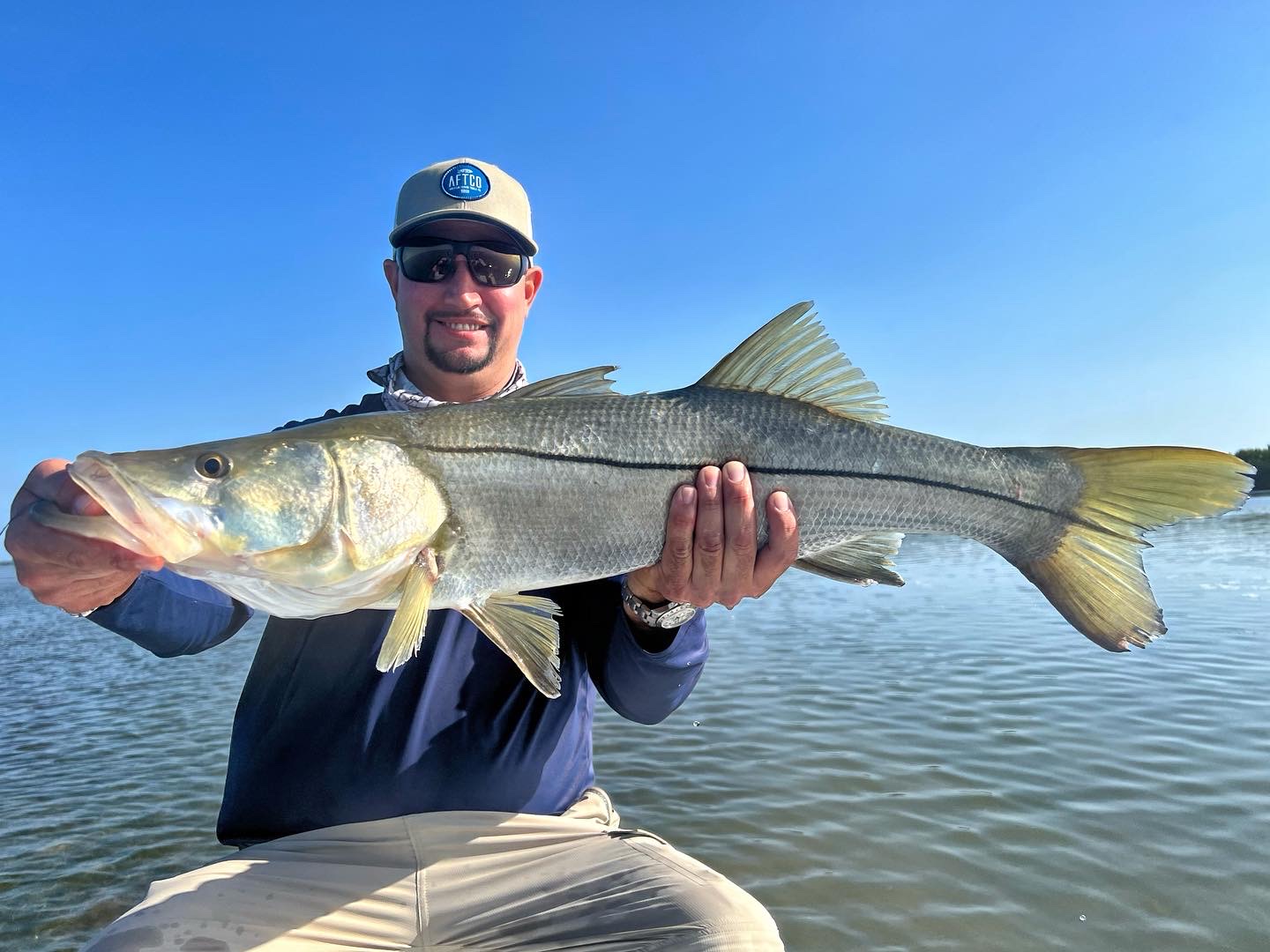
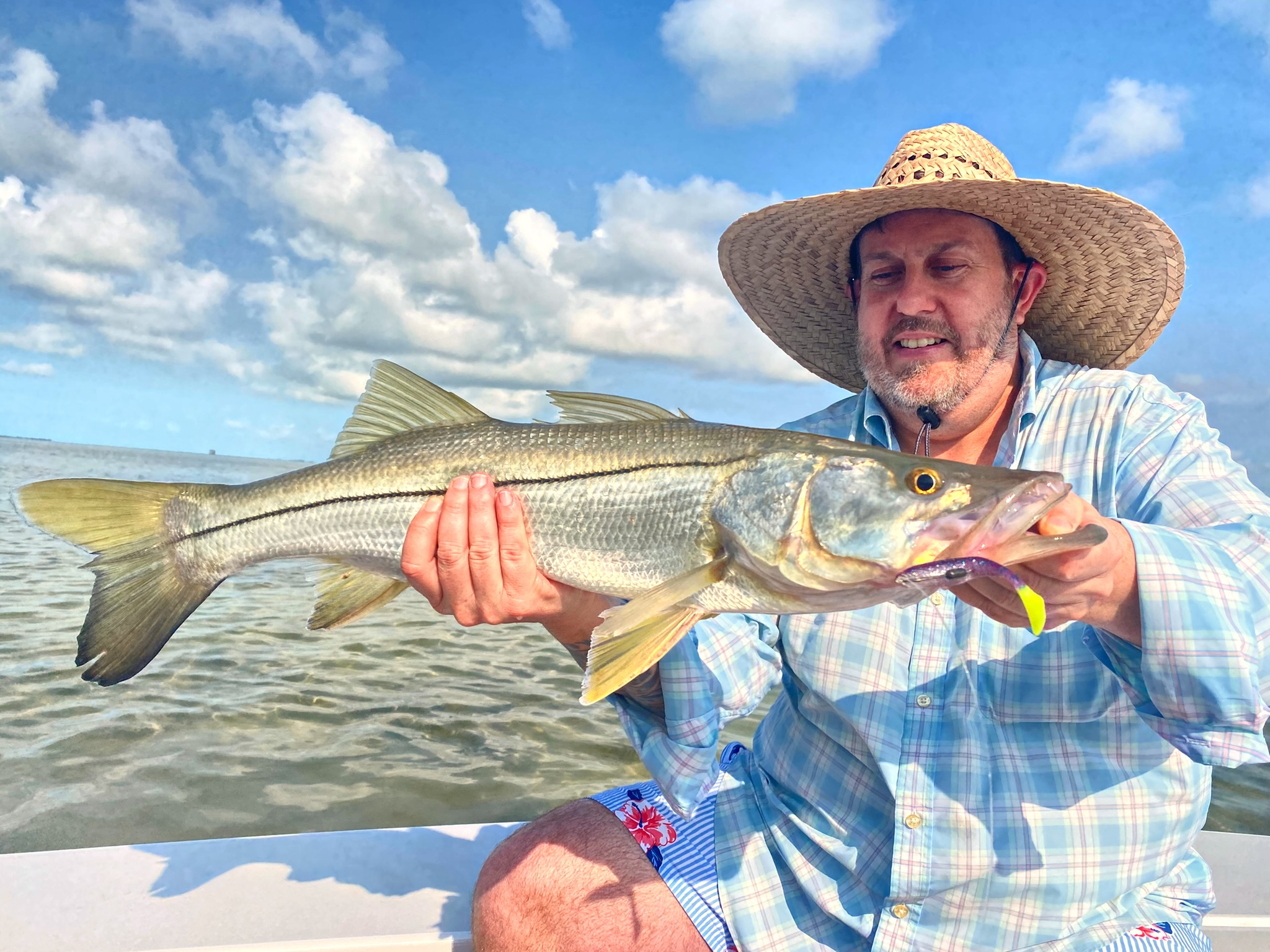
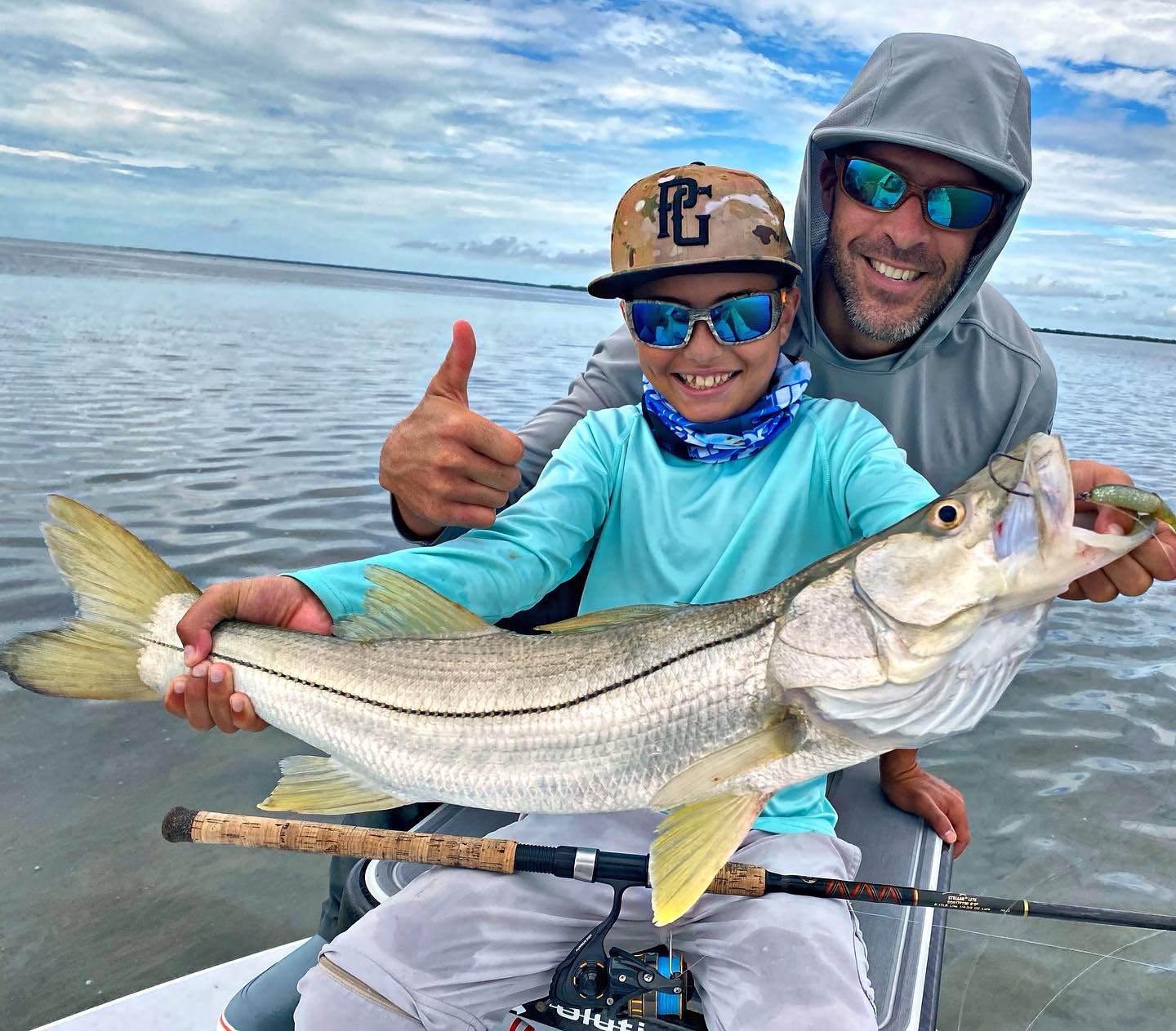
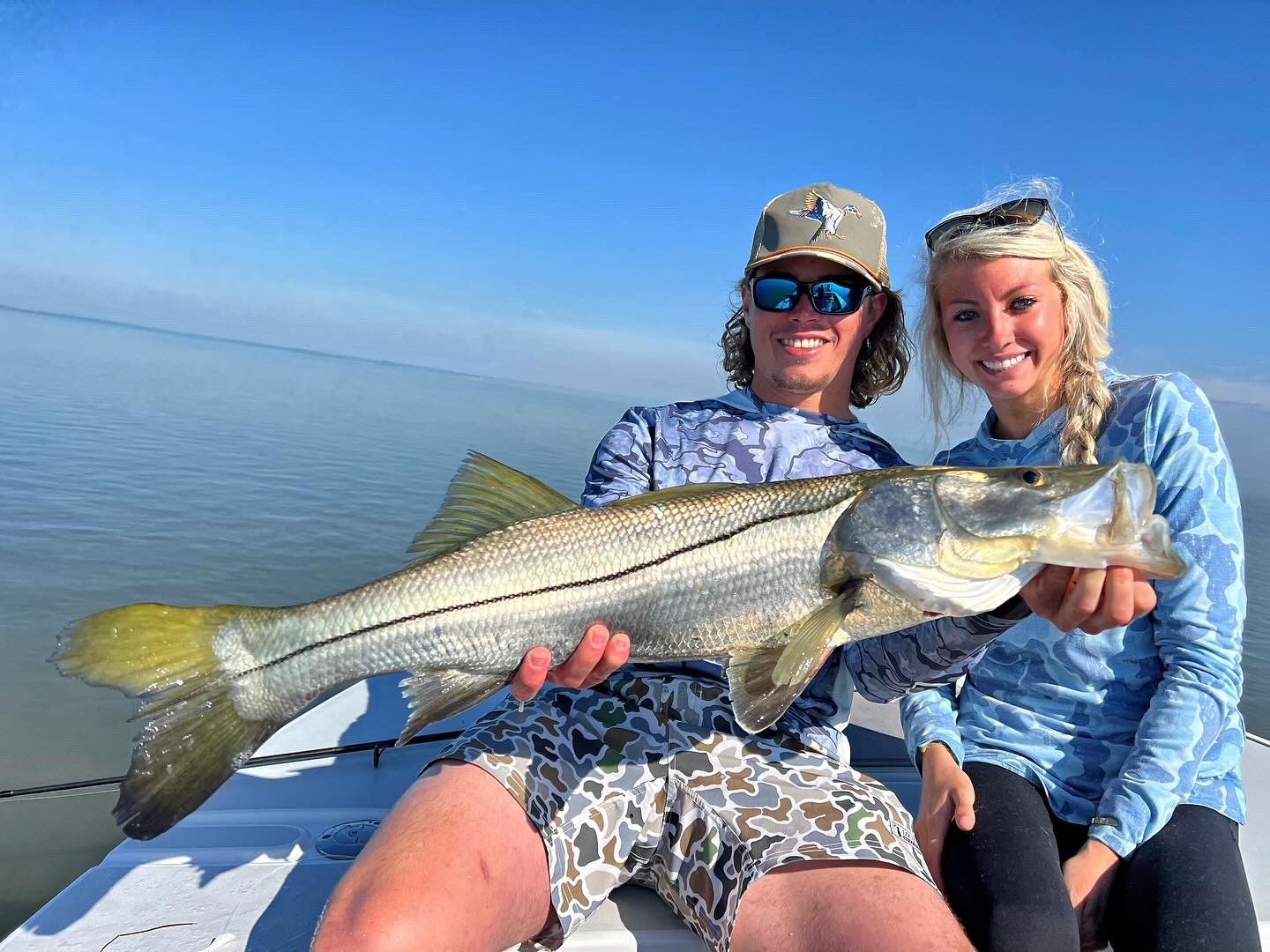
Snook are the most sought-after inshore species in South Florida, and Biscayne Bay holds some beautiful fish. They love structure – mangrove shorelines, dock pilings, oyster bars, and channel edges where they can ambush baitfish. Snook are seasonal spawners, so summer months see them staging near passes and inlets, while winter pushes them into the backcountry creeks and canals. A good bay snook will run 24-28 inches and fight like a fish twice its size. They're notorious for their gill-rattling jumps and their ability to find the nearest piling or mangrove root to break you off. What really gets anglers fired up about snook is their attitude – they eat with aggression and fight dirty.
Redfish, or reds as the locals call them, are the bread and butter of Biscayne Bay fishing. These copper-colored bruisers cruise the grass flats in small schools, tailing in shallow water as they root for crabs and shrimp. Sight-fishing for reds is addictive – you'll spot their bronze backs or black-spotted tails in two feet of water, make a quiet approach, and present your bait just ahead of the school. Bay reds typically run 18-27 inches, with the occasional oversized fish pushing into the slot. They're available year-round, but fall and winter offer the best numbers as cooler water stacks them up on the flats. Reds are also one of the best eating fish in the bay, with firm white meat that's perfect on the grill.
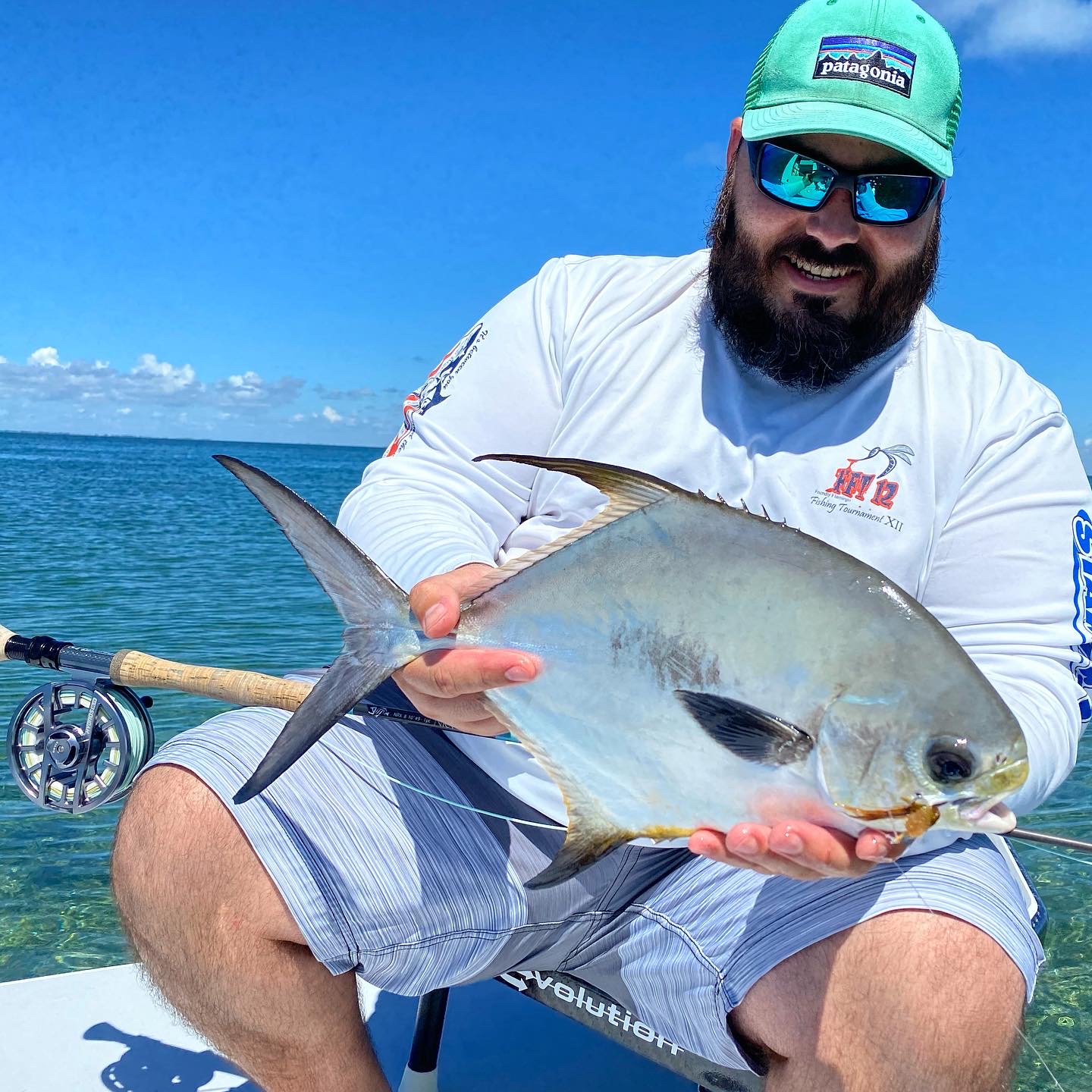
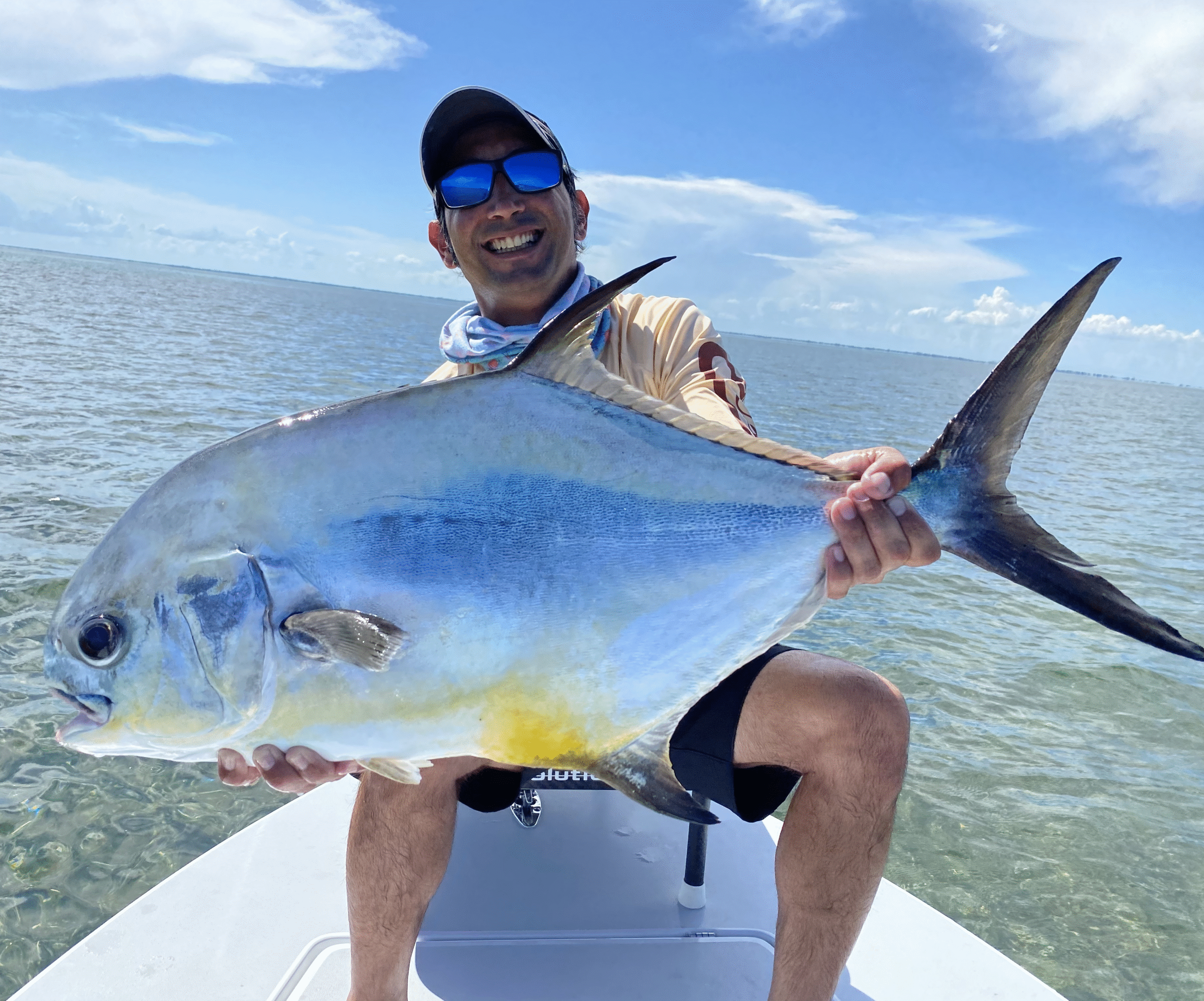
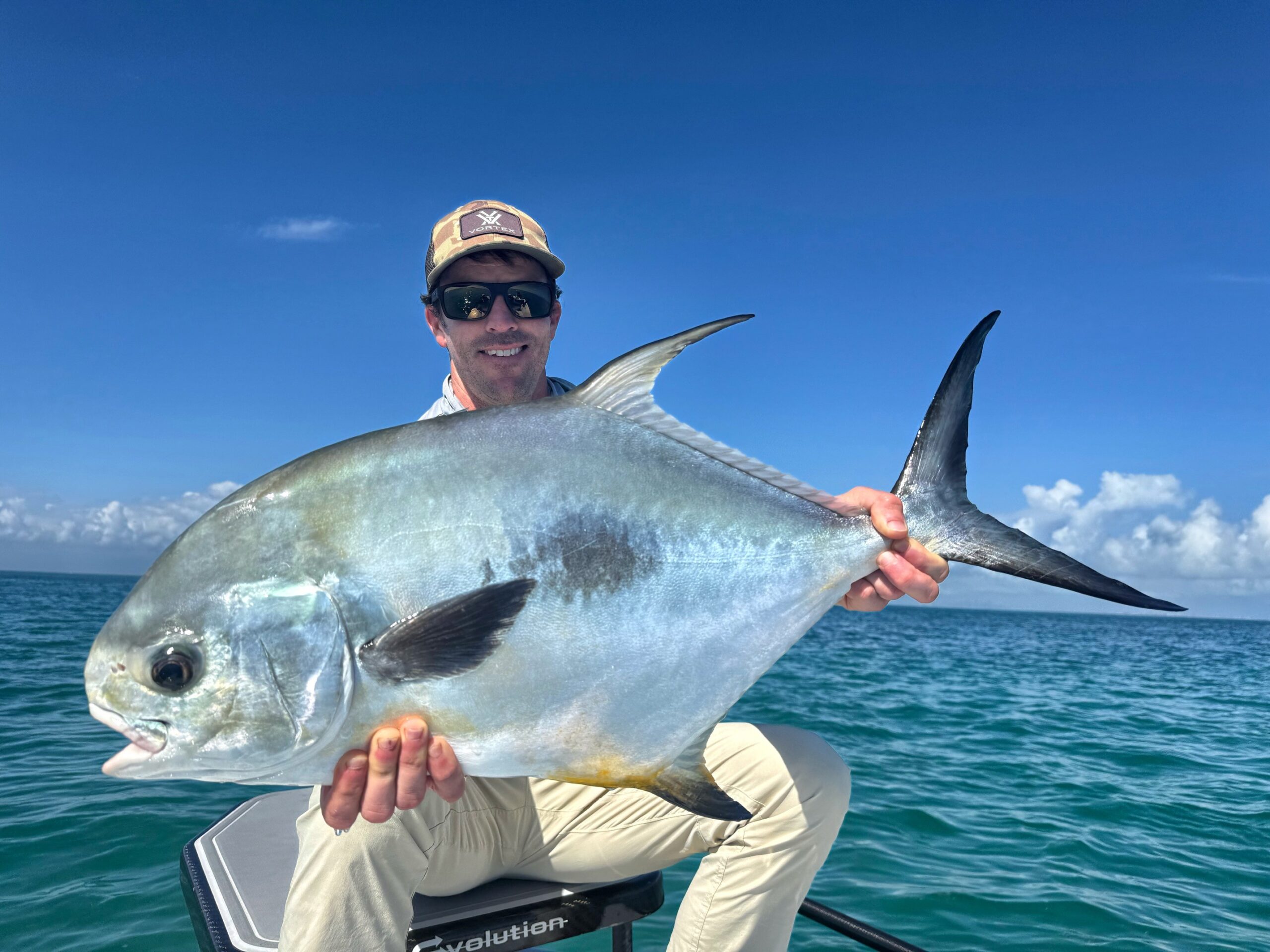
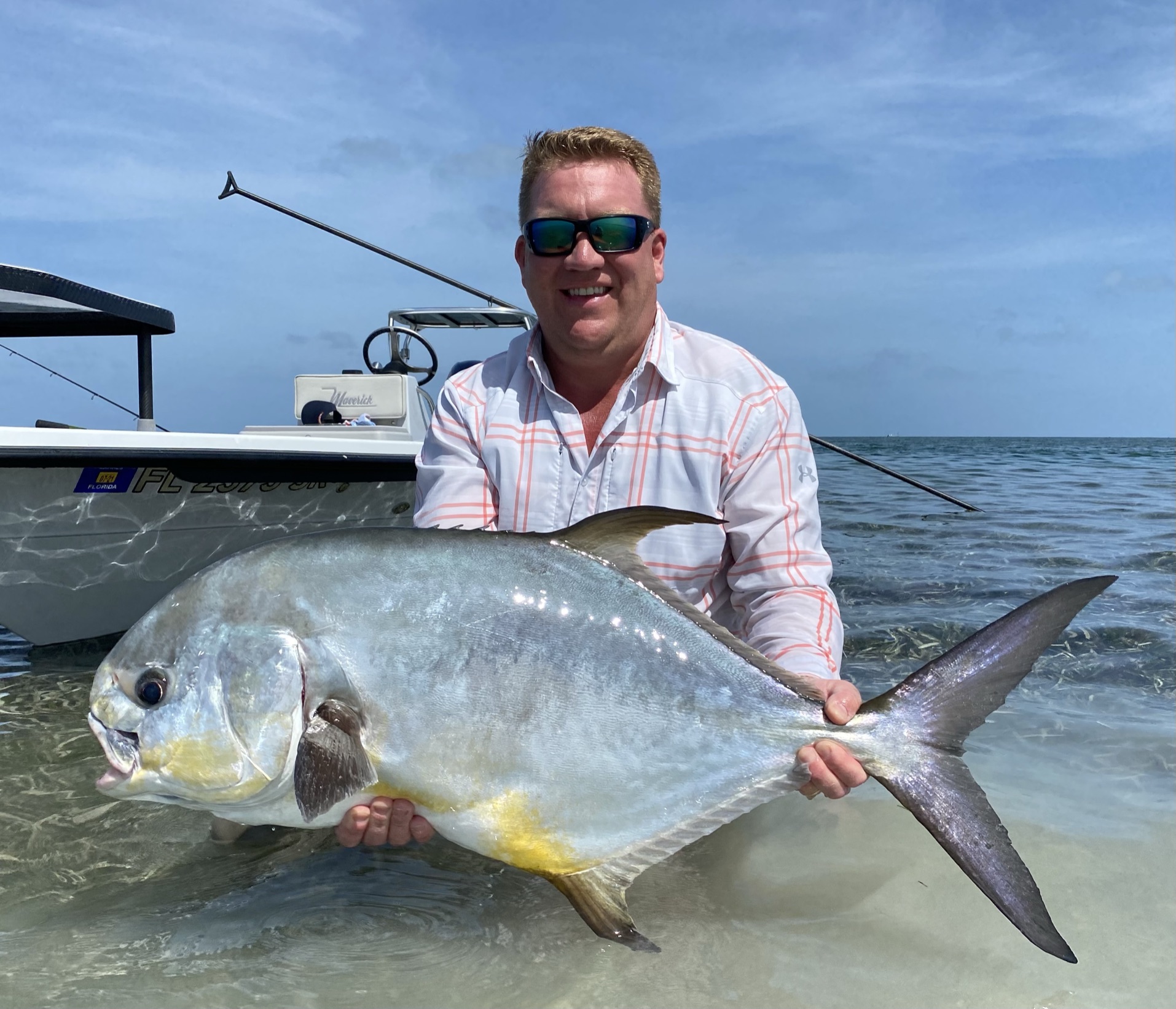
Permit are the wildcard species that can make your day legendary. These disc-shaped members of the jack family are notoriously difficult to catch, which makes them incredibly rewarding when you connect. Biscayne Bay's permit population has exploded in recent years, with fish ranging from small juveniles to mature adults over 30 pounds. They cruise the flats in small groups, often mixed with bonefish, feeding on crabs and shrimp in the turtle grass. Permit are famous for their intelligence and pickiness – they'll follow a perfectly presented crab fly for 50 feet without eating, then spook at the slightest wrong move. Landing a permit on this charter would be the fish of a lifetime.
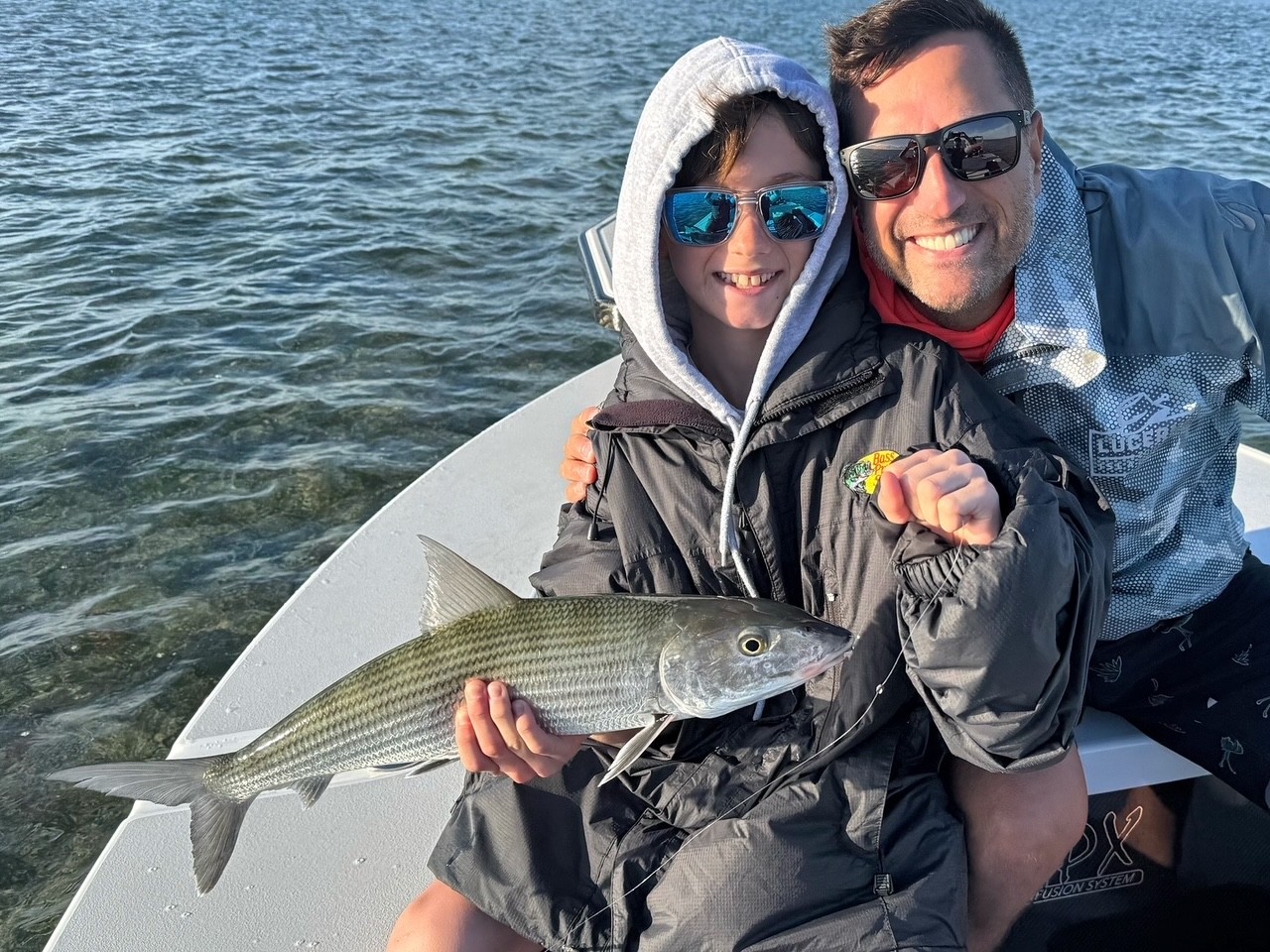
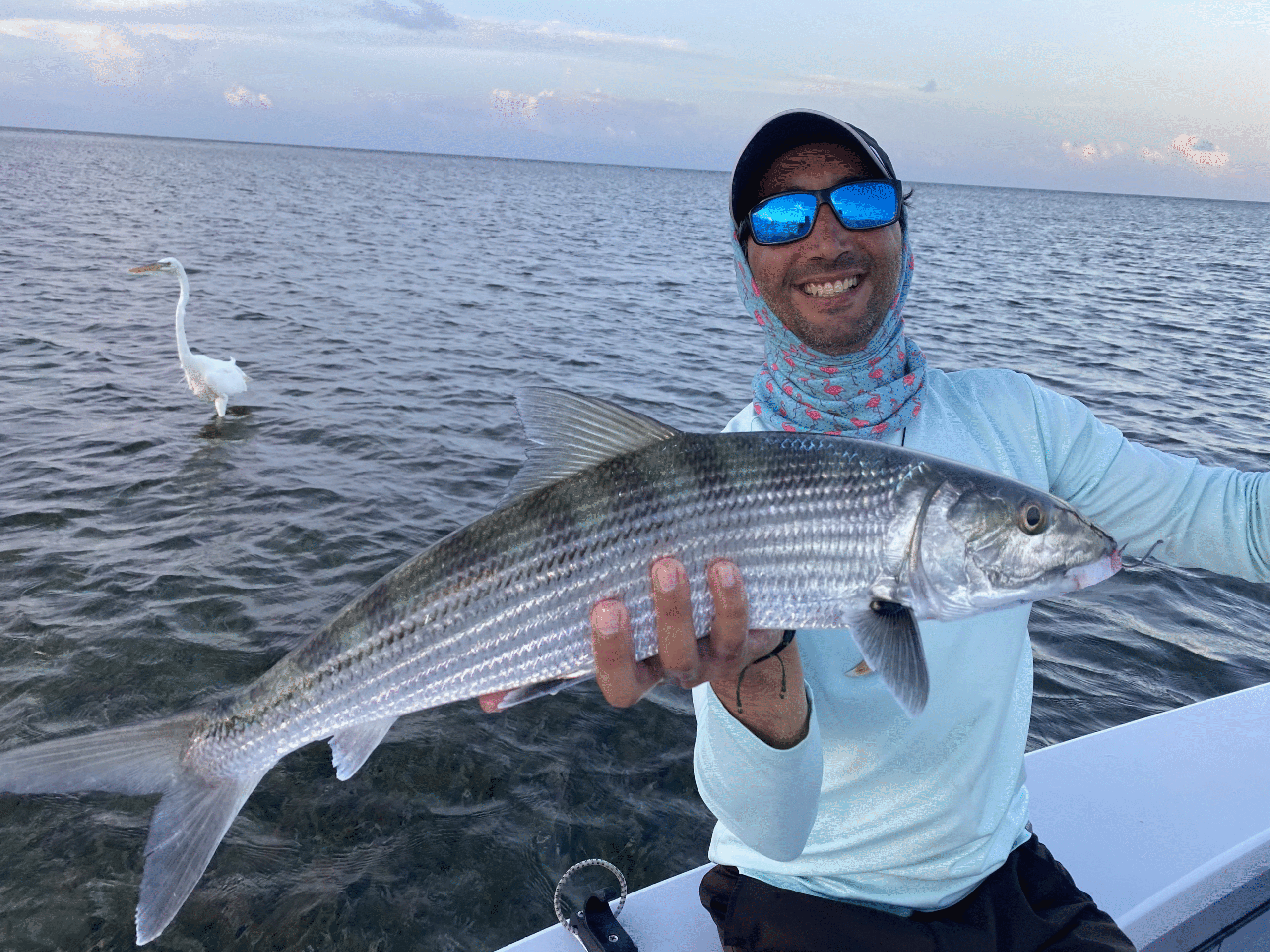
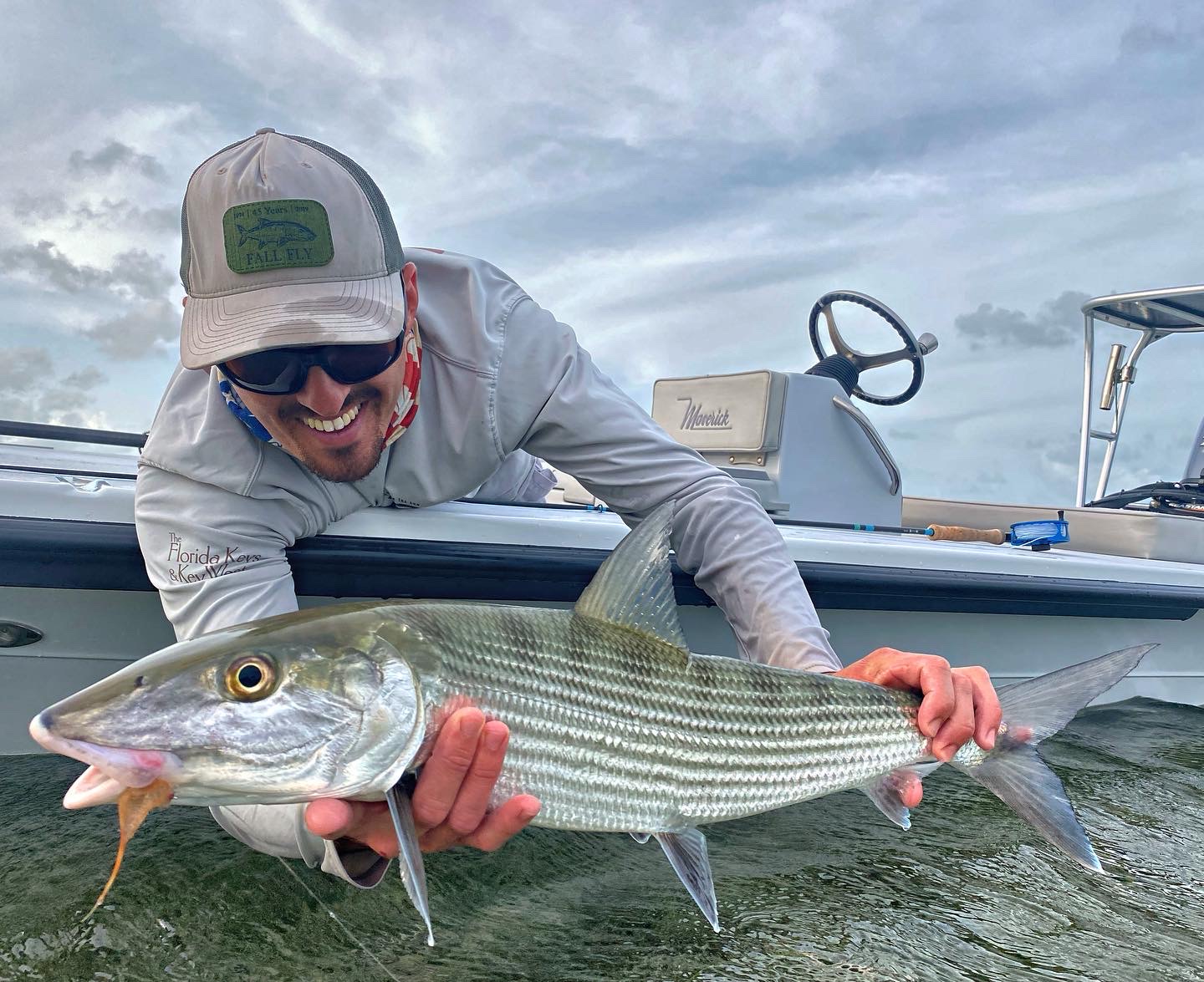
Bonefish complete the South Florida inshore slam, and Biscayne Bay holds a healthy population of these silver ghosts. Bones range from schooling juveniles to mature singles an

 Private Trip
 Inshore Fishing
 Miami, FL, United States


 Target tarpon, snook, and redfish in Biscayne Bay waters