Half-Day Norfolk Inshore Fishing Charter
Nothing beats the rush of hooking into a solid red drum in Norfolk's productive inshore waters. This 5-hour charter with Goin' Anyways SportFishing puts you right in the thick of the action, targeting some of the Chesapeake Bay region's most sought-after species. Whether you're a weekend warrior looking to fill the cooler or a seasoned angler wanting to dial in new techniques, this half-day trip delivers the kind of fishing that keeps you coming back for more.
What to Expect on the Water
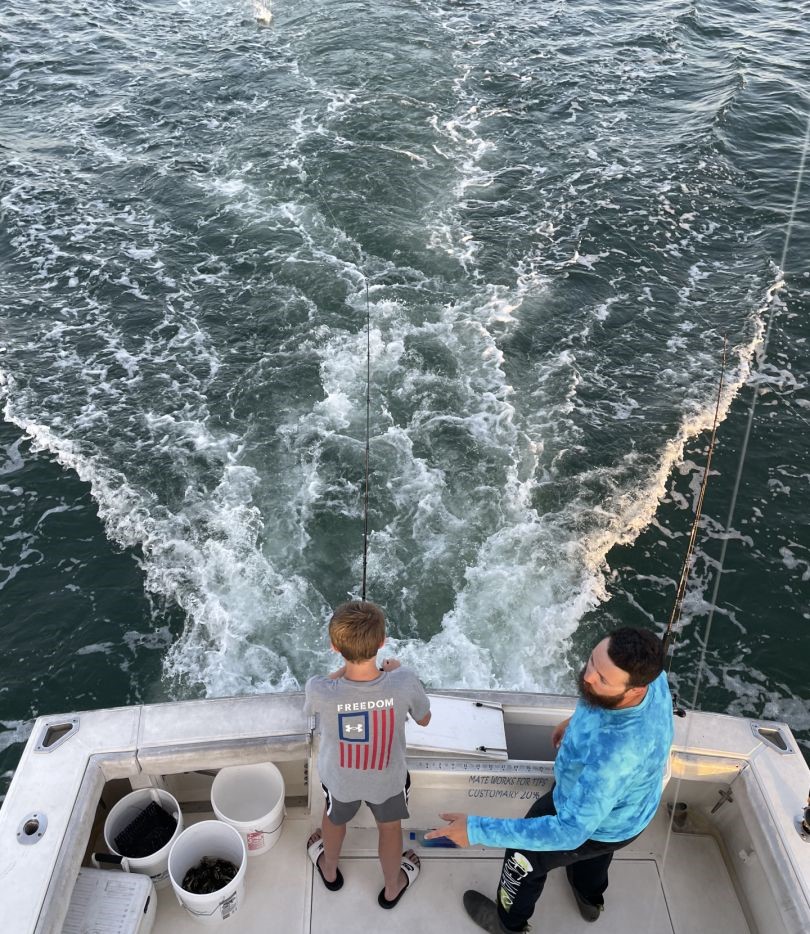
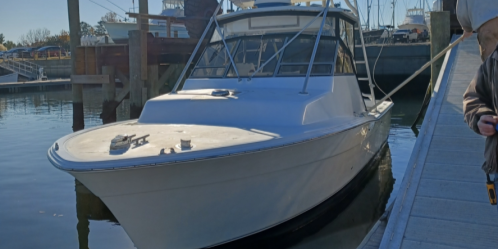
Your day starts early at one of Norfolk's prime launch points, where Captain and crew have already prepped the boat with fresh bait and dialed-in tackle. This isn't some cookie-cutter operation – the team knows these waters like the back of their hand and adjusts the game plan based on tides, weather, and what's been biting lately. You'll hit multiple spots during your 5 hours, from shallow grass flats where reds cruise for crabs to deeper structure where cobia and Spanish mackerel patrol. The boat handles up to 6 anglers comfortably, so there's plenty of room to work without bumping elbows. All your gear is provided, but feel free to bring your lucky rod if you've got one. The crew's approach is hands-on but not overbearing – they'll put you on fish and help with technique, but they know when to step back and let you work your magic.
Techniques and Tackle Setup
Norfolk inshore fishing is all about reading the water and matching your presentation to what the fish want that day. The crew runs a mix of live bait and artificials depending on conditions and target species. For red drum, you'll often find yourself sight-fishing with cut bait or live spot in skinny water, watching for those telltale tails and wakes. Cobia action typically involves working deeper channels and structure with live eels or bucktails, while Spanish mackerel respond well to small spoons and jigs worked through bait schools. The tackle setup is medium to medium-heavy spinning gear that can handle everything from 2-pound Spanish macks to 40-inch bull reds. Circle hooks are standard for live bait work, and the crew keeps multiple rods rigged and ready so you can capitalize when the bite turns on. Expect to move around quite a bit – successful inshore fishing here means covering water and staying mobile until you find active fish.
Top Catches This Season
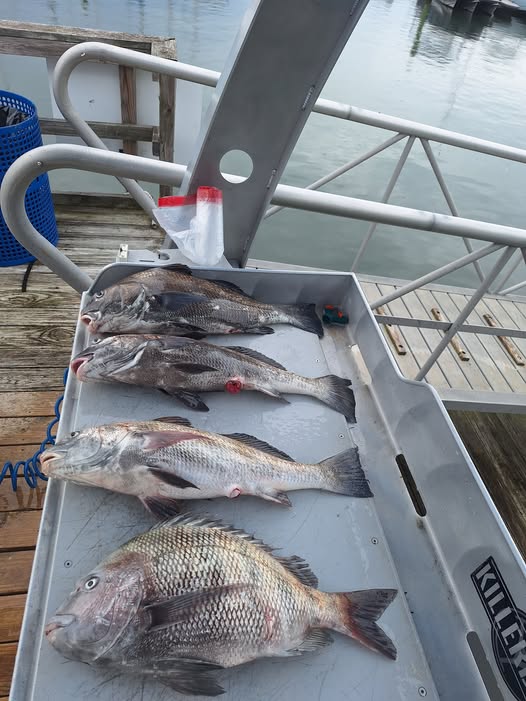
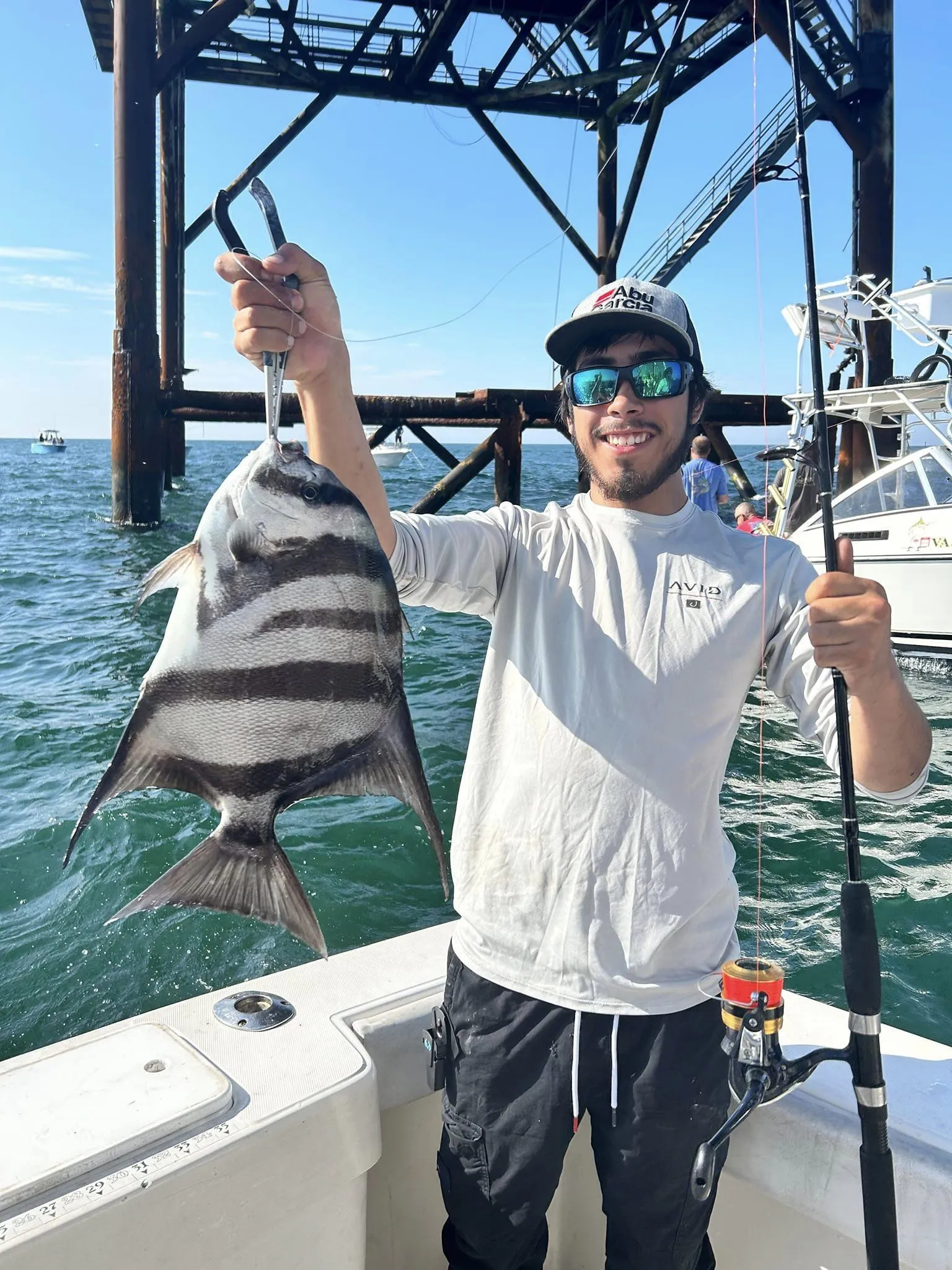
Sheepshead might not win any beauty contests, but these black-and-white striped convicts are some of the smartest fish in Norfolk waters. They hang around pilings, jetties, and any structure with barnacles and crabs, using their human-like teeth to crush shellfish with ease. Peak sheepshead action runs from late fall through early spring when water temperatures drop and they move into their spawning areas. These fish average 2-4 pounds but can push 8-10 pounds for trophy specimens. What makes them so addictive to target is their finicky nature – they'll pick up your bait, feel the slightest resistance, and drop it faster than you can blink. Landing a cooler full requires patience and technique that only comes with practice.
Redfish are the bread and butter of Norfolk inshore fishing, and for good reason. These copper-colored bruisers are year-round residents that grow fat in the nutrient-rich waters around the Chesapeake Bay mouth. Slot-size reds (18-26 inches) are perfect eating and fight like fish twice their size, while the oversized bulls that cruise the shallows in summer will test your drag system and your arms. Spring and fall produce the most consistent action as schools of reds work the grass flats and oyster bars hunting blue crabs. The sight-fishing opportunities here are world-class – nothing beats watching a 30-inch red slowly cruise up to your bait in 3 feet of crystal-clear water.
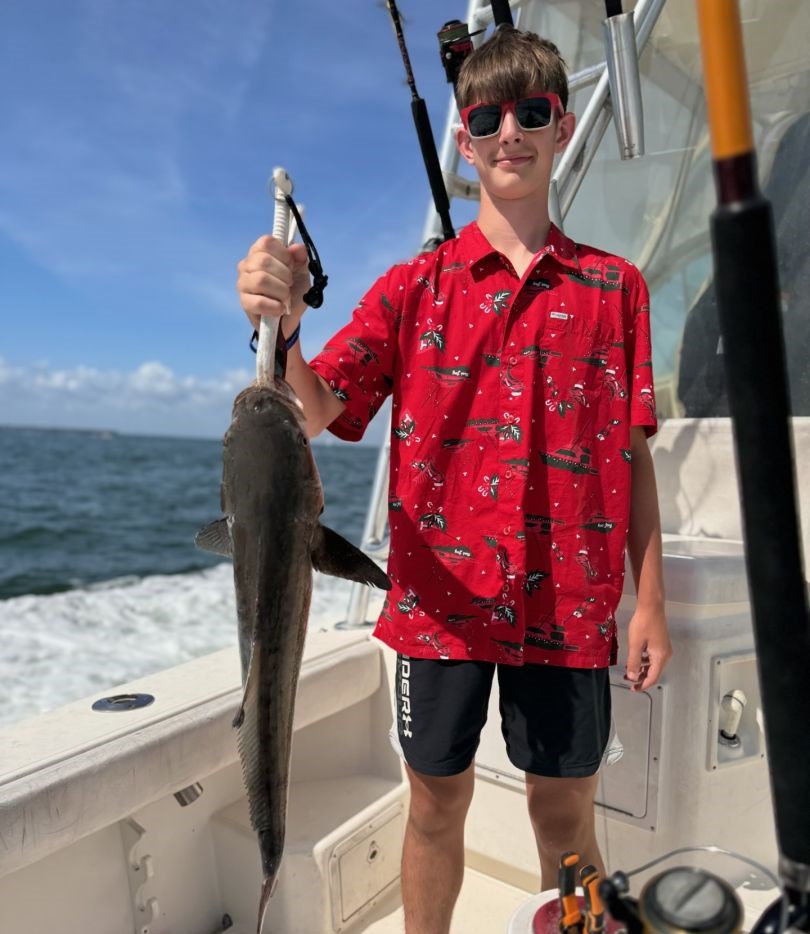
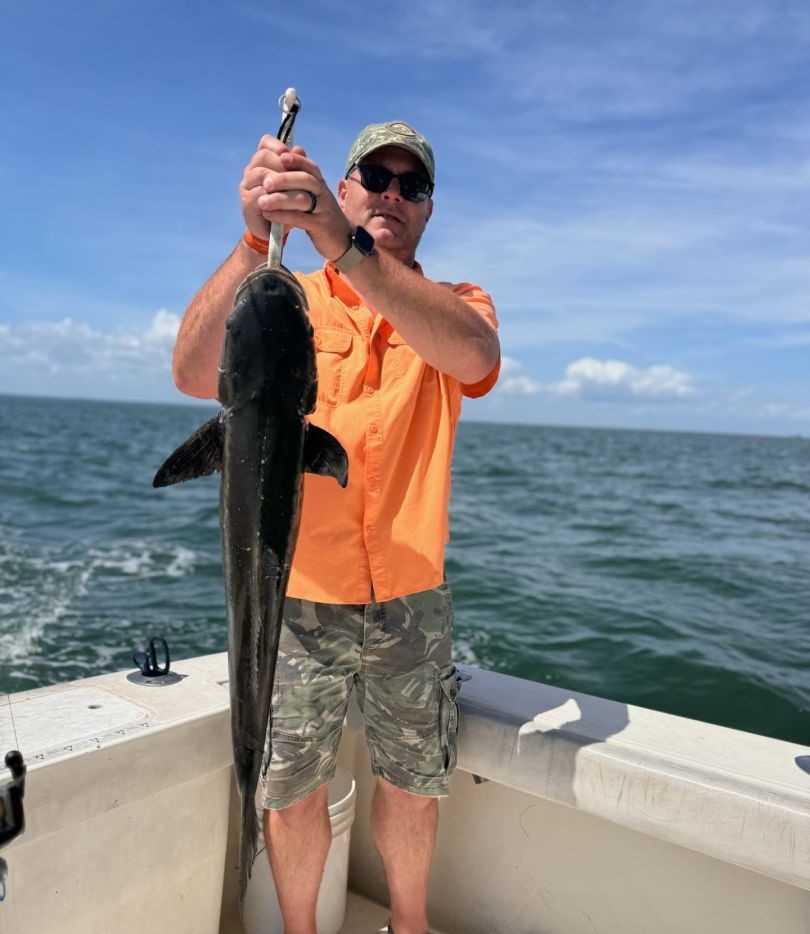
Cobia are the heavyweight champions of the inshore scene, and Norfolk sits right in their migration path. These brown sharks (as locals call them) show up in spring as water temperatures hit the mid-60s and stick around through early fall. Average fish run 20-40 pounds, but 50-60 pounders are caught regularly, and the occasional 70+ pound giant shows up to make your day. What makes cobia so special is their curious nature – they'll follow the boat, investigate lures, and often give you multiple shots if you don't spook them. Their fight is legendary too, combining the initial run of a large red with the head-shaking power of a big striper.
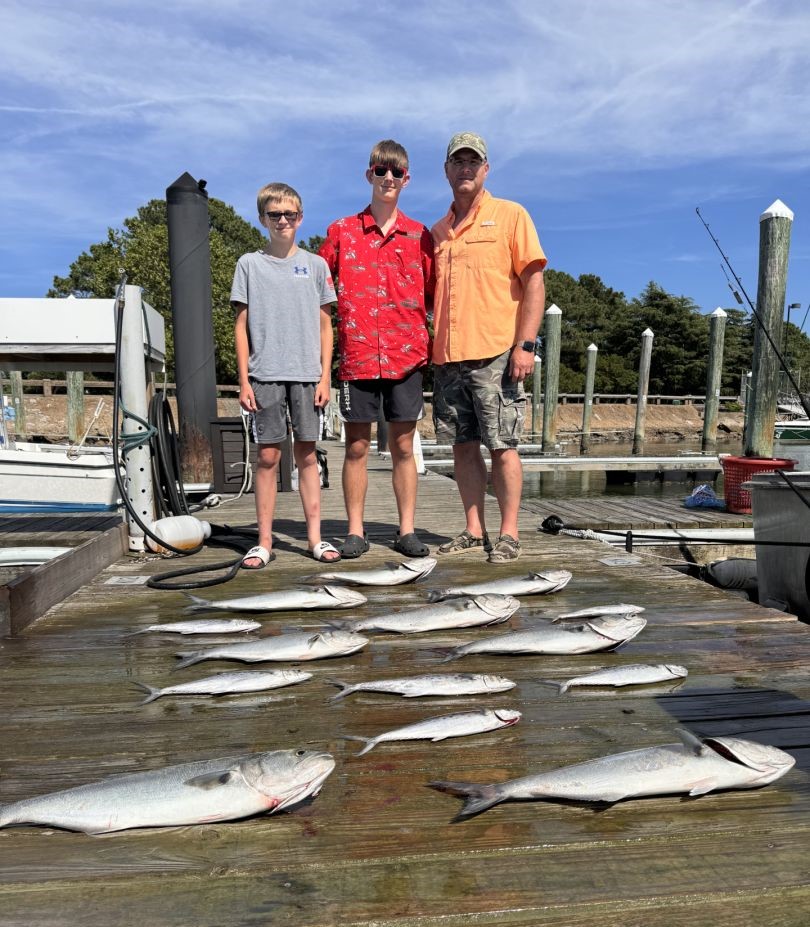
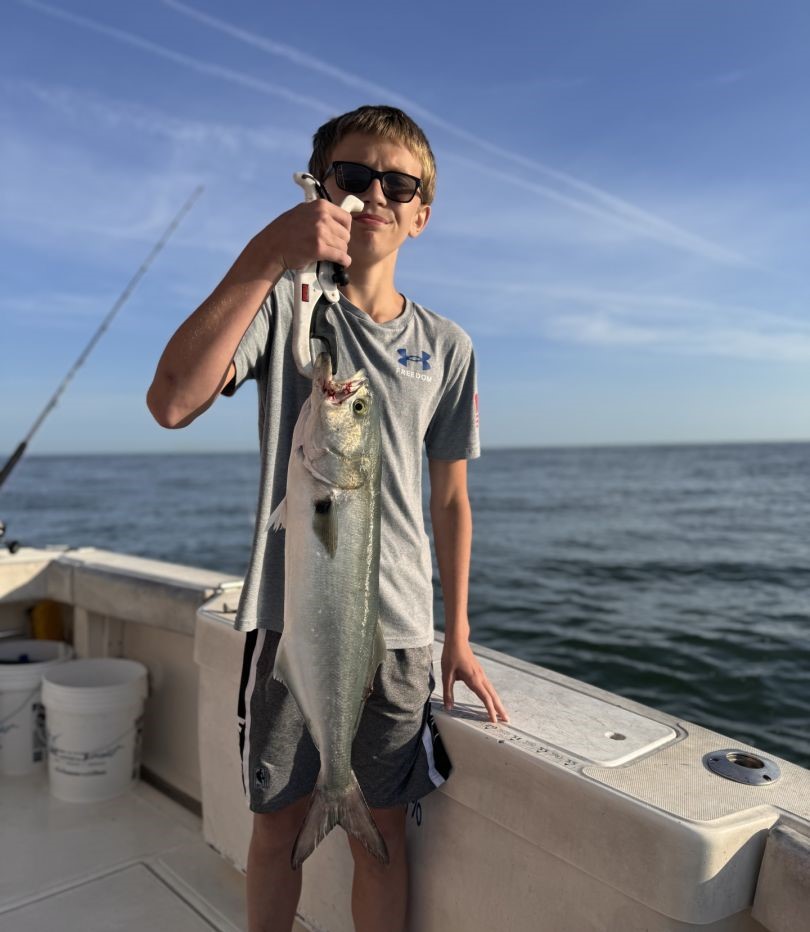
Spanish mackerel bring non-stop action when they're around, typically from late spring through early fall. These silver bullets average 1-3 pounds and travel in schools that can number in the hundreds. When you find them, it's game on – multiple hookups are common, and the bite can be so fast you'll barely have time to unhook fish before dropping back down. They're excellent eating and perfect for kids or beginning anglers who want to feel their rod bend. The key is finding the bait schools they follow, which often means watching for diving birds or working your electronics to locate the food chain.
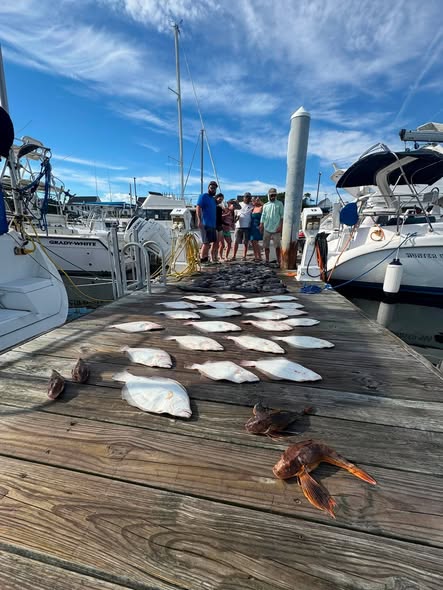
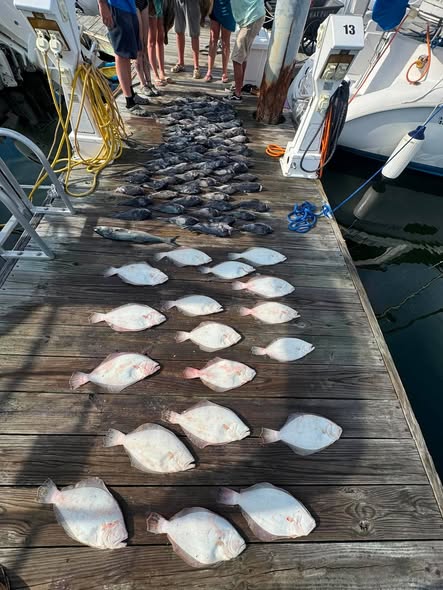
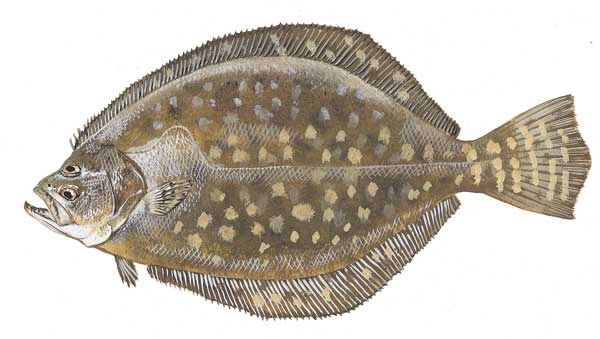
Southern flounder are the masters of camouflage, lying buried in sand and mud waiting to ambush unsuspecting prey. Norfolk's creeks, channels, and drop-offs hold good populations of these flatfish, with fall producing the best action as they fatten up before their offshore spawning run. Keeper flounder (15+ inches) are becoming more precious each year due to regulations, making every legal fish a celebration. They hit live finger mullet, mud minnows, and Gulp baits worked slowly along the bottom. The fight isn't spectacular, but the table fare is outstanding, and there's something satisfying about fooling such a well-camouflaged predator.
Time to Book Your Spot
This half-
 Private Trip
 Inshore Fishing
 Norfolk



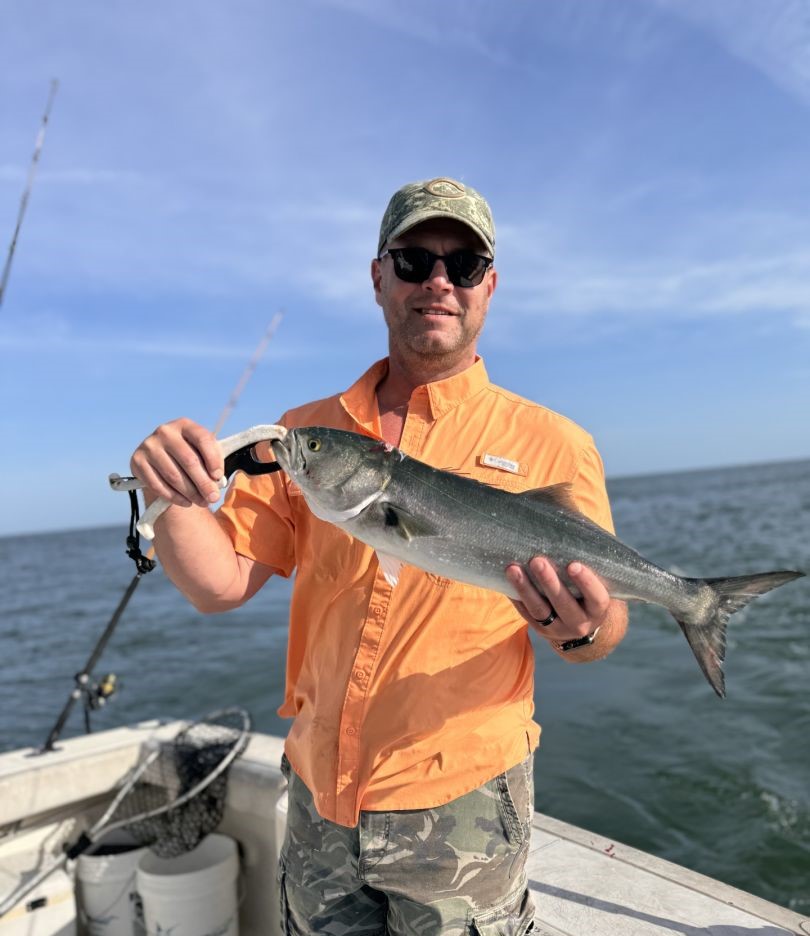
 5-hour inshore charter targets cobia, red drum, and Spanish mackerel