Fishing in Palm Coast | 4 to 8 Hour Charter
Captain Caleb knows these waters like the back of his hand, and he's ready to put you on some serious fish. From the shallow flats around Flagler Beach to the winding creeks near St. Augustine, this Palm Coast fishing charter gives you access to some of Florida's most productive inshore waters. Whether you're after that first redfish or looking to add a trophy snook to your collection, this top-rated charter delivers the goods. With trips ranging from half-day adventures to full 8-hour expeditions, you'll have plenty of time to work the best spots and dial in your technique.
What to Expect on the Water
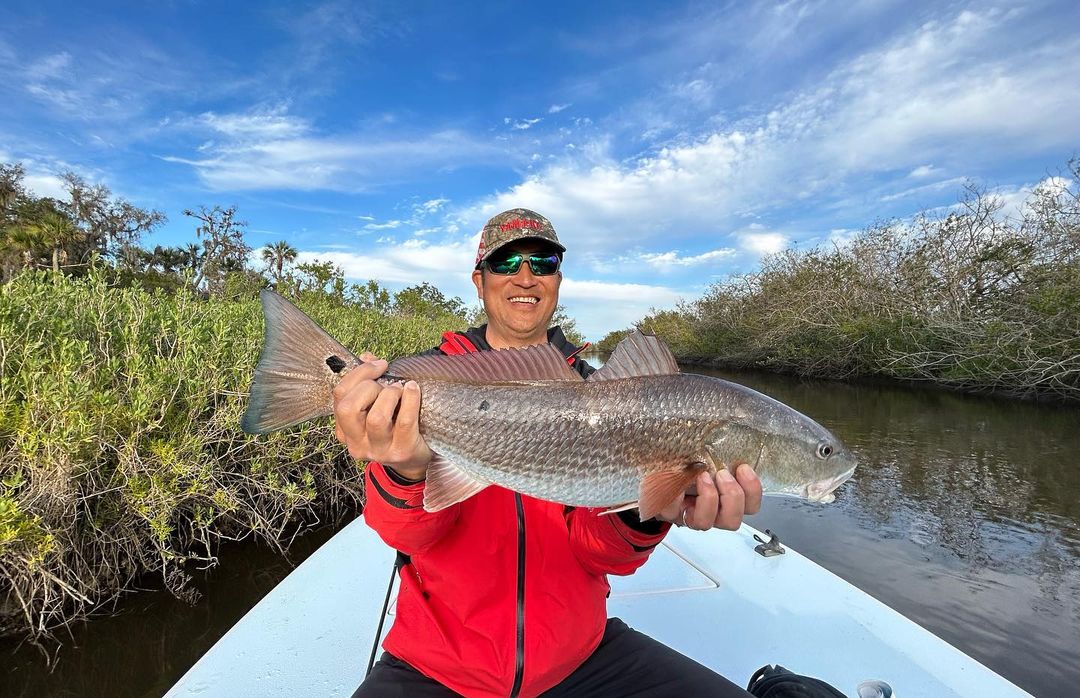
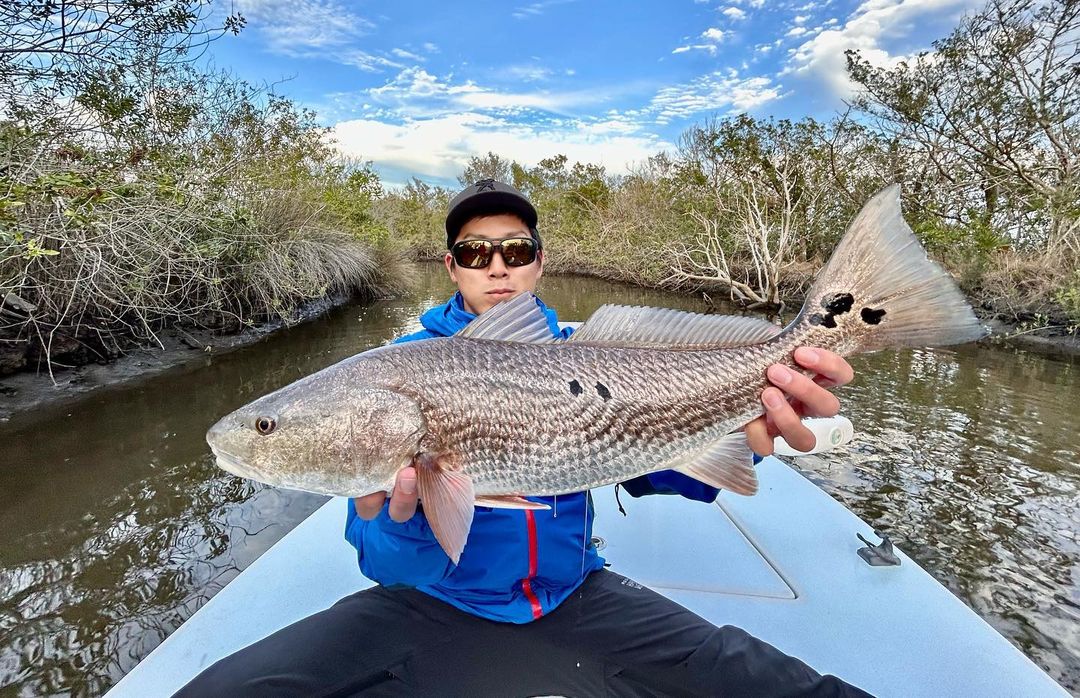
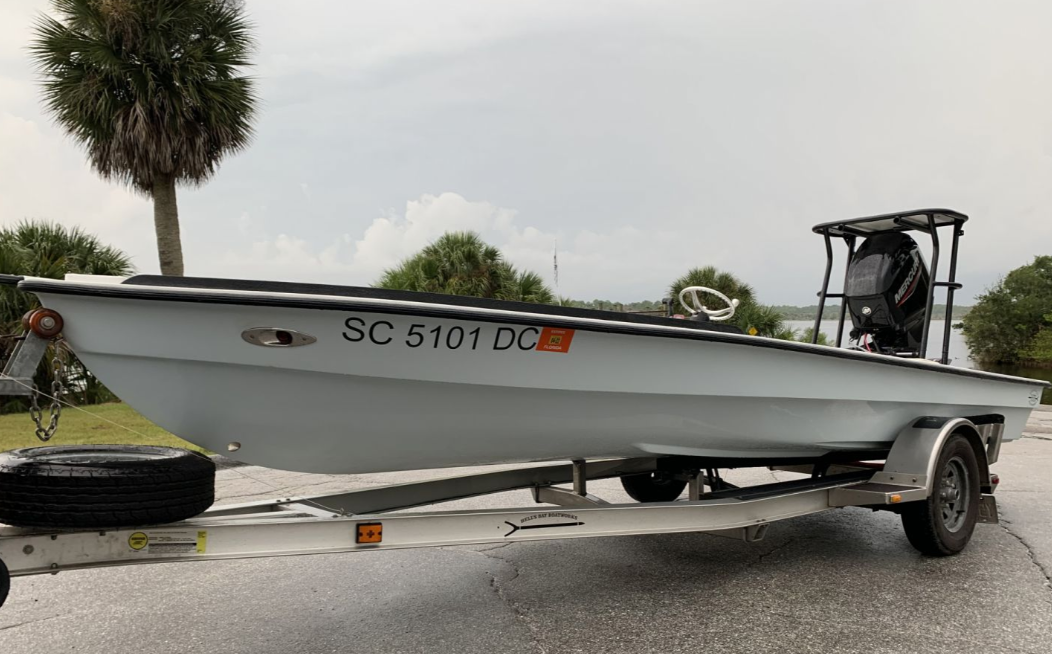
You'll be fishing the backwater flats and creeks that make this stretch of Florida's coast so special. Captain Caleb runs a clean boat that accommodates up to three anglers, so you won't be crowded or fighting for space. The beauty of inshore fishing here is the variety – one minute you're sight-casting to tailing redfish in knee-deep water, the next you're working structure for black drum or picking apart oyster bars for snook. The scenery changes as much as the fishing, from open grass flats where you can see for miles to intimate creek systems where every cast feels like it could produce. Don't expect a party boat atmosphere – this is serious fishing with a captain who knows when to be quiet and when to share his knowledge. The boat comes rigged with quality tackle, but feel free to bring your own rods if you've got favorites.
Tactics and Prime Territory
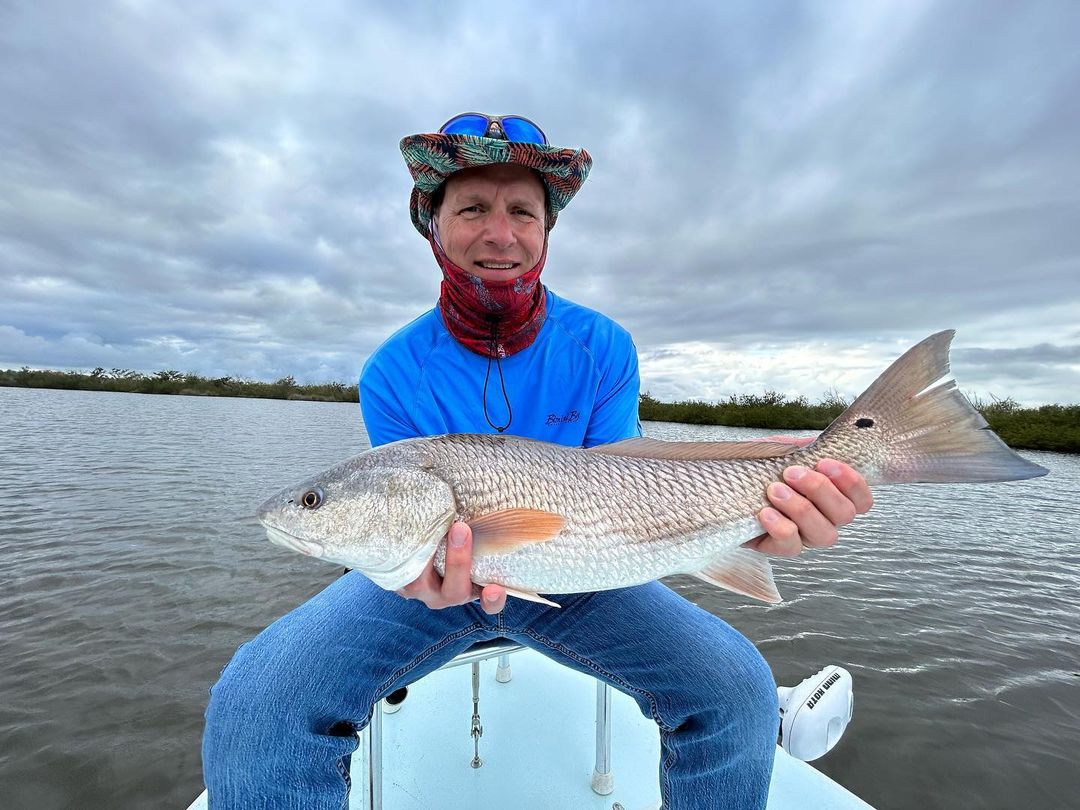
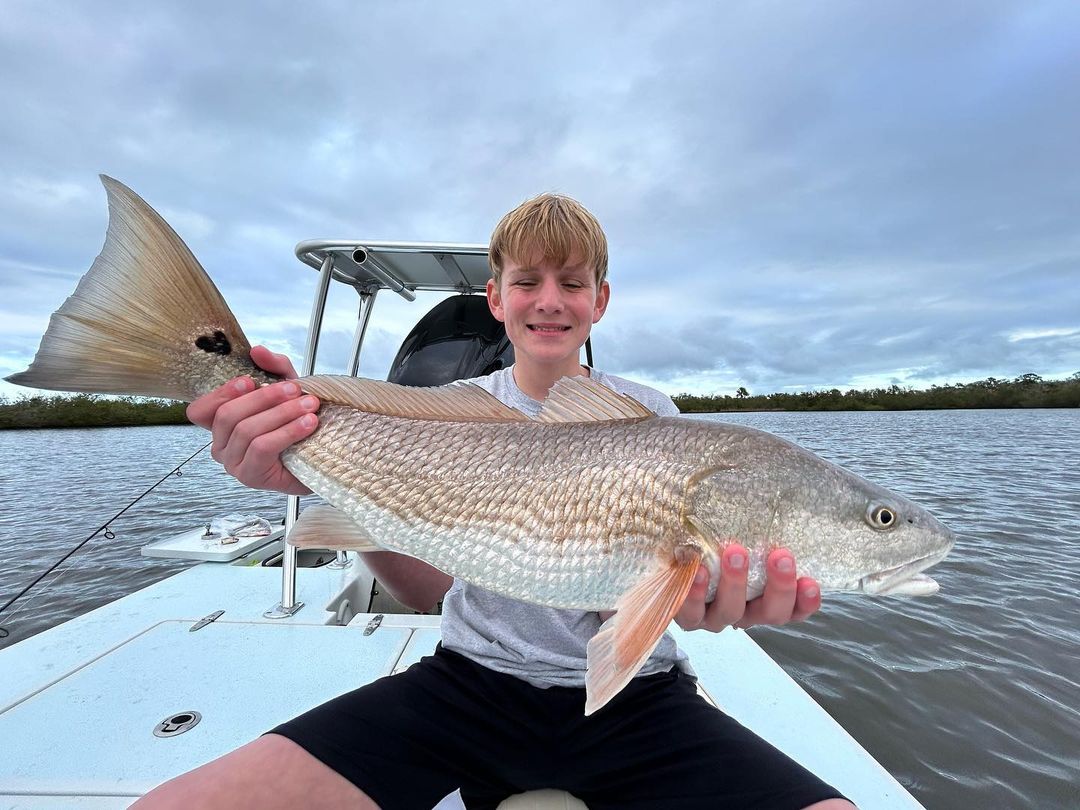
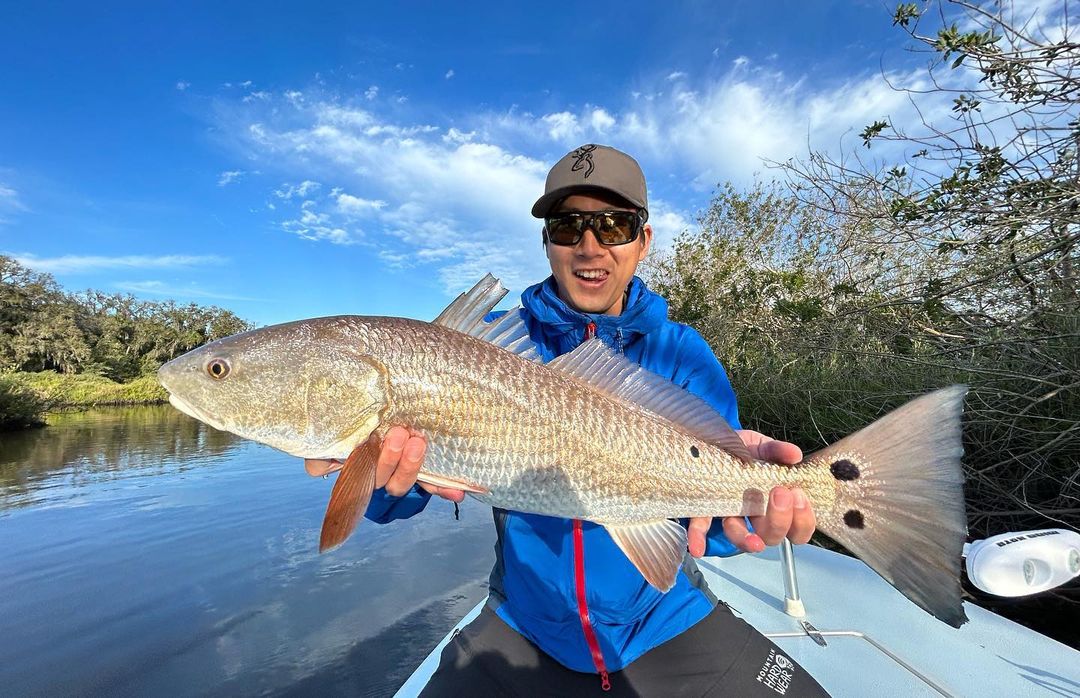
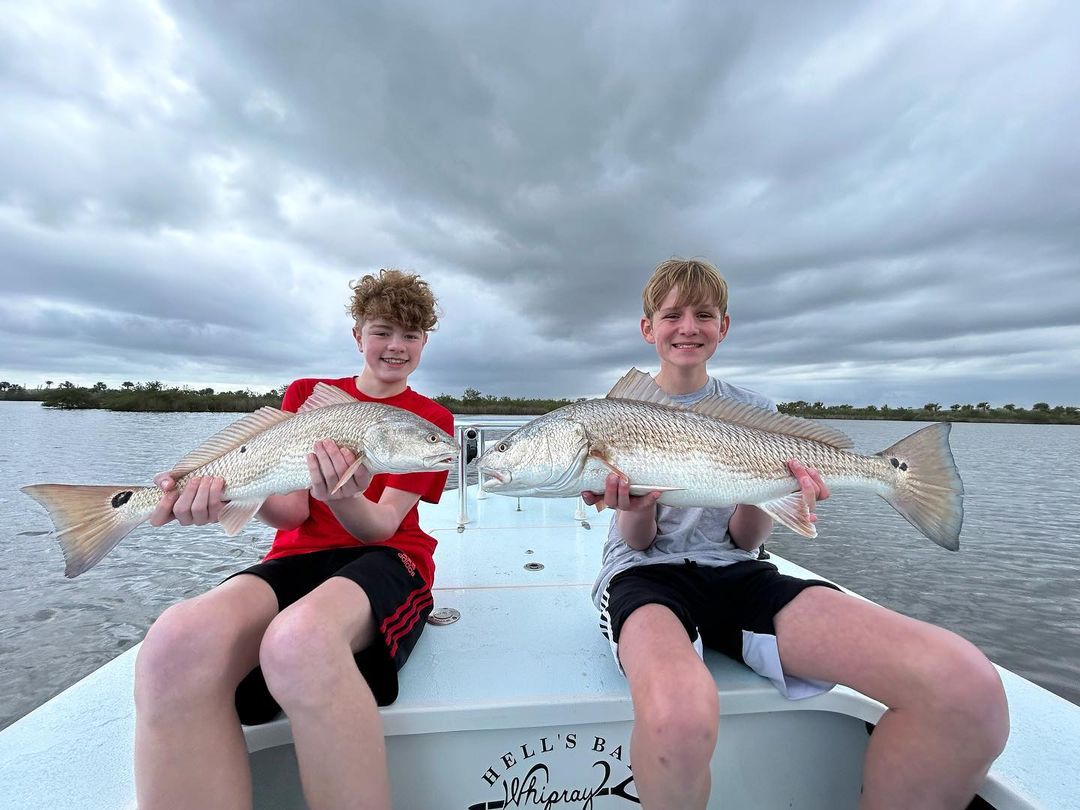
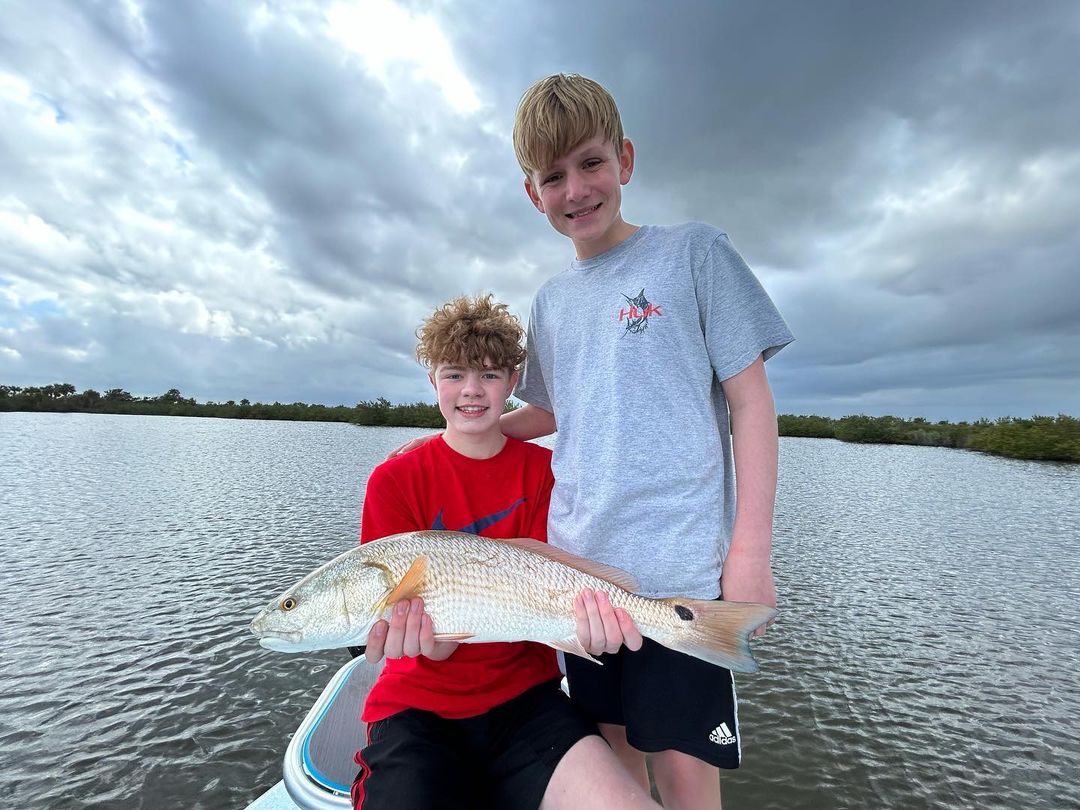
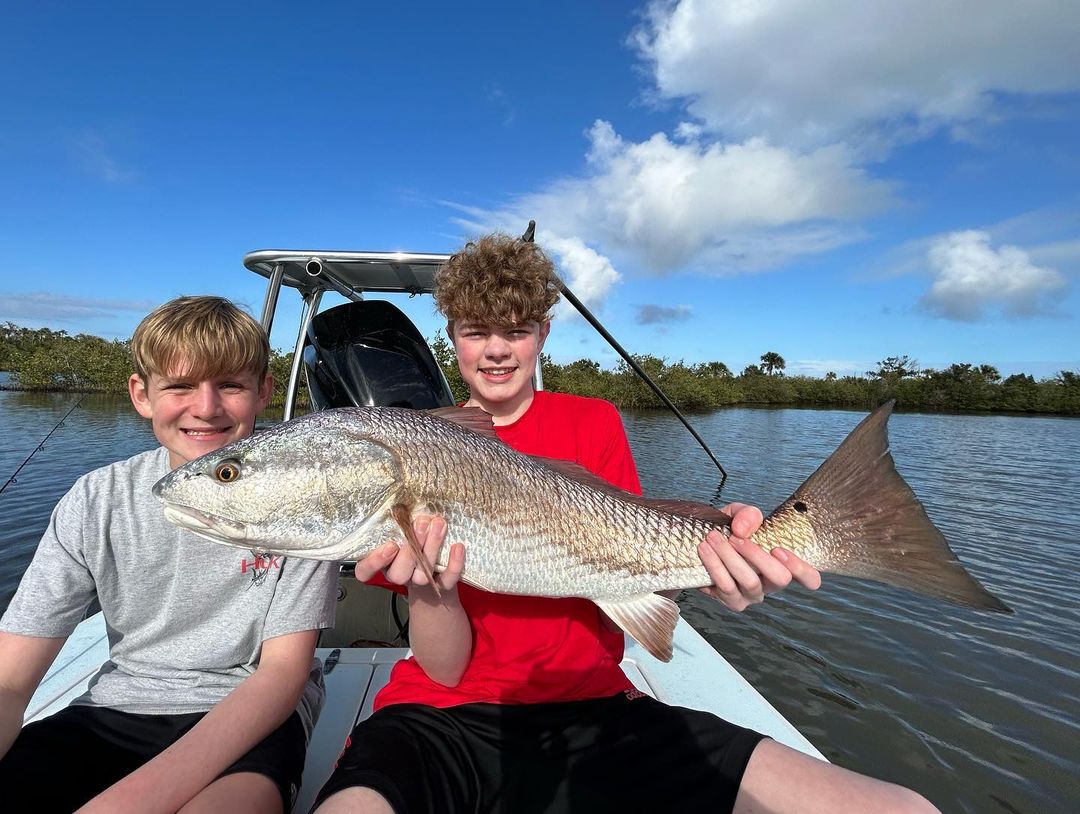
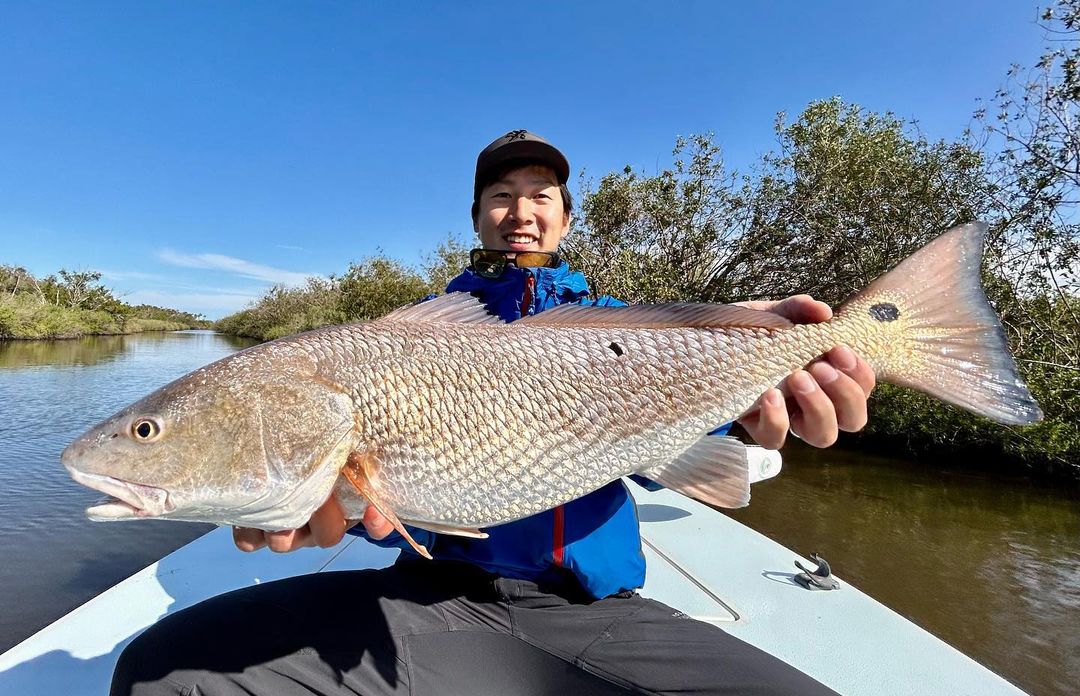
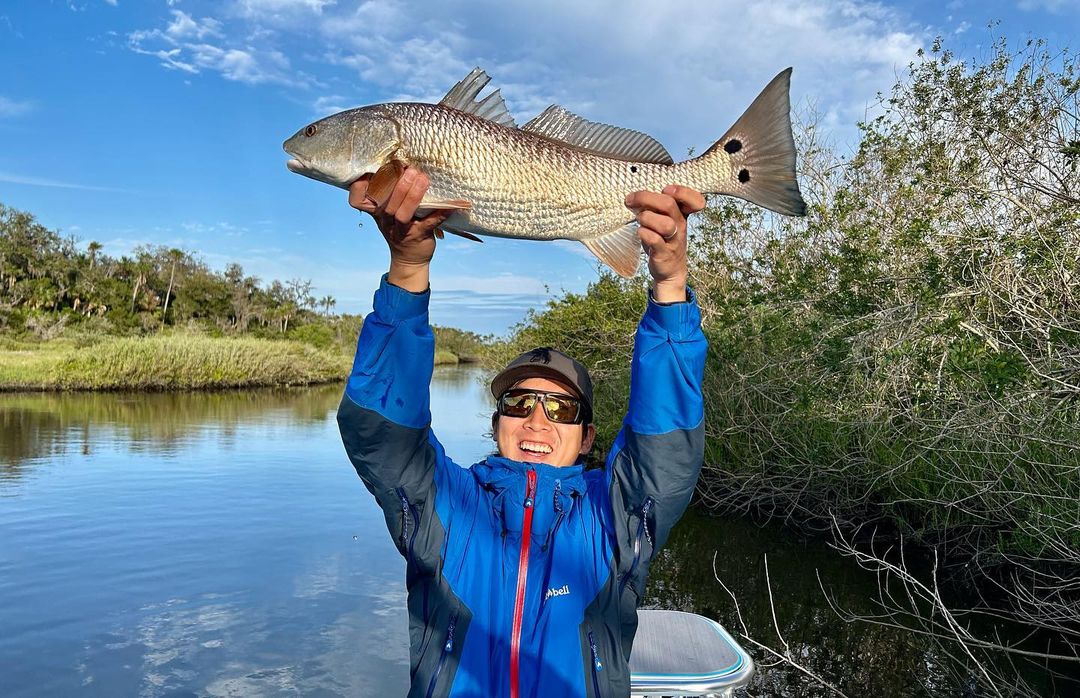
Captain Caleb's approach depends on conditions, tides, and what's biting. Live bait fishing with shrimp, pinfish, or finger mullet is often the ticket, especially when targeting black drum around structure or working deeper creek bends for snook. Artificial lures have their place too – soft plastics on jig heads for working grass flats, topwater plugs during dawn and dusk feeds, and suspending baits around docks and mangroves. The flats around Palm Coast offer incredible sight-fishing opportunities when conditions align. There's nothing quite like watching a redfish cruise the shallows, then making the perfect cast and watching that copper-colored back light up as the fish charges your bait. The creek systems provide year-round action and serve as highways for moving fish. Captain Caleb reads the water constantly – looking for bait, birds, and subtle signs that most anglers miss. He'll position the boat to give you the best shots and coach you through techniques that'll make you a better angler long after the trip ends.
Top Catches This Season
Sea trout are the bread and butter of these waters, and for good reason. They're aggressive, fun to catch, and excellent table fare when kept in slot. Most of the trout you'll encounter run 14 to 20 inches, with occasional gator trout pushing the 24-inch mark. They school up over grass beds and sandy potholes, especially during cooler months. Spring and fall offer the most consistent action, but summer early morning and late evening bites can be phenomenal. What makes sea trout special is their willingness to hit both live and artificial baits – you can catch them on everything from live shrimp under popping corks to DOA shrimp on light jig heads.
Crevalle jacks bring the muscle to your Palm Coast fishing experience. These fish are pure power, capable of burning drag and testing your arm strength. They average 5 to 15 pounds in these waters, but 20-plus-pound bulls show up regularly. Jacks are opportunistic feeders that often travel in schools, so when you find them, the action can be non-stop. They're particularly active during bait migrations in spring and fall. While not great eating, they're fantastic sport fish that'll give you a workout and some bragging rights.
Bluefish are the choppers of the inshore world, and Palm Coast's waters hold some quality blues. Most run 2 to 8 pounds, but double-digit fish are possible during peak seasons. They're voracious predators with razor-sharp teeth, so wire leaders are essential. Blues are excellent indicators of bait presence – where you find actively feeding bluefish, you'll often find other gamefish nearby. They're also outstanding on the dinner table when kept fresh and prepared properly.
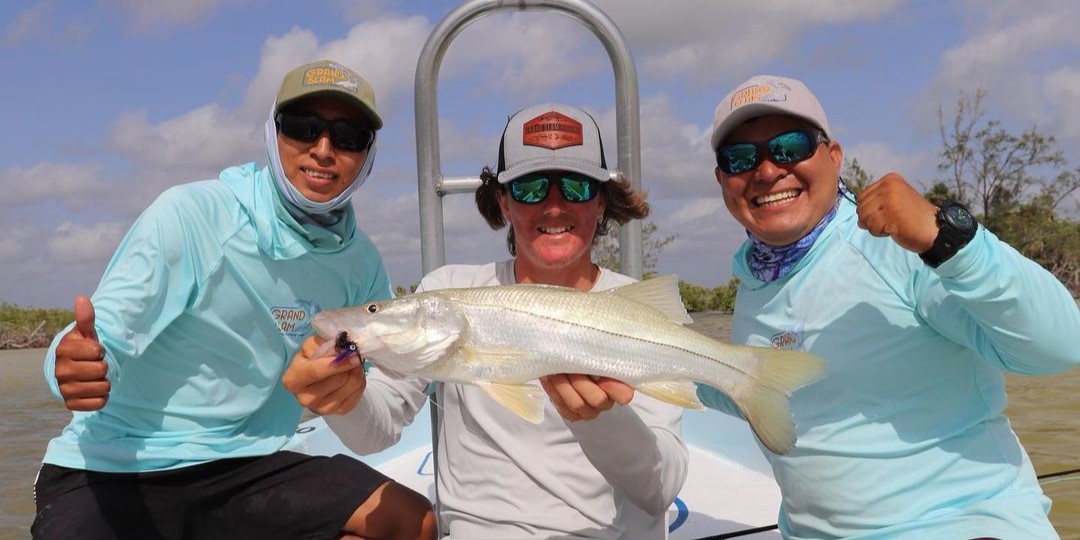
Snook represent the holy grail of Florida inshore fishing. These ambush predators love structure – docks, mangroves, creek bends, and oyster bars. Palm Coast's snook typically range from schoolie-sized fish up to genuine trophies pushing 30-plus inches. They're extremely temperature sensitive, so timing matters. Warmer months offer the most consistent action, particularly around dawn and dusk. Snook have that perfect combination of beauty, fight, and challenge that keeps anglers coming back. Their distinctive black lateral line and golden coloration make them unmistakable, and their gill-rattling jumps create lasting memories.
Black drum are the bulldogs of these waters, offering consistent action year-round with peak fishing during cooler months. Palm Coast drum typically range from 14 inches up to genuine bulls exceeding 30 pounds. They're structure-oriented fish that love oyster bars, creek mouths, and deeper holes. Drum are excellent table fare in smaller sizes and provide serious fights in larger sizes. They're also one of the most reliable fish in these waters – when other species are finicky, black drum usually cooperate. Their distinctive drumming sound, created by muscles vibrating against their swim bladder, often gives away schools before you see them.
Time to Book Your Spot
This world-class inshore fishing experience books up fast, especially during peak seasons. Captain Caleb's local knowledge and customer-favorite approach to guiding means repeat clients and referrals fill his calendar quickly. Whether you choose a 4-hour morning trip or commit to a full 8-hour adventure, you're getting
 Private Trip
 Inshore Fishing
 St. Augustine


 Half-day inshore fishing charter with Captain Caleb