Full Day Inshore Fishing in Coastal North Carolina
When you're looking to fill your cooler and check multiple species off your bucket list, this full-day inshore trip with Gunny B Outdoors delivers exactly what serious anglers want. We're talking about a solid 8-hour day working the productive marshes, creeks, and river systems that make coastal North Carolina one of the top-rated inshore fishing destinations on the East Coast. You'll target redfish, speckled trout, flounder, sheepshead, and black drum - the Grand Slam of inshore species that keeps anglers coming back season after season.
What to Expect on the Water
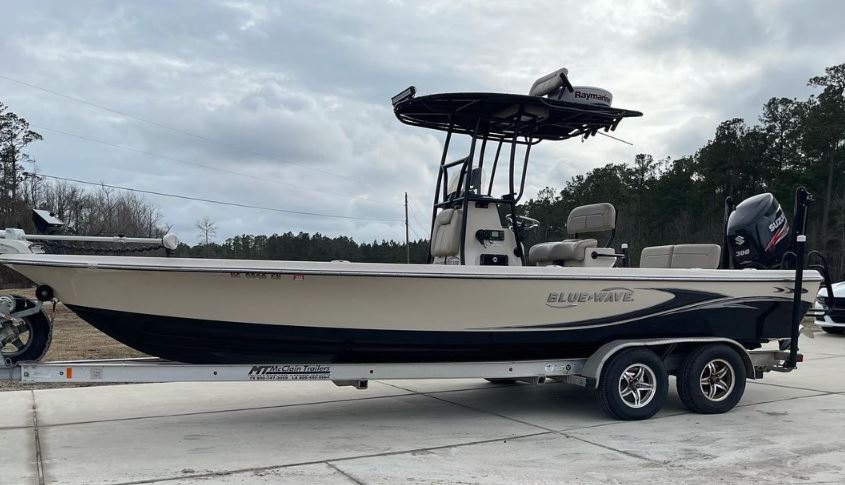
This isn't your typical half-day charter where you're just getting warmed up when it's time to head back. A full day gives us the flexibility to chase fish where they're biting and adjust our game plan based on tides, weather, and what the fish are telling us. We'll start early, usually around sunrise when the water's calm and the fish are active. The boat comfortably handles up to four anglers, though we can take up to six if your group wants to split the additional cost. You'll spend the day moving between different structures - oyster bars, grass flats, creek mouths, and deeper channels - each offering its own opportunities. The beauty of these North Carolina waters is the variety. One minute you're sight-casting to tailing redfish in skinny water, the next you're bouncing bottom rigs for black drum around bridge pilings.
Techniques and Tackle
We'll be running a mix of techniques depending on what's working and what species we're targeting. Light tackle spinning gear handles most situations, letting you feel every headshake and run without being overpowered. For the sight-fishing opportunities, we'll use artificial lures - soft plastics, topwater plugs, and spoons that let you cover water efficiently. When we're targeting bottom dwellers like black drum and sheepshead, we'll switch to bottom rigs with fresh shrimp or cut bait. The key to success in these waters is staying mobile and reading the signs - bird activity, bait movement, water color changes, and tidal flow. We'll work structure-oriented spots like dock pilings and oyster bars where sheepshead hang out, then move to the flats and grass beds where redfish and trout patrol. Circle hooks keep fish healthy for release, while sharp J-hooks handle the lighter bite of trout and flounder.
Species You'll Want to Hook
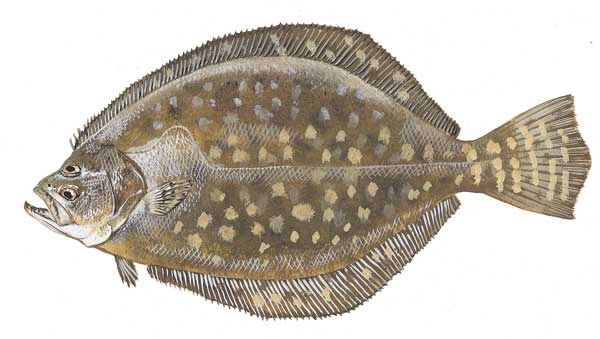
Southern Flounder are the ultimate ambush predators, lying perfectly camouflaged on sandy bottoms waiting for unsuspecting baitfish. Fall months from September through November offer the best action as these flatfish stage near inlets before their offshore spawning migration. They hit live mud minnows and artificial baits with surprising aggression, and their unique fighting style - more like wrestling a dinner plate than fighting a typical fish - always gets first-timers laughing. Plus, there's no better eating fish in these waters.
Black Drum are the heavyweight champions of the inshore scene, with mature fish commonly reaching 30-40 pounds. These bottom feeders love structure - bridge pilings, oyster bars, and deep holes - where they use their powerful pharyngeal teeth to crush crabs and shellfish. Spring and fall provide the most consistent action, though we catch them year-round. When a big drum picks up your bait and starts that initial run, you'll understand why they're called the bulldozers of the shallows.
Sheepshead earn their nickname as the "convict fish" thanks to their distinctive black and white stripes, but don't let their looks fool you - they're some of the wiliest fish in the marsh. These structure-loving fish have human-like teeth perfect for picking barnacles and crabs off pilings, making them notorious bait stealers. Winter months offer the best sheepshead fishing when they school up around deeper structures. Landing one requires patience, sharp hooks, and quick reflexes, but their firm white meat makes the challenge worthwhile.
Redfish, or red drum, represent the heart and soul of inshore fishing in North Carolina. These copper-colored bruisers patrol grass flats, oyster bars, and shallow creeks year-round, offering both sight-fishing opportunities and steady action for anglers of all skill levels. The iconic "slot" reds between 18-27 inches provide the perfect combination of fight and table fare, while the oversized bull reds over 27 inches offer pure adrenaline on light tackle. Summer and fall produce the most consistent action, especially during the famous red drum runs when schools of fish move through the sounds.
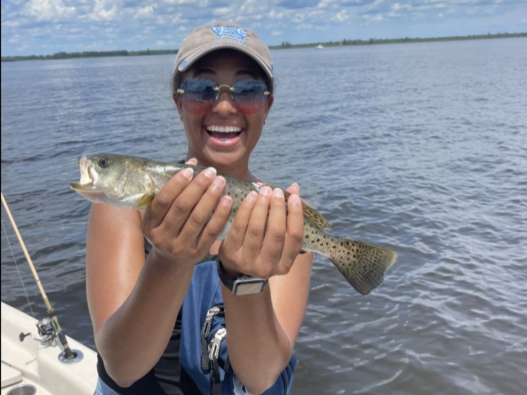
Sea Trout, specifically speckled trout, are the bread and butter of inshore fishing - beautiful fish with distinctive spots and sharp canine teeth that strike with authority. These popular gamefish respond well to artificial lures, making them perfect for anglers who love the visual excitement of topwater strikes. Cool weather months often produce the largest specimens, while summer provides non-stop action with smaller schooling fish. Their delicate mouths require careful handling, but their willingness to bite and excellent table quality make them a customer favorite.
Time to Book Your Spot
This full-day inshore trip represents your best shot at experiencing the diversity and productivity that makes coastal North Carolina a world-class fishing destination. Between the variety of target species, the scenic beauty of our marsh and river systems, and the satisfaction of a full day on the water, you're looking at the kind of fishing adventure that creates lasting memories. The trip books up quickly, especially during peak seasons, so don't wait to secure your dates. Whether you're a seasoned angler looking to explore new waters or a newcomer wanting to experience the best of inshore fishing, this charter delivers the goods. Book your spot today and get ready to see why so many anglers consider these waters their happy place.

 Private Trip
 Inshore Fishing
 Swansboro, NC


 Full day inshore fishing targeting multiple coastal species