Half Day Advanced Fishing Trip in St. Augustine
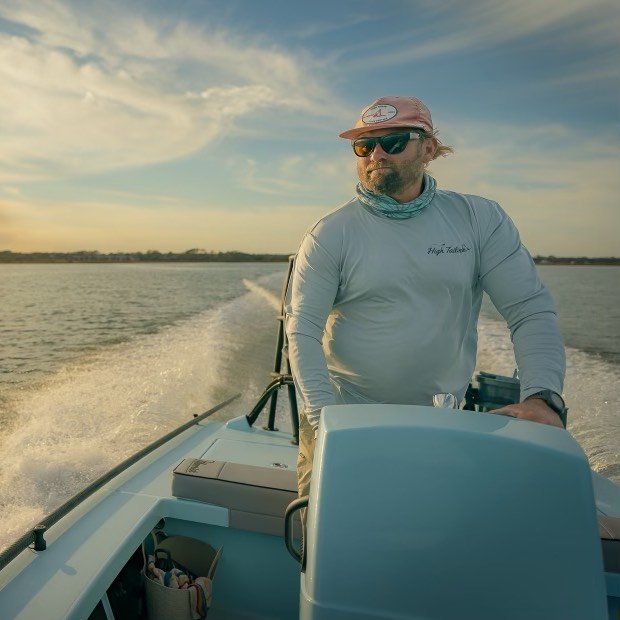
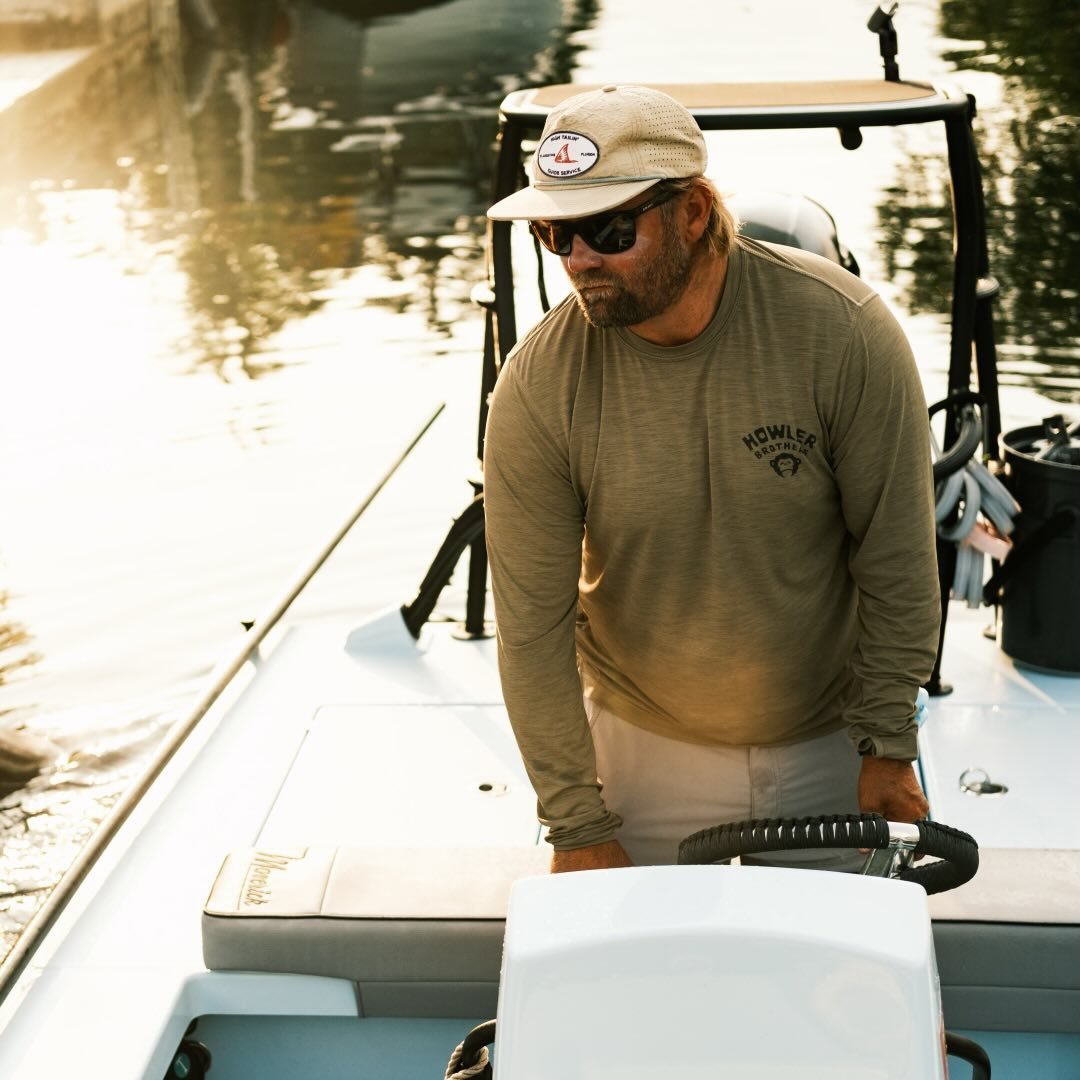
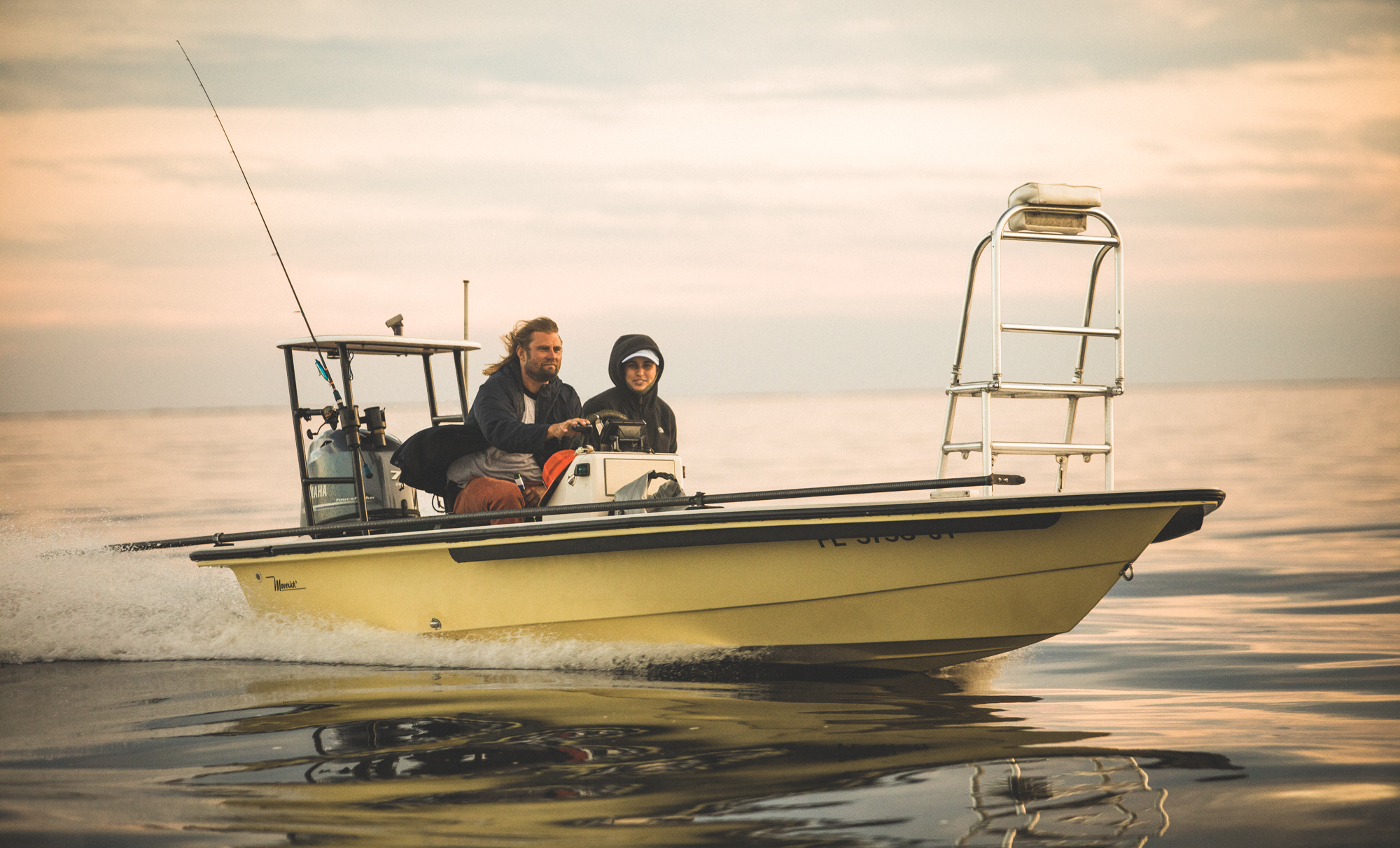
This isn't your typical tourist fishing trip. Captain Cullen Traverso runs a technical operation designed for anglers who know the difference between a strip set and a trout set. Over 4 hours on the water, you'll work the flats, creeks, and oyster bars around St. Augustine with fly tackle, targeting species that require skill and patience to fool. This top-rated charter accommodates up to 3 anglers aboard a Maverick technical skiff – built specifically for sight fishing in skinny water. Everything's included except your drinks and snacks, so you can focus on what matters: making those clean presentations count.
What to Expect on the Water
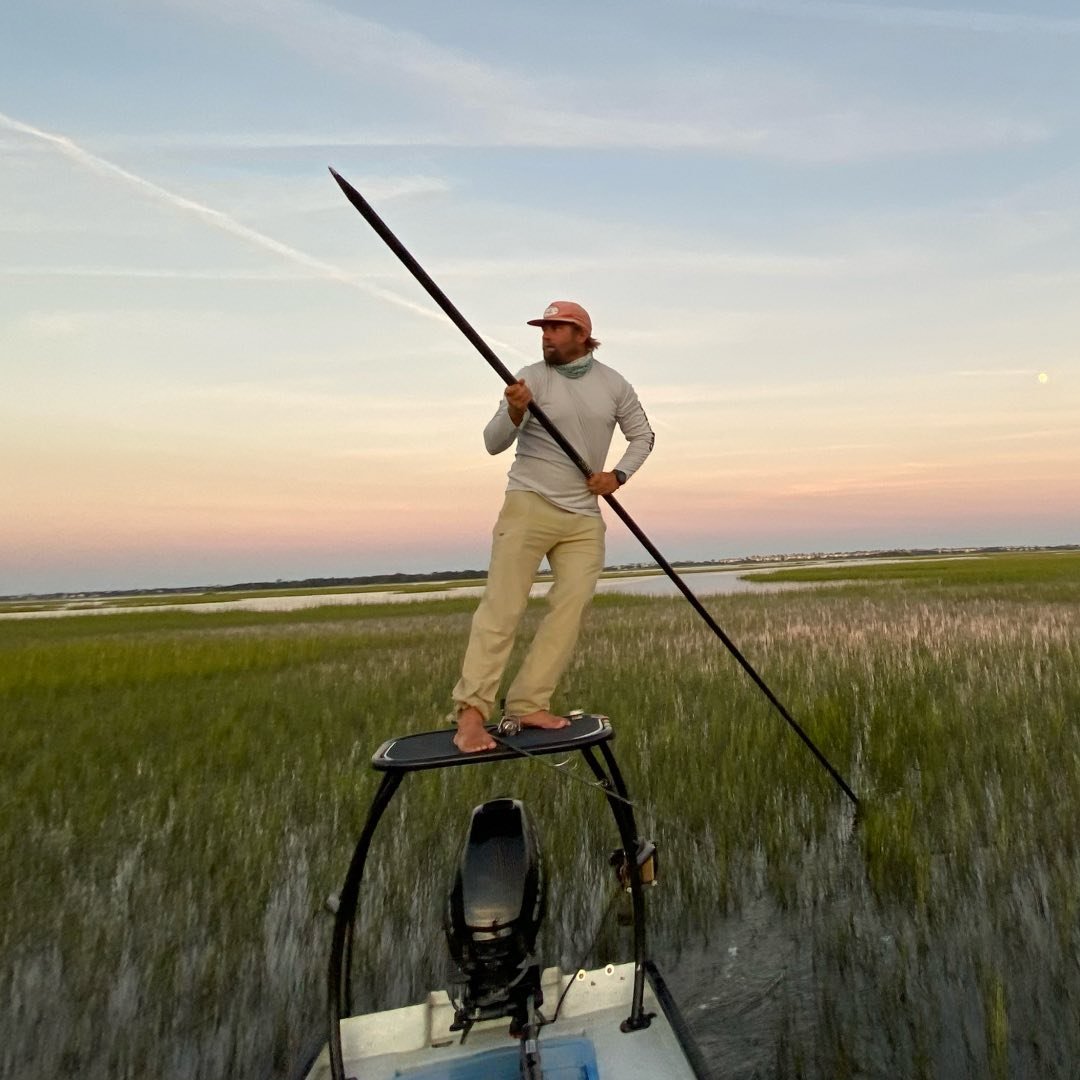
Captain Cullen doesn't fish the same spot twice unless the conditions are perfect. He reads the tide, wind, and water clarity to position you where the fish are feeding – whether that's a flood tide pushing redfish onto the grass flats or low water concentrating trout in deeper pockets. The Maverick skiff draws just inches, letting you reach water other boats can't touch. You'll launch from one of four convenient ramps: Lighthouse Park, Vilano, Usina, or Frank Butler, depending on conditions and target areas. This isn't a numbers game – it's about quality shots at quality fish. Expect long, quiet poles across shallow water, sudden whispered instructions when fish appear, and the kind of technical fishing that separates weekend warriors from serious anglers.
Sight Fishing & Fly Tactics
This charter runs on sight fishing principles. You'll spend time on the casting platform, working on presentations to fish you can see cruising, tailing, or feeding in specific zones. Captain Cullen provides all fly tackle and has patterns tied specifically for St. Augustine's finicky species. The approach changes with each target – long leaders and small flies for spooky trout, heavier patterns stripped fast for aggressive cobia, and precise placement for drum working oyster bars. Wind management becomes critical, and you'll learn to read fish behavior in real time. False casting is kept to a minimum. When a fish shows interest, you get one or two shots before it moves on. This world-class fishery demands accuracy, and Captain Cullen's local knowledge of structure, current breaks, and feeding patterns puts you in position to succeed.
Top Catches This Season
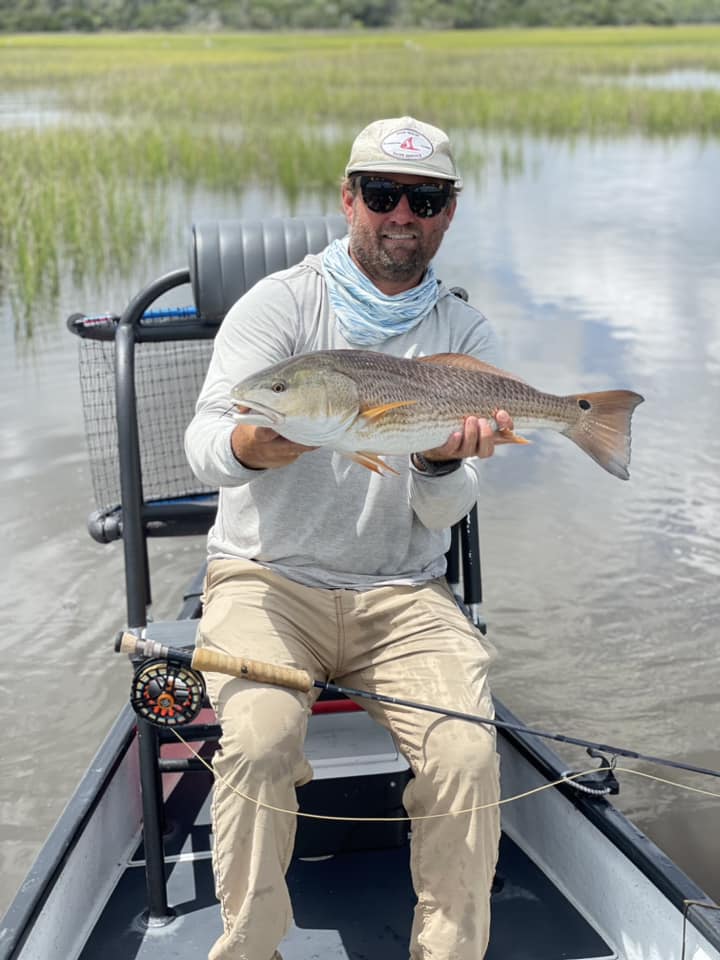
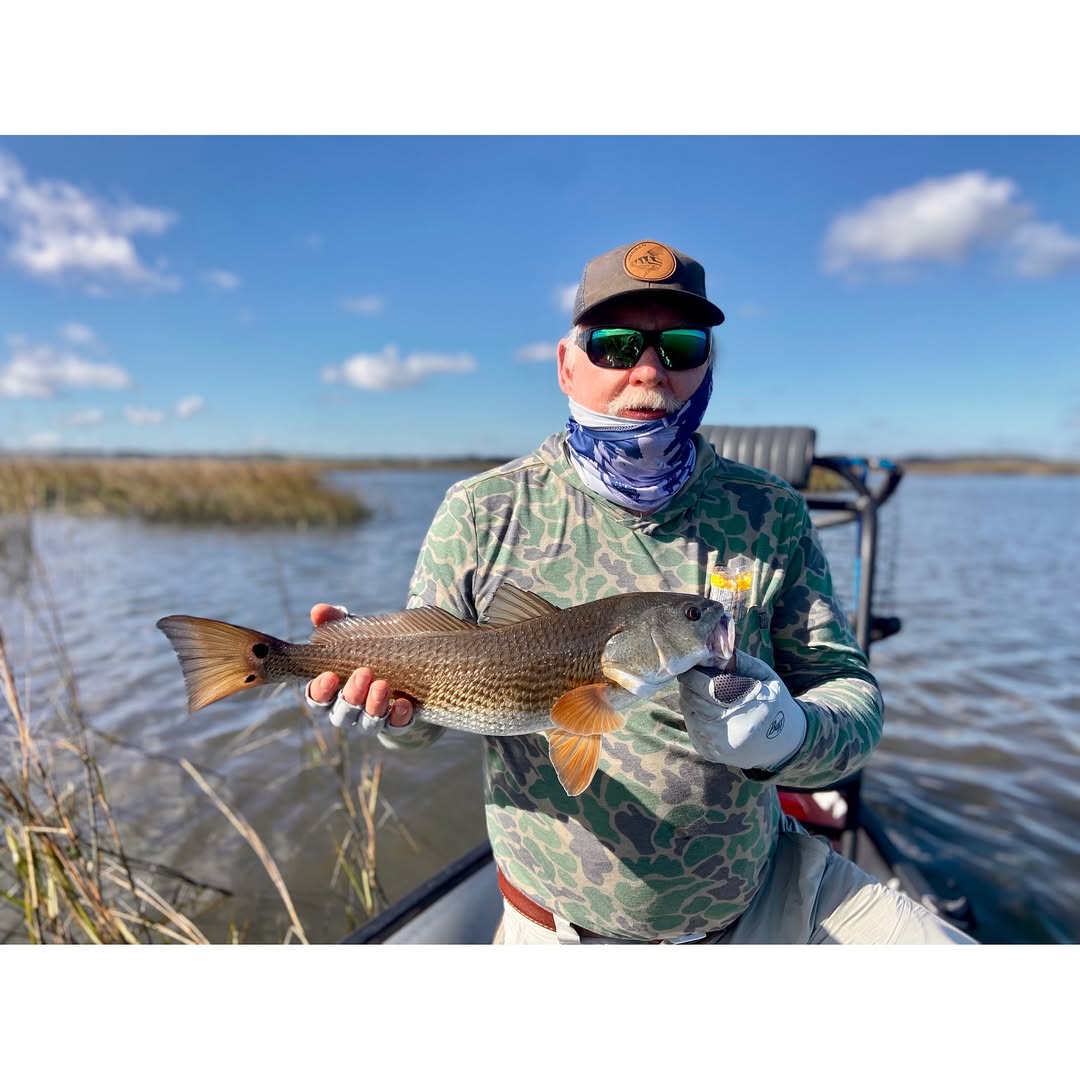
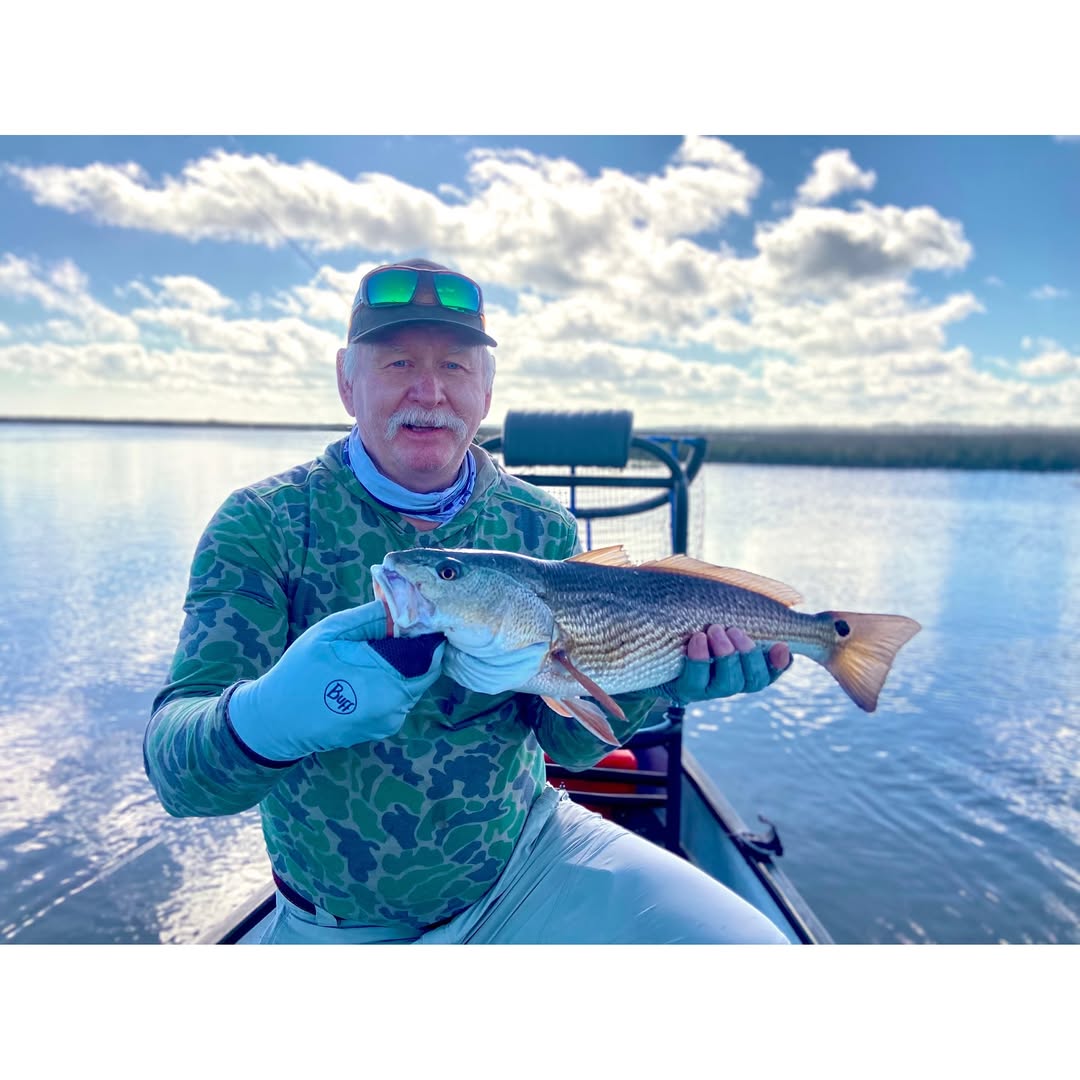
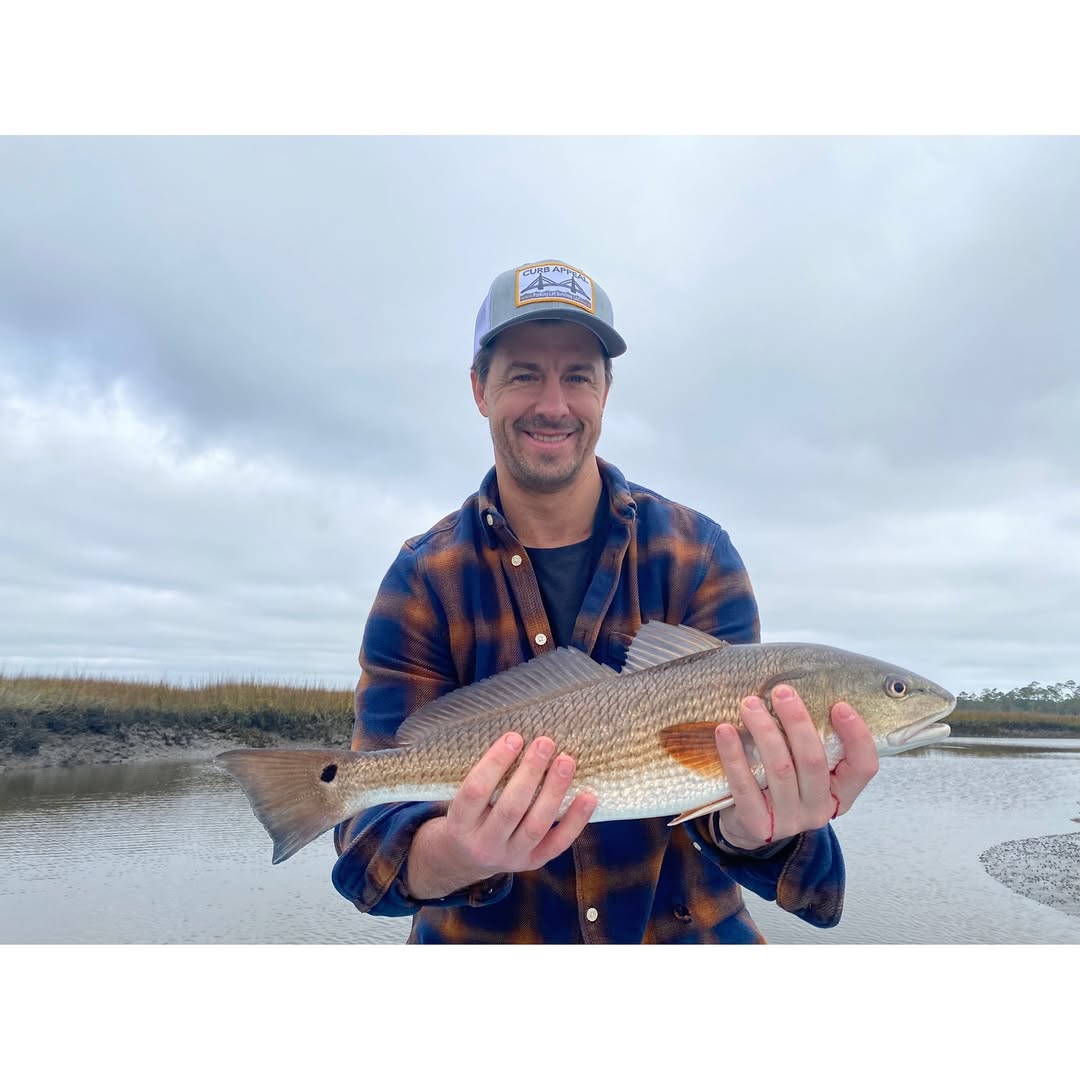
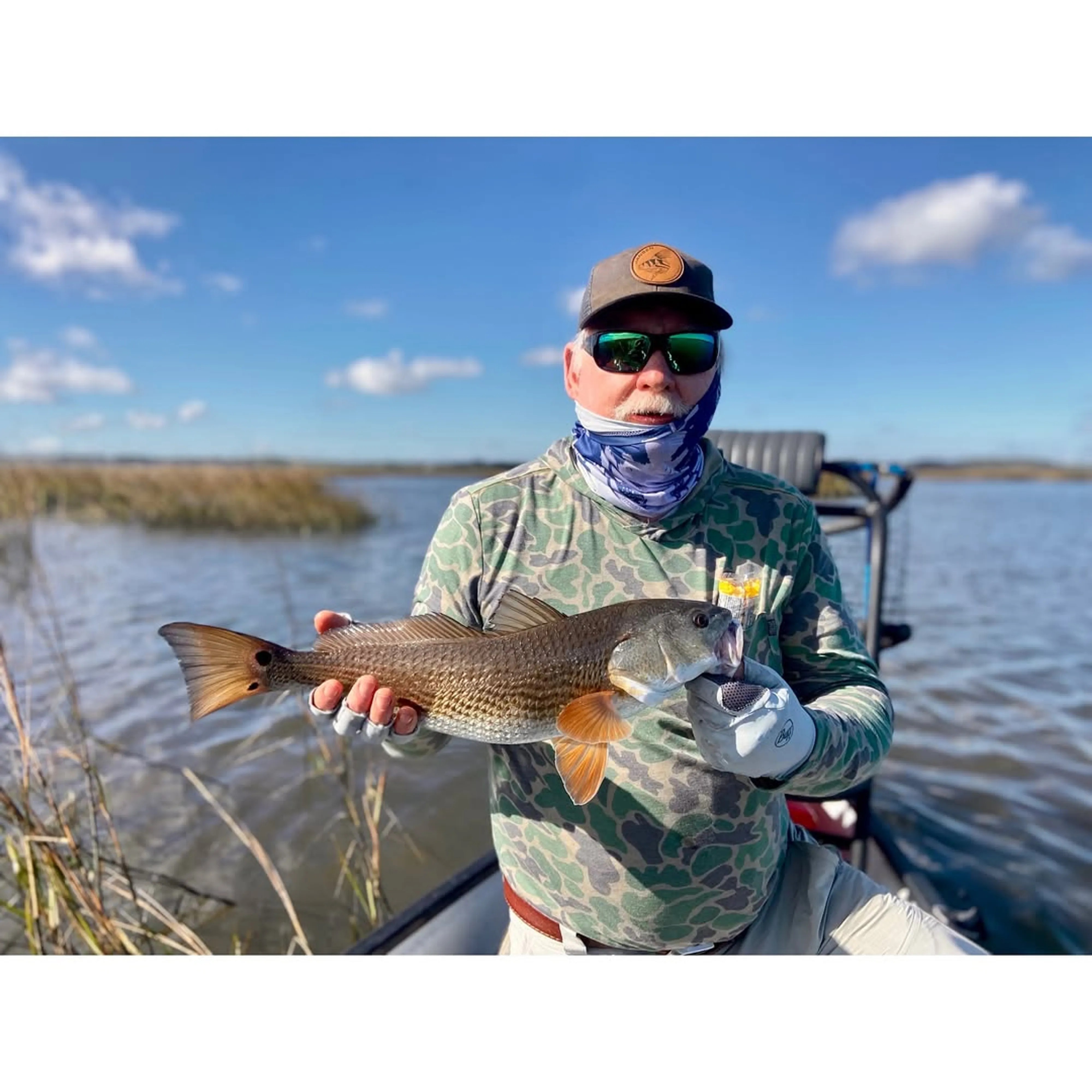
Redfish are the bread and butter of St. Augustine's inshore scene. These copper-colored bruisers cruise the flats in water so shallow their backs show, making them perfect sight fishing targets. They average 20-28 inches here and hit flies with authority. Spring and fall bring the biggest concentrations, but you'll find fish year-round if you know where to look. What makes redfish special is their willingness to eat well-presented flies and their bulldogging fights in shallow water.
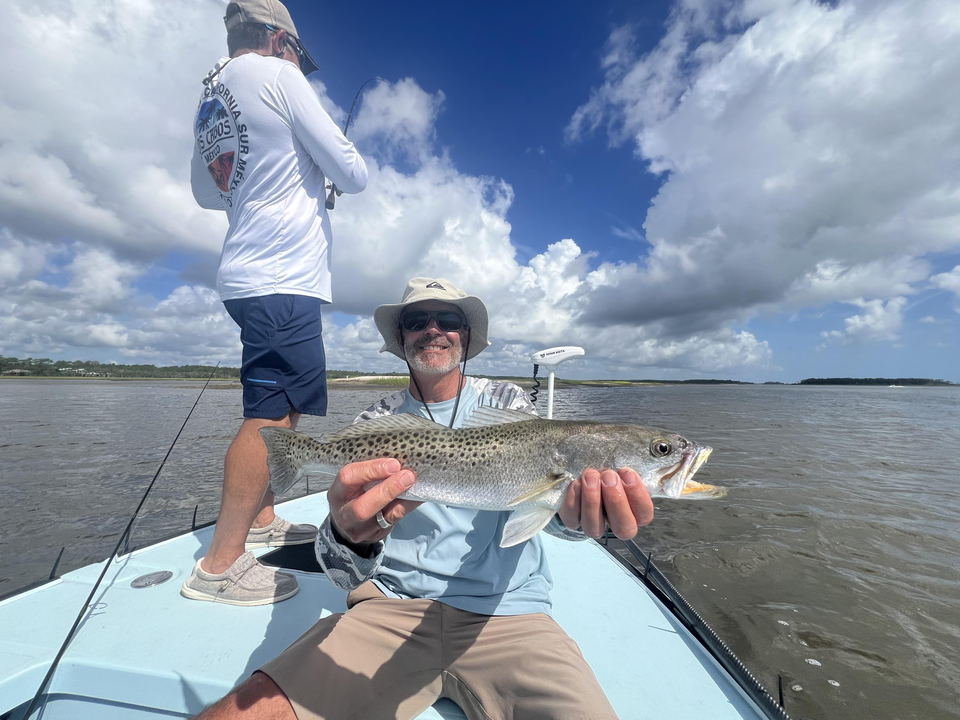
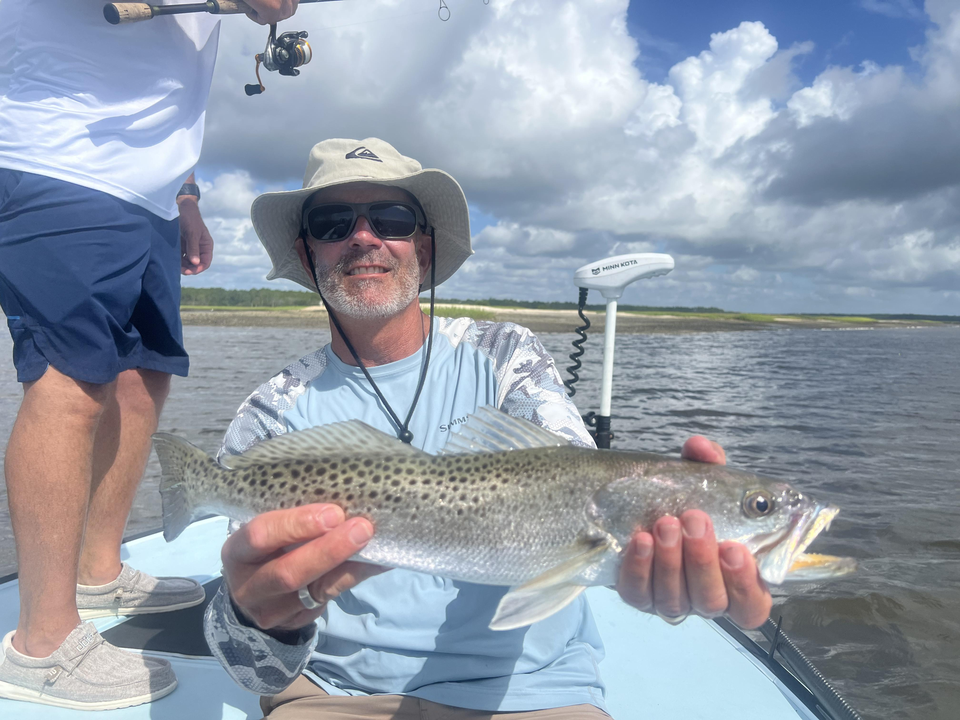
Sea Trout require a completely different approach. These spotted beauties suspend over grass beds and structure, often in small schools. They're pickier eaters than reds, demanding smaller flies and more delicate presentations. The 15-20 inch fish are common, with occasional gator trout pushing 25+ inches. Cool months produce the best trout fishing, and their soft mouths mean you'll lose a few even when you do everything right.
Black Drum show up around oyster bars and structure, often in surprising numbers. These bottom-huggers can reach impressive sizes – 30+ pound fish aren't uncommon in St. Augustine waters. They're strong, stubborn fighters that test your backing and patience. Winter months bring the big drum inshore, and they're notorious for testing tackle to its limits.
Sheepshead are the technical challenge every angler needs to experience. These convict-striped fish have crushing power in their jaws and lightning-fast reflexes. They pick up crabs and small baits around structure with surgical precision. Landing a quality sheepshead on fly tackle is a badge of honor – they're that difficult to hook and hold.
Cobia are the wild card species that can show up any time conditions are right. These brown sharks of the flats grow large fast and eat with aggressive confidence. A 30+ pound cobia will test every knot, every connection, and every ounce of skill you possess. They're curious fish that often follow the skiff, giving multiple shot opportunities to anglers ready to make quick, accurate casts.
Time to Book Your Spot
Captain Cullen's advanced trips fill up fast because experienced anglers know quality when they see it. This customer favorite combines technical fishing with productive waters and professional guiding. The Maverick skiff, included tackle, and fishing licenses remove any barriers between you and the fishing. Four hours gives you enough time to work multiple areas and adapt to changing conditions without feeling rushed. Whether you're looking to sharpen your sight fishing skills or test yourself against St. Augustine's renowned inshore species, this charter delivers the kind of fishing experience that keeps anglers coming back season after season.
 Private Trip
 Inshore Fishing
 Saint Augustine, FL


 Advanced sight fishing techniques for redfish and sea trout