White River Trout Fishing - Arkansas Adventure
Picture this: crystal-clear tailwaters flowing from Bull Shoals Dam, perfect water temperatures year-round, and some of the healthiest trout populations in the South. That's what you're getting when you book this guided fly fishing trip on Arkansas's White River. I've been guiding these waters for years, and I can tell you there's something special about the way trout behave here - they're aggressive, plentiful, and absolutely gorgeous. Whether you're just getting started with a fly rod or you've been casting for decades, this stretch of river delivers consistently. We'll spend half or full day together (your choice) working the best runs and pools, reading the water, and putting you on fish. With lunch included on full-day trips and all the local knowledge you can absorb, this is fly fishing the way it should be done.
What to Expect on the Water
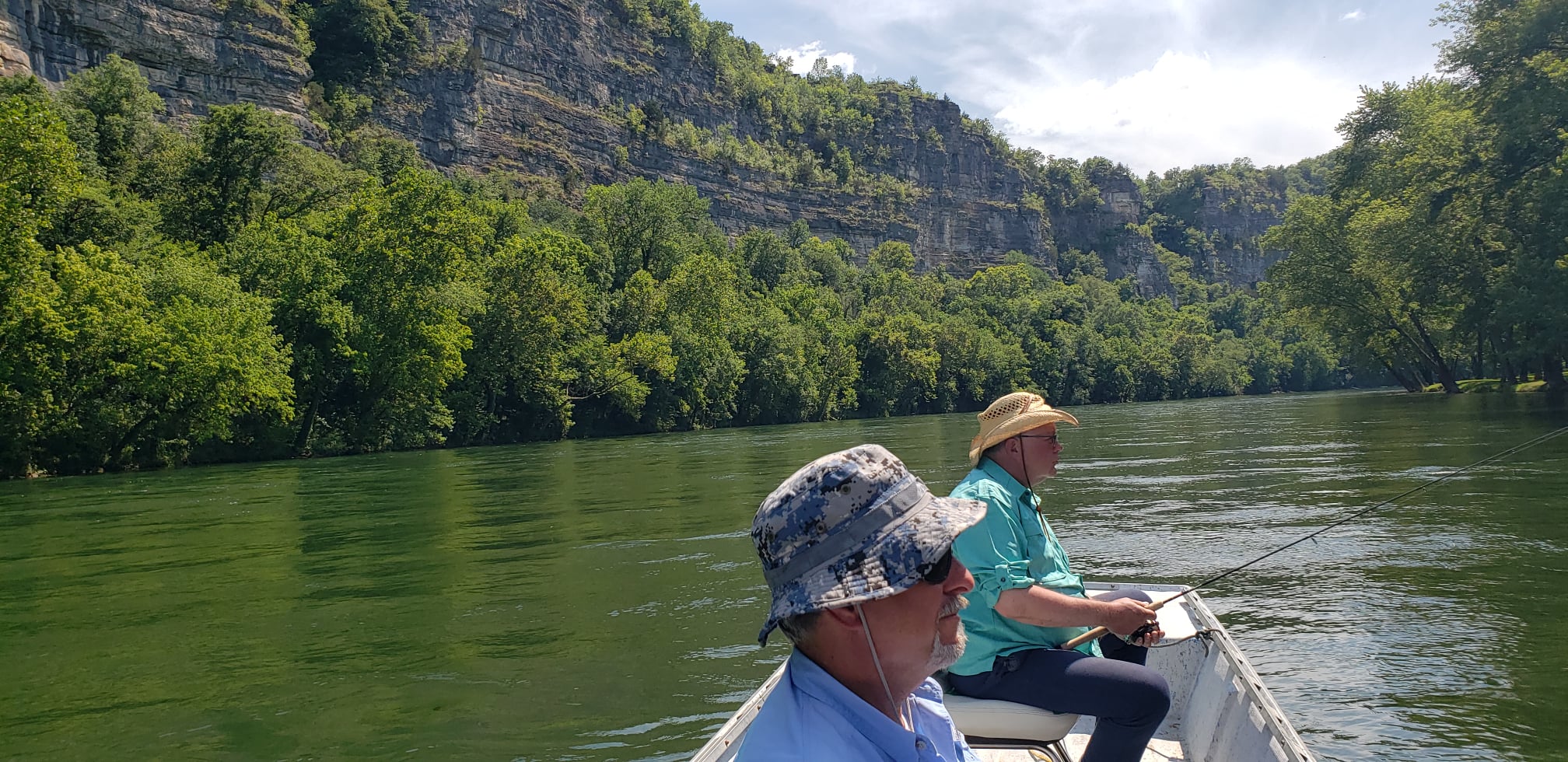
The White River below Bull Shoals Dam is a fly angler's dream - cold, nutrient-rich water that stays fishable all year long. We'll start early, usually meeting at the boat ramp just as the morning mist is lifting off the water. The river here runs clear most days, which means we can sight-fish to individual trout when conditions are right. You'll be amazed at how many fish you can actually see holding in the deeper pools and along undercut banks. This isn't your typical warm-water fishing - these tailwaters maintain that perfect 45-55 degree range that keeps trout active and feeding. We'll cover different sections depending on water levels and what the fish are doing that day. Some spots require wading, others we'll fish from the boat. The beauty of this river system is its variety - fast riffles, slow eddies, deep holes, and shallow flats all within a short stretch. Every bend offers something different, and that's what keeps both guides and anglers coming back.
Fly Patterns That Work Here
Success on the White River comes down to matching what trout are eating, and these fish have plenty to choose from. Early morning, we'll often start with streamers - woolly buggers, sculpin patterns, and small baitfish imitations work great when trout are actively hunting. As the day progresses and insects start moving, we'll switch to nymphs. Pheasant tails, copper johns, and local sowbug patterns are absolute killers in these waters. The White River has an incredible midge population, so having the right small flies in your box makes all the difference during slower periods. If we're lucky enough to hit a hatch, dry fly fishing here is phenomenal. Blue-winged olives, caddis, and the occasional mayfly emergence can turn on some of the most exciting surface action you'll ever experience. I provide all flies and terminal tackle, plus I'll show you how to tie on the patterns that work best in different water types. Reading the water is half the battle, and I'll point out where trout like to hold and why certain spots produce better than others.
Species You'll Want to Hook
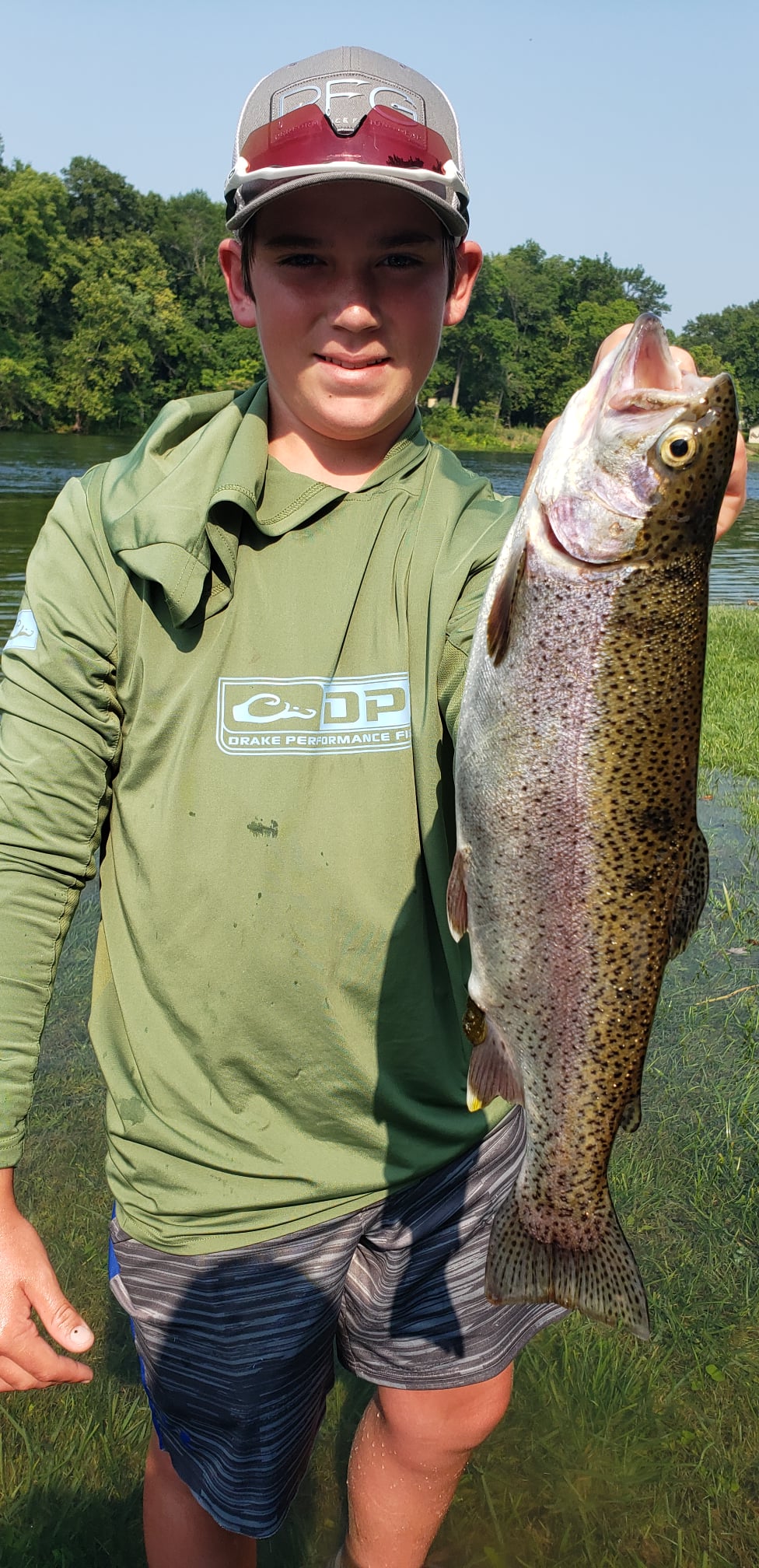
Rainbow trout are the stars of this show, and White River rainbows are something special. These fish average 12-16 inches, but don't be surprised if you hook into something pushing 20 inches or better. They're incredibly strong fighters, using the current to their advantage with blistering runs and aerial displays that'll get your heart pumping. Rainbows here feed aggressively on everything from tiny midges to larger streamers, and they're active throughout the day. Spring and fall are peak times, but honestly, I've had fantastic rainbow fishing in every month of the year. The best part about these fish is their coloration - that bright pink stripe and silvery flanks really pop against the clear water backdrop.
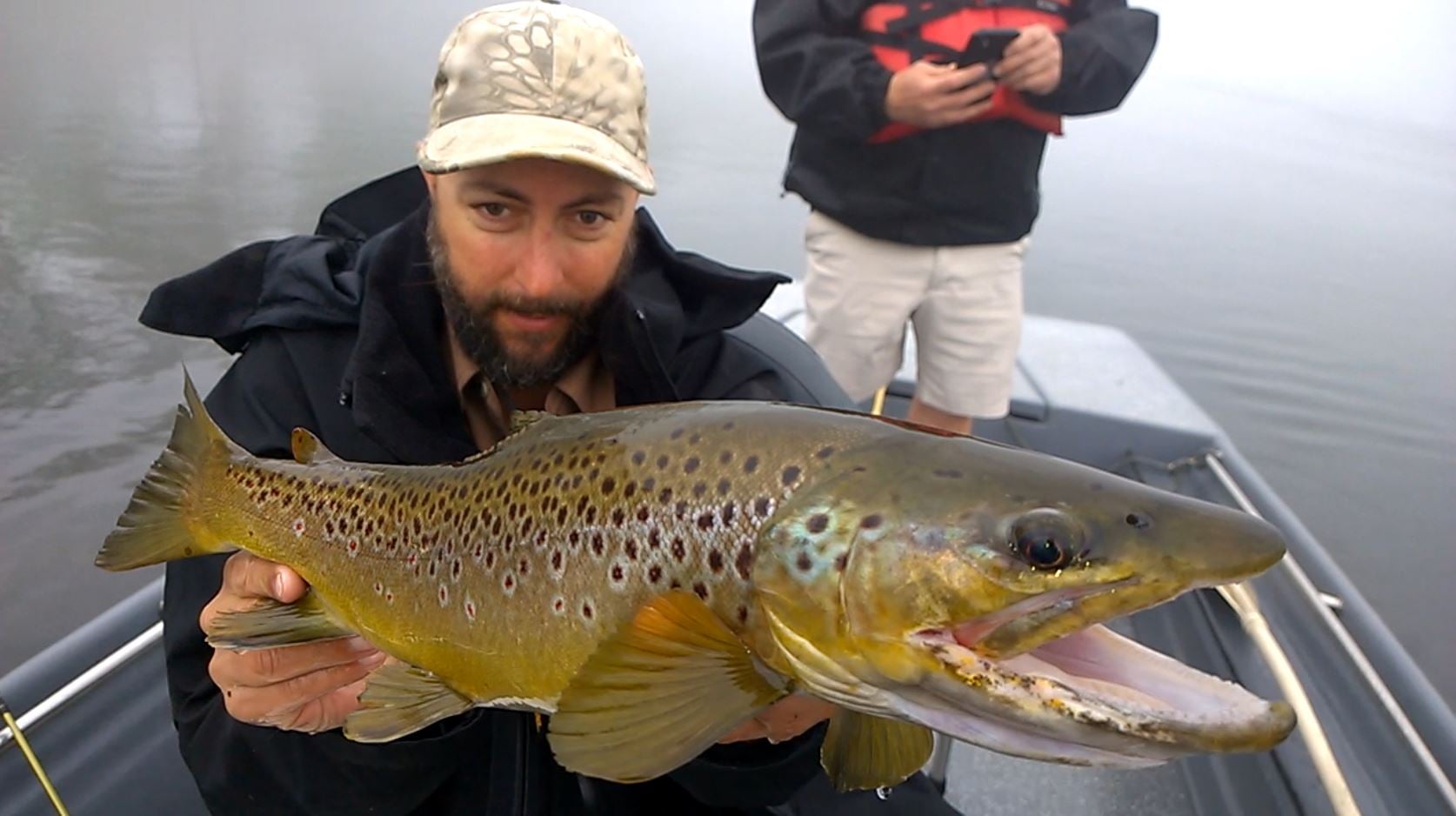
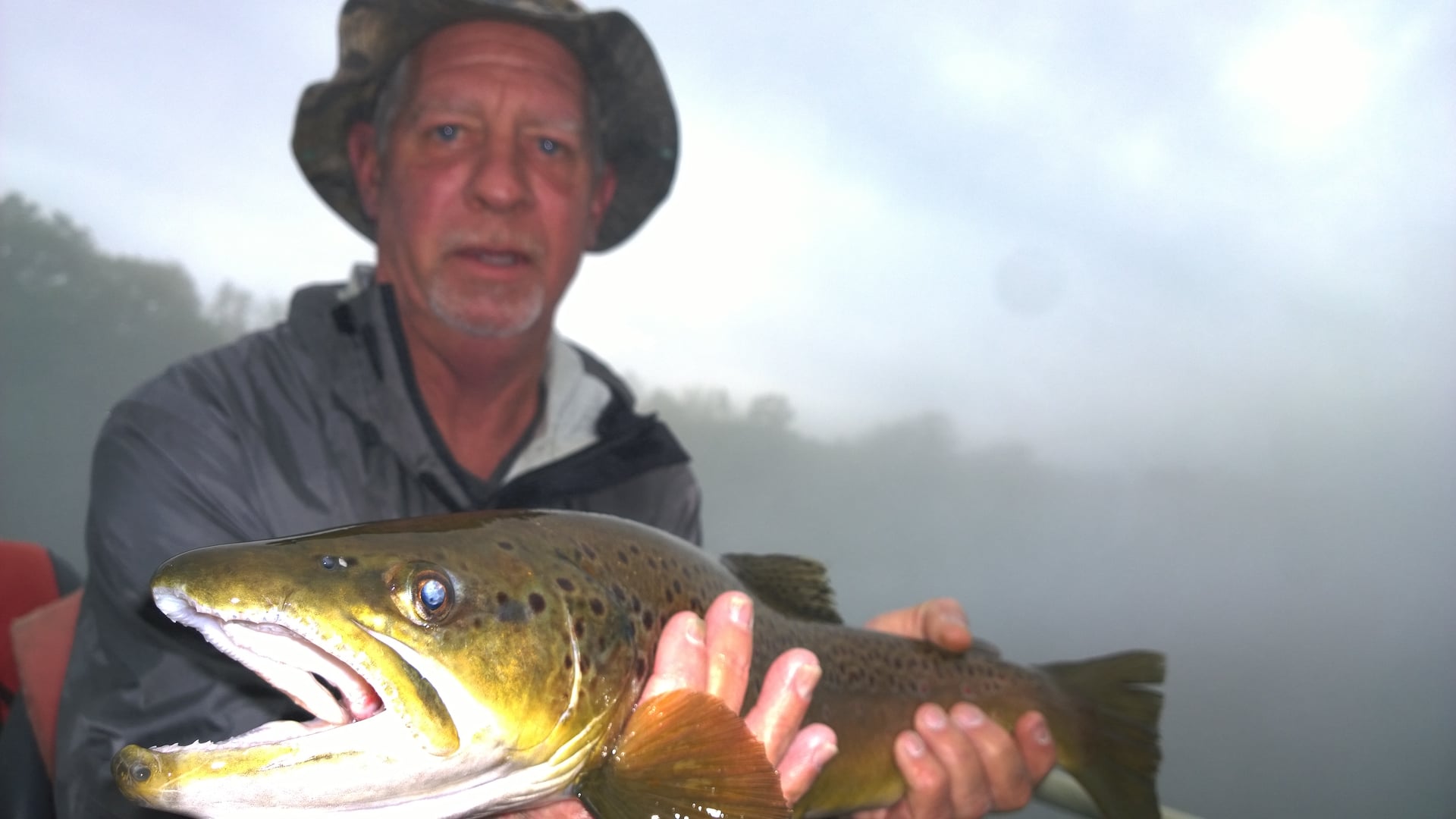
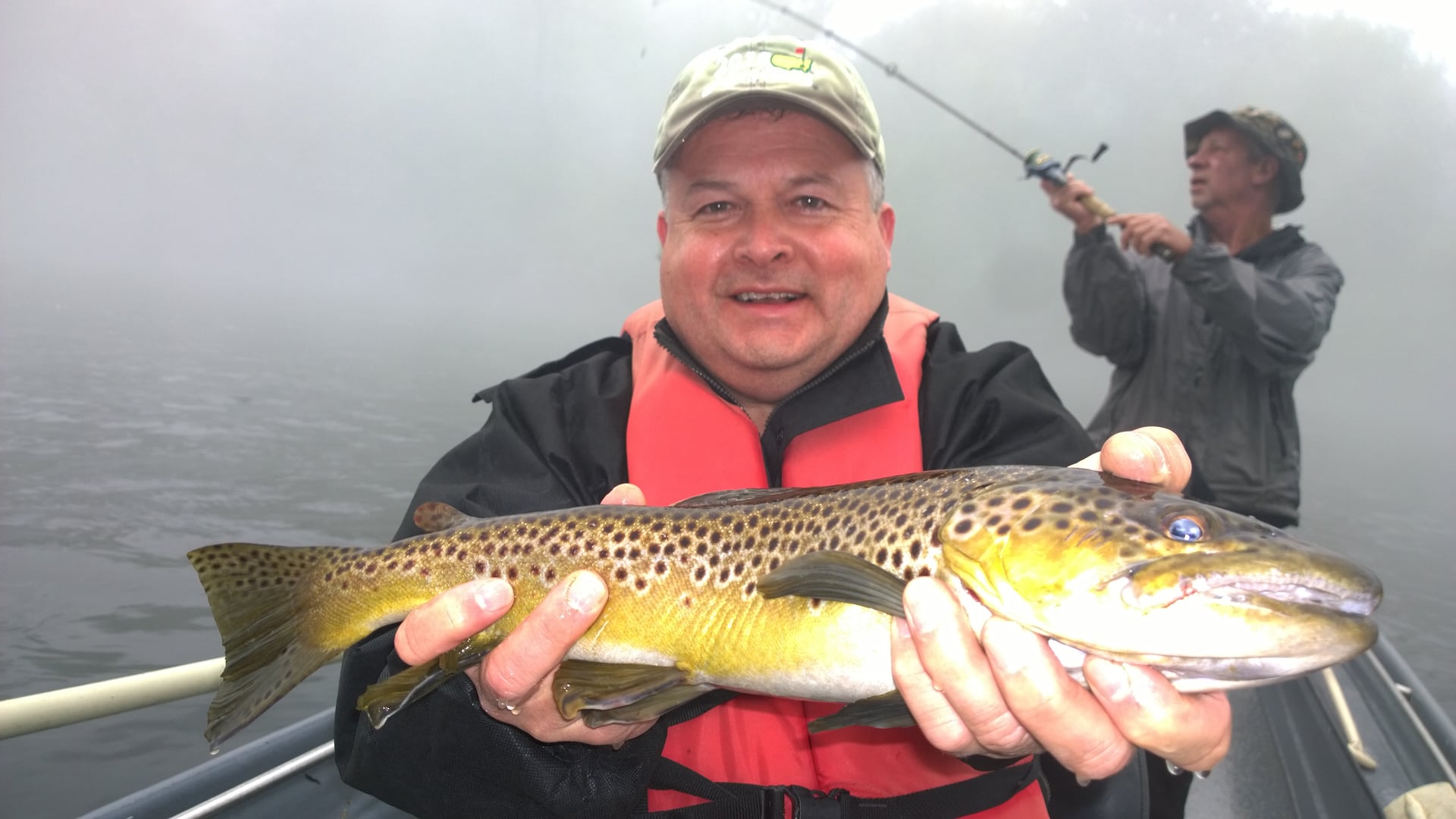
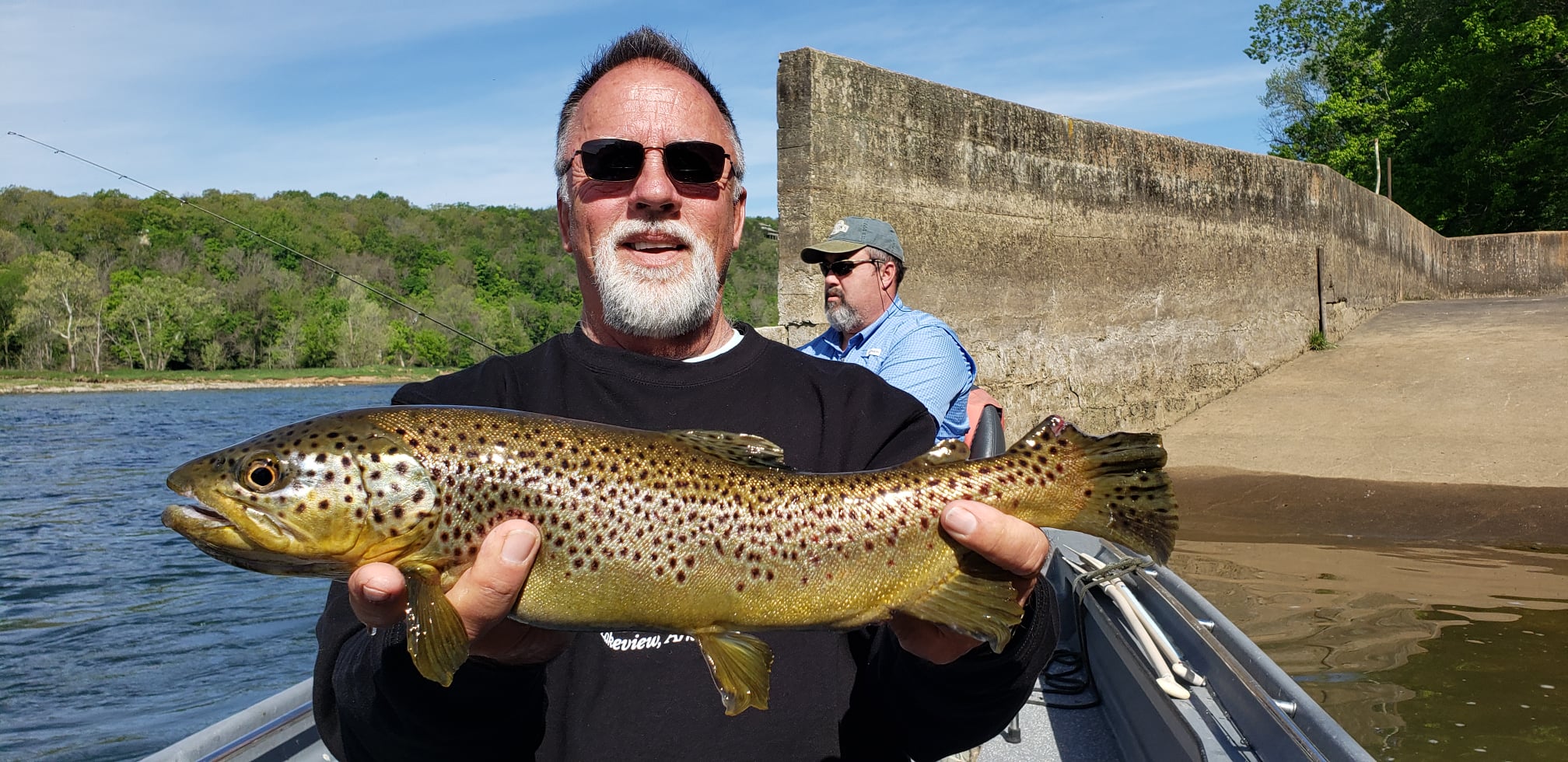
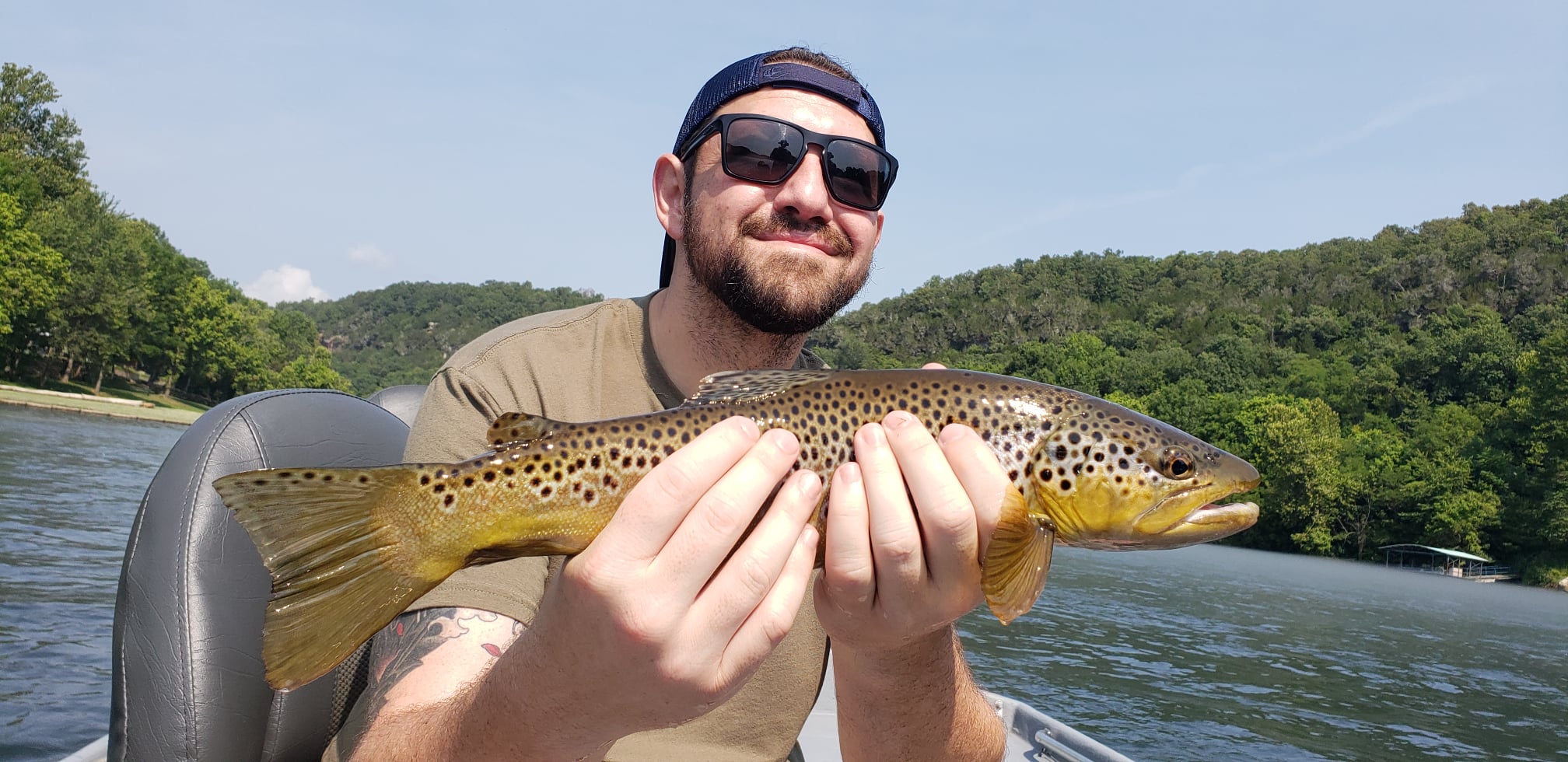
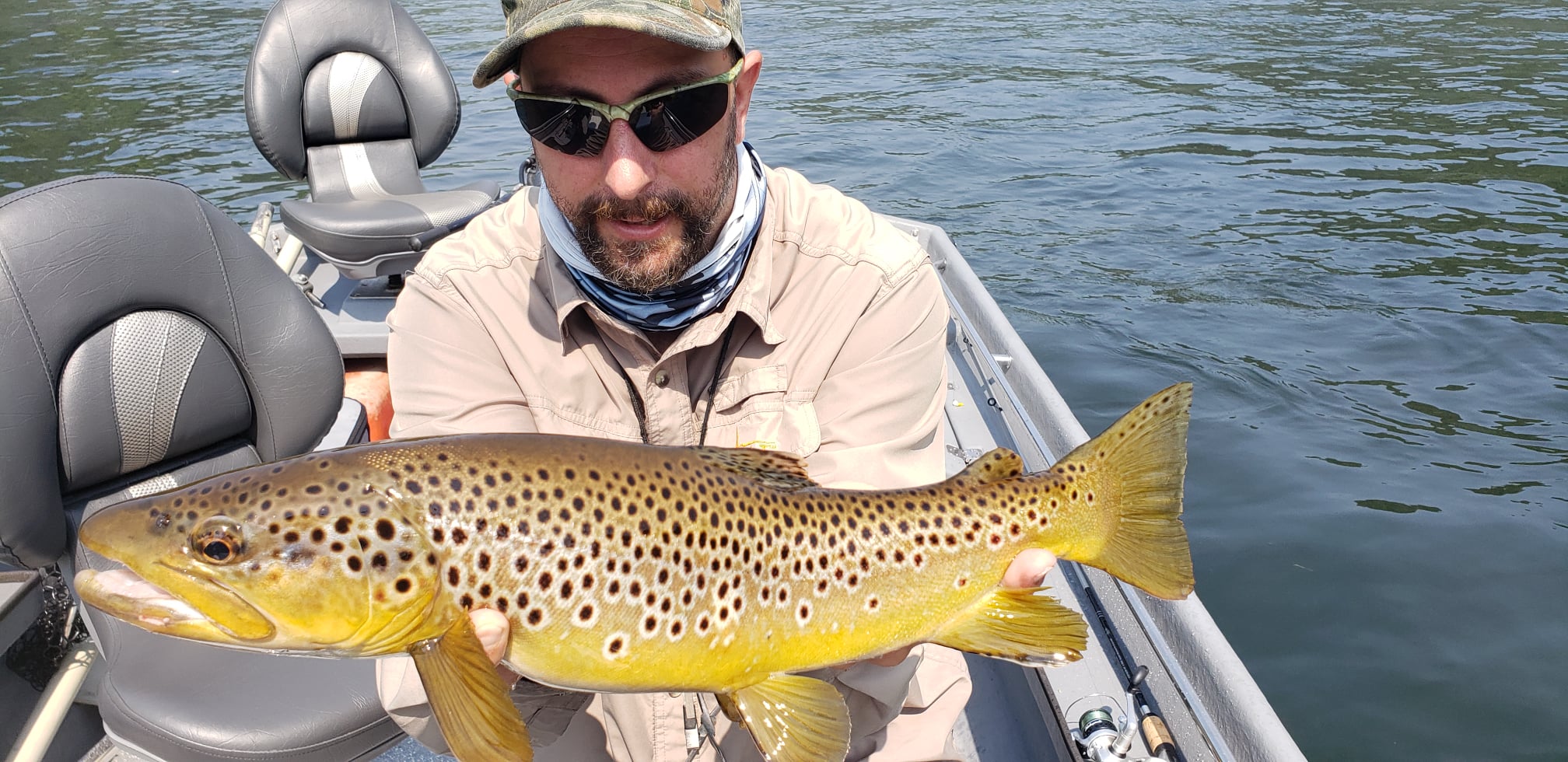
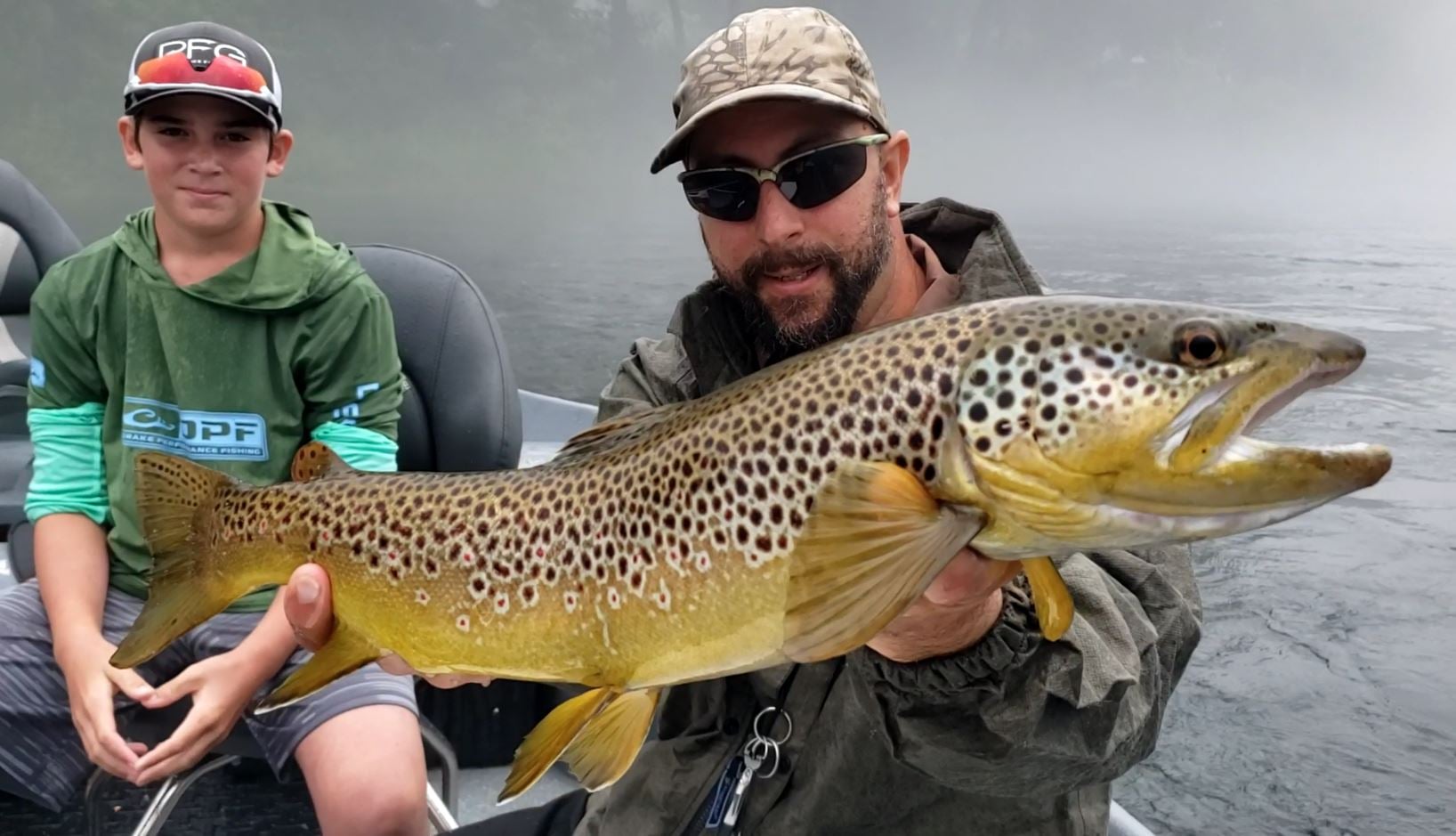
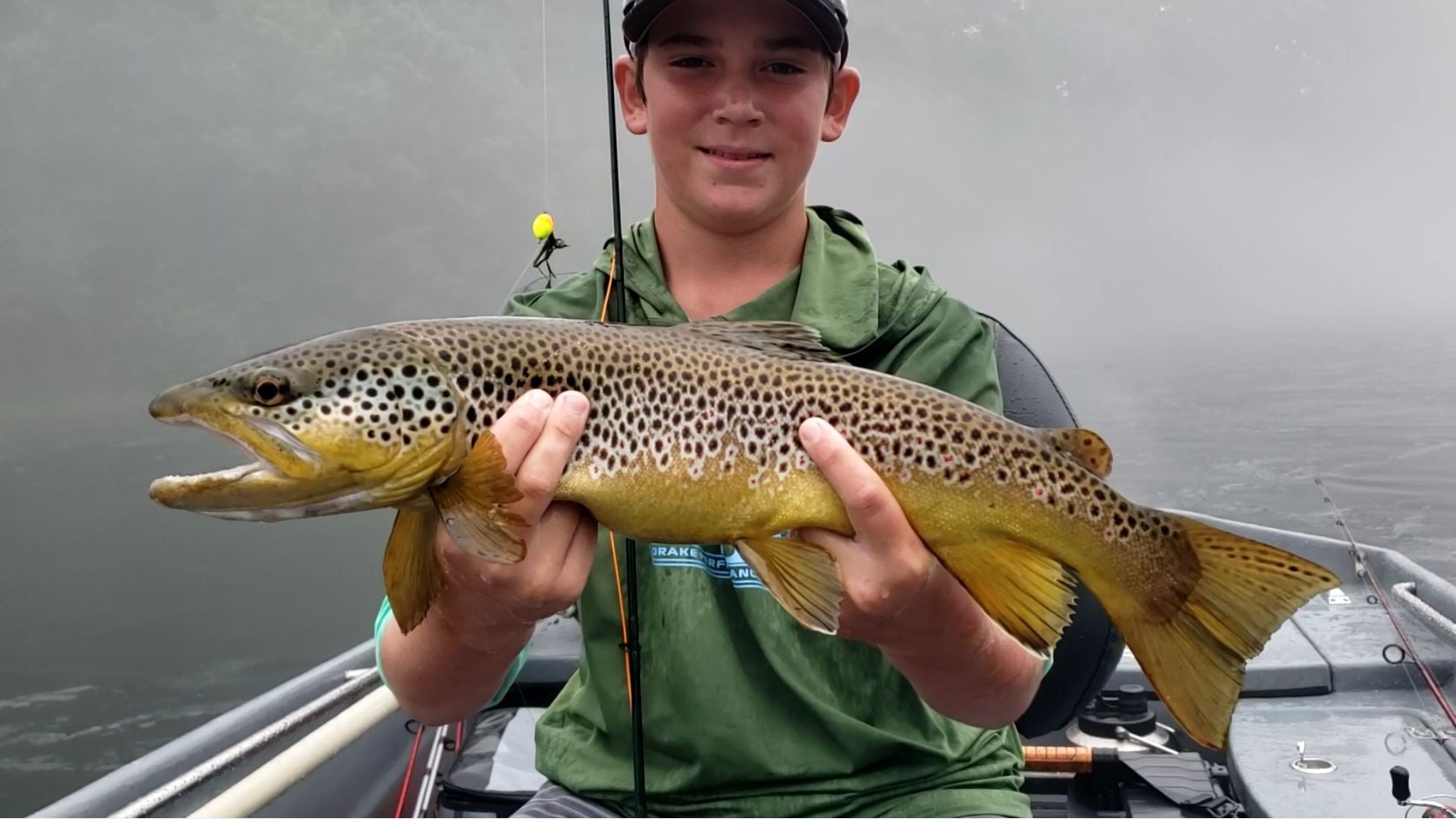
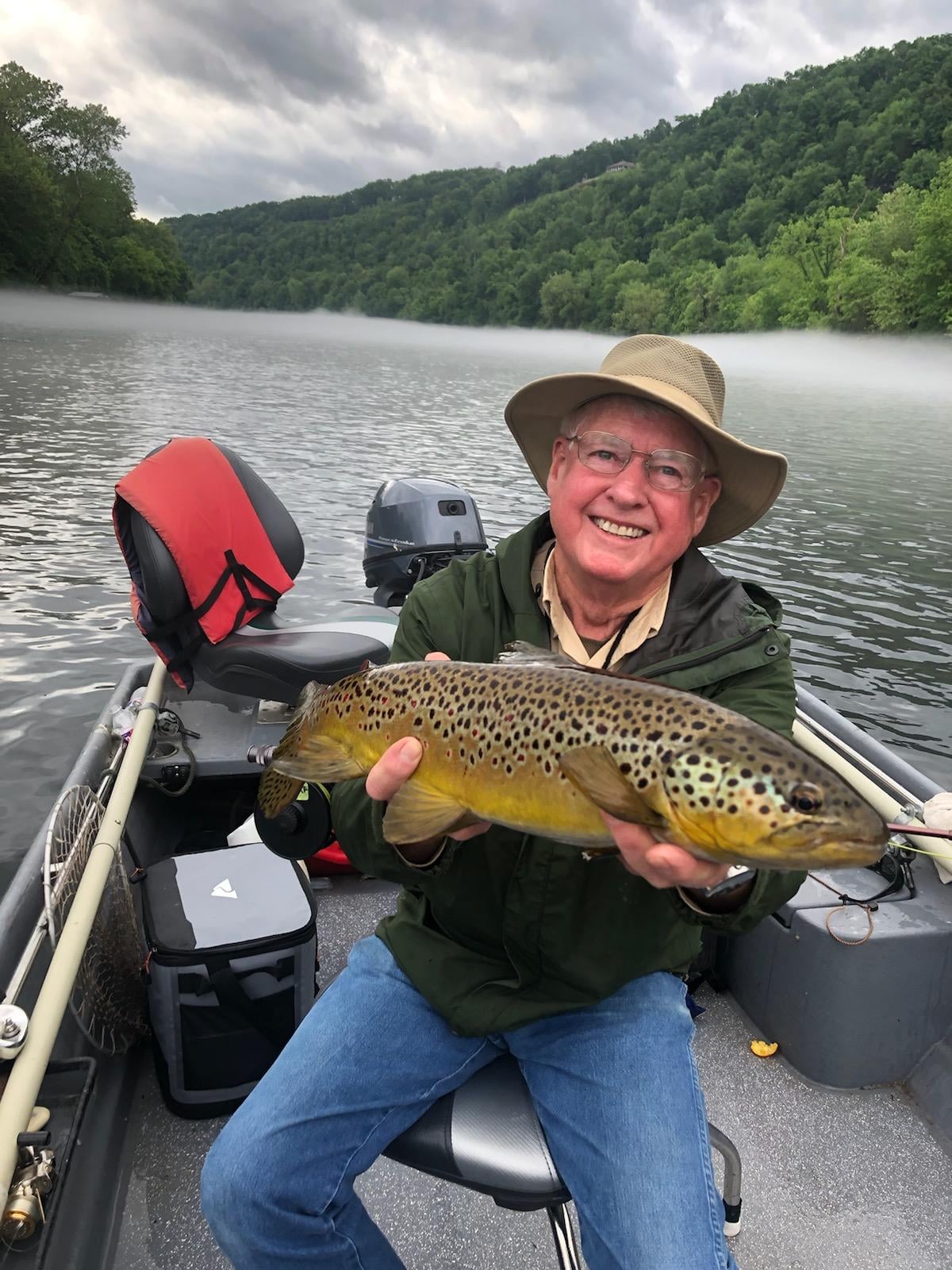
Brown trout bring a different challenge to the table. These are the thinking angler's fish - spooky, selective, and absolutely beautiful when you finally get one to the net. White River browns tend to be larger on average than the rainbows, with fish in the 16-20 inch range being fairly common for experienced anglers. They love structure, so we'll focus on undercut banks, fallen trees, and deeper pools where they can ambush prey. Browns are most active during low-light periods, which is why early morning and late evening can be magic time. When you hook a big brown, be ready for a fight - these fish are bulldogs that use every trick in the book to shake the hook.
Brook trout might be the smallest of our target species, but they're definitely the most beautiful. These native gems prefer the cooler, faster water near the dam, and catching one is always a treat. Brooks rarely exceed 12 inches here, but what they lack in size they make up for in pure beauty and willingness to eat a well-presented fly. The olive-green back with cream-colored spots and bright orange fins make them absolute stunners. Brook trout are most active during cooler months, and they're often the most cooperative when other species are being finicky.
Time to Book Your Spot
This White River fly fishing adventure gives you everything you need for a world-class trout fishing experience right here in Arkansas. With expert guiding, top-notch water, and three species of trout actively feeding, you're set up for success from the moment we push off. The combination of scenic beauty, excellent fishing, and the chance to improve your fly fishing skills makes this trip a customer favorite year after year. Whether you choose the half-day option for a taste of what the White River offers, or go all-in with a full day that includes lunch, you're going to walk away with stories, photos, and hopefully a few fish for the table. These tailwaters fish well in all seasons, so don't wait for the "perfect" time - book now and discover why Arkansas trout fishing has such a devoted following. The fish are here, the water's perfect, and I'm ready to put you on some of the best trout action in the region.
 Private Trip
 Lakes/Reservoirs/Ponds Fishing
 White River


 Expert guides target rainbow, brown, and brook trout species