White River Trout Fishing - Half or Full Day
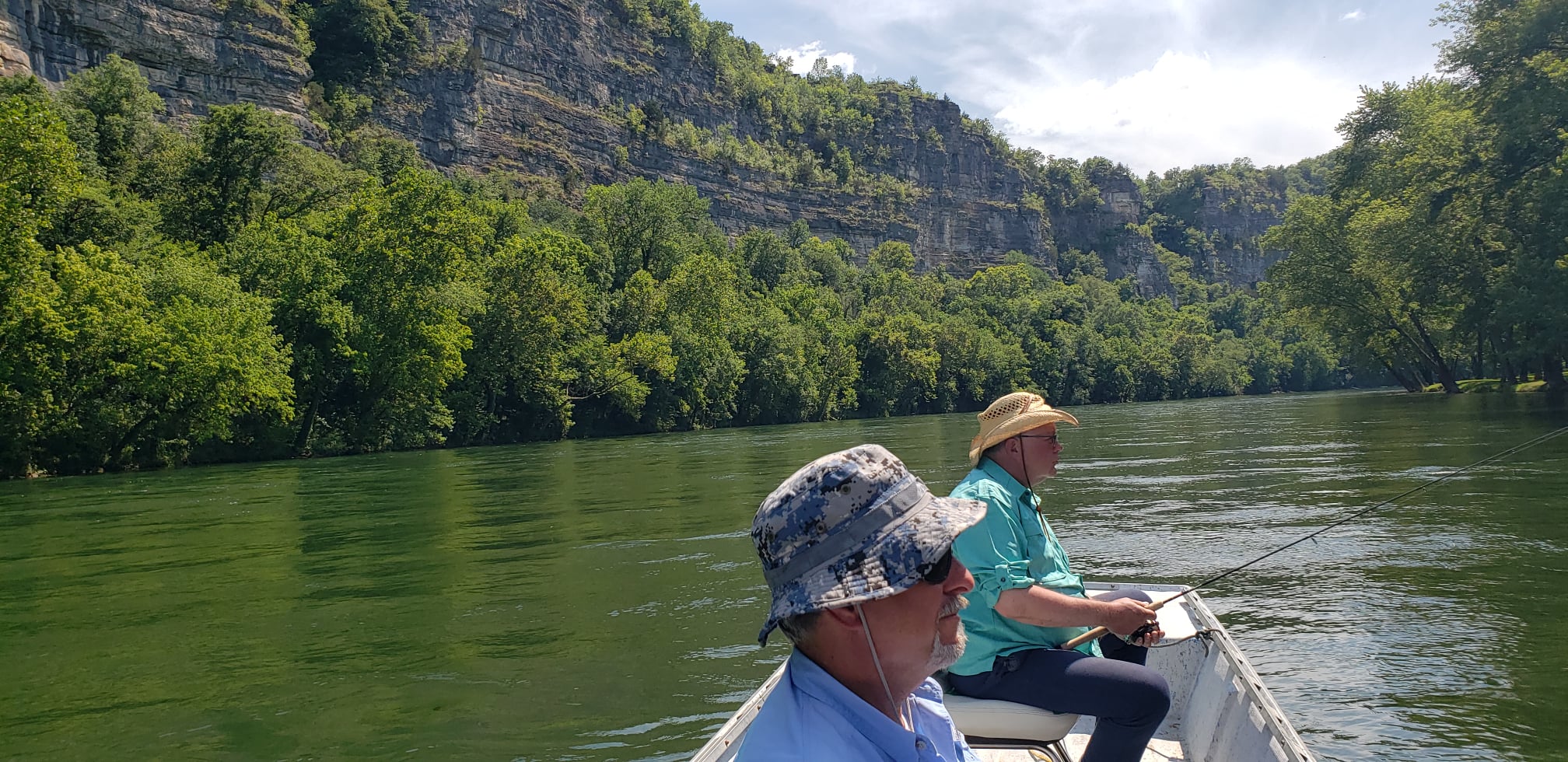
The White River below Bull Shoals Dam is hands down one of Arkansas' premier trout fisheries, and for good reason. This tailwater system stays cool year-round thanks to the deep releases from Bull Shoals Lake, creating perfect conditions for rainbow, brown, and brook trout to thrive in numbers that'll make your reel sing. Our guided fly fishing trips put you right in the heart of this world-class fishery with experienced local guides who know every pool, riffle, and undercut bank where trophy trout like to hang out. Whether you're a seasoned fly angler or just getting your feet wet with a 5-weight, we'll customize your half or full day adventure to match your skill level and fishing goals.
What to Expect on the Water
Your day starts early meeting your guide at one of our proven access points along the White River. We'll spend the first few minutes going over your gear, discussing what flies are working, and reading the water conditions together. The White River changes personality throughout the day - morning often brings rising fish in the calm pools, while afternoons can fire up with midge hatches that get trout feeding aggressively in the faster water. Your guide will position the boat to give everyone in your group of three the best shots at actively feeding fish. We're talking about crystal-clear water where you can often spot your target before making the cast, which adds a whole different level of excitement to the experience. Between the technical aspects of matching the hatch and the visual thrill of watching a brown trout sip your dry fly off the surface, you'll understand why anglers travel from across the country to fish these waters.
Fly Patterns and Techniques
The White River trout have seen plenty of flies over the years, so success often comes down to presentation and choosing the right pattern for the conditions. Your guide carries an arsenal of proven local favorites - think zebra midges, pheasant tails, and woolly buggers that consistently produce fish. During cooler months, we'll likely be nymphing deeper pools with weighted patterns, while warmer weather often brings dry fly opportunities with griffith's gnats, blue-winged olives, and caddis patterns. The technical side involves reading the current seams, adjusting your indicator depth, and getting that perfect dead drift that fools even the most selective trout. Don't worry if you're still learning - our guides excel at coaching proper casting mechanics and helping you understand why certain spots hold fish while others look fishy but stay empty. We provide all the terminal tackle, so you won't be burning through your personal fly box trying different patterns.
Species You'll Want to Hook
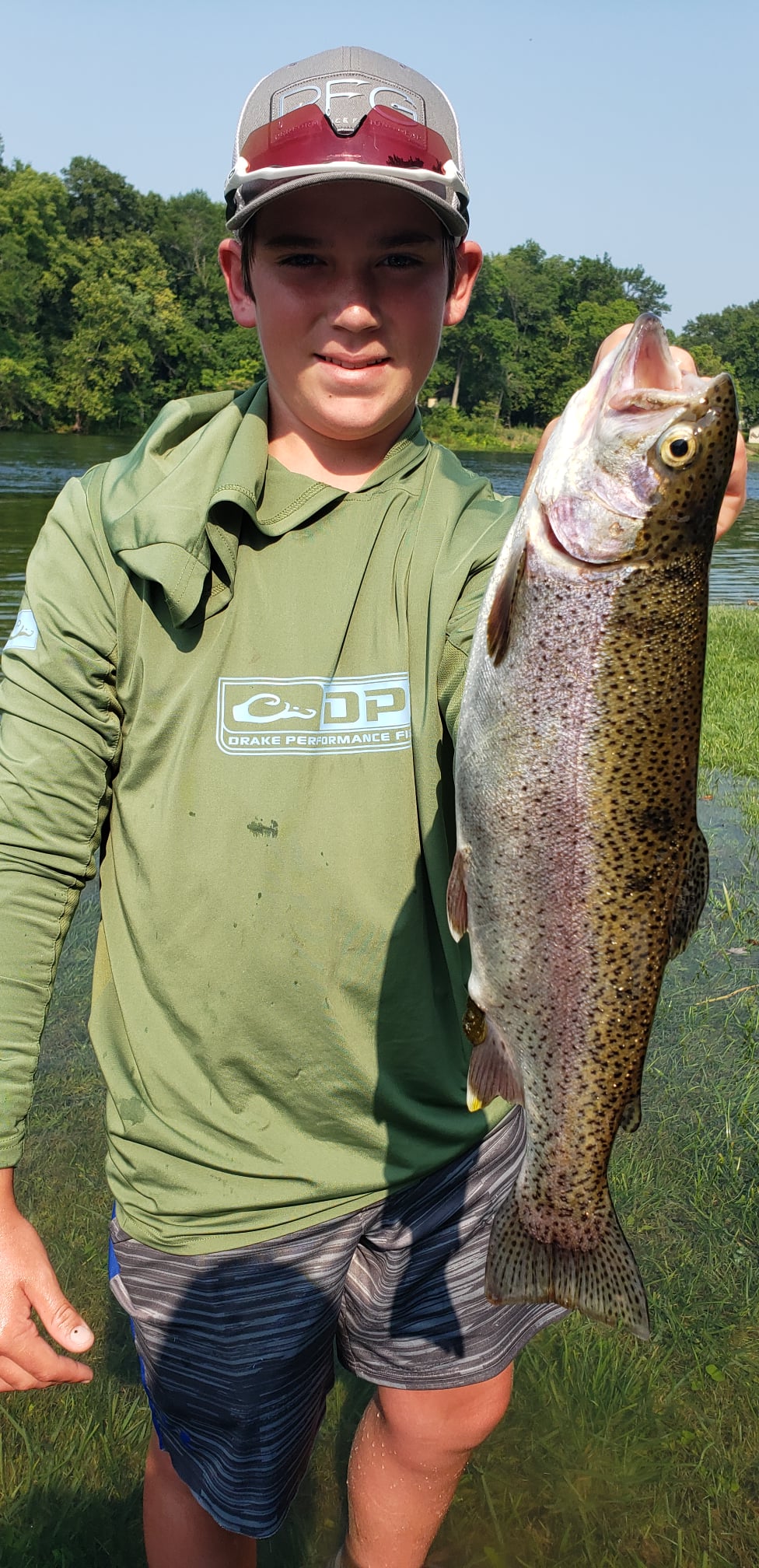
Rainbow trout are the bread and butter of White River fishing, and these aren't your typical stocked rainbows. These fish have been living wild in the river system, developing the strength and fighting ability that makes them such a blast on fly gear. Most rainbows run between 12-16 inches, but don't be surprised when you hook into a 20-inch bruiser that'll test your drag system. They're most active during the cooler parts of the day and absolutely love midge patterns in sizes 18-22. Spring and fall offer the best rainbow action, though they feed consistently year-round thanks to the stable water temperatures.
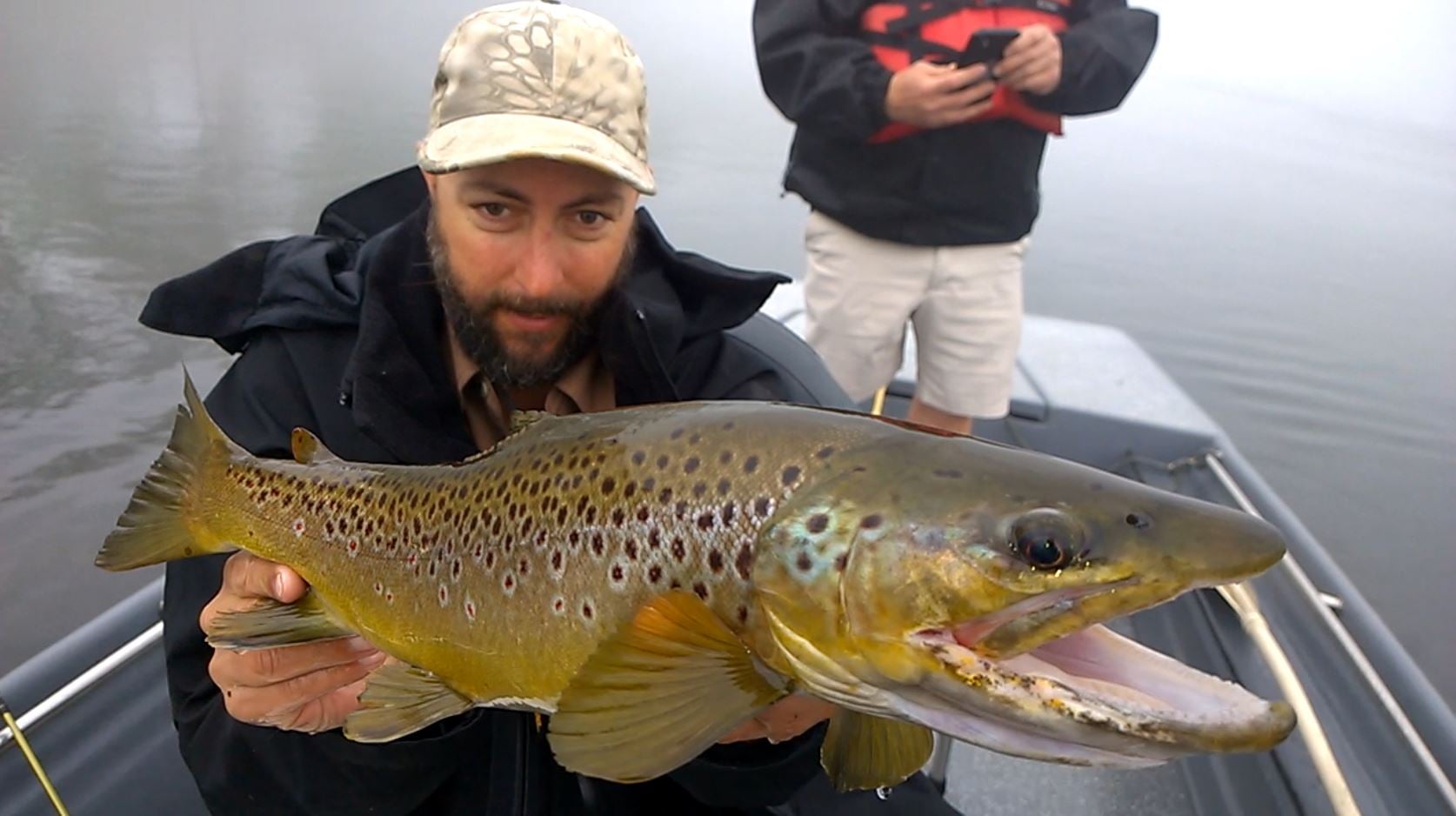
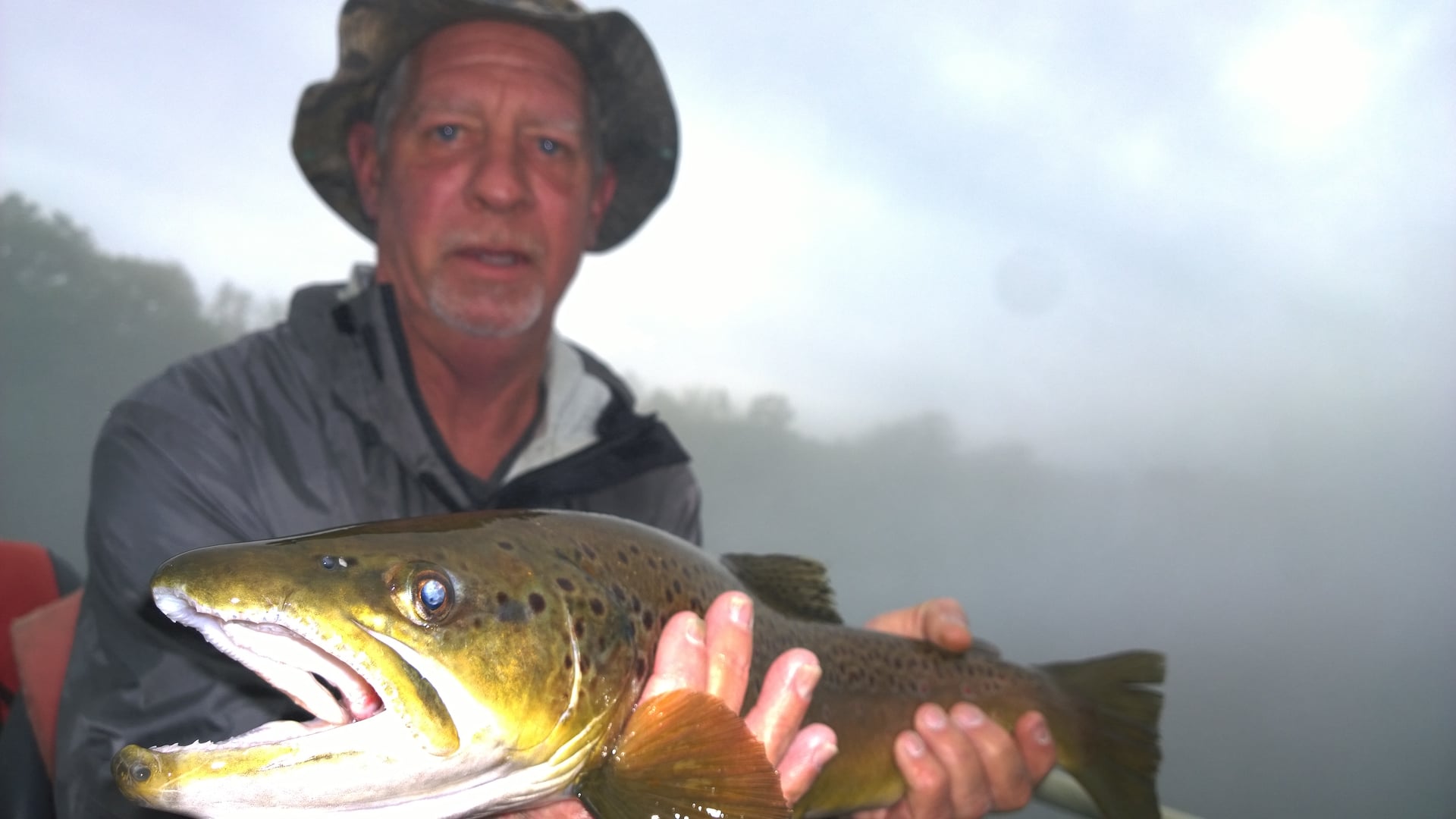
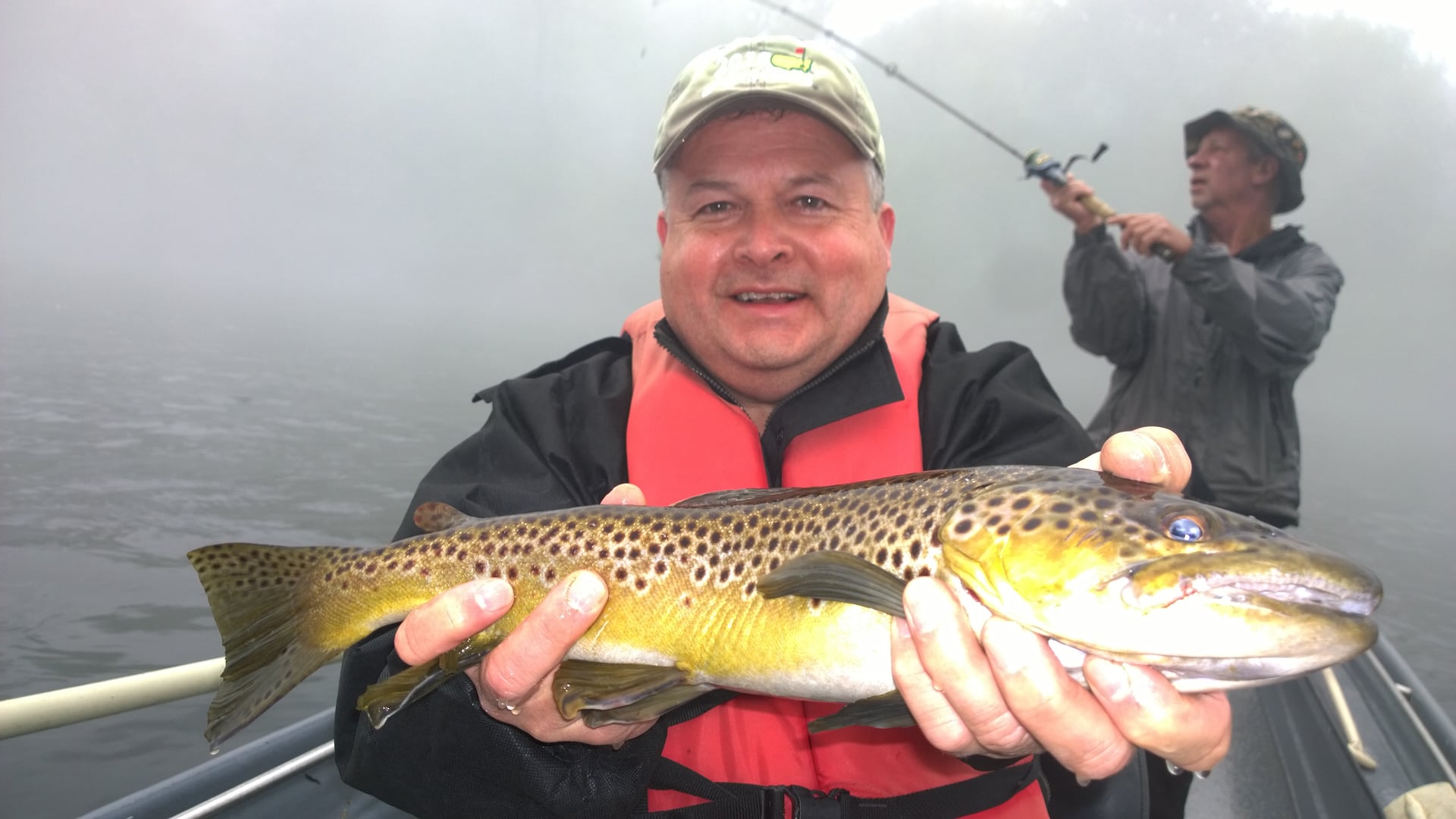
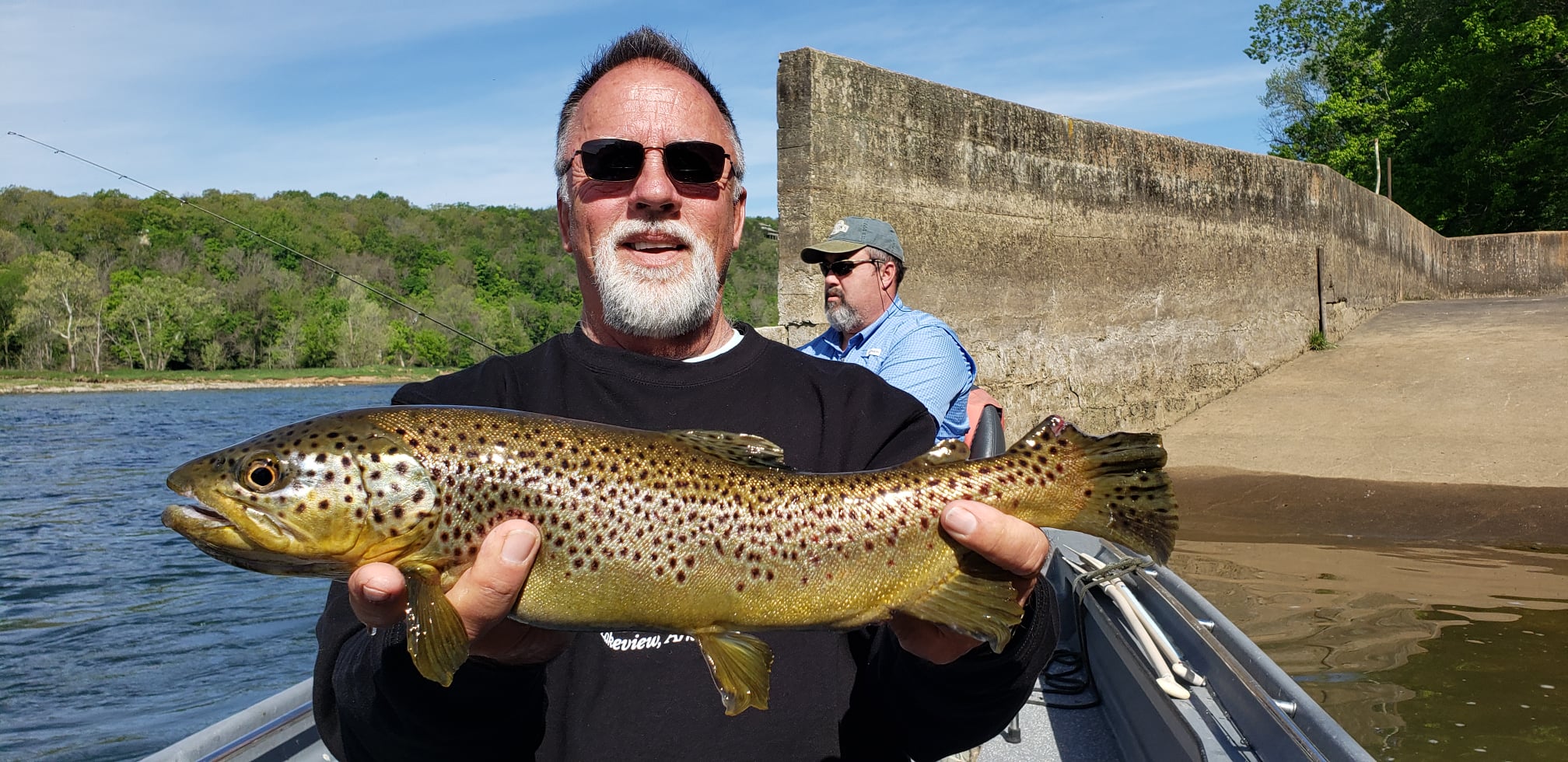
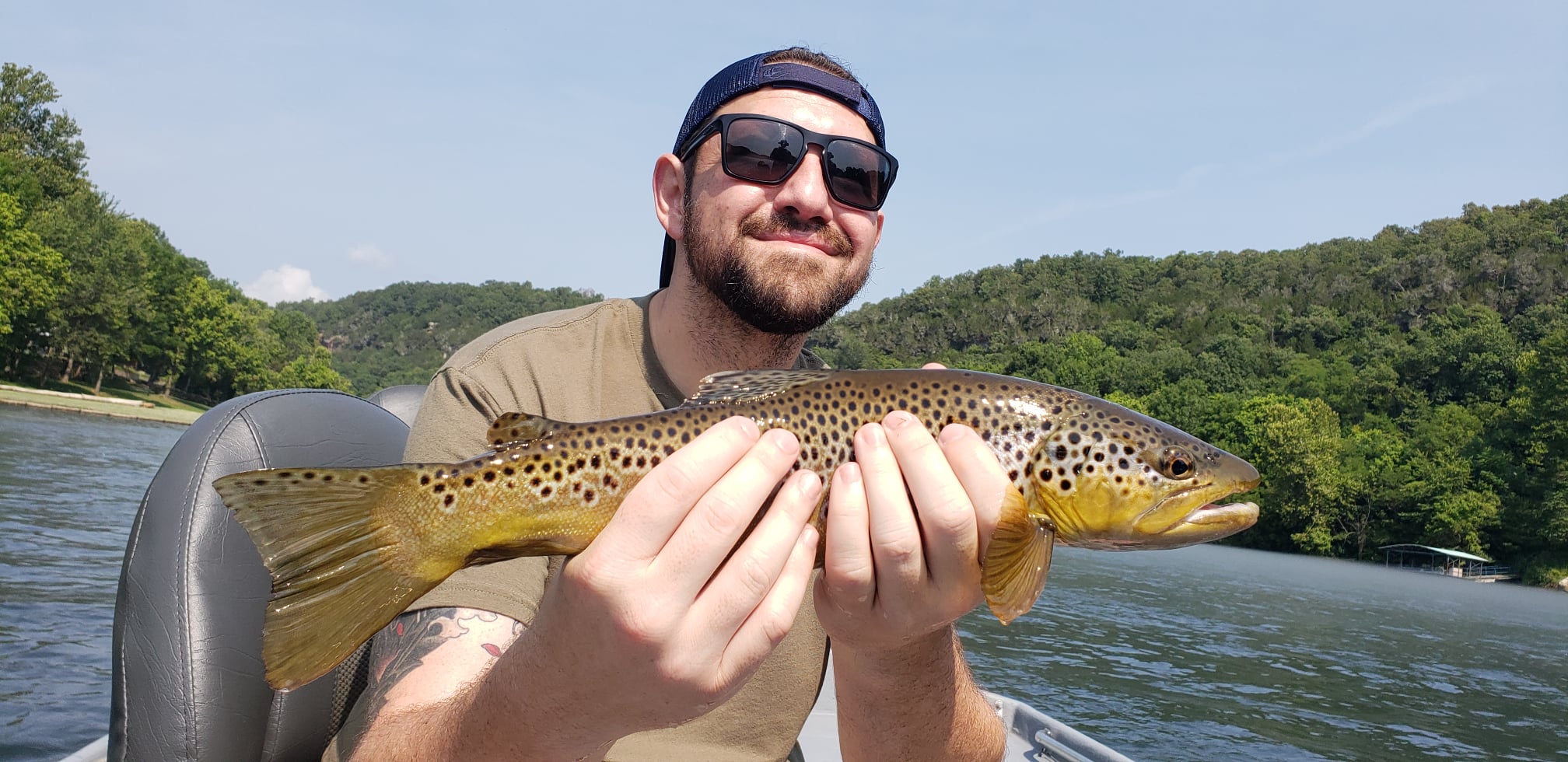
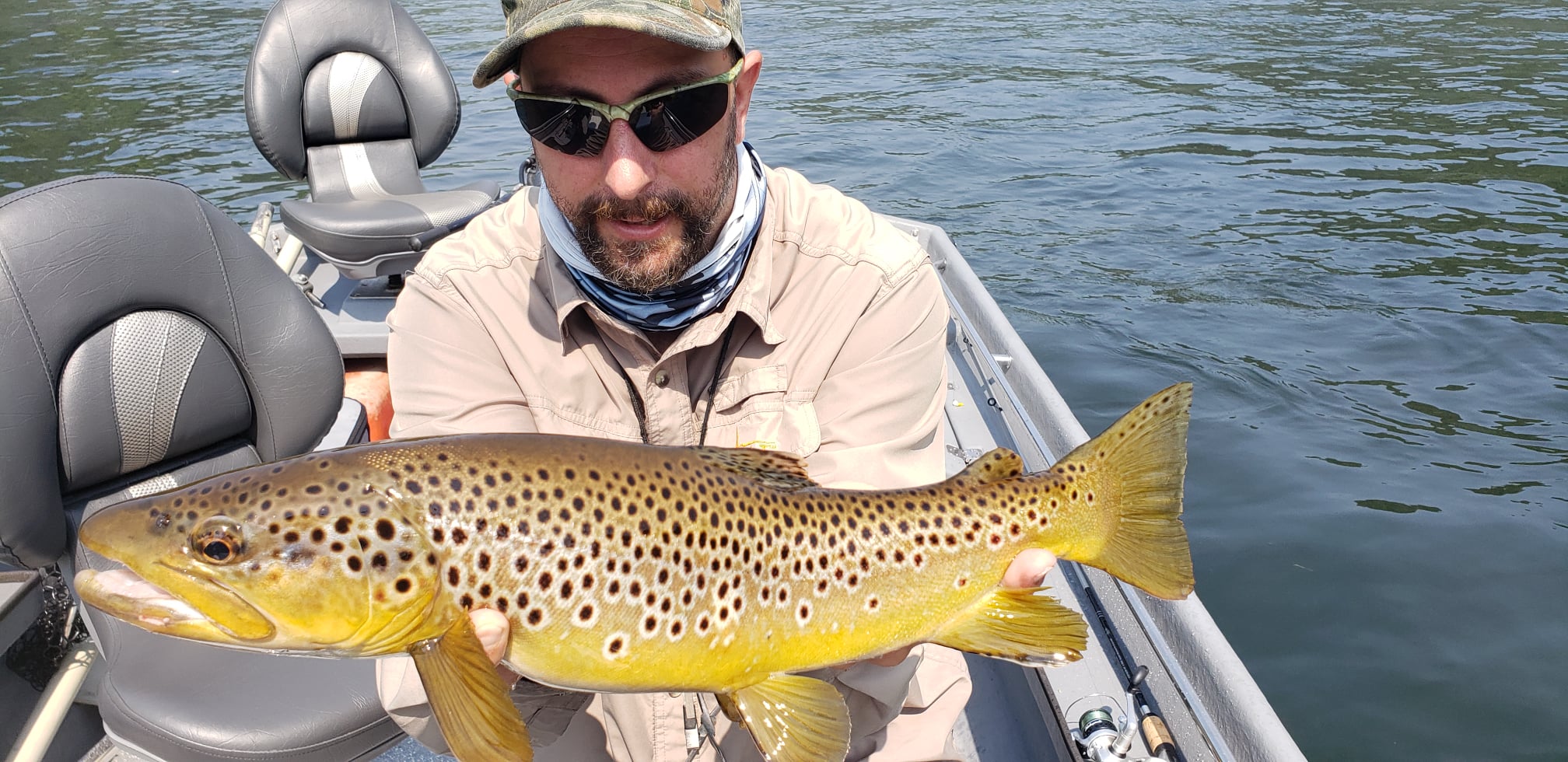
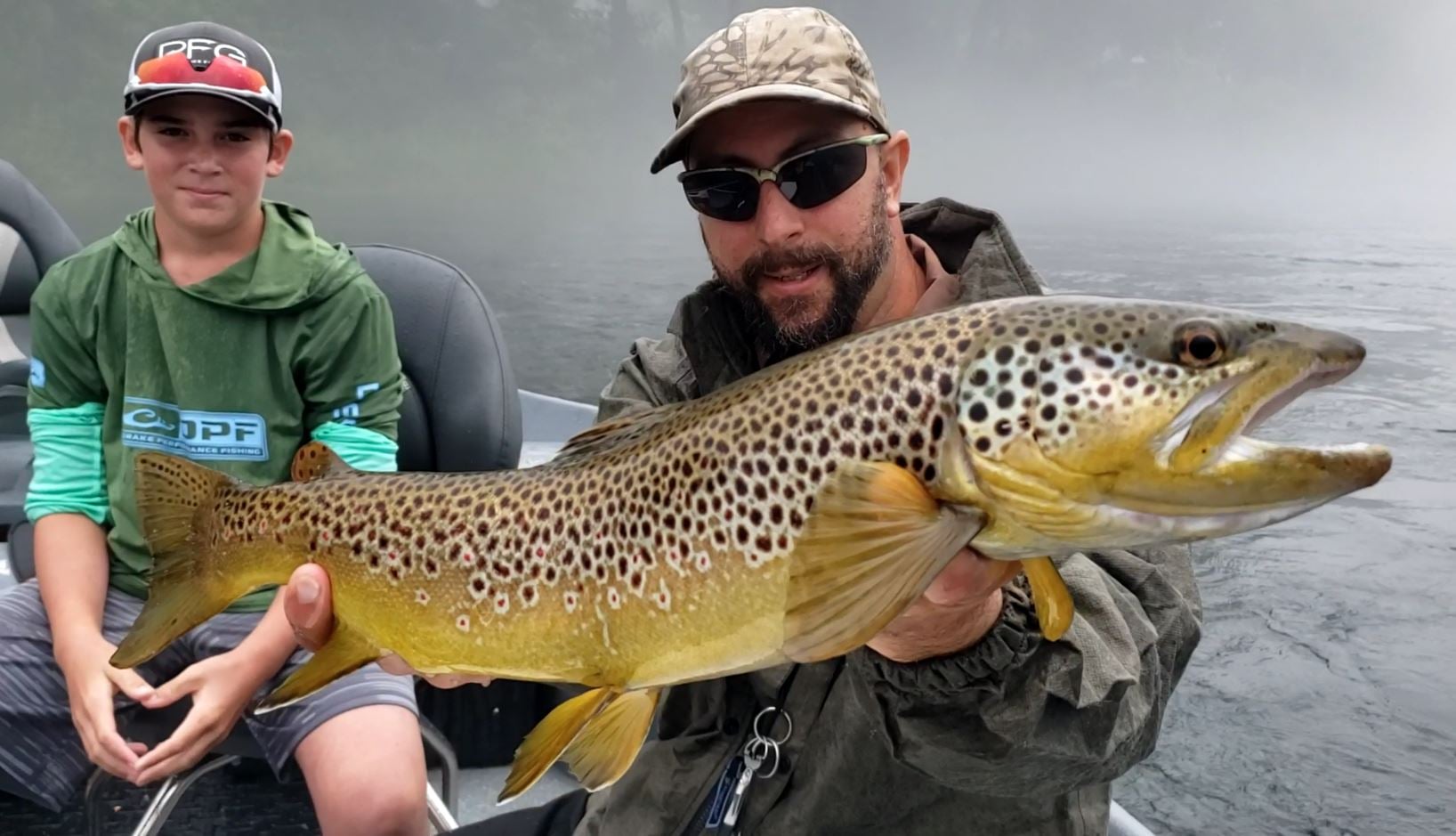
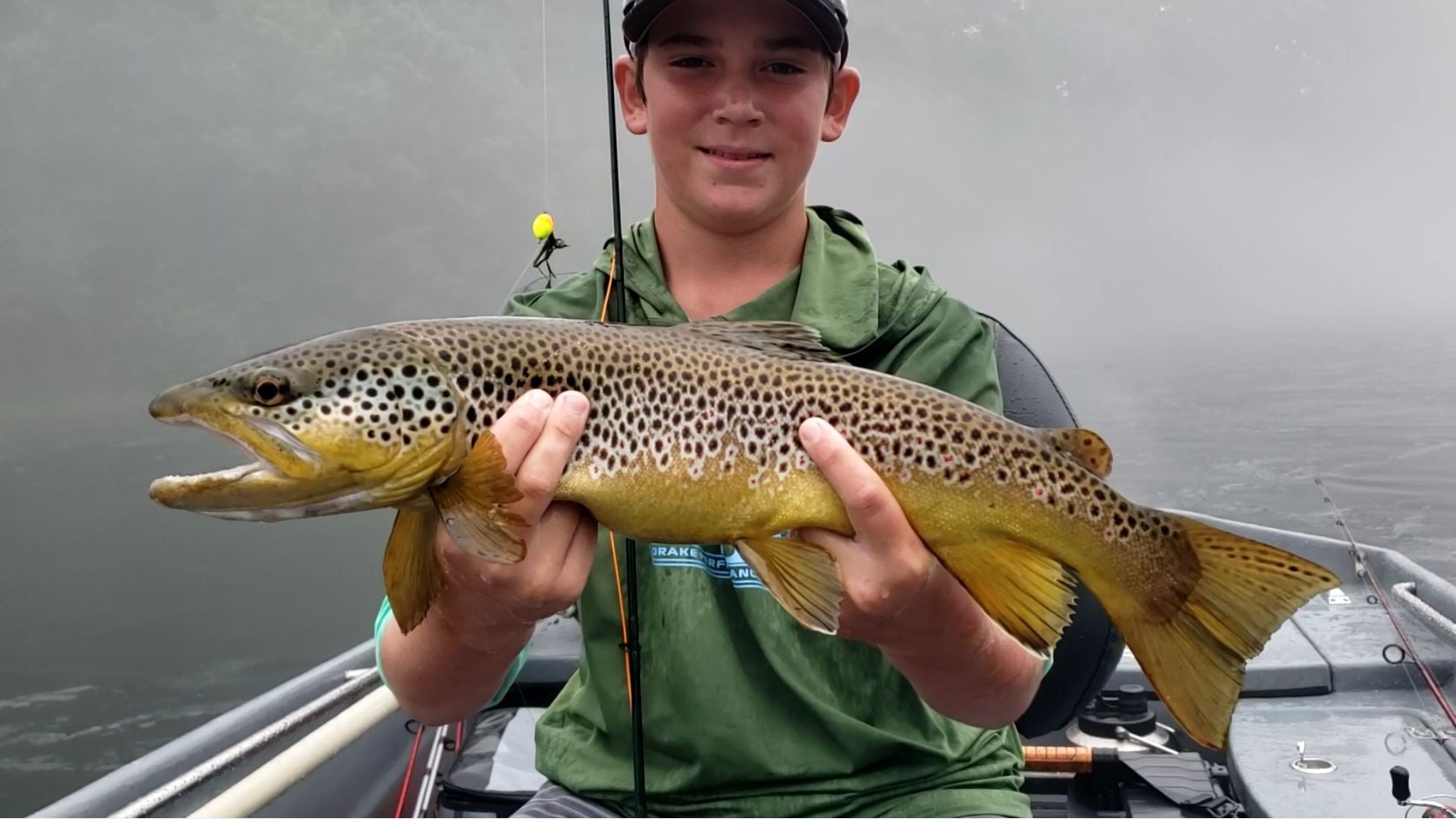
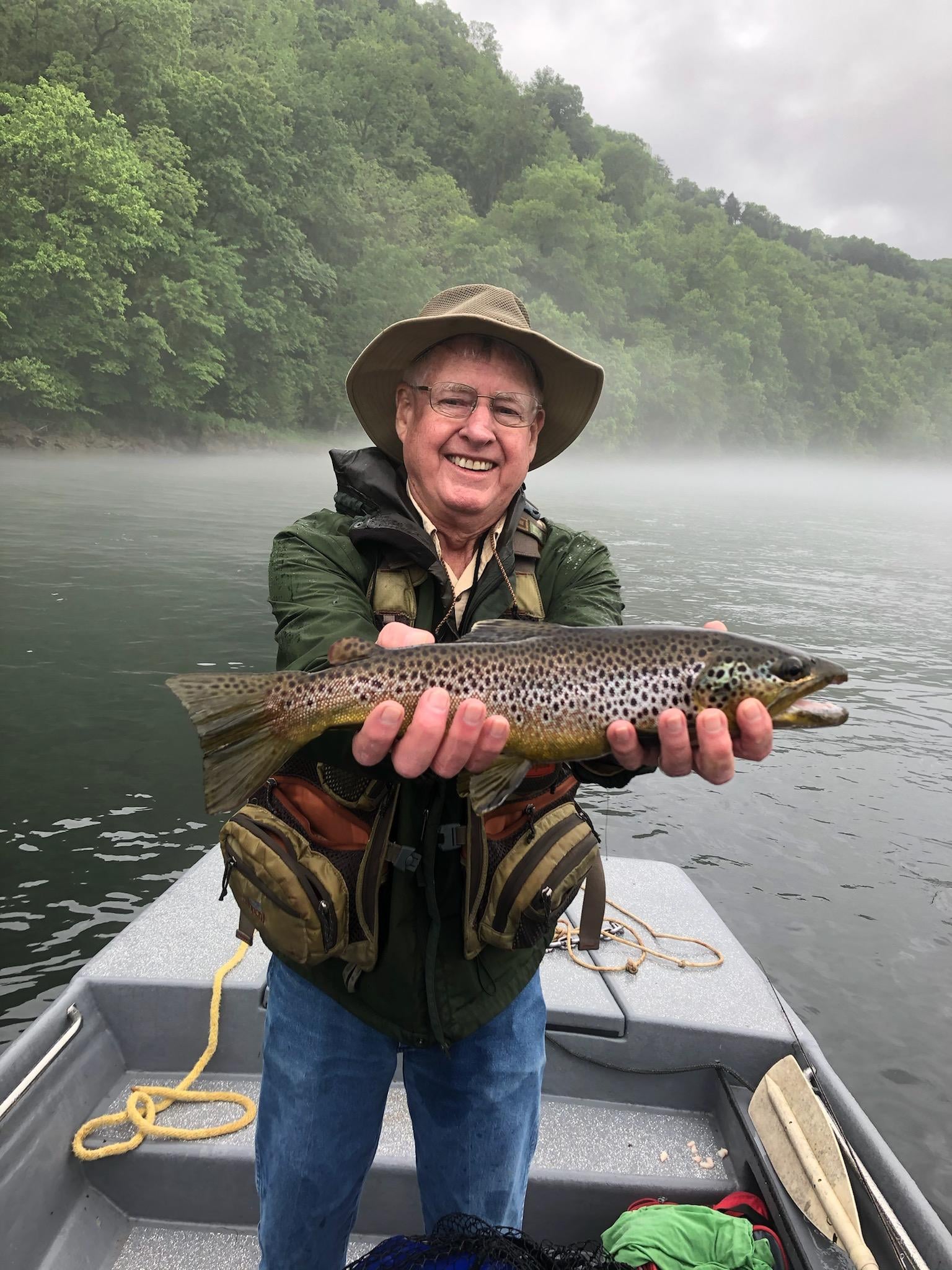
Brown trout are the craftiest residents of the White River, often holding in the most challenging spots and requiring precise presentations to fool. These fish grow large and smart, with 18-20 inch browns being caught regularly by anglers who know how to approach them properly. Browns tend to be more aggressive in lower light conditions, making early morning and late afternoon prime time for targeting them with streamers or larger nymphs. They're ambush predators that love undercut banks, log jams, and deeper pools where they can dart out to grab an easy meal. Landing a hefty White River brown is definitely a highlight that'll have you planning your return trip.
Brook trout might be the most beautiful fish swimming in Arkansas waters, with their vibrant colors and delicate fins that make every photo a keeper. While they're typically smaller than the rainbows and browns, usually ranging 8-12 inches, brookies make up for size with their willingness to hit dry flies and their preference for the prettier pocket water sections of the river. These native Arkansas fish are most active during cooler water periods and often feed in areas where other trout species won't venture. Catching a wild brook trout on a dry fly in the White River tailwater is something special - they represent the original Arkansas trout fishing heritage that goes back generations.
Time to Book Your Spot
The White River keeps producing quality trout fishing throughout the year, but the best days fill up fast with repeat clients who know what they're getting into. Your guided trip includes lunch to keep your energy up during those long days on the water, plus all the local knowledge that turns a good fishing day into a great one. Whether you choose the half-day option to sample what the White River offers or go full-day to really dial in the bite, you'll leave with a deeper appreciation for Arkansas trout fishing and probably a few photos of fish that'll make your buddies jealous. Our guides live and breathe this river system, so you're getting the inside scoop on current conditions, productive techniques, and the stories that make each day on the water memorable. Give us a call and let's get your White River adventure on the calendar.
 Private Trip
 Lakes/Reservoirs/Ponds Fishing
 White River


 World-class trout fishing on Arkansas' famous White River